



15 Best Strategies for Improving Supply Chain Resilience
Discover best strategies to improve supply chain resilience, reduce risks, and ensure smooth operations with reliable sourcing and strong supplier networks.

200+ buyers trust Torg for sourcing







Supply chains—occasionally you'll hear folks discuss them as if they're merely conveyor belts and spreadsheets. But really, they're vast ecosystems extending across continents, engaging thousands of suppliers, and somehow connecting into labor markets, shipping lanes, and even international politics. Consider a hurricane closing down a port facility, or a key mineral supplier just disappearing, what then? That's why supply chain resiliency is important.
Companies today are using all sorts of strategies: dual sourcing, inventory buffers, AI-driven monitoring, digital supply chain technologies, and scenario planning. Some of these might sound “futuristic,” but they’re basically tools to strengthen the entire supply network, reduce supply chain bottlenecks, and ensure business continuity. In this article, we’ll explore uncommon strategies, real-world examples, and practical ways supply chain leaders can actually enhance supply chain resilience across global and domestic operations.
What Is Supply Chain Resilience?
Simply put, supply chain resilience refers to a supply chain's capacity to absorb whatever is coming its way whether it is unexpected labor shortages, global supply chain disruptions, or natural disasters. But this is where it gets interesting: a resilient supply chain is not merely about surviving shocks. It's about evolving and adapting while sustaining production continuity and business continuity.
Let's just say, a robust supply chain somehow expects potential disruptions, readies itself for them, reacts well, and then recovers without missing a beat. Global supply chains with sound resilience strategies can continue to stick to delivery schedules, handle inventory well, and minimize production delays even when the unforeseen strikes. And clearly, resilient supply chain practices not only secure operations but make the whole network more robust, improve customer satisfaction, and yield a competitive edge in a supply chain pressure-filled world.
Ready to strengthen your organization’s resilience and gain a competitive edge? Talk to our experts at Torg today and discover how we can help you build a smarter, more adaptive supply chain.
🚀 Build a supply chain that’s ready for anything. 👉 Join Torg to discover trusted suppliers, streamline sourcing, and strengthen your resilience from the ground up.
Supply Chain Resilience Examples
Being able to see supply chain resilience in practice makes it much easier to comprehend. How do businesses really manage to maintain their operations while everything goes wrong? Let's examine a little closer across several industries. Below are some examples of supply chain resilience:
- Food & Beverage: It is more of fast-moving consumer goods. Those businesses in this category usually experience unexpected transportation bottlenecks or pandemics upsetting their supply chain. So, they hold inventory buffers, have regional production plants, and even diversify raw material suppliers in some cases. The concept is straightforward: block bottlenecks before it ripples through the system.
- Automotive Sector: Car makers have the hard lesson that depending on a single supplier of a crucial part can bring production to a standstill. That's why dual sourcing (multiple sources for main parts) is prevalent. It may be more expensive in the short run, but maintaining production continuity beats the threat of an abrupt interruption.
- Tech Industry: International tech giants such as Apple and Samsung deal with a totally different kind of threat. Semiconductors and critical minerals come from all over the globe so geopolitics is always an issue. Companies offset this by diversifying their supplier base and having backup sourcing plans in place. That way, supply chains remain robust, and production continues running irrespective of what happens.
Durable supply chains aren’t just a concept people talk about. They’re real, hands-on practices that top companies rely on. Production keeps moving. Bottlenecks get managed. Customers stay happy—even when the unexpected hits and shakes everything up.
The Four Pillars of Resilient Supply Chain

Building a resilient supply chain is not a tick box exercise. In fact, it’s about making the whole network stronger so it can absorb disruptions, recover, and bounce back quickly. Most supply chain leaders target four pillars to ensure this.
Visibility
Never attempt to run a supply chain without actually knowing what's going on. That's already pretty obvious. Supply chain visibility is all about knowing what’s happening across the supply chain and it being a priority. With overseeing raw materials and critical mineral supply chains to products landing in customers’ hands, awareness matters. Digital tools like sensors, IoT devices, digital supply chain tools all feed real-time data on inventory, shipments, and manufacturing capacity. But the real power of these tools is spotting disruptions before they snowball and planning demand with actual foresight.
Flexibility
Circumstances change. Quick. Production slowdowns, labor shortages, geopolitical conflicts, flexibility is what gets the chain going when things go awry. Agile supply chains are able to change suppliers, divert shipments, or alter production schedules in a snap. Dual sourcing, multiple suppliers, and flexible contracts should be front of mind because they are top strategies to keep production up and running and keep the effect of supply chain bottlenecks at bay.
Collaboration
You can't do it on your own. Collaboration is more profound relationships and intense ideation with suppliers, trading partners, and even internal stakeholders within procurement, logistics, and manufacturing operations. Common planning, shared risk analysis, and open communication means everyone can react quicker to disruptions. It seems supply chains that are resilient function best when relationships are strong and the entire network has an interest in working through issues and problems as a team.
Control
Control is everything about having systems and procedures in place to steer decisions during chaos. This includes governance, scenario planning, risk management, and also compliance monitoring. When disruptions occur, clear control steps ensure supply chain leaders can react quickly with risk mitigating, maintaining continuity of production, and ensuring business continuity. In short, control makes uncertainty matter and prevents the supply chain from derailing.
15 Best Supply Chain Resilience Strategies

Making supply chains stronger is not about having a single silver bullet. It's about moving various levers at the optimal moment. Some of these strategies will ring a bell, but when you combine them in the way you do, you create a genuinely resilient supply chain. Here are the set of strategies that supply chain leaders work with.
1. Supplier Diversification
Relying on a single major supplier is putting all your eggs in one basket. Rely on one basket, and you gamble with the entire supply chain. Continuity comes from spreading risk with different suppliers, different regions, and the same critical inputs. It’s not a luxury because at this point, business survival is all that matters. At the core, diversification is simply making sure no single supplier can take you down when trouble hits. Apparently, this not only protects you from supply chain disruptions but also provides you with greater bargaining power and better cost-saving in the long term.
2. Nearshoring & Reshoring
Global supply chains are tenuous. A single port shutdown or geopolitical crisis can disrupt everything. Shorter global trade lanes. Faster response times. Less exposure to far-off disruptions. That’s the promise when production is pulled closer to home. Nearshoring or reshoring isn’t just about location but about actual control. For many firms, moving factories back toward domestic or nearby markets has become one of the strongest anchors of supply chain resilience. In fact, this is one of the most sensible means to make supply chains more resilient as well as enhance customer satisfaction with reduced delivery times.
3. Inventory Buffers & Safety Stock
Consider inventory buffers as an insurance policy. They may appear expensive initially, but when a supply chain disruption occurs, it is the added safety stock that keeps your production capacity intact. Recovery time shrinks when inventory is managed with intention. Where to place it, how much to keep, and when to move it, those choices decide how well a supply chain bounces back. Think of stock as a cushion. It doesn’t prevent the fall, but it softens the landing when production stalls or minerals suddenly go scarce. Business continuity lives or dies on that balance.
4. End-to-End Supply Chain Visibility
Blind spots disrupt supply chains quicker than storms. That's why visibility counts. It's the difference between responding too late and navigating early. When congestion begins brewing, those who can see it coming can avoid chaos before chaos snowballs. Real-time inputs from IoT sensors, predictive analytics, and digital platforms enable that vision. And the payoff? A supply chain that reacts quicker, adapts sharper, and weathers disruption without losing rhythm.
5. Strong Supplier Relationships
It is not always about agreements; sometimes it is about confidence. When a disruption hits, the difference often comes down to the people on the other side of the contract. A vendor delivers what’s required; a partner leans in and helps steady the ship. That’s why strong supplier relationship matters more than any clause on paper. Mutual risk-sharing, honest communication, and planning side by side create the kind of agility no tool can replicate. In practice, it’s those relationships that hold supply chains together when everything else shakes. Supply chain managers who invest in cooperation create a tough supply that can weather supply chain pressures from sudden shocks.
6. Flexible Contracting
Contracts don't need to be chiseled in granite. In fact, in resilient supply chains, they shouldn't be. Flexible contracting provides space for companies to readjust volumes, lengthen lead times, or even change sourcing terms when supply chain disruptions occur. Consider a surprise labor shortage or transportation jam—without contract flexibility, you're in trouble. But with flexible terms, you can shift gears quickly, safeguard production continuity, and ensure customer satisfaction. This method simply renders supply chain activities more flexible and better able to respond to anticipated disruptions. Learn more about contract negotiation with suppliers here.
7. Scenario Planning & Risk Mapping
A crisis always feels less chaotic when you’ve already imagined it. That’s the point of scenario planning. Running through the “what ifs” before they turn into headlines. Executives map out disasters on paper: supplier collapse, sudden floods, political flare-ups. It sounds tedious, but those drills expose cracks in the network long before they widen. When reality finally throws a punch, the companies that rehearsed aren’t scrambling; they’re responding. Recovery is quicker, supply chains hold steady, and the show goes on—because the practice happened backstage.
8. Digital Transformation & Technology Adoption
AI, predictive analytics, and digital twins are changing how companies anticipate disruptions and optimize supply chain logistics. For example, predictive models can flag future demand surges before they overwhelm your production capacity. Somehow, these advanced technologies give supply chain leaders the insight they need to strengthen supply chains resilience in ways that old methods simply can’t. Digital supply chain technologies do not remove risks, yet they do make the whole supply chain smarter and more agile.
9. Blockchain & Traceability Systems
Global supply chain trust is often a matter of visibility. Blockchain is becoming a game-changer since it establishes transparent, tamper-proof records of material movement and sourcing practices. Essentially, if a customer wishes to trace where their product originated or if you are required to trace a faulty batch, you can do it immediately. Traceability systems such as these not only enhance customer trust but also enhance compliance and minimize supply chain risk. Clearly, blockchain is an excellent instrument with which to create supply chain resilience and maintain business continuity.
10. Cybersecurity Strengthening
As supply chain networks become digital, the threats evolve. Cyberattacks are no longer exceptional. Ever since the dawn of the digital age, it's now regarded as an ongoing phenomenon. Cyber threats don’t knock politely. They figuratively crash the door. One successful breach can halt production, leak partner data, and cripple supply chain operations in minutes. That’s why resilience today isn’t only about trucks, ports, or spare suppliers. It’s digital armor too. Firewalls get stronger, monitoring systems run nonstop, and even employees are trained like sentries. Cybersecurity has become less of an option and more of the backbone of modern supply chain defense. Somehow, it seems almost as critical to protect your systems as it is to protect physical warehouses. Without it, the whole network risks being compromised.
11. Sustainable & Circular Practices
Adaptive supply chains are not just efficient; they're also sustainable. Businesses that adopt ESG-compliant sourcing and circular economy practices are essentially constructing supply chains that can take more pressure over the longer term. Recycling core minerals. Repurposing components. These aren’t just green slogans. When supply chains lean on sustainability, they’re harder to break. Fewer shortages. Less exposure to shifting environmental rules. Sustainability and resilience don’t stand apart. They lock together like shields overlapping in battle. Customers notice the impact, even if the progress itself moves in silence. What emerges is a tougher, steadier supply chain, strengthened almost without fanfare.
12. Agile Logistics & Distribution Networks
If one truck route or port downtime can bring your whole supply chain down, that's an issue. Agile logistics puts an end to that. By having several partners for logistics, elastic routes, and flexible last-mile delivery choices, businesses can act quicker to disruptions such as transportation halt, natural disasters, or shortages of labour. In fact, agile logistics means that supply chain activities don't grind to a halt just because one route is shut down. It's a little like having secondary roads, you always have an alternative way to keep products flowing.
13. Cross-Functional Teams
Supply chain resiliency is not just the responsibility of procurement or logistics. It's everybody's responsibility. Cross-functional teams combine procurement, IT, finance, operations, and even customer service. This shared effort makes supply chain planning more integrated. For example, finance can raise cost issues while IT can guarantee digital supply chain technologies are secure. Clearly, when departments are aligned, companies build supply chain resilience by preventing blind spots. Essentially, more minds make better decisions and respond quicker.
14. Collaboration Across the Ecosystem
A supply chain standing alone cracks faster than you’d expect. Yet when firms share the uncomfortable stuff (raw data, forecasts, risk maps) the gaps begin to close. Isolation leaves blind spots, while collaboration patches them into something sturdier. Sometimes it means teaming up with distributors, sometimes suppliers, and occasionally even competitors. The strange part is those who open their doors bend less when the storm hits. Shared insight doesn’t just spot trouble earlier; it synchronizes the response. Piece by piece, scattered networks start behaving like one resilient organism. Maybe that’s the future: not silos, but connected chains that hold.
15. Continuous Monitoring & Improvement
Resilience is a continuous, constant process (even in life). It's not something you learn once and remember never. Ongoing monitoring involves monitoring supply chain resilience measures such as time to recover, supplier reliability, and order fulfillment rates. Having KPIs is not enough; the true value lies in taking that data and making regular adjustments to strategies. Disruptions come and go, but some companies move differently. Instead of reacting in panic, they bend with the pressure and shape themselves around it. That ongoing loop of analysis and refinement keeps their supply chains light on their feet, adaptive, and oddly ready for the next curveball.
Benefits of Supply Chain Resilience
Developing resilient supply chains isn't a "preference" for companies and businesses because it literally makes a real difference. When all hell breaks loose, from unexpected labor shortages to unforeseen global disruptions, how prepared is your supply chain? That's where resilience pays off.
Reduced Supply Chain Vulnerability
Resilient supply chains don’t freeze when trouble hits. They bend and move. Think natural disasters, political shake-ups, or a supplier suddenly going dark. Instead of panic, operations keep rolling. Why? Backup suppliers. Dual sourcing. Smarter inventory buffers. It sounds simple, but the trick is anticipation. The more scenarios you’ve mapped out before the storm arrives, the less exposed your supply chain will ever be.
Improved Business Continuity
How many times do you hear companies losing market share simply because manufacturing ceased for a week? With enhanced business continuity in supply chain activities, organizations can satisfy customer needs regardless of what's happening across the world. In fact, this is where end-to-end visibility, scenario planning, and flexible logistics become valuable. It is not some form of guessing game or being "paranoid." Remember that anticipation is the key to keep things moving.
Cost Efficiency
You may assume building supply chain resilience is costly. Granted, there's a one-time investment in AI software, digital supply chain solutions, or additional safety inventory. However, in the long term, resilient supply chain practices frequently end up saving money by preventing production disruption, crisis sourcing, or forgone sales. Some way or another, spending a little today prevents spending a lot of money down the line, and that says a lot about having resilient supply chain management.
Competitive Advantage
Those businesses that actively build up supply chains are noticed. A company that cracks under pressure loses more than shipments. It loses trust. Clients notice. Investors notice. Reputation slips faster than numbers on a quarterly report. Now flip the script: a supply chain built to handle stress signals reliability, confidence, and control. That kind of stability doesn’t just protect operations; it attracts capital, secures customers, and quietly builds market share over time.
Supply Chain Resilience Framework
Think of it less as theory and more as scaffolding. A resilience framework props up the supply chain when the ground shakes. It's a guide for protecting operations, minimizing risks, and keeping business moving forward. Now, let’s pull it apart piece by piece.
- Risk Identification: You can't repair what you don't notice. For that reason, the initial step is identifying hazards throughout the supply chain, be it raw material shortages, transport delays, or cyber attacks. In reality, most businesses overlook concealed vulnerable areas until it's too late. Mapping them out early on makes the entire system a little less vulnerable.
- Resilience Planning: Once risks are defined, companies develop resilience plans to address them. This is not merely maintaining alternative suppliers. It is also establishing flexible contracts, maintaining inventory buffers, and even designing alternative logistics corridors. Essentially, resilience planning is the "what if" playbook that enables you to recover quickly.
- Monitoring & Measurement: AI, IoT sensors, and digital platforms put supply chains under a real-time microscope. You see stock levels, lead times, supplier reliability—all of it. Then the hard numbers step in. Supply chain resilience metrics like recovery time and fulfillment rates cut through noise and reveal how well the system actually performs.
- Continuous Improvement: Plans can’t sit still if disruptions don’t. Each shock leaves lessons behind, and companies that pay attention feed those lessons into a stronger resilience model. Digital twins and other simulation tools are also tools used to rehearse before the storm hits again. In some way, this process of testing and adjusting keeps the system primed for the next big hurdle.
- Technology as the Backbone: No system functions without technology. AI, predictive analytics, and digital twins enable businesses to model disruptions before they materialize. These resilient supply chain technologies don't merely alert. They also optimize supply chain logistics so that the entire system is more resilient. In 2025, digital supply chain technologies are not discretionary; they're the foundation for resilience.
Common Supply Chain Disruptions & Risks
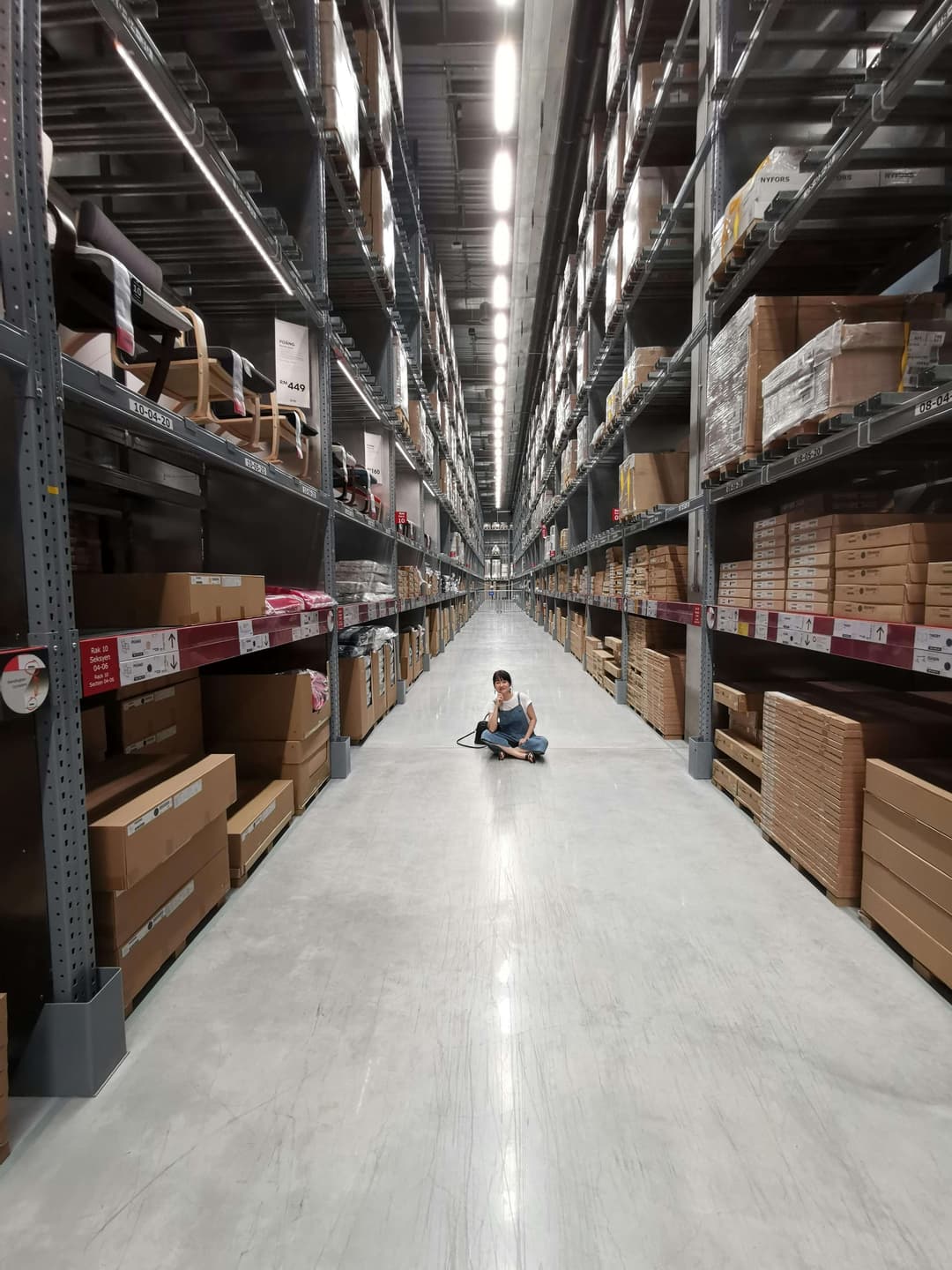
All supply chains, however robust they may appear on paper, are subject to risks. Some are foreseeable, some are unexpected. And when they strike, they can destabilize operations in ways that feel like yanking the rug out from under a company. Let's proceed through the most typical ones:
Natural Disasters and Climate Change
Earthquakes, floods, hurricanes, all of these natural calamities, name it. They don't just delay things; they cut off routes, destroy factories, and sever suppliers in the night. Climate change is making them more frequent and, apparently, more difficult to forecast. Businesses that fail to prepare for these shocks tend to get mired with gigantic delays and losses.
Pandemics and Public Health Crises
We’ve all seen how COVID-19 turned global supply chains upside down. Labor shortages, locked-down ports, and sudden spikes in demand made production continuity nearly impossible. Basically, a pandemic exposes every weak link in the chain. Businesses now know they can’t ignore this risk again.
Geopolitical Tensions, Wars, Trade Restrictions
Tariffs, sanctions, embargoes, these may strike harder than any typhoon. Political conflicts sever access to key minerals, raw materials, and even shipping routes. For instance, a single embargo can send waves across industries globally. In some manner, supply chains always fall within politics' clutches, and hence resilience planning becomes the necessity of the times.
Supplier Failures and Financial Instability
Putting all eggs in one basket is extremely dangerous. When a major supplier goes belly-up owing to bankruptcy, quality control issues, or breakdowns, production comes to a standstill. Even big corporations are taken by surprise. This is why diversification of suppliers is an intelligent decision that needs to be at the top of the agenda of teams and leaders.
Cybersecurity Threats and Digital Disruptions
With more digital supply chains, more cyber threats. A single ransomware attack or system crash can bring production lines to a standstill, leak sensitive data, or shut down shipments. Ponder orders hung up due to a server hack. Building up cybersecurity is no small thing and an essential element of digital supply chain resilience.
KPIs for Supply Chain Resilience
Building resilient supply chains is one thing, but how do you know it's working? That's where KPIs come in. These are indicators that let you know if your supply chain strategies are performing or if something needs to be addressed.
- Time to Recover (TTR): This is a metric of how quickly to recover after an interruption. In essence, if a supplier is out or a route is closed down, how fast can you get things back online? The lower the recovery time, the more robust the system.
- Order Fulfillment Rate: Customers don't care about what they ordered, or when. This KPI indicates how consistently you're filling demand without delay. Clearly, a high fulfillment rate is an indicator that your resilience efforts are bearing fruit.
- Supplier Reliability Score: All suppliers are not created equal. A few are reliable; others are not. You can track supplier dependability based on timeliness, quality, and responsiveness to see which partnerships are real and which are vulnerable links in your supply chain model of resilience.
- Inventory Turnover and Buffer Utilization: Having safety buffers of inventory is convenient, but excess inventory holds capital hostage. Inventory turnover and how frequently you withdraw from your safety stock reveal whether your buffer approach is efficient or merely hemorrhaging resources. Somehow, it's about maintaining that delicate balance between security and efficiency.
- Supply Chain Agility Metrics: These measure how fast your supply chain can respond to change. Can you ramp up, reroute, or switch suppliers when conditions change? Agility is really a stress test. It tests whether the system actually can adapt in real life.
- Risk Mitigation Success Rate: Global companies have plans for managing risk on paper, but do they really pay off when things get disrupted? This KPI tracks how many times your risk responses work vs. fail. A plan isn't sufficient. It has to produce results.
Tracking these KPIs on a regular basis provides supply chain leaders with a clear understanding of where they are. Far more important, it informs improvements so resilience is not only an objective, but an ongoing habit.
Challenges in Supply Chain Resilience
Resilience is wonderful on paper, but in reality, it's seldom a case of smooth sailing. Companies usually find that the path to resilient supply chains is not as easy. Some conspicuous, some not. Let's break down some of the most typical challenges.
Barriers to Resilient Supply Chains
One of the significant challenges is attitude. Departments tend to resist change, particularly if they've been doing things the same way for years. Silo departments only worsen the problem, procurement doesn't communicate with operations, operations don't communicate with IT, and so forth. In essence, without cross-functional collaboration, resilience plans never take flight.
Cost Considerations
Realistically speaking, resilience isn’t free. Adding backup suppliers, investing in digital supply chain tools, or maintaining safety stock requires money upfront. Some leaders hesitate because labor costs feel too high. The real question isn’t whether resilience costs money but which bill you’d rather pay. The upfront investment in preparation, or the heavy losses when disruption strikes? Somewhere between overspending and leaving yourself wide open sits the balance. That’s the sweet spot procurement leaders chase.
Supply Chain Complexity
Planning for resilience can feel overwhelming. Too many moving parts, too many rules. Add suppliers from different regions, regulatory hurdles, and the grind of cross-border logistics. It piles up fast. And every new layer of resilience? It doesn’t simplify things. It stretches the system further, making already tangled global supply chains even harder to manage.
How to Improve Supply Chain Resilience
Enabling supply chains isn't an overnight process. It's a blend of technology, people, and planning combined. Some companies go directly to tool purchasing, while some prioritize supplier contracts. The truth is, however, that resilience is best when pursued from many directions. Let's go through some of how supply chain leaders can actually enhance resilience in reality.
Regular Risk Assessments
All supply chains have weak points, although some are more obvious than others. Regular checks reveal where those cracks may appear. Perhaps it's a single-trading partner dependency, perhaps it's a warehouse that is perpetually delayed during the rainy season. By mapping out these vulnerabilities and playing "what if" games, companies can sequence which risks to address first. It's not a matter of anticipating all manner of disasters but of being at least prepared for those most likely to occur.
Building a Resilient Supplier Network
Relying on a single source for vital raw materials or core components is risky business. A resilient supplier base disperses that risk. Diversifying suppliers by region, keeping relationships with backup suppliers, and even encouraging local production are firms in a much stronger position when disruption strikes. It's essentially equivalent to not having all your eggs in one basket, but on an international level. Apparently, this strategy also makes supply chains more resilient by providing the bosses with more choices whenever a single connection fails.
Investing in Digital Tools
Technology is never going to get phased out. Especially now. Supply chain resiliency, predictive analytics, and digital twins by artificial intelligence allow us to forecast and see ahead of time potential issues before they become significant disruptions. These technologies allow us to forecast future demand, monitor material flow, and optimize inventory management strategies in real time. Somehow, what previously took weeks of manual planning occurs in an instant. For supply chain managers, investing in these technologies doesn't merely increase visibility. It develops long-term resilience in the entire network.
Training and Scenario Simulations
Even the finest plans go belly-up if individuals don't know what to do when things fail. That's why simulations and training are essential. Executing mock disruptions, such as simulating an unexpected supplier breakdown or port closure, provides practice. It increases confidence and ensures production continuity when real disruptions happen. It also identifies which departments should be better aligned, allowing easier refining of supply chain risk management models.
Aligning Resilience with Sustainability Initiatives
Supply chains can’t afford to ignore sustainability anymore. The real challenge is blending resilience with ESG principles and circular economy practices. Doing so prepares businesses for today’s supply chain risks and the ones waiting down the road. Buying from eco-conscious suppliers cuts the chance of regulatory trouble. Using sustainable materials reduces reliance on scarce resources. In practice, resilience and sustainability push each other forward. And when they move in sync, companies lower operational risks while strengthening their reputation with investors and customers.
Future Trends in Supply Chain Resilience
As global supply chain resilience trends are threatened by new dangers, leaders in the supply chain are aware that tactics will change. This is where things are going.
AI in Supply Chain Resilience
AI is turning into the command center for resilient supply chains. It spots disruptions before they land. It reshapes sourcing strategies. It even automates the response. Instead of watching problems snowball, leaders get real-time alerts and clear, data-backed recommendations. The result? AI-powered supply chains that move faster, think sharper, and adapt with far more ease.
Digital Supply Chain Resilience
With IoT, blockchain, and cloud platforms involved, leaders get what they've always wanted which is real-time visibility, end-to-end traceability, and closer control of every moving piece. In some way, these technologies miniaturize blind spots in complex supply networks. They also enable quicker collaboration between trading partners, enhancing supply chain continuity planning and minimizing resultant disruptions for the whole network.
Focus on Localized Production
International disruptions proved the hard way: distance amplifies risk. That’s why so many companies are shifting to incentivize domestic production and nearshoring. Making products closer to where demand actually is cuts down exposure to geopolitical risks and long shipping delays. It also strengthens resilience, faster delivery, steadier logistics, and a supply chain that’s far more competitive.
Sustainable and Circular Supply Chains
These days, sustainability and resilience aren’t running on separate tracks—they’re overlapping in ways businesses can’t ignore. It’s not simply about compliance or consumer pressure anymore. The real shift is seeing circular practices, like recycling materials, redesigning waste streams, or sourcing from ESG-driven partners, as core tools. They’re shaping supply chains built to last.
Conclusion
You ever wonder why some organizations just don't bat an eye when global supply chains experience turbulence, while others panic? The key probably comes down to supply chain resilience. Labor shortages, mineral bottlenecks, natural disasters, and geopolitical tensions can stop production faster than you can say “just-in-time”. The question is: how do you keep your operations from falling over?
A supply chain risk management framework should never be stored at the back end of a drawer. In other words, it's ridiculously important for the overall supply chain. It involves scenario planning, sustainable sourcing, and cross-team collaboration working together in a living system that strengthens the whole network. Your supply chain becomes quick to recover, flexible to bypass bottlenecks, and smart to spot risks before they snowball. Companies that do this aren’t just surviving. They’re getting ahead, protecting market share, and building a foundation to thrive whatever the future throws at them.
Frequently Asked Questions (FAQs)
1. What does supply chain resilience mean?
Supply chain resilience means the ability of a supply chain to prepare for, respond to, and recover from disruptions while maintaining operations. It involves anticipating risks, adapting quickly to challenges like labor shortages or global crises, and ensuring production and delivery continuity to protect business performance.
2. How to build supply chain resilience?
To build supply chain resilience, diversify suppliers, invest in strong partnerships, and increase visibility across your supply chain. Use data-driven planning, maintain strategic inventory levels, and develop flexible logistics networks. Regularly assess risks and prepare contingency plans to ensure business continuity and adaptability.
3. What are examples of resilient supply chains?
Resilient supply chains are those that can quickly adapt to change and keep operations running smoothly. For example, global brands like Toyota, Unilever, and Amazon use diversified suppliers, local sourcing, and agile logistics systems. Their proactive strategies help them manage disruptions and maintain consistent delivery performance.
4. Why is supply chain resilience important?
Supply chain resilience keeps operations going in the face of shocks. It minimizes risk, allows customer trust to be maintained, and keeps a company competitive. Apparently, resilience also aids long-term development by guarding market share. In short, it's more than risk management. It's a resilient supply chain strategy that enables companies to survive and thrive.
Request a Bulk Order Quote
Simple ordering, transparent pricing, delivered straight to your door