



What Is Supply Chain Traceability? Why It Matters in 2025
Discover how supply chain traceability improves transparency, efficiency, and compliance while strengthening sustainability, managing risk, and building trust.
200+ buyers trust Torg for sourcing






Supply chains are now becoming more of a web than a plain and simple straight line. Imagine a single chocolate bar can bring together West African cocoa, Brazilian sugar, and packaging created somewhere in Europe. That's already a lot of moving parts. And the more complicated supply chains get, the more important supply chain traceability becomes.
Traceability basically means to track products and raw materials along the supply chain with unambiguous, verifiable information. Traceability is about proof. Documented proof. Businesses use it to be compliant and regulated but also to show sustainability is real and not just a claim. Multinationals, managers, and procurement teams all rely on it to keep the risks down and trust always up.
This post looks at why supply chain traceability matters, the types you’ll find, its key components, challenges, and the trends shaping it. Companies that value sustainability and customer trust can’t afford to ignore it.
What is Supply Chain Traceability?
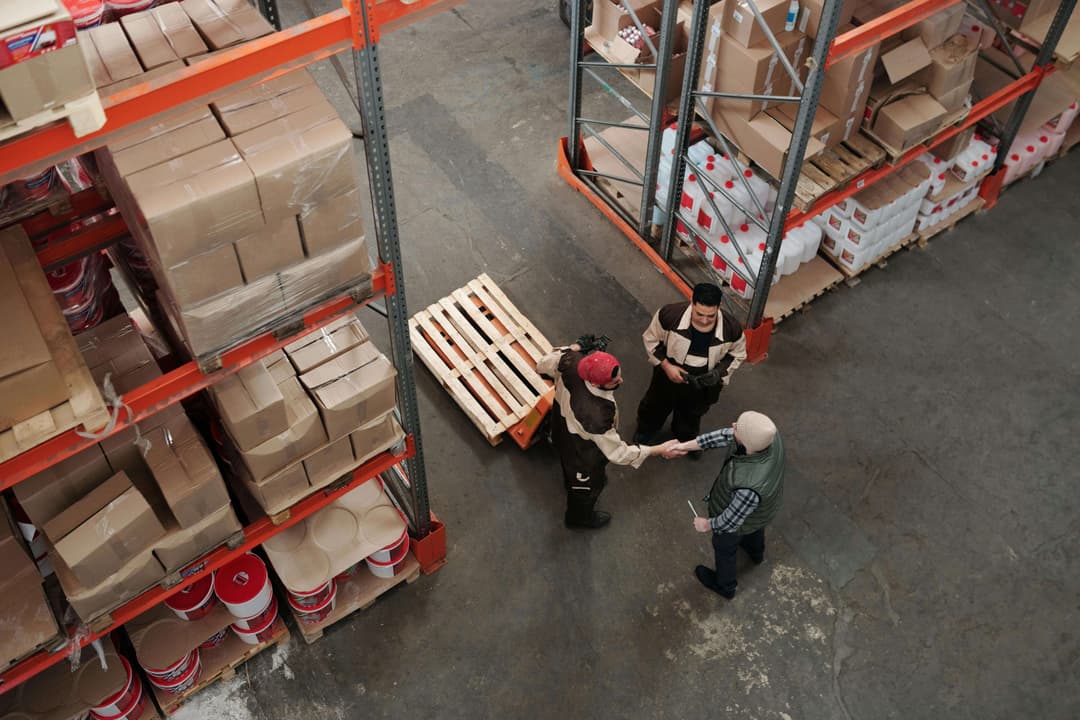
Supply chain traceability is the ability to know the full journey of a product. Materials are traced from extraction to processing to delivery, with full visibility at every stage. The chain leaves no blind spots.
But it doesn’t stop with physical tracking. It’s also about traceability data which are the reliable records that help companies verify sustainability claims, meet regulatory compliance, and strengthen supply chain risk management. Basically, without this data, supply chain professionals are working in the dark.
Firms employ traceability technologies such as RFID supply chain systems, blockchain traceability, or smart sensors traceability to manage raw material tracking and distribution tracking. Apparently, this provides supply chain professionals an opportunity to improve food safety, reduce greenhouse gas emissions, and establish customer trust through a transparent supply chain.
Types of Supply Chain Traceability
When individuals refer to supply chain traceability, they often envision a single system that operates the same globally. But that is not so. How businesses track and trace supply chain products varies depending on what they are producing, where they are sourcing from, and what rules govern them. The following are the primary types of supply chain traceability:
Backward Traceability
It's all about tracing back upstream. You can trace raw materials right to their source—who supplied them, where they came from, and the conditions they were produced under. Take a chocolate brand as an example. It might track its cocoa beans all the way to a single farm in Ghana. The point of this is to verify ethical sourcing and make sure child labor has no place in the supply chain.
This form of traceability has also been massive in the palm oil supply chain. It's not just food companies but also cosmetic firms and even biofuel makers who face pressure to demonstrate they're not causing deforestation. Backward traceability assists them in mapping suppliers right down to plantation level. Without it, social and environmental claims fall apart, and their brand suffers.
Forward Traceability
Now reverse the picture. Forward traceability tracks products as they travel downstream. Suppose a milk powder producer finds one tainted batch of powder. With forward traceability, they immediately know each yogurt, infant formula, or chocolate bar that contained that powder. Rather than recalling millions of safe products from shelves, they can identify only the tainted ones. That saves money, keeps consumers safe, and demonstrates to regulators that they care about food safety traceability.
In pharmaceuticals, forward traceability is equally important. One batch of active pharmaceutical ingredients could find its way into hundreds of distinct medications. In case of a problem, forward tracking allows firms to make accurate recalls quickly.
Internal Traceability
This is played out within the company's four walls. Visualize a big drink company bottling several million beverages per day. Internal traceability implies that they know what batch of sugar, water supply, or flavoring went into which production batch. They trace everything (production tracking, blending, filling, labeling) until it departs from the factory.
It's not about just complying. It's about being efficient. When a product defect occurs during manufacturing process, traceability inside identifies where things went wrong. That reduces waste, avoids expensive downtime, and maximizes supply chain efficiency. And it also keeps the price tag low, which is a concern for every business.
External Traceability
No business exists in a vacuum. Traceability externally refers to how information moves between supply chain partners. Consider a shipping container traceability being updated in real time by a logistics provider. That information doesn't remain with them, it travels back to the manufacturer, the importer, perhaps even the retailer.
This type of supply chain transparency is particularly critical when shipping goods across borders. International regulations frequently demand granular traceability information from customs agents for compliance purposes. For example, a Vietnamese seafood exporter must provide traceable data on catch site, storage, and transport when shipping to the EU. Without sharing of information, containers get stuck in ports, resulting in supply chain gridlocks.
End-to-End Traceability
Finally, we’ve got the full package: end-to-end traceability. This is where companies track products throughout the entire value chain, from farm or factory to the customer’s hands. It’s basically the gold standard.
In the health sector, end-to-end traceability drives pharmaceutical traceability solutions that enable counterfeited medicines to be kept out of the market. Patients receive safer drugs, regulators receive compliance information, and companies are able to showcase their sustainability efforts and business operations of traceability simultaneously.
Supply Chain Traceability vs. Transparency vs. Visibility
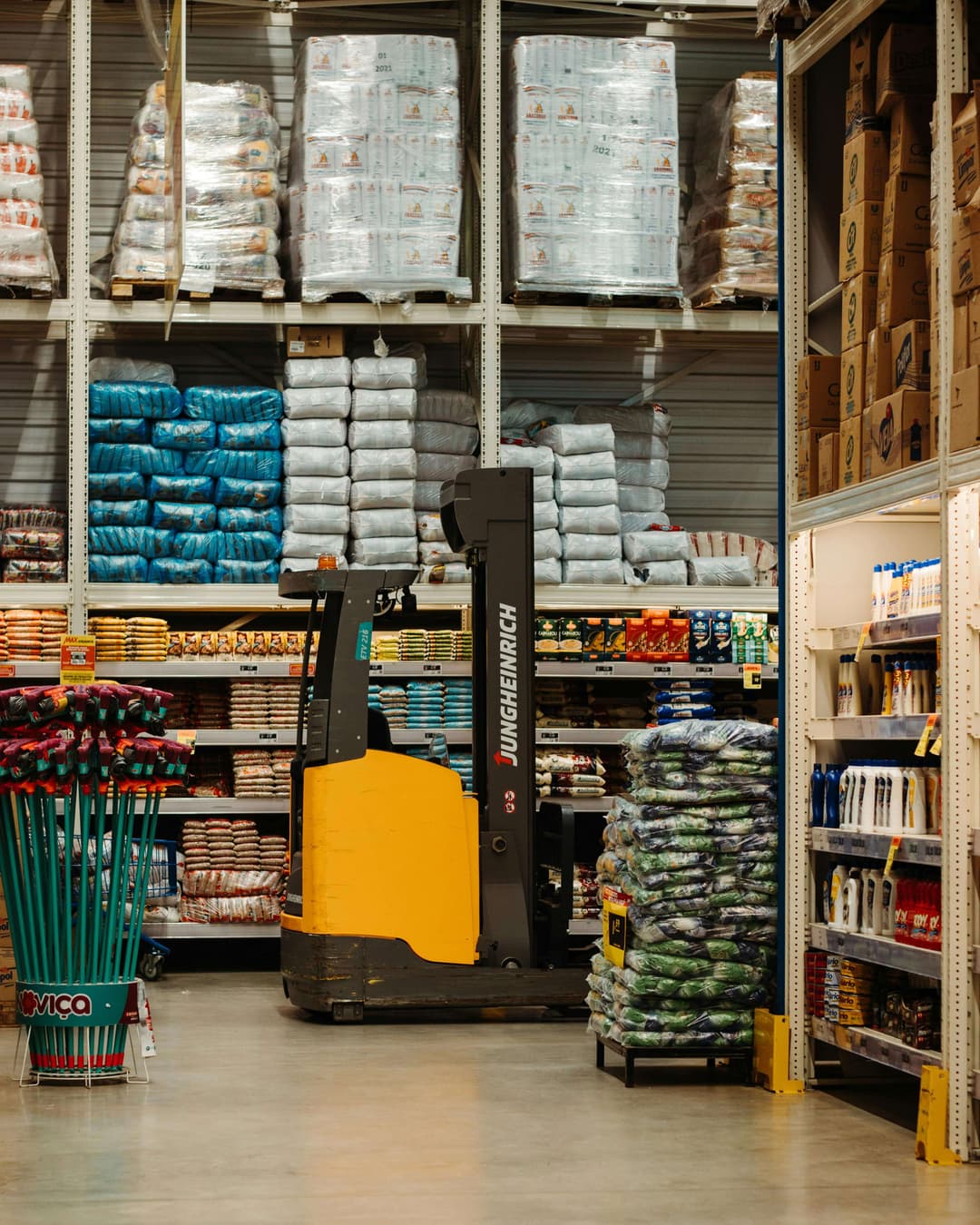
These three might be connected but still, each one has a unique connotation in the way that companies deal with risk, establish trust, and manage supply chain operations. Consider them three layers of the same system. Supply chain traceability is the act of documenting product history. Supply chain transparency is simply a matter of actually showing that information to outsiders. And supply chain visibility is just having the real-time lens to see what's happening as the product moves along. When you combine those, you're building a sustainable supply chain that is harder to break and easier to believe in.
Supply Chain Traceability
Traceability in supply chain is the building block. It has the capacity to follow raw materials, components, or products as they move through the supply chain, regardless of the number of hands they go through. A farm-to-fork food supply chain, for example, is based on food supply chain traceability in order to demonstrate precisely where each tomato or grain of rice originated. A drug company employs a pharmaceutical traceability system to meet DSCSA compliance traceability and to curb fake medicines.
In other words, traceability is the record-keeping piece. You’re building data trails—barcodes, RFID (radio frequency identification), blockchain supply chain records—that prove what happened. Without it, nothing else works.
Supply Chain Transparency
Transparency is when firms make the decision to share those records. Everything cannot be disclosed, but the things that are important such as sustainability statements or adherence to global regulations must be seen by consumers, regulators, and even sometimes investors.
For instance, certain fashion companies now make available information on their factories and working and environmental conditions to demonstrate steps toward sustainability and business objectives. An example is a drink company showing a QR code on the label such that consumers can scan and view where ingredients were sourced. That's transparency in action. It's customer trust building through transparency, and in 2025, it's becoming an expectation of business rather than a "feel-good" add-on.
Supply Chain Visibility
Visibility is somewhat different. This is all about knowing, in the moment, what's happening throughout global supply chains. Where are shipments currently? Which containers are currently stalled at customs? Are suppliers complying with regulations?
For logistics providers, visibility tends to come from logistics tracking systems, supply chain sensors in IoT, or cloud-based supply chain visibility platforms. Visibility enables one to respond swiftly when supply chain disruptions occur—be it a clogged port, a cyberattack, or simply an unexpected increase in demand.
Why Supply Chain Traceability is Important
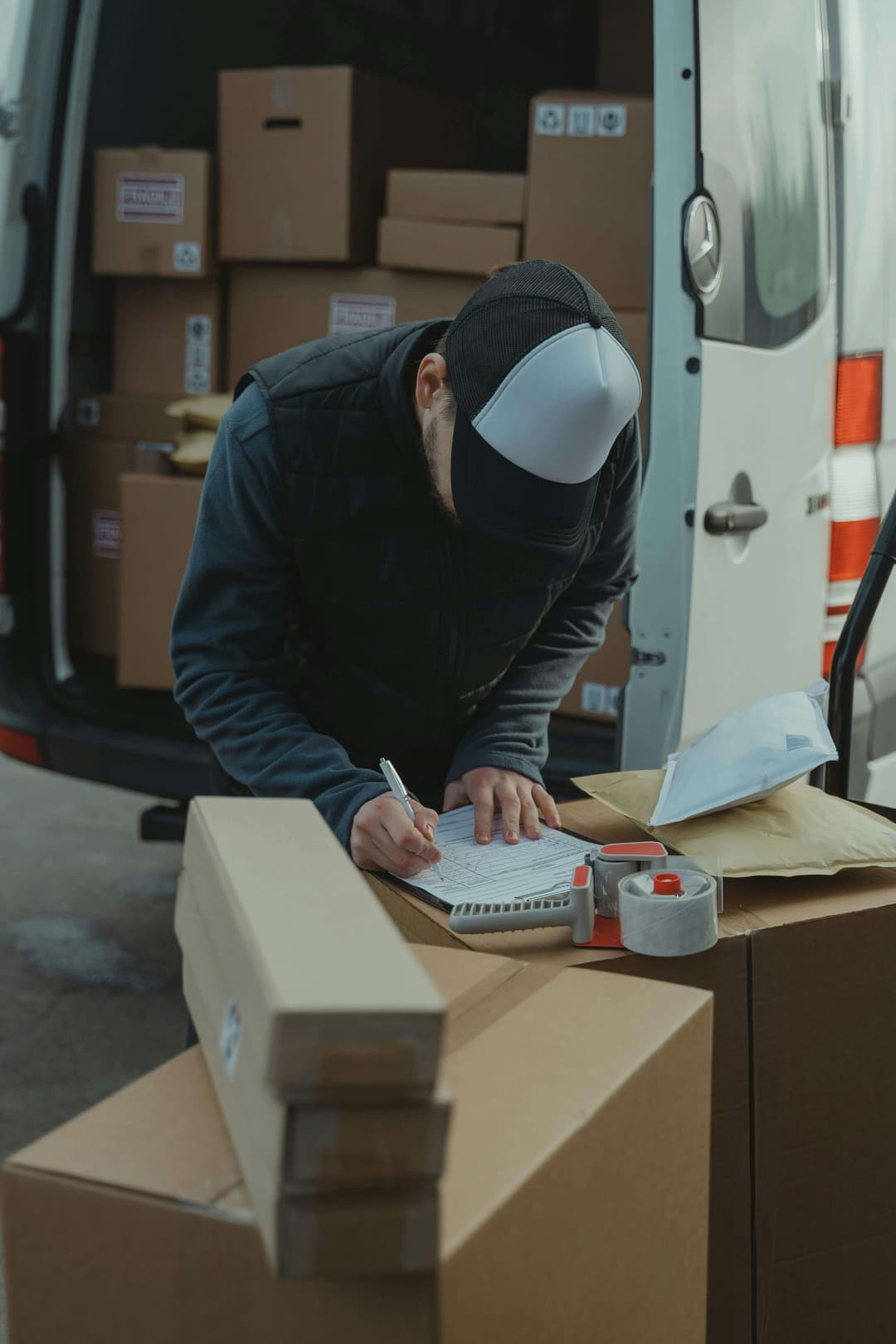
If you stop and consider it, traceability has graduated from a backburner initiative to core supply chain strategy. The advantages reach across all sectors—be it ensuring food safety, ensuring pharma supply chain traceability is ironclad, or demonstrating that claims of sustainability are supported by real facts. Simply put, traceability has a direct connection with business goals and survival in complicated supply chains.
Protecting Brand Reputation and Consumer Trust
Reputation today doesn't weather a scandal. A single viral tweet on a tainted product or unscrupulous supplier can blow decades of advertising. Customers, regulators, even shareholders require customer confidence in the form of openness, and they expect seriousness from corporations.
When a major beverage manufacturer added farm-to-fork traceability to its beverages, customers could read a QR code and trace the fruit back to where it was planted. That move not only boosted consumer tracking but also improved the company’s brand reputation. Traceability is, evidently, one of the fastest ways to show you’ve got nothing to hide.
Supporting Sustainability and Ethical Sourcing
Modern consumers look beyond the product they buy. They're now concerned about the story surrounding them. And if that narrative doesn't add up, they're gone. With regulations globally pressuring and consumer expectations rising, brands need to confirm sustainability claims rather than simply stating them. Traceability tools enable them to do so. They assist in tracking greenhouse gas emissions, marking unnecessary resource consumption, and enabling sustainable business practices.
Meeting Global Compliance Regulations
Regulators are not getting soft either. On the contrary, regulations are tightening annually. It ranges from DSCSA traceability in the U.S. pharma sector to customs compliance traceability for international trade. Businesses must comply with these to ensure that products flow.
Here’s where it gets tricky: governments now want verifiable data, not vague claims. That means if you’re moving raw materials or finished goods across borders, supply chain compliance depends on traceability data being ready to share. No data? No clearance.
Enabling Faster Recall Management
When recalls occur, speed is both a maker and a breaker. A firm with no traceability system is forced to pull everything off the shelves, waste safe stock, and panic. But with good food supply chain traceability or a supplier traceability system, recalls are accurate.
Imagine a dairy firm detecting contamination in only one batch of milk powder. Without forward traceability, all products using milk powder are recalled. With it, they can target the contaminated products alone. That's quicker recall management, less waste, and greater supply chain efficiency.
Reducing Risks of Fraud and Counterfeit Products
Fraud still haunts global supply chains, especially when it comes to high-value goods like electronics and pharmaceuticals. Fake drugs aren’t just costly. They can kill. That’s why pharmaceutical traceability and counterfeit drugs prevention matters. It ties each product back to the manufacturer and acts as a barrier, keeping dangerous copies out of patients’ hands.
The same applies to luxury items or even packaged food. Companies can handle risk, defend their brand reputation, and demonstrate they operate a sustainable supply chain with the right traceability systems. The learning here? Fraud likes darkness, but traceability illuminates each step of the journey.
Key Components of a Traceable Supply Chain
There is no magic behind a traceable supply chain. It's built step by step, with both physical and digital solutions collaborating. Here are the most important components that enable traceability to work today.
Physical Product Identifiers
QR codes, barcodes, and RFID supply chain tags functionally serve as each item's ID card. They're read at the point of packaging, storage, and shipping, so companies are aware exactly where an item originated and is destined for. Without them, traceability would be disjoined. With them, accuracy and reliability in the system are enhanced at every stage.
Digital Systems
ERP, WMS, and TMS are not software abbreviations. They represent the foundation of digital traceability. These systems have everything linked together, from warehouse functions to transport streams. In fact, they enable information to flow effortlessly between departments. When well-integrated, companies minimize mistakes, enhance compliance, and create supply chain efficiency that becomes less reactive and more proactive.
Blockchain and Distributed Ledger Technologies
Blockchain traceability is becoming a trendsetter due to its tamper-evident nature. Each transaction is recorded in a decentralized ledger, meaning data can't be silently changed or concealed. This is why pharma and food companies employ it. It provides partners and consumers with assurance that the product history is clear, authenticated, and auditable from end to end.
Data Capture at Every Supply Chain Node
Smart sensors, IoT in supply chain, and the like make traceability far more granular. They monitor temperature, humidity, and even location in real time. That's not only for efficiency but also safety and sustainability. Clearly, without these layers of data collection, companies would be losing key information about product integrity.
How to Implement Supply Chain Traceability
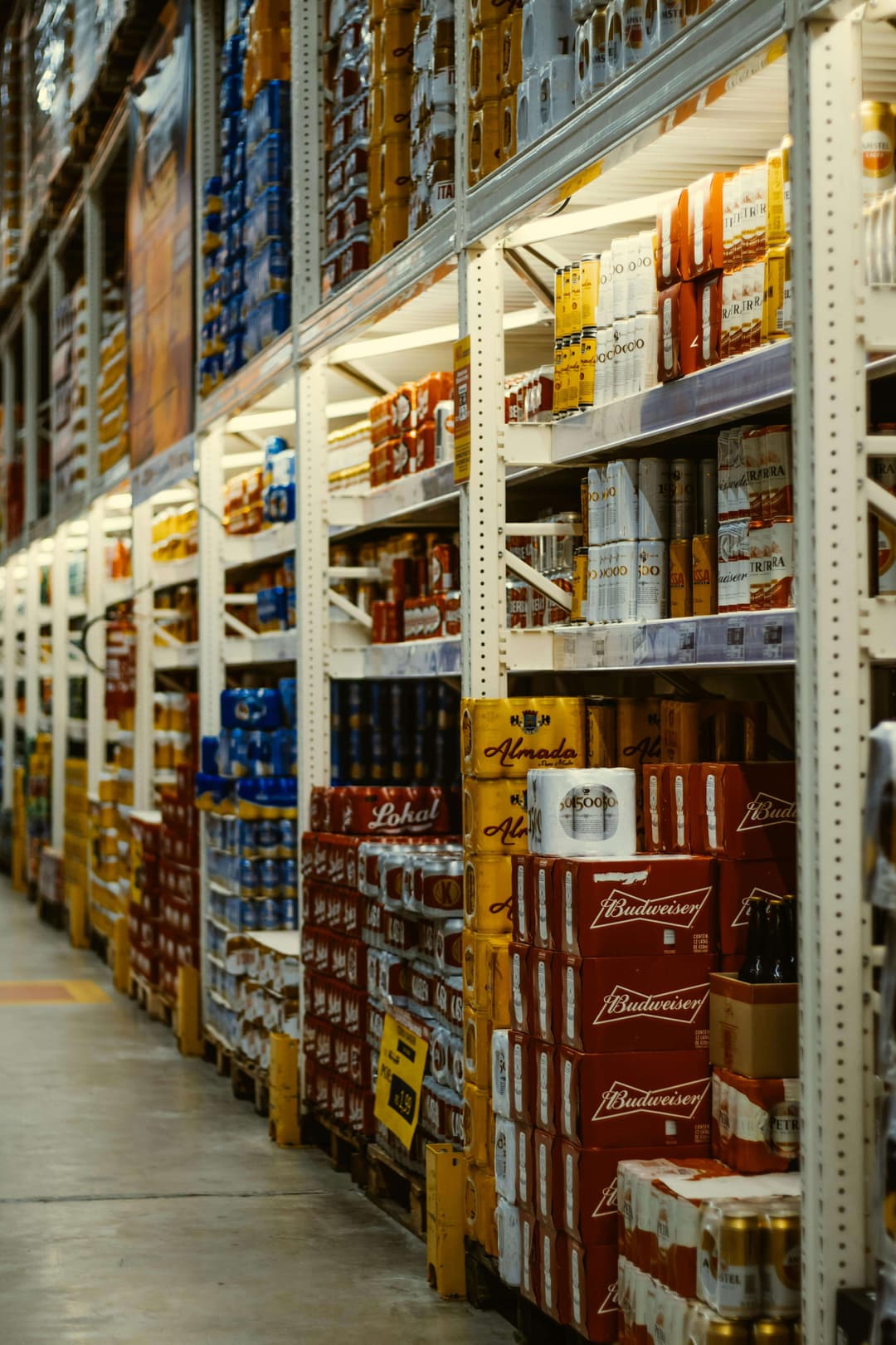
A traceable supply chain isn’t built overnight. It takes discipline, strategy, and steady steps. With every turn, every checkpoint, leading back to the same place: trust and transparency.
1. Map Your Current Supply Chain
Begin with visibility. Inventory your suppliers, manufacturers, logistics companies, and distribution centers. This mapping reveals to you where data already resides and where the blind spots are. Unless it starts from this premise, traceability initiatives will be confusing and too complicated. It's trying to solve a puzzle when you don't know all the pieces.
2. Define Traceability Objectives
Ask yourself why you require traceability. Are you doing it for compliance, sustainability, or recall management? Setting sustainability goals prevents wasteful effort. Some companies prioritize food safety traceability, others pharma supply chain traceability. The idea is to set your goals aligned with what really matters to your business and customers.
3. Select the Right Technologies and Platforms
There is no blueprint solution here. For others, ERP and WMS suffice. For others, blockchain traceability or IoT-supported systems are preferable. Your supply chain complexity issues, budget, and compliance requirements depend on the right choice. Apparently, the incorrect platform delivers more headaches than solutions, so weigh carefully before investing.
4. Engage and Onboard Suppliers
Traceability is not possible by yourself. Suppliers need to be onboard and provide accurate and timely information. That is where trust plays a role. If a cocoa supplier skips the origin report, backward traceability breaks down. That’s the weak link. The fix? Onboarding works best when contracts, incentives, and long-term cooperation line up. That’s how it becomes stronger, not just smoother.
5. Establish Data-Sharing Standards
Data only serves its purpose if it's consistent. That is, having agreed formats, units, and update cycles throughout the supply chain. In the absence of that, what you have is dirty data that creates delays everywhere. Just imagine, if one partner uses "kg" and another uses "lbs," you get confused. Standards make it easy and reliable.
6. Train Employees and Establish a Culture of Transparency
The best system fails if people just ignore it. Traceability isn’t just software. It's more like a habit. Warehouse staff, logistics teams, quality managers: they all need to work it into their daily routine. Once that happens, transparency isn’t forced from the top down. It simply becomes the way the company operates.
7. Monitor, Audit, and Continuously Improve
Traceability is not a project you do once and forget. It needs to be checked repeatedly. Successful companies tend to conduct regular supply chain audits, test their recall protocols, and monitor against KPIs. Continuous improvement is the rule in everything in supply chain management. The finer you tune, the better your system becomes, and the more easily it can keep up with changing regulations.
Challenges in Supply Chain Traceability
Supply chain traceability is a simple concept on paper. Reality is different. It is accompanied by hurdles. They are some technical, some cultural, and some simply costs. Let's divide the major supply chain challenges for companies today.
Data Fragmentation and Lack of Integration
Many businesses continue to store information in silos. Production history is in one system, shipping status in another, and information on suppliers in spreadsheets. If you're looking at it in isolation, you can only view part of the image. And when a recall does occur, you're slowly piecing it together. In essence, fragmented data kills efficiency.
Cost and Scalability Issues for SMEs
Large corporations may be able to absorb traceability expenses, but for the smaller players, it's tough. Using RFID, blockchain traceability, or advanced IoT isn't cheap. For SMEs to make these technologies scalable is like scaling a mountain. They require systems that are affordable but scalable. Otherwise, traceability turns into something only "the big guys" can truly afford.
Supplier Resistance to Transparency
Some of these suppliers simply do not want to open up. They worry that they are revealing too much detail and thereby exposing pricing, buying practices, or even trade secrets. It is understandable, but it holds things back. A chocolate brand will request complete cocoa traceability, and a farm partner will not cooperate. Apparently, without cooperation, traceability breaks down.
Cybersecurity and Data Privacy Concerns
Digital traceability depends on strong safeguards. When you’re exchanging data across multiple partners, the risks grow. A single weak link in cybersecurity could expose sensitive supplier or customer information. And with global regulations tightening, companies need to strike a balance—be transparent, but also keep private data protected.
Standardization Gaps Across Industries
Regional and industry standards vary across sectors. Pharmaceutical supply chain traceability may not translate to food traceability systems. That chaos makes it harder for traceability adoption, especially for globally based companies. Until there are shared frameworks, firms will keep patching together their own rules.
Best Practices for Building a Traceable Supply Chain
The following are some real-world best practices that leading companies rely upon to make traceability not only a possibility, but sustainable.
Start Small, Scale Gradually
You don't have to digitize your whole supply chain at once. In fact, beginning with a single product line or a single market is usually the better idea. To illustrate, a food company might initially pilot traceability program in its dairy business before moving to snacks. This reduces risk, instills confidence, and makes it easier to scale up.
Standardize Data Formats and Coding Systems
Data is not valuable unless it speaks the same language. Standardizing units, codes, and labels avoids confusion and wasting time. Consider this: if a supplier uses "kg" and another "lbs," mistakes are certain to occur. Using a single system—whether GS1 standards or your own coding—keeps everything consistent.
Ensure Multi-Stakeholder Collaboration
Traceability is most effective with cooperation from your ecosystem. Manufacturers, logistics companies, retailers, and even regulators all have a part to play. Cooperation involves developing contracts on data exchange and expectations. If even one party opts out, the system breaks down. Bringing stakeholders in early means fewer problems later.
Use Trusted Third-Party Certifications
Certifications are not only for packaging logos. They are evidence of compliance and sustainability. As an example, employing Fairtrade, Organic, or pharma-specific traceability certifications assures to verify claims. People don’t just take a company’s word anymore. They want evidence. Independent verification makes transparency real.
Regularly Audit and Update Traceability Processes
Traceability isn't fixed. Test it. Audit it. Replenish it. Because laws don’t stay still, and neither do threats. A business that doesn't refresh procedures will ultimately lag behind. Regular audits don't just reveal vulnerabilities but also increase resilience. It's similar to maintenance because you don't wait for the engine to fail before checking the vehicle.
How Much Does It Cost to Implement Traceability Systems?
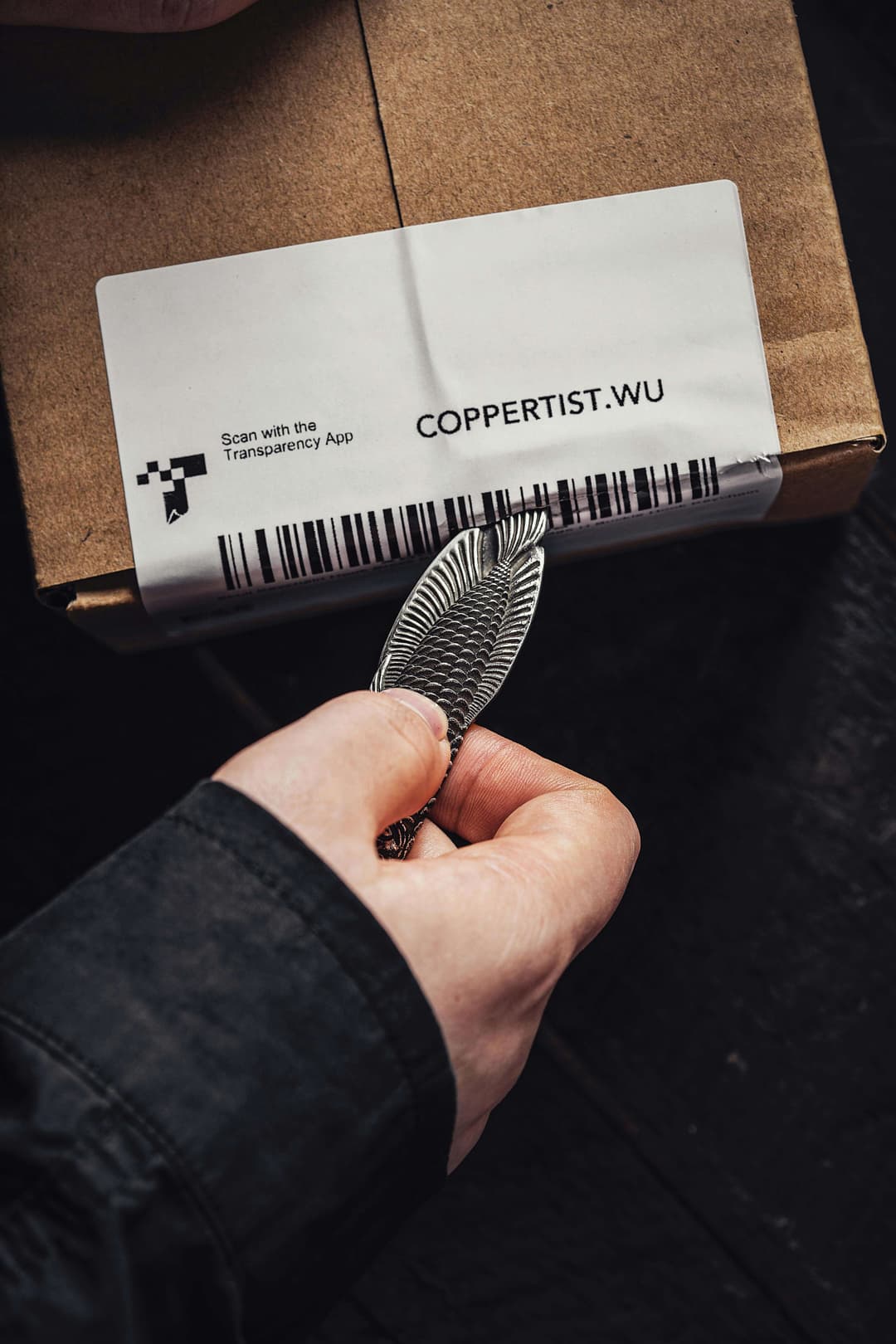
Supply chain traceability costs differ according to company size, sector, and the extent of robust technology architecture. Small companies tend to begin with straightforward systems, while multinational firms spend millions developing end-to-end traceability.
Setup would cost for small businesses between US$10,000 and $100,000 for labels, barcodes, and minimal ERP tools. The costs annually would typically be around US$5,000 to $20,000 which would be affordable for SMEs if they require raw material traceability or food safety traceability only.
Mid-sized organizations tend to have larger investments, which can start at US$200,000 and go up to $1 million, along with $50,000 to $500,000 annually for maintenance. RFID supply chain tags, IoT supply chain monitoring, and ERP/WMS/TMS integration step in here.
For large corporations, it costs a lot more. Some spend several million USD to implement blockchain traceability, AI traceability, and complete end-to-end traceability systems for complex supply chains. Ongoing costs can run into hundreds of thousands to a few million per year.
What drives costs of supply chain traceability?
- Hardware and tech (RFID, smart sensors).
- Integration software and cloud-based supply chain visibility platforms.
- Training, audits, certifications, regulatory requirements.
- Data storage and cybersecurity.
ROI of supply chain traceability:
- Reduced recall costs.
- Less rubbish and unwanted resource usage.
- Enhanced customer satisfaction and improved brand image.
- Research indicates ROI typically 2× or greater, with some businesses paying back within less than a year.
Supply Chain Traceability Case Studies
A handful of companies demonstrate how traceability operates in real life. Their experiences are beneficial to improve supply chain traceability. They illustrate traceability implementation challenges, successes, and what traceability actually appears like on the ground.
Food Supply Chain Traceability
A food & beverage company named Fresh Foods Co. took a complete farm-to-fork traceability and quality system. They employed IoT sensors, blockchain supply chain software, and an integrated ERP platform. The outcome? They slashed traceability time from hours to seconds. Quality incidents decreased by ~85%. Additionally, their compliance with several food safety certifications reached 100%. This case illustrates how traceability data coupled with smart technology can truly enhance food safety, minimize plastic waste, and enhance operational efficiency.
Pharma Supply Chain Traceability
Genetco, a distributor of generic pharmaceuticals, received assistance from a supplier called LSPedia so they could be in compliance with DSCSA (Drug Supply Chain Security Act). They utilized electronic traceability tools to reduce cost, labor, and total risk as well as enhance their process for recalling drugs or establishing authenticity. The system made pharma supply chain traceability easier and less error-ridden.
Palm Oil Supply Chain
- Golden Agri-Resources (GAR) attained some 95% traceability to plantation level for its complete supply chain innovation following a few years of investment. They employ GPS-based applications, monitoring of suppliers, and information sharing with smallholders to obtain visibility.
- Musim Mas is a case in point. They've reached 100% traceability to their mills, although traceability to plantations is behind. They have dealings with smallholders and scheme partners, with a move to cover independent farmers.
- First Resources also releases traceability reports. During 2024, they had 100% traceability to supplying palm oil mills for their refineries and kernel crushing plants.
Trends in Supply Chain Traceability
Supply chains don't remain static. Every year, another layer of tech and strategy is defining how businesses trace goods. Currently, these are the trends that are actually making a difference.
AI in Traceability
AI is no longer a mere bells-and-whistles add-on. Machine learning supply chain systems are being implemented to forecast disruptions before they occur, highlight suspicious transactions, and even perform automated fraud detection. Essentially, the system learns from historical data, identifies patterns humans may not, and conserves time when things do go wrong.
Digital Supply Chain Transformation
Traceability is being reshaped by the cloud. These platforms hook directly into logistics tracking, pulling everything into one view. Instead of sifting through ten scattered updates, a single dashboard tells you exactly where the shipment stands. Faster. Cleaner. More reliable. That’s the direction companies are moving in.
Smart Sensors Traceability
Sensors now monitor temperature, humidity, and location in real-time. For food, that equals fewer recalls and safer food. For supply chain sustainability, it does the trick to verify goods were handled responsibly. It's as if having small digital inspectors everywhere—ever vigilant, but positively so.
Blockchain Supply Chain Adoption
Blockchain traceability is no longer in the experimental phase. More businesses now apply it in locking down supply chain data, demonstrating compliance, and establishing consumer trust. Each transfer is recorded and time-stamped. In some way, this "digital ledger" concept makes traceability tamper-proof, which regulators and purchasers obviously appreciate.
FAQs
What does supply chain traceability mean?
Supply chain traceability means following the product’s story from start to finish. Where it started, how it was made, and how it reached you. A coffee brand, for example, can point straight to the farm where its beans grew. That's basically what traceability does.
How do companies track products across the supply chain?
They merge old-school and new-school tools such as QR codes, RFID tags, barcodes, along with digital supply chain tools such as ERP and blockchain. With a quick scan, each step can be revealed. Imagine a chocolate bar in which you scan a code and then you instantly know its farm, factory, and shipping route.
What are the benefits of supply chain traceability?
Supply chain traceability prevents brands from having recalls, reducing waste, and gaining customers' trust overall. A pharma firm, for example, can prevent fake drugs, while a fashion brand can demonstrate that its factories are ethical. It's about displaying proof rather than just claims.
What technologies are used in supply chain traceability?
There's a mix. Tamper-proof records on blockchain, IoT sensors to monitor conditions, and cloud infrastructure to join the dots. Like, a seafood box transported with temperature sensors providing real-time feeds so it remains safe. Blockchain subsequently authenticates from catch through shelf. It's actually watertight when executed correctly.
What is the supply chain traceability standard?
There isn't one global law about it yet, but there are standards such as GS1 barcoding, DSCSA for U.S. medicines, and Europe's FMD that dictate the process. These standards make sure that the information is standardized, so a shipment read in one country will still be readable somewhere else.
Request a Bulk Order Quote
Simple ordering, transparent pricing, delivered straight to your door