



Supply Chain Disruptions: Types, Causes & Solutions (2025)
Explore supply chain disruptions—their causes, impacts, and solutions. Learn how you can stay resilient, protect growth, and have better strategies.
200+ buyers trust Torg for sourcing







Supply chains get the world going. They're what turn raw materials into finished products, what stock the shelves, and what allow businesses to actually be able to deliver what customers require. When all goes well, it seems almost seamless and smooth. But when it goes wrong, like maybe a shortage, a delay, or a strike, the ripple spreads rapidly throughout the global economy. Companies are suddenly paying more, industries grind to a halt, and customers wait.
In this guide, we’ll break down the different types of chain disruptions, the main causes behind them, and why industries like manufacturing and agriculture get hit so hard. We’ll also talk solutions. Things like proactive risk management, inventory management, digital tools, and developing contingency plans that actually work. And, yes, we’ll look into how emerging technologies like artificial intelligence and machine learning are already changing supply chain operations.
What Are Supply Chain Disruptions?
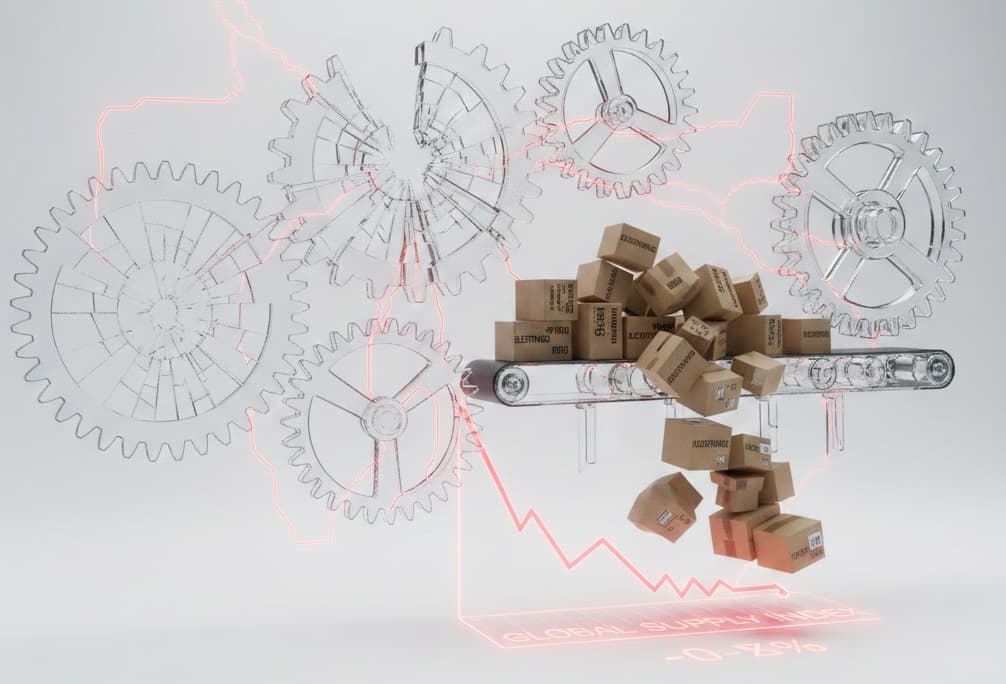
Supply chain disruptions happen when the usual flow of products, services, or information gets disrupted. Think of it as a pace rather than a smooth ride. Most of the time it moves along just fine. Raw materials go into factories, goods come out of manufacturing facilities, and finished goods get to customers. But what happens when there’s a crash further up the road or a lane closure out of nowhere? The whole thing grinds, slows, and frustrates people and companies.
These disruptions are of all sizes. Sometimes a fleeting headache, such as container ships waiting off a port for a week. Other times a prolonged crisis that rocks the worldwide supply chain for several months or even years. Consider geopolitical uncertainty that provokes trade restrictions, or labor shortages that disable manufacturing timelines. And then of course, there's the covid 19 pandemic, the perfect supply chain disruption example. A time when the term "supply chain crisis" became common parlance. One event alone demonstrated that international trade can be as delicate as it is when each link in the chain is strained simultaneously.
The significant impact is seldom straightforward. Firms operating with supply chain complications tend to fall short of vital materials, miss meeting demand, or pay more to simply maintain operations. Producers become less efficient, distributors have bare shelves, and consumers begin to question why orders are being held up. Damage to reputation may be close behind because, as the old adage goes, "bad news travels fast."
So what is new? Today, in 2025, supply chain management is much different from what it was a few years ago. Companies are no longer taking things for granted. Many of them are laying out capital for risk management methodologies, creating contingency plans, and trying out digital solutions to monitor levels of inventory, plan for supply, and forecast potential disruptions ahead. Artificial intelligence and machine learning are being employed to identify future disruptions beforehand, and businesses are diversifying their suppliers to cut dependence on a single region such as China or South Korea.
The truth is that disruptions are no longer uncommon as they're inherent in the global economy. The question companies should be asking themselves is, "Are we prepared for the next big blow?" Because no matter if it's intense weather, raw material spikes, or a data hack taking operations offline, the ripple effect can move fast. Being ahead isn't about avoiding risk entirely; it's about developing strength into supply chain processes so when the chain flexes, it doesn't break.
Types of Supply Chain Disruptions
Supply chain disruptions are not all identical. Some arise unexpectedly, others gradually develop over time. Some result from external factors such as severe weather or political uncertainty, while others occur within the company itself—such as a supplier bankruptcy or a data breach crippling digital tools. The catch is that disruptions rarely occur alone. One minor problem in one region of the globe has the potential to cause a cascade interruption in several industries. The following are the forms of supply chain disruptions:
Natural Disruptions
Nature likes to remind us who’s boss. Earthquakes, hurricanes, floods, and wildfires, all of these disasters can destroy factories, close roads, and leave container ships stuck in the mud for weeks. Climate change is causing these supply disruption events to happen more often and more intensely. When roads disappear or ports are closed, supply chain operations can stop. Companies that rely on key materials or raw materials from vulnerable areas get hit the hardest.
Economic & Market Disruptions
Markets don't remain stable indefinitely. One month demand is flat, and the next month it takes off like wild. Consider the auto industry: in recovery cycles, increasing demand frequently conflicts with capacity. Those manufacturers must pay premium prices, run out of critical materials, and endure agonies coping with production schedules. These supply chain problems don't hit the headlines like natural catastrophes but they still significantly affect global trade.
Supplier & Partner Failures
The global supply chain leans heavily on suppliers and partners, but that support can crack fast. A partner dealing with financial strain, poor planning, or slipping on quality standards can throw everything off balance. When a critical supplier shuts down, companies face higher costs, longer waits, and the risk of products missing the mark. The smarter move is spreading supplier networks and keeping backup plans ready so a single failure doesn’t bring the whole system down.
🔎 Looking to reduce your supply chain risks? Join Torg and connect with a wide network of verified suppliers, giving your business the flexibility and security it needs to keep moving forward.
Request a Bulk Order Quote
Simple ordering, transparent pricing, delivered straight to your door
Geopolitical Disruptions
Politics and commerce accompany supply chains. Geopolitical tensions, sanctions, and tariffs are enough to totally transform how things travel around the globe. Other countries such as China and South Korea, among others which dominate exports, contribute big time here. When geopolitical instability strikes, ripple effects propagate quickly. Recall those standard supply chain disruption scenarios where container ships became stranded at ports following trade disagreements? That's the way it is in businesses—delays, shortages, and increased costs due to factors outside their control.
Operational & Logistical Disruptions
Occasionally the issue isn't international—it's at the company itself or with an immediate supplier. Shortages of workers, strikes, or deficiencies in quality can stall production. Add in transportation delays or a lack of drivers and suddenly, finished goods aren’t showing up on time at customer sites. Even minor supply planning or inventory management hiccups can cascade across the operation. Companies tend to downplay how severely these "internal" problems can damage.
Technological Disruptions
In 2025, technology automates almost all supply chain functions. Machine learning and artificial intelligence powered digital tools do supply planning, inventory management, and demand forecasting. And that’s the trap—when systems fail, disruption happens faster than ever. A single data breach or security incident can shut down supply chain operations and companies are panicking. Technology mitigates disruptions in many ways but it also creates new vulnerabilities.
Pandemics & Health Crises
The covid 19 pandemic demonstrated to everyone what an actual global supply chain crisis is like. The manufacturing plants shut down, borders closed globally, and shortages of vital materials made the headlines daily. Labor shortages were everywhere. And that was actually a wake up call. Health crises can happen and companies need to have contingency plans for those. A localized outbreak in one part of the world can cause delays and shortages in the global market.
Regulatory & Compliance Disruptions
Regulations change overnight. New environmental regulations, trade restrictions, or compliance standards can turn supply chain operations into a nightmare. Businesses that fail to adapt in a hurry suffer from reputational losses, increased costs, and timelines. For instance, more stringent trade barriers in a nation can compel businesses to re-do their entire supply planning approach. That is why businesses require robust risk management processes to handle regulatory changes.
Common Causes of Supply Chain Disruptions
Why do supply chains, seemingly going along perfectly, suddenly break down? The reality is, disruptions don't often come knocking on the door politely—they arrive uninvited and sometimes at the most inopportune moment. Certain causes are predictable, others surprise companies, but all of them come with a cost.
Natural Disasters and Climate Change
When hurricanes crash into coastal areas, ports close. When wildfires spread, roads of transportation vanish overnight. Floods erode roads, and earthquakes can destroy a whole factory network in seconds. The larger issue now? Climate change is forcing these occurrences to occur more frequently and with more intensity. Companies that previously addressed extreme weather as exceptional are now budgeting for it near-yearly. It is no understatement to note that nature has become the most powerful contender in supply chain risk.
Global Pandemics
Remember the covid 19 pandemic. Borders closed, flights were suspended, and factories across the world either shut down or slowed to a crawl. Little things—gloves, face masks, even flour—became luxuries. Pandemics get supply chains in three principal ways: they restrict available staff, suspend manufacturing, and idle transport. Organizations that weathered the last one understand this: you don't let the next epidemic catch up before you prepare something. Contingency planning has essentially become a matter of survival.
Geopolitical Issues
International trade relies greatly on secure politics, and that is not always the case. Sanctions, trade barriers, and conflict can cut off access to essential resources in one night. Asia or Eastern Europe, for example, have tensions in those regions and are already causing ripples in industries like energy, automotive, and electronics. Companies are the ones that pay the price in shortages, delays, and increased expenses.
Labor Shortages and Strikes
You can have all the automation on earth, but if the world doesn't have adequate workers to load, drive, and run equipment, nothing gets where it's going. Port and factory strikes can hold up product for weeks, occasionally months. Truck driver shortages can have bottlenecks that cascade across vast areas. And though technology assists, the truth is that talented labor remains at the center of all supply chains. When employees walk out, the entire system grinds to a halt.
Transportation Delays
Ever hear the expression "stuck in transit"? That's precisely what occurs when ports jam with containers, ships get stalled from unloading, or trucks are stuck at borders. One holdup at a hub can send lead times weeks over schedule. Retailers especially fear this—particularly during the holidays when each lost day means lost sales. Transportation slowdowns may seem insignificant alongside wars and pandemics, but just ask any supply chain manager—they're a nagging nightmare.
Cybersecurity Threats and Technology Failures
Supply chains today exist as much in the cyber world as in the physical one. Orders, payments, inventory monitoring—it all happens online. That’s why a cyberattack or a systems crash can be just as bad as a factory fire. Hackers don’t have to steal physical goods to cause chaos; data lock-ups or crashing a logistics system can stop shipments dead. With AI and machine learning now in forecasting and inventory software, companies can no longer treat cybersecurity as an afterthought.
Impact of Supply Chain Disruptions on Businesses
So what actually occurs when a supply chain fails? It’s not just a late truck or a missing shipment. The problem can go from the factory floor to the customer’s doorstep. And for most businesses those ripples become waves that crash against profits, brand confidence, and even long term existence.
Increased Costs and Reduced Profit Margins
The first thing that most companies see is money going down the drain. Raw materials are more expensive when suppliers are in short supply. Shipping costs rise because room on a container ship or cargo plane is auctioned off. Even production calendars get more costly when firms rush to operate emergency shifts or use last-minute vendors. And who picks up the tab for all of that? Sometimes the customer, but often the business itself. It’s the classic “rob Peter to pay Paul” situation—except Peter’s broke and Paul charges double.
Inventory Shortages and Stockouts
Imagine walking into a store for a product you’ve always been able to buy, only to see an empty shelf. Frustrating, right? That’s what stockouts do. They slow down production lines, delay deliveries, and basically throw a wrench into the system. Bad inventory planning just makes it worse, but even perfect systems can't anticipate random shortages. What happens? Back orders mount, services grind to a halt, and customers begin looking elsewhere. With today's market, where everyone demands quick and consistent service, an empty shelf feels like a broken promise.
Customer Dissatisfaction and Brand Reputation Damage
They say "trust takes years to build but seconds to break." Nowhere is that more the case than with supply chain breakdowns. Customers don't observe the hurricane, the transportation delay, or the factory closure. They merely observe that the product they ordered didn't come on time—or even worse, never came at all. When delays or substandard work begin piling up, grievances are flooding in, and repeat customers gravitate toward competitors who can get it done. Restoring that trust is not simple, particularly in sectors where reputation matters most.
Ripple Effect on Global Trade
Here's the catch: no business exists in isolation. Supply chains are dominoes—tip one over in Asia, and a factory in Europe takes notice. A shortage of semiconductors in South Korea or China doesn't only hurt tech firms; it slows down car factories in Germany and consumer electronics in the U.S. The ripple effect is international. It seems that even one stuck container ship can disrupt weeks of commerce in several countries. It's the kind of reminder that illustrates just how vulnerable and interdependent modern supply chains actually are.
Industries Most Affected by Supply Chain Disruptions
Certain industries can absorb the blow and bounce back relatively fast. Others, however? Not so lucky. The reality is that certain sectors are much more vulnerable to chain disruptions than others due to their reliance on raw materials, international trade, and consistent supply planning. Let us discuss.
Manufacturing
Manufacturing is essentially the backbone of the international economy, yet one of the most vulnerable when supply chain disturbances hit. Why? Because manufacturing relies on raw materials to come on time, skilled workers to be present, and factories functioning without stoppages. Shortages in essential materials can bring entire assembly lines to a halt. Worker shortages or walkouts in one sector can upset production schedules in others. And when geopolitics or trade tensions break out, manufacturers are left scrambling to pivot, often at greater cost.
Consider the car business. When there is a shortage of semiconductors in South Korea or China, automakers elsewhere in the world get weeks—and sometimes months—of lost production time. Apparently, even a single absent part can keep thousands of incomplete cars stalled in factories. That's how brittle it can be.
Retail and eCommerce
Retail and online retailing operate and perish based on timing. Shoppers expect filled shelves and on-time deliveries. But what if container vessels are late, ports are clogged, or demand unexpectedly surges? Retailers are confronted with the unpleasant sight of stockouts and infuriated customers.
Peak seasons such as holidays exacerbate matters. Higher demand collides with capacity constraints, and a minor disruption can result in a significant effect on operations. Inadequate inventory management just compounds the issue. Ultimately, an interruption to the supply here does not only translate to lost sales as reputation can also suffer.
Food and Agriculture
Supply chains for food are a different tale. They're more vulnerable because they work with products that are perishable and sensitive to land and climate factors. Floods, hurricanes, or drought can ruin crops. Livestock may be hit by disease outbreaks. On top of all that, restrictions or barriers to trade imposed by other nations can stop food from being exported across borders.
Think about it: when one country halts the exportation of rice, wheat, or corn, domino effect occurs rapidly in the world market. The prices shoot up, there is scarcity, and entire regions become food insecure.
Energy and Raw Materials
Energy and raw materials are two of the most essential supplies driving industries across the globe. But they're also two of the most difficult to obtain. Geopolitical tensions, conflicts, or sanctions can sever access to oil, gas, and rare earth metals overnight. Combine shipping delays or increased expense for transporting, and the problem could blow out of proportion.
Firms in this industry are always walking on a tightrope when it comes to managing risks because a disruption here not only impacts one business—it has a major impact in whole industries that rely on energy and key materials to continue operating. For instance, a lack of rare earth minerals that go into batteries doesn't only impact technology firms. It impacts automotive industry, defense, and even renewable energy producers all at the same time.
How to Avoid Supply Chain Disruptions
You can’t really avoid every storm, strike or shutdown. You can, however, prepare. The companies that survive supply chain disasters aren’t the ones who just hope for calm waters. Those are the ones who expect turbulence and prepare for it. So how do you build a supply chain that bends but doesn’t break?
Building Resilient Supply Chains
Resilience is the linchpin of modern supply chain management. Firms must be able to identify supply chain threat before a crisis erupts. That involves tracking suppliers, observing changes in global trade flows, and noticing telling signs such as worker shortages or political tensions. Good relations with trusted suppliers help, too. Clearly, those connections can be the "lifeline" that maintains production flow when all else grinds to a halt.
Diversifying Suppliers and Nearshoring
Having all your eggs in one basket—be it one supplier or one country—can be a recipe for disaster. When one partner goes out of business, production grinds to a halt. That is why so many firms are diversifying their suppliers and even nearshoring. Basing supplies in other nations near home can trim lead times, lower higher costs of shipping, and prevent delays on container ships. For instance, rather than relying solely on China, companies are moving segments of their supply chain functions to South Korea, Eastern Europe, or Mexico. Supplier diversification may seem like unnecessary work, but when disruptions in the future strike, those backup plans pay off.
Inventory Optimization and Safety Stock
Inventory management is a tightrope act. Hold too much, and costs rise. Hold too little, and you get stockouts. That is why supply planning is a balancing act. Companies maintain safety stock of key materials to meet surprise shortages. Computer systems are now capable of monitoring inventory levels in real time and making adjustments automatically. This prevents companies from having all eggs in one basket while keeping costs in check.
Investing in Technology
Technology is not just an option anymore. Digital technologies driven by AI and machine learning are changing how businesses manage supply chain functions. These technologies can forecast demand fluctuations, adjust production schedules, and even signal potential disruptions before they happen. Imagine being able to see a data breach risk, raw material shortage, or severe weather warning and change your supply planning strategy in an instant. That’s where AI is really making a difference. Companies who invest here don't merely respond; they get ahead.
Enhancing Risk Management and Contingency Planning
At the end of the day, even optimal supply chains experience unforeseen shocks. That's why risk management and building contingencies are important. Businesses are learning to build redundant paths, prepare employees for crisis events, and position alternative suppliers ahead of time before they are required. It's essentially having an umbrella—you may not use it today, but when the rain arrives, you're glad you did.
The Role of Technology in Reducing Supply Chain Risks
How much of the supply chain today actually happens without technology? Practically none. Digital technology is now at the forefront of keeping things stable. Firms employ artificial intelligence and machine learning not only for snazzy reports but to make improved predictions—such as "Is demand going to spike next month?" or "Should we stock up ahead of a storm?" These systems also monitor merchandise in real time, so companies have a clear idea where shipments are rather than having to guess.
Predictive analytics is another giant. Imagine having a weather radar, but for supply chains. It alerts supply chain issues early on, whether that is a port strike, factory closure, or unexpected material shortage. That type of notice allows companies to do something about it instead of reacting afterward.
Blockchain is also causing a splash. Why? Because it provides suppliers, buyers, and partners with one unequivocal version of the truth. No more "he said, she said" about missing documents or product quality. Simultaneously, automation in factories is reducing reliance on labor, a solution to the perennial problem of talent shortages across numerous industries.
Of course, each tool has its own potential for danger. Cybersecurity is the giant one. One data breach will shut down operations quicker than a natural disaster. That's why companies with good, tried-and-true security plans distinguish themselves. They're the ones who can keep operations going even when cyber threats come calling.
Future Outlook of Global Supply Chains
What's in store for global supply chains? In 2025 and after, the outlook is gloomy. On one hand, there are persistent disruptions, geopolitics, climate stress, and a worldwide deficit of skilled laborers. These aren't minor speed bumps; they're big ones that haunt decision-makers at night. But here's the catch: with each disruption, there's an open door as well. Firms that learn to read the signs early tend to be ahead of the game, and now businesses are also diversifying their supplier base, nearshoring key operations, and having fallback plans in place.
Technology will do that too. Predictive analytics, blockchain, and AI forecasting aren’t just bells and whistles. They are becoming the foundation of global supply chain management. And those who invest wisely in these systems that have a proven record, they can see risks before they become threats, respond faster, and keep costs under control while their competitors are still trying to figure it out.
In the end, it will be flexibility that keeps winners ahead of the curve. International trade will continue to change, so does regulations, and threats will come where you least expect them. The businesses that will succeed will be those that treat uncertainty as business as usual and build supply chains that are resilient (and agile) enough to withstand whatever is around the corner.
Conclusion
Supply chain disruptions are now a part of daily business existence. Storms, trade wars, port shutdowns, cyberattacks, even unanticipated changes in demand, each one of these is capable of derailing an entire system.
The solution is preparation and flexibility. Companies that are risk-conscious through identifying alternate suppliers, developing more robust relationships, and installing intelligent inventory designs can better absorb shocks than those that simply hope for the best.
Technology also has a huge part to play. AI-powered forecasting, blockchain for traceability, and real-time tracking software are now lifelines. They provide firms with the power to anticipate problems before they strike and respond in time to maintain the flow of goods. But it's not just about technology. It's about attitude too, with leaders realizing that flexibility is as important as efficiency will be ahead of the curve.
A glance to 2025 and beyond, supply chain management is not merely getting products from point A to point B anymore. It's managing brand trust, retaining customers, and remaining competitive in an environment where disruption can spread quicker than ever. The businesses that will succeed are those that view resilience as part of their DNA, not just an after-the-fact Band-Aid when things fail.