



ESG Compliance: Regulations and Best Practices
Navigate the complexities of ESG compliance with essential strategies and insights. Discover practical steps to enhance your sustainability efforts.
200+ buyers trust Torg for sourcing







Businesses can no longer afford to view environmental, social, and governance duties as a sideline activity. Governments, investors, and even consumers now demand action that is measurable. ESG compliance isn't merely about releasing an edited sustainability report—it's about complying with strict ESG rules, having verifiable ESG data, and demonstrating that your enterprise can effectively manage ESG risks in actual operations, not just on paper.
This guide explains what ESG compliance really means, why ESG compliance important, which ESG frameworks matter, and how to build a strategy that works in practice. Here you’ll see how to align ESG goals with your business strategy, manage ESG data collection efficiently, and avoid the reputational risks of greenwashing or non compliance. If you run a company, manage financial institutions, or handle supply chain management you’ll find specific steps to comply, be transparent on ESG, and integrate ESG into your core operations.
What is ESG Compliance?
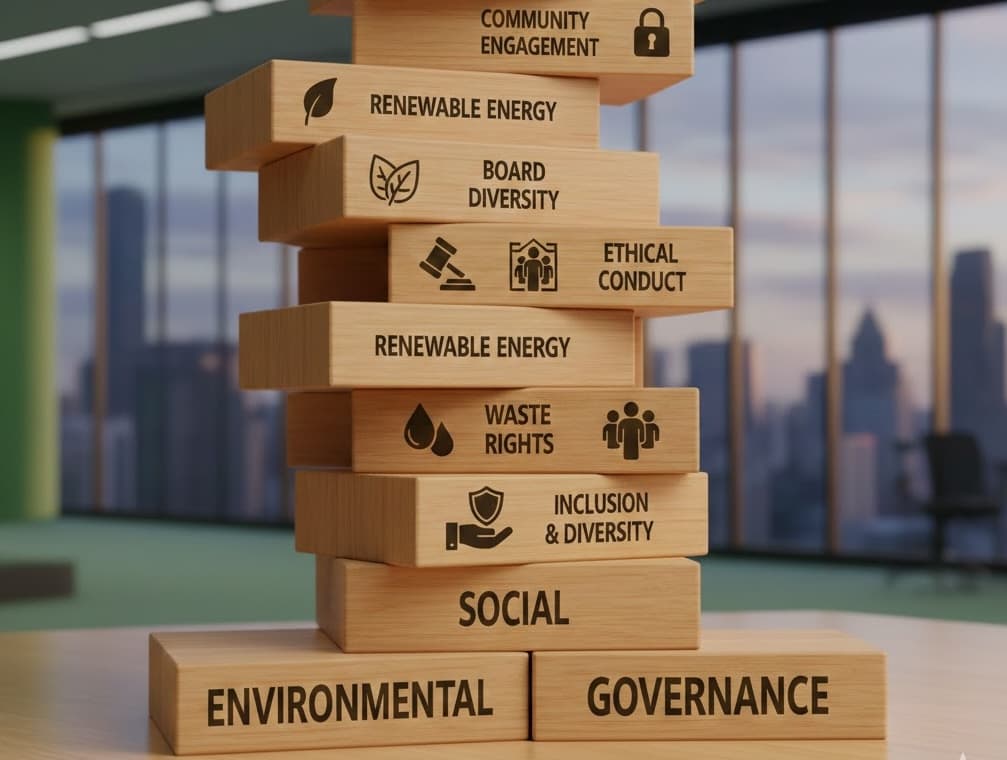
ESG Compliance refers to a company’s adherence to Environmental, Social, and Governance standards set by regulators, industry bodies, or investors. It ensures that a business operates responsibly and sustainably in the following areas:
- Environmental: Managing carbon footprint, energy use, waste, and resource efficiency
- Social: Upholding human rights, fair labor practices, diversity, and community impact
- Governance: Ensuring ethical leadership, transparency, board accountability, and compliance with laws
Companies that meet ESG compliance reduce risks, enhance reputation, attract investors, and align with global sustainability goals. It's now a critical part of corporate strategy and supply chain management.
Not doing so is not only a legal hazard. It will result in damage to reputation, reduced access to sustainable finance, and difficulties in sustaining investor confidence. For that purpose, organizations are shifting from using ESG as a public relations tool and are integrating it into their business strategy, risk management policies, and day-to-day ESG practices in order to remain ESG compliant.
What Is ESG Reporting?
ESG reporting is the official mechanism companies use to present evidence of how they manage their environmental, social, and governance affairs. It's not a public relations brochure—it's a formal framework of ESG disclosures that consist of hard data, policies, and outcomes. These reports indicate whether a company is complying with stringent regulatory standards, lowering carbon footprints, and adhering to ethical business practices consistent with international standards.
Good reporting starts with good ESG data. Each measure – whether climate finance, supply chain labour practices, or governance – must be validated and consistent. If not based on data companies will face fines, greenwashing charges, and loss of credibility with investors and lenders.
Modern ESG reporting requires smarter ESG data management systems. These platforms handle volume, keep data accurate, and comply with changing reporting requirements under guidelines like GRI or CSRD. Done right ESG reporting builds trust, accountability, and helps companies stay competitive as more markets demand quantifiable ESG transparency.
ESG vs. CSR vs. Sustainability Reporting
ESG, CSR and sustainability reporting are often mentioned together but serve very different purposes. ESG reporting is more about meeting regulatory requirements, following ESG guidelines such as GRI or SASB and providing hard ESG data that investors and regulators can rely on. It’s about quantifiable ESG data, full disclosure, and compliance efforts with legislation like the Corporate Sustainability Reporting Directive (CSRD).
Corporate social responsibility (CSR) is voluntary. CSR is about the ethical business practices or community initiatives of a company but doesn’t require evidence that those efforts meet specific ESG compliance thresholds. CSR can generate good will but doesn’t have the same weight with regulators and lenders.
Sustainability reporting is in between. It covers bigger corporate sustainability efforts—like reducing carbon or improving supply chain management—but doesn’t always go hand in hand with strict ESG compliance structures or the amount of ESG data required to pass audits or meet legal requirements.
In short, ESG reporting is formalized, mandatory for most companies and directly related to compliance regimes. CSR and overall sustainability reports can benefit your brand but don’t get you off the hook for disclosing ESG performance as long as you meet official reporting requirements.
What Are the Goals of ESG Compliance?
ESG compliance isn’t just about keeping up with the rules, it’s about securing the long term future of a business as the regulatory, investor, and consumer expectations mount. Every objective translates to a business’s ability to be competitive, manage risk, and build trust.
- Manage ESG risks and reputational threats: Companies are under scrutiny for their environmental, social, and governance footprint. By recognizing and managing ESG risks (from climate to workers practices) they reduce the risk of fines, lawsuits, and public backlash.
- Sustain good corporate governance: Specific policies and monitoring avoid compliance breakdowns. Good governance frameworks ensure ESG disclosures are accurate and compliant with the frameworks. Bad governance creates loopholes that harm credibility and ESG performance.
- Access to sustainable finance: Financial institutions want companies that can provide ESG data and continuous improvement on ESG metrics. With regulations like the Sustainable Finance Disclosure Regulation (SFDR) ESG compliant companies will have better access to funding and lending.
- Comply with regulatory and investor needs: Legislation like the Corporate Sustainability Reporting Directive (CSRD) requires long sustainability reports. Investors now expect the same level of ESG transparency. Transparent, quantifiable data that proves a company is adhering to international ESG standards.
- Scale responsible practices to supply chains: ESG compliance doesn’t stop at internal operations. It includes suppliers, contractors, and logistics partners. Oversight of ESG risks in global supply chains protects against legal risk, non-compliance, and reputational loss.
A good ESG strategy brings all these objectives together so companies can avoid disruptions, meet international regulatory requirements, and earn trust in markets where ESG compliance is no longer a choice, it’s a business necessity.
Role of Corporate Governance in ESG
Good governance is what makes an ESG program real and working – not just words on a page in a policy document. It sets rules, assigns responsibilities, and ensures people follow them. Where governance is strong ESG policies are implemented, ESG risks are monitored and mandatory reporting is done on time and with substance. This framework keeps the company safe from big problems.
Without it errors or overlooked requirements can lead to legal issues, fines, or legal breaches like the Foreign Corrupt Practices Act. Good governance helps to stay within regulatory requirements, avoid gaps in ESG principles, and build investor and regulator trust. In short, governance is not just an add on to ESG – it’s the framework that ties together the environmental and social components and allows compliance.
ESG Compliance Frameworks and Standards
Businesses need clear guidelines to stay on track with ESG compliance. These frameworks and standards provide those guidelines so organizations can get the right ESG data, manage ESG risks, and comply with international regulations without trial and error.
Global ESG Frameworks
Some frameworks are used for ESG reporting and ESG transparency:
- Global Reporting Initiative (GRI): ESG disclosures and sustainability reports.
- Sustainability Accounting Standards Board (SASB): Industry specific ESG metrics linked to financial performance.
- Task Force on Climate-Related Financial Disclosures (TCFD): Companies to report climate related financial disclosures and manage the risks.
Industry Specific ESG Standards
Different industries have different expectations. Banks for example have to comply with more stringent regulations under the Sustainable Finance Disclosure Regulation (SFDR). They have to report ESG performance transparently and show how they compare to ESG standards. Manufacturing, energy, and supply chain intensive sectors have their own ESG reviews and reporting requirements.
Regional ESG Regulations
Regional regulations are similar and with the same goal of better corporate sustainability reporting and ESG data collection. Within the EU for example the Corporate Sustainability Reporting Directive (CSRD) and the Non-Financial Reporting Directive (NFRD) make ESG mandatory. The Diligence Directive extends this to supply chains and asks companies to identify and manage ESG risks outside their own operations. Regional regulatory bodies in other regions have similar initiatives.
How to Become ESG Compliant
To remain competitive and keep up with increasing regulatory demands, organizations require a well-defined ESG compliance plan. It's not a one-off task—it's an ongoing process that marries risk management, data integrity, and long-term ESG objectives.
ESG Readiness Assessment
Start by conducting rigorous assessments of your existing operations. Search for ESG risks in such areas as energy consumption, labour policies, and supply chains. Pinpoint vulnerabilities in ESG data collection and determine which compliance frameworks—e.g., GRI, SASB, or CSRD—are relevant to your company. This process lays the groundwork for a successful ESG strategy.
Setting ESG Goals and KPIs
Second, establish focused targets. These ESG targets must align with your business strategy and address widely accepted ESG standards. Establish quantifiable ESG targets—such as reduced carbon emissions, enhanced workplace safety, or bolstered governance compliance. Specific KPIs will enable better monitoring of progress and preserve ESG transparency.
Creating an ESG Compliance Strategy
An effective strategy brings it all together. Create an ESG compliance framework that sets policies, assigns responsibilities, and ESG initiatives into operational processes. Make sure this framework covers international supply chains as regulators now expect companies to address ESG risks outside their own walls.
Reporting and Disclosure
Finally, report your findings. Produce full sustainability reports and ESG disclosures that meet reporting requirements. Include verifiable ESG data, adhere to ESG standards and have documents to prove your company can commit to compliance if audited. Good reporting builds investor, regulator, and bank trust.
Best Practices for ESG Compliance
Effective ESG compliance is not a coincidence. It takes clear strategy, precise management of ESG data, and systems that adapt to shifting regulatory demands. These practices prevent gaps, shield a company's reputation, and sustain investor trust.
Align ESG Goals with Core Business Strategy
Your ESG targets should be part of the same planning that encourages revenue, risk management, and long-term growth. When sustainability targets are integrated into key decisions like investments, supply chain decisions, and product design, it's simpler to stay on track with ESG compliance requirements.
Follow Recognized ESG Frameworks and Standards
Guidelines such as GRI, SASB, and TCFD impose order on ESG disclosures and allow companies to generate verifiable ESG information that complies with official reporting standards. Implementing these standards also guarantees your sustainability reports are in line with what regulatory agencies and finance institutions anticipate.
Implement Robust ESG Data Management
Collect accurate ESG data. Centralize data rather than having it scattered among departments. Automating ESG reporting minimizes errors, saves time, and enhances ESG transparency—preventing the complexity of ensuring ESG compliance during an audit.
Establish Strong ESG Governance
Compliance is not merely about paper policies. A transparent governance framework with assigned roles and duties ensures that ESG risks are monitored, ESG policies are implemented, and compliance activities remain consistent with every operation and supply chain.
Ensure Regulatory Compliance and Continuous Monitoring
Compliance frameworks and laws are ever-evolving. Regular ESG reviews, revisions to your ESG compliance framework, and constant tracking keep companies ESG compliant, maintain ESG-related risk controls, and steer clear of expensive fines or reputational loss.
ESG Data and Technology
Today, maintaining ESG compliance relies significantly on technology. Businesses produce huge volumes of ESG data and, without the proper tools, it's near impossible to keep such information accurate, verifiable, and in preparation for formal reporting mandates.
ESG Metrics and Data Collection
Sound ESG metrics are the foundation of reporting. Companies need to have a system to monitor carbon emissions, energy consumption, labour policies, and other ESG factors in their operations and cross border supply chains. Regular collection of these data allows companies to identify ESG risks, track progress towards ESG targets, and be ESG transparent to investors and regulatory bodies.
ESG Reporting Platforms and Automation Tools
Manual spreadsheets can’t keep up with the detail most compliance models require. Automated platforms streamline ESG data management for speed and accuracy, reduce reporting errors, and keep data in sync with established ESG standards like GRI, SASB, and CSRD. These tools make creating detailed sustainability reports and meeting demanding ESG compliance requirements without the stress of doing it at the last minute.
AI and ESG: Future of Reporting
Artificial intelligence is becoming more and more part of ESG compliance frameworks. AI can read large data sets, identify inconsistencies, highlight missing ESG metrics, and even predict ESG related risks. With this timely insight organizations can adjust their ESG strategy, prevent non-compliance, and keep up with changing regulatory standards.
ESG Risk and Compliance Challenges
Staying abreast of ESG compliance is challenging. Firms have to manage vast amounts of data, shifting regulations, and increased expectations from investors and regulators. Every challenge keeps the pressure on maintaining proper reporting and avoiding expensive errors.
Data Fragmentation
ESG data tend to be sourced from various departments, suppliers, and geographies. With no robust ESG data management system, information is lost, reports are inconsistent, and firms are unable to deliver auditable ESG data aligned with formal compliance frameworks.
Regulatory Complexity
There is no one global rulebook for ESG. Each nation—or region—has its own requirements for ESG compliance. A firm that works across markets must conform its ESG disclosures to several regulatory authorities, adding the risk of falling behind deadlines or auditing failures.
Greenwashing & audit risks
Publishing inaccurate claims is dangerous. If a business overstates ESG activities or does not report ESG performance clearly, it may risk its reputation, be taken to court, and face more stringent regulatory scrutiny.
Limited Supply Chain Oversight
Most organizations ignore their extended supply chains when it comes to dealing with ESG-related risks. Poor controls result in labor abuses, environmental harm, or governance breakdowns that have a direct effect on overall ESG performance and investor trust.
High Cost and Resource Demands
It takes money, time, and competent personnel to build and sustain a robust ESG compliance system. Small enterprises lack the resources to match compliance needs, invest in technology, and perform ongoing ESG checks while dealing with core business operations.
What Are the Future ESG Trends?
ESG expectations and rules are not languishing. Companies will have to scramble to adapt as regulators and investors alike demand greater specificity, better ESG data governance, and more transparent evidence of real performance, not promised ones.
ESG and Climate Risk Disclosure
Anticipate stricter climate-linked disclosures of financials. Regulators already expect companies to demonstrate precisely how they track and oversee risks like extreme weather, carbon footprint, and long-term environmental influence. Companies that do not deal with these issues effectively risk incurring extra expense, restricted access to sustainable finance, and increased pressure from stakeholders.
Stakeholder Capitalism & DEI Focus
Future ESG efforts will extend beyond environmental goals. Companies will need to deliver tangible metrics in diversity, equity, and inclusion (DEI). This involves making specific objectives, monitoring progress using ESG metrics, and reporting data that demonstrates these commitments are genuine and not mere public declarations.
Evolving ESG Ratings & Indexes
ESG ratings are becoming increasingly stringent. The agencies are heading in the direction of stricter compliance systems that require authenticated, comprehensive ESG disclosures. Companies will have to enhance the manner in which they gather, manage, and report ESG information in order to sustain high ratings and be appealing to investors and financial institutions.
ESG Compliance Checklist (2025 Update)
✅ Determine Scope & Applicability
Identify if regulations like EU CSRD, CSDDD, EUDR, or regional mandates (e.g., US, Australia, China) apply to your operations.
✅ Select Reporting Frameworks
Adopt global standards such as GRI, SASB, TCFD, or ISSB (IFRS S1 & S2)—now required in many jurisdictions.
✅ Conduct Materiality Assessments
Use double materiality (CSRD) or sector-based assessments (SASB) to identify ESG issues that matter most.
✅ Establish Due Diligence Policies
Implement supply chain due diligence per CSDDD, ensuring environmental and human rights compliance.
✅ Track Emissions & Climate Metrics
Measure and report Scope 1 & 2 emissions (mandatory), and Scope 3 where applicable, in line with global standards.
✅ Prepare Governance & Social Disclosures
Report on ethics policies, board diversity, whistleblowing, labor practices, and data protection.
✅ Implement Data Collection & Assurance
Use ESG software tools for tracking and prepare for limited or reasonable assurance requirements.
✅ Prepare Reports in Required Format & Timing
Submit ESG reports aligned with your jurisdiction’s deadlines (e.g., FY2024 CSRD reports due in 2026).
✅ Monitor ESG Rating Providers
Track ESG ratings and prepare for new EU laws requiring transparency from rating agencies by 2026.
✅ Build Internal Compliance Oversight
Train staff, assign ESG compliance roles, and embed ESG into your company’s governance framework.
FAQs
1. What are the top ESG frameworks for 2025?
The most well known are GRI, SASB, and TCFD. For EU companies the Corporate Sustainability Reporting Directive (CSRD) is mandatory and defines how ESG disclosures need to be done.
2. Who regulates ESG compliance?
Regulation depends on where your company is based. CSRD is regulated by the European Commission in Europe and financial institutions by the Sustainable Finance Disclosure Regulation (SFDR). Regional ESG compliance is regulated by national authorities.
3. How do small businesses handle ESG reporting?
Smaller firms can begin by applying a streamlined ESG compliance checklist, emphasizing simple ESG data gathering, and compliance with some key ESG standards. Inexpensive reporting software and transparent internal guidelines facilitate compliance with being ESG compliant without great expense.
4. What’s the difference between ESG and CSR?
ESG is structured and quantified with ESG metrics and often regulated. Corporate Social Responsibility (CSR) is voluntary and about demonstrating ethical business practices and doesn’t have to meet regulatory requirements or formal compliance systems.
5. Which ESG metrics are most important?
Carbon emissions, climate financial risks, labour, and human rights in the supply chain and general governance compliance are some of the key indicators. Regulators, investors, and ESG rating agencies watch these indicators to measure a company’s actual ESG performance.
Request a Bulk Order Quote
Simple ordering, transparent pricing, delivered straight to your door