



What Is Centralized Purchasing? How it Works? Pros & Cons
Learn what centralized purchasing is, how it works, and why it helps businesses cut costs, improve control, and streamline procurement operations.
200+ buyers trust Torg for sourcing






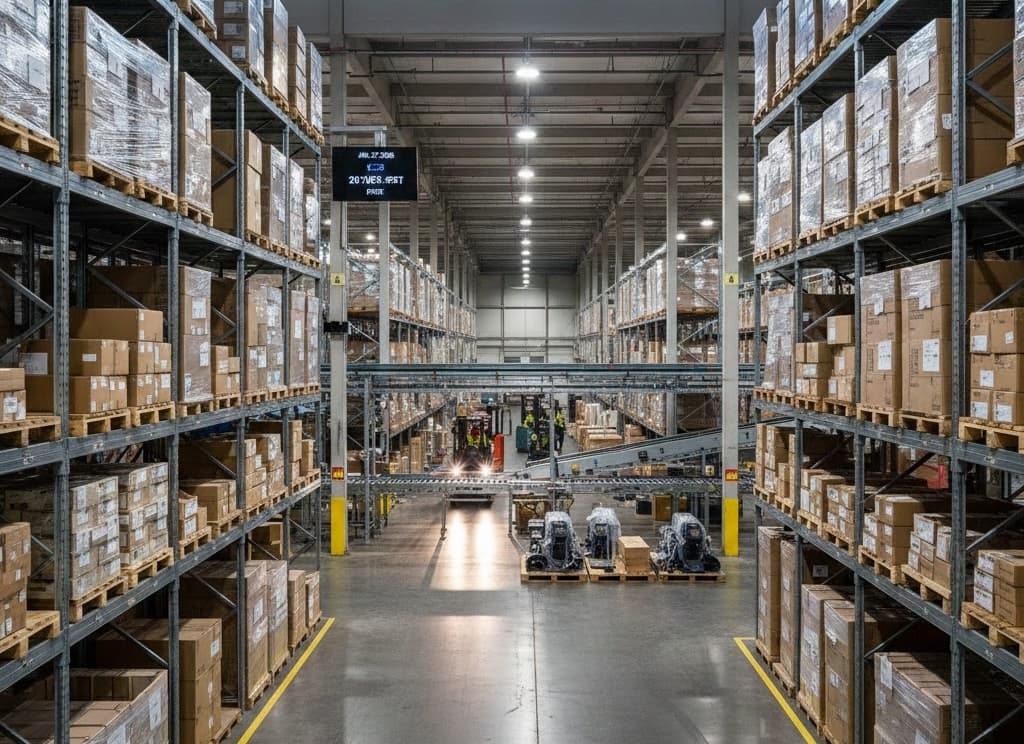
As businesses grow, decentralized buying often leads to wasted budgets, inconsistent supplier terms, and compliance risks. Centralized purchasing solves these challenges by putting procurement decisions in one coordinated system. It’s a strategy that appeals to operations executives, procurement professionals, and business owners seeking better control and transparency. This article breaks down the concept, explores its benefits and challenges, and explains how centralizing your purchasing process can create measurable business value.
What is Centralized Purchasing?
Centralized purchasing is a buying model where buying, procurement approval, and invoice processing (essentially, all buying activity) are all done by a single central procurement organization. Rather than allowing one department to do its own thing, a centralized buying system makes the central organization the default for all buying decisions. It's easy and straightforward-sounding, but somehow it actually alters the way the whole organization spends money.
To make processes more efficient and control costs costs is the main purpose of this. You can negotiate better pricing, get bulk discounts, and cut wasteful spending because you pooled all your purchasing power. Centralized procurement strategies also provide visibility into purchasing data, ensure compliance, and assist with forecasting future demand. In essence, a centralized procurement system isn't merely a method of purchasing but a method of operating your buying operations more intelligently, making the procurement operation more efficient, and building better supplier relationships in every department.
🚀 Simplify procurement with centralized purchasing and a reliable network. Torg connects buyers and suppliers, offering access to verified partners for strategic sourcing. 👉 Sign up now to consolidate purchases, negotiate better rates, and strengthen supply chain efficiency worldwide.
Centralized Purchasing Examples
Centralized buying appears in a lot of areas, particularly cost savings and quality control in procurement are important.
In big retail chains, instead of every store scrambling for its own snacks, drinks, or ingredients, one central team handles it all. Bulk orders? Cheaper. Consistency across outlets? Check. Duplicate orders? Gone. Centralized purchasing does the heavy lifting while stores just stock the shelves. That way, the business really saves money but keeps customers satisfied.
In food and beverage, think of a chain restaurant pooling purchases—coffee beans, fresh fruit, packaged sauces—all in one go. Planning ahead becomes easier, inventory stays in check, and supplier relationships? Stronger than ever. Centralizing buys turns chaos into clarity.
Even drinks manufacturers use centralized procurement processes. A single group may handle sugar, flavorings, and packaging materials for a number of factories. In some way, this minimizes wasteful expenditure and enhances operational effectiveness.
Other instances like hospital groups consolidate med supplies, and corporate headquarters centralize the buying of IT and office equipment—but in the F&B sector, the cost and consistency effect is truly felt.
How Centralized Purchasing Works
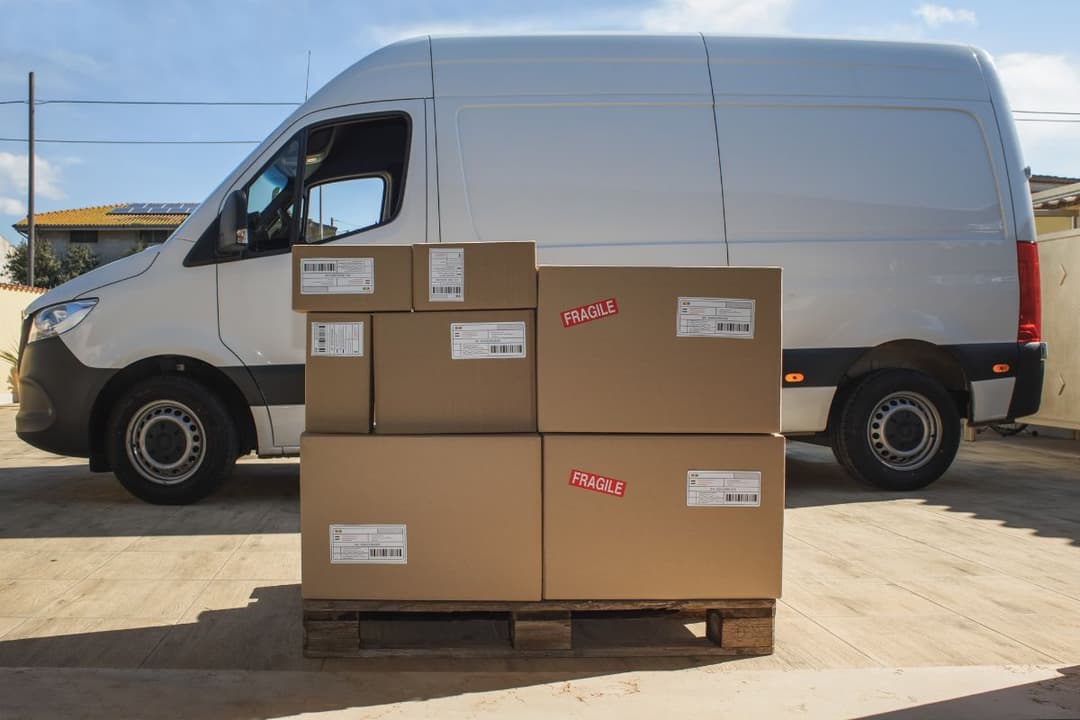
On the surface, a centralized buying system may seem to be a multitude of moving parts. But once you understand how it operates, it's really very organized. All is focused on the central purchasing team. They process requests, approve spending, manage supplier relationships, and check every procurement activity against company goals.
1. Requirement Collection from Departments
It begins with individual departments or business units sending their buy requisitions to the central team. They might be raw materials, packaging, or even software tools. When collected, all of this buying information rests in one location, providing the firm with an exact picture of what is being bought throughout the entire organization. It prevents repeated orders, optimizes inventory management, and maintains spending transparent. In some way, it feels more manageable.
2. Central Review and Approval
Once requests have been received, the central buying team scrutinizes them. They ensure that the items are essential, within budget, and in line with procurement rules. The approval process is not merely about managing control but ensuring resources are utilized efficiently. The mere review can halt wasteful expenditure or prevent emergency purchases that add unnecessary costs later on.
3. Supplier Evaluation and Selection
The next step is supplier selection. The team assesses vendors based on quality, price, reliability of deliveries, and general supplier performance. Occasionally, they make use of procurement software in reviewing offers or tracking past transactions. Maintaining a good relationship with suppliers reaps benefits in the long term. It helps to get improved pricing, consistent deliveries, and usually bulk discounts in favor of overall procurement efficiency.
4. Purchase Order Issuance
Once the appropriate supplier has been selected, the central purchasing system sends out a purchase order (PO). The PO details all critical information such as quantities, delivery dates, terms of payment, and any conditions associated. With all POs coming from a single central point, everything remains clear and uniform. It also provides management with greater visibility and control of all transactions.
5. Delivery and Performance Tracking
Finally, it all comes back around in delivery tracking and monitoring of supplier performance. The core team verifies if products are delivered on time, with the correct quality, and the correct quantity ordered. They monitor KPIs such as delivery correctness, defect rates, and cost variances. All these help to streamline vendor management and inform wiser future procurement decisions.
Request a Bulk Order Quote
Simple ordering, transparent pricing, delivered straight to your door
Centralized vs. Decentralized Purchasing
The biggest difference with centralized vs decentralized procurement is who makes the decisions. Under a centralized approach, there is a single procurement team that makes all of the purchasing decisions, manages all the relationships with suppliers, and coordinates all of the procurement activity of the entire organization. Under a decentralized purchasing approach, separate departments or business units make and approve purchases and interact with suppliers. Both methods possess advantages and disadvantages, and numerous companies even employ a hybrid procurement process to reap the benefits of both.
Centralized Purchasing
With centralized procurement, a single procurement organization is responsible for all procurement activities, ranging from purchase requisition to processing invoices. The largest benefit of centralized procurement, though? Buying power. Bundle the orders by bulk and the game changes. That means lower prices, volume discounts, fewer wasted dollars. Visibility and compliance are better, too, since procurement policies are enforced throughout the organization.
On the other hand, centralized procurement model can take a little longer. Departments might be less flexible as approval channels are centralized. Bureaucracy occasionally invades, and central team over-reliance creates bottlenecks.
Decentralized Purchasing
Decentralized procurement allows departments to have greater control. Need something ASAP? You can place an order without the wait for a central approval. Local supplier relationships can flourish, and departments can quickly grab local discounts or specialty products.
But it's not free. There can be duplicate orders, bargaining power is less, and process efficiency tends to degrade. It is more difficult to maintain purchasing data in many teams, and rogue spending is a danger.
Other firms attempt to blend both strategies (also referred to as a hybrid procurement model) with centralizing high-value or strategic products and allowing local teams to make smaller, time-sensitive purchases. Apparently, the appropriate model is based on your firm's size, composition, and procurement strategy.
Benefits of Centralized Purchasing

Centralized buying has some significant benefits, particularly for businesses attempting to manage costs, enhance operational effectiveness, and consolidate procurement operations. Essentially, it provides a central group of individuals with the authority to oversee the entire organization's buying process and ensure everyone speaks the same language. Below are some advantages of centralized purchasing:
Cost Savings Through Bulk Purchasing
One of the most glaring benefits is cost savings. When a centralized procurement staff aggregates orders from various departments or units, they are able to utilize buying power for bulk prices and volume discounts. By making one bulk purchase from a one central location, a restaurant chain, say, can cut shipping expenses, eliminate redundant orders, and eliminate excess inventory lying around. Some way, it equals actual procurement cost savings.
Stronger Supplier Relationships
Having a single person to contact for suppliers actually improve vendor relationships. Suppliers know whom to deal with, and this assists in improved contract terms, on-time deliveries, and, on occasion, preferential treatment when volumes are high during peak seasons. In the beverage case, this could mean getting seasonal fruits or special syrups before anyone else does.
Consistent Quality and Standards
Centralized purchasing provides OCM with consistent quality throughout all departments or locations. For food and beverage manufacturers, homogenous ingredients or packaging are OCM concerns. Flavor, look, customer happiness—they all wobble when changes sneak in. A central procurement management? They lock in quality across the supply chain, keeping things consistent and predictable.
Improved Spend Visibility and Control
A centralized buying system provides management complete visibility into buying information. Trends can be identified, future demand projected, and wasteful spending reduced. Maverick spending is much more difficult due to centrally controlled approval procedures and purchase orders. This type of control assists finance teams in planning more efficiently and maintains overhead expenses under control.
Streamlined Procurement Process
Selecting suppliers, processing invoices, approving orders? Centralized procurement handles it all. One workflow for everyone. Fewer headaches, smoother operations, and less guessing along the way. For multi-location companies, this type of consistency may better optimize procurement for efficiency and avoid mistakes.
Stronger Compliance and Risk Management
Procurement risks get smaller when everything’s centralized. Company rules stick. A central unit watches suppliers, tracks contracts, and keeps compliance on point—no corners cut, no surprises. For instance, a drink producer acquiring raw materials worldwide requires transparent records to prevent supply chain interferences or quality problems.
Improved Inventory Management
Lastly, a core purchasing staff can manage inventory throughout all facilities. That is, the proper goods are present when needed, overstocking is eliminated, and stockouts are minimized. Proper planning results in more efficient operations and improved financial planning. Apparently, centralized buying is not merely a matter of cost but even more so in making the buying process smarter, more predictable, and business-strategy aligned.
How to Implement Centralized Purchasing
You don't just flip a switch and convert to a centralized procurement process. It really is something that takes planning, coordination, and some experimenting. Essentially, you're attempting to bring all buying activities under one team with a central authority without impairing departments' functionality and happiness. Here's a working plan to help you get there.
1. Assess the Current Procurement Structure
Start out by observing how the purchasing decisions are currently being made. Look for maverick spending, duplicate orders, and inefficiencies. Graphing out procurement process flows for each department identifies where consolidation would have the greatest payoff. As an example, a chain restaurant may see several stores buying the same coffee beans from multiple suppliers—clearly an opportunity to save money and lower overhead costs.
2. Define Objectives and Strategy
You must decide early on what the broad goals are. Do you want to consider cost reduction strategies, supplier relations, or procurement effectiveness? Formalize a centralized procurement plan and communicate it to all concerned. Such as, if volume discounts are your aim, then try to address high-volume items first.
3. Develop Centralized Purchasing Policies
Implement clear procedures for purchase requisitions, approval processes, and supply control. Policies would cover what items are centralized, what remains local, and how budget planning is going to be handled. This part avoids misunderstanding and ensures conformity throughout the whole organization.
4. Build a Centralized Purchasing Team

Establish a central purchasing group that possesses decision-making authority in purchasing, contract negotiation, and vendor control. Have it coordinate very closely with finance and operations departments. For instance, a beverage firm could centralize syrups and packages while allowing the local branches to place orders for fresh produce.
5. Implement Procurement Technology
Let technology take over the repetitive stuff—purchase orders, invoice approvals, supplier checks—through procurement software or a system. The payoff can be rewarding. Clearer visibility, tighter control, smarter demand forecasting, and far fewer human errors slipping through the cracks. Somehow, having everything in a single system makes life easier for all.
6. Consolidate and Rationalize Suppliers
When you cut suppliers down, the tendency is your bargaining power spikes. Volume discounts become real. But don’t stop there. Lock in quality, reliability, compliance, and make a vendor management plan your backbone. In F&B, when you stick with the same ingredient suppliers across every location, that can mean time saved, costs cut, and headaches barely a whisper.
7. Manage Change and Communication
Change can be difficult. That is why you must present the value to all departments, business units, and procurement teams. Also, offer training in new centralized purchasing systems and processes to achieve stakeholder buy-in. If staffs see real cost savings being implemented, resistance typically tapers off.
8. Monitor and Improve
Lastly, monitor supplier performance, process effectiveness, and savings from procurement. Utilize procurement metrics in search of areas to streamline processes. Clearly, a centralized procurement process isn't a do-it-once affair—it's something that requires constant renewal with your company.
Disadvantages of Centralized Purchasing
While it offers numerous benefits, there are still limitations of centralized purchasing. Similar to most strategies, there are trade-offs that businesses must consider before fully embracing. Below are some challenges of central purchasing:
Slower Decision-Making
One of the key concerns is speed. Centralized procurement decision-making can bog things down, particularly for emergency or extremely specialized orders. A restaurant outlet requiring an eleventh-hour delivery of seasonal fruits will have to wait for the central team to sanction the order. Somehow, this can annoy departments and create bottlenecks.
Reduced Flexibility for Departments
Departments become less autonomous. They can't simply exploit local deals or act immediately to shifts in supply availability. For instance, a drinking establishment branch might discover a local supplier with a novel syrup at a discounted rate, yet they must follow the centralized purchase procedure to have it approved.
Risk of Bureaucracy
Centralized systems tend to be too bureaucratic for other departments and teams. Extra approval layers and rigid workflows may slow the purchasing process. Tasks that used to take a day, like small orders, can now stretch into several days. This delay can frustrate departments and impact overall operational efficiency.
Overdependence on Central Team
Heavy dependence on a single central procurement team presents risk. Without adequate capacity, skills, or monitoring of supplier performance, departments risk delays or are exposed to quality control problems. In the case of F&B, this might translate into delayed delivery of ingredients or variable product quality between locations.
Limited Supplier Diversity
Smaller supplier lists make buying easier and unlock bulk discounts. But variety takes a hit. That means fewer boutique vendors, specialty ingredients, or standout products; innovation can stall, and brands may blend in. The challenge in this is balancing cost savings while keeping those premium, niche connections alive.
Clearly, although centralized buying keeps costs in check and enhances efficiency, firms must weigh these advantages against the risk of slowdowns, decreased flexibility, and heavy dependence on the center staff.
Best Practices for Implementing Centralized Purchasing
Getting centralized purchasing right isn't just a matter of plonking all orders in the hands of a single team. It's really about getting the entire way people think and act in harmony. If you really stop to think about it, it's all about achieving balance with structure, clarity, some patience, and intelligent strategy thrown in.
Begin with an Explicit Procurement Policy
First, let's establish how buying operations should ideally be. Say what needs to be approved by whom, how purchase requisitions flow through the system, and how suppliers are selected. A good procurement policy gets it all down in black and white and keeps things on track. Without it, everyone just does their own thing, and that's when maverick spending or duplicate orders creep in.
Use Technology Early
Technology is no longer nice to have. Procurement software or a purchasing system integrated with ERP automates activities such as purchase orders, invoice processing, and tracking of suppliers. It eliminates paperwork, manual errors, and saves time. Actually, it allows for real-time data for better reporting, which was weeks ago and now takes minutes.
Build Cross-Department Collaboration
Departments shouldn't feel like they're being overruled by a procurement team at the center. Facilitate open communication between business units so everyone's on the same page. Somehow, when people feel part of the process, resistance fades. Collaboration keeps things moving and helps maintain trust, even when policies tighten.
Focus on Supplier Relationships
It's not always about the cheapest. Good suppliers in the long run end up paying you back handsomely. You need to be constantly looking at how your suppliers are performing and keeping the lines of communication wide open too. A valued supplier will generally give you a better deal, faster delivery times, and a bit of leeway when you really need it. Managing suppliers is more about working with them than raw negotiation.
Monitor and Improve Continuously
Setting up a central procurement process is not something you tick off the to-do list and then forget about. You must monitor cost savings, process effectiveness, and how your suppliers are doing through procurement metrics. If a process isn't effective, then it's time to change it. And that includes policies, tools, and teams.
They all mature over time and that's fine. What you really need to do is check-in every now and then, spot the weak spots, and just keep the whole centralized procurement process chugging along smoothly like a clockwork machine.
Measuring Success & KPIs in Centralized Purchasing
You can't fix what you don't measure. That's just the way it is. To actually know whether centralized purchasing pays off, firms look to key performance indicators (KPIs). Those numbers allow them to see what's getting better, what's falling behind, and where money could still be slipping through the cracks.
1. Cost Savings
This one is simple but still the most definitive indicator of improvement. Cost savings indicate how much a business has been able to reduce spending after adopting a centralized purchasing system.
Formula: Cost Savings (%) = ((Old Cost - New Cost) / Old Cost) * 100
It may seem easy on a piece of paper, but it's potent in reality. When executed properly, centralized procurement brings actual savings, from buying in bulk and volume discounts to overhead cost savings. Most finance teams monitor this quarterly to determine if their procurement plan is actually saving money or merely moving numbers around.
2. Supplier Performance
Suppliers can make a centralized procurement system excel or totally ruin it. Tracking supplier performance assists in making sure vendors deliver on time, keep quality, and are in line with cost targets. Typical metrics are:
- On-time delivery rate
- Defect rate or quality score
- Issue resolution time
Some firms implement procurement software that keeps tabs on these data points automatically and scores vendors via performance cards or dashboards. The concept? Make vendor relationships more robust and determine who fits the firm's procurement policies. It makes it easier for the central procurement department to know who's worth retaining and who's not meeting their end of the deal.
3. Purchase Order Cycle Time
Cycle time measures the duration from requisition to purchase order completion. The shorter it is, the more smoothly your centralized procurement flows. And if it's taking weeks, something's holding up, perhaps approvals, perhaps communication.
Formula: Cycle Time = Order Completion Date - Requisition Date
Essentially, this KPI reveals inefficiencies. It indicates if your procurement system, tools, or workflows are assisting or hindering. The shorter your cycle time, the more efficient your process is.
4. Procurement ROI
Procurement ROI checks whether your investment in centralized procurement systems, tools, and people is actually worth it. It measures financial return versus what you’re spending to run the whole setup.
Formula: Procurement ROI = (Procurement Savings - Procurement Costs) / Procurement Costs
If the ROI is positive, congratulations, your centralized procurement team is creating value and creating efficiency. If it's negative, you're probably spending too much to keep the system up, a warning to reexamine your processes or tools.
5. Compliance Rate
This metric's all about control and discipline. The compliance rate informs you of how well departments adhere to procurement policy, use authorized suppliers, and conform to established workflows.
Formula: Compliance Rate (%) = (Number of Compliant Purchases / Total Purchases) * 100
A high compliance rate indicates everyone's doing it by the book with fewer renegade purchases, more transparency in procurement, and stricter purchasing control. It's evidence your system is operating correctly.
6. Procurement Cost per Order (Optional but Helpful)
It goes further with some businesses and gauges how much it takes to process one order from beginning to end. This encompasses admin time, technology expenses, and even supplier management time.
Formula: Procurement Cost per Order = Total Procurement Operating Costs / Number of Purchase Orders
Smaller figures generally indicate your procurement process is lean, automated, and properly managed. It's not a mandatory KPI, but it can help monitor long-term procurement efficiency and justify process enhancement to the leadership.
Global Brands Using Centralized Procurement
Centralized procurement is more than just a fancy technology system. It's a whole mindset that some of the biggest multinationals out there adopt to keep their supply chain flowing smoothly and quickly adapting to change. Take a look at the likes of Unilever and Toyota. These companies swear by centralized procurement teams to get things done in a way that makes sense, build better relationships with their suppliers, and just generally reduce waste.
Unilever
Unilever has been streamlining its centralized buying system for years, and it's finally paying off in tangible ways. As of a December 2024 report from Reuters, the company's CFO, Fernando Fernandez, was granted additional control of procurement and supply chain activity as part of a significant effort to reduce processes and improve global coordination.
Unilever's approach is based on worldwide procurement centers that oversee purchasing for all, ranging from palm oil and paper packaging to indirect spend such as office supplies and logistics. By consolidating all buying decisions within a single team, the company enhanced transparency, compliance, and supplier responsibility.
Veridion reports (2024) suggest that Unilever was able to save approximately USD 1.58 billion in four years by centralizing indirect procurement and consolidating suppliers. Additionally, their Partner with Purpose program implements ESG standards throughout the supply chain, guaranteeing sustainable and ethical supplier management.
Operationally, Unilever's production facilities have also been favorably impacted by centralized management. A Manufacturing Digital case study (2024) referenced its Pouso Alegre plant in Brazil as a success story, recording project savings of "more than 160%" through minimizing material waste and better ingredient control within its centralized environment.
And it all comes together with technology. Earlier in 2025, Unilever said it was using AI solutions to "unlock operational efficiencies and net productivity" via its supply chain and procurement activities, largely cementing it as a procurement leader.
Fundamentally, Unilever shows how centralization of procurement is avoiding merely being about cost cutting but connecting sourcing, sustainability, and technology to drive long-term supply resilience.
Toyota
Where Unilever demonstrates the strength of centralization in consumer goods, Toyota illustrates it in manufacturing. Toyota's centralized system for procurement is all part of the famous Toyota Production System (TPS), a model that is constructed on efficiency, quality, and trusting suppliers.
Toyota has a global central procurement organization that oversees contracts, tracks supplier performance, and dictates sourcing strategies based at its headquarters in Japan. The structure provides procurement consistency globally while still providing flexibility to local teams for niche parts and innovation.
Toyota in April 2025 gave a shout out to nearly 60 North American suppliers who were really impressing the company with their quality, innovation, and value for money, all of which is a testament to the power of that company's centralized way of doing things to create stability and long-term partnerships.
Their achievements speak for themselves. Toyota has topped the North American OEM–Supplier Working Relations Index (WRI) for 14 straight years, reflecting its competency in supplier partnership and centralized management effectiveness.
Even during inflationary pressures, Toyota's centralized organization keeps things in balance. In 2025, the automaker made headlines by saying it would increase parts procurement costs by 10%–15% to cover rising material and labor expenses, a move orchestrated by its central procurement office to stabilize long-term supplier agreements.
Essentially, Toyota employs centralization not only to conserve dollars, but to insulate its supply chain from shocks, strengthen supplier relationships, and preserve the precision it's renowned for.
Future Trends for Centralized Purchasing
The arena of centralized buying is changing quicker than anybody anticipated. Technology, sustainability, and the movement of worldwide economies are influencing the way purchasing systems work. What was previously price and policy- oriented is presently about transparency, adaptability, and smart procurement automation. Here's what is coming down the pike.
ESG, Ethical Sourcing & Green Procurement
Firms are no longer thinking about what they purchase, but also how they purchase. ESG factors are incorporated in all supplier assessments in central procurement teams today. In brief, being cheap is no longer enough. The suppliers must prove ethical working methods, traceable sourcing, and sustainability of the environment. The green buying trend is shaping purchasing decisions worldwide across all sectors.
Agentic AI & Autonomous Procurement Agents

Artificial intelligence has gone past crunching numbers. Today, it's being involved in real decision-making. Autonomous buying agents are able to analyze purchase history, forecast future demand, and negotiate directly with sellers in real-time. In some way, they are better at balancing cost reduction and risk management than legacy systems. These agent tools are transforming the way centralized procurement staff operate behind the scenes, making them quicker, more acerbic, and more anticipatory.
Smarter Risk Hedging & Dynamic Supplier Swapping
Procurement teams now use predictive analytics to foretell disruptions in advance. When one supplier fails, another can step in immediately, no disruption, no loss.
Such dynamic swapping of suppliers strengthens the supply chain and reduces losses. Essentially, it's a wiser, more agile risk management strategy that puts central teams in complete charge.
Centralized Purchasing in an Inflationary World
Inflation is tightening budgets across the board, and cost containment has never been more difficult. Nevertheless, centralized buying provides companies with negotiating power. They can secure bulk discounts and improved pricing in advance of price increases. By agglomeration of contracts and streamlining procurement, organizations can stabilize their margins even when markets become volatile. Scale, in some strange way, proves to be the ultimate defense against volatility.
Conclusion
Centralized purchasing has the potential to bring substantial savings, more resilient supplier relationships, and more streamlined procurement processes to organizations willing to pursue a strategic approach. By concentrating purchasing activities and applying purchasing power, firms have more control of the costs, greater procurement transparency, and better supply chain performance.
Although there are still challenges as the centralized purchasing model is far from being perfect. But when handled properly with smart planning, watchful oversight, and careful procurement policies, the friction points can be softened and controlled. At its core, centralized purchasing is strategy meeting business goals. Some go all-in, others mix it up with a hybrid approach—control here, flexibility there. The point of it all is smarter buying, smoother operations, and long-term value that benefits the whole organization.
FAQs
What is the goal of centralized purchasing?
The goal of centralized purchasing is to bring all purchasing activities under one umbrella team. This reduces costs, enhances procurement efficiency, enhances supplier relationships, and ensures company policy adherence throughout the organization. Somehow, it also provides greater visibility and control over spending.
What is the difference between centralized and decentralized purchasing?
Centralized purchasing implies that a single central staff makes all procurement decisions and negotiates with suppliers. Decentralized purchasing system allows individual departments to place their own purchases. Centralized models provide cost savings, volume discounts, and improved process control, while decentralized models offer regional flexibility and quicker access to local suppliers.
What are the disadvantages of centralized purchasing?
The drawbacks of centralized procurement are slower authorizations, reduced departmental flexibility, possible bureaucracy, excessive dependence on the central group, and few supplier diversities. For instance, a branch could lose out on specialized or local suppliers since the central group is prioritizing bulk orders for multiple locations.
Is centralized or decentralized purchasing better?
Centralized buying provides cost savings, tighter controls, and better supplier negotiation, whereas decentralized buying allows teams to move quickly and capitalize on local bargains. Most organizations employ a hybrid purchasing model in which they centralize high-volume items and allow local teams to manage urgent or specialty buys.