



What Is Trade Compliance? A Complete Guide
Learn what trade compliance is, why it matters, and how it impacts global trade. Discover key regulations, best practices, and risk management strategies.
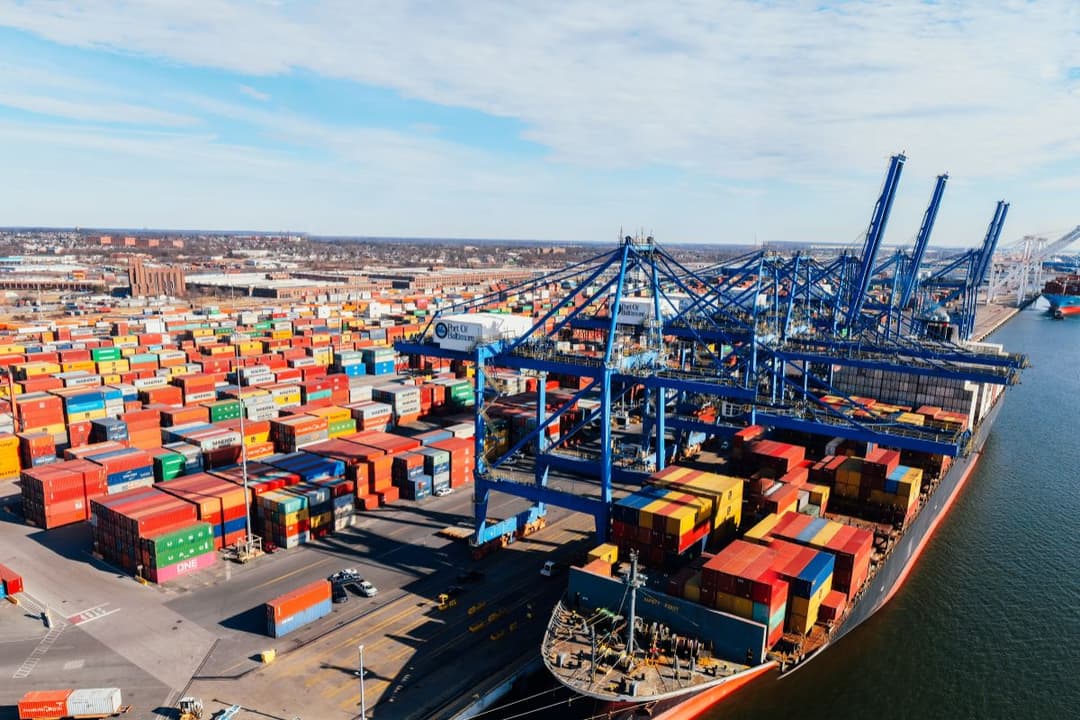
200+ buyers trust Torg for sourcing







Trade compliance may not seem like the most boisterous aspect of international trade, but it determines who ships what, where, and how quickly. Every buyer and seller is aware that any one-of-a-kind error in documentation or customs codes can become a week-long delay, or even a fine that no one will want to encounter. Essentially, it's the rulebook that makes international business move smoothly.
For companies moving goods across borders, understanding trade compliance isn’t optional anymore. It’s tied to supply chain compliance, brand trust, and profit margins. This guide digs into how global trade compliance really works, what export and import compliance involves, and why AI in trade compliance is changing how people manage risks. You’ll also see how trade compliance programs help companies stay ahead of shifting international trade regulations. In the end, smart compliance is not about red tape but about safeguarding your trade flow and reputation.
What is Trade Compliance?
Trade compliance is the process of ensuring that a company’s import and export activities follow all applicable laws, regulations, and international trade agreements. It involves adhering to rules set by governments, customs authorities, and regulatory bodies that govern how goods, technology, and services move across borders.
When products, information, or technology move across the border, trade compliance rules (such as export control compliance, trade sanctions compliance, or even dual-use classifications) apply. A bit like an unseen safety net, it helps keep transactions from violating export control regulations or international trade compliance regimes.
Most businesses today have a trade compliance program in place, usually backed up by trade compliance software to monitor documents, licenses, and denied parties. Others construct trade compliance checklists to align teams. For buyers and suppliers, this isn't voluntary because it's what makes supply chains transparent, shipments flow, and reputations spotless in global trade.
📦 Trade compliance keeps your global business running safely and smoothly. Torg connects buyers and suppliers who follow regulations and industry standards. 👉 Sign up today to simplify sourcing, prevent costly errors, and stay compliant in every market you trade in.
International Trade Regulations Overview

International trade regulations govern the exchange of goods and services between countries, ensuring fair, efficient, and lawful transactions. Key elements include:
- Trade Agreements: Global (e.g., WTO), regional (e.g., EU), and bilateral agreements (e.g., USMCA) establish rules for tariff reduction and trade liberalization.
- Tariffs & Non-Tariff Barriers: Tariffs are taxes on imports, while non-tariff barriers (e.g., quotas, subsidies, licensing) regulate trade without direct tariffs.
- Customs Procedures: Importers and exporters must adhere to customs requirements, providing accurate documentation (e.g., invoices, certificates of origin) for inspections.
- Intellectual Property Protection: The WTO's TRIPS agreement ensures protection of patents, copyrights, and trademarks across borders.
- Dispute Resolution: Mechanisms like the WTO’s Dispute Settlement System resolve trade conflicts between countries.
- Trade Finance: Tools like letters of credit and trade credit insurance secure international transactions.
- Sanctions & Embargoes: Restrictions on trade imposed for political or security reasons, limiting exchanges with specific countries.
These regulations aim to balance trade liberalization with protection of national interests, ensuring smooth international commerce while safeguarding economic and political stability.
National and Regional Regulations
Compliance with trade varies based on where you're trading. Every region prescribes its own papers, regulations, and enforcement culture. For buyers and suppliers, this translates into staying on the alert, double-verifying requirements, and constantly evolving to accommodate new requirements of trade compliance that govern how goods actually move across borders.
U.S. Trade Regulations
Trade compliance in the U.S. feels layered, almost like a web. You’ve got export control compliance under EAR and ITAR, customs compliance for imports, and OFAC regulations for sanctions. Each part links back to how firms handle goods, data, and partners. Basically, missing one detail can lead to shipment holds or penalties, so accuracy matters.
EU Export Control & Regulations
Trade compliance in the EU is unified at best but still complicated. The EU Dual-Use Regulations regulates both civil and military use exports. Customs compliance operates throughout member states but adds its unique spin. Therefore, suppliers navigating EU dual-use regulation must be nimble in orchestrating everything so that nothing gets out of sync and export control problems don't arise.
UK Customs Compliance Regulations
Since Brexit, the UK in effect reset its own rulebook. Now businesses have bespoke customs compliance and export control compliance obligations. What was previously straightforward cross-EU travel now requires additional paperwork and authentication. Purchasers and suppliers buying and selling through the UK need to remain current, regulatory changes can occur stealthily but overnight alter everything.
Asia-Pacific Regulations
The Asia-Pacific region runs on layers. Every country runs its own system for customs and export control, layered with different trade agreement rules. When you’re moving products across several APAC markets, your paperwork needs to be exact and your processes adaptable. Staying compliant isn’t optional because here, it's what keeps shipments moving.
Middle East and Africa Regulations
Trade compliance here can vary widely. Some countries follow global trade compliance standards, while others adapt them locally. You’ll still face import compliance, export control laws, and sanctions compliance checkpoints. For suppliers, it’s essential to monitor updates regularly, rules may shift fast due to politics or changing trade relationships in these regions.
Latin America Regulations
Latin America blends regional and national controls. You’ve got customs compliance systems, import/export requirements, and layered free trade agreement act compliance under MERCOSUR or the Pacific Alliance. Buyers and suppliers working there should plan for complex documentation and shifting tax codes, since trade compliance regulations can differ even between neighbouring markets.
What are the Components of Trade Compliance?
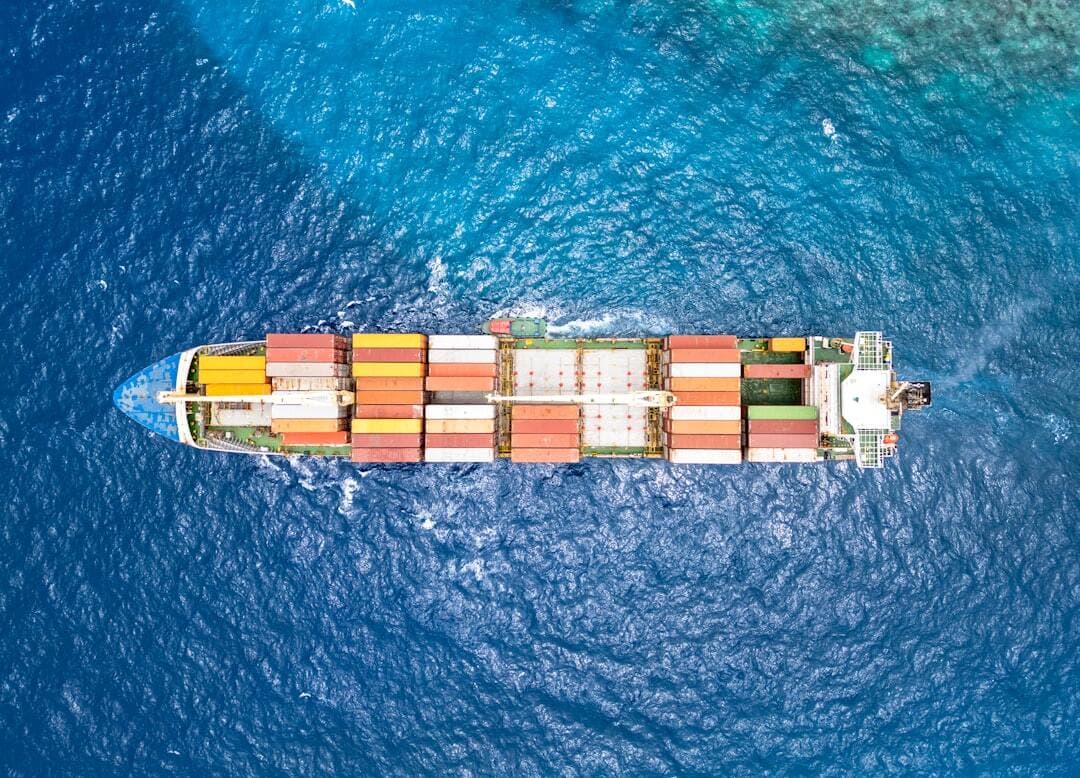
Trade compliance is a collection of moving pieces that make global trade legal, trackable, and clean. Each piece links together like a link in a chain. Miss one, and the whole thing begins to wobble. Buyers and sellers both depend on these pillars not to get penalized and maintain shipments moving without unnecessary delays or audits.
Export Compliance
Export compliance sounds simple but isn’t. It’s about ensuring that anything leaving your country (goods, data, or technology) meets export control laws like EAR or ITAR. You’ve got licensing, classification, and sanctions compliance under OFAC regulations all tied in. Basically, this is the heart of trade compliance management. A single unchecked export can snowball into bigger issues for global trade compliance.
Import Compliance
When the goods arrive, import compliance steps in. It handles customs compliance, HS codes, valuation, and duties. In some way, even a small mistake on origin or classification will slow everything down. Buyers and suppliers tend to use trade compliance software to manage it since it intersects with supply chain compliance more than most understand.
Sanctions and Embargoes
This is where trade sanctions compliance really counts. Each nation has its list of blocked parties and prohibited areas. A single misplaced transaction can initiate export control compliance infractions or embargo violations. That's why screening partners is not a choice but the salvation of trade compliance management, particularly when sanctions can shift nearly overnight.
Recordkeeping and Auditing
Here’s where discipline comes in. Recordkeeping and auditing act like your proof of innocence when regulators come knocking. Keeping logs of export transactions, import clearances, licence documents, and sanctions checks shows you’ve done your part. In practice, every good trade compliance program relies on this, because without proper documentation, compliance doesn’t really exist.
How Trade Agreements Affect Compliance?
Trade agreements may appear to be shortcuts, but they're actually like detours. You save on tariffs, but only if you precisely know where the turns are. Free trade agreements (FTAs) and regional associations impact how companies plan sourcing, production, and logistics. Essentially, they reward compliant traders with preference tariff treatment, as long as all trade compliance boxes are checked.
For qualification, the buyers and suppliers are required to observe rigorous rules of origin, document handling, and demonstrate eligibility through certificates. That's where the challenge comes in terms of free trade agreement compliance. A mere minor discrepancy when it comes to product classification or supplier information can nullify the benefits.
So in real life, trade compliance management is part of your daily workflow, not an afterthought. It's precision, ensuring that every transaction serves your argument under international trade laws. In global trade management, the space between complete compliance and a missed regulation can mean thousands lost in unnoticed duties.
What Are the Risks of Non-Compliance?
Non-compliance in trade is a domino effect. A single error can cascade through the supply chain, strike finances, and even destroy trusted relationships. Buyers and suppliers are well aware of this; one overlooked regulation can hold up containers, attract fines, and draw you into long investigations. Essentially, the risks are greater than they appear on paper.
Heavy Financial Penalties
Trade compliance fines are ruthless. Non-compliance with export control compliance, import compliance, or customs compliance can result in massive losses. Under the American system, administrative penalties can be millions. And that doesn't even include potential criminal charges. Clearly, the price of negligence is greater than the cost of compliance every single time.
Loss of Export or Import Privileges
Sometimes regulators do not fine you but can cut you off instead. Losing your export privileges or import rights can bring an entire operation to a halt. Regaining global trade compliance status after that is plodding and hard. For suppliers who depend on steady flow, it is as if closing down your business in mid-stream.
Criminal Charges and Legal Action
Willfully disregarding export control regulations such as ITAR compliance or EAR compliance doesn't merely violate regulations. It violates the law. Aggravated versions of these infractions are punishable by criminal prosecution, and actual individuals (not merely entities) are prosecuted. Sanctions violations fall into this category, illustrating how trade compliance is not a bet to take.
Damage to Supply Chain Relationships
Compliance violations spread fast. Partners notice. Clients start asking questions. Once you’re under scrutiny, supply chain compliance weakens, and trust erodes. In some cases, suppliers even get dropped from procurement lists, which is basically a silent but lasting penalty in global trade.
Shipment Delays and Seizures
And then there's the operational disorder. Customs compliance errors such as incorrect HS codes, incomplete documentation, or mis-valuation can lead to on-the-spot delays in shipping. In extreme scenarios, the products are seized. Unbeknownst to anyone, one missed field can become weeks of downtime, additional storage charges, and impatient buyers who've been waiting for deliveries.
What is a Trade Compliance Management System (TCMS)?
A Trade Compliance Management System, or TCMS, is essentially the command center for international trade compliance within a business. It's where everything converges (regulations, checks, and paperwork) so that exports and imports remain within legal limits. Imagine it as the program that keeps you ahead of trade compliance regulations rather than dealing with issues afterward.
A good TCMS does it all: internal policies, classification, screening, licensing, and even training. Most firms today are using trade compliance software to handle these steps effectively. It allows monitoring of all transactions, warning risks, and keeping audit trails automatically.
The architecture typically has an established trade compliance program, a risk methodology, and ongoing refreshes to keep pace with changing trade compliance regulations. When executed properly, a TCMS integrates directly with supply chain compliance and global trade management systems, eliminating the need for firefighting and instead remaining consistently prepared.
Common Trade Compliance Challenges
Trade compliance isn't necessarily all about large scandals or news headline fines. In most cases, it's the little things like missing forms, stale data, or unseen regulation updates that end up creating the most issues. Buyers and suppliers both suffer when compliance falters. Let's dive into some of the issues that complicate trade compliance management more than meets the eye.
Rapidly Changing Regulations
Regulations don’t stay still. Sanctions, export controls, and customs compliance regulations are in a state of constant flux. From time to time, there's some new trade sanction or amendment that appears overnight and businesses must respond on the fly. Compliance is about staying light on your feet, tracking updates, training staff, and employing trade compliance software that can keep pace with the changes without impacting business.
Sanctions and Geopolitical Risks
This section is unpredictable. Sanctions shift based on politics, trade wars, or diplomatic discord. One week a nation's open for business and the next week on a restricted list. Export compliance trade around the globe hinges on being fast to respond—recognizing red flags early, checking export control compliance lists, and maintaining records spotless to remain out of legal trouble.
Data Management and Documentation Errors
Documentation is easy until it all falls apart. The wrong HS code, the incorrect origin declaration, or omitting the export license can ruin a whole shipment. Some way or another, minor mistakes in trade compliance information snowball rapidly. Buyers and suppliers need to double-check every document, from valuation to classification, lest they suffer shipment delays and penalties.
Third-Party and Supplier Risks
Here's what others tend to forget: your own compliance isn't only your own. If a freight forwarder or supplier breaks sanctions or export control regulations, your organization is dragged into it as well. That is why trade compliance management demands supplier screening, due diligence, and routine auditing. In essence, everybody in the supply chain has a collective responsibility for being compliant.
Best Practices for Trade Compliance
Setting up a sound system of trade compliance is not something you do and then forget. It's something you regularly adjust as trade rules, sanctions, and supply chains evolve. Trade-compliance-aware buyers and sellers know that thinking ahead saves headaches and dollars later on. Basically, these best practices are the railings that guide your global operations to stay on track.
Developing a Compliance Roadmap
A good roadmap begins with knowing where your responsibilities start and end. Ask straightforward questions: Where do we trade? What goods or information are we shipping? To whom do the end users belong? Then create a trade compliance risk management that reflects your actual business flow. Then build your trade compliance program in incremental pieces with well-written policies, implemented procedures, continuous monitoring, and, naturally, employee training. It's not exciting stuff, but it's what keeps you compliant.
Leveraging Technology for Efficiency
Manual checks can only take you so far. Trade compliance software is now de rigueur. It assists with export control classification, customs compliance monitoring, and restricted-party screening without slowing down shipments. In essence, automation eliminates human error and maintains your trade compliance management in a consistent manner. It's not about replacing people but providing them with tools that work.
Periodic Audits and Self-Assessments
Audits don't need to be intimidating. They are health checks for your trade compliance program. Testing your systems enables you to identify vulnerabilities before the regulators do. Internal audit and self-assessment also generate due diligence, demonstrating your company's dedication to complying. Evidently, the more proactive, the less reactive.
Staying Updated with Regulatory Changes
Trade compliance rules move faster than most businesses are aware. Export control regulations change, sanctions lists grow, and free trade agreement compliance requirements change. Someone on your team (or preferably, a system) needs to be responsible for monitoring updates and modifying internal procedures. In some way, remaining up-to-date has become one of the most underestimated trade compliance best practices in global trade management.
What is ITAR and EAR Compliance?
When people talk about U.S. export control compliance, two words come up: ITAR and EAR. They have similar-sounding names but address different purposes. Fundamentally, ITAR compliance addresses defense products and services, whereas EAR compliance addresses dual-use products, goods that have civilian and military applications. Knowing which one is relevant to your company is not a choice; it determines how your trade compliance program is constructed and what licenses you must obtain prior to shipping.
ITAR Compliance
ITAR, or International Traffic in Arms Regulations, is governed by the U.S. State Department. ITAR controls anything that's within the defense industry such as arms, equipment, designs, and even technical data related to them. What's important in this case is control. If your product or service is on the U.S. Munitions List, you’ll need to have strict licensing in place before you can export or even disclose to foreign nationals. Essentially, ITAR compliance keeps sensitive defense data out of the wrong hands, so companies with government contracts or defense technology can’t afford to cut corners.
EAR Compliance
EAR, or Export Administration Regulations, is under the U.S. Commerce Department. It's less restrictive but just as serious. EAR compliance extends to dual-use items such as software, machinery, electronics, or chemicals that can be applied for everyday commerce as well as prohibited uses. The challenge is classification: determining your item's Export Control Classification Number (ECCN) and ensuring if it requires a license. In some way, EAR compliance seems wider because it encompasses various industries, from telecommunications to manufacturing. However, similar to ITAR, a single misstep such as exporting to a sanctioned party can cause significant export control compliance issues.
Together, ITAR and EAR create the foundation of U.S. trade compliance management. For buyers and suppliers, an understanding of which regulation you're subject to dictates how you negotiate contracts, shipments, and even internal data-sharing procedures in your global trade management strategy.
4 Key Trade Compliance Trends

Trade compliance is not standing still. The promotion, the software, and even the expectations are all evolving. Sellers and buyers are now required to work in an environment founded on increased political tension, swift technology, and greater requirements for sustainability. In essence, the method of two years ago might not be sufficient now. Following are the trends defining how trade compliance management becomes more relevant in actual operations.
Global Sanctions and Export Control Updates
Sanctions and export controls are evolving on a daily basis. Nations continue to issue new restrictions, reconfiguring supply chains, changing transit routes, and strengthening screening obligations. To international traders, this translates to more than the mere review of a handful of lists but of monitoring in real-time. Sanctions compliance has somehow transformed into both a legal obligation and a risk management tactic. Export control regulations are increasingly linked with supply chain compliance, compelling businesses to move swiftly or suffer the consequences.
ESG and Sustainable Trade Practices
Trade compliance is beginning to converge with ESG values. It is not only where you purchase, but from where and how those products are being sourced. Ethical sourcing, environmentally sustainable trade, and labor transparency are now being attached to worldwide trade compliance. Buyers and suppliers are increasingly being pushed to provide proof of responsible practices. Essentially, supply chain compliance now comprises carbon information, human rights screenings, and environmental history. That is where compliance intersects with accountability.
Artificial Intelligence and Technology in Trade Compliance
Technology is not only helping but also redefining everything. Automation and artificial intelligence now form the backbone of export control compliance and sanctions screening. AI platforms scan thousands of records in seconds, flag anomalies, and forecast risk even before it emerges. Trade compliance software has been upgraded to do classification, documentation, and audit trails with a bare minimum of human intervention. It's clear that companies that invest early in digital infrastructure witness fewer compliance mistakes and smoother operations.
New Trade Arrangements, Tariff Adjustments & Resilient Supply Chain
Tariff reforms and new trade arrangements are again transforming global routes. Companies can no longer stick to outdated templates, they need to refresh their trade compliance program with each change in regional models. Meanwhile, supply chain compliance is being challenged by disruptions such as wars, climate disasters, and logistics shortages. Resilience somehow has now become the new standard for compliance. Those who adjust quickly, diversify paths, and comprehend changes in tariffs will remain ahead of the curve in international trade management.
Trade Compliance Checklist
When trade becomes complex, an organised checklist keeps things on track. Buyers and suppliers use this type of guide to remain organised, reduce penalties, and maintain flow of shipments.
- Perform a trade compliance risk assessment — Begin here. Know your points of exposure, such as supply chain compliance risks. Where and what can go wrong?
- Identify jurisdictions — Chart all countries you ship to or through. Rules vary, and omitting one can create major export control compliance issues.
- Classify products correctly — Utilize correct HS codes and export control classification numbers. A tiny error can somehow result in fines or delays.
- Confirm origin and FTA eligibility — Identify country of origin and check for free trade agreement compliance rules. Apparently, incorrect statements can leave you tariff benefits.
- Screen customers and suppliers — Look for denied parties, embargoed countries, or lists of sanctions. Trade sanctions compliance begins with screening all transactions.
- Confirm export licences — Check for valid licensing under export control compliance regimes such as EAR or ITAR, prior to shipping anything out.
- Maintain clean records — Import compliance and export compliance records must be transparent, traceable, and audit-ready for regulators or customs.
- Use trade compliance software — Utilize software to automatically screen, maintain records, and report. It saves time and minimizes human mistakes in trade compliance management.
- Train your teams — Legal, supply chain, logistics, and financial personnel all need to understand compliance obligations. In short, awareness provides safety.
- Run internal audits — Regular audits and self-audits catch vulnerable spots ahead of the authorities. It's like finding mistakes in rehearsal, not performance.
- Watch for regulatory updates — Stay abreast of export control requirements, sanctions, and customs compliance news.
- Bake compliance into contracts — Include compliance provisions in vendor and supplier contracts. It establishes expectations initially.
- Evaluate third-party risks — Periodically evaluate freight partner and supplier compliance. Their errors can be your exposure.
- Establish escalation procedures — When red flags are raised, strike fast. A good response plan demonstrates to regulators that your trade compliance program is effective in action.
What Does a Trade Compliance Officer Do?
It might look like paperwork from the outside, but a trade compliance officer keeps global trade running clean. They’re the ones making sure every shipment, contract, and document follows the rules. For buyers and suppliers, that role means fewer fines, fewer delays, and goods that actually make it through. Essentially, they're the conduit between business objectives and compliance requirements.
Trade Compliance Officer Responsibilities
A trade compliance officer oversees the whole trade compliance management system. That requires developing policies, updating procedures, and liaising with customs. Their job stretches across export checks, sanctions reviews, and import paperwork. One day it’s about clearing licenses; the next, sorting data for audits or assessing supplier risk. The work shifts constantly, but the responsibility doesn’t. It's a job that requires detailed work and big-picture thinking. Somehow, their watchfulness turns out to be the pillar of all compliant supply chain activity.
Cross-Departmental Collaboration (Legal, Supply Chain, Finance)
No single person can operate compliance solo. Legal departments translate export control regulations, the supply chain department initiates movements, procurement sources materials, and finance handles duties or tariffs. IT, meanwhile, facilitates trade compliance software automating screens and record-keeping. Apparently, trade compliance management is best when everybody's in the loop. Having everyone work together prevents blind spots, from supplier agreement to customs release.
Training and Compliance Culture
Trade compliance is a culture that infects through routine training. A good trade compliance professional understands culture counts. They host workshops, refreshers, and onboarding training to ensure staff are aware of import compliance, export compliance, and customs compliance in everyday decisions. Essentially, when individuals understand how their individual actions impact trade compliance rules, they begin thinking ahead. That's how genuine compliance culture becomes embedded, not from rulebooks alone, but from persistent awareness.
Conclusion
Compliance to trade might appear to be paperwork at first glance, but it's actually what keeps international trade flowing lawfully and safely. Serious buyers and sellers who take it seriously become stronger and more trusted. In essence, by spending money in a robust trade compliance program maintained by trade compliance software and transparent procedures, you're not only safeguarding shipments; you're safeguarding your reputation.
The importance of trade compliance lies in how it keeps supply chains stable and operations credible across markets. Keeping current on ITAR compliance, EAR compliance, OFAC regulations, and international trade regulations is no longer an option. It's just doing business correctly. It’s part of how to ensure trade compliance effectively. In some ways, compliance has evolved into the unassuming edge with minimizing risks, evading delays, and maintaining stable operations even when world trade seems risky. Apparently, the forward-thinking businesses are the ones that continue trading without checking over their shoulders.
Request a Bulk Order Quote
Simple ordering, transparent pricing, delivered straight to your door