



Who Pays Tariffs: Importer or Exporter in Global Trade?
Who pays tariffs: importer or exporter? Explore how trade costs work, who’s responsible, and how to manage them for smarter global trade.
200+ buyers trust Torg for sourcing







Tariffs have always been one of the trickiest parts of global trade. Everyone knows they raise costs, but few stop to ask the real question: who pays tariff? Importer or Exporter?
If you work in trade, supply chains, or global sourcing, you'll likely discover that knowing this isn't just helpful but essential. After all, someone's paying. The question is, who?
In this discussion, we will explain who pays the tariff: the importer or the exporter. We will look into who really pays the import duty and what happens when the tariff is paid.
What Is a Tariff?
A tariff is a government-imposed tax on goods and products imported or exported across international borders. Its main purpose is to regulate trade, protect domestic industries, and generate revenue for the government.
When an import tariff is applied, it raises the cost of foreign goods entering a country, making local products more price-competitive. Conversely, an export tariff is a tax placed on goods leaving a country, though these are less common.
Tariffs can be specific (a fixed fee per unit) or ad valorem (a percentage of the item’s value). While they can help domestic producers, tariffs often lead to higher consumer prices and trade tensions between nations.
🎯 Looking to navigate complex trade regulations or source globally without added costs? 👉 Sign up and explore how Torg connects buyers and suppliers worldwide, helping businesses manage sourcing efficiently and transparently.
How Tariffs Work?
In order to really know how tariffs work, you need to see what happens the moment when the goods reach a nation's border. It appears extremely simple, but there actually is a bit more taking place behind the scenes than you would imagine. This is how it generally works in plain language:
- Merchandise comes in and is declared. When an imported shipment reaches the customs zone, all of it needs to be declared such as value, country of origin, HS code, freight, and insurance. Essentially, the customs needs to know what is coming in and what its value is.
- Tariff rate comes into play. Depending on the HS code, origin of the goods, and trade agreement prevailing, a duty rate is ascribed. At times, it's a percentage of value (ad valorem), and at other times, it's a fixed charge per unit.
- Record importer pays the tariff. In a legal context, the importer (and not the exporter) makes this payment prior to the clearance of goods. This action determines who remits import duties or who remits customs duties in formal terms.
- Cost gets redistributed. Now it comes in handy. Although tariffs are paid by the importer directly, the cost tends to shift around. Exporters may drop prices to remain competitive, or importers may increase retail prices, transferring costs to consumers.
Apparently, although the process appears tidy on paper, the tariff cost isn't necessarily cut-and-dried. At times, who pays import duty expense relies less upon law and more upon bargaining leverage, contract, and business realities.
Types of Tariffs
Tariffs exist in various shapes and forms. In-depth understanding of them makes it simpler to determine who pays tariff (exporter or importer) and where costs move along trade.
Specific Tariffs
This kind of tariff levies a fixed amount per unit, such as $10 on every imported chair. No matter the item's cost, only the quantity that enters matters. Essentially, it affects the bulk shipments more. The tariff is paid here by the importer directly, although the tariff load can later shift when the price is passed on down the line.
Ad Valorem Tariffs
These tariffs depend on the item’s value. For example, 15% of a car’s declared price. The higher the value, the higher the charge. It feels fair, yet it adds pressure on expensive imports. The tariff cost for importer rises with price, and that often gets passed to consumers somehow, especially in retail-driven sectors.
Compound Tariffs
A combination of specific and ad valorem tariffs. Essentially, a percentage value plus a flat tariff. Governments employ it to make adjustments for protection or revenue objectives. It's a bit complicated but used in textiles and steel industries. Importers of record duties escalate with both volume and value, increasing aggregate tariff liability.
Protective Tariffs
These are set high deliberately to shield local industries from lower-cost imports. They deter foreign products, even if consumers have to pay more. In such an arrangement, importers or exporters who pay are made less significant since the aim is to defend domestic manufacturers. Apparently, foreign trade tariffs such as this one are economic tools as well as political ones.
Export Tariffs (Less Common)
Certain nations tax outgoing commodities, typically raw materials, to manage home supply or prices. In this, the exporter directly pays a tariff. Though uncommon, yet applied in some developing economies. This reverses the typical conception of who bears import duties, demonstrating how trade costs cut both ways in international trade tariffs.
Who Pays the Tariff: Importer or Exporter?
The responsibility for paying tariffs, also known as customs duties, generally falls on the importer of the goods, not the exporter. This is because tariffs are imposed by the importing country to regulate and control goods entering their market.
But here's the twist: while the tariff is paid by the importer upfront, the question is who ends up paying the cost in reality? That is a bit of a complicated mess.
The Legal Payer of Tariffs (Importer of Record)
In nations such as the U.S., the importer of record is responsible for paying the tariff to the customs department, typically prior to release of the goods. They report the shipment, classify the shipment with the correct HS code, and process the entire importation. So, when someone asks "who pays customs duties" or "who pays import duties", the obvious legal response is the importer.
But that doesn't leave the exporter scot-free. Trade isn't a vacuum. As soon as tariffs begin to bite, prices, contracts, and supply chains adjust, and the exporter doesn't escape the ripple effects either.
How Tariffs Affect Exporters Indirectly
While the tariff cost is technically borne by the importer, exporters can't necessarily escape the financial hit. Here's why they often end up in the middle:
- Price negotiations become difficult. Importers might request exporters to reduce prices to cover the cost of tariffs. This tightens profit margins for the exporter.
- Competitiveness declines. If a price cut is impossible for an exporter, their goods may become suddenly pricey in the importing nation. Ultimately, this hurts market share and brand positioning.
- Blame-shifting contracts exist. Some trade agreements state that the exporter will pay until a specific time, but if the tariff unexpectedly increases, they may still end up taking some of the loss to salvage the deal.
Yes, tariff on paper is thus paid by the importer, but who pays import duty costs hinges upon negotiation clout, product demand, and the willingness of either side to negotiate.
Case Example: U.S.–China Tariffs
When we talk about the U.S.–China trade war, you'd think Chinese exporters got to "pay the tariffs." But when you look at the facts, that's not what occurred. Importers in the United States paid the tariffs to U.S. Customs and Border Protection, not Chinese exporters.
And what did the importers do when they paid such additional charges? They passed them on. U.S. consumers and small businesses paid extra for imported electronics, machinery, and even household items. In the meantime, some Chinese exporters quietly reduced their export prices to remain competitive which is essentially a step that nibbled away at their profits but kept trade moving.
Briefly, while tariff payment identifies the importer as legally paying, the tariff burden finds its way spread over several layers of the trading chain, from price-setting exporters, through margin-absorbing importers, all the way to consumers paying slightly extra at the shop.
Clearly, when we discuss importer versus exporter tariffs, the question isn't who pays. Generally, it's who hurts more.
The Role of Incoterms in Determining Who Pays
In foreign trade, who pays what is not always black and white. At times the importer pays tariff, at times the exporter pays tariff, and sometimes both are paying without even knowing it. That's when Incoterms enter the picture. The rules essentially lay down ground for responsibility such as who organizes shipping, who insures the merchandise, and yes, who incurs tariff expense once the cargo crosses borders. Without these terms in a contract, everything can go haywire in no time.
What are Incoterms?
Incoterms is the short term for International Commercial Terms, which is an international standard for a series of rules agreed by the International Chamber of Commerce. They outline who does what under a contract of trade in terms of payment for transportation, insurance, customs clearance and delivery obligations. Imagine them as the fine print that holds both parties accountable. They establish whether an importer or exporter pays duties, handles risk, or bears costs. For the tariff payer in international trade, they're not discretionary; they're mandatory.
Common Incoterms Affecting Tariff Payment
- DDP (Delivered Duty Paid): In this arrangement, the seller essentially does everything, from shipping to clearing imports. The tariff and import duties are paid by the exporter here, with the full responsibility. It is convenient for the buyer, but expensive and risky for the seller.
- FOB (Free On Board): This is among the most popular arrangements. The seller pays to the point of loading the goods on the ship. From there, the buyer's responsibility starts for freight, insurance, and customs duty. That is, the tariff is paid by the importer after the goods are on board.
- CIF (Cost, Insurance, Freight): The seller incurs cost of shipping and insurance until the product is delivered to the destination port. But tariff liability remains with the buyer unless stated otherwise in the contract. It's a bit balanced but is liable to create misunderstanding if not clearly worded.
- EXW (Ex Works): This one's as simple as can be. The seller's responsibility is fulfilled when the goods are available for collection on their premises. Then it's up to the importer of record to do everything, freight, insurance, and who gets to pay customs duties.
In essence, Incoterms are akin to a guide that states who does what and who pays what. They don't only avoid disputes—they also clarify to both parties how tariff payment works within the larger trade landscape. Used properly, they can make the distinction between importer vs exporter tariffs far easier, eliminating fiscal shocks and confusion along the way.
The Economic Burden of Tariffs
Tariffs aren't just limited to customs. After all the fees get charged, the actual effect begins to propagate throughout the entire economy. What appears as a straightforward duty payment becomes a chain reaction beginning with increased prices, narrower profit margins, and altered trade patterns. The larger question, however, is not only who is paying import tariffs on the border but who incurs tariff expense once it filters down the chain of supply. Essentially, tariffs do reach everyone, from manufacturers to typical consumers, even if they don't even know it.
Direct vs. Indirect Cost of Tariffs
There is a definite distinction between direct and indirect costs. Direct cost is seen and tangible as this is the money one pays directly to customs. The indirect cost, however, is clandestine. It seeps quietly in terms of price increases, production slow-downs, and competitiveness narrowing. Both are significant, but they affect different players along the trade chain.
Direct Cost
That's the most direct component of the equation. The tariff is paid directly to the customs department when it comes in. It's part of the assessed import value, predicated on product category, quantity, and country of origin. On paper, it's straightforward as the importer of record pays the bill. But on actual trade, that payment triggers a cascade. The importer may instantly raise prices, postpone orders, or seek alternative suppliers to level out the added expense.
Indirect Cost
Now here's where things get complicated. The indirect cost appears later, typically after goods enter the market. Since tariffs drive up landed costs, companies begin making others bear the brunt of it like suppliers, customers, or even employees. Economists at the University of Colorado Boulder find that the economic impact of tariffs falls heavier on domestic consumers than exporters from abroad. So although the importer literally pays the bill, customers ultimately experience it at the checkout counter—in bigger bills, downsized packages, or fewer choices.
How Importers Pass Tariff Costs to Consumers
When tariffs increase, importers don't typically just swallow the cost. They adapt. Most firms, particularly in competitive industries, increase prices they sell to compensate for increased duty expenses. For example, after the U.S. raised tariffs on steel and aluminum, Tax Foundation analysis concluded that firms using those materials immediately raised prices. The tariff costs ran through whole industries, from manufacturing and construction to automotive and retail until it hit the ultimate purchaser. Clearly, customers were paying the hidden portion of the tariff cost without realizing it was on a customs invoice.
The Effect of Tariffs on Global Pricing
Tariffs don't remain contained within a single country; they trickle across international markets. If one country increases import charges, others play catch-up with pricing measures. Exporters may reduce prices to remain competitive, importers may shift suppliers, and local manufacturers may take advantage of the opportunity to increase prices due to reduced foreign competition. According to USC Dornsife, this cat-and-mouse characterizes modern global trade tariffs.
So, who bears tariff cost on imports? In theory, importers do. In practice, however, the cost is dispersed like pieces of a puzzle, some on exporters, some on importers, and the rest on consumers. It all depends on whoever has more bargaining power in the trade agreement and how elastic the market is.
Who Ultimately Pays the Tariff?
In most cases, the importer pays the tariff, not the exporter. When a country imposes a tariff on imported goods, the importer of record is responsible for paying that tax to the customs authority before the goods are released into the market.
However, the real cost of the tariff doesn’t stop there. Importers often pass those extra costs down the supply chain — to wholesalers, retailers, and eventually, consumers — through higher prices. Exporters may also share part of the burden indirectly if they lower their prices to stay competitive in tariff-affected markets.
So, while importers technically pay tariffs at the border, both importers and exporters feel the impact through reduced margins, shifting demand, and increased trade costs.
Country-Specific Tariff Rules
Tariff regimes are diverse. Every nation charges duties differently, determining who pays and who actually bears the tariff burden in the trade chain.
U.S. Tariff Policies
Congress imposes tariffs in the United States and collects them through U.S. Customs and Border Protection. The tariff is paid directly by the importer upon clearance. Nevertheless, as USC Dornsife studies expound, even if importers make payment, American consumers end up footing the lion's share of the cost. Essentially, the burden of the tariff filters down by way of prices and diminishing purchasing power, even if it appears elusive at initial glance.
EU Tariff Regulations
The European Union imposes a single, common external tariff on imported goods from outside the bloc. The payment is part of the importer of record duties at entry to the EU customs union. Nonetheless, the true cost is passed along the supply chain. Ironically enough, domestic retailers tend to re-price to maintain margins, such that consumers indirectly pay part of the tariff burden.
China's Tariff Practices
China strategically employs tariffs as industrial protection and bargaining power. The importer pays tariffs inside China, but the wider economic effect remains localized. Exporters selling to China hardly ever pay duty themselves, but local Chinese purchasers frequently feel the pinch of higher prices. Practically, who takes the import duty cost hinges on how much exporters are willing to cut prices in order to remain competitive.
Emerging Markets and Tariff Reforms
Tariffs in developing economies are usually a primary source of revenue. However, reforms are gradually moving toward lower tariffs for the sake of promoting trade. Exporters shipping to such countries need to be aware of whom customs duties responsibility are paid by, as there are variations by port and by industry. Utilizing free trade zones or bonded warehouses, as recommended by Trade.gov, can partly cut overall landed costs and increase profit margins.
How Tariffs Are Calculated
Tariff calculation isn’t just about slapping a random fee on imported goods. There’s a structure to it, though it can feel complicated if you’re new to trade. In simple terms, the tariff is based on how much the product is worth, where it comes from, and how it’s transported. Let’s break it down in a way that actually makes sense.
Customs Valuation: CIF, FOB, and Declared Value
When authorities of customs determine the amount of tariff to be charged, they begin with something known as customs valuation. This valuation is based on the way the goods are valued at the time they are shipped. Essentially, there are two primary ways of measuring it:
- CIF (Cost, Insurance, and Freight): It involves the cost of the product, insurance, and freight up to the port of entry. It is widely practiced in destinations such as the EU or Asia.
- FOB (Free on Board): In this case, tariff is calculated merely on the value of goods delivered aboard the ship and does not include freight and insurance. The U.S. usually adopts this system.
So if a food industry product importer imports cocoa powder under a CIF contract and the CIF value is $10,000 and the tariff rate is 10%, the duty is:
Tariff = CIF Value × Tariff Rate
Tariff = $10,000 × 10% = $1,000
Apparently, that $1,000 doesn't end there. It contributes to the total landed cost of the product — which comes back to impact retail prices.
Harmonized System (HS) Codes
Each and every imported item is assigned a special HS code which is a 6 digit number that categorizes goods all over the world. It is the trade's DNA. The code determines the tariff rate, duty of import, and whatever trading limit is imposed. For instance, "roasted coffee beans" and "instant coffee powder" have different HS codes, and their tariff rates can differ hugely even though they might seem connected.
If an importer classifies "dried fruit puree" into "fresh fruit," they could be penalized or pay more tariffs. In the drink industry, an error such as incorrectly labeling syrup concentrate can alter the tariff cost to importer by thousands. So yes, getting the HS code correct isn't just formality. It's actual cash.
Import Duty vs. Tariff vs. Tax
These are confused with each other frequently, but they're different.
- Tariff / Import Duty: This is the levy that strikes at the border when importing the goods. It's essentially the price of invading a foreign market.
- Customs Duties: Synonym for tariffs, but usually used in an interchangeable manner. It's what tariff is paid on by the importer when goods move across borders.
- Tax: This is additional domestic levies (such as Value Added Tax (VAT) or sales tax) which follow customs clearance.
Here's a simple example. Let’s take an example where a company is importing bottled fruit juice. The tariff (import duty) is 8% and the local VAT is 12%. If the CIF is $5,000 then the duty is $400. Then VAT is charged on top of this amount and the cost goes up even more.
Final Landed Cost Formula:
Landed Cost = Product Value + Tariff + Insurance + Freight + Local Taxes
So although the importer pays customs duty first, the end price of that bottle of juice reflects several layers of cost. And somewhere, as always, the consumer feels it most at the checkout counter.
Knowing these steps helps importers plan better. It makes clear who pays import duty cost, how tariff responsibility gets dispersed across supply chains, and how companies can prevent unnecessary losses simply by getting their valuations right.
How to Reduce Tariff Costs
Lowering tariff costs isn't skimping but about applying the proper trade tools. By shrewd planning, companies can actually pay less and keep supply chains going.
Tariff Exemptions and Free Trade Agreements (FTAs)
When countries sign Free Trade Agreements, certain products qualify for reduced or zero tariffs. Essentially, if a product "originates" from a partner nation under FTA terms, the importer pays tariff at a lower level or not all. But checking origin documents is important. A tiny mistake can invalidate the exemption.
Duty Drawback Programs
In certain areas, companies are able to recover duties if processed goods are subsequently re-exported after being imported. For instance, a drinks firm that's importing glass bottles in order to refill them and export would be eligible for refund. This initiative moves tariff burden from manufacturers who add value locally before exporting. It's a powerful way of preserving margins and export competitiveness.
Strategic Sourcing and Supply-Chain Adjustments
Businesses tend to reconsider where they buy from to reduce tariff expenses for importers. Substituting vendors or altering where production occurs can add up significantly. Just an example is buying cocoa from a country with lower duties rather than one subject to sanctions, which can cut thousands. Essentially, minor sourcing adjustments can redefine an entire cost profile and build trade resilience.
Using Bonded Warehouses or Free Trade Zones
Certain nations permit imported products to remain in bonded warehouses or Free Trade Zones and not pay duties immediately. It's akin to a "pause button" on duty payments. Products there may be processed, repackaged, or re-exported, usually free of duties. This arrangement aids importers to enhance cash flow, delay customs duties obligation, and lower financial burden on inventory-intensive businesses.
The U.S.–China Trade War: Who Paid?
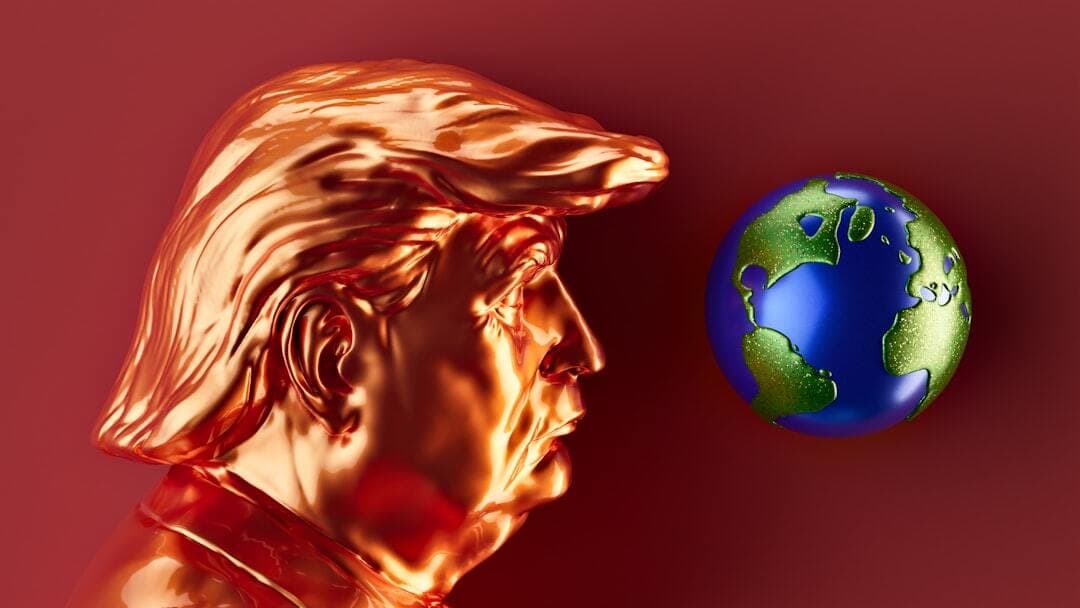
Most of the tariffs during the U.S.–China trade war were paid by American importers and consumers, not by China. Studies show that the tariff costs were passed through to U.S. buyers, raising prices and disrupting supply chains.
However, the impact was not entirely one-sided. The Chinese exporters began reducing their export prices to make their products U.S.-market competitive. They passed on part of the tariff costs, particularly for products such as electronics and apparel, which were highly competitive. Many exporters were forced to reduce their profit margins simply to stay afloat.
Conclusion
So, who actually pays tariffs? The exporter or the importer? It's technically the importer of record that actually pays the custom duties. But in practice, things aren't quite so simple. The tariff burden is transferred around, getting passed on to importers, exporters, and even customers. Prices increase, margins decrease, and supply chains stretch to breaking point. Essentially, tariff responsibility comes down to knowing your contracts, Incoterms, and cost structures. An anticipatory company will be able to handle such trade shocks more effectively than a non-anticipatory one. To policymakers, tariffs may appear to be easy instruments of protection, but clearly they have a far deeper effect on global prices, competitiveness, and the daily cost of products. Ultimately, somebody always pays.
FAQs
Who pays tariffs when importing goods?
Legally, the importer of record pays tariffs to the customs agency in the importing nation directly. But that is only half the picture. Economically, it doesn't end there. It tends to roll down the line to wholesalers, retailers, and consumers. Essentially, even if the importer pays upfront, everyone gets touched eventually.
Do exporters pay tariffs?
Usually, no. Exporters do not pay for tariffs on imports into a foreign country unless the agreement otherwise, i.e., under Delivered Duty Paid (DDP) conditions. However, exporters will probably feel the squeeze. They may lower prices or cut margins to stay competitive. So, even as the importer pays tariff legally, exporters end up taking the economic brunt.
Can importers pass tariff costs to buyers?
Indeed. Importers scarcely take tariff costs on board. They charge the additional duty on their landed cost, then increase prices in order to offset the difference. Sometimes subtly, sometimes not. It's found that ultimately it is the final consumer (the one who purchases the product off the shelf) who bears most of the tariff cost over the long term.
What’s the difference between customs duties and tariffs?
They are usually regarded as the same, yet technically they differ slightly. Tariff refers to the tax rate or tariff schedule applied to compute the charge. Customs duty is the payment at the time of import. In brief, tariffs specify "how much," and duties indicate "how it's paid." Both determine import costs.
How do tariffs affect trade agreements?
Trade agreements tend to shift the rules of the game. The tariffs are lowered or eliminated altogether by some using preferential tariff rates or duty-free access. But it is the rule of origin, where the product is produced, that matters most. Firms aware of these specifics can reduce their tariff cost for importers and increase competitiveness across markets.
Who collects tariff revenue?
It's always the importing nation's customs agency. In the U.S., U.S. Customs and Border Protection collects the duties before releasing goods. These revenues go into the national treasury and sometimes support border programs. Apparently, even though importers pay, the government ends up pocketing the tariff payment.
Request a Bulk Order Quote
Simple ordering, transparent pricing, delivered straight to your door