



Retail Supply Chain: Strategies, Challenges & Trends 2025
Discover how the retail supply chain works, key challenges, and strategies to boost efficiency, resilience, and customer satisfaction.
200+ buyers trust Torg for sourcing






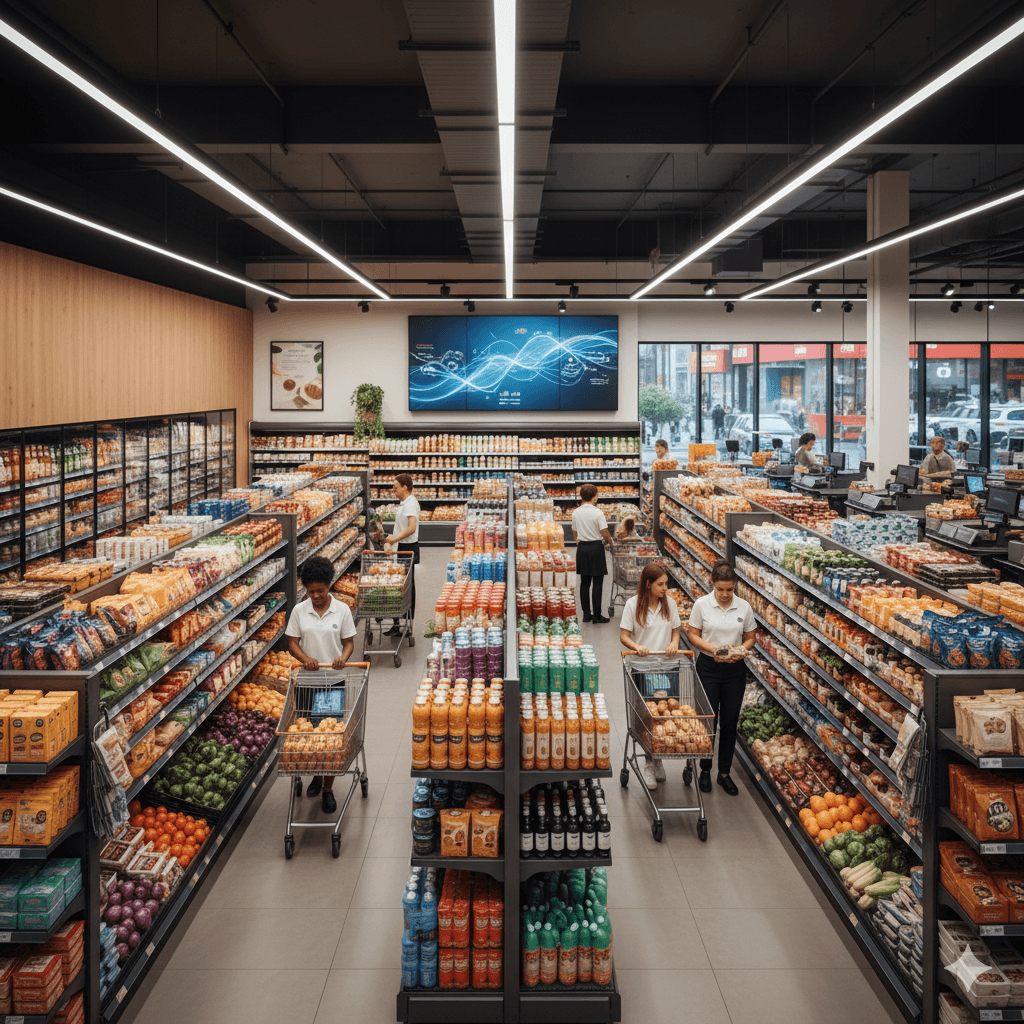
The retail supply chain is the foundation of the retail business. Each item on a shelf or in your digital shopping cart has already gone through suppliers, warehouses, and shipping networks. What if inventory suddenly is depleted or shipping prices go through the roof overnight, though? Retailers count on a smooth supply chain strategy to prevent those scenarios. Inventory management, dealing with a variety of vendors and suppliers, and monitoring consumer tastes are all in the same category.
This article is for people who actually deal with these challenges every day like retail professionals, supply chain managers, or business leaders trying to cut costs and still meet customer demand. We’ll break down the core parts of the supply chain in retail, the typical roadblocks, and the best retail supply chain practices that help retailers remain competitive.
Key Components of the Retail Supply Chain
A retail supply chain has a few core parts: buying products, storing them, moving them, and delivering them to customers. Each step depends on the other. If one breaks down, the rest quickly follow. That’s why retailers aim for clear, well-managed processes—it keeps costs in check and makes sure products arrive on time.
Procurement & Sourcing
Procurement is fundamentally where the process begins. Retail procurement entails handling several suppliers, negotiating ethical prices, and ensuring quality control is optimal. The truth? Supplier performance breaks or makes supply chain success. That's why vendor management is critical. Retail companies that prioritize supplier collaboration, while driving procurement decisions in accord with business goals and customer demand, tend to remain ahead of the game.
Request a Bulk Order Quote
Simple ordering, transparent pricing, delivered straight to your door
Inventory Management
Inventory management is, quite frankly, the pulse of supply chain operations. If stock levels aren't managed correctly, retailers miss sales or are left with cash flow issues. Using inventory management software and innovative solutions backed by artificial intelligence and machine learning, retailers can actually monitor inventory turnover, make inventory levels real-time adjustments, and reduce inventory expenses. Proper forecast demand from sales history ensures shelves do not run out when demand from customers surges.
Warehousing & distribution
Warehouse operations are more important than people give them credit for. It's not simply stacking but rather efficiency, precision, and cost management. Warehouse automation and other automation technologies help reduce the cost of doing business and speed up inventory flow. Inbound and outbound logistics also tie everything together, moving raw materials, finished goods, and retail supply smoothly between buildings, physical stores, and even direct-to-consumer supply chain pipes.
Transportation & logistics
Transportation logistics is where cost management and timing intersect. Products need to travel from point A to point B in a rush, but not pay so much that margins are cut. Shipping costs, last-mile service, and customer satisfaction in general depend on how logistics operations are run. That's why many retail businesses turn to tactics such as green logistics and a lean supply chain. They are seeking to reduce expenses, streamline supply chain efficiency, and yet subsidize an eco-friendly retail supply chain.
Point-of-sale (POS) integration
POS integration holds it all together. When point-of-sale integration systems feed precise data back into supply chain data analytics, retailers enjoy better supply chain visibility. That means smarter demand planning, faster demand forecasting, and retail supply chain initiatives that ultimately reflect consumer tastes. And the best part: POS integration is an omnichannel fulfillment game-changer. Retailers depend on it to keep both online purchases and bricks-and-mortar stores stocked and in sync.
Challenges in the Retail Supply Chain
The most streamlined supply chain in retail can hit some bumps along the way. Some are anticipated, while others emerge unexpectedly and disrupt the whole retail supply chain flow. The retail logistics challenges do not just affect inventory costs. They influence the level of inventory, customer relationship management, and how retailers really keep pace with consumer preferences. Let us examine the primary hurdles that retail companies encounter nowadays.
Supply Chain Disruptions
Supply chain disruptions are the new norm. Global shortages, port congestion, and poor supplier performance have the ability to clog up supply chain processes overnight. Retailers may then rush to locate substitute suppliers or rely on third party manufacturers to make up the difference. And when disruptions linger, the trickle-down effect manifests as missed demand planning, delayed retail fulfillment, and irritated consumers. A responsive supply chain assists, but the reality is that nobody is entirely safe from unexpected shocks.
Higher Operating Costs
Most retail companies are grappling with increasing operating expenses that eat into their margins. Increased transportation logistics charges, stock costs held up in unsold inventory, and warehouse operational costs all contribute. When shipping gets expensive or logistics turn messy, the whole supply chain slows down. That’s why many retailers today focus on cutting out extra steps, keeping money moving, and using automation to handle the heavy lifting. It’s all about keeping operations lean without driving up costs.
Handling Multiple Suppliers and Vendors
Juggling too many balls in the air is what managing multiple vendors retailers depend on might sometimes feel like. Supplier relationships require constant monitoring, from quality control checks to supplier performance compared to business goals. If one supplier falters, the entire supply chain plan can get destabilized. Inventory becomes more difficult to manage, deadlines are extended, and customer demand might not reach the customers when it should. Vendor management and supplier cooperation are important, but coordinating a multifaceted network is never easy.
Pressure of Last-Mile Delivery
Logistics challenges in retail appear most prominently in last-mile delivery. Consumers desire same-day delivery supply chain or quick BOPIS (buy online, pick up in store) capability, and that creates huge pressure on logistics operations. Accommodating that demand commonly means increased shipping expenses and increased operating expenses for the retailer. Some companies invest in green supply chain logistics and automation to keep delivery fast but affordable. But the balancing act between cost control and customer satisfaction is an old problem.
Data Visibility Gaps
Lacking good data, the entire supply chain is like being in the dark. Most retailers still have poor supply chain visibility, and it becomes difficult to monitor inventory levels, review historical sales data, or accurately forecast demand. When demand planning is inaccurate, inventory efficiency suffers like in excess inventory, or insufficient inventory to supply customers. Real-time data analytics underpin supply chain optimization, but system and process gaps still restrain supply chain performance.
How Can Retailers Build Sustainable Supply Chains?
Retail companies are facing actual pressure to reconsider the way they manage the whole supply chain. Consumers demand more than simple low prices and speedy shipment. They also demand brands be responsible. Creating a sustainable supply chain is no longer a choice. It's effectively a combination of satisfying customer needs, maintaining operational expenditure within limits, and demonstrating that your retail supply chain approach aligns with today's values.
Green Logistics
Green logistics is perhaps the most useful measure towards a greener retail supply chain. Retailers are streamlining transport logistics to reduce fuel consumption and lessen carbon emissions. Some of them are converting delivery fleets to electric vehicles or finding more efficient means to group shipments together. Even green packaging is now included in retail logistics planning. Clearly, customers appreciate such efforts, and it has a direct impact on customer satisfaction.
Ethical Sourcing
Ethical sourcing creates better supplier relationships. Retail buying teams today scrutinize raw materials sources and how they are produced. Retailers rely on supplier performance and supplier cooperation to make products ethical and of good quality. An honest and ethical supply chain in retail does not only protect brand image, but also yields optimal long-term supply chain profitability.
Circular Supply Chain
The cyclical supply chain structure is gaining traction because it literally saves money while eliminating waste. Instead of dumping unused stock, stores are reusing, recycling, or reselling. The strategy increases inventory, reduces cost of inventory, and creates a more agile supply chain flow. It is also in line with consumer trends in 2025, where individuals want companies to do, not just discuss, sustainability.
Sustainable Supply Chain Technologies
Technology has a big role to play in making sustainability happen. Supply chain blockchain provides traceability and verifiable data on sourcing. IoT supply chain introduces real-time tracking, facilitating improved supply chain visibility and quality inspection. Include automation technologies and AI-driven supply chain solutions in the equation, and retailers can indeed cut operational expenses while maintaining business objectives with sustainability in line.
Strategies for Optimizing the Retail Supply Chain
It's not a case of reducing costs here and there and trying to make a retail supply chain function. It's a matter of realizing how it slows down, fixing it fast, and making sure the whole system functions perfectly from start to finish. So how do retailers actually do that in 2025? Here's the rundown.
Data-Driven Decision Making
Today, all retailers amass massive amounts of data such as POS systems, warehouse reports, even past sales trends. The problem is applying that data appropriately. With proper demand forecasting, retailers never get stuck with mountains of unsold inventory or run out of hot-selling items. And truly, nothing upsets customers more than "out of stock." AI-based analytics today makes supply chain optimization and supply chain effectiveness much simpler, allowing companies to match inventory with actual demand.
Vendor Management and Partnerships
Suppliers are more than invoice names because they're essentially the retail supply chain management backbone. Building trust, setting expectations, and having healthy relationships with suppliers reaps rewards in the long run. As retailers monitor the performance of their suppliers and diversify smartly, they minimize supply chain risk and usually secure better prices and flexibility. In a world where one weak link can break the chain, robust vendor partnerships are a definite competitive advantage.
Omnichannel Fulfillment
Consider the way that individuals shop nowadays: some desire same-day delivery, others require BOPIS (buy online, pick up in store), and some still enjoy shopping in brick-and-mortar stores. Customers shop in all sorts of ways now—online, in-store, or both. That’s why omnichannel fulfillment has become a big part of the retail supply chain. Retailers need flexible logistics that can keep up, but without turning the whole system into a mess.
Just-in-Time Inventory
No one wants to spend money warehousing products that aren't selling. That's where just-in-time inventory steps in. Essentially, inventory comes in when it's really needed, reducing the cost of carrying. It's a slick concept, but it only works if retailers enjoy excellent supply chain visibility. If a delivery is late or a supplier misses the ball, the impact is immediate. Even so, when executed well, this lean supply chain strategy maintains retail efficiency levels at the top and costs at the bottom.
Case Studies of Successful Retail Supply Chains
One thing to discuss supply chain strategies in theory. Another to observe how the titans actually achieve it. Let's examine two names that always pop up when people mention successful retail supply chains: Amazon and Zara.
Amazon Supply Chain
Amazon's supply chain is essentially the gold standard. They've made supply chain innovation an art form. With sophisticated inventory management technology, AI planning, and warehouse automation operating in the background, Amazon maintains supply chain efficiency at levels other retailers can only hope for.
And finally, there's last-mile delivery. Apparently, this is where many companies fall down, but Amazon turned it into one of their greatest assets. They reduced shipping costs, accelerated delivery times, and pleased customers with quicker options. It's a nice reminder that the greatest retail supply chain practices aren't merely about tech—they're about making the customer's life simpler.
Zara Supply Chain
Zara does it differently, but equally successfully. They utilize speed and agility in their supply chain policy. With only-just-in-time inventory and accurate demand planning, Zara reacts instantly whenever there is a change in customer preferences. A trend occurs one week, and for some reason, a few weeks later, it's already on the store shelves.
How is it achieved? Supply chain visibility and close supplier relationships. Zara remains intimate with its suppliers and keeps the whole retail supply chain in touch, which translates into less delay and greater precision. In the world of fast fashion, that amount of agility is precisely what keeps them on top.
Future of the Retail Supply Chain
The future of retail supply chain is quite unlike the one that was familiar to us when we grew up. It's getting smarter, quicker, and, it seems, more digital by the year. Retailers are relying on emerging technology not only to save them money but also to help them meet customer demands that shift almost overnight.
- AI in Retail: Artificial intelligence is essentially calling the shots in most places today. From supply chain automation to demand forecasting, retailers are able to anticipate customers' desires and when they desire them through AI and machine learning. That translates to less bare shelves and less warehouses filled with excess inventory.
- Blockchain in Supply Chain: Blockchain may sound like a complex network, but at its core, it’s about trust. It locks in accurate data, ensures traceability, and makes ethical sourcing easier to prove. If you’ve ever wondered whether your product is really “fair trade” or “sustainably sourced,” blockchain is what helps verify it.
- IoT in Supply Chain: Then there’s IoT. Small sensors and connected devices are quietly monitoring stock, tracking deliveries, and checking warehouse conditions. It’s like having thousands of tiny eyes across the supply chain, making sure everything runs smoothly.
- ERP Systems in Retail: ERP systems in retail bring it all together. Rather than manage supply chain operations, customer management, and financial planning on various platforms, retailers now bring it into one. That fusion makes it simpler to see the big picture and stay away from expensive errors.
- Retail Supply Chain Technology: And naturally, retail supply chain technology continues to advance. Warehouse automation, drop shipping business models, and other automation technologies are redefining retail logistics strategy. The objective is straightforward: faster, leaner, more accurate processes.
- Sustainable Supply Chains: Efficiency is no longer sufficient. The future also involves creating an environmentally friendly retail supply chain. Green logistics, circular supply chain strategies, and responsible sourcing are rapidly becoming more than "options" but "non-negotiable." Consumers in 2025 expect brands to be concerned about the world and not only profits.
Conclusion
Ultimately, retail supply chain management is what determines if a company makes customers happy or loses them. From raw material to last-mile delivery, every stage of the end-to-end supply chain influences supply chain performance. If one stage slows down, the entire process feels the pinch.
In essence, retailers who prioritize supply chain optimization can reduce costs, manage inventory levels more efficiently, and enhance customer satisfaction. Handling multiple suppliers and maintaining good supplier relationships also contribute importantly. And let's face it, in the absence of accurate demand forecasting and streamlined supply chain processes, even the most refined plans may come crashing down.
The shift toward digital supply chain solutions is already here. AI in retail, automation technologies, and even blockchain in supply chain are helping retailers gain supply chain visibility, reduce operating costs, and stay flexible when disruptions happen. Add in sustainable and efficient supply chain management practices like green logistics or a circular supply chain, and you’ve got a model that actually matches what today’s consumers expect.
Seemingly, the successful retailers are those that remain ahead. They keep the supply chain strategy aligned with customer needs, focus on good data, and respond to change rapidly. The future is for those who establish effective global supply chains and leveraging technologies to stay competitive in a market that never actually stands still.