


Supply Chain Optimization: Strategies, Process, Trends
Discover key strategies for supply chain optimization to reduce costs, improve efficiency, and boost business resilience.

200+ buyers trust Torg for sourcing






If your company is based on getting products from one place to another—whether you're making, distributing, or selling—you know that your supply chain directly affects business performance. Delays, excess inventory, late shipments, bad supplier relations—these are all the results of a supply chain that isn't performing the way it could. Doing it right isn't a choice. It's necessary if you're going to remain competitive, drive down costs, and exceed customer expectations without using up time and money.
This article is a straight-up guide to making your supply chain more efficient, more reliable, and more aligned with how your business runs. We’ll cover real strategies to streamline operations, cut down unnecessary steps, forecast demand more accurately, and build stronger supplier networks. You’ll see why is supply chain optimization important, how supply chain optimization techniques, tools, and supply chain design choices can improve everything from warehouse and operational efficiency to delivery times. This is what it takes to operate a smarter, tighter operation.
What is Supply Chain Optimization?
Supply chain optimization is the process of improving the efficiency, visibility, and performance of a company’s supply chain to reduce costs, increase speed, and ensure product quality. It involves analyzing and refining every stage—from sourcing raw materials and managing suppliers to production, logistics, and final delivery.
When all the pieces fit, you make smarter decisions, you move faster, and you satisfy your customers' demands. If you are constantly fighting fires, optimization should be viewed as a necessity.
✨ Make your supply chain your competitive advantage. With Torg, you don’t just optimize. You futureproof. Discover efficient strategies, better supplier matches, and global reach. Sign up today and see the difference a smarter supply chain makes.
Benefits of Supply Chain Optimization
Supply chain optimization is not a technology upgrade, it's a straightforward means of honing how your company operates on a day-to-day basis. Here's the scenario when done correctly.
Lower Operational Costs
Each of your steps in the supply chain costs money such as shipping, storage, handling, delays, and mistakes. Tightening transportation management, eliminating the vulnerabilities in the manufacturing operations, and optimizing the movement of goods through your warehouse facilities eliminate the fat. Improved supply chain planning and cleverer supply chain execution reduce costs without sacrificing quality. Chain optimization eliminates waste, does not stockpile unnecessarily, and improves cash flow.
Improved Customer Satisfaction
If your product doesn't arrive on time or worse, isn't what the customer ordered—you lose trust. Optimizing your supply chain enables you to accurately predict demand, prevent shortages, and make commitments. When your inventory management aligns with actual customer behavior, you're not making an educated guess. You're fulfilling what people want, when they want it.
Faster Delivery and Reduced Lead Times
Time is money. Long lead times don’t just hurt your margins, they annoy your customers. Reducing delivery windows by streamlining your supply chain from order management to transportation keeps customers happy. An agile supply chain allows for easier response to last minute changes or sudden spikes in demand without breaking.
Risk Mitigation and Resilience
Supply chain disruptions happen. Whether it’s a supplier delay, port congestion, or demand surge your supply chain must recover fast. Supply chain optimization creates a more robust network by having better supplier performance, using better data analytics, and giving you more resilient supply chain visibility. Meaning, you see issues sooner and fix them quicker.
Inventory Management Improvements
Excess inventory locks up cash. Too little inventory costs you sales. Supply chain optimization puts the sales data and control in your hands to maintain balanced supply and inventory levels. Inventory optimization solutions allow you to have leaner inventory, lower waste, and fulfill demand without breaking the bank. The outcome? Smoother storage, less write-off, and smarter resource management in your supply chain.
Key Strategies for Supply Chain Optimization
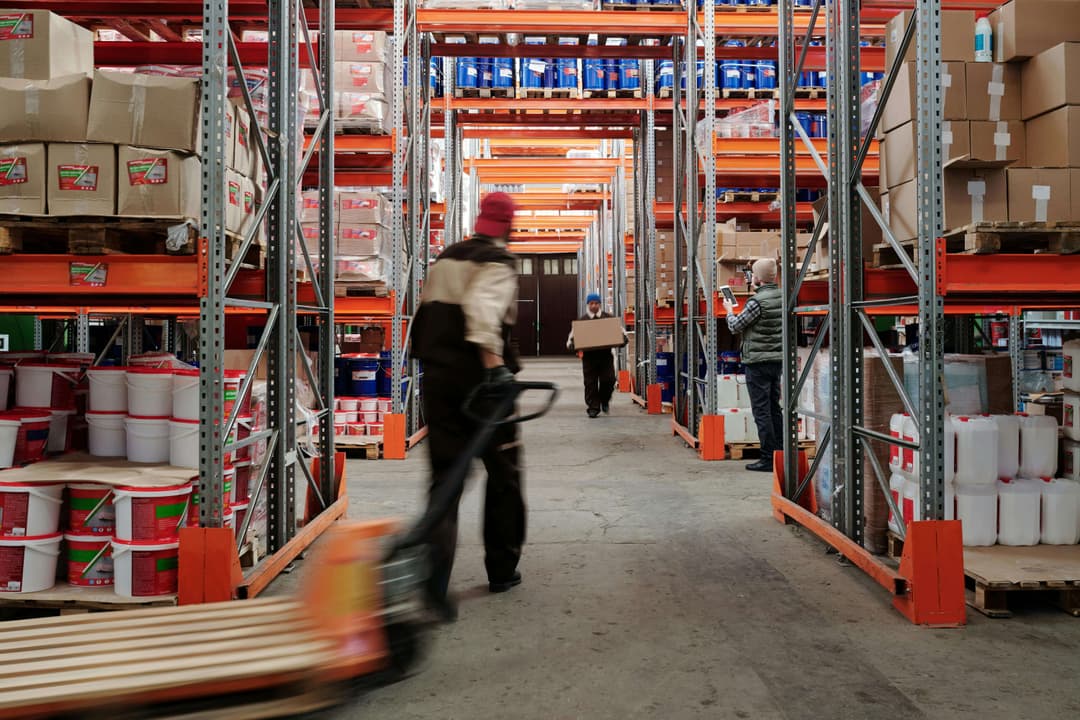
If your supply chain is bloated, slow, and unstable it’s not about fixing one link it’s about changing how the whole system works. These strategies will sharpen execution, eliminate waste, and create a more responsive supply chain.
Lean and Six Sigma in Supply Chains
Lean thinking eliminates everything that is not value-adding—unnecessary movement, waiting, overproduction. Six Sigma attacks inconsistency and mistakes. Together, they put you in more control of supply chain activities and with a cleaner, quicker manufacturing process. This results in fewer errors, improved utilization of assets, and improved performance throughout the supply chain.
Agile Supply Chain Model
Being agile is no longer a choice. A flexible supply chain is designed to respond fast – whether that’s to changing customer needs, supply shortages, or surprise transportation disruptions. It’s about designing speed and agility into your supply chain so it doesn’t break when something changes overnight.
Inventory Optimization Techniques
Too much inventory keeps your cash tied up. Too little causes stockouts. With tools such as ABC classification, safety stock calculations, and data-driven demand forecasting, you can hit the sweet spot. Inventory optimization enables you to have what's required—nothing more, nothing less.
Supply Chain Optimization Process
You don't repair your supply chain by taking a stab. You do it one step at a time—determining what is going well, what isn't working, and how you can improve. Here's how you do it with precision and focus.
1. Assess the Current Supply Chain
Begin by putting it all out there—literally. Map the entire supply chain network optimization, from raw material sourcing to product delivery. Examine the flow of goods, the transit times, where the chokepoints are, and what your existing supply chain operations actually look like on the ground. Don't guess—get into the nitty-gritty.
2. Define Objectives and KPIs
You require a target. Are you looking to reduce the transportation costs? Enhance customer satisfaction? Lower inventory holding costs? Establish concrete, achievable goals aligned with your supply chain strategy. Then determine which sourcing key performance indicators (KPIs) will indicate whether you're on the right path—be it perfect order rate, order cycle time, or forecast accuracy.
3. Collect and Analyze Data
You can't improve what you don't track. Bring in all the data that counts—sales patterns, inventory status, supplier performance, shipping dates, customer returns. The strategic objective is to know what's really going on, not what you assume is going on. Good, clean data is the basis for every intelligent decision you're going to make from here on in.
4. Model and Simulate Scenarios
Model your existing system with supply chain optimization software and try out new scenarios before making any changes. What will be the effect of switching suppliers? Adding a distribution center? Changing warehouse locations? Simulation of these decisions allows you to gauge the effect before you make it.
5. Design and Implement Optimization Strategies
It's time to take action now. Redesign your supply chain according to what the data are indicating. This could be by reconsidering your supply chain network, optimizing transportation management routes, enhancing inventory optimization methods, or aligning better with the capabilities of suppliers. Construct strategies that aid your strategic goals and minimize weak points.
6. Leverage Technology Tools
Technology is not merely a support tool but a change driver. Leverage predictive analytics, AI, and combined data platforms to automate forecasting, monitor performance in real time, and react faster to changes in demand. The right tools provide supply chain managers with the visibility and insight to take action before issues spiral.
7. Monitor, Measure, and Refine
Supply chain optimization is not a fix-it-and-forget-it solution. Monitor your KPIs closely, hear from your supply chain teams, and make adjustments accordingly. Customers need change. Supplier dependability shifts. Priorities in the business processes. A sound optimization process continues to improve over time—and so should your supply chain.
Supply Chain Optimization Technologies and Tools
If you're still working with spreadsheets and gut feel, you're already behind. Supply chains today are moving at high speed—and without the right technology, you won't be able to keep pace.
AI and Predictive Analytics
Modern supply chains aren't games of chance. AI-enabled platforms can now predict future demand based on real sales history, seasonality changes, market trends, and even customer actions. That translates to better inventory choices, less stock-out, and less waste spend. You know what's next, and you prepare. No more last-minute reacting.
Network and Route Modeling
Want to try out a new distribution network? Considering putting a warehouse near a key customer hub? Optimization tools enable you to model changes in your supply chain prior to investing in expensive maneuvers. You get to observe the effect on cost, timing, and efficiency—without betting real money or time.
Integrated Planning Platforms
The most effective supply chain optimization platforms bring it all into one location—inventory levels, supplier performance, order cycles, shipping lanes, whatever. No more shuttling between systems or pursuing unconnected information. These platforms provide a complete, real-time picture of what's good, what's bad, and where to prioritize next.
Real-Time Decision-Making
In supply chain management, timing is a critical component. Optimization software doesn't merely save data—it enables you to act upon it. Whether redirecting a shipment, optimizing loads between warehouses, or adjusting forecasts in real-time, optimization software allows you to make decisions today, not tomorrow.
Common Challenges in Supply Chain Optimization
Even with the best plans, supply chains hit hurdles. The truth is, optimization isn’t easy, especially when you’re dealing with real world problems that move faster than your spreadsheets.
Global Disruptions
No supply chain is immune to global shocks. Pandemic, port shutdown, war, or catastrophic weather can strike and break your supply chain in an instant. If your network isn’t flexible or you’re relying on one source too much, your whole operation will grind to a halt. Creating a supply chain risk management plan that can weather the storm requires planning for disaster, not panicking after it’s happened.
Demand Volatility and Forecasting Inaccuracies
Customer behavior shifts quickly. What flew off the shelves last month may be sitting idle today. If you're forecasting based on outdated sales histories or intuition, you're asking for problems. The consequence? Overstock, lost sales, and frustrated customers. You need forecasting software that leverages real-time data and predictive analytics to keep pace with demand shifts.
Supplier Unreliability and Capacity Constraints
A weak node in your network of suppliers can slow production, drive up costs, or shut down delivery altogether. Perhaps it's a supplier who can't scale. Perhaps it's variable lead times. Either case, bad supplier performance penalizes your whole supply chain. Intelligent businesses invest in supplier management and establish supplier relationships with multiple trading partners to guard against failure.
Lack of Real-Time Data
If you can’t see what’s happening right now across your supply chain, you’re flying blind. Delays, stockouts, and cost overruns creep in when decisions are made on old information. Real-time supply chain visibility is the difference between being late and being early. Without it you lose control of inventory, transportation, and supplier coordination.
Metrics to Measure Supply Chain Optimization
You can’t solve what you don’t measure. That's why measuring the right metrics will tell you if your supply chain is running smoothly or bleeding time, money, and customer confidence.
Perfect Order Rate
This is your no-excuses standard. Did the product ship on time, in total, and with no damage or mistake? If not, something in your supply chain failed. Low perfect order rate indicates poor coordination among systems, warehouses, and transportation. It's not about delivery—it's about execution at each phase.
Inventory Turnover
If your shelves are dusty, your capital is invested in dead inventory. Healthy inventory turnover indicates that products are moving quickly, and money is not tied up in storage. It's a good indicator that your inventory strategy is helping your supply chain optimization objectives—maintaining goods flowing without excess.
Order Cycle Time
How quickly can you go from order to delivery? Order cycle time shows how effectively your supply chain processes are functioning end to end—from procurement through fulfillment. Delays lasting too long? That's a sign of too much friction. Streamlining this measurement cuts lead times and enhances customer satisfaction.
Forecast Accuracy
Guess wrong on demand, and you’ll either run out of stock or end up with a warehouse full of unsold goods. Forecast accuracy shows how close your predictions are to reality. Better forecasts mean tighter inventory control, lower carrying costs, and fewer emergency shipments.
Fill Rate and OTIF (On-Time In-Full)
These are the reliability tests. Fill rate informs you how much of what the customer ordered you actually had available. OTIF indicates whether you shipped all of it on time. Low scores here equate to broken promises—and that jeopardizes future sales.
Future Trends in Supply Chain Optimization
Supply chains are no longer what they once were and that's a good thing. Today, it's survival of the fittest, speed, and being relevant in an economy that's not slowing down. Here's where supply chain optimization is going.
Sustainability and Green Logistics
It's not just about saving the world. Green logistics reduce fuel consumption, eliminate waste, and streamline packaging. Sustainable supply chains translate into reduced costs and less agita from regulations. Customers are listening, too, if you have a dirty supply chain, it's going to cost you more than credits.
Blockchain in Supply Chains
Ditch the hype. Blockchain is paying its own way in supply chain management. It has nothing to do with crypto; it's all about visibility. You know where your products are, who touched them, and what shape they're in. It's a digital paper trail that generates trust and closes the door on counterfeit supplier practices.
Resilience and Reshoring
The old paradigm of following the lowest-cost factory on the globe? That's crumbling. Companies are moving closer to home or at least closer to the customer. It's not all about price anymore. It's about control, quicker delivery, and fewer surprises from worldwide upheavals.
Autonomous Supply Chains
Bots aren't arriving—they're already at the warehouse. AI systems are predicting demand, redirecting shipments, and monitoring delays before a human even sees. Automation releases your team from mundane tasks and prevents errors that cost time and money. Less human input, more smart play.
Circular Supply Chains
The era of one-and-done everything has a limited future. Firms are beginning to reuse material, remanufacture products, and redesign waste. Circular supply chains aren't only good for the planet—returning serious savings in material costs and supply volatility. It’s optimization with long-term reward.
Conclusion
Supply chain optimization is the way that companies remain cutting-edge in a rapidly changing world. It's not a secondary task, it's central to remaining competitive. When operations are lean, data moves smoothly, and suppliers excel, companies get faster, spend more efficiently, and better serve customers.
The actual value lies in enhancing the way each component of the supply chain integrates. That involves leveraging real-time information, enhancing demand planning, managing stock with intention, and selecting suppliers that perform. It's about having the entire system converse with each other, not in silos.
Firms that invest in supply chain optimization experience fewer holdups, improved decision-making, and more robust outcomes. It's a game of years, but one that bears dividends in every area of the business. If your supply chain is still haphazard or reactive, it's time to get it to work harder. Because when the supply chain operates properly, the rest of the business does too.
Request a Bulk Order Quote
Simple ordering, transparent pricing, delivered straight to your door