



White Label Food Products: How to Start, Sell, and Succeed
Discover everything about white label food products—how to start, sell, and succeed with suppliers, marketing strategies, and best-selling products.
200+ buyers trust Torg for sourcing







Establishing a food brand no longer requires goliath kitchens or million-dollar investments. With white label food products, local café owners to budding startups can bring out a range of snacks, sauces, and beverages with much less risk. The concept is straightforward: a white label food manufacturer produces the item, and you brand and sell it. That is why these food products are everywhere, even on retail shelves, online retailers, even influencer-led launches.
But is white labeling food profitable? According to many entrepreneurs, yes, particularly when combined with clever branding and contemporary white label marketing techniques. Think being able to sell your own coffee blend or plant protein bars without ever operating a factory. This guide takes you through how to start a white label food brand, what to offer, who the ideal white label food companies are, and the current white label food product trends that can make you stand out.
What Are White Label Food Products?
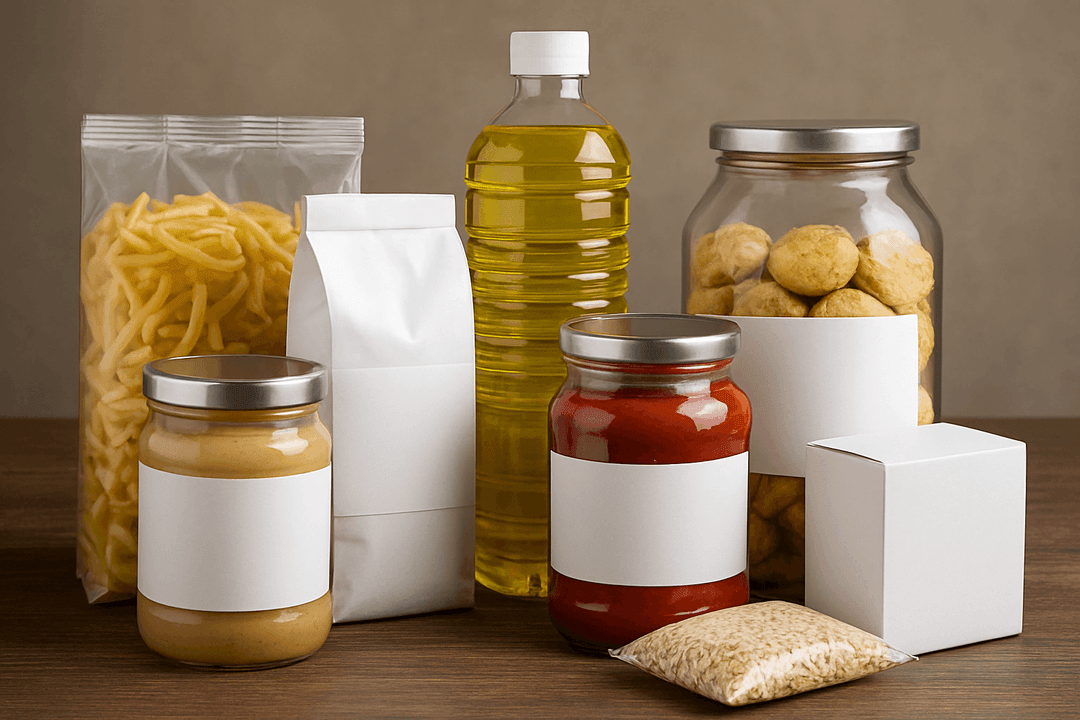
White label food products are pre-manufactured food and beverage items produced by one company and rebranded or packaged under another company’s name. This means the manufacturer handles the production, quality control, and compliance, while the retailer or brand owner customizes the label, logo, and packaging to sell it as their own product.
For example, a supermarket’s “store brand” chips, sauces, or baked goods are often white label products made by third-party manufacturers but sold under the supermarket’s branding.
This is the nature of white label foods. They enable business owners to develop brands around everything from sauces, snacks, and seasonings to frozen food and health powders. The beauty is in terms of speed and convenience. Rather than waiting years to validate an idea, you can get going fast, discover from your market, and build from there.
What is even more impressive is how versatile this model is. Some utilize it to build boutique artisan brands with a niche tale, and big retailers construct whole aisles full of white label groceries. Either way, the consumer does not consider who produced the item. They concentrate on the brand in front of them.
Why White Label Food Products?
Starting a food brand does not have to deplete your savings. White label food products offer small business owners a convenient method to create companies without the normal financial and operational barriers. Here are some reasons why individuals are turning to white label food products:
Lower Startup Costs
Old food companies take massive amounts of money. Consider factories, machinery, and employees. With white label food, all of that goes away. You are paying for the product, packaging, and branding. For a person dipping their toes in the water, that is much less of a risk. Consider starting a snack line with a few thousand compared to millions of dollars, it now makes the venture possible.
Reduced Time to Market
Speed is what counts in food. If you notice a trend, i.e., oat milk or keto snacks, you want to hit before the wave recedes. White label food products allow you to do so because manufacturing is already established. Your task is tailoring branding and packaging. Rather than investing years in R&D, you can get a product into market in weeks.
No Need for Manufacturing Facilities
Running a processing plant or kitchen is no cakewalk. With safety regulations, equipment failures, and management of staff, it's a job on its own. Using the services of white label food manufacturers removes that burden from your shoulders. Compliance and production are taken care of by them, and you can channel your resources into marketing and establishing customer relations. It's a cleaner, smarter way to scale.
Custom Branding Flexibility
Even though you're not preparing the food, you still have control over the story. Through packaging design, messaging, and positioning, you can control how consumers think about your white label food products. Two brands can, for example, provide the same protein bar but position one as a high-end lifestyle snack and the other as a budget gym fuel.
Ability to Scale Quickly
Expansion can be daunting when you're confined to your own kitchen. Let's assume that your cookies become overnight sensations online. Without a big facility, you won't be able to keep up with demand. This is where white label food makers excel. They're already set up to produce on a big scale, so expanding from hundreds to thousands of units doesn't mean you'll have to start over.
White label food products open doors for both buyers and suppliers. Buyers gain branded products without production costs, while suppliers access new demand. Sign up on Torg to connect with reliable partners, grow your brand, and succeed in the competitive food market with confidence.
How the White Label Food Process Works
Most people have no idea what is actually required to start a white label food brand. The process is easy once you visualize the steps:
Finding a Supplier
Finding the right suppliers is the foundation of your company. The top white label food producers do not merely sell products. They deliver consistency, safety, and scalability. Begin by verifying certifications such as FDA or ISO, and don't hesitate to request samples. A good supplier should also have flexible minimum order quantities (MOQs), allowing you to try without overcommitting.
Selecting a Product Line
What do you sell? Snacks, sauces, or frozen meals? The choice of product line is a matter of passion and market demand. For instance, if you're passionate about healthy eating, introducing organic white label food items may be a savvy choice. Research trends, evaluate the competition, and pair them with the needs of your target audience. In this manner, the products you choose to sell ring true and are commercially sound.
Packaging & Branding
Your packaging may be the first thing your customer sees. It's more than just a container. It's your quiet salesperson. Spend money on design that speaks to your story and values. Whether it's sustainable materials or striking, contemporary graphics, it's your branding that sets your white label food apart from resembling just another generic item on the shelf.
Regulatory Compliance
Food is highly regulated and it's easy to undermine your company quickly by cutting corners. Ensure that your supplier meets all safety standards and that your labels adhere to local legal standards. This entails ingredient lists, nutritional facts, and warnings for allergies. Handling compliance properly shields your customers and establishes trust around your white label food items.
Distribution and Logistics
Even the best product won’t succeed if it doesn’t reach customers in good condition. Plan how you’ll sell, whether direct-to-consumer, retail shelves, or through e-commerce platforms. Storage, shipping, and shelf-life all matter in the food industry. Partner with reliable logistics services to ensure your white label food arrives fresh, safe, and ready to impress.
10 Best White Label Food Products
Not every product category brings the same results. Some items naturally have better profit margins, broader appeal, and faster sales. If you’re considering how to start a white label food brand, these ten categories consistently show strong performance and are favored by many entrepreneurs building white label food products:
1. Organic Snacks
Health-conscious consumers are committed to organic options, from veggie chips to granola bars. They are top sellers in supermarkets, gyms, and online stores because they ride the clean-label wave. Partnering with white label food producers who are experienced in manufacturing organically means you can win over environment-conscious consumers who are just as interested in ingredients as flavor. 👉 Find snack suppliers here
2. Sauces and Condiments
Hot sauces, salad dressings, and marinades are little guys with big egos. They're easy to brand and offer high repeat purchase behavior. A majority of successful white label food companies began by making signature sauces that were associated with their restaurant or café. With low expenses and robust margins, sauces are one of the most ideal entry points into the white label space. 👉 Find sauce suppliers here
3. Coffee and Tea
Few items evoke loyalty quite like tea and coffee. Creating a white label specialty tea or coffee brand allows you to get in front of online shoppers, cafes, and high-end retailers. Branding is a key factor here, customers enjoy distinctive coffee blends with attractive packaging. Because the production is not complicated, operating with white label food companies in this segment allows you to ramp up fast while establishing a lifestyle-based brand. 👉 Find coffee suppliers here
4. Plant-Based Protein Bars
The need for plant-based cuisine is not fringe anymore. It's mainstream. Plant-based protein bars are popular with gym rats, health nuts, and stressed-out professionals. The premium price point makes them particularly desirable for white label food offerings, where the margins are stunning. Selecting this category also allows you to position around sustainability and wellness, two of the big trends influencing consumers today. 👉 Find protein bar suppliers here
5. Frozen Ready Meals
Convenience dominates contemporary homes. Vegan curries, traditional pasta meals, and a lot of other variety is achieved by frozen meals which still save time. White label frozen food products are a boon for entrepreneurs as they open up a huge market. Busy professionals, students, and parents purchase them on a routine basis, which ensures consistent demand. With proper branding, you can market your meals as cheap staples or gourmet premium meals. 👉 Find frozen meal suppliers here
6. Nut Butters
Peanut butter, almond butter, cashew butter; staples in pantries globally. What makes them so exciting as a white label food item is the potential to differentiate with flavor, packaging, or organic ingredients. A small café can create its own signature jars of nut butter, while the larger retailer can bring in family-sized tubs. With steady demand and versatile positioning, nut butters are an easy category to move. 👉 Find nut butter suppliers here
7. Beverage Powders
From protein shakes to hydrating mixes, powders are on fire in popularity. They're light to ship, simple to send, and ideal for e-commerce selling. It's a favorite category among many entrepreneurs because it also lends itself to white label marketing tactics like influencer marketing and fitness collaborations. With possible customization (flavors, ingredients, or included supplements), it's simple to create a brand identity that resonates with certain groups. 👉 Find beverage powder suppliers here
8. Baked Goods
Cookies, muffins, pastries, and breads aren't disappearing. They make great white label food products for cafés or grocery stores looking to display new branding without assuming the expense of in-house baking. To market as indulgent treats or as healthy options, baked goods are easy and flexible to introduce. The trick is innovative packaging that tells your brand's story. 👉 Find baked goods suppliers here
9. Functional Beverages
Wellness beverages such as kombucha, cold brew coffee, and herbal tonics are expanding at a frenetic rate. They erode the boundary between lifestyle and health, so they are an excellent opportunity for entrepreneurs. If white label food manufacturers take on the production for you, you can concentrate on telling a compelling unique brand story (such as promoting gut health or energy-enhancing benefits) that resonates intensely with contemporary consumers. 👉 Find functional beverage suppliers here
10. Spice Blends and Seasonings
Inexpensive to make and convenient to stock, spice blends have limitless customization potential. Global flavors such as tikka masala or everyday staple seasonings, this product category is best for entrepreneurs experimenting with white label food products at low risk. Brands create loyal customer bases by providing signature blends that evoke a sense of being personal, adding narrative to something as mundane as a jar of spices. 👉 Find spices suppliers here
7 Best International White Label Food Suppliers
Headed to the right supplier is usually the difference between a product that silently gathers dust on shelves and one that is a top seller. These best white label food companies offer credibility, quality, and scalability for brands looking to expand.
1. Boka Food Ltd – United Kingdom
Boka Food is recognized for healthier snacks without sacrificing taste. Their cereal bars at less than 100 calories are fiber-rich, vegan, nut-free, and low-sugar—perfect for health-aware consumers and school lunchboxes. Having opened their new nut-free factory in Hampshire, they now also provide white label manufacturing and recipe development to become a key partner for brands looking for innovation in snack bars.
2. Luxium Wines SL – Spain
With well over a century of experience, Luxium Wines is not merely a supplier—it's an institution. An expert in bulk and white label food products for the wine industry, they offer customized services to businesses that wish to create and market their own wine brand. From sourcing and manufacture to branding and consulting, Luxium assists partners to enter the worldwide market with confidence and quality assurance.
2. Simon Martin Guijuelo – Spain
A fourth-generation family-owned business, Simon Martin Guijuelo provides high-quality Iberian pork products made under sustainable agriculture and traditional curing. Their white label food solutions range from hams to sausages, made allergen-free and additive-free. With IFS-approved facilities and distribution in 30 countries, they are a top supplier for retailers looking for authentic Spanish flavors with up-to-date compliance levels.
3. Lincoln and York – United Kingdom
With more than 30 years of experience as one of the UK's leading coffee roasters, Lincoln & York has the expertise to deliver. They are experts in private label food products in coffee, providing contract roasting, white label solutions, and green packaging initiatives. From gourmet coffee for retail stores to hospitality-grade custom coffee lines, Lincoln & York offers scalable, versatile solutions.
5. Mas Que Un Caramelo – Spain
This Spanish distributor brings creativity and amusement to private and white label food products. With years of expertise in candy and chocolate production, they specialize in customizable products such as advent calendars, 3D chocolates, and even chocolate lottery tickets. Their adaptability in production makes them an ideal partner for companies seeking distinctive white label confectionery that stands out during holidays or promotional campaigns.
6. Gute Kulturen GmbH – Germany
For companies looking to capitalize on the rapidly growing fermented foods trend, Gute Kulturen delivers. They produce organic, fermented vegetables such as kimchi and sauerkraut in raw or pasteurized format. With an emphasis on safety and high-quality products, they are a safe bet for companies marketing health and wellness segments. Providing white label food products with clean-label popularity, they enable companies to capture the growing demand for gut-friendly foods.
7. MegaSweet Ltd – United Kingdom
MegaSweet has transformed natural sweeteners with flavors up to 400 times the sweetness of sugar but without the calories and glycemic response. Their solutions are adaptable, sized to meet beverages, snacks, and functional foods. With customized white label food manufacturing, they assist brands to unlock the increasing trend towards healthier alternatives to sugar, making them a trusted partner to forward-thinking businesses.
👉 Ready to find your perfect match? These are just a few examples of leading white label food suppliers, but there are countless more to explore. Sign up to browse more trusted suppliers on Torg.
How to Choose a White Label Food Supplier
Your supplier is more than a factory. They become the backbone of your white label food company. These are important things to consider when making the decision:
Certifications and Compliance
Always ensure your supplier adheres to rigorous food safety standards, like FDA, ISO, or HACCP certifications. These are guarantees that the products are safe and comply with regulations. With one compliance failure when selling white label food items, your brand loses credibility. Certifications also facilitate exports to international markets without regulatory issues.
Product Quality and Consistency
Consumers pick up when your snack isn't the same flavor each time they purchase it. Request samples and test batches from potential white label food producers. A good supplier should have the same texture, flavor, and pack quality every time. Plan ahead, consistent products create loyal clients, but inconsistency scares them off in no time.
Flexibility with MOQs
Not all entrepreneurs desire to begin with large volumes. Find wholesalers that have minimal MOQs, particularly for trying a new white label food item. This allows one to test without being burdened with surplus stock. Once your sales increase, you can elevate volume without worrying about large up-front expenditures.
Communication and Reliability
A supplier who responds quickly and honestly is worth their weight in gold. Delayed responses or vague answers are red flags. In the white label food business, strong communication means you’ll get updates on production timelines, ingredient changes, or delivery schedules before problems arise. Building trust with your supplier ensures smoother operations.
Scalability for Growth
Envision your protein bars blowing up on TikTok, can your supplier keep up with the escalation from 1,000 units to 50,000? The top white label food manufacturers are geared up for expansion and have bulk-sized facilities to keep pace with your order. Selecting a partner that has scalability guarantees that you won't lose sales if your brand explodes.
Questions to Ask White Label Food Suppliers
Selecting a supplier is not merely a matter of price. It's selecting the optimal long-term partner for your white label food business. Here are savvy questions to ask prior to committing to a deal:
- What is your minimum order quantity (MOQ)?
- Do you offer white label packaging services?
- Are they FDA or equivalent certified?
- Do you offer product customization options?
- What are your production and delivery lead times?
- Do you provide product samples prior to ordering in bulk?
Marketing and Branding Your White Label Food Products
Creating a food brand doesn't necessarily mean what goes into the jar or the package. It's about how others relate to it. Here's how to make your white label food products stand out in a busy marketplace:
1. Add a Story to Your Brand
A bag of granola is just granola until you add meaning to it. Tell your customers why your company exists, maybe you’re fighting food waste, working with local farmers or providing healthy food at an affordable price. People engage with stories and this turns an ordinary white label food item into something they’ll buy and share with others.
2. Use White Label Marketing Strategies
The best white label marketing strategies have reach and story. Use social media campaigns, partner with influencers who have an audience for your niche and build email lists that engage with your crowd. These strategies create awareness and trust. When customers see your brand message over and over they’re much more likely to choose your product over a competitor’s.
3. Optimize Retail and Online Presence
It is not wise to depend on a single sales channel. Successful white label food brands integrate online stores with retail shelves, farmers' markets, and even foodservice partnerships. For instance, a brand of protein bars may sell through gyms, while also being available on Amazon. Presence diversification makes your products available to customers wherever they shop, enhancing exposure and resiliency.
4. Use Packaging as a Marketing Tool
In food, the first impression is often made with packaging. Bold colors, clean lines, or environmentally friendly packaging can bring a consumer to a halt mid-aisle. With white label foods, your packaging is every bit as significant as the recipe contained within. Proper design speaks to your values and differentiates you from commodity brands. Consider packaging to be your quiet salesperson selling on every shelf. Learn more about packaging procurement strategies here.
White Label Food Business Mistakes to Avoid
Most initial entrepreneurs jump headfirst into projects and lose money on issues they might have steered clear of with some planning. To keep you ahead, these are some of the most popular blunders in white label food items and the way to avoid them.
Selecting the incorrect supplier without suitable screening
Leaping into a contract with the first manufacturer you encounter can come back to bite you. Certain white label food suppliers may seem great on paper but fall short on consistency, safety, or timing. Always request certifications, samples of products, and references. Vetting suppliers upfront guards your brand's reputation before issues ever make it to the customer.
Over-ordering inventory before gauging demand
It's easy to buy thousands of units since bulk prices seem less expensive, but warehouses full of unsold merchandise can rapidly exceed your budget. Most newbies to white label food products are taught this the hard way. Begin at a low MOQ, pilot sales channels, and gain traction. When demand is established, increasing orders becomes a well-reasoned action instead of a costly risk.
Disregarding food regulations and labeling requirements
Food is perhaps the most heavily regulated industry in the world. Not passing FDA or EU requirements on packaging and labeling can have your products being removed from stores overnight. Some companies short-cut this process, thinking the suppliers take care of it all, but that's dangerous. Verify compliance yourself, particularly nutrition facts, allergen declaration, and country-specific regulations. Your name is on the product with white label food manufacturing, so blame ends up being on you.
Neglecting marketing, assuming product quality alone will sell
There are many good white label food brands with excellent products that can't seem to move units because nobody has heard of them. Waiting for "quality speaks for itself" is a recipe for disaster. Buyers purchase stories, design, and trust, and product quality is what keeps them coming back for more. Spend money on branding, social media, influencer collaborations, and packaging that pops. If there isn't visibility, the best snack or sauce in the world won't have a chance.
Pricing too low and squeezing profit margins
Undercutting competitors feels like an easy way to win, but with white label food products, you’re often paying for packaging, logistics, and storage on top of manufacturing. Thin margins leave no room for growth or unexpected costs. Instead of racing to the bottom, focus on building value like better branding, unique positioning, or premium packaging. Customers don’t always want the cheapest option; they want the one that feels worth paying for.
Trends in White Label Food Products
The white label foods sector is developing rapidly, influenced by changing lifestyles and consumer values. Some of the trends that are among the strongest and which brands need to watch out for are:
Health and Wellness
Consumers no longer want just snacks. They crave organic, vegan, and functional foods that align with their health objectives. From protein bars to probiotic kombucha, the trend is booming. Such brands that leverage this wellness-oriented attitude can charge premium prices while creating more customer loyalty.
Sustainable Packaging
Sustainable packaging has shifted from "nice-to-have" to customer expectation. Compostable covers, recycled paper boxes, or refillable jars bring value on top of the product itself. For white label food, compatibility with sustainability not only minimizes waste but also solidifies brand image, as today's consumers consciously purchase products that align with their values.
Global Flavors
Curiosity fuels interest in global flavors. White label food sauces, spice blends, and snacks featuring Asian, Latin, and Mediterranean flavors are on the rise. A consumer might taste a Korean chili paste or Moroccan spice blend once, and subsequently include it in their permanent pantry. Selling white label foods with international flair gives brands an edge in a competitive marketplace.
E-commerce-Ready Products
The increasing popularity of online shopping for specialty foods and groceries makes product portability a priority. White label foods such as teas, powders, or snack bars that are shelf-stable, light, and non-breakable are best suited for delivery. Fewer returns and greater repeat orders occur in these categories, making them a convenient entry point for business owners with digital-first sales channels.
Personalized Nutrition
From protein mixtures to personalized meal kits, consumers desire meals that seem to be designed just for them. This white label food trend is being fueled by fitness apps, DNA analysis, and wellness monitoring. Whether plant-based protein for sports enthusiasts or gluten-free meal options for families with no time to cook, personalization engenders greater loyalty and frequently enables pricing at a premium.
FAQs
1. Is white labeling food legal?
Yes, it is legal to sell white label food products, but as long as you abide by rules. That is staying local food safety standards, proper labeling, and ensuring your packages include correct ingredients and nutrition facts.
2. Where can I find white label food manufacturers?
There are many opportunities to meet the ideal partner. Most entrepreneurs begin at trade shows, where private and white label food suppliers exhibit their products. B2B marketplaces and online directories are also good choices, while referrals from another brand can be time-saving. Some of the most prominent white label food manufacturers are US- and European-based and cater to both large retailers and startups.
3. Do I need a license to sell white label food products?
In most nations, yes. You will require a general business license and typically a food vendor permit. The specific paperwork varies based on where you are located, so it is intelligent to verify your local regulations prior to starting up. Not doing this can lead to huge headaches down the road, ranging from fines to product recalls. A bit of paperwork now avoids big risks later on.
4. Is white labeling food profitable?
Absolutely. Because you don't involve manufacturing, prices tend to be lower, whereas margins can be high, particularly if your brand resonates with consumers. Most successful white label food brands have a good product and smart marketing behind them, making everyday foods or beverages into must-have lifestyle products. Profitability is less about the recipe and more about how you market the brand.
5. How much does it cost to start a white label food brand?
Startup costs are surprisingly accessible. Many entrepreneurs launch with as little as $5,000–$15,000, depending on minimum order quantities (MOQs), packaging design, and distribution plans. For example, a small run of protein bars with custom labels might cost far less than a full frozen meal line. The key is starting lean, testing demand, and scaling once you’ve proven the market.
6. What are the best-selling white label food products?
Snacks, sauces, coffee, protein bars, and functional beverages consistently dominate sales. They’re easy to market, appeal to health-conscious and busy shoppers, and work well in both retail and e-commerce. These categories also leave room for creativity. If you’re unsure where to start, these top performers are a safe bet.
Request a Bulk Order Quote
Simple ordering, transparent pricing, delivered straight to your door