



How to Launch a Food Product (An A-Z Guide)
Learn how to launch a food product from idea to market. Discover key steps in sourcing, production, packaging, and distribution to build a successful food brand.
200+ buyers trust Torg for sourcing






It takes more than a phenomenal recipe to bring a food product to market. It requires an end-to-end plan that touches every aspect of the food business. Most food entrepreneurs begin with a product concept they feel good about, but going from the drawing board to a final product that can withstand shelf life testing, comply with local food safety laws, and compete in retail channels is no easy task.
This step-by-step guide dissects launching a food product. You'll know where market research comes in, how to secure the proper manufacturing partner, and why packaging design and food labeling requirements are as important as taste. If you're going to start selling online, use independent retailers, or pilot sales at farmer's markets, careful planning keeps you on track and saves you money in the way of expensive delays.
How to Launch a Food Product in 7 Steps
Launching a food product to market requires more than passion. It requires disciplined steps combining creativity and business realities. From formulating a product concept to expanding sales, every step impacts how smoothly your food product launch will proceed. Following are seven steps that every food entrepreneur must take to create awareness, meet demand, and steer clear of expensive delays.
1. Market Research and Competitive Analysis
All food product introductions start with a knowledge of the market. See through the eyes of your target consumer, know what concerns your prospects, and where your competition stands with market research. Utilize focus groups, surveys, and retail audits to test assumptions regarding flavor profiles, nutritional value, or even package design.
Competitive analysis is also crucial. Look at current products in your category—beverage products, high protein food items, or low sugar options—and analyze how they satisfy customer demand. Look for gaps in shelf appeal or shelf life. Success depends on how good you are at converting market trends into a innovative product with effective product awareness.
2. Legal & Regulatory Requirements
No food enterprise can avoid compliance. Local food safety codes and FDA food codes provide the minimum standard for product labeling, recipe development, and commercial kitchen licensing. Food safety regulations allow your product to go lawfully into distribution systems and onto retail stores.
Be particularly careful with food labelling requirements, nutritional claims statements, and any allergy warning. Though regional demands differ, seek advice from regional food safety officials and federal regulators. Avoiding these steps can lead to expensive time delays in your new food product introduction.
3. Finding Production and Distribution Partners
Unless you’re sticking to small batch runs, you’ll need a co packer or contract manufacturing partner. Choosing the right manufacturing partner ensures your recipe formulation can be scaled while controlling production costs. The right partners will understand food product development, have experience with shelf life testing, and can help forecast demand during your first production run.
On the distribution end, think big. Independent retailers, farmers markets, and online sales platforms are a good starting point. Success in the long term usually calls for well-established food product distribution channels that incorporate direct-to-consumer e-commerce with wholesale retail channels.
4. Branding and Packaging Design
A brand is more than a logo—it's how people know and believe you. Brand identity has an immense impact on product awareness, shelf appeal, and how customers see value. Small food business operators tend to underestimate the strength of brand identity.
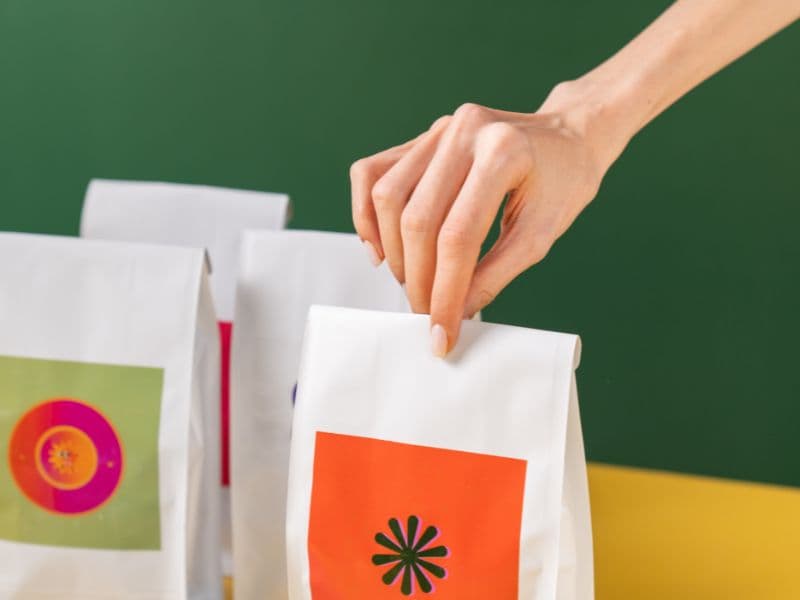
Your packaging design should emphasize nutritional value, comply with food labeling regulations, and appeal to existing as well as potential customers. Don't merely copy what everyone else is doing; make a design that truly mirrors your food product business principles while being functional for the supply chain. Learn more about packaging procurement strategies here.
5. Pricing Your Food Product
Pricing has to pay for raw materials, production expenses, supply chain logistics, and marketing strategy. There are a lot of ideas that are wonderful on the drawing board but lack realistic margins, making it tough to scale. Start testing with initial sales at farmer markets or via the web to determine how much your target audience will pay.
A food scientist or culinary professional may assist with optimizing recipe development to balance production costs without sacrificing shelf life or nutritional quality. Keep in mind, it's all about finding that balance of meeting customer needs and business viability.
6. Creating a Food Business Plan
Your food business plan is your guide. It ought to elaborate on your product development phases, CPG food startup checklist, regulatory issues, distribution plan, and marketing plan. Investors and co-packers desire to observe meticulous planning and projections, such as runs of production, shelf-life testing, and demand projections.
Your business plan should also include supply chain management, raw ingredient sourcing, and the necessary adjustments needed to scale. A good plan builds awareness not just for your food item but for your legitimacy as a founder.
7. Selling and Scaling Your Food Product
Once your first sales are made, scaling becomes the focus. Distribution strategy takes center stage—e-commerce, wholesale, or retail channels. Focus on generating product awareness through astute food product marketing, internet campaigns, and arrangements with independent retailers.
Scaling also involves making necessary changes. You can add more products, launch new products with new flavors, or enhance food product packaging to make it more "shelf-appealing." Your ability to stay on trend and adapt to the market will be what determines your long term growth.
Best Food Products to Sell in 2025
The right food product can make or break a new food venture. Some concepts sound great on paper, but not all product lines have the staying power to keep up with demand or attract attention within congested retail channels. So, what are the kinds of products that offer food entrepreneurs the greatest hope of strong opening sales and long-term growth? Let's analyze some of the most promising categories.
1. High Protein Snack Bars
Why are protein bars ubiquitous? Because consumers crave convenience without compromising on nutrition. Such bars are a natural fit with consumer trends in high protein, low sugar snacking. When introducing a food product in this segment, take note of recipe development, shelf life analysis, and packaging design—since shelf appeal greatly influences the choice of whether a consumer selects yours over a competitor's. 👉 Find protein bar manufacturers here
2. Low Sugar Beverage Products
Drink products are very competitive, but lower sugar drinks continue to rise quickly. Have you ever seen how consumers check sugar content on labels first? Framing a low sugar drink as both great-tasting and functional can work in your favor. Transparent food labeling rules and a good marketing approach will generate awareness. 👉 Find healthy drinks manufacturers here
3. Plant-Based Dairy Alternatives
From oat milk to cashew cheese, plant-based food products are for vegans and health-conscious consumers. The catch? Cutting through the noise in a crowded space. Product innovation like longer shelf life or new flavors can make your food business stand out in this growing market. 👉 Find alternative dairy manufacturers here
4. Functional Beverages
Drinks with probiotics, vitamins, or adaptogens are no longer a niche product. Now, they’re part of the mainstream. But here’s the twist: regulations around health claims are strict. If you want to bring a food product to market in this category, work with a food scientist and make sure your product development is food safety compliant. 👉 Find beverage manufacturers here
5. Ready-to-Eat Meals
Busy professionals and students want foods they can grab and microwave in a minute. Ready-to-eat foods have potential but packaging design and shelf life testing are key. How long does your product last? Can your packaging pay for itself while maintaining a premium appearance? Farmers markets might be a good venue to pretest first sales before making a move into retail channels. 👉 Find ready meals manufacturers here
6. Gourmet Sauces and Condiments
Gourmet condiments tend to begin in small batches at farmer's markets before scaling up through online channels. Consumers are looking for exotic flavors, cultural twists, or “better for you” ingredients. This allows food entrepreneurs to get creative but once you scale up with a manufacturing partner, consistency in recipe development, and food safety guidelines becomes key. 👉 Find sauces manufacturers here
7. Specialty Baked Goods
Gluten-free, allergen-friendly, or protein-rich baked products are trending with health-oriented shoppers. Have you thought about how your baked product will perform through distribution? Using a co packer that knows recipe development and commercial kitchen permitting guarantees your product is scalable without sacrificing quality. Through proper distribution channels, this category can generate robust repeat buying from existing customers. 👉 Find baked goods manufacturers here
How to Design Packaging for a Food Product
When considering introducing a food product, ask yourself: what's most likely to catch a shopper's eye first, the taste or appearance? Typically, it's the package. A nice package can be the difference between a customer trying your food brand or passing it by on the shelf. But packaging is not just about being pretty; it’s also all about functionality, compliance, and strategy.
Effective packaging design should:
- Comply with food labeling laws – Clearly show nutritional value, allergens, and ingredients. Omitting the information can violate food safety laws.
- Resemble your brand personality – Is your design consistent with the values of your food product business? Consistency creates familiarity among your target market.
- Make it durable – Can the package survive transport along the supply chain without being damaged? Fragile designs create costly delays.
- Increase shelf appeal – Fonts, colors, and layouts must grab attention in busy retail channels and online stores.
- Serve to support your distribution plan – Packaging must succeed for online, standalone retailers, and even farmers' markets.
Employing specialists who have a grasp of creative design as well as regulatory demands is an investment that will pay off. Ask yourself: will this packaging cover costs while at the same time ensuring the ultimate product gains visibility? That equilibrium is what differentiates mediocre packaging from packaging that actually inspires product awareness and sales.
Food Trends to Watch Out for in 2025
Every food entrepreneur wants to know: what’s next? Market trends change fast and being ahead of the curve can mean the difference between a successful food product launch and one that flops. If you’re starting a food business or launching a new food product, here are the areas to watch in 2025.
1. Functional Food and Beverages
Customers in the present day aren’t just buying food for flavor alone. They want benefits (and so should they). They want probiotic beverages, snack foods for mental acuity, or energy-boosting beverages. Are you thinking of making functional claims about your food item? If so, make sure you comply with food safety regulations and labeling requirements so you don’t get held up.
2. High Protein and Low Sugar Products
Attention to nutritional value is greater than ever. High protein snack foods and lower sugar drink products continually are high on customer demands. Food business founders who match recipe creation with these requirements frequently experience stronger debut sales.
3. Local and Sustainable Sourcing
Consumers desire transparency. Where are the raw materials for your products being sourced? Source local food safety regulations-compliant suppliers or farmers markets, not only lowering costs of production but also authenticity to your food brand. Supply chain transparency is now a marketing advantage.
4. E-Commerce Growth
To launch a food product on the internet is not an option—it's a necessity. E-commerce allows small food business owners to begin experimenting with new products at a rapid pace. Are you prepared with the appropriate distribution plan for online sales? Combining digital marketing strategy with e-commerce sites can create awareness rapidly.
5. New Product Forms
Freeze-dried snacks, fusion beverage products, and other innovative formats are picking up traction. Product innovation is what gives shelf appeal and differentiates your food brand from others. The important thing is to research, predict demand, and pilot small batch runs prior to committing to a full production run.
Common Mistakes When Launching a Food Product
Starting a food business can feel exciting, but the process comes with risks that can easily derail your launch. Many food entrepreneurs rush ahead with their product idea without checking the details that actually shape long-term success. If you’re preparing for a new food product launch, keep an eye on these common mistakes.
1. Skipping Market Research
Did you ask your target market what they really want? The quickest way to blow money is to bypass market research. Focus groups, surveys, and retail audits provide real feedback on customer needs, desired flavors, and packaging expectations. Without going through this process, you are likely to launch a product that fails to meet existing market trends.
2. Disregarding Food Safety Regulations
Food safety regulations are non-negotiable. From FDA food rules to municipal food safety rules, all the details—labelling, allergen alerts, and recipe design—are required to be perfect. Forgetting these requirements results in expensive holds and can even prevent your food product company from gaining entry into distribution channels.
3. Selecting the Wrong Manufacturing Partner
Your manufacturing partner can break or make your product. A co packer or contract manufacturing partner who has little to no experience in shelf life testing, production runs, or recipe development can negatively impact your end product. Always thoroughly screen partners and ensure they are able to keep up with demand without sacrificing quality.
4. Poor Packaging Design
Packaging design is not solely aesthetics. Poor shelf appeal decreases awareness about your product, and ambiguous labeling may keep you out of the retail channel. Does your packaging emphasize nutrition value, comply with food labeling regulations, and withstand supply chain operations? If not, your ability to gain notice or break even will suffer.
5. Failing to Consider Supply Chain Logistics
A good product line still has the potential to crash if supply chain planning is poor. Have you thought about raw materials procurement, transportation, and warehousing? Without good logistics, you are at risk of production delays, increased cost, and bare shelves. Getting a supply chain strategy in place early on ensures your food item can grow well.
Best Private Label & White Label Food Suppliers
Getting your white label or private label food supplier right can be the difference between making or breaking your launch. A good partner allows you to grow quicker, maintains food safety compliance, and keeps production costs at bay. The following five suppliers in Europe are noted for their ability, quality of product, and adaptability.
1. GUTE KULTUREN GMBH – Germany
Gute Kulturen GmbH is a turnkey supplier of fermented organic vegetables. On offer are raw and pasteurized kimchi and sauerkraut, both favorites among the expanding probiotic consumer base. They adhere to current standards for food safety, so they are a risk-free option for startups targeting health-oriented consumers. Their know-how further allows you to customize recipes or formats to suit individual retail channels—to glass jars for premium positioning or pouches for convenience. 👉 Contact supplier
2. MAS QUE UN CARAMELO – Spain
Mas Que Un Caramelo, also known as More Than a Candy, has 30+ years in personalized candy and chocolate production. They’re flexible enough to handle both small test runs and large commercial orders. Their standout products are custom advent calendars, 3D chocolate figures, and even novelty chocolates with printed content like lottery numbers. If you’re trying to explore seasonal or event-driven product lines, they offer white label and private label solutions through their in-house product development team. 👉 Contact supplier
3. CONTINENTAL COFFEE SA – Switzerland
For companies looking to target the coffee industry, Continental Coffee SA provides the complete spectrum of instant and specialty coffee formats: freeze-dried, agglomerated, spray-dried, liquid, and roast & ground. They distribute in various formats, ranging from glass jars and stick packs to industrial bulk bags. This variety allows for selling direct-to-consumer under a white label brand or selling wholesale with bulk quantities. Their presence in retail as well as B2B channels positions them as a solid partner for scaling. 👉 Contact supplier
4. HONED – United Kingdom
Honed Flavours in Northern Ireland is dedicated to sauces and concentrates in 100% natural ingredients. Their Dragon Brand concentrates are gluten-free and address the increasing need for allergen-friendly products. Having more than 20 years of experience in the industry, they don't only produce. They also assist brands in recipe development, reformulation, and compliance. This makes them an asset for food entrepreneurs who require more than a supplier but a development partner as well. 👉 Contact supplier
5. BOKA FOOD LTD – United Kingdom
Boka Food develops healthy cereal snack bars with less than 100 calories, each with prominent "green traffic light" labels to simplify consumer decision-making. Flavors are Apple Cinnamon, Strawberry, Choco Mallow, and Caramel. In 2024, they established a nut-free bar facility of their own in Hampshire, which today accommodates third-party production on a slab forming line. They also offer NPD services—lab samples through to factory trials—placing them well for brands looking to enter the world of healthy snacking. Their white label cereal bars are low in salt, fat, and sugar but high in fiber and vegan-friendly, making them perfect for lunchboxes or diet-focused consumers. 👉 Contact supplier
How Much Does It Cost to Launch a Food Product?
There's an old adage in the food industry: "You have to spend money to make money." Perhaps nowhere is that more true than starting a food product. Most food startups fail because they don’t budget realistically and when the checks start rolling in the vision disappears fast. So how much does it really cost of launching a food product?
To launch a food product, you may start with $5,000-$10,000. If your ambitions are a full on food product roll-out with a co packer, the proper certifications, and retail distribution the price tag is $50,000-$150,000+. Prices depend on your product category, package, and distribution strategy.
Here are the top expenses to anticipate:
- Raw materials & ingredients – Quality is important, and securing high-end ingredients can cost $500–$5,000 per run.
- Production costs – Shared kitchen rental or co-packer? Plan on $2,000–$20,000 per run, depending on quantities.
- Food safety & certifications – Local and FDA food regulations aren't optional. Plan on $1,500–$5,000 for inspections, licenses, and compliance.
- Shelf life testing – Your product won't be listed by retailers without it. Allocate $1,000–$3,000 per test.
- Packaging design & printing – Nice packaging sells, ugly packaging kills sales. Budget $3,000-$15,000 depending on complexity and order quantity.
- Marketing & awareness campaigns – Social media advertising, PR, and sampling bills add up fast. A realistic estimate is $5,000-$25,000.
- Distribution & logistics – From shipping through to retailer slotting fees, budget $2,000–$10,000 upfront.
A smart rule of thumb? "Always expect the unexpected." Overestimate your food business plan by 15–20% for unexpected expenses such as delayed runs of packaging or shortages of ingredients.
The reality is, launching a food item is not so much about the lowest cost and more about being prepared for sustainability. Do you want to play small and test at stores, or do you want to go big and get into big retail channels? Your budget must coincide with your aspiration.
Food Product Launch Checklist
When you launch a food product, you want to be aware that it takes more than a fantastic recipe. You require structure, timing, and the right partners. Skipping one step can push your launch back or damage your ability to scale. Here's a checklist that keeps everything on track:
- Conduct research and focus groups – Do customers even want your product? Testing early helps you avoid costly missteps.
- Complete recipe development – Secure flavor, texture, and consistency prior to starting production runs.
- Comply with food safety laws – Local regulations and certifications may require weeks or months, so plan ahead.
- Select a dependable manufacturing partner – A reputable co packer can manage volume, food safety, and shelf life analysis.
- Establish initial sales distribution – Farmers markets, online sales, or subscription boxes are usually the beginning.
- Design compliant packaging – Labels have to comply with the law while still being visible on the shelf.
- Conduct nutritional and shelf life tests – Retailers won't sell your product without this information.
- Prepare a food business plan – Detail costs, marketing, and distribution to inform decisions.
- Establish distribution and retail connections – Independent retailers tend to be receptive to local brands.
- Launch with a definite marketing plan – Social media, sampling, and PR contribute towards creating initial momentum.
Start Your Food Business with Torg!
Anyone in the food industry knows the struggle—sourcing raw ingredients, finding reliable co packers, or connecting with manufacturers can feel like a maze. Torg makes it easier by putting buyers and suppliers together on one platform. With tools built for food, beverage, and FMCG sourcing, Torg helps entrepreneurs, retailers, and producers cut through the noise and save time.
- Access 100,000+ vetted suppliers in food, beverage, and FMCG.
- Search by product group, certifications, or territory to filter down to what you need.
- Connect with decision-makers directly through integrated chat—no middlemen.
- Publish product inquiries or tenders in minutes and get multiple quotes back.
- Manage your supplier network, compare offers, and track requests inside one dashboard.
🚀 Take your food idea from concept to shelf faster. Join Torg and connect with the right suppliers, co-packers, and manufacturers today
FAQs
1. Do I need a license to sell my food product?
Yes, you do. In most areas, you need to work out of a licensed commercial kitchen and meet food safety standards prior to public sale. In the United States, this usually involves complying with FDA requirements, but in Europe it is the local authorities who issue certification. Forgetting to do this can result in a fine or compulsory product recall, so obtaining the correct licenses at the outset is one of the key components of a successful food product launch.
2. What should be on a food label?
A good food label is more than marketing—it's a law. In addition to nutritional facts, ingredient panels in descending order, allergen warnings clearly stated, and serving size, labels are required to include at least. Regulatory bodies such as FDA food labeling regulations in the US or EFSA regulations in the EU have strict guidelines. Barcodes and certifications are also required by many retailers, so attention to detail can keep you out of the store shelf.
3. What is the easiest food product to sell?
Snack bars, cookies, sauces, or dry mixes are the easiest food products to sell because they don't involve complicated storage requirements or quick turnaround time. They also reproduce well—after you test demand in farmers markets or online, expanding into retail becomes more plausible than for highly perishable goods like fresh fruit juices or dairy products.
Request a Bulk Order Quote
Simple ordering, transparent pricing, delivered straight to your door