



Supplier Intelligence: Definition, Benefits & Use Cases
Learn how supplier intelligence improves sourcing, reduces risk, and strengthens procurement decisions using data, analytics, and practical insights.
200+ buyers trust Torg for sourcing







Procurement rarely fails because of too few suppliers. It slips when people cannot see what is coming. One scenario of this is a delivery looks fine on paper, but then something breaks. Supplier intelligence steps in at that moment. It helps teams notice patterns, small changes, and early signals that are easy to miss when days are busy. So instead of treating suppliers like fixed entries in a system, teams start seeing how they operate, adapt, and respond under pressure.
This guide speaks to buyers, planners, and operations leads who want steadier days and fewer day to day operation hassles. It walks through how supplier intelligence works in practice, which data is worth tracking, and how teams use it during normal weeks and not just during crises. The result is clearer sourcing choices and more grounded supplier conversations and supply chains.
What Is Supplier Intelligence?
Supplier intelligence is the structured way teams understand who their suppliers are, how they operate, and what risks or strengths sit beneath the surface. In simple terms, supplier intelligence meaning comes down to turning scattered supplier information into something useful.
Prices still matter, of course, but they are only part of the picture. Delivery habits, financial stability, compliance records, and even how a supplier reacts when things go wrong all count. So, what is supplier intelligence in real life? It is noticing patterns before they turn into problems, and asking, “What’s changing here?” instead of waiting for a missed shipment.
A practical way to think about supplier intelligence definition is this: it helps teams slow things down before problems speed things up. By gathering and making sense of supplier data, decisions stop feeling rushed and start feeling considered. Over time, supplier intelligence in procurement gives teams room to plan instead of scramble. They can weigh suppliers side by side, spot changes early, and adjust without panic. As a result, conversations move away from damage control and toward readiness. And when that happens, teams protect more than schedules. They protect trust, continuity, and working relationships that are hard to rebuild once they crack.
Key Components of Supplier Intelligence
Supplier intelligence does not live in a single file or screen. It works more like a system of moving parts. Each component answers a different question, and together they explain how suppliers behave, adapt, and perform when pressure shows up.
Supplier Data Collection
Supplier data collection is where supplier data intelligence takes shape. It starts with basics, then keeps going. Contracts, invoices, logistics records, audits, and outside data all matter. Over time, patterns emerge. Teams stop relying on first impressions and start seeing how suppliers operate during normal weeks, busy seasons, and stressful moments. That context changes sourcing conversations fast inside real decisions.
Supplier Risk Intelligence
Supplier risk intelligence focuses on what could go wrong, and when. Financial strain, location exposure, compliance gaps, and fragile dependencies all surface here. Instead of one-off surveys, teams run ongoing supplier risk assessment routines. That way, risks are spotted early, discussed calmly, and managed before disruptions turn expensive. No drama, fewer surprises, and clearer backup plans for sourcing leaders daily.
Supplier Performance Intelligence
Supplier performance intelligence looks at what suppliers do, not what they promise. Delivery timing, quality levels, response speed, and flexibility all leave signals. When data replaces hallway talk, trends appear. Teams can address issues early, recognize improvement, and hold fact-based conversations that feel fair. This keeps relationships steady during reviews and renewals without raising voices, stress, or confusion later on.
Supplier ESG and Sustainability Intelligence
Supplier intelligence ESG brings responsibility into everyday decisions. It tracks labor practices, emissions, sourcing ethics, and governance signals over time. Supplier sustainability intelligence helps teams see who invests for the long haul. That insight lowers compliance risk and supports suppliers building resilience, not shortcuts. It also shapes sourcing choices customers increasingly expect across markets, regions, and regulatory landscapes today globally.
Benefits of Supplier Intelligence in Procurement

Supplier intelligence shows its value when insights change how teams act. Instead of reports sitting unread, information shapes choices across buying, planning, and operations. The impact feels practical with fewer surprises, clearer trade-offs, and more control when pressure hits for procurement teams.
Better Decision-Making
Good decisions come from seeing options clearly. Supplier intelligence benefits teams by replacing gut feel with side-by-side comparisons. Price, reliability, and capacity sit together, not apart. As a result, choices slow down in a good way. People ask better questions, defend decisions calmly, and move forward without second guessing when stakes rise during sourcing talks, reviews, and supplier changes discussions.
Reduced Risk Exposure
Risk rarely announces itself. Supplier intelligence for risk management helps teams notice small shifts before they turn serious. Payment delays, audit gaps, or location issues appear early in the data. That breathing room matters. Teams prepare backups, adjust volumes, and avoid last-minute scrambles that disrupt production, customer commitments, and internal trust across regions, suppliers, timelines, contracts, forecasts, planning, cycles, overall.
Stronger Supplier Relationships
Supplier relationship intelligence reshapes how discussions unfold. Meetings feel calmer, and details stay clear. Data guides the conversation, so issues get addressed without defensiveness. Over time, suppliers understand expectations, buyers stay predictable, and trust grows. That kind of rhythm makes renewals smoother, fixes faster, and joint planning easier, even when volumes shift, timelines tighten, or priorities change across regions and categories.
Improved Strategic Planning
Planning feels different when supplier insight is steady. Teams stop guessing who can scale and who may stall. Supplier intelligence brings facts into long-range thinking, so choices feel grounded. With clearer signals, strategic procurement intelligence aligns investments, timelines, and category plans with business direction, leadership priorities, and market shifts, while leaving room to adjust when conditions change without panic later onward today.
Supplier Intelligence Use Cases
Supplier intelligence earns its place when everyday work gets messy. When orders change, risks surface, or growth speeds up, teams need more than assumptions. They need context. This is where supplier intelligence steps in, helping organizations make sense of sourcing choices, compliance checks, and performance issues as they happen. The cases below show how well-known companies use insight and data to steady decisions and keep operations moving when conditions refuse to stay still.
Strategic Sourcing
Choosing suppliers becomes less stressful when teams understand how partners behave over time. Supplier intelligence supports strategic sourcing by showing reliability, risk exposure, and real capacity, not just quoted prices. That fuller view is why companies like PepsiCo and Samsung rely on connected data tools. With clearer insight, sourcing decisions feel steadier and hold up better when markets shift.
Supplier intelligence is ideal for strategic sourcing as it can:
- Spot diversified suppliers early, reducing single-source risk
- Compare capability, capacity, and delivery performance
- Guide negotiation with data, not assumptions
- Build a sourcing strategy that aligns with business goals
Supply Chain Visibility
Supply chain visibility improves when teams stop guessing and start seeing how goods really move. Supplier intelligence connects the dots between suppliers, routes, and inventory so weak spots stand out early. Tools like Infor Nexus help organizations track movements as they happen. Because of that, teams react faster, adjust plans sooner, and avoid scrambling when delays or disruptions surface.
Supplier intelligence for supply chain visibility is ideal because it can:
- Track supplier locations and key production sites
- Surface hidden dependencies across tiers
- See disruptions sooner, with actionable alerts
- Improve coordination from procurement to operations
Compliance and Supplier Due Diligence
Compliance work gets easier when teams know where suppliers stand before issues show up. Supplier intelligence helps track standards, audits, and policy alignment over time, so gaps do not come as a surprise. Walmart’s responsible sourcing programs are a good example. By reviewing supplier practices regularly, they protect product safety, ethics, and environmental commitments without waiting for problems to surface.
It also helps in maintaining compliance and global industry standards through:
- Verifying certifications and audit results over time
- Detecting compliance gaps early, before penalties
- Strengthening supplier contracts with clear expectations
- Protecting brand reputation while reducing risk exposure
Performance Improvement Programs
Performance discussions work better when everyone looks at the same facts. Supplier monitoring intelligence brings those facts forward, showing patterns in delivery, quality, and response times as they develop. With tools like Coupa’s analytics, teams can see where things slip and where progress is real. That shared view turns reviews into planning sessions instead of arguments.
It boosts performance improvement programs as it can:
- Highlight underperformance with context
- Support corrective action with data trends
- Align supplier goals with buyer expectations
- Track improvements over months, not just annually
Supplier Intelligence Tools and Technologies
Supplier intelligence tools turn scattered information into something teams can use daily. Technology keeps data current, connected, and visible across functions. Without it, insight fades fast. With it, teams spot change sooner, compare suppliers clearly, and act before small issues.
Data Platforms and Dashboards
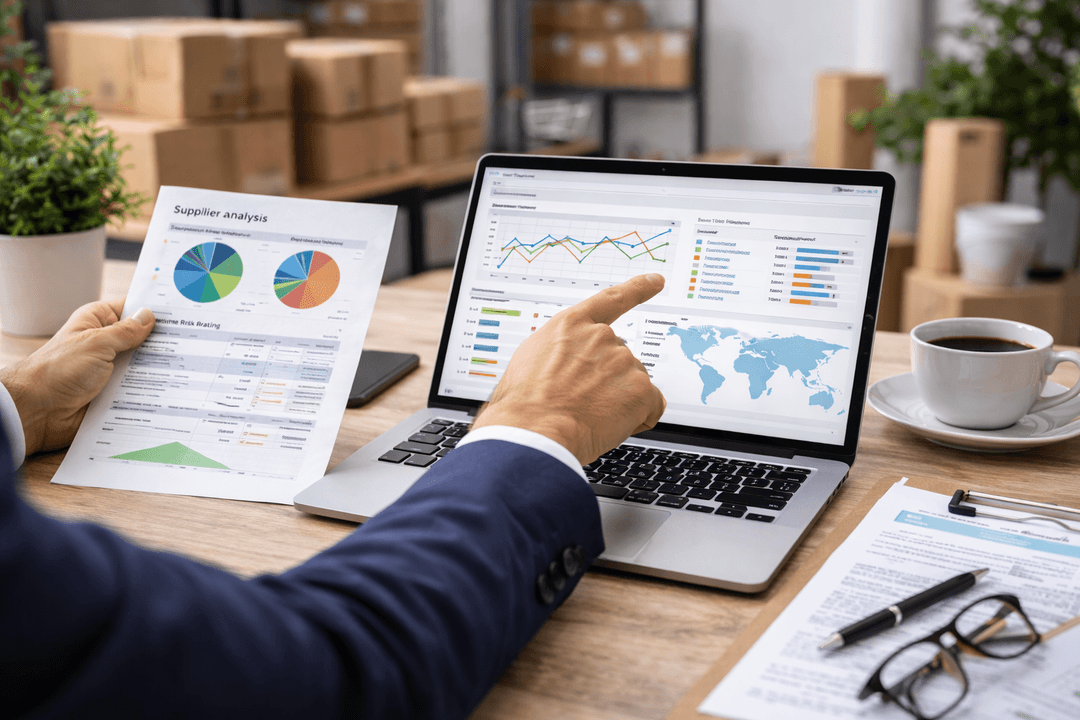
Data platforms simplify daily decisions by keeping supplier information together. Supplier intelligence tools gather updates, documents, and signals into clear views. When dashboards feel intuitive, teams trust them. Profiles, risk alerts, and performance trends stay in sight, so choices move faster, and people stop digging through emails, spreadsheets, and scattered systems during planning, reviews, and everyday operational work routines today.
Advanced Analytics
Advanced analytics help teams notice patterns humans miss. Supplier intelligence analytics look across time, categories, and locations at once. This is where supplier data analytics adds value. Late deliveries, rising defects, or slow responses show up early. Instead of reacting to noise, teams focus on signals that point to real operational change before costs rise, strain, and service levels drop.
Predictive Capabilities
Predictive capabilities help teams look ahead instead of over their shoulder. Using predictive analytics in supply chain planning, systems study past behavior to flag what may break next. A delay here, a shortage there. That early signal gives procurement time to adjust volumes, line up alternatives, and reduce disruption before customers feel it across sourcing cycles, lanes, and supplier networks.
Intelligent Automation
Automation keeps supplier intelligence moving without constant manual effort. Supplier intelligence technology refreshes data, sends alerts, and updates reports quietly in the background. Because routine work runs on its own, teams spend less time chasing updates. They focus instead on decisions, conversations, and actions that need judgment, timing, and human attention when conditions shift, suppliers change, or priorities move fast.
Artificial Intelligence Integration
Artificial intelligence integration expands how teams read complex supplier data. Supplier intelligence AI scans large datasets to surface risks, anomalies, and patterns faster. As artificial intelligence and supply chain systems connect, forecasting and supplier analysis improve together. AI supply chain tools help teams act sooner, while artificial intelligence for supply chain management keeps insight usable during volatile markets worldwide.
How to Gather Supplier Intelligence
Supplier intelligence comes together through steady habits, not one-off efforts. Teams focus on reliable sources, sense-check what they find, and update it regularly. When that rhythm holds, insight stays practical. It reflects how suppliers really operate, not how they looked months ago on paper.
Internal Data Sources
Internal supplier intelligence data sources tell the most honest story. ERP records, purchase orders, quality logs, and logistics updates show what truly happens. These systems capture delivery habits, issue frequency, and response times. Because the data comes from daily transactions, teams trust it. It reflects reality, not promises, and helps spot patterns that matter before issues grow bigger.
External Data Sources
External sources add perspective where internal data stops. Financial filings, regulatory notices, news coverage, sustainability reports, and risk services reveal outside pressures suppliers face. When teams combine these signals with internal records, blind spots shrink. Context improves. Decisions feel calmer, because leaders see both performance history and external forces shaping supplier behavior over time.
Supplier Engagement
Direct conversations fill gaps dashboards miss. When teams sit down with suppliers, details surface that numbers hide. Regular reviews, simple check-ins, and shared planning reveal constraints and upcoming changes early. By listening and not just asking, trust grows. That trust smooths communication, sharpens insight, and keeps supplier intelligence rooted in real, day-to-day operations during decisions, negotiations, and pressure moments for teams.
Continuous Updates
Supplier intelligence stays useful only when it stays fresh. Markets shift, risks change, and suppliers evolve. Regular updates prevent profiles from going stale. With continuous refresh cycles, teams rely less on old assumptions. Decisions stay timely, and signals arrive early enough to act, adjust plans, and avoid unnecessary disruption across operations.
Supplier Intelligence Best Practices
Strong supplier intelligence holds up when routines stay simple and repeatable. Teams need habits they can keep during calm weeks and rough ones. These practices focus on clarity, shared ownership, and steady improvement, so insight stays useful long after tools.
Define Clear Objectives
Supplier intelligence works best when its purpose is clear from the start. Teams agree on what they are trying to solve, then filter data accordingly. That focus prevents overload. It also keeps reviews grounded. When goals drift, insight loses impact. Clear objectives anchor decisions, guide effort, and help teams explain why certain signals matter more than others over time consistently.
Standardize Evaluation Criteria
Consistency brings calm to supplier discussions. When supplier evaluation criteria stay stable, comparisons feel fair. Teams avoid shifting standards midstream. Suppliers know how they are measured. This shared structure reduces internal debates and speeds decisions. Over time, standard criteria support scale, governance, and trust, without removing judgment or context from sourcing conversations across regions and categories, markets, and operating models globally.
Integrate Across Functions
Supplier intelligence grows stronger when it moves beyond procurement. Operations, finance, risk, and quality teams all see different signals. Sharing insight connects those views. Decisions align faster. Fewer handoffs break. Strategic choices hold together. When teams work from the same picture, timing improves, accountability sharpens, and surprises lose their edge during change, growth, and routine execution across functions and locations.
Focus on Actionability
Useful insight points somewhere specific. Teams need to know what changed, who owns it, and what comes next. When supplier intelligence stays actionable, response times shrink. Meetings improve. Follow-ups stick. Clear signals beat long reports. This approach keeps work practical, supports steady decisions, and avoids analysis loops that slow progress during busy weeks and stressful periods across projects teams daily.
Measure and Refine
Supplier intelligence should earn trust through results. Teams track outcomes tied to real operations, not activity counts. Delivery reliability, fewer disruptions, and stronger supplier performance metrics show progress. When results stall, teams adjust. Regular review keeps insight relevant. It evolves with markets, suppliers, and priorities, preventing drift and keeping effort aligned with business needs over time and changing conditions continuously.
Conclusion
Supplier intelligence shows up when work gets real. It helps teams notice change early, ask better questions, and move with intention instead of panic. Over time, habits matter more than tools. Clean data, shared views, and honest supplier conversations create steadier outcomes. This approach supports sourcing choices, risk awareness, and performance discussions without adding noise. It also builds trust, inside teams and with partners. Markets will keep shifting. Suppliers will change. Pressure will not disappear. What helps is having context ready before decisions land on the table. With the right rhythm and expectations, supplier intelligence solutions become part of daily work. And when surprises do appear, teams respond faster, calmer, and with options already in hand.
Request a Bulk Order Quote
Simple ordering, transparent pricing, delivered straight to your door