



Salad Dressings Market Growth: Beyond Ranch and Vinaigrette
Explore the salad dressings market, uncover fresh insights, and see new opportunities. Learn what’s shaping demand, flavour trends, and sourcing growth today.
200+ buyers trust Torg for sourcing







If you deal with food products, condiments, or value-added sauces, the salad dressings market is worth a closer look. The category keeps expanding, and some buyers are asking, “Where is the real growth coming from?” Others want clearer direction on flavour trends, supply shifts, and what retailers or wholesalers should prepare for next. You’ll find plenty of movement here, from clean-label blends to global flavours, and you may spot opportunities that weren’t obvious before. This guide explains the market’s growth, consumer drivers, sourcing insights, and why platforms like Torg can help you reach dependable, top-tier suppliers.
Salad Dressings Market Dimensions & Projections
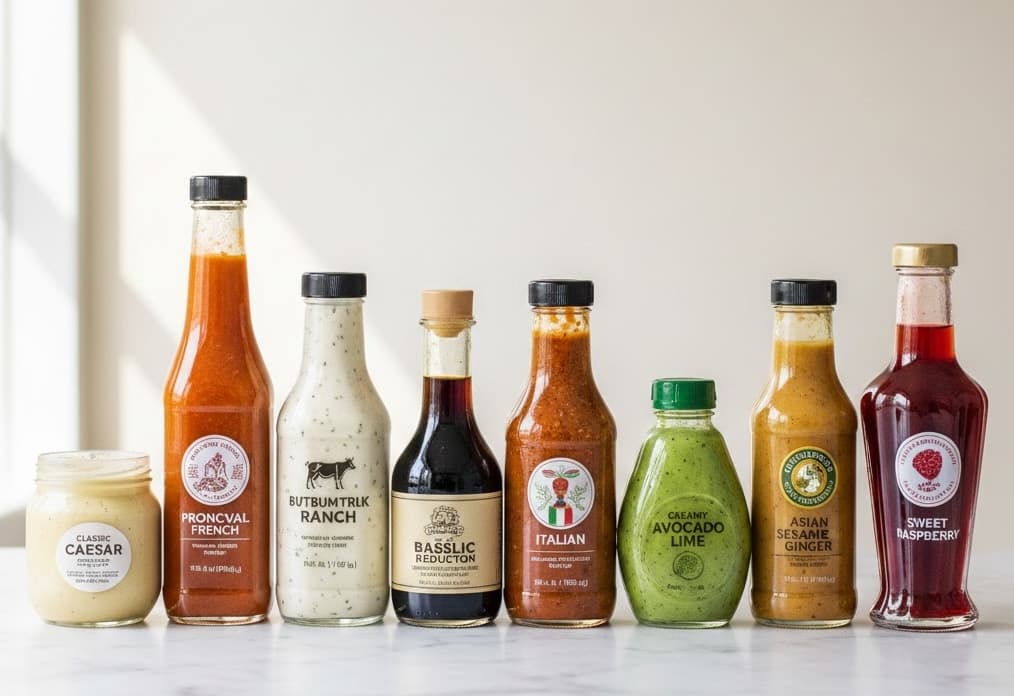
Salad dressing grows through routine, not just on sudden spikes. The market reached USD 85.3 billion in 2025, moves to USD 89.58 billion in 2026, and is projected to hit USD 114.27 billion by 2031, tracking a 4.99% CAGR.
Now, what keeps this category moving? Households keep restocking, restaurants are busy again, and recipes feel more intentional. People look for cleaner labels, plant-based blends, and flavors that feel a step up without feeling unfamiliar. “What goes with this?” still matters at dinner. As habits settle back in and tastes stretch slightly, dressing stays relevant, flexible, and easy to upgrade.
Market Segmentation
When you are sourcing or positioning products, segmentation has a significant impact. The salad dressings category is very fragmented in terms of formats, claims, and channels, and it indicates that there are more than one ways to reach demand.
By Product Type / Style
Common ranges include creamy dressings like ranch or Caesar, vinaigrettes built from oil-and-vinegar bases, plant-based or dairy-free options, and low-calorie or “better-for-you” blends.
By Application / End-Use
You’ll see the category play out across grocery retail, e-commerce, hospitality, catering, and even industrial settings where dressings are used inside meal kits or ready-to-eat salads.
By Distribution Channel
Consider supermarkets, hypermarkets, online grocery platforms, D2C, and foodservice supply chains. Mordor Intelligence surveys reveal that the majority of regions are dominated by ready-to-eat formats.
By Credential / Ingredient Claim
Clean label, organic, plant-based, functional dressings with health-forward add-ons, and global flavour dressings are becoming major sub-segments.
Regional Insights
Regional activity in the salad dressings market doesn’t follow a single pattern. Each area has its own mix of production strengths, import habits, and consumer shifts. Some areas grow significantly to major importers, while others are able to maintain their status as strong manufacturing bases, and a few are left in between with mixed demand.
Asia-Pacific
- Still, the development in the Asia-Pacific region is quite remarkable when compared to other regions. Mordor Intelligence states that the region will have the highest CAGR till 2030.
- The dyes, dressings, and condiments market segment alone was responsible for around 36% of the total global share in the previous years, thus showing how important this region has become for worldwide consumption trends.
- The major part of the volume is being driven by the markets of China, Japan, South Korea, and Australia, while the Philippines, Vietnam, and Indonesia are continuing to increase their imports. This change allows exporters to provide clean-label dressings, plant-based products, and smaller retail sizes.
North America
- With North America, the continent is still among the most dependable production centers for salad dressings. The U.S. and Canada produce a broad variety of creamy dressings, vinaigrettes, and private-label SKUs. Numerous brands have several plants in this region, thus making North America a constant player in worldwide exports.
- The demand remains stable and is supported by the convenience food sector, a strong foodservice sector, and consumers' growing interest in healthier products. Retailers frequently use the services of co-packers, especially when they create private-label lines or seasonal flavours.
Europe
- European market is mature and it has a diverse manufacturing base. Manufacturers in Germany, Italy, the Netherlands, and France are shipping vinaigrettes, gourmet blends, and organic-certified dressings to various regions.
- Requirements set by the EU regulations drive the suppliers to maintain clean ingredient lists and traceability standards. These requirements spill over into global sourcing trends because many buyers model their criteria after European benchmarks. While domestic production is stable, imports of Asian-style and fusion dressings continue to rise.
Latin America
- Latin America is building demand at a steady pace. It’s not a major global producer, but imports have grown as consumers look for convenience-centric meal components. Brazil, Chile, Colombia, and Mexico show increasing interest in premium dressings, health-forward flavours, and multi-use sauces.
- The region responds well to accessible price points, portion control, and packaging suited for family households or small foodservice operators.
Middle East & Africa
- MEA markets depend on imported goods for the most part of their specialty dressings. The trio of the UAE, Saudi Arabia, and Qatar is responsible for a significant part of high-value imports, whereas markets in East and North Africa continue to develop at a moderate and stable pace.
It is of utmost importance that production be Halal-certified in this region, and companies that provide adaptable certification or multi-country compliance are frequently able to establish joint ventures for a long period.
Supply Chain & Trade Insights
Supply chains are still changing in 2026, and buyers and distributors need to watch them carefully. Some pressures on supply chains are less than before, but some new ones have appeared without any warning.
Ingredient Cost Volatility
The core items for salad dressings such as vegetable oils, vinegars, spices, and crucial packaging materials are still open to variations in prices. Palm, soy, and canola oil continue to be affected by climate disasters, changes in trade policy, and supply shortages in specific areas. Packaging materials like glass and plastic also have their price cycles. The changes in prices do not coincide most of the time, but when they do, both manufacturers and buyers experience a tightening of their budgets.
Packaging Adjustments and Sustainability Pressures
Packaging innovation is moving towards being a constant demand instead of a trend. A lot of suppliers have changed their plastic containers for recyclable bottles, have started using lighter-weight materials, and have launched reduced-plastic formats. There are also some that are experimenting with compostable options or refill systems. These changes aren’t only for environmental positioning. They also influence transport weight, compliance rules, and shelf handling across different markets.
Channel Shifts and E-Commerce Growth
More sourcing activity has moved online, especially through B2B ordering tools, e-grocery networks, and foodservice platforms. This shift affects the kinds of products that move quickly. Smaller packs, portion-control options, and single-use formats fit these channels well. Retailers need formats that stock easily, and foodservice operators often prefer consistent, low-waste portioning.
Logistics Pressures, Tariffs, and Trade Rules
Freight conditions are still uneven. Cold chain shortages, port delays, and changing tariff rules on oils or blended ingredients continue to shape availability. In some markets, quotas and increased duties might be also imposed on processed foods. As a result of this, numerous buyers take the precaution of finding sellers who are capable of shipping from various places or can change their routes when there are interruptions.
Innovations & Recent Developments
The salad dressings category has been quite active recently, and some of the updates from 2026 give an idea of how the category is evolving. There is no big change—just a few shifts that matter if you are sourcing, distributing, or planning new SKUs.
- New labels change how the aisle feels. Smaller brands like Toss focus on bold flavors and cleaner labels, which makes everyday dressings feel more intentional and less routine, turning quick meals into something that feels chosen, not default.
- Functional and gut-friendly dressings emerge. Companies are tying dressings to health benefits, as seen with probiotic-inspired formulations that appeal to shoppers who ask, “Can this be delicious and kind to my gut?”
- Menus inspire the bottle. Instead of leaning on standard vinaigrettes, dressing makers borrow ideas from restaurant kitchens, blending regional spices and crafted profiles that make sauces feel intentional, familiar, and closer to something freshly made than mass-produced.
- Clean, simple ingredients stay in focus. Across food retail, dressings with shorter, recognisable ingredient lists — free from artificial additives — are gaining shelf space as shoppers link what’s on the bottle with what’s on the plate.
- Plant-forward choices are reshaping recipes. As more shoppers lean toward dairy-free meals, vegan dressings move from specialty items to regular picks, which leads producers to adjust oils, stabilizers, and textures so plant-based options feel just as familiar and satisfying.
Classic formats get new life. Beyond new flavours, legacy brands are updating familiar formats with twists like tangier profiles, exotic ingredients, and better pourability to meet evolving tastes without losing “comfort” appeal.
Growth Drivers & Opportunities
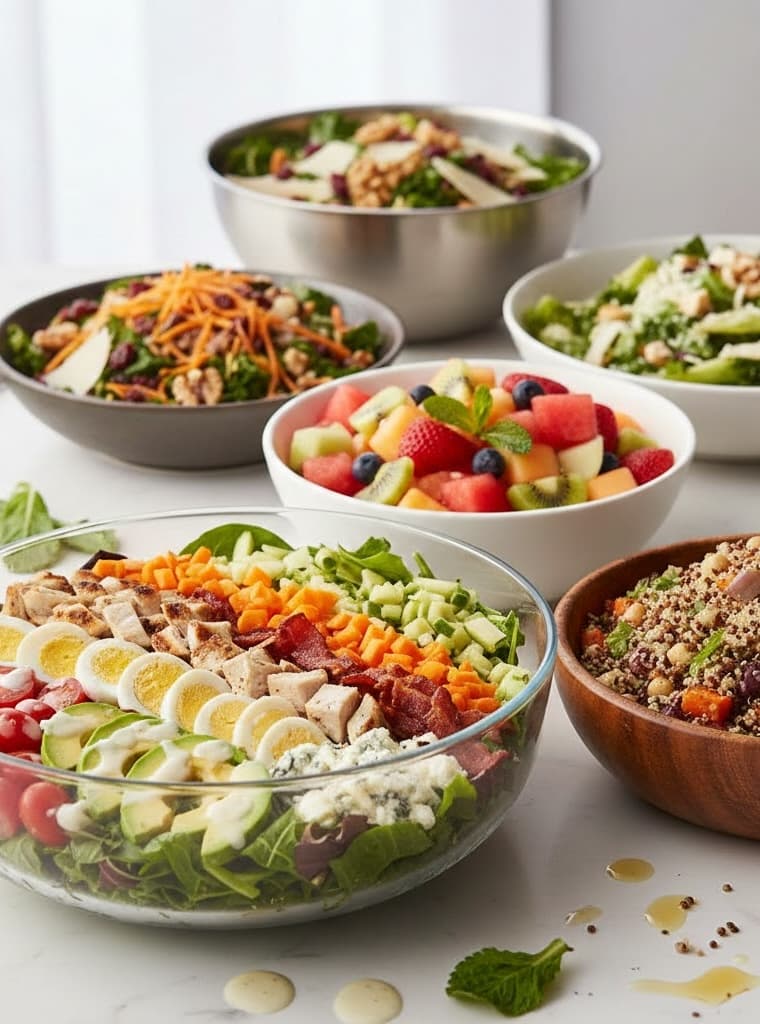
The main focus of consumers when buying salad dressing keeps changing and retailers or distributors are aware of those changes. Some trends develop gradually while others become popular very quickly. Knowing what customers want enables you to create your product selection and decide on the suppliers more confidently.
Health, Clean Labels, & Better-For-You Credentials
Consumers are becoming more conscious of the ingredients in their salad dressings and this change can be easily sensed in the variety of products presented on the shelves. Products with clean-label recipes, organic ingredients, and that are lower in sugar or sodium are gaining more popularity. Retailers who have a large number of plant-based customers claim that the demand for vegan or dairy-free dressings remains at a level of continuous engagement, particularly when private-label suppliers are able to provide them with consistent quality.
Flavour Exploration and Premiumisation
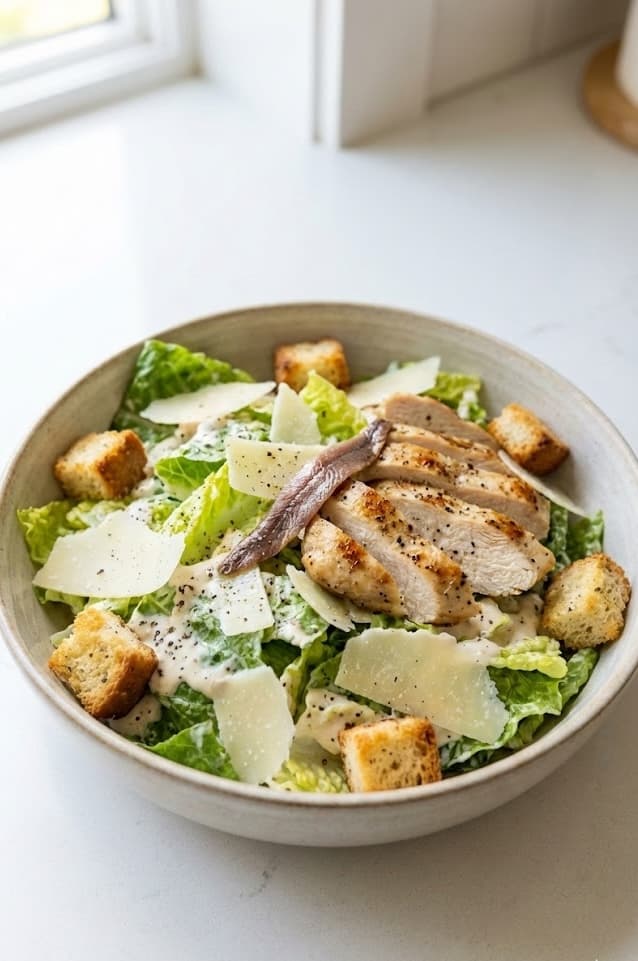
Nowadays, there is a lot more choice when it comes to flavour options. They still buy the typical ranch or Caesar, but a great number of people are willing to find a product with a more distinct character such as miso, tahini, yuzu, gochujang, or chipotle-lime. The dressing industry is changing because luxury blends, worldwide influences, or small-batch creations are giving the opportunity to the brand to be different, and retailers are frequently changing their assortments to be in line with the trend.
Convenience, Portion Control, & Packaging Variety
Convenience plays a great part in the movement of salad dressings through retail and foodservice channels. Small single-serve packets, squeezable bottles, mini sizes, and stable formats that can be stored at room temperature are suitable both for small households and large operators. This small-format packaging is likely to be the future of the market.
Sustainability & Ethical/Environmental Considerations
Environmentally friendly expectations are slowly becoming a part of regular purchasing decisions. There are many consumers who would rather choose recyclable bottles, packaging with less plastic, or dressing made from the herbs and oil sourced in an eco-friendly way. Local production carries weight, too. For sourcing teams, confirming a supplier’s sustainability approach helps maintain trust and supports retailers aiming for cleaner, more transparent product ranges.
Torg's Top-Rated Salad Dressing Suppliers
JK-TUORETALO OY – Finland
JK-Tuoretalo Oy manufactures a wide range of products like mayonnaises, salad dressings, sauces, and fillings, all of which are made with a strong focus on flavor and consistency. The firm creates both classic and modern versions such as flavoured mayonnaises and multipurpose dressings. It's also a company that is known for its continuous quality, careful processing, and product lines that are suitable for both everyday and gourmet use.
W. BEYELER AG – Switzerland
W. Beyeler AG is a company that has been producing condiments and sauces since 1936. It has a product range that includes mayonnaise, mustard varieties, salad dressings, and dips. The company mixes the production know-how of the past with the present product development, the environmentally friendly production practices, and the exact standards of the formulation.
PRODUITS DE NOS GRAND-MÈRES N.D. INC. – Canada
Produits de Nos Grand-Mères N.D. Inc. has over 45 years of experience producing mayonnaise and salad dressings for institutional and industrial use. The company focuses on stable formulations, controlled batch production, and dependable flavour profiles. Its portfolio includes classic mayonnaise styles, creamy dressings, and tailored blends made to support large-scale food preparation needs.
Conclusion
Salad dressings keep proving their staying power because they fit how people eat now. Home meals are still very important, restaurants are back, and shoppers want flavor without extra effort. Premium, organic, and plant-based options widen choice, while familiar classics anchor volume. Innovation feels practical, not loud, which helps brands refresh shelves without losing trust. As supply chains steady and foodservice demand normalizes, growth looks balanced rather than rushed. The category evolves through small upgrades, cleaner labels, and better taste, not reinvention. That steady mix of habit and curiosity keeps salad dressings relevant, resilient, and positioned for growth over the next few years.
Request a Bulk Order Quote
Simple ordering, transparent pricing, delivered straight to your door