



How to Get Halal Certification: A Step-by-Step Guide
Learn how to get halal certification in this step-by-step guide for food brands, restaurants, and manufacturers
200+ buyers trust Torg for sourcing







Obtaining halal certification seems simple until buyers and auditors come knocking, requesting documents that you have not yet put together. It catches up with most businesses when they are exporting, supplying top retailers, or working with purchasers who demand evidence of conformity. Consumers seek the halal label because it demonstrates safety, traceability, and that the company went through a real halal certification process, not a simple in-house assertion.
To producers, restaurants, trading companies, and small enterprises, halal certification is more than just a sticker. It affects consumer behavior, storing of ingredients, and even employee attitude towards production. Halal certification varies in price, so knowing the process of halal certification prior to it prevents future hassles.
This halal certification guide provides the halal certification steps so that you may know what will be accomplished, what preparations need to be done, and how to complete your halal certificate application smoothly.
What is Halal Certification?
Halal certification is official approval which attests that a product, restaurant, or factory complies with halal standards and guidelines. It is not just a case of not including prohibited ingredients. It's about demonstrating that your process (from sourcing to packaging) is governed by regulations defined by a halal certification agency. The halal certification organization goes through ingredients, hygiene, and the manner in which your staff handles raw material. In some way, it is a complete traceability and documentation exercise.
In order to obtain a halal certificate, the firm needs to demonstrate that:
- Ingredients are halal and certified.
- There is no mixing of non-halal or najis ingredients.
- Records are available to support ingredient sources and manufacturing processes.
- All is consistent with what you provided during the audit.
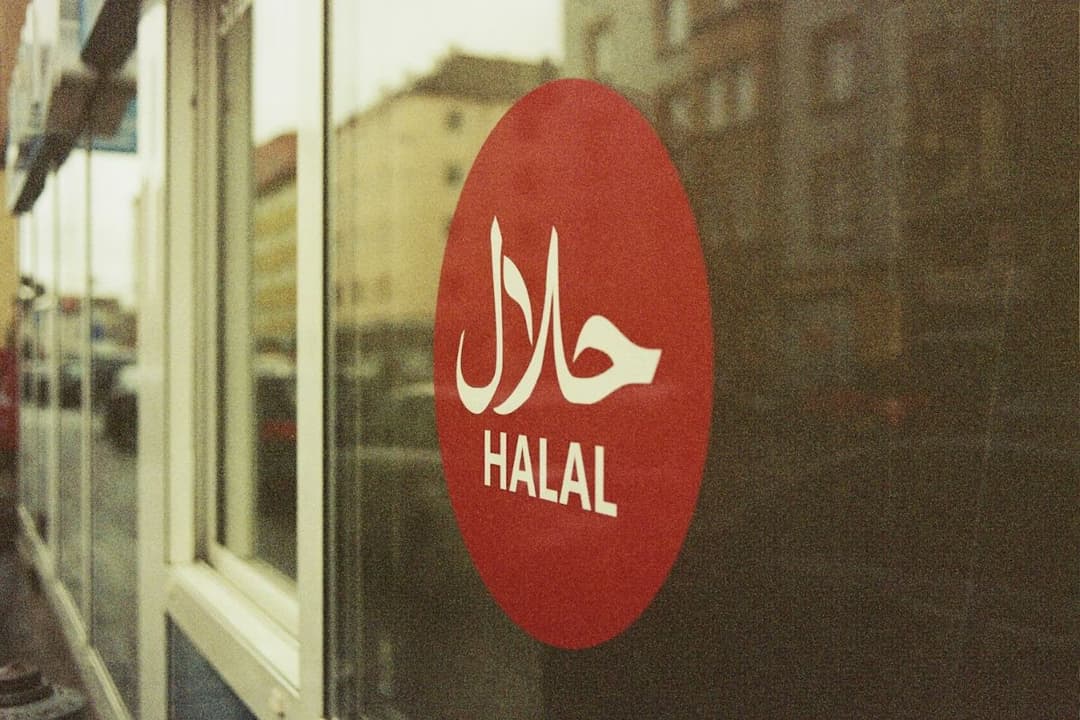
Upon approval, the company is entitled to use the halal logo and label on its product or store sign. That halal logo means something. It indicates trust and ethical handling. Apparently, this is true in many sectors such as packaged foods, poultry and meat processors, cosmetics, logistics, pharmaceuticals, supplements, restaurants, and catering services. The halal certification process is what assures the buyers that what they are buying was treated openly and appropriately under control.
🕌 Whether you’re working toward halal certification, already halal-certified, or sourcing certified products, Torg helps you connect with trusted partners across the global halal supply chain. 👉 Join Torg today to find verified halal suppliers, discover new buyers, and grow your business in one of the world’s fastest-growing markets.
Types of Halal Certification

The type of halal certification varies from industry to industry. It's not the kind of "templated" setup. Every type has its own regulations, forms, and audit processes. Essentially, it revolves around what you're manufacturing.
1. Product Certification (for packaged products)
This category consists of retail and export-grade items like snacks, sauces, drinks, supplements, and cosmetics. A halal certificate applies to specific SKUs, not the entire company. Auditors review the ingredients, packaging, and traceability for each approved product. They also examine supplier declarations. It's really one of the most prevalent forms because retailers and distributors usually ask for halal certificate for food products prior to putting an item on their list.
2. Abattoir / Meat Processing Certification
Halal meat certification is tightly controlled. Inspectors check slaughtering procedures, humane treatment, and segregation of equipment. No mixing with non-halal materials is allowed. The halal certification body verifies paperwork, employee training, and cleanliness of facilities. It is not that complicated, but the intention is straightforward: verify that everything conforms to halal requirements in actual operations, not merely paper requirements.
3. Foodservice / Restaurant Certification
This applies to restaurants, cafés, catering companies, and hotel kitchens. Halal sourcing and cross-contamination control are key. Auditors look at storage, equipment, and how staff keeps halal separate from non-halal. It's more or less usual for buyers and franchise chains to ask for halal certification for restaurants when looking to target Muslim-dense areas or malls.
4. Logistics & Supply Chain Halal Assurance
Halal certification for manufacturers doesn’t end at manufacturing somehow. Warehouses, cold stores, and transport companies might have to be certified too. The objective is straightforward: keep halal products separate from forbidden items. Auditors examine documents, sealing processes, and segregation. It verifies the halal compliance process is intact from factory to doorstep.
5. Halal Certification of Cosmetics, Pharmaceuticals, and Supplements
With supplements and cosmetics, you need to double-check everything. Gelatin, enzymes, or even alcohol can be present without being obvious. The halal inspection and audit checks raw materials, suppliers, and processing. Essentially, firms need to prove ingredient sources and traceability. The halal certification process in this case is elaborate since buyers want to be sure products that come in contact with skin or go into the body are clean and safe.
How to Get Halal Certification
These steps on how to get halal certification depict how the process is carried out step by step. It makes it all down-to-earth on what to do first, what papers are important, and how the halal certification process typically runs.
Step 1: Determine Eligibility
Check your ingredients, suppliers, and existing workflow. Essentially, ask yourself: are all raw materials halal? Can you physically segregate non-halal items? Do you have traceability and documentation? Certain companies find they must replace ingredients or rearrange their floor plan. It is to be anticipated. What matters is being able to support halal status based on documentation, not hearsay or gut feeling.
Step 2: Choose a Recognized Halal Certification Body
Choose a halal certifying body acceptable in your target market. In exports, this is essential. There’s halal certification in Malaysia (JAKIM), Indonesia seeks MUI, and US buyers prefer IFANCA. Singapore is backed by MUIS. The correct halal certifying body ensures entry into certain countries, so select according to market needs, not ease of access.
Step 3: Application Submission
This is where you file your halal certificate application. You'll present lists of ingredients, suppliers, product formulations, facility maps, and a basic flowchart of the process. It's like painting a picture of how your operations are done. These documents are what the auditors use to verify whether things are up to halal certification standards before even coming into your location.
Step 4: Review & Audit Process
A halal auditor visits your facility and inspects for ingredient origin, housekeeping protocols, storage, segregation, and employee hygiene. They check your records against real practices. This is the halal audit and inspection phase. If something is off, they indicate that. The objective isn't to identify defects, it's to ensure that your halal certification procedure is traceable and uniform.
Step 5: Compliance & Training
If the auditor identifies gaps, they'll ask for corrective measures: supplier corrections, equipment cleaning documentation, or further training of employees. Companies with solid internal organization typically complete this section in no time. Halal certification isn't about being perfect. It's about demonstrating that your staff knows the process and will be able to keep halal standards going forward.
Step 6: Certification Approval & Use of Halal Logo
After approval, you are issued the halal certificate and permission to utilize the halal logo and labeling. The halal certification validity of the halal certification is generally for one to two years. Keep your records current, as the certification body can perform follow-up inspections. Essentially, halal approval is not a "one and done" item, you must sustain it through good control and documentation.
Halal Certification Requirements

Various halal certification authorities may require slightly varying documentation, but overall halal certification requirements everywhere are essentially the same. Auditors need evidence of control, traceability, and hygiene.
Ingredient Sourcing
Ingredients should be halal, authenticated, and accompanied by supplier statements or COAs. Pork, alcohol, and non-halal gelatin or enzymes are forbidden. Some firms do not know flavorings include alcohol, which is an issue down the road. Facts are more important than oral guarantee. The certification body inspects ingredient sources to prevent anything forbidden from entering your product formula.
Equipment Cleaning & Cross-Contamination Control
Shared equipment or tools should be cleaned with an approved halal process. Certain facilities, particularly manufacturers, reserve equipment solely for the use of halal lines. The objective is clear: do not contaminate. Essentially, if non-halal comes into contact with it, you demonstrate how it is cleaned. Auditors are searching for actual practices, not unofficial directions.
Packaging and Labeling Compliance
After certification, packaging should have the proper halal logo. No experimenting. The halal certifying body will inform you of the precise format. No ambiguous language or misnomers. Packaging should be consistent with your final-approved documents, such as ingredients and facility details. You may need approval even for minor changes, so maintain open communication.
Traceability and Record-Keeping
You require proper documentation such as supplier invoices, production records, and receiving slips. In principle, everything must link together. Traceability is the focus. Instead of only checking the final product, auditors work backward. They look at the records and make sure you can track ingredients step by step, from the shelf, to production, all the way to the original source. Every component should have a clear paper trail. If you can’t trace it, it can’t be certified. Good documentation makes the halal audit easy.
Employee Hygiene and Training
Personnel working with halal products should abide by hygiene regulations and comprehend segregation processes. Training is obligatory, not voluntary. A few companies think that persons "already know," but auditors demand evidence. Well-trained staff avoids errors, particularly when the business is booming. Due awareness is integral to halal compliance and influences final endorsement.
How Much Does Halal Certification Cost?
Halal certification cost is not set. There's no standard fee because each business is unique. One café with one branch getting certified isn't going to be the same price as a food factory that ships to several countries. Costs depend on the number of SKUs, facility size, and if it requires a re-audit. Essentially, the more complicated the operation, the greater the fee.
To provide an approximate:
- Small restaurants or small businesses: $300-$1,200 annually
- Multiple SKUs manufacturers: approximately $1,500-$6,000 annually
- Export-oriented multinationals: $10,000+ based on range of products and audits
There are bodies that charge yearly. Others charge project-wise, particularly when adding new products under the application for a halal certificate. If the audit identifies such issues as uncertain ingredients or lack of traceability, a re-audit might incur additional costs.
Therefore, the best attitude is this: halal certification is not a spurious cost. It's really an investment that unlocks markets. Buyers who require halal certification in Malaysia (JAKIM), companies that follow halal certification in Indonesia (MUI), importers that refer to halal certification in USA (IFANCA), and businesses aligned with halal certification in Singapore (MUIS) usually won’t proceed without valid proof. Without certification, some transactions simply stop.
How to Maintain Halal Compliance

Certification is one thing. Sustaining that certification is the real effort. Compliance on a daily basis. Certification bodies can drop by at any time, so your process has to remain consistent, documented, and traceable.
Establishing an Internal Halal Assurance System (HAS)
The Halal Assurance System is your control plan. It encompasses sanitation regulations, documentation procedures, and internal audits. Essentially, it's your demonstration that halal requirements are met on a daily basis, not only during inspection week. A straightforward HAS prevents errors, as everyone understands what needs to be done. Without an effective system, compliance gets fuzzy and messy.
Ongoing Staff Training
Humans work with ingredients, not paperwork. Staff need to know why compliance with halal is important, not just how to do the steps. Training involves segregation guidelines, cleanliness, and disposing of non-halal risks. Operations go smoothly when the team "gets it." It's really simpler to keep halal standards when everyone is on board, rather than one man ensuring the rectification of errors.
Continuous Supplier Verification
Even when your facility is ideal, a single supplier with a murkier ingredient can compromise compliance. Essentially, ensure all your suppliers are checked consistently. Get new halal declarations or certificates whenever ingredients are altered. This makes your halal certification authority certain that your material continues to be halal. In some way, the weakest link of the supply chain can impact the ultimate halal status of your product.
Reporting Changes to Certification Body
Any change, whether new ingredient, new supplier, or even new production flow needs to be informed to the halal certification body. This is too risky to skip. It can cancel your certificate. The changes may not look significant to you, but auditors require full disclosure. Apparently, the quickest way to lose a halal certificate is not communicating updates.
Mistakes to Avoid in the Halal Certification Process
Even well-organized companies do make errors in the process of halal certification. Small errors delay approval or impact export agreements. Basically, knowing what not to do is time-saving, cost-saving, and angst-spelling.
Using Uncertified or Unclear Raw Materials
If an ingredient doesn’t have a clear source, it becomes a problem. Some suppliers say “don’t worry, it’s halal,” but that’s not documentation. Halal certification requires verified proof, not assumptions. So always ask for halal declarations, COAs, or supplier certificates. Without these, the halal certification body may reject the application or delay your audit.
Poor Documentation
It's all about documentation. Ingredient lists, invoices, process flowcharts, all of it matters. Basically, if it's not on paper, it didn't happen. Organizations tend to downplay paperwork and operate on memory. That doesn't fly in a halal audit. Apparently, proper record-keeping makes the halal certification process smoother and easier to uphold in the long term.
Non-Segregation of Halal / Non-Halal Production Lines
Shared equipment, utensils, or storage areas that are not thoroughly cleaned are a nightmare. Auditors need to see good segregation. If non-halal touches something, you need to be able to show that cleaning was properly done. It's not hard, just deliberate because proper segregation ensures your halal status. Without it, the product can become non-compliant.
Misuse of Halal Logo
Merely certified products are allowed to use the halal logo and marking. No exceptions. A few companies put the logo on promotional materials too soon. Auditors get very upset about it, and abuse can result in fines. The logo is not an ornament. It symbolizes trust. Essentially, wait for official sanction before putting ink to paper.
Failing to Renew Certification on Time
Halal certification is usually valid for one to two years. Halal certification renewal due dates must be monitored months ahead. When certification lapses, shipments can be blocked, particularly while shipping to Malaysia (JAKIM), Indonesia (MUI), the USA (IFANCA), or Singapore (MUIS). Some way or another, businesses always forget this aspect. Apparently, a calendar reminder avoids major hassles.
Benefits of Halal Certification for Businesses
Halal certification is not just about compliance with religious requirements. It has an impact on sales, exports, and negotiations with the buyer. Essentially, businesses obtain more chances since they are able to access markets others cannot access.
Market Access to Muslim Consumers Globally
Halal certification opens your products up to a vast global marketplace, not just neighborhood shelves. The halal market is worth trillions of economic value, particularly in Southeast Asia, the Middle East, and developing Muslim communities around the globe. When a product displays an authentic halal mark, trust forms quickly as buyers don’t hesitate. It indicates compliance, safety, and responsible sourcing. In essence, halal certification makes your product into something that's suitable and export-ready, without requiring lengthy explanations or discussions.
Competitive Advantage in Exports
Malaysia (JAKIM), Indonesia (MUI), and the UAE are nations that prefer (and in some cases require) halal certification for food imports. Some shipments just won't even be cleared in the absence of an accepted halal certification body. It becomes a trading advantage. Those companies with halal certificates are getting easier approvals and greater distributor access. Certification somehow functions as a passport, allowing brands to tap new markets without ongoing documentation spats or delays.
Enhanced Consumer Trust and Brand Reputation
Halal certification assures clean processing and ethical treatment. Even non-Muslim consumers opt for halal because it seems more controlled and open. When the halal logo is present on packaging, customers do not require lengthy descriptions of ingredients or safety. It's already checked. Essentially, businesses acquire credibility without additional convincing. In retail or B2B transactions, trust saves time, and halal certification aids in developing that confidence right away.
Compliance with Global Food Safety and Quality Systems
Halal certification is compatible with systems like HACCP, ISO, and GMP. They have similar ideas: control, hygiene, documentation, and traceability. If a company already adheres to those standards, halal compliance will be easier. It's not a new burden, rather more of supplementing what is already present. Evidently, a cleanliness-based and record-keeping system will boost food safety performance as well as halal compliance.
Conclusion
Halal certification is not a highly complex concept. It's a process that verifies your ingredients, suppliers, and methods are traced and controlled. As soon as the company gets a clue about halal certification procedures, all of it becomes easy. The most difficult step isn't the audit, but coordinating internal paperwork and making everyone understand. Buyers, particularly from Malaysia (JAKIM), Indonesia (MUI), Singapore (MUIS), or the USA (IFANCA), are looking for suppliers who will demonstrate compliance willingly. Fundamentally, halal certification needs encourage firms to be more thoughtful with buying and cleanliness. And that makes for a superior product for all. If there is one message, it is this: halal certification isn't just something else to put on a checklist. It's an opening tool, a trust builder, and a preparedness tool to move into larger markets.
FAQs
What is the difference between Halal and Kosher certification?
Halal and Kosher certifications both carry strict guidelines in association with religious law, but the focus is distinct. Halal does not consume pork or alcohol and requires slaughter to meet Islamic standards. Kosher prohibits the mixture of meat and dairy and uses unlike rules of inspection. Their labeling procedures and certifying agencies are different too. Essentially, two distinct frameworks, two distinct bodies, each with its own set of processes and mandates.
How do you become Halal certified?
To become Halal certified, first, inspect ingredients and ensure they are halal. Then select a known halal certification body, provide documentation, and arrange for an audit. In the audit, they check your process and documents. Correct any problems if necessary. Then you get approved and can officially use the halal logo and labeling.
Can non-Muslim companies apply for Halal certification?
Yes, non-Muslim companies can apply for Halal certification. As long as products, ingredients, and processes comply with Halal standards, certification bodies will approve them. Halal focuses on compliance and transparency, not ownership or religion.
What documents are required for Halal certification?
To obtain Halal certification, companies must submit documents such as ingredient lists with supplier certificates, product formulations, process flowcharts, cleaning and hygiene records, storage and packaging details, and proof of traceability and quality control.
Request a Bulk Order Quote
Simple ordering, transparent pricing, delivered straight to your door