



Arabica Coffee Market 2026: Premium Demand Outpaces Supply
Explore the booming Arabica coffee market: size, trends, supply-chain dynamics, and actionable insights for retailers, wholesalers and distributors.
200+ buyers trust Torg for sourcing







You’ve probably noticed how businesses from cafés to bulk roasters keep talking about Arabica these days. The market’s transforming, prices are shifting, and somehow, the demand just keeps growing. For buyers and suppliers, that’s both exciting and tricky. You’re not just chasing beans anymore. Now, you’re also tracking origins, weather reports, and trade routes that change overnight. Essentially, Arabica is now the standard of quality, and knowing how to keep up with that pace is crucial. In this article, we're going to dissect what's actually fueling the boom, who's spearheading it, and how you can be one step ahead when procuring or supplying in 2026.
Where the Arabica Coffee Trade Stands
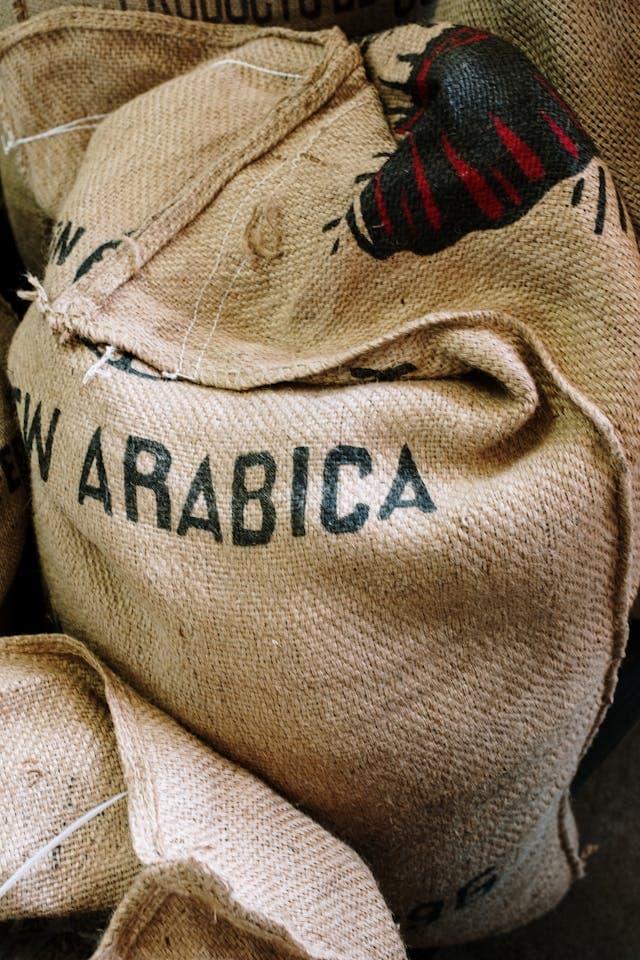
Arabica coffee isn't merely "performing well." It's expanding in ways that make it attentively noticed by buyers and suppliers. You can quantify it in the figures, but you can also sense it in the way trade acts today. Prices translate more quickly. Contracts go longer. Everybody desires a stable source. Essentially, Arabica has turned into the accepted currency of coffee trade, and that's altering how deals are sealed across borders.
In 2025, the global coffee market sits around USD 256.3 billion, then continues its steady climb toward roughly USD 381.5 billion by 2034, tracking a 4.5% CAGR. Using that pace, 2026 is projected to land near USD 267.8 billion.
Moving closer to the subject, the Arabica coffee segment keeps surpassing. Dataintelo estimates the Arabica market to grow up to US $53.6 billion by 2032 at around 5.5% CAGR. That just means that the demand for high-end, traceable Arabica beans is increasing at a pace faster than supply can maintain. To coffee buyers and wholesalers, that roughly means a larger playing ground with more market to corner, but with more competition to contend with.
Market Segmentation
The closer you examine it, the Arabica trade divides along tidy lines:
- Origin (Brazil, Colombia, Ethiopia, Guatemala, Kenya)
- Grade (specialty vs. commercial)
- Format (green beans, roasted, instant, blends)
- End use (retail, cafés, hospitality, food service)
- Distribution (direct trade, cooperatives, online sourcing platforms)
Quality Arabica roasting reserved for boutique cafés and high-end retail brands, generates the highest margins. Conversely, green bean trading continues to be the bread-and-butter of bulk buyers and distributors. In some way, the more the world embraces its pour-overs and flat whites, the tighter these two segments bond. Bulk buyers seeking volume require consistent green bean flows, and premium roasters use the same channels to find traceable, consistent lots.
Regional Insights: Largest Producers, Importers, and Exporters
The Arabica supply map did not alter significantly, but the dynamics within it did. Brazil remains supreme, producing roughly 40% of all Arabica worldwide. Colombia, Ethiopia, and the Central American countries, however, are still on the rise, particularly for top-grade beans.
Colombia, for instance, harvested nearly 13.2 million bags in recent years. At the same time, Ethiopian exports are picking up favor with specialty buyers due to the nation's status for intricate flavor profiles.
In international trade, the International Coffee Organization (ICO) has reported that Arabica shipments over the period of twelve months to June 2025 were around 85.66 million bags, slightly more than in the previous cycle. Europe and North America are continuing to be large importers, but expansion in Asia is impossible to miss, above all China and South Korea, where upscale café culture has taken to the skies with ease.
For coffee buyers, that means one thing: competition for high-quality lots will continue to tighten. Those who establish direct, reliable sourcing relationships now will have negotiating power later when the market turns again.
Supply Chain and Trade Insights
- Climate sets the tone before contracts do. Uneven rainfall in Brazil’s main growing areas keeps inventories thin, so Arabica prices react quickly, and buyers head into 2026 planning with weather maps open and supply risk front of mind rather than locked-in assumptions.
- Supply volatility could support prices. Analysts note that slow responses to supply shocks, aging plantations, and production risks may keep Arabica prices elevated or supported throughout 2026, rather than letting them fall back quickly.
- Old policy decisions still shape today’s shelves. Contract cycles and inventory bought under earlier U.S. tariff rules continue to filter through the system, so price relief is slow, and sourcing strategies in 2026 stay cautious rather than opportunistic.
- Production output is uneven. Brazil’s Arabica output saw notable declines in recent cycles due to erratic weather patterns, which tightens exportable volumes, while some forecasts point to possible recovery in future cycles as conditions improve.
- Global supply trends shape inventory choices. Reports forecast a modest overall production uptick in 2026, but the system stays sensitive to shocks, which means buyers and roasters may hold more safety stock or contract for flexible deliveries.
- Traceability and sustainability shape trade flows. Across markets, demands for origin transparency and environmental reporting are growing, adding layers to certification, logistics planning, and export documentation for Arabica coffee in 2026.
Current Shifts and Developments in the Arabica Coffee Market
The following are some developments in the Arabica space that one should follow if one is a buyer or supplier.
- Digital and tech showcases are rising. Coffee, alongside other foodservice sectors, is gaining visibility at global expos like SIGEP World 2026, where digital tools and new equipment are highlighted as key growth drivers.
- Live industry events expand trade ties. World of Coffee Dubai 2026 is set for January, drawing growers, exporters, roasters, and brands together, which often leads to new supply collaborations and export leads.
- Supply risk discussions influence innovation. Persistent drought concerns and variable weather have pushed buyers and producers to explore more resilient sourcing and production strategies to keep the Arabica chain moving.
- Regional supply shifts shape quality focus. Colombia’s strong recent harvest is paired with forecasts of contraction, prompting traders to refine quality sourcing and balance inventories more tightly.
- Price patterns trigger operational tweaks. Arabica futures remain sensitive to crop and weather news, and this price action leads buyers to adjust contracts, storage, and forward cover strategies through 2026.
- Local coffee culture events grow export interest. India’s second edition of its International Coffee Festival highlights expanding domestic markets and can spark new regional trade and product ideas.
Consumer Behavior and Key Trends
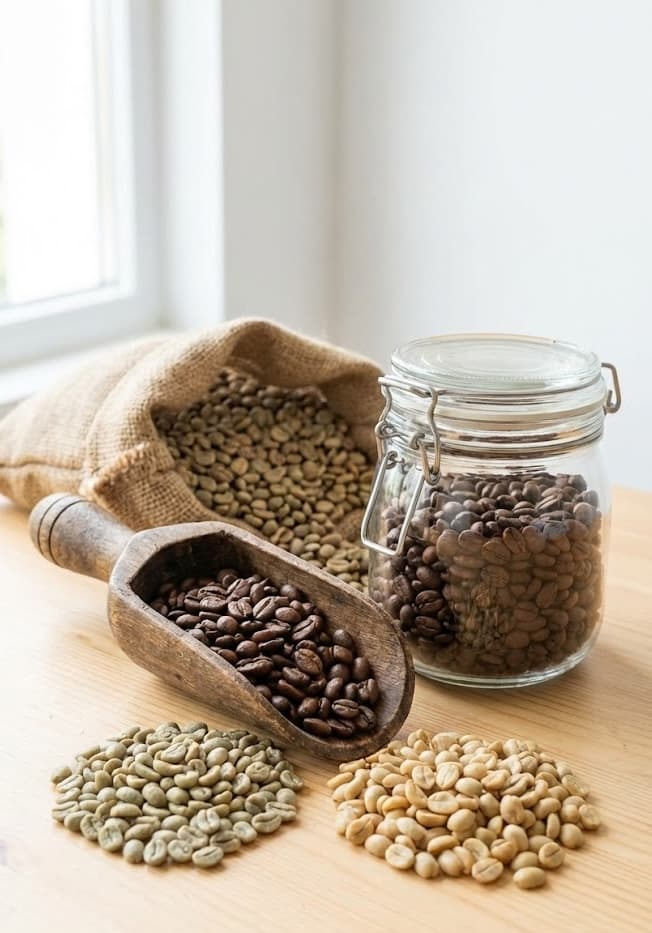
To get a sense of where the Arabica market is going, look no further than how consumers buy and brew. Preferences have changed, practices changed, and patterns of demand now reveal more about the larger narrative than any chart of prices.
Premiumisation of Coffee Consumption
They are caring more about what goes into their cup. They desire cleaner flavor, traceable beans, and something that's personal. In some way, Arabica became the standard for all that. For buyers, that means story is as important as quality. A bag of beans is no longer simply a product but a piece of culture, process, and origin, combined.
Growth of Out-of-Home and Specialty Channels
Specialty brewers and coffee shops are thriving once again, along with cafés. Home equipment accelerated in 2020–2023, but cafés stole the limelight back. Today’s out-of-home coffee market is estimated at around US $376.7 billion, while home drinking amounts to US $96.45 billion, as per GourmetPro. Clearly, that's where most of the premium Arabica finds itself.
Sustainability, Traceability & Ethical Sourcing
Customers now demand harder questions such as where was it grown, who touched it, was the trade fair? Certifications are not a choice; they're standard. Essentially, suppliers with traceability and fair sourcing to back themselves up win more long-term customers. Retailers need supply with a responsible narrative, and Arabica, with its premium status, finds itself bang in the middle of that transformation.
Diversification of Origins & Formats
No one desires to be reliant on one region anymore. Brazil's weather problems taught everyone the vulnerability of the chain. Therefore, buyers are in blending origins with Central America, East Africa, even Asia, and experimenting with micro-lots or organic Arabica. It is not all about novelty; it is also a means to diversify risk and create a more agile, future-recession-proof portfolio.
Opportunities and Future Outlook
The Arabica trade is changing quickly, and with it, there's space to grow for those who see where to look. People who can anticipate the signs early will be ahead, not merely responding to the next price move. Here's where most realistic opportunities are developing.
Premium Margins and Quality Leverage
Arabica remains where the cash is. It holds story, flavor, and credibility. Simply put, if you can offer consistent quality (along with certification), you'll reap premium premiums that lower-cost blends can only dream of. Double-down grade control, cupping consistency, and transparent sourcing wholesalers will differentiate themselves when everyone else is scrambling for contracting supply lines.
Origin Diversification and Risk Spread
Overdependence on Brazil or Colombia is now risky. Droughts, delayed exports, and local politics can reverse prices overnight. So, people are turning to other sources like Ethiopia, Honduras, Uganda, Vietnam's highland Arabica. In some way, smaller origins are taking off quickly. People who establish early relationships there will enjoy both price maneuverability and story power down the line.
Value-Added Goods and Tailor-Made Options
It is no longer just a matter of selling "green beans." Customers today want traceable micro-lots, private-label roasting, environmental packaging, or electronic certificates of origin. These small things make an enormous difference in closing deals. Value-added services basically help wholesalers make the leap from being traders to being partners, and that is what brings in the long-term contracts continuously.
Creating Supply-Chain Resilience
Arabica's future hangs on whoever can remain solid when the market trembles. Storage investments, long-term farmer relationships, and forward contracts are no longer optional. They are the only method of remaining in the game. Certain distributors are even experimenting with shared logistics models. Apparently, whoever maintains the flow steady wins, even if global supply fluctuates.
Sustainability as a Core Business Driver
Café chains and retailers desire supply that is responsible. Fair-trade, Rainforest Alliance, and organic certificates are not logos but confidence factors. And people are happy to pay a bit of a premium for that trust. Suppliers who integrate sustainability into each step of trade (from freight to farm) are not merely keeping up with fashion; they're gaining loyalty within an unstable market.
Torg's Top-Rated Arabica Coffee Suppliers
1. GRANCHELLI ALIMENTAÇÃO – Brazil
Based in Brazil, Café Granchelli's specialty lies in exporting 100% Arabica coffee as refined as it is consistently reliable. They export Icatu Amarelo, Ouro Verde, Obatã, Mundo Novo, and other specialty coffees. They walk the tightrope between tradition and precision to create flavor profiles that are compliant with worldwide standards without ever sacrificing that Brazilian character that is well-balanced, rich, and unmistakably smooth.
2. GALANTE COLD BREW – Colombia
Galante Colombian Coffee does not just sell coffee beans. They bottle artistry. From 100% Colombian Arabica to slow cold extraction, they made sure to master the art of brewing. Their line, such as Sparkling Cold Brew and Coffee Cherry Tea, is evidence that innovation and authenticity can actually go hand-in-hand. It's professional coffee for people who want quality but still enjoy a touch of the new.
3. FAHEM GENERAL TRADING PLC – Ethiopia
Fahem General Trading PLC does business at a fascinating crossroads between coffee export and agriculture. Infamous for grade-A Ethiopian Arabica, they synthesize old-school cultivation with adaptable processing for various markets. In some way, they succeed in making every batch identical in consistency, in aroma, and in cleanliness. For customers looking for traceable, high-altitude Arabica but still with the local feel, Fahem is one to hold on to.
Conclusion
The Arabica market is clearly in a new phase. It's faster, tighter, and somehow more personal. For buyers, wholesalers, and distributors, this isn’t just another cycle of high prices and low yields. It’s a shift in how coffee is valued, traded, and trusted. You’re no longer just buying beans; you’re curating stories, traceability, and quality that your clients can stand behind. Those who realize that harmony between market timing, supplier openness, and consumer expectations will be in the winning position. Arabica is becoming a long game where wisdom trumps velocity. The discerning players are already securing origins, creating robust relationships, and employing B2B platforms to remain ahead. The market's transforming rapidly, but actual advantage belongs to whoever plans wiser.
Request a Bulk Order Quote
Simple ordering, transparent pricing, delivered straight to your door