



The Rise of Ready Meals: Convenience Without Compromise
Explore how the ready meals market is evolving, covering market size, trends, innovation, and supply chain-relevant insights in 2026.
200+ buyers trust Torg for sourcing







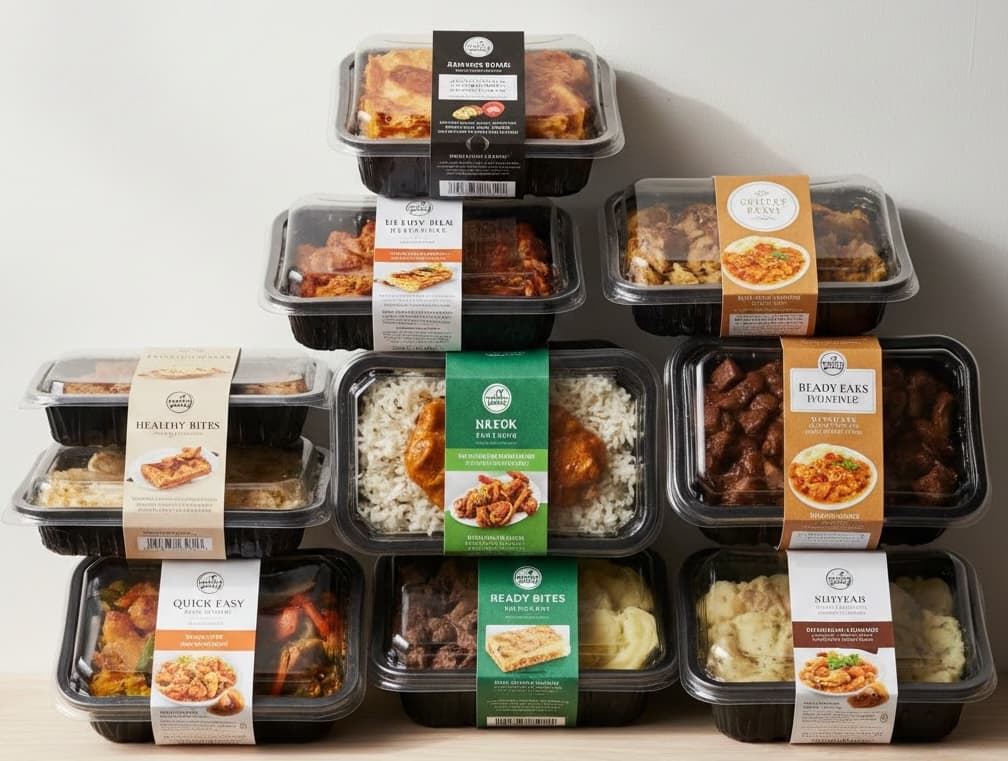
Ready meals aren’t just moving boxes off shelves anymore. They’re reshaping how some distributors, wholesalers and retailers plan assortments, manage logistics and negotiate margins. Some stores test a few SKUs and suddenly realize those “heat-and-serve” trays actually pull repeat traffic. Others use ready meals to refresh private-label strategies. The timing makes sense: labour costs keep climbing, menus shrink, and buyers need products that basically sell without babysitting. Ready meals do that. They scale. They travel well. They fill gaps fast. And somehow, they hit both convenience and quality which is somehow rare. If you’re sourcing smarter in the coming years, you’ll want this category on your radar.
Global Ready Meals Landscape and Trade Overview
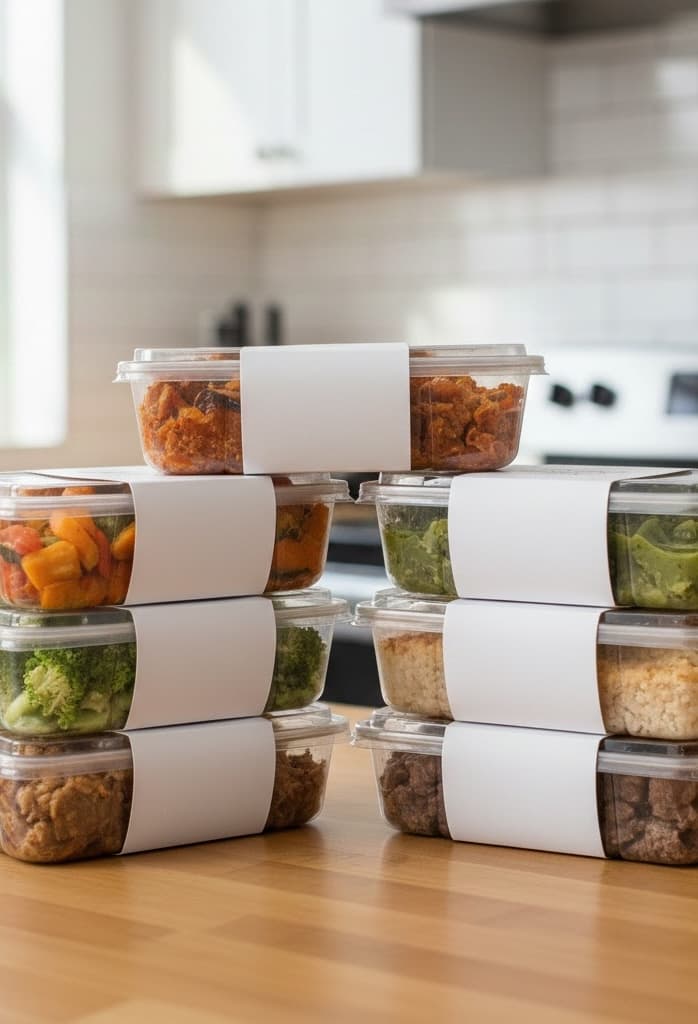
The ready meals industry is fairly huge now. In 2025 alone, the global market for ready meals was valued at around USD 190.09 billion, and it’s projected to climb to about USD 203.45 billion in 2026, then onward toward roughly USD 350.35 billion by 2034, at a compound annual growth rate (CAGR) of about 7.03%.
Market Segmentation
When you break the market down, several key dimensions stand out, and these matter if you’re a buyer, distributor or wholesaler.
- By product type: Frozen ready meals dominate in many markets because shelf-life and convenience are big wins.
- By diet / meal type: While traditional non-vegetarian meals keep a large share, growth is fastest in vegetarian, vegan and “free-from” segments. These segments are showing up more in the ready meals space.
- By distribution channel: Supermarkets/hypermarkets remain major sales channels. But the fastest rising channel is online retail — direct-to-consumer, subscription models, all of that.
Regional Insights & Trade Flows
Ready meals don’t move the same way everywhere. Some regions are buying more, others are producing more, and a few are quietly becoming export engines.
North America
Buyers in this region treat ready meals as an everyday staple, not an occasional fix. The market sits at about USD 56.67 billion in 2025, and projections show it to be ticking upward between 2026 through 2034 at roughly 4% CAGR.
The U.S. drives most of the volume because frozen and chilled ready meals fit into the “grab something fast and get going” lifestyle seen in urban work culture. Canada follows closely, and private-label ready meals are growing faster than branded SKUs. Retailers are also experimenting with placement. So then, instead of hiding ready meals in frozen aisles, they’re placing them near fresh produce to signal quality and freshness. It’s subtle, but it works.
Asia-Pacific
APAC is basically where momentum is strongest. One forecast places the market around USD 30.97 billion in 2025, moving to ~USD 39.51 billion by 2030. China and Japan lead consumption, which is not really shocking given that long work hours and convenience culture made ready meals mainstream already.
Meanwhile, India and the Philippines are catching up, especially in metro pockets where dual-income households just want something ready without sacrificing taste or dietary preferences. Plant-based and “free-from” varieties are growing here because younger consumers care about health and label transparency.
Europe
Europe isn’t just a production hub anymore. It’s the world’s largest ready-meals consumer. More than 5 billion units were sold across the region in 2024. The UK leads with roughly 1.8 billion units, followed by Germany at 1.2 billion. Chilled ready meals dominate in the UK and France, where shoppers prefer meals that look fresh rather than “frozen and forgotten,” often making up over 50% of category sales.
Retailer private label is a major force here, accounting for about 40% of all ready meal purchases. That explains why retailers in Europe treat the category as a margin engine. If a meal sells, they scale the private-label version fast.
Supply Chain & Trade
Now, the supply chain side often gets overlooked, but it’s critical especially in ready meals. Because packaging, logistics, temperature control — they all cost money and impact margins.
- One big trend: the “cold chain” logistics (frozen or chilled ready meals) are under pressure. For example, a report on cold chain logistics pointed out that labour shortages in low-temperature warehouses, transportation capacity constraints, and the need for sustainability in packaging are among the issues.
- Buyers (retailers, distributors, wholesalers) are facing rising energy and packaging costs. There’s also growing demand for traceability and sustainable materials. So when you’re negotiating with suppliers, production volume, logistics lead-time, and packaging design aren’t just nice to have, they’re table stakes. According to one report on ready meals & trade: “buyers are expecting narrower profit margins and cellular supply-chain strategies” to stay competitive.
- Price structure: Because of these logistics demands, the cost base is shifting. Production might still be in lower-cost countries, but transport, cold storage, energy all add. You’ll want to factor shipping, customs, shelf-life, spoilage risk into your landed cost.
- Another trade insight: imports vs exports. For instance, Europe’s strong production base means many frozen ready meals are exported. But growing domestic demand in Asia-Pacific means more local manufacture there, shifting import patterns. If you’re sourcing globally, you’ll face different cost & lead-time dynamics for each region.
In brief, the ready meals market is large and still on a growth path. But the structural dynamics are changing. Region-by-region growth rates differ. Supply chain complexity is increasing. Margins are under pressure because convenience comes with cost.
Now, if you’re sourcing ready meals, what you have to do is your segment (frozen/chilled/shelf-stable), then pick your geography (where to source, where to sell), factor in logistics (cold-chain if needed), and keep an eye on cost escalation (energy + packaging + labour). That positioning will help you navigate this “somewhat complicated but high-opportunity” category.
What Consumers Are Looking For in Ready Meals
Ready meals often reflect lifestyle choices, not lack of effort. If a product supports someone’s daily rhythm, they stick with it. Buyers who understand this can select better SKUs and hold stronger supplier conversations because they know what will sell and why.
Lifestyle & time-saving convenience
Convenience still leads the charge. Consumers want food that’s ready in minutes — fewer steps, less cleanup. It’s tied to real life: smaller households, long work hours and “I just need something quick.” According to Innova Market Insights, ready meals are chosen as a solution to the stress of meal preparation. Basically, when time is tight, ready meals win.
Health, diet and quality considerations
Convenience only gets attention. Quality earns loyalty. And labels matter now. Not in a "trendy diet" way, but in a "what am I actually eating?" way. Consumers look for meals with simple ingredients, minimal additives, and options that match their lifestyle—vegan, vegetarian, gluten-free. Innova Market Insights notes a rise in demand for plant-based and locally sourced components. Fast doesn’t have to mean low-quality.
Channel shifts & online engagement
Ready meals aren’t only tossed into a cart anymore. Consumers browse online because it’s easier to compare flavours, prices and portion styles. Platforms highlight premium or niche meals that stores don’t always carry. Towards Food & Beverages reports that e-commerce and direct-to-consumer subscriptions are some of the fastest-growing channels. Convenience now lives on screens too.
Premiumisation & global flavours
Consumers expect more than a microwavable tray. They want global flavours like Korean, Italian, Middle Eastern, even chef-style meal experiences. And though people enjoy the variety, they don’t always want to chop, simmer, or prep. Premium ready meals solve that. With better ingredients, richer recipes, and packaging that actually looks intentional, retailers can price higher and still move volume. The category has changed. “Ready meal” now has space beside restaurant food, not below it.
Innovations and Opportunities in the Ready Meals Market
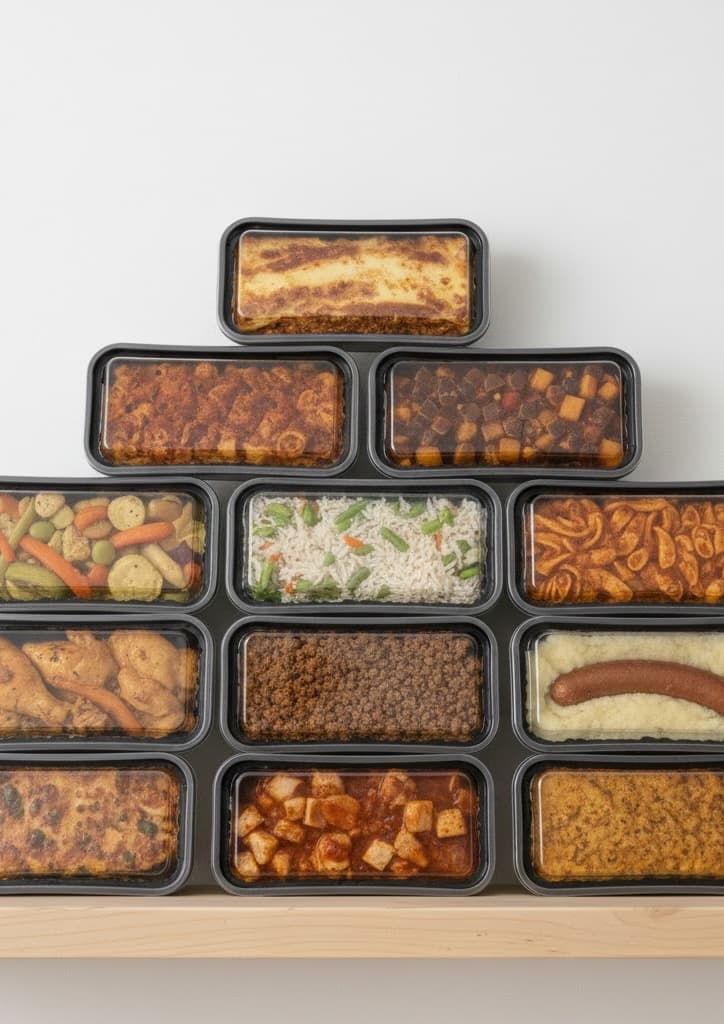
The ready meals category keeps shifting. Buyers and distributors are not simply stacking SKUs anymore. They are shaping margins, testing private label, and exploring online channels. Opportunities live in the details: smarter sourcing, flexible suppliers, and early entry into growing regions. Basically, the category rewards those who understand demand and move before everyone else.
Private label and white label ready meals
Retailers want control over pricing, packaging, and margins. That is why private label ready meals are climbing steadily. Demand repeats, which makes forecasting easier. Work with suppliers who allow smaller minimum order quantities, recipe adjustments, and packaging customisation. Flexibility matters, especially when margin pressure increases. Private label lets retailers influence price instead of being limited by branded costs.
Emerging markets expansion
Asia Pacific markets are moving quickly. Rising incomes, faster lifestyles, and a shift toward convenience make ready meals part of daily routines. Entering these countries early gives distributors better pricing, supplier priority, and less competition. It is like boarding a train before the seats fill up. You choose the route and the pace instead of reacting to demand later.
Premiumisation and niche segments
Consumers want convenience and discovery. Premium ready meals offer global flavors, high protein or plant based formats, and meal experiences that feel upgraded. Retailers like these products because premium pricing leaves more margin without changing volume expectations. Novelty sells. Premium ready meals do not replace convenience, they simply elevate it into something that feels closer to restaurant quality.
Direct to consumer and online channels
Online is becoming a strong sales path for ready meals. Subscriptions, curated bundles, and freezer friendly packaging make direct to consumer models easier to scale. Distributors bypass shelf space limitations and reach customers faster. If logistics are stable and delivery stays consistent, online margins can outperform retail. Convenience now begins from a phone, not a store aisle.
Supply chain optimisation and sustainability
Retailers evaluate suppliers on efficiency, not just price per carton. Reduced packaging waste, recyclable trays, better pallet utilisation, and clear traceability influence sourcing decisions. Sustainability lowers shipping costs and reduces damage returns. It is not a slogan anymore. It becomes part of unit economics. Less waste means smoother logistics and better predictability for both sides of the supply chain.
Torg’s Top Picks for Ready Meals Suppliers
1. AYLA AGRO GIDA SANAYI VE TICARET A.S. • Turkey
Yayla Agro offers ready meals, packaged legumes, and heat-and-serve dishes. They keep ingredients clean and straightforward, which helps buyers meet consumer expectations without stressing over reformulations. They supply to different retail formats and also export to several markets. Because they balance convenience with quality, they work well for private label projects and bulk sourcing needs.
2. QVC FOODS PRIVATE LIMITED • India
QVC Foods focuses on private label ready meals for major supermarket chains. Their production facilities are certified and built for large-scale output. They offer curries, sauces, instant rice, and full meal kits. What makes them stand out is flexibility. They adjust recipes, packaging formats, and order volumes so buyers can match products to specific market demands.
3. KILBRIDE CLASSIC CUISINE • Ireland
Kilbride Classic Cuisine is a family-owned producer known for consistent taste and dependable quality. They manufacture prepared meals and support private label development with custom recipes. Communication with their team is direct and fast, which helps reduce turnaround time. Their focus on sustainable practices also appeals to retailers with ESG targets, making them a steady long-term partner.
Wrapping Up
Ready meals used to be a fallback option. Now they function like a silent retail strategist. Every tray that sells removes friction in someone’s day, and every repeat purchase tells you what people value without running a survey. In a category this dynamic, buyers and distributors are not just moving food. They are shaping habits. The winners are the ones who read the small signals: faster decisions, smaller MOQs, packaging that tells the truth. If you treat ready meals as a low-effort product, you miss the opportunity. If you treat it as data with volume attached, you scale.
Request a Bulk Order Quote
Simple ordering, transparent pricing, delivered straight to your door