



Truffles Market Trends 2026: Flavor, Rarity, and Growth
Discover the rising truffles market, covering market size, segmentation, consumer trends, supply chain insights, and top suppliers.
200+ buyers trust Torg for sourcing







Truffles once lived in a world of exclusivity. But now, they’re no longer reserved for fine dining chatter. They show up in procurement lists, brand innovation meetings, and cross-border sourcing plans. Their limited supply forces buyers to think differently, and that shift is pulling truffles into broader commercial strategy. The category may look small on paper, yet the value density makes it worth watching. As demand spreads through premium grocery, manufacturing, and specialty distribution, the question becomes less “are truffles relevant?” and more “where do they play in the supply chain in the next few years?”
Global Market Pulse: Value, Variety, & Growth Paths
The truffles market behaves differently from most specialty ingredients. It doesn’t explode in volume, yet its value is climbing steadily. Some analysts trace the industry’s rise by looking at long-term value rather than volume.
In 2025, the truffles market stood at USD 548.0 million, and by 2026 it is projected to approach USD 584 million. Steady demand supports a 6.8% CAGR through 2035, lifting total market value to roughly USD 1 billion by the end of the period.
For buyers, wholesalers and distributors, this means demand isn’t slowing down—fresh truffles, frozen formats, and those truffle-infused products people love in retail are all moving. Prices stay high because supply is still very limited. But the good news is more producers, cultivators, and processors are entering the industry. So the market is somewhat crowded but still flexible, offering space for new partnerships and sourcing routes.
Evidently, the combination of premium positioning and growing interest is creating a supply chain that has to move smarter, not just faster.
Market Segmentation: Product Types, Applications, and Sales Channels
Product Types: Species and Varieties
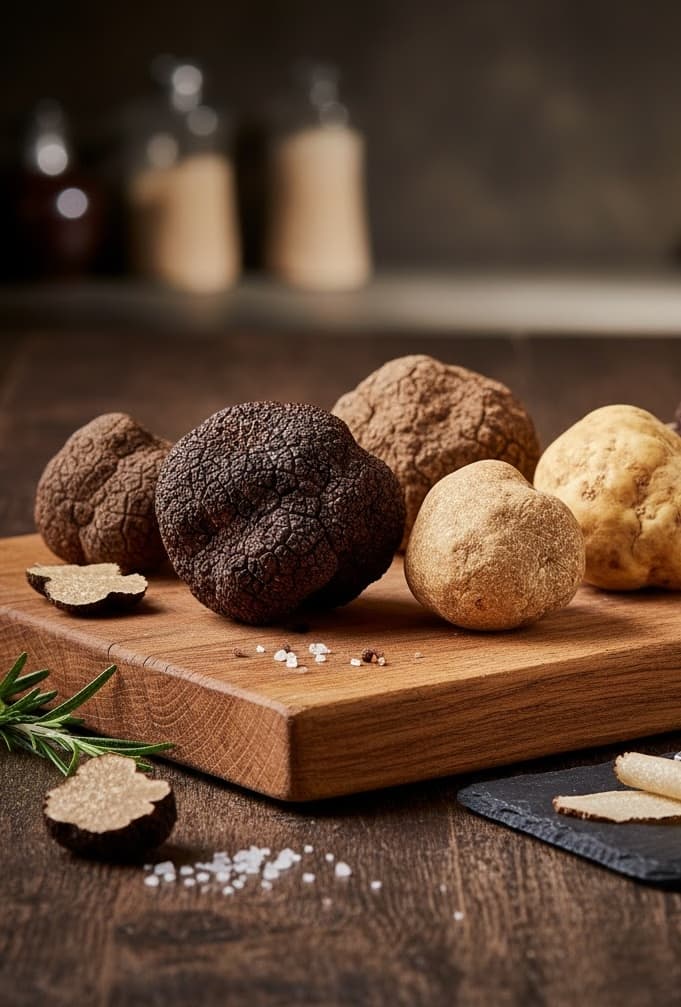
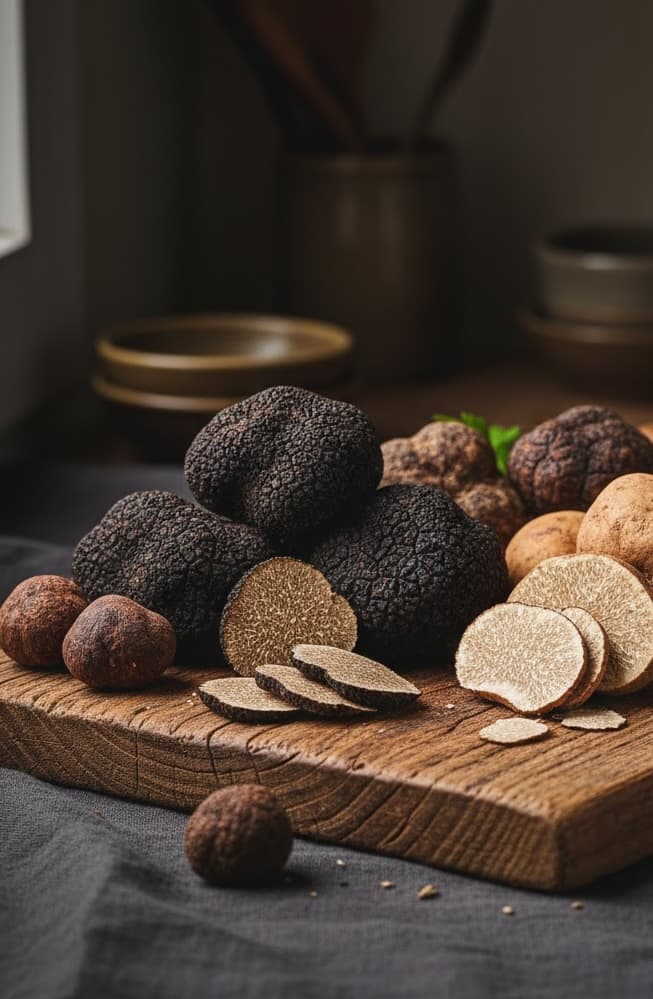
Truffles are commonly grouped by species—white, black, summer, and a few region-specific varieties. Each type behaves differently in pricing, aroma, and seasonal supply. Black truffles still dominate many regions, according to industry analysts, mostly because they balance availability and flavor strength.
Product Forms: Fresh, Frozen, and Processed
You’ll find truffles sold in formats that match different use cases.
- Fresh truffles: premium menus, time-sensitive supply
- Frozen truffles: stability for wholesalers and food processors
- Processed truffles: oils, salts, butters, and infused snacks
Each form supports a different purchasing style, which then allows distributors to adjust assortments based on season, demand cycles, or specific client needs.
Applications: Who Uses What?
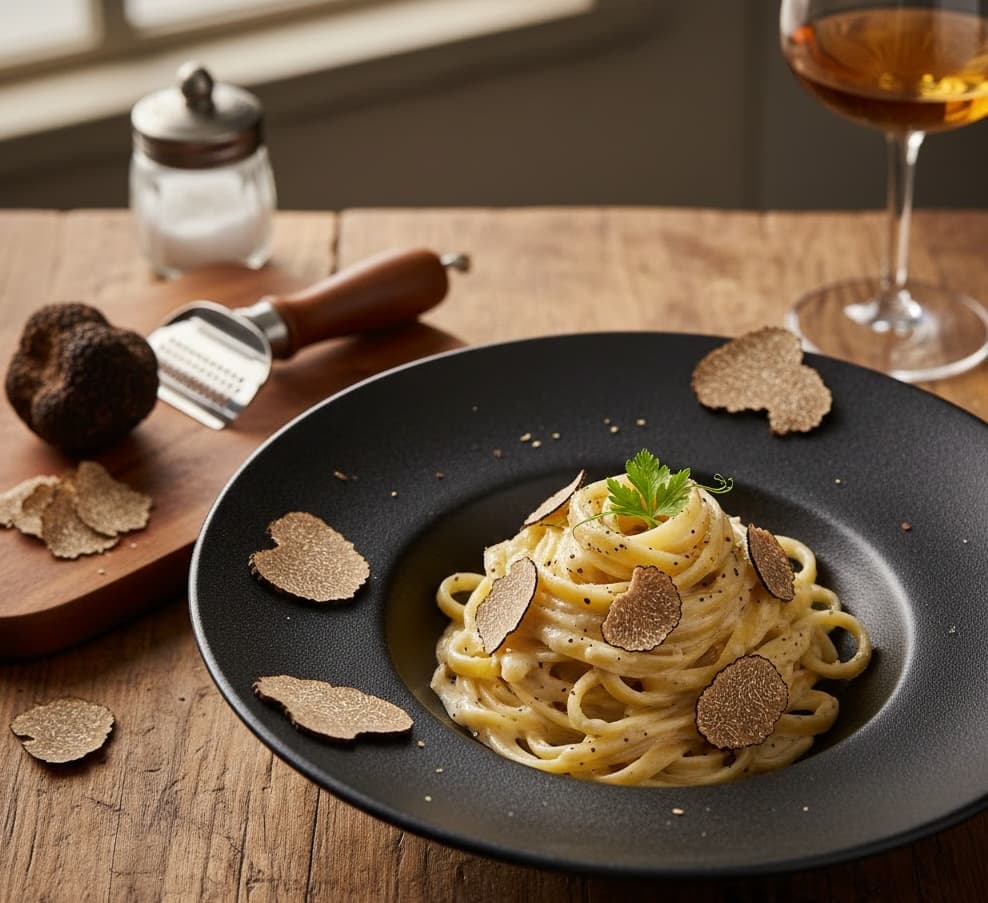
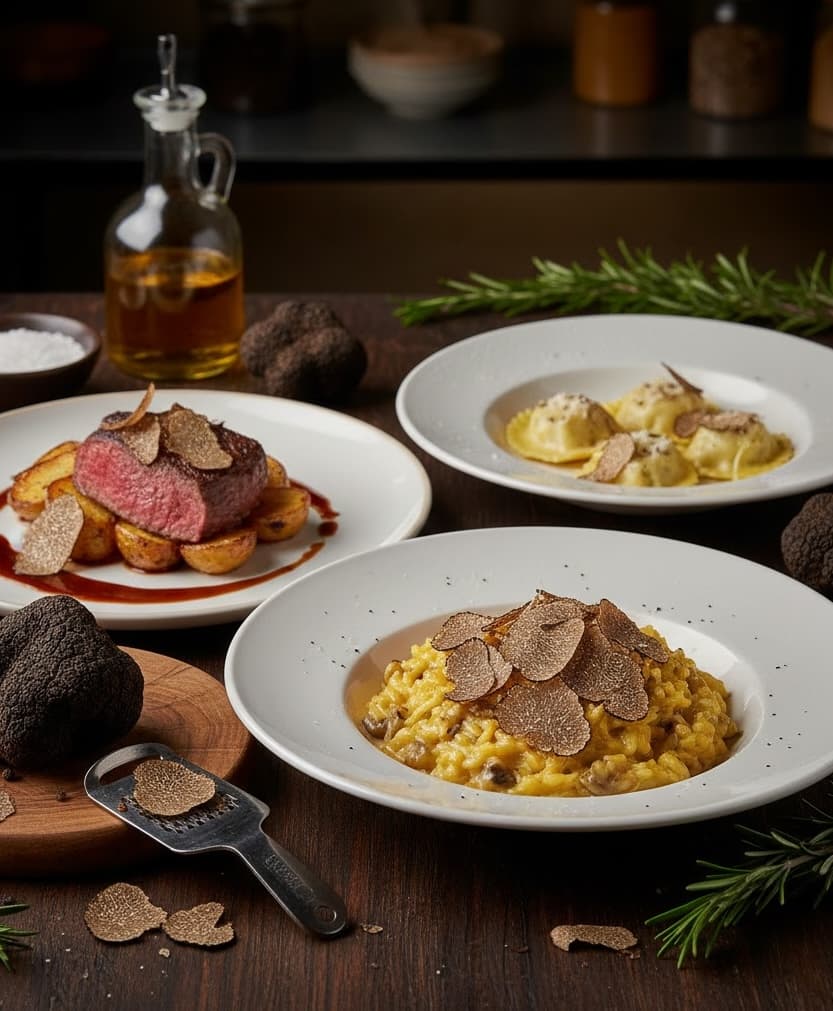
While foodservice still orders the largest volumes, a different trend is taking shape. More households are experimenting with truffle-based products, so retailers and gourmet shops are seeing stronger pull. Items like oils, salts, and snack formats fit easily into home cooking, making truffles feel more familiar. That shift in usage is steadily expanding the category’s reach.
Sales Channels: Where the Growth Is Happening
You’ll see strong movement across:
- Foodservice sourcing networks
- Specialty grocers and gourmet retail
- Online premium food platforms
These routes grow for different reasons. Some rely on freshness; others rely on convenience. Somehow, all of them benefit from the rising consumer interest in gourmet ingredients.
Regional Insights
Europe
Europe still sets the pace for the global truffle market, but the reasons run deeper than heritage. Italy, France, and Spain have built supply systems that mix tradition with commercial-scale cultivation, giving them a level of reliability other regions are still chasing. Italy holds the lead in export value year after year, while France’s long-established black truffle regions maintain consistent output. Spain, meanwhile, has leaned heavily into controlled truffière production, accelerating its rise as one of Europe’s fastest-growing suppliers.
North America
North America operates mostly on the demand side. The United States and Canada bring in significant volumes through wholesalers and specialty distributors, much of it tied to fine dining and premium retail. Local cultivation exists, but it’s still developing. A handful of farms have shown promise, yet the region continues to rely on European exporters to fill most of its seasonal requirements.
Asia Pacific
Asia-Pacific has turned into the market’s most dynamic zone, not just for consumption but also for new production.
- China’s influence comes from scale and diversity—local harvests support everyday use while imported European truffles fill the needs of a growing upscale dining scene.
- Japan approaches truffle purchasing with a level of selectiveness that mirrors its culinary culture, favoring only exceptional white and black varieties that align with refined dining traditions.
- Australia’s story is different: its producers have turned what was once seen as a risky agricultural experiment into a dependable export stream, showing global buyers that top-tier winter black truffles don’t have to come exclusively from Europe.
Middle East
In the Middle East, the market is shaped by luxury consumption rather than local supply. In the UAE and Saudi Arabia, demand is shaped by luxury dining and a strong appetite for premium imported goods. Truffles play into that perfectly, but buyers don’t take chances—they look for proof of origin, tight cold-chain handling, and clear species identification. In this region, choosing a supplier isn’t casual; it’s treated almost like selecting a long-term strategic partner.
Latin America
Latin America’s role is smaller but evolving. Chile is gradually building a reputation for controlled cultivation, and Argentina is experimenting with commercial output aimed at export-focused buyers. The region’s demand is still developing, driven mostly by premium hospitality and boutique importers exploring niche offerings.
Recent Happenings in the Truffle Supply Chain & Trade
- The global logistics environment is putting pressure on high-end ingredients like truffles. A supply-chain analysis reports that the luxury ingredient space is vulnerable to disruptions because harvesting, cold-chain transport and global shipping all must align.
- Shipping costs themselves are a challenge. For example, one industry alert noted that ocean freight rates rose by around 13% on some trade lanes after tariff changes and rerouting of vessels due to global tensions. For truffles, where freshness and timing matter, this kind of rise in freight cost can quickly eat into margins or force higher landed costs.
- Tariffs add another complication. A trade blog detailed how new U.S. import duties (variable between 10%-50%) risk raising landed costs for premium perishables—including exotic items such as truffles. That means a distributor sourcing truffles from multiple origins needs to factor origin-based duty risk into procurement strategy.
- Also worth noting: trade-data platforms show export shipments of truffles growing modestly but exhibiting small volume gains, which means supply remains tight. If demand keeps rising while supply growth is muted, buyers will face upward pressure on price, or need tighter supply contracts.
- For truffle distributors and wholesalers, the smartest move is staying alert. Freight costs shift fast, tariffs vary by origin, and cold-chain reliability can’t be taken for granted. Keeping these pieces in check helps avoid unpleasant surprises when orders land.
Consumer Behaviour and Growth Drivers
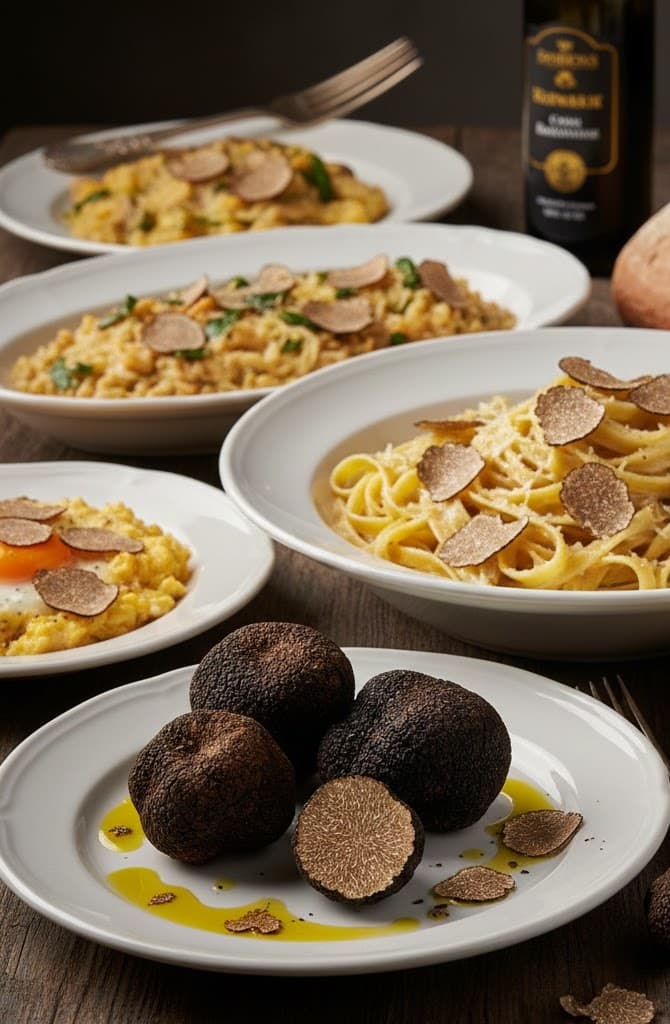
More people are paying attention to truffles simply because they add character without demanding much from the cook. Buyers and retailers see customers reaching for ingredients that elevate a dish with one small step. Truffles happen to do that well. They’re rare enough to spark curiosity, yet straightforward enough to fit into everyday kitchens when offered in simple, ready-to-use formats.
Premium Yet Accessible
Consumers are choosing products that offer a small upgrade without requiring new cooking skills. Truffles fit neatly into that mindset. A dish feels richer with just a little of it, and that’s appealing. As more infused products reach regular shelves, shoppers experiment more. That gives wholesalers room to serve both niche gourmet clients and everyday retailers looking for differentiation.
Shifting Patterns & Retail Channel Impacts
Buying habits around truffles aren’t predictable anymore. A customer who enjoys shaved truffles at a restaurant might also pick up a truffle seasoning blend at the store just because it’s convenient. Retailers gain traction when they highlight simple details—origin, variety, harvest notes. Distributors who make these details easy to communicate tend to get better placement and steadier reorders.
Emerging Trends in Usage
Truffles are showing up in more products because brands want a simple way to add premium appeal. A small dose transforms snacks, sauces, or specialty items quickly. As shoppers watch labels more closely, they expect clean ingredients and clear sourcing. Wholesalers benefit most when they work with suppliers who can verify origin and k
Recent Developments and Innovations in the Truffles Space
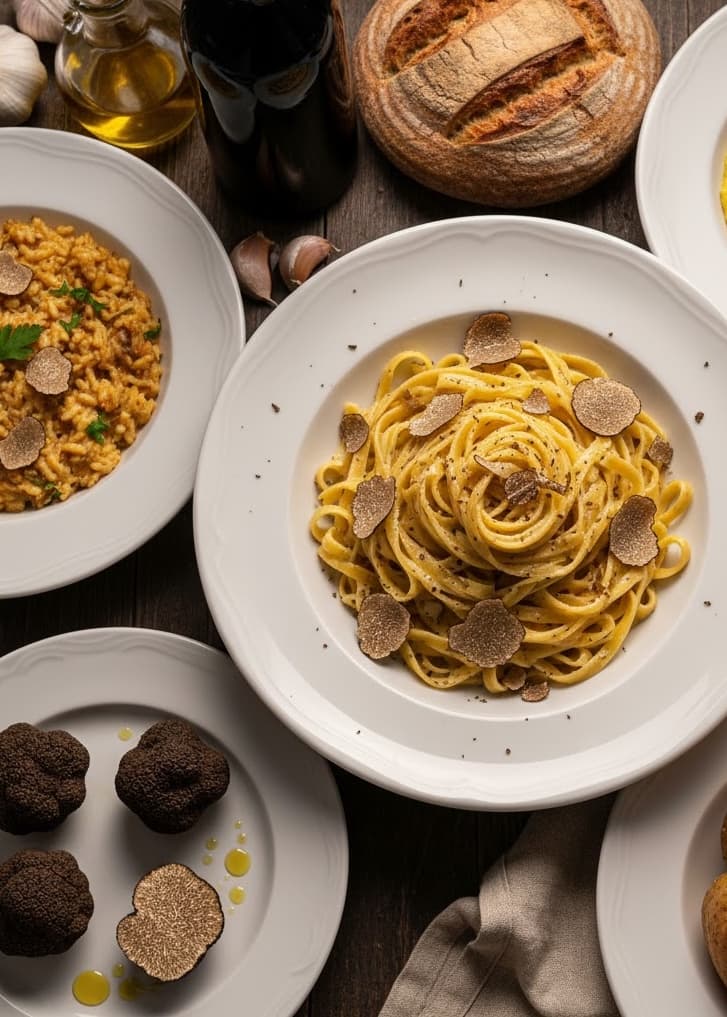
The truffle category is changing, but not in a loud or dramatic way. It’s more of a steady shift you notice if you’re buying, sourcing, or stocking these products regularly. Little improvements in farming, handling, and product formats are adding up, and they’re quietly reshaping how the market works.
Cultivation and Farming Advances
More growers are moving toward controlled truffle farming instead of relying on unpredictable wild finds. Managed orchards, inoculated trees, and basic soil monitoring are becoming normal tools. According to Technavio, this approach helps stabilize supply, giving distributors a clearer idea of when product will be available. It also reduces those last-minute sourcing gaps that used to happen every season.
Processing, Packaging and Preservation Breakthroughs
Truffles are lasting longer and traveling farther thanks to better preservation methods. Freeze-drying, flash-freezing, and tighter packaging keep the aroma intact during shipping. Future Market Insights points to the rise of convenient formats—slices, carpaccio, infused oils—that retailers can actually shelf without stress. It makes handling easier for wholesalers and gives buyers more flexibility.
Product Innovation & Channel Expansion
Brands are treating truffles as a way to add a small touch of luxury to everyday products. They’re showing up in snacks, spreads, chocolates, and short-run releases that spark curiosity. GlobeNewswire highlights the rise of subscription-style offerings too. For distributors, this creates a wider range of premium SKUs and gives retailers easy ways to add something distinctive to their shelves.
Opportunities and Future Outlook
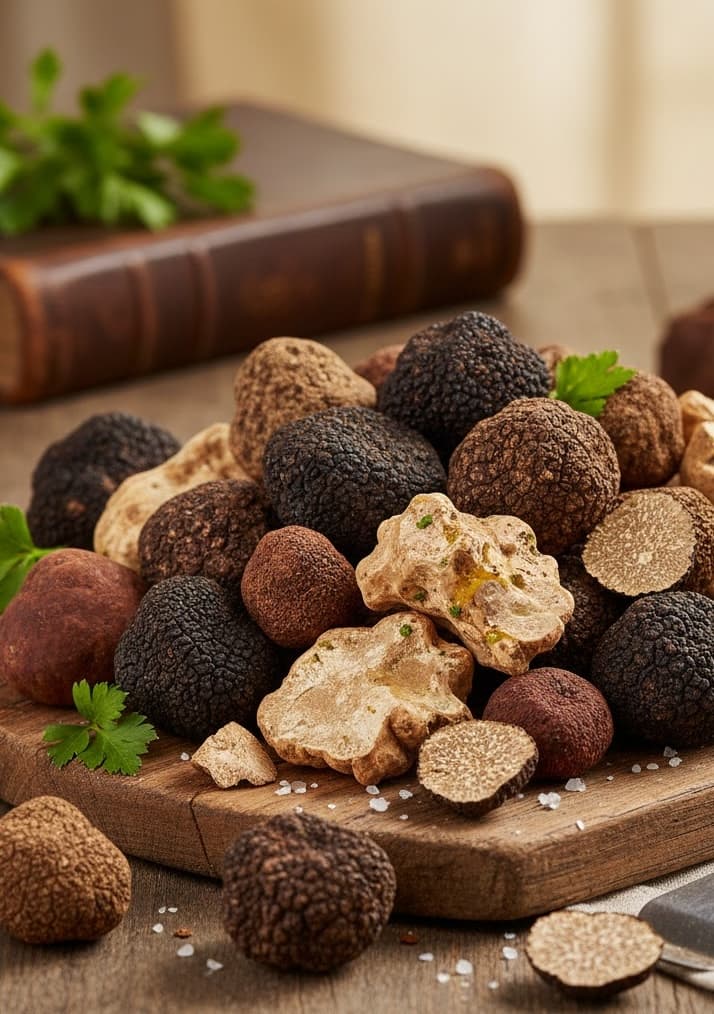
The truffle market is opening up in a quieter, more controlled way. Buyers and retailers aren’t just waiting for demand spikes anymore, they’re guiding it. New regions are stepping in, more product types are showing up, and planning cycles feel a bit easier than they used to. The category keeps its premium edge, but it’s becoming more approachable.
Where the Growth Lies
Growth is appearing in places that didn’t play a big role before, especially APAC and the Middle East. At the same time, truffles are now part of snacks, condiments, and even a few beauty items. Grand View Research expects the market to cross USD 1 billion in the coming years. For wholesalers, that means more room to test formats without taking huge risks.
Risk-Mitigation and Supply Chain Resilience
Seasonal swings make truffle sourcing unpredictable, so keeping the supply chain tight matters. Buyers who check origin, farming methods, and basic storage steps usually avoid the bigger problems. Even a quick look at cold-chain handling or traceability helps. Working with suppliers who stay consistent and transparent keeps things easier on everyone.
Strategic Moves for Retailers and Wholesalers
Offering fresh truffles alone can feel limiting, so many buyers are expanding their lineup with easier, ready-to-use options. Oils, spreads, and snacks give retailers more ways to introduce the ingredient without depending on peak harvest periods. Seasonal boxes and small curated sets also draw attention. And as more shoppers browse online first, retailers who connect their digital shelves with in-store displays often see stronger, steadier movement.
Top-Rated Truffles Suppliers on Torg
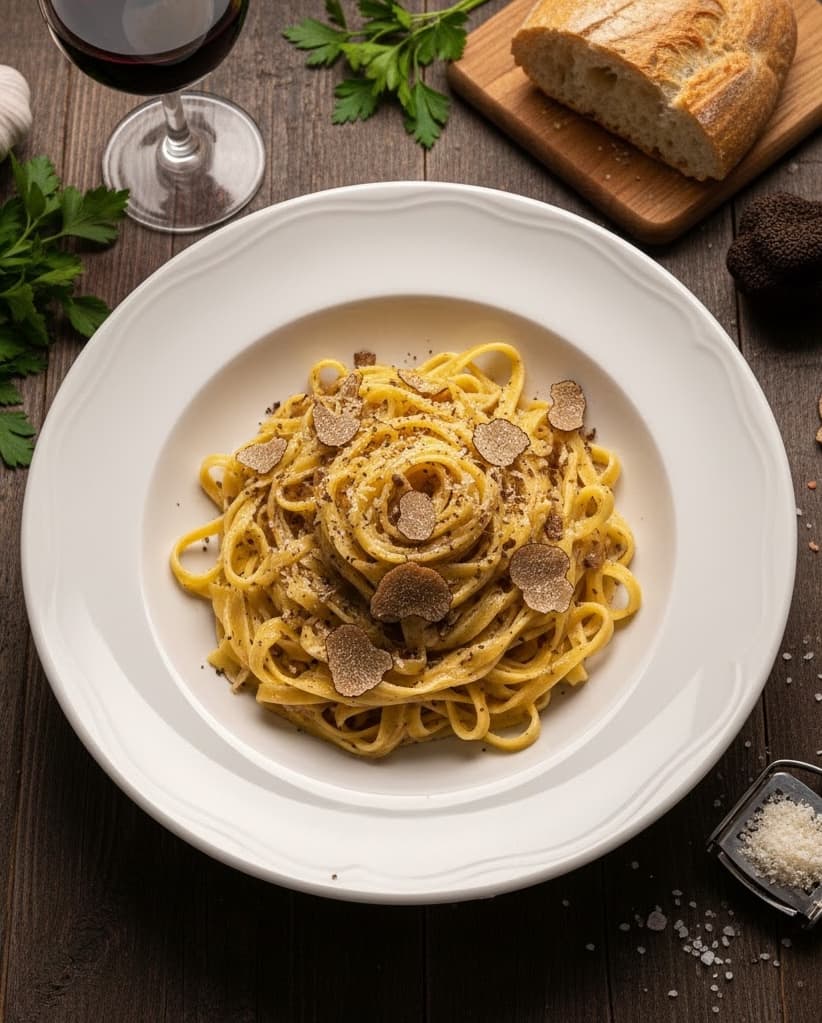
LA FAVORITA LIVE S.R.L. – Italy
La Favorita brings a “real kitchen” feel to its truffle products, using simple ingredients that taste honest and familiar. Their range covers pesto, sauces, truffle creams, antipasti, and fresh pasta—basically the whole lineup you’d expect from a well-rooted Italian producer. Everything is crafted to keep flavors clean, making it easy for retailers to offer something warm and memorable.
DAVA TRUFFLES – USA
Dava Truffles focuses on quality you can actually taste. They source fresh black and white truffles straight from trusted European regions and pair them with oils and salts that feel thoughtful, not overdone. Their products work for chefs who want reliable flavor and for retailers looking for premium items that don’t need long explanations. It’s straightforward, consistent, and evidently high-quality.
BARIGELLI TRUFFLES – United Kingdom
Barigelli stands out by focusing on reliable flavour rather than fancy positioning. They bring Acqualagna truffles into the UK market in forms that fit real kitchens—whole truffles, spreads, oils, and ready-made sauces. The products feel polished but not complicated, giving retailers something premium that still works for quick recipes and everyday upscale meals.
Conclusion
Truffles are no longer treated as something distant or unreachable. They’re becoming part of regular sourcing conversations, which says a lot about how the market has matured. Buyers now have more dependable options, from fresh supply to processed products that travel well and sell steadily. Truffles continue to sit in the premium space, but the category feels more stable than before. For buyers and distributors, this creates a useful opening to reassess what they stock and how they source it. A clearer market means fewer surprises and more room to plan. If you refine your partner list and tighten your assortment now, you can ride the growth instead of chasing it later.
Request a Bulk Order Quote
Simple ordering, transparent pricing, delivered straight to your door