



The 2026 Superfood Surge: What’s Powering Up the Market
Discover the forces shaping the 2026 superfoods market, from clean-label demand to new formats, global sourcing shifts, and opportunities across key regions.
200+ buyers trust Torg for sourcing







Superfoods are getting appreciated more every year. You can also see it in product launches, ingredient lists, and the way retailers treat them as core items rather than nice add-ons. People reach for them because they want simple, functional benefits, and the industry follows that pull. For companies choosing what to stock or scale, the category’s growth raises practical questions: which formats rotate fastest, why certain ingredients trend in cycles, and how sourcing shifts when crops depend so heavily on climate and processing capacity. This article unpacks those shifts and the opportunities forming around them.
A Broader View of the Market
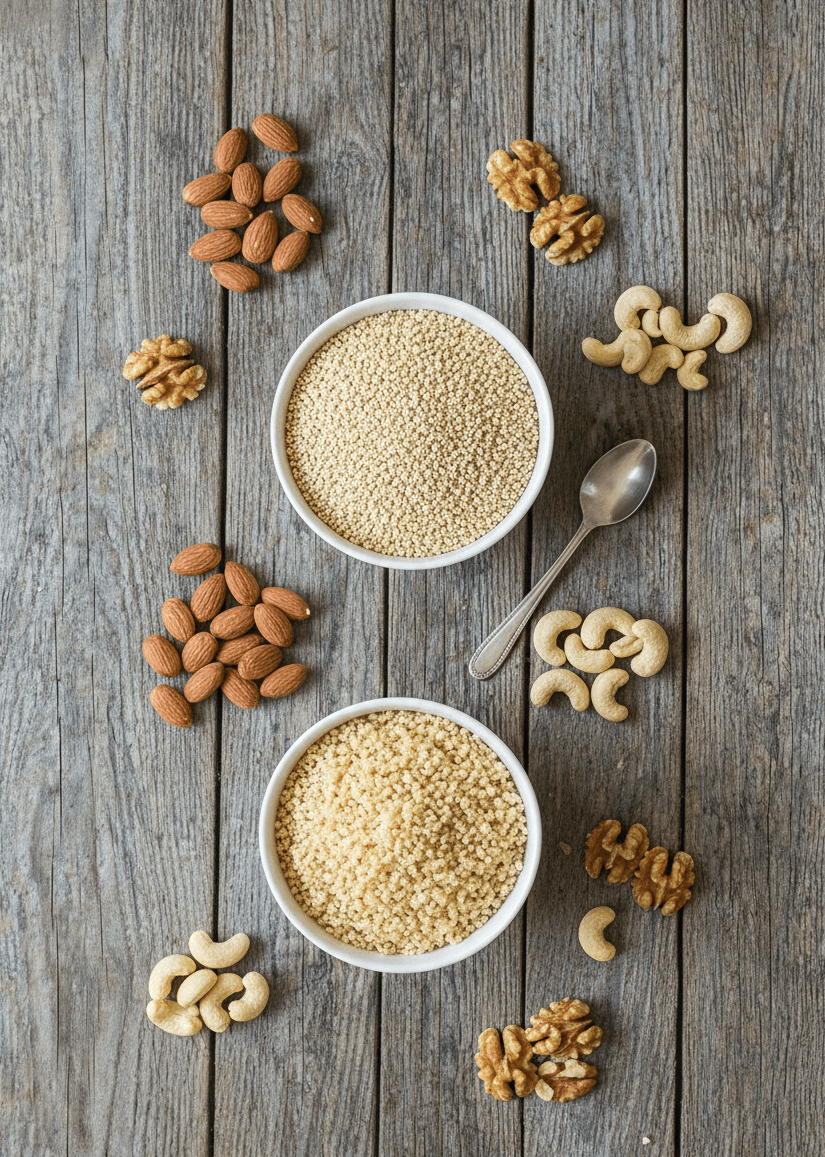
Superfoods are moving from trend to routine, and the numbers track that shift. The market stood at USD 13.04 billion in 2025, can step up to USD 14.1 billion in 2026, and is expected to reach USD 20.83 billion by 2031, growing at an 8.14% CAGR.
What changed? People think ahead now. Food is no longer just fuel; it is part of prevention, balance, and long-term wellbeing. Ingredients once labeled “functional” are showing up in everyday meals, snacks, and drinks. It feels normal. Shoppers look for nutrient-dense options without reworking their habits, and brands respond by folding superfoods into familiar formats. “If it fits my day, why not?” That mindset keeps demand steady, practical, and quietly expanding across categories.
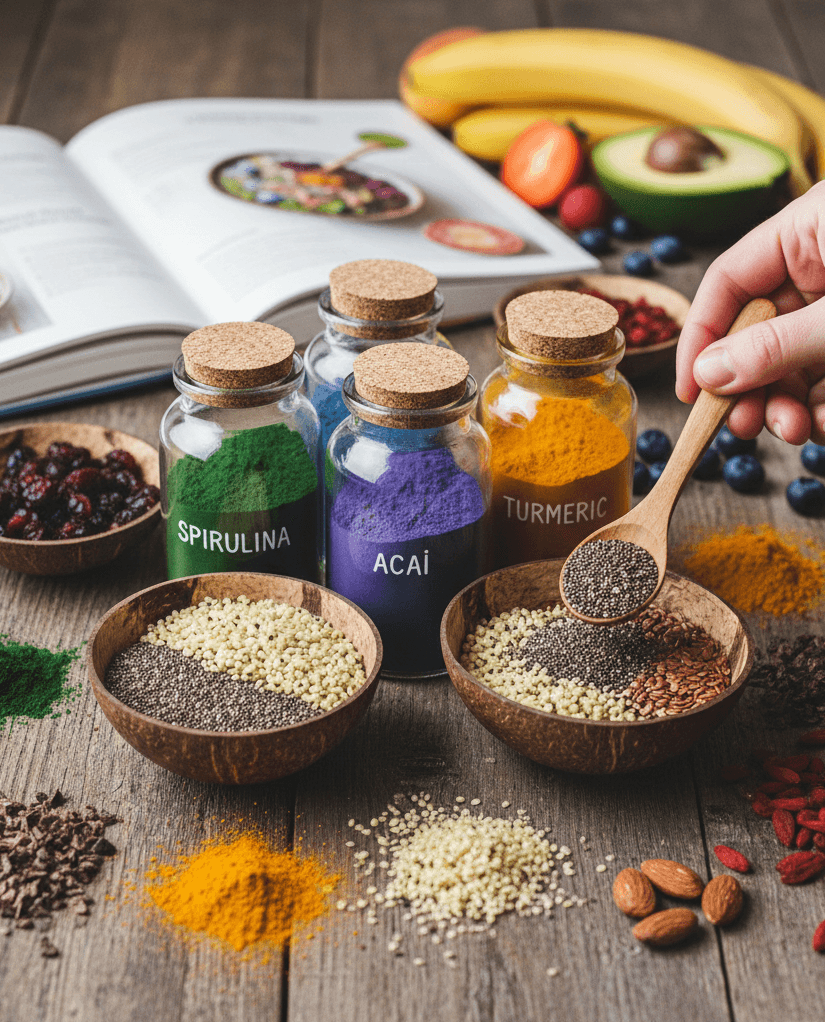
Also, the key point now feels pretty clear: ingredients like spirulina, maca, moringa, chia, and matcha have moved into the main recipe list. You’ll find them driving drinks, bars, frozen blends, RTM powders, and even newer dairy-alternative mixes. Once an ingredient becomes a “starting point,” demand tends to even out across industries instead of relying on seasonal spikes.
Market Segmentation
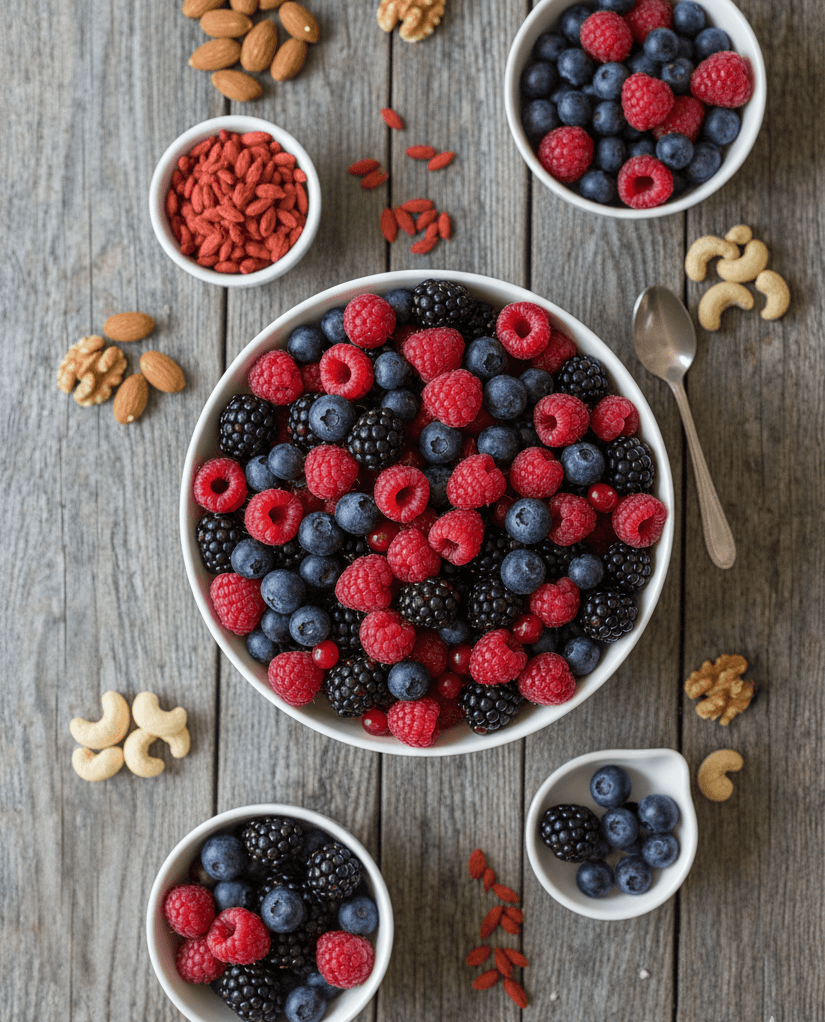
Breaking the superfoods market into clear parts helps teams decide what fits their lineup and what needs a second look.
By ingredient type
- spirulina
- chlorella
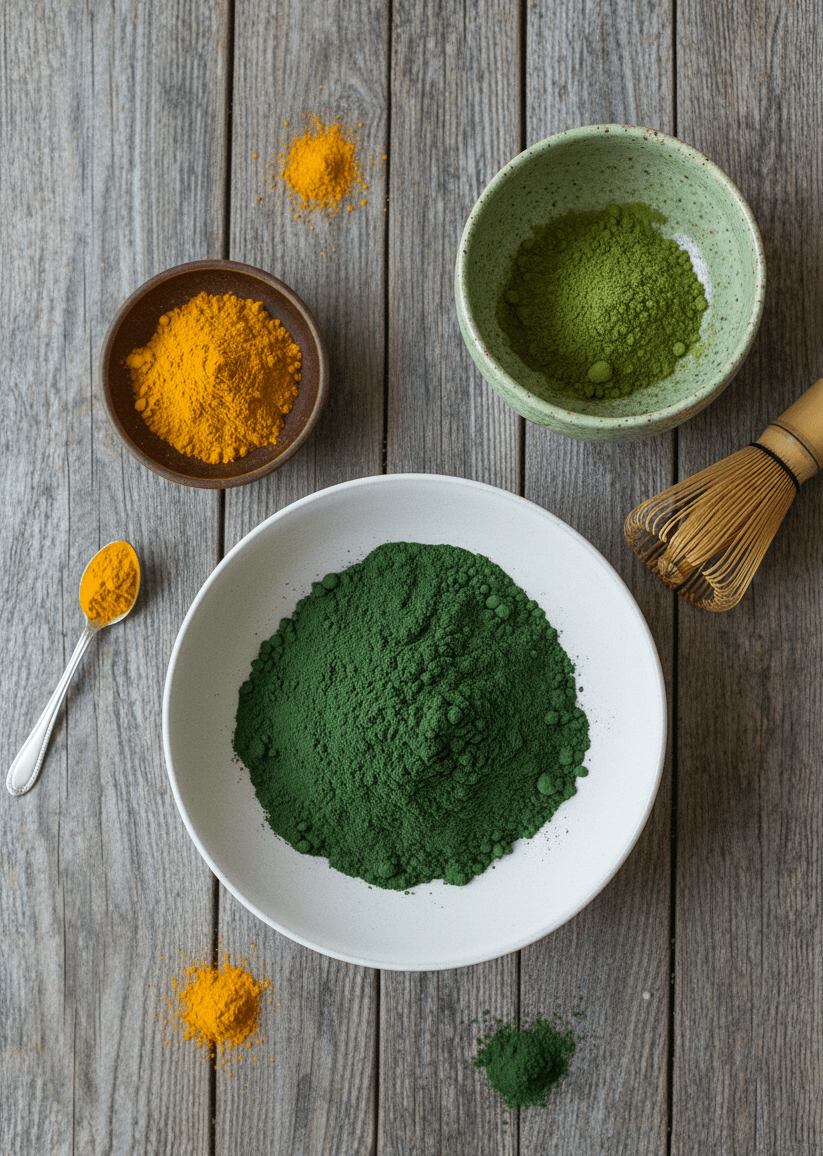
- matcha
- turmeric
- beetroot powder
- maca
- moringa
- acai
- goji berries
- chia
- hemp
- quinoa
- wheatgrass
- newer “all-in-one” blends that keep showing up in launches
By format
- powdered mixes
- whole seeds
- frozen fruit purées
- capsules
- concentrates
- liquid shots
- bars
- ready-to-drink functional beverages.
By application
- sports nutrition
- beverages
- frozen or chilled formats
- snacks
- dairy-alternative bases and supplement systems
By distribution channel
- supermarkets
- specialty health stores
- online platforms
- pharmacy chains
- foodservice
Powders still move fast because they’re easy to store, ship and use in formulations. But functional beverages pull more shopper attention right now. Brands pair superfoods with probiotics, lighter sweetening, and adaptogens, creating drinks that feel convenient and purposeful. Many buyers end up splitting focus—powders for reliable turnover, beverages for visibility and shelf momentum.
Regional Insights
North America
North America moves through superfoods at a steady pace. Chia, turmeric, matcha, acai, and blended powders keep moving because they’ve become pantry regulars rather than niche picks. Import streams stay stable too like quinoa from Peru and Bolivia, acai from Brazil, or turmeric from India. This gives the market a predictable base to work from. Retailers prioritise clean ingredient lists, while private-label ranges grow quietly but consistently.
Europe
Europe buys with precision. Germany, the UK, France and the Netherlands pull in most of Europe’s matcha, hemp, chia, wheatgrass, and goji. Functional drinks keep carving out space, especially calming and immunity-led blends. With strict EU rules, suppliers who present clean documentation and clear traceability usually move through approvals faster than everyone else.
Asia-Pacific
APAC plays both sides: major producer and fast-growing consumer. India leads turmeric and moringa; China supplies spirulina and goji; Japan anchors premium matcha; South Korea shapes clean-label beverage trends. The region still imports acai, quinoa, and chia as brands test hybrid mixes. Growth clusters around convenience drinks, powdered blends, and beauty-nutrition crossovers.
Latin America
Latin America anchors core crops. Brazil’s acai ecosystem spans pulp, purées, powders and extracts, offering broad sourcing flexibility. Peru keeps its footing in maca, lucuma, and quinoa, though climate and logistics shift export volumes year to year. Regional demand rises slowly but steadily, supported by wellness snacks and natural personal-care lines.
Middle East & Africa
Adoption is earlier here but rising. South Africa and Kenya expand spirulina and moringa production with more structured processing. Gulf markets import powdered blends and RTD functional drinks, helped by tourism and wellness-led hospitality. Hot climates push hydration-friendly formulas—aloe mixes, antioxidant drinks, and clean-label blends gain early traction as buyers look for formats that stay stable in transit.
Supply Chain and Trade Flows
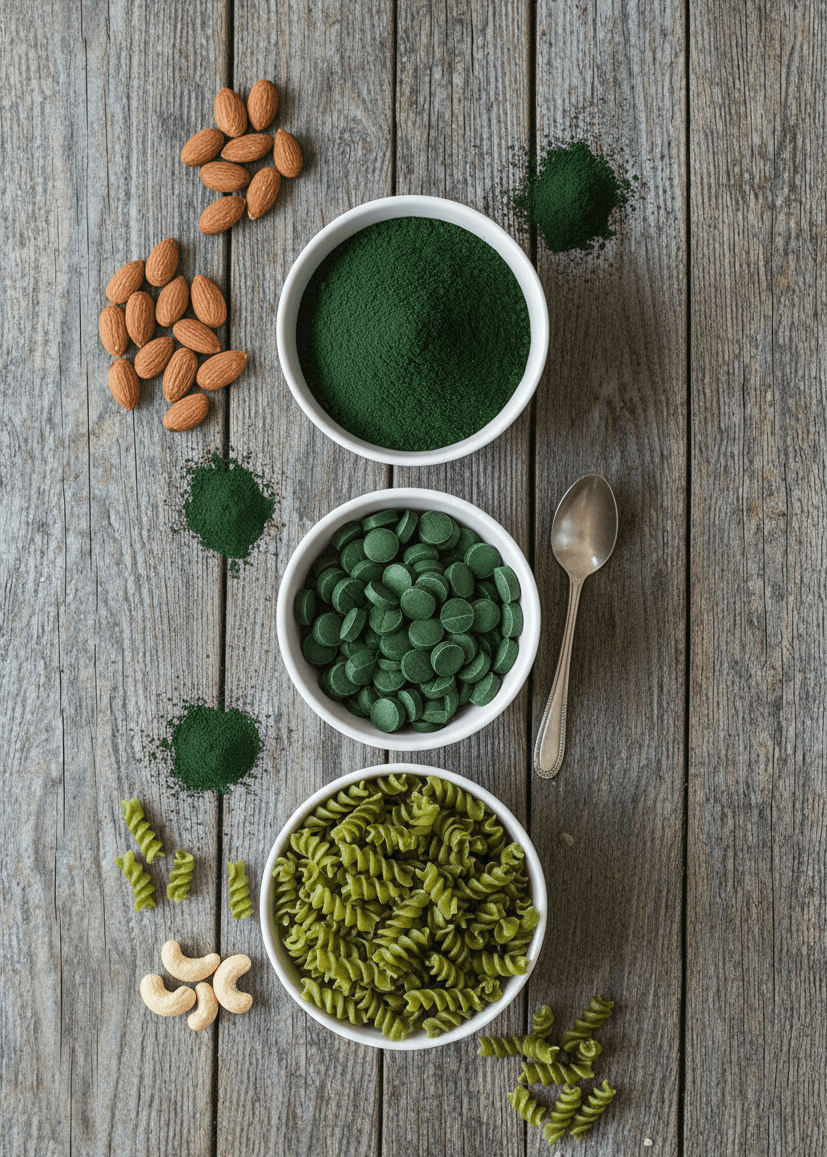
- Everyday eating is doing the heavy lifting. Instead of one-off health kicks, superfoods are slipping into regular meals, so demand builds quietly as people look for nutrition that fits without changing habits.
- Trade lanes stay predictable, not wide open. A handful of producing countries still anchor global supply, while the U.S., the EU, and China pull most volumes, which keeps routes busy and pricing steady rather than volatile.
- Value shows up in purchasing behavior. Steady pricing for quinoa, chia, and açaí suggests buyers accept higher tickets when the ingredient feels worth it, giving suppliers confidence to push premium formats across retail and foodservice.
- Formats are multiplying faster than expected. Once limited to simple uses, ingredients like chia now show up in bars, drinks, and baked items, which nudges buyers to plan inventory with more flexibility and revisit supplier terms as applications expand.
- Growth looks uneven by region. North America still leads on volume, yet faster uptake across Asia-Pacific and Europe reshapes where suppliers focus sales, distribution, and promotion.
- Online channels change the rhythm. Digital sales shorten feedback loops, speed up launches, and influence restocking decisions, making 2026 planning more responsive and less seasonal.
Why Buyers Are Leaning Toward Superfoods
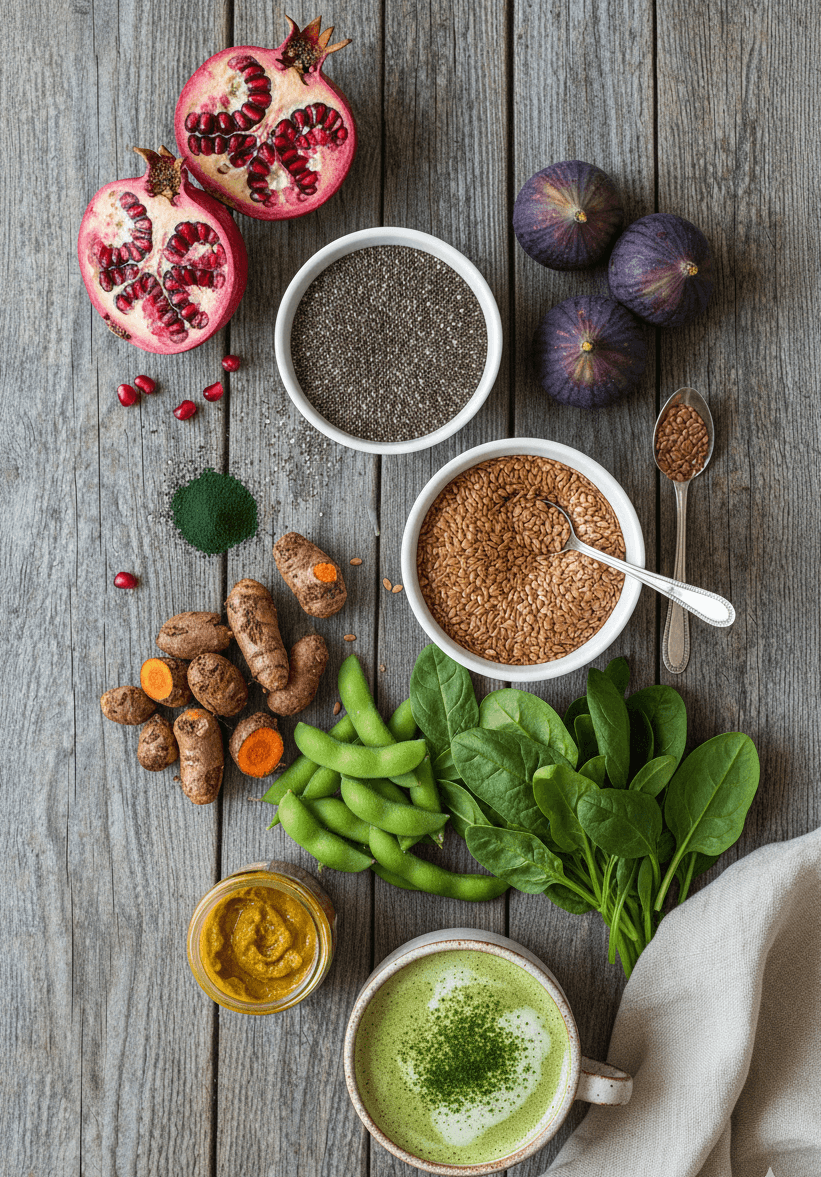
Superfoods stay on the rise because they slide easily into everyday habits and feel reliable to most shoppers. Retailers notice the steady pull, distributors see quick turns, and suppliers keep stepping in to match the pace.
Clean-Label & Transparent Sourcing
Clean-label preferences are shaping purchase decisions in a steady way. Shoppers gravitate toward simple ingredient names such as “organic matcha” or “freeze-dried acai,” where there’s nothing to decode. Retailers respond by requesting clearer origin details, updated COAs and straightforward organic verification. When suppliers present neat paperwork and consistent specs, approvals happen faster and products settle into predictable shelf movement without lengthy review cycles.
Superfoods in Functional Beverages
Functional drinks keep growing because they slip easily into routine. Spirulina, turmeric, wheatgrass, matcha, and ginger show up in blends for focus, calm, or hydration, and people understand them instantly. The category moves fast because the choices feel straightforward and worth repeating.
Snacking & On-the-Go Formats
On-the-go formats work well in markets where simplicity wins. Bars, granola bites, squeezable fruit blends and single-serve sachets offer quick choices for busy routines. People don’t need instructions—they just grab what feels comfortable. These SKUs move consistently because they meet practical needs without extra steps. Retailers appreciate the steady throughput, and suppliers notice how convenience shapes category performance across multiple channels.
Featured wholesale products

Oat Bar Apple w. choc. coating underneath 45g
€0.54

Oat Bar Apricot w. choc. coating underneath 45g
€0.54

Cranberry nut bar 40g
€0.83

Organic bar with black sesame, almond and honey 6x34g 6x 34g
€1.43
Premiumisation
Premium superfoods attract shoppers who pay attention to detail. Ceremonial matcha, single-farm turmeric, wild acai, and heirloom cacao offer signals of care that people recognise quickly. Retailers use these SKUs to lift margins, while suppliers lean on traceability and steady grading to stay competitive. The segment moves predictably and keeps a loyal base.
Featured wholesale products

Matcha Ceremonial Grade (Yame, Japan) 1kg
€200.00

Matcha Ceremonial Grade (China) 1kg
€100.00

Matcha Culinary Grade Organic (Kyoto, Japan) 20kg
€525.00

Superfoods in Beauty & Personal Care
Superfoods keep slipping into beauty shelves because they feel recognisable. Aloe, spirulina, turmeric, matcha and acai show up in serums, masks, and cleansers with claims people already understand. The link between nutrition and skincare grows steadily, giving retailers space to try new lines without long explanations or complicated positioning.
What Comes Next for the Superfoods Market
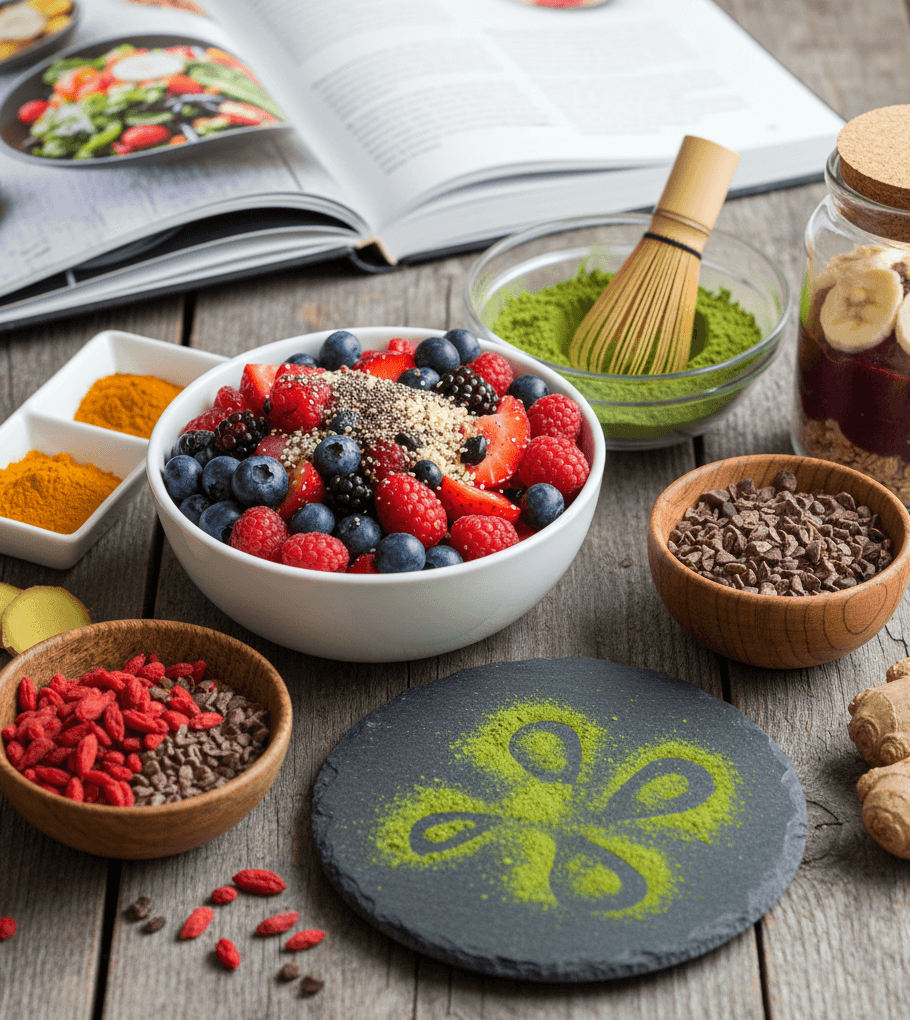
The category is still moving, and the next few years look busy. New regions come online, formats mature, and sourcing expectations rise. Buyers who plan ahead often secure better margins and steadier rotation.
Emerging Markets
Demand grows across Southeast Asia, the Middle East, and pockets of Africa as functional drinks and clean-label supplements slot into daily routines. Retail shelves expand quickly once distribution stabilises. Buyers exploring these regions often notice how early-stage demand creates room for simple, well-positioned SKUs.
Private-Label Ranges
Retailers build exclusive blends—energy mixes, greens powders, detox formats—because they capture margin and control flavour profiles. Suppliers offering flexible pack sizes or co-development support tend to win faster. Private-label growth also rewards consistent specs, clean certificates, and predictable monthly output, which keeps store programs from stalling.
Premium Single-Origin Products
Matcha from defined regions, single-farm turmeric, wild acai, and heirloom cacao draw shoppers who want a clearer story behind the ingredient. These SKUs sit well in curated sections and give retailers dependable margins. Sourcing teams look closely at traceability, moisture levels, and colour consistency to keep quality messaging intact.
Cross-Category Expansion
Superfoods now move across more aisles—beverages, snacks, supplements, even beauty. This crossover helps distributors rationalise SKUs and stretch the same ingredient into multiple applications. Brands seek powders and extracts that behave predictably during formulation. When an ingredient performs well in several formats, it becomes easier to scale without major reformulation costs.
E-Commerce Expansion
Online subscriptions push demand for smoothie boosters, detox kits and functional shots. These formats ship easily, store well and keep customers in a monthly loop. Lightweight powders reduce shipping cost and limit breakage. Brands that offer simple instructions and steady flavours retain subscribers longer, giving distributors clearer volume forecasts.
Sustainability-Marketed SKUs
Products backed by regenerative farming, fair-trade systems or low-carbon packaging find faster acceptance in regulated markets. Retailers use these claims to meet environmental targets and justify premium tiers. Suppliers sharing farm data, water-use metrics or batch-level documentation often secure earlier listings. Consistency matters: sustainability claims must match lab tests and procurement audits.
Top-Rated Superfoods Suppliers on Torg
HASKAPA – United Kingdom
Haskapa centres its offer on the Haskap berry, supplying powders and ready-to-drink shots with a strong antioxidant profile. Their processing approach keeps colour, flavour, and potency consistent, which makes the range easy to integrate into functional beverages or wellness assortments. Buyers value the straightforward specs and dependable format options that fit neatly into high-rotation categories.
THE GREEN LABS – USA
The Green Labs brings together a wide selection of superfoods, extracts, and specialty ingredients sourced through established global growers. Their strength lies in technical consistency, sustainability documentation, and flexible supply programs that suit both small R&D runs and large commercial orders. Teams working across beverages, supplements, or beauty formulations use them for reliable grades and clear testing data.
IMPACT FOODS INTERNATIONAL – United Kingdom
Impact Foods takes a practical, ingredient-first approach. They supply a wide mix of organic superfoods—from powders and plant proteins to oils, seeds, and natural sweeteners—designed for teams that want reliable inputs without complicated onboarding. Their consistency in grading and documentation makes it easier for brands to scale everyday SKUs, whether they’re building blends, bars, or functional drink bases.
Conclusion
The superfoods category keeps moving because people trust these ingredients and know how to work them into daily habits. What can change in 2026 is the scale and the strategy behind it. Brands want cleaner labels, retailers look for dependable rotation, and sourcing teams need suppliers who can hold quality steady across formats. It’s a market shaped by farming conditions, processing capacity, and clear documentation, not hype. If anything, the next wave will reward those who plan early—diversifying supply bases, testing new formats, and choosing partners who offer traceability without making the process complicated.
Request a Bulk Order Quote
Simple ordering, transparent pricing, delivered straight to your door