



Oat-Based Snacks: A Rising Market in the Snacks Category
Explore the booming oat-based snacks market. Learn about the growth, segmentation, consumer trends, supply-chain dynamics, and the best supplier options.
200+ buyers trust Torg for sourcing







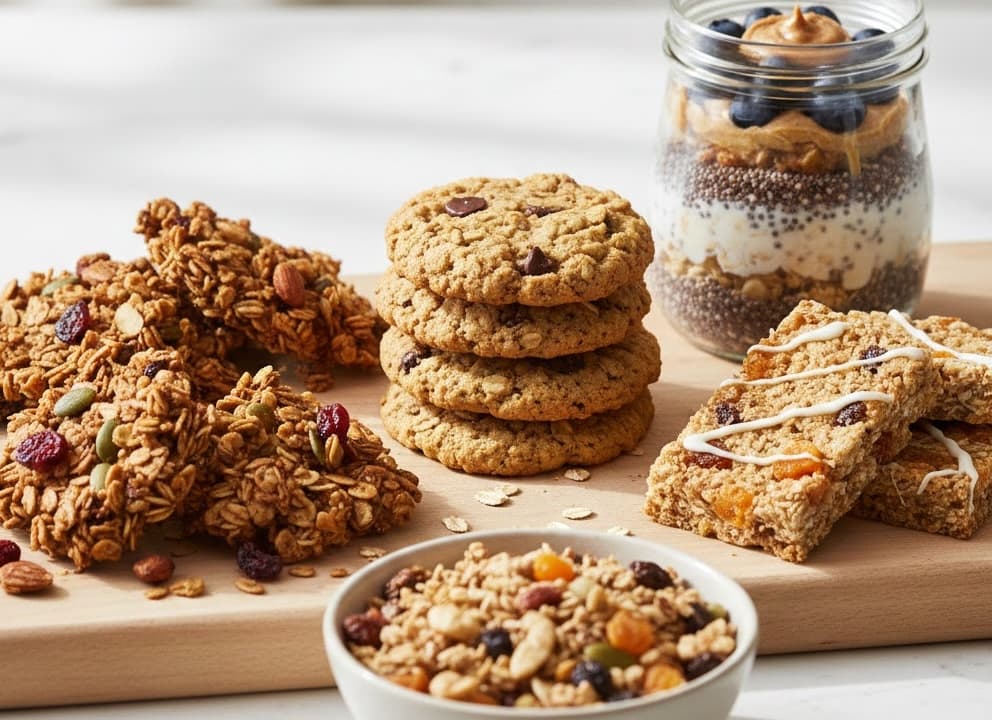
Oats have quietly grown beyond their breakfast roots. They’re now a steady part of the snack world, showing up in more products each year. For those who trade or supply them, this change feels real and not just another food trend that fades away. The category of oat-based snacks is developing, with stable growth, scalable supply, and space to innovate in both B2B and private-label segments. What was once a niche wellness product is now a mass product with consistent turnover and export potential. The actual question for business players isn't whether oats will remain but how to position your company to scale with the category before margins deteriorate.
Global Trade Pulse: Overview of the Oat-Based Snack Market
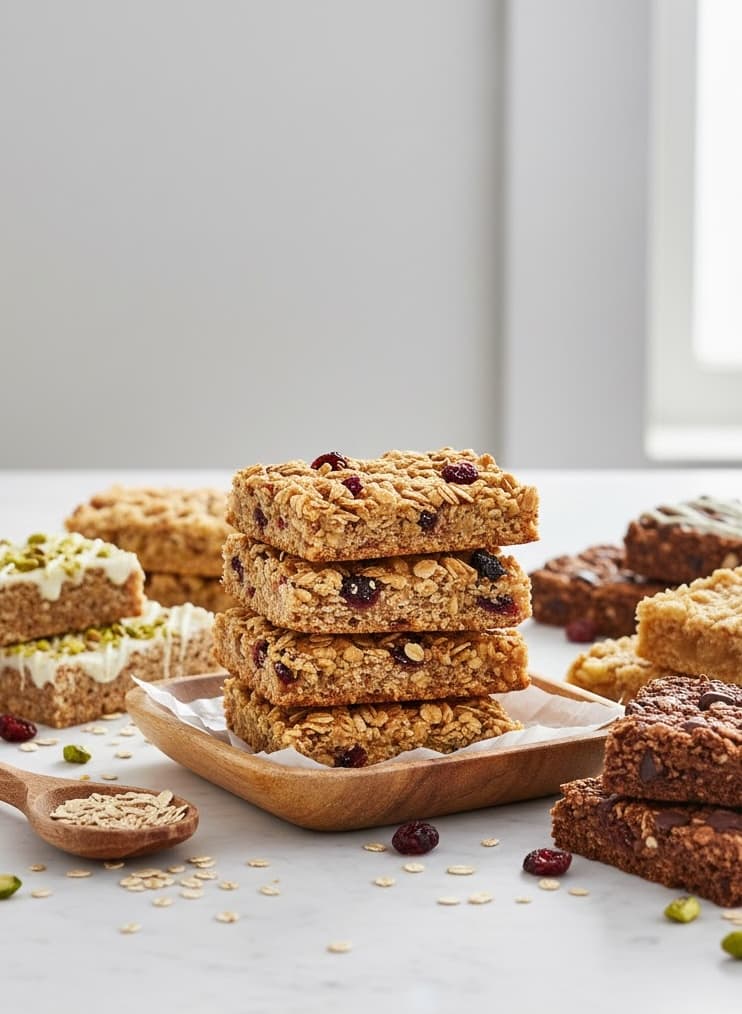
Oat-based snacks are settling into a longer growth cycle rather than a quick surge. The category is valued at about USD 24.9 billion in 2025. It’s also expected to go up to roughly USD 26.4 billion in 2026 as demand builds at a steady pace. Over time, that momentum compounds, putting the market on track to approach USD 45.0 billion by 2035, supported by a 6.1% annual growth rate driven by everyday snacking habits and broader acceptance of oats as a base ingredient.
Market Segmentation: Where the Action Really Happens
If you dissect the category, several things become apparent.
Naturally, the traditional segment still rules. Traditional supply chains are less complicated to organize, pricing is more certain, and consumer recognition maintains demand levels high. Organic is expanding, yes, but the switching cost on both sides (retail and supply) remains one that most companies are unwilling to bear.
By category, oat-based snack and bakery bars are the actual heavyweights. According to Grand View Research, this category alone accounted for approximately 71.7% of the overall market share in the previous year. Makes sense, baked foods and bars can be easily scaled and easier to stock.
By form, bars clearly win. Market.us says snack bars are leading because they’re portable and lend themselves well to impulse buying. Retailers know that shelf visibility plays a huge role here.
By channel of distribution, old retail is still king. The big retailers like Hypermarkets and supermarkets are still in the driving seat, but convenience stores and online shopping are rapidly closing the gap. The pandemic years made several brands rethink their entire sales strategy, and it's safe to say that's still a major focus for them today.
Regional Dynamics: Who’s Producing, Who’s Buying
Zoom out on the map, and the trade map gets fascinating.
On the export side, the largest players are steady. Canada is the largest oat exporter, with approximately 3.36 million metric tons of oats production in 2024/2025 alone. Australia and Finland closely follow. Russia, Poland, and Australia are among the leading oat-producing countries worldwide.
On the demand side, things are gradually but necessarily changing. Europe dominates more than 30% of the world's oat-based snacks. North America comes in second. But the interesting fact is that the Asia-Pacific region demonstrates the highest growth curve due to growing middle classes and an increased interest in health-driven convenience snacks.
Now, if you are a supplier, you may need to initiate talks in Asia already, before competition is fully saturated.
Supply Chain and Trade Insights
This section is most important for buyers and distributors who are down in the logistics and sourcing trenches.
Raw oats supply remains relatively concentrated. IndexBox points out that Canada alone accounts for approximately 41% of the world's oat export value. That degree of concentration creates a touch of supply risk. A bad harvest or policy shift in one nation might ripple throughout worldwide availability.
Processing and manufacturing come on top of this. To become snack-ready, oats need to be processed in a modern plant with controlled moisture processing, backed by R&D that knows taste and texture. That's not something all regions have yet. Emerging production in Asia and Eastern Europe are getting there, though. For private-label buyers and manufacturers, it's worth inquiring as to who has scalable capacity before ordering in large quantities.
Distribution models are shifting as well. Supermarkets remain in the lead, but online sales are not an afterthought anymore. The omni-channel distribution shift is evident. Retailers are combining traditional shelf presence with e-commerce visibility. Oat-based snacks travel well. They're light, compact, and rugged. But shelf life and packaging norms can still differ significantly.
Ingredient costs have been unpredictable lately. Grain prices respond fast to climate and trade shifts. If you’re managing B2B contracts, hedging and multi-supplier strategies are worth considering. Suppliers that lock in longer-term pricing might have an advantage when volatility hits.
And then there's sustainability and traceability. Customers these days expect confirmed sourcing information. Retailers want it too, particularly for their high-end shelves. Brands that can verify their oats are traceable (perhaps organic or low-carbon score) can command higher margins. The demand for "clean label" hasn't waned; it just became more nuanced.
Consumer Behaviour and Key Trends Driving Growth
Understanding the "why" of oat-based snack demand enables buyers and suppliers to plan better. The following are the top behaviors quietly propelling this category forward.
Health & Functional Nutrition
Health is the new mainstream. People now expect their snacks to actually be doing them some good. Oats are basically the powerhouse, jam-packed with fiber & beta-glucan. As a result, they're basically a heart-healthy option and they'll keep you feeling full for longer. And it seems they really are seen as a true, clean and wholesome option. In an age fed up with processed hype, that authenticity truly has significant value.
Convenience and On-the-Go Formats
Life is moving quickly, and snacks are catching up. Oat-based bites and bars appear in backpacks, glove boxes, even the gym locker room. Brands continue to re-engineer these snacks with protein and fiber for added purpose. Retailers simply need to get placement and package size correct, essentially, make it easy to grab, consume, and repeat.
Plant-Based, Gluten-Friendly & Sustainability Mindset
In some way, oats were able to fulfill all contemporary food demands simultaneously. They're vegan, flexible for gluten-free diets, and fit with the increasing sustainability drive. Plenty of brands are employing recyclable packaging or sustainably sourced oats to be successful eco-friendly shoppers. From a supply chain perspective, that's pure gold, an easy-to-work-with ingredient with wide appeal and rich storytelling potential.
Recent Developments and Innovations
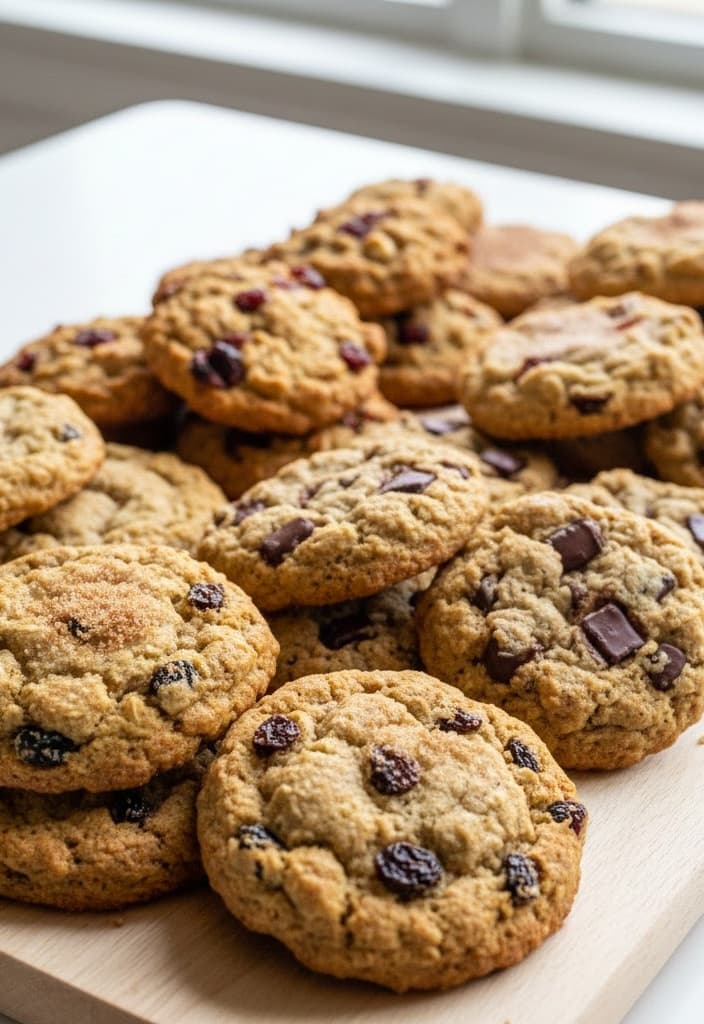
Today’s market for oat-based snacks is solid. The speed is fast, yes, but there's organization now. Businesses are finding out what succeeds and what fails. Some are perfecting formulas, others are simplifying manufacture. Everyone is getting used to wiser trading habits and changing demand. Here's actually making things happen now.
Innovation in Functional Snacks
There is a definite shift occurring. Consumers no longer desire snacks that simply provide a brief kick. Brands are combining oats with protein, prebiotics, and less sugar to address wellness objectives without compromise of flavor. Across Europe, “gut-friendly” oat bars are gaining traction, and Innova Market Insights confirms steady growth in the past year which is also a sign of lasting demand for the years to come.
New Formats and Hybrid Applications
Oats are materializing in new, unanticipated ways of late. There are oat crisps, baked clusters, savory bites, even oat truffles infused with fruit powder combinations. Brands now combine oats with seeds and pulses for improved texture and nutrition. The strategy has a natural feel to it. It's all about integrating oats into day-to-day snacking occasions rather than breakfast or protein bar niches.
Sustainable Sourcing and Cleaner Branding
Consumers and buyers want to know more about sourcing. Sustainability in 2026 is not a marketing narrative; it’s a standard. Businesses are moving to regenerative agriculture and paper or biodegradable packaging. The “clean label” movement has matured. Now it’s not about short labels but about trust. Consumers care about where their oats come from and how they are treated.
Regional Manufacturing and Strategic Scaling
Production is coming nearer to the consumer. Numerous European and Asia-Pacific producers are putting money in local oat-processing plants in order to reduce logistics expenses and enhance reliability. Brands are now controlling everything (from packaging to milling) in order to stabilize prices and quality. For distributors, such a shift means more concise lead times and fewer supply hiccups. It ain't glamorous, it's utilitarian, and that's why it works.
Retail Channel and Digital Innovation
Retail has become flexible. Direct to consumer platforms, subscription snack boxes, and online bundles are changing the way oat snacks move. Younger consumers find new products through limited online drops and social media posts. It’s faster, cheaper, and more trackable. Brands are using retail as an open conversation, not a one off launch.
If you’re in buying, distribution, or private-label supply, the signal is clear: the oat snack category rewards those who stay adaptive. The products might be simple, but the market isn’t. In 2026, winning means aligning innovation, sourcing, and story, because the shelf may be crowded, but good positioning still speaks volumes.
Opportunities and Future Outlook
In the future, the snack space of oats is moving quietly beyond its boundaries. Early readers of the signs among buyers, wholesalers, and retailers can get ahead of the pack. Here are the main areas where innovation and growth have space to move.
Premiumisation
Shoppers don't merely crave snacks. They crave snacks that are worth paying more for. High-fiber, clean-label, or protein-fortified oat products are reserving premium shelf space. Essentially, oats now sport a "health halo" that allows brands to charge more intelligently. The catch? Finding the balance of natural appeal and taste so the product remains not-so-special-occasion-only.
Private-Label Potential
Retailers are quietly establishing their own oat-based lines because the economics work. Supply is predictable, production cost is under control, and demand ain't going nowhere. A thoughtful private-label line provides pricing, packaging, and distribution control. It's really a low-risk play that converts shelf visibility to brand presence and that's potent in this category.
Emerging Markets
Future Market Insights has noted that Asia-Pacific is gaining strength. Rising incomes and lifestyles are driving healthier snacking, especially in urban markets. Regional co-manufacturing can save logistic costs and increase freshness. For international suppliers, establishing early collaborations in these markets may translate into long-term supremacy when competition becomes fiercer.
New Consumption Occasions
Oat snacks no longer fill only the mid-day gap. They're now serving as breakfast substitutes, gym pre-workouts, or even savory workplace snacks. In some way, oats have succeeded in breaching meal lines without diminishing their popularity. The line between "snack" and "meal" is blurring, and that's where the stores can become innovative with portioning, taste, and packaging experiments.
Supply Chain Optimisation
Supply chains are becoming smarter, not longer. There is diversification of oat origins, construction of local processing capacity, and investment in predictive logistics. Handling volatility is most important, given that the prices of grains change quickly. The companies that commit to stable suppliers and consistent quality will have improved margins and less last-minute disruption.
Packaging and Retail Execution
Shelf presence remains important. Resealable packs, portioning, and bold but clean branding all contribute to making oat-based snacks distinctive. Retailers are also experimenting with digital-first store displays and subscription packs. Essentially, packaging has become an implicit part of narrative, it reveals whether a brand gets health and convenience without going too far.
Risk Factors to Watch
The largest threats aren't sensationalized, but they're legitimate. Grain price fluctuations, more stringent health labeling, and an onslaught of "healthy" competitors can put pressure on margins. Consumers are also finicky, they desire clean, but will not sacrifice taste or texture. Remaining flexible, buying cleverly, and preserving quality will distinguish the stable players from the fleeting players.
Top Oat-Based Snack Suppliers on Torg
1. Nairn's Oatcakes Limited – Edinburgh, United Kingdom
Nairn's makes things straightforward with natural oats, simple recipes, and a commitment to everyday nutrition. Their oatcakes, biscuits, and snack bars are designed for real-life eating, not fads. With gluten-free varieties and high-fiber levels, they've built trust through reliability. It's the type of brand that shows healthy food can indeed be easy, familiar, and really satisfying.
2. Nat Cereais e Alimentos Ltda – Brazil
Naturale wakes up oats in a manner that is practical but invigorating. Their granolas, protein bars, and oat treats emphasize daily health over spectacular promises. What's remarkable is the way they combine local flavor with functionality. Essentially, they have established a strong reputation by keeping nutrition straightforward and incorporating oats into daily lives.
3. Poggio del Farro SRL – Italy
Poggio del Farro combines tradition and contemporary need. Their spelt- and oat-based offerings are based on sustainable agriculture and Italian artisanship. From cereals to snacks, every product seems considered and genuine. They don't make it complicated, they simply stick to quality grains, clean processes, and genuine taste that resonates with both retail shelves and private-label customers.
Wrapping Up
The oat snack market isn't just in its moment. It's finding its own groove. It's founded on routines, not fleeting trends. Humans believe in oats because they're basic, malleable, and straightforward. To consumers and retailers alike, that's gold. The intelligent ones aren't pursuing fleeting products; they're sticking to dependability, sourcing, and timing. Expansion today emanates from getting the fundamentals right with good ingredients, authentic branding, and consistent supply. The real edge here is staying consistent while everyone else looks for shortcuts. Somehow, oats have become the quiet backbone of the snack world, and if you’re in the trade, that’s the kind of stability worth betting on.
Request a Bulk Order Quote
Simple ordering, transparent pricing, delivered straight to your door