



Functional Foods Market: Rapid Expansion in Asia-Pacific
Explore the 2025 functional foods market, growth data, consumer behaviour, innovations, supply-chain insights, and sourcing strategies.
200+ buyers trust Torg for sourcing







The functional foods sector is no longer a niche side-lane of the food industry. It’s carving out the map for where nutrition meets market opportunity. For buyers, retailers, distributors and wholesalers, this means a deep look at how products that offer extra health benefits are shifting, how supply chains are evolving, and where value lies. In this article we’ll unpack the market size and segmentation, examine what consumers are doing, highlight innovations reshaping offer sets, point to the real sourcing and supply-chain implications, and close with how platforms like Torg can help you find the right functional foods supplier network.
Mapping the Functional Foods Landscape

The global functional foods market is in a strong growth phase. Future Market Insights projects the market at USD 246.5 billion in 2025, growing to USD 419.1 billion by 2035 at around 5.5% CAGR.
What this tells you as a buyer/distributor: the category has broad momentum, but projections vary because of different definitions of “functional foods” and regional mix assumptions. Many players view it as one of the major growth pillars of food and beverage for the coming decade.
Market segmentation
- From a product-point of view, the functional foods market segments down by ingredients (probiotics, prebiotics, vitamins, minerals, carotenoids, dietary fibres) and application (dairy, bakery & cereals, beverages, meat/seafood/eggs, oils/fats, soy products).
- For instance, in one projection the "prebiotics & probiotics" segment will be the largest, with ~28.6 % share in 2025.
- From a channel/region viewpoint, the balance between foodservice, retail grocery, e-commerce and ingredients to manufacturers is fragmenting.
Regional insights: Importers/exporters, countries, & supply-chain changes
Regionally, the momentum sits with Asia-Pacific first, then North America, and Europe close behind. In one dataset, Asia-Pacific holds around 39.5% of the market, while North America and Europe follow at roughly 32% and 30%.
Supply-chain and trade aspects:
- Most functional ingredient production comes from countries with strong research and manufacturing systems, like the U.S., Europe, and Japan. But production is also growing in the Asia-Pacific region as more suppliers enter the space.
- Many markets in Asia-Pacific use functional foods heavily, both from local producers and through imported packaged products.
- If you’re moving products across borders, pay attention to ingredient risks. Raw material sourcing can change, and regulations shift. On top of that, shipping and tracking ingredients through the supply chain add another layer to manage.
- A 2025 supply-chain insight: with inflation in ingredient costs, rising regulation around food-claims and greater focus on sustainability, margins and lead times may vary more than in traditional commodity foods. For example, ingredient costs and R&D input are flagged as challenges in one dataset.
For buyers, retailers and wholesalers: this means when sourcing functional food products or ingredients, you must factor in not only the product claim and packaging, but also lead time, regulatory compliance in target market, traceability of functional ingredients, and how supply chain pressures may influence cost and availability.
What's Pushing the Growth of Functional Foods?

Buyers continue to wonder why functional foods are suddenly everywhere. Essentially, consumers nowadays associate everyday eating with long-term health. They're eating food that "does something." That thinking compels retailers and distributors to revise assortments.
The changing consumer mindset
Customers are no longer buying simply because foods taste good. They desire functional foods that will contribute to gut health, immunity, or mental concentration. They scan quickly for claims and read labels. In fact, "food as medicine" continues to reappear in the media. Customers desire quantifiable benefits, not general promise. Retailers sense the change because products that have transparency and actual nutritional worth fly off shelves.
Key driver trends
Gut health is massive. People look for probiotics and prebiotic fiber, specifically fermented drinks. Cognitive support is also on the increase—sleep, mood, concentration. Clean label is important; brief ingredient lists seem more credible. Sustainability is also present. Up-cycled ingredients and improved farming practices essentially enable brands to differentiate. And yes, personalized nutrition systems communicate with wearable data, guiding people toward products that suit their goals.
Demand for natural ingredients and clean-label
Consumers don't want strange names on ingredients. They desire turmeric, spirulina, or ashwagandha, basically, things they are familiar with. Clean-label products are seen as safer, and trust accompanies transparency. In some mysterious way, having fewer additives makes the product appear premium. Retailers see these items sell quicker because consumers scan the back of the pack in advance. If they are aware of what the ingredients are, they click "add to cart" with no hesitation.
The dawn of personalisation
Shoppers want products that fit their lives. Wearables monitor sleep, stress, and digestion, and that information informs shopping lists. Rather than "one formula for all," individuals buy functional foods as needed. Personalisation is empowering. It makes consumers want to stick with a brand. For retailers, this means the demand for diverse SKUs, not one universal version.
What it does to retailers and distributors
This transformation turns everything around. Retailers have to inventory functional foods by benefits such as gut health, cognitive support, and immune support. Brands require straightforward labels and plain storytelling. Pricing is premium, and shoppers are willing to pay if claims are credible. Logistics are important too, as some functional ingredients have strict requirements. At the end, whoever provides transparency and value wins the category growth.

Benefits of Functional Food
1. Supports Immune Health
Many functional foods, like citrus fruits and fermented products, contain vitamins and probiotics that strengthen the immune system.
2. Promotes Digestive Wellness
Probiotic-rich foods such as yogurt, kimchi, and kefir improve gut flora balance, aiding digestion and reducing bloating. In fact, many health-conscious consumers now actively seek products from the best kimchi manufacturers who prioritize traditional fermentation and clean, preservative-free ingredients.
3. Enhances Brain Function
Certain foods, like nuts, berries, and fatty fish, contain compounds that support memory, focus, and overall brain health.
4. Reduces Risk of Chronic Diseases
Functional foods rich in antioxidants and healthy fats help lower the risk of heart disease, diabetes, and other conditions.
5. Supports Longevity and Healthy Aging
As people live longer, they seek foods that support vitality. Functional foods with anti-aging properties, such as polyphenol-rich berries, are gaining popularity.
New Breakthroughs Shaping Functional Foods

Functional foods are emerging as the "expected" category
The Institute of Food Technologists published their Top 10 Functional Food Trends in 2025. The report states that mood balance, active living, digestive health, and performance nutrition are top-row drivers no longer niche subjects. Shoppers should observe how the consumer approaches these benefits as routine food choices, rather than an occasional enhancement.
Up-cycled ingredients are going from pilot to actual supply-chain implementation
Ingredients that were previously by-products (fruit fibers, pulps, skins) are being incorporated in functional foods and drinks. Up-cycling is no longer "a sustainability checkbox," but a cost-saving measure. It also allows retailers to bring functional foods to the market without the high costs of sourcing.
AI and food-tech are redefining product formulation
AI assists businesses in faster testing of formulations and even forecasting how customers might respond to nutrients and flavors. Picture reducing weeks of R&D into days. A little crazy, but obviously true. AI is also assisting with personalised nutrition, pairing ingredients with health objectives.
Green packaging is no longer optional
Packaging enhancements are occurring since consumers link high-end packaging to health benefits as high-end. Materials are lighter, recappable, and functional ingredient-protecting (probiotics, botanicals, etc.) during shipment. Purchasers need to keep an eye out, improved packaging impacts shelf life and distribution.
Functional claims are coming into mainstream formats
Functional foods are no longer sold in powders or pills. In 2025, they show up in cookies, chocolates, cold brew coffee, and drinks to support sleep or concentration. Imagine: "spiked chocolate bar that eliminates stress." That is where the market is heading.
Where the Market Is Heading Next
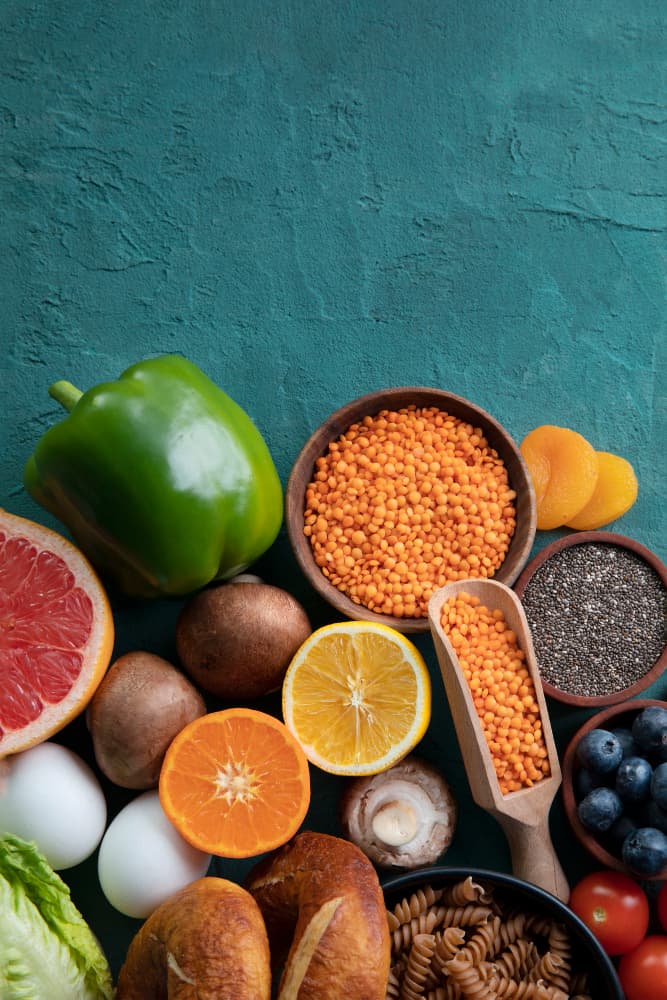
Distributors and buyers are witnessing functional foods move from being a substitute to being a growth-driver. Essentially, new markets, new formats, and new supplier capabilities present genuine opportunities, if you act ahead.
Growing in emerging markets
Asia-Pacific and Latin America are recording strong demand increases. They are open to functional food in mainstream meals, and not just as additives. Increasing incomes are a help, and new retail formats facilitate distribution. In fact, early entrants can negotiate improved supply arrangements. Use these markets as springboards, not the destination.
Functional foods moving into surprising categories
Snacks and drinks are not the playground anymore. Somehow, functional claims turn up in oils, confectionery, even ready-to-eat meals. Foodservice players play around with "immune booster bowls" or mood-support coffee. Retailers that diversify SKUs beyond normal protein bars will reap first-mover benefit. Product discovery is important.
Private label and co-manufacturing benefits
Retailers desire their own private-branded functional foods due to better margins and faster growing loyalty. Co-packers make it all easy. Simply give them a formula or idea, and they do the rest, from sourcing to packaging. It's essentially plug-and-sell. To distributors, private-label manufacturing capabilities can be an influential value-add.
Ingredient customisation and formulation services
Personalisation is forcing suppliers to create custom blends with gut health blends, cognitive support formulations, and energy-oriented plant blends. Consumers adore it because differentiation is simpler. If a single SKU can address a single obvious benefit, the product sells itself. Indeed, customisation tightens the supplier relationship closer, guaranteeing long-term exclusivity.
Regulatory clarity and supply-chain resilience
Functional foods demand proof. Claims have to be credible, traceable, and safe. Clean label and ingredient provenance are more important than hype. Meanwhile, secure logistics, especially for probiotics and heat-sensitive botanicals, separate serious players from risky ones. If a supplier can show stability data and traceability, they become a partner worth keeping.
Torg's Top Picks of Functional Foods Suppliers

1. UNIQUEBIOTECH CO., LTD. — South Korea
This supplier emphasizes probiotics that do work, not simply "nice label claims." Their strains are supported by science, which is important when customers demand evidence. They provide probiotics for functional foods, gummies and fortified drinks. In essence, Unique Biotech provides brands with ready-to-formulate answers. If you require functional ingredients for gut health SKUs, this partner makes things easy and science-based.
2. PRISTINE ORGANICS PVT LTD — India
Pristine Organics has a name for clean and nutritious formulations. They manufacture organic baby food, cereals, supplements, and functional foods intended for special health requirements. With decades of nutritional R&D, they manage to make complicated diet formulations look so easy. If you need functional foods supported by credible nutrition, this vendor is a serious contender, particularly for private label possibilities.
3. NUTRI-PEA LP — Canada
NutriPea transforms Canadian yellow peas into high-value functional ingredients. Their blends of pea protein, fiber and starch are applied to beverages, snacks and sports nutrition. They add texture and nutrition without making formulations more difficult. In fact, the sustainability aspect is a bonus—renewable crop, clean processing. Any buyer engaged in plant-based functional foods should have this supplier saved.
Conclusion
Functional foods are no longer a supporting act in the food market. They're helping determine how buyers, wholesalers and retailers chart future inventory. Consumers expect now to have products that promote gut health, sleep, concentration, and overall well-being. If a product doesn't add additional value, someone else will create one that does. The market is in a rush, but the winning strategy is still just that: credible benefits, clean ingredients, transparency and supply-chain dependability.
While you're reviewing suppliers, consider how efficiently they manage formulation, documentation and logistics. A business partner that knows functional ingredients and ships consistently is more important than flash marketing. Functional foods are on the rise, and the potential is there. Whoever figures out how to source smarter, not louder, will own the shelf.
Request a Bulk Order Quote
Simple ordering, transparent pricing, delivered straight to your door