



Fermented Foods Market: Tradition Meets Innovation
Explore the fermented foods market, covering global demand, top suppliers, challenges, and innovations shaping retail, foodservice, and functional foods.
200+ buyers trust Torg for sourcing







Fermented foods used to be something passed down through family kitchens or tied to regional traditions. Now, they’ve turned into a global business that moves billions every year. Walk into any supermarket and you’ll see kombucha bottles stacked beside energy drinks, or miso jars sitting next to everyday condiments. That shift says a lot about where demand is heading.
Retail, foodservice, and even supplement buyers are all actively seeking across borders to keep pace. Suppliers, however, are finding means to grow without compromising on the authenticity that people look for. So the actual question remains: how do both sides remain competitive, maintain quality, and actually grow in a market that's crowded and changing at a faster pace than ever before?
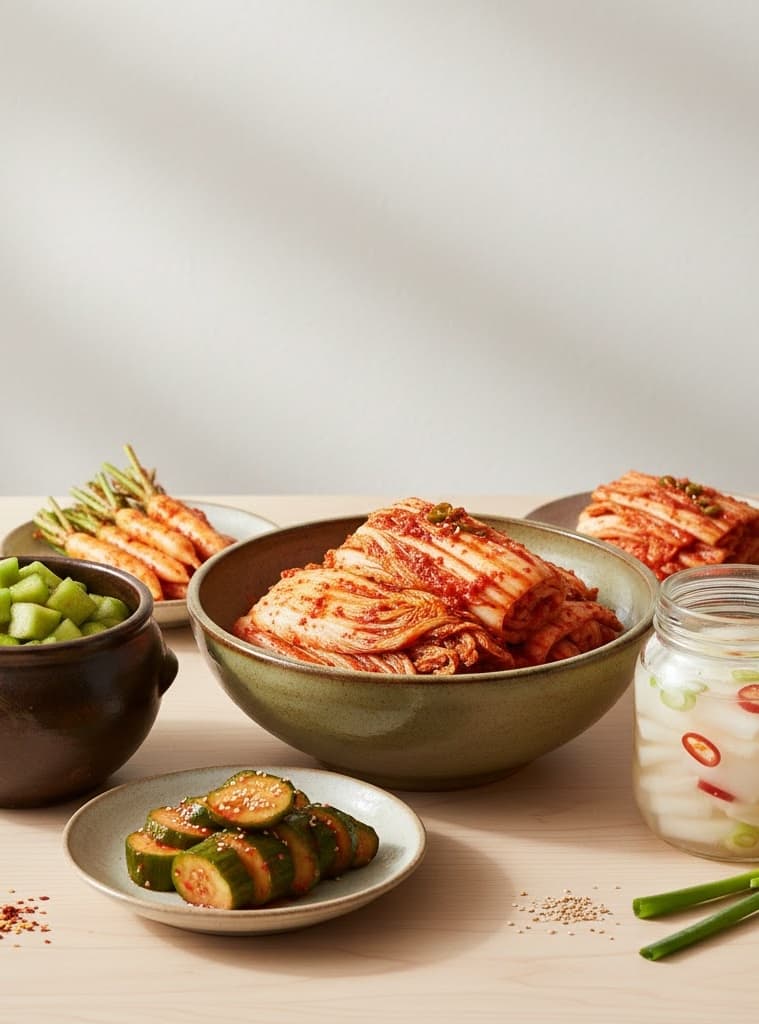
Fermented Foods Market Overview
Fermented Foods Market Overview
The fermented foods market continues to move on a steady upward path. In 2025, the global market is valued at around USD 259 billion, and growth is expected to hold through the next decade. By 2026, the market is projected to reach roughly USD 271.4 billion, before expanding further to about USD 395–399 billion by 2034. That translates to an annual growth rate of around 4.8% to 4.9%, reflecting consistent demand across regions.
What’s fueling this growth? Consumers want food that feels real and functional. Gut health, clean ingredients, and plant-based options aren’t just trends now as they’re shaping the market year after year.
Essentially, the market divides into four broad categories:
- Dairy ferments like yogurt, kefir, and cheese.
- Beverages like kombucha, amazake, and kvass.
- Sauces and condiments such as soy sauce, miso, kimchi, and sauerkraut.
- Vegetarian innovations from tempeh and fermented grains to protein-rich substitutes.
Global Hubs of Fermented Foods
Some areas have become the pillars of supply:
- South Korea – home to kimchi exports bearing cultural significance and international popularity.
- Germany – a classic hub for sauerkraut, with reliable quality and export coverage.
- Japan – the home of miso and soy sauce production, both old-school and industrial-scale.
- United States – the place where kombucha brands are booming and ferments are being produced with a modern twist in craft-style.
Central and Eastern Europe are beginning to appear on purchase orders' radars. These suppliers are creating distinctive niches in artisanal vegetable ferments and certified-organic beverages, which buyers perceive to be authentic but scalable.
Balancing Craft and Scale
To buyers, the purchasing quandary is a balance. Do they opt for small-batch producers who provide those strong, distinctive tastes? Or do they turn to mass manufacturers who can ensure supply around the year at a consistent price?
The craft side adds personality, narrative, and heritage. The industrial side adds consistency, compliance, and logistics brawn. Though sometimes it’s not one or the other but both. Buyers are learning that the right mix depends on the product and the market. And so, suppliers who show they’re stable, yet still authentic, tend to win the strongest, longest-lasting partnerships.
Top Fermented Foods Traded Globally
Fermented foods cross borders quicker than ever before, from cultural fundamentals to global trading commodities. Certain categories overwhelm shelves and exports, while others are yet on the rise. These are the major ones driving demand today.
Kombucha
Kombucha is booming globally, particularly in the US and Europe. Younger consumers enjoy it for being probiotic and low-sugar. Kombucha suppliers are challenged, though, as kombucha is temperamental to transport and store. In essence, quality can change quickly if not treated properly, making consistent supply chains crucial more than ever.
Kimchi & Sauerkraut
South Korean kimchi and German sauerkraut are both bestsellers that made it through the borders. Both are rooted deeply but also popular on a new level, particularly with plant-based consumers. Export continues to rise as consumers look for original, ready-to-eat side dishes. Consumers view them as sure bets, and suppliers depend on their cultural authenticity.
Miso & Soy Sauce
These condiments shape flavor in most Asian culinary traditions and control world fermentation commerce. Miso and soy sauce work retail, restaurants, and foodservice all the same. In fact, interest in non-GMO and organic versions is making it more exciting, opening up space for suppliers who can demonstrate both authenticity and compliance.
Yogurt & Kefir
Yogurt and kefir are already global commodities, yet the tale is not finished. Plant-based alternatives produced from oats, almonds, and soy continue to expand the market. Consumers trust them since consumers already recognize the category, while kefir yogurt manufacturers refine recipes to appeal to health-aware consumers who desire something familiar but slightly less heavy.
Fermented Plant Proteins
Soy- and pea-based proteins are increasing their foothold, not only among niche shoppers but also among mass brands. These ferments are less harsh to digest and have high health value. For fermented food manufacturers, it's an opportunity to harness the growing plant food trend. Clearly, this is one of the most sizzling areas for innovation.
Fermented Rice & Grains
From Japanese amazake to Indonesian tempeh and sourdough bread, rice and grain ferments are staples across the board. Their versatility across cultures is why they are so appealing to purchasers looking for retail and foodservice. They seem to fit somewhere—snacks, meals, or high-end menus. That flexibility keeps them worth it in an industry that values it.
Where Fermented Food Demand Comes From
Fermented foods are migrating across categories in ways consumers may not anticipate. Demand originates from many places, each with its own dynamics and possibility.
Packaged Retail
Kombucha, kimchi, sauerkraut, and other pre-packaged ferments are everywhere including grocery aisles and specialty stores. Convenience matters, sure. But authenticity matters even more. Those products that focus on quality, natural ingredients, or specialty flavors are able to charge a little more and consumers are willing to pay.
Foodservice & Restaurants
In professional kitchens, fermented condiments, bases, and sauces are essential pantry staples. Chefs rely on them to add depth or craft bold fusion flavors. Yet consistency remains crucial. Suppliers who deliver stable flavor and reliable shelf life are the ones securing contracts—chefs can’t gamble with a product that changes taste mid-service.
Functional & Supplement Markets
Probiotics, plant protein fermented products, and fermented grains are moving into capsules, powders, and nutrition bars. This is a rapidly growing market as more and more consumers concerned with health look beyond traditional foods. Purchasers accessing such markets can venture into new channels, while suppliers benefit from diversifying into functional ingredients.
Why Buyers and Suppliers Care
Fermented foods often carry premium prices, which means bigger margins for buyers. Suppliers see the appeal too—one batch can serve retail shelves, foodservice menus, or health products. The more channels you cover, the steadier your top line becomes. This is a space where innovation meets reliability, creating real opportunities for both sides to win.
Challenges Along the Way
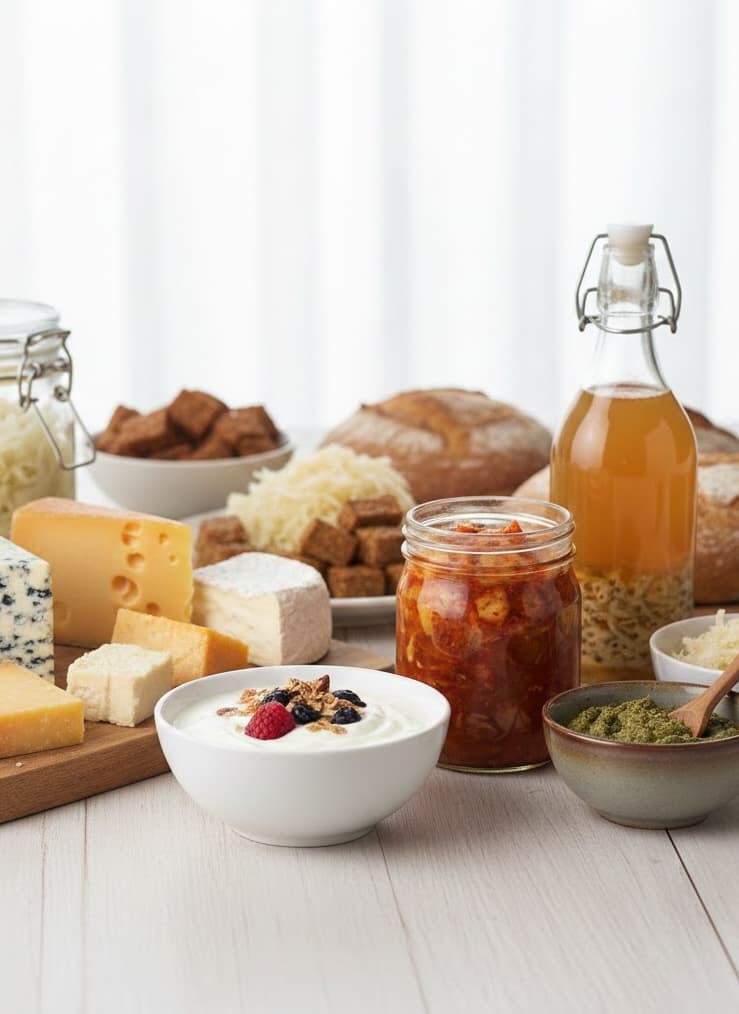
Even a flourishing market has its challenges. Fermented foods are growing rapidly, but the growth reveals fissures in supply, labor, and regulation. Buyers and sellers both must watch out for these challenges carefully to maintain smooth operations.
Scaling Production Without Losing Authenticity
Quick demand increase usually conflicts with small-batch production capacities. Small-batch producers cannot scale up and still maintain flavors and textures. Keeping that "handcrafted" quality while ramping up volume is difficult somehow. Consumers crave authenticity, yet suppliers require efficiency—a harmony easier said than executed.
Climate & Raw Material Risks
Weather conditions and global warming are beginning to impact raw material supply. Cabbage shortages in Europe influence sauerkraut and kimchi manufacturing. Rice production affects tempeh and amazake. Suppliers need to hedge or diversify supply, and buyers require contingency arrangements. Essentially, a single drought can spread throughout the international supply chain.
Labor & Skilled Workforce Shortages
Most fermented products depend on experienced labor who are familiar with traditional processes. Traditional processes can't be easily mechanized. Shortages of labor, particularly in Asia and Europe, delay production and drive up costs. Purchasers at times experience holdups, and suppliers have to train new people or sacrifice volume.
Regulatory & Intellectual Property Complexities
Various nations have varying labeling, microbial, and safety standards. To be compliant in one geography may be a non-starter in another. Introduce patented microbial strains into the equation, and sourcing becomes increasingly complicated. Suppliers require legal and technical support, and buyers must ensure compliance to prevent costly recalls.
Who’s Supplying the Market
The fermented foods supply chain spans the globe—from century-old Asian producers to organic startups in the US and emerging markets. Today’s buyers aren’t just buying a product; they demand credibility, compliance, and consistency. What really matters are:
- Legacy Producers – Long-established companies in Japan, Korea, Germany, and France lead traditional ferments. They provide consistency, international distribution, and profound experience. Consumers rely on them for reliability, but innovation is occasionally slower.
- New Organic & Artisanal Startups – Younger firms in the US, Europe, and Latin America specialize in organic, vegan, and small-batch items. Their products frequently capture top trends and niches. The catch? Scaling is challenging.
- Compliance & Certifications – Consumers today expect transparency regarding food safety, organic certification, and global certification. Suppliers that can demonstrate traceability and standards are significantly more attractive globally.
- Digital Sourcing Platforms – B2B marketplaces like Torg simplifies verification. Buyers get to verify supplier integrity, compare prices, and partner without endangering late shipments or low-quality products. In short, the platform is a shortcut to faster, safer sourcing.
- Sustainability & Transparency – Buyers care about ethical sourcing, green packaging, and cutting food waste. And so, those suppliers who can prove their efforts in these areas are the ones securing long-term contracts.
Top Fermented Foods Suppliers on Torg
1. JAYEON HYANGGI CO., LTD. – South Korea
Jayeon Hyanggi Co., Ltd. offers high-quality fermented foods and snacks with emphasis on freshness and genuine flavor. Its products cover rice snacks, green tea-flavored seaweed, and healthy juice. The balance between traditional taste and contemporary quality standards is welcomed by buyers and hence they are a favorite supplier for retail and specialty channels alike.
2. GUTE KULTUREN GMBH – Germany
Gute Kulturen GmbH produces premium organic vegetable ferments. They offer kimchi and sauerkraut in both raw and pasteurized versions for private label and direct customers. Due to their safety, consistency, and original taste, they are a safe bet for both the European and global market.
3. MARUKOME CO., LTD. KAWANAKAJIMA CENTER – Japan
Marukome is a producer of traditional Japanese miso and other fermented soybean foods. They maintain an organic range alongside instant miso soups for convenience-seekers. Clearly, their commitment to quality, tradition, and innovation has provided them with the trust of health-conscious consumers globally.
What's Next for Fermented Foods
Fermentation is not waiting around. The market is changing, and the next couple of years are shaping up to be quite interesting for buyers and suppliers alike.
Precision Fermentation & Innovation
New flavors, textures, and functional benefits are hitting consumers faster. That's because precision fermentation is changing the rules, particularly for plant proteins and dairy alternatives. Manufacturers no longer have to rely so heavily on traditional farming. Consistent, scalable ingredients can now be produced, and production costs stay fairly predictable.
Export Growth & Global Reach
Places with deep cultural fermentation backgrounds—consider Korea, Japan, Germany—are experiencing larger export potential. Foreign consumers are pursuing authenticity, and manufacturers that can grow without sacrificing that old-school quality are poised to gain. Apparently, international access isn't merely volume; it's also trust and traceability.
Sustainability & Consumer Trends
Innovation and sustainability are surprisingly linked together in this area. And one of the reasons is how younger consumers want foods that taste bold, feel authentic, and bring functional benefits. Fermentation steps in with reducing waste, extending shelf life, and hitting sustainability targets. Buyers get a chance to offer something truly different. And suppliers gain stronger traceability and tighter quality control.
Final Takeaway
Fermentation unites tradition and contemporary innovation to transform basic ingredients into worldwide standards. Purchasers must reconcile authenticity with scalable supply while navigating regulations and sourcing risk. Suppliers expand by adopting compliance, innovation, and sustainability. Venues such as Torg simplify connections, enabling both parties to establish solid partnerships. Its future is bright, with international growth, better-for-you products, and a new respect for both functional and culturally diverse fermented foods. In essence, this is an area where heritage and contemporary demand intersect and both purchasers and vendors have the potential to gain.
Request a Bulk Order Quote
Simple ordering, transparent pricing, delivered straight to your door