



Dark Chocolate Market: Trends, Taste, and Global Trade
Discover the latest dark chocolate market insights, emerging trends, trade shifts, and the flavors captivating consumers worldwide.
200+ buyers trust Torg for sourcing







Dark chocolate offers beyond being a snack. It's also big business. Buyers, sellers, and food companies are always in pursuit of the optimal combination of taste, quality, and profit margins. In fact, knowledge of the market today can make or break a sourcing plan. Prices go up and down. Trends change. And somehow, consumer expectations continue to rise. This article digs into what’s really happening in the dark chocolate market—from major cocoa hubs and artisan versus industrial production, to ethical sourcing and next-gen products. Whether you’re scouting new suppliers or trying to anticipate market moves, there’s something here for you.
The Dark Chocolate Market Today

The dark chocolate market is moving faster than many anticipated, and the numbers make that clear. In 2025, global market value reached about USD 67.45 billion, then steps up to roughly USD 72.17 billion in 2026. Looking ahead, it’s projected to climb to around USD 132.68 billion by 2035, growing at a 7% annual rate.
That is some serious growth as people want chocolate that’s tasty, healthy, and ethically made. The rise in demand isn't stopping anytime, and chocolate buyers and suppliers notice this. The margins, though, are dependent on where you're getting it and how efficient your supply chain is. Surprisingly, niche offerings such as single-origin or high-percentage bars are experiencing double-digit growth in certain markets, which speaks volumes about the fact that the market is starved for quality rather than quantity.
Major Cocoa Hubs
Côte d'Ivoire and Ghana remain the titans, representing close to 60% of the world's cocoa production. But the surprise is that the up-and-coming hotspots are becoming increasingly difficult to overlook. Ecuador, Peru, and Vietnam are not only "alternative" sources; they're expanding rapidly.
For example, Vietnam’s cocoa output has risen by over 20% in the last five years, and Peru is experimenting with heirloom cacao varieties that fetch premium prices on international markets. Suppliers that tap into these regions early can actually gain a competitive edge.
From Artisan to Mass Market
The range of dark chocolate products is wide. On one end, you’ve got bean-to-bar chocolate, where every step is monitored. Some craft chocolatiers actually have control of the fermentation process on the farm. Volumes may be lower, but margins can be greater because purchasers are paying for story, quality, and origin. At the other extreme, industrial chocolate made on a mass scale is all about volume and efficiency of cost. For some perspective, big producers churn out thousands of tons annually, while an artisanal batch might only make a few hundred kilos. But each kilo can sell for 30–50% more. Next time you’re buying, ask yourself: are you after sheer volume or something a bit more exclusive? Or perhaps both, if your supply chain permits.
Understanding Cocoa Labels
Cocoa percentage is more than just a figure; it's a message to consumers regarding taste and quality. A 70% bar has 70 grams of cocoa solids to every 100 grams of chocolate, whereas a 85% bar is considerably more bitter and stronger. Some high-end stores are even offering 90–100% bars, for aficionados who demand intense, uncompromising cocoa. But don't dismiss mid-range bars—50–65% still appeal to the widest group. So, if you’re sourcing for retailers, knowing these percentages can help match products to the right consumer segment. Also, percentages can impact cost. Higher-cocoa bars usually command 20–40% higher wholesale prices.
Creative Ways Dark Chocolate is Enjoyed
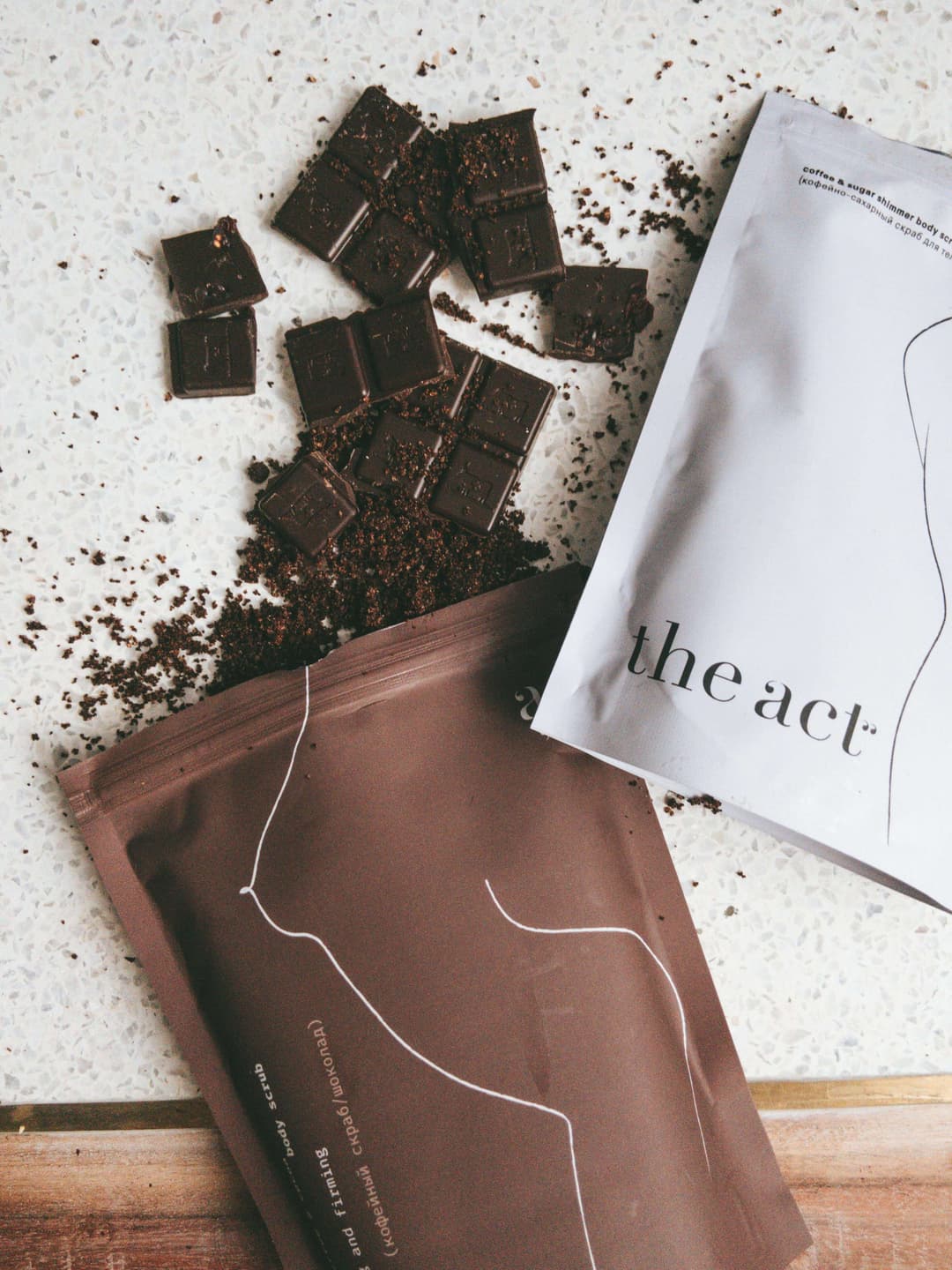
The first thought of people regarding dark chocolate is that it's primarily meant for consumption and to melt it in one's mouth. The best part is today, dark chocolate can now be versatile and consumed in multiple ways.
Culinary Innovation
Chocolate in the kitchen is somewhat of a loose cannon. You can play it safe or get wild. Add dark chocolate to baked goods, sauces, and desserts. You should also know how pairing it with off the wall ingredients like chili, sea salt, or even coffee can bring flavors to life. Some distributors are even calling out these pairings to entice creative chefs or specialty retailers. It's almost like selling the product a story before it even hits the shelf.
Beverages
Liquid chocolate is where the magic happens. Hot cocoa isn’t just a warm drink anymore; we’re talking protein infused blends, chocolate lattes and even chocolate cocktails. Some bars are experimenting with “drinkable chocolate shots” for functional nutrition. For buyers, this means products aren’t confined to traditional snack aisles. They can fit into beverage or wellness categories too. It’s just another way dark chocolate can travel across markets.
Functional Bars & Snacks
Here's where the market gets really interesting. Health-conscious consumers are demanding keto, low sugar, or antioxidant versions. Some functional bars combine dark chocolate with nuts, seeds, or adaptogens. The takeaway? Suppliers who innovate here can pick up new buyers, and buyers can introduce diversity without compromising chocolate's fundamental appeal. Somehow, these products get to be both luxurious and "good-for-you." It may be a narrow tightrope to walk, but one they should try to achieve.
Beauty & Self-Care
Not all chocolate ends up in the stomach. Cocoa butter is a standard in skin treatments and luxury chocolate therapy is becoming popular in spas and health centers. For buyers, this presents B2B possibilities beyond the food market. For buyers, it's about realizing chocolate as something more than a candy but an ingredient, a mood moderator, and a lifestyle-brand premium product.
Featured wholesale products

Dark Chocolate Tablet 100g
€1.02

Milk Chocolate Tablet 100g
€0.90

Peanut chocolate nut bar 40g
€0.78

Chocolate cereals 400g
€1.56
Ethical Sourcing and Social Impact
For suppliers and buyers, ethical sourcing can either make or break a sale. Brands need traceability, end-consumers want origins, and somehow these are influencing the market.
Fair Trade, Rainforest Alliance, and Community Development
Certifications like Fair Trade and Rainforest Alliance aren’t just labels but they’re signals that cocoa farmers are getting paid fairly and that sustainability isn’t being ignored. Basically, if your supplier can’t show these credentials, some buyers might think twice. Beyond that, these programs help communities thrive. Schools, clinics, local infrastructure—fair sourcing has ripple effects. And, like, it’s evident that communities doing well tend to produce better-quality cocoa, which matters when your margins depend on consistency.
Tackling Child Labor and Supporting Farmer Livelihoods
Child labor is still a real issue in cocoa-growing regions, and suppliers who don’t address it risk more than bad PR. Traceability systems, training programs, and farmer support initiatives are ways to actually solve this problem while keeping supply chains clean. For buyers, asking about these measures isn’t just ethical but practical. Properly supported farmers with stable incomes provide better cocoa. At times, the tale of the bean is worth as much as the bean.
Top Trusted Dark Chocolate Suppliers from Torg
1. REPÚBLICA DEL CACAO – Ecuador
Operated from Ecuador, República del Cacao works very closely with their local communities in order to grow their fine aroma cocoa sustainably. Social and environmental responsibility influences every aspect of what they do. Buyers can source a broad range of products from them such as dark, milk, white, and professional lines of chocolate meant for chefs and chocolatiers. In essence, if you're looking for ethically traded chocolate that is of the same great quality every time, this supplier is worth considering.
2. CHOCOLATERÍA ARTESANAL AMAZÓNICA S.A.C. – Peru
Tesoro Amazónico is nestled in the belly of the Amazon rainforest. The address comes into play—direct access to high-grade cacao. Their niche? Bean-to-bar chocolate that showcases local flavor profiles. From dark chocolate with adjustable cacao percentages to exotic fruit concoctions and other regional innovations, their range yellows craftsmanship. For customers wishing to stand out with genuine Peruvian chocolate, this is a supplier that promises both tale and taste.
3. CA CAO XUAN RON CHO GAO CO., LTD – Vietnam
Alluvia Chocolate is family owned with roots in the Mekong Delta. Their strength is handcrafted bean-to-bar production and consistent small-batch quality. For buyers who want Vietnamese origin claims and an artisanal story, this supplier provides clean lab results and a product that photographs well on digital platforms. For chocolate suppliers, their model shows how family operations can scale up while keeping quality intact.
Where Dark Chocolate is Heading

Dark chocolate isn't stagnant. In fact, it's going in directions that consumers and suppliers need to pay attention to. Trends are no longer just about flavor. They're about values, innovation, and yes, margins.
Next-Gen Chocolate Products
Think outside the bars. Functional chocolate, infused beverages, fusion flavors; these are no longer "niche" but are moving quickly. Some bars contain protein, adaptogens, or other functional components. Others combine novel flavor combinations such as matcha, chili, or even turmeric. For suppliers, playing here can create new B2B doors. For buyers, carrying these products is a way to appeal to curious, trend-hunting consumers. Classic chocolate will always move off the shelves, but these new, bold versions spark conversation and set a brand apart.
Sustainable Cocoa Farming
Cocoa production is changing fast thanks to agroforestry, regenerative practices, and tracking tech. The result? Farmers can plan better, buyers can count on consistent supply, and sustainable practices are finally becoming the norm. Some traders are using blockchain to track beans from farm to factory now. It sounds a bit techy, but apparently, it provides genuine value in the market.
Consumer Trends
Younger generations (millennials, Gen Z) are not just buying chocolate. Packaging, backstories, even the appearance of a bar on Instagram can dictate purchases. Suppliers who get this can offer what resonates, and consumers can take advantage of those trends. Chocolate has somehow become both indulgent and purpose-driven, and having an idea which side your company falls on can be significant.
Conclusion
The dark chocolate market is evolving in ways that matter to anyone who buys or supplies ingredients. Flavor now ties directly to the origin story, and ethics tie directly to supply security. Products cross into wellness and beauty, and new formats keep the category fresh. If you are a buyer, think about a mix of origins, product formats, and traceability. If you are a supplier, invest in farmer relationships, offer application support, and be ready to prove your claims. In short, treat chocolate like a category that rewards strategy. Do that and you will find both margin and longevity.
Request a Bulk Order Quote
Simple ordering, transparent pricing, delivered straight to your door