



Contract Manufacturing: From Idea to Market Faster
Discover what contract manufacturing is, how it works, and its benefits. Learn how businesses use it to cut costs, scale production, and improve efficiency.
200+ buyers trust Torg for sourcing







Not all businesses that sell a product produce it themselves. Contract manufacturing is essentially the trick brands use to avoid establishing their own production plants. Rather than investing in manufacturing lines, costly equipment for manufacturing, and full staffs, a business contracts out the work to a contract manufacturer. They already have the equipment, the staff, and the specialized expertise to make it happen.
The plus side? Cost savings, quicker turnaround, and a whole lot of flexibility. But not every contract manufacturing firm operates in the same fashion. Success relies on having transparent expectations, good quality controls, and effective communication. That's what this article will explain: what occurs in contract manufacturing, what is a contract manufacturer, why contract manufacturing makes sense, what the risks are to be aware of, and how to identify the right contract manufacturer for your next project.
What Is Contract Manufacturing?
Contract manufacturing is a business model where a company hires a third-party manufacturer to produce its goods or components. Instead of handling production in-house, the brand outsources this process to a specialized manufacturer that follows the brand’s specifications, formulas, and quality standards.
This model is widely used in industries like food & beverage, supplements, cosmetics, pharmaceuticals, and electronics, allowing companies to scale production efficiently without investing in factories or equipment.
With that said, it's not a hands-off situation. You'll still have to control quality standards, guard your IP, and establish a solid working relationship. Done correctly, contract manufacturing allows you to expand faster, smarter, and with less risk on the manufacturing front.
This type of partnership enables most businesses to concentrate on their main strengths (such as R&D or marketing) and leave the heavy lifting of production to individuals who already possess the expertise of manufacturing projects. Apparently, that's the prime reason why so many brands, regardless of their size, identify advantages of contract manufacturing as a wiser business model.
Contract Manufacturing Examples
Contract manufacturing work in various sectors, but food and beverage tend to be at the top of the list. Following are a few examples to help better visualize:
- Food startups essentially rely on private label production when they wish to introduce snacks, sauces, or even frozen entrees. The formula is theirs, but the manufacturer is in charge of sourcing, production, and packaging. It's a means of appearing bigger than you are without actually operating your own facility.
- Beverages companies, particularly new ones, have partially depended on third-party manufacturers that have bottling lines and specialized machinery already established. This allows them to grow more quickly and manage costs without incurring enormous initial investment.
- Pharmaceutical companies commonly contract out contract assembly for packaging, labeling, and dispensing. It's not necessarily about being penny-wise but more about adhering to stringent compliance regulations while being efficient.
- An auto company can rely on external partners for components like sheet metal or parts for heavy machinery so that they remain agile while being able to concentrate on the larger picture.
- Technology brands typically partner with original equipment manufacturers (OEMs) in Asia. They have scale and high tech production capability to meet global demand.
Most companies opt for contract manufacturing because it’s cost effective, efficient, and they can focus on what they are good at, whatever that may be, whether design, branding, or innovation.
Request a Bulk Order Quote
Simple ordering, transparent pricing, delivered straight to your door
Contract Manufacturing Process
So, how does contract manufacturing works? The steps may vary depending on the industry but the flow is generally the same. Imagine it as a chain where each link depends on the previous one. Skip one and the whole process doesn’t feel right. Here's how it generally breaks down:
1. Design & Specs
It all begins with the company that is going to hire taking their concept to paper. It might be a formula for a drink, a formula for beauty, or blueprints for an electronic device. Specifications are important here. Detailed specs are the blueprint of quality. Without them you may end up with a product that doesn’t look, feel, or work the way you want it to.
2. Agreement & Planning
Once the specs have been established, the two sides get together and sort out how the game is played. This typically addresses price, delivery dates, quality control inspections, and occasionally intellectual property rights. The planning here is not simply paperwork, it establishes the tone for the whole partnership. Apparently, if expectations are fuzzy here, issues crop up later in manufacturing.
3. Setup & Sourcing
Preparation follows next. The contract manufacturer is responsible for sourcing raw materials, arranging suppliers, and setting up the correct manufacturing equipment. They often already have established long-term relationships with suppliers in many instances, which translates into reduced costs and quicker turnaround. This is also the phase where the last labor and material prices are settled, so both parties are aware of exactly what they're dealing with.
4. Production
This is the phase most individuals envision when they hear the word "manufacturing." The actual fabrication starts, be that mixing, building, or cutting. The contract manufacturer takes charge of the whole stream, conducts inspections, and ensures the output is up to the agreed level. Quite surprisingly, production is not only about producing commodities. It is about inspection, adjustment, and identifying problems before products reach the market. Quality products do not occur by accident, they are the result of vigilant monitoring at this level.
5. Delivery & Payment
Lastly, the manufactured goods are labeled, packaged, and shipped. Depending on the contract, goods can go directly to the hiring firm, to distributors, or even to retailers. Payments typically are made on milestones or terms of final delivery. Both parties effectively close the loop at this stage: the hiring firm receives their products, and the manufacturer receives payment for their efforts.
🚀 At Torg, we help you access a wide range of high-quality wholesale products across categories like food & beverages, beauty, and consumer goods. Whether you’re sourcing ingredients, packaging, or finished products, our platform makes it easy to find verified manufacturers who can deliver at scale.
Featured wholesale products


Green Pesto - Premium 180g
€1.13

Universal Cleaning Spray 550g
€0.79
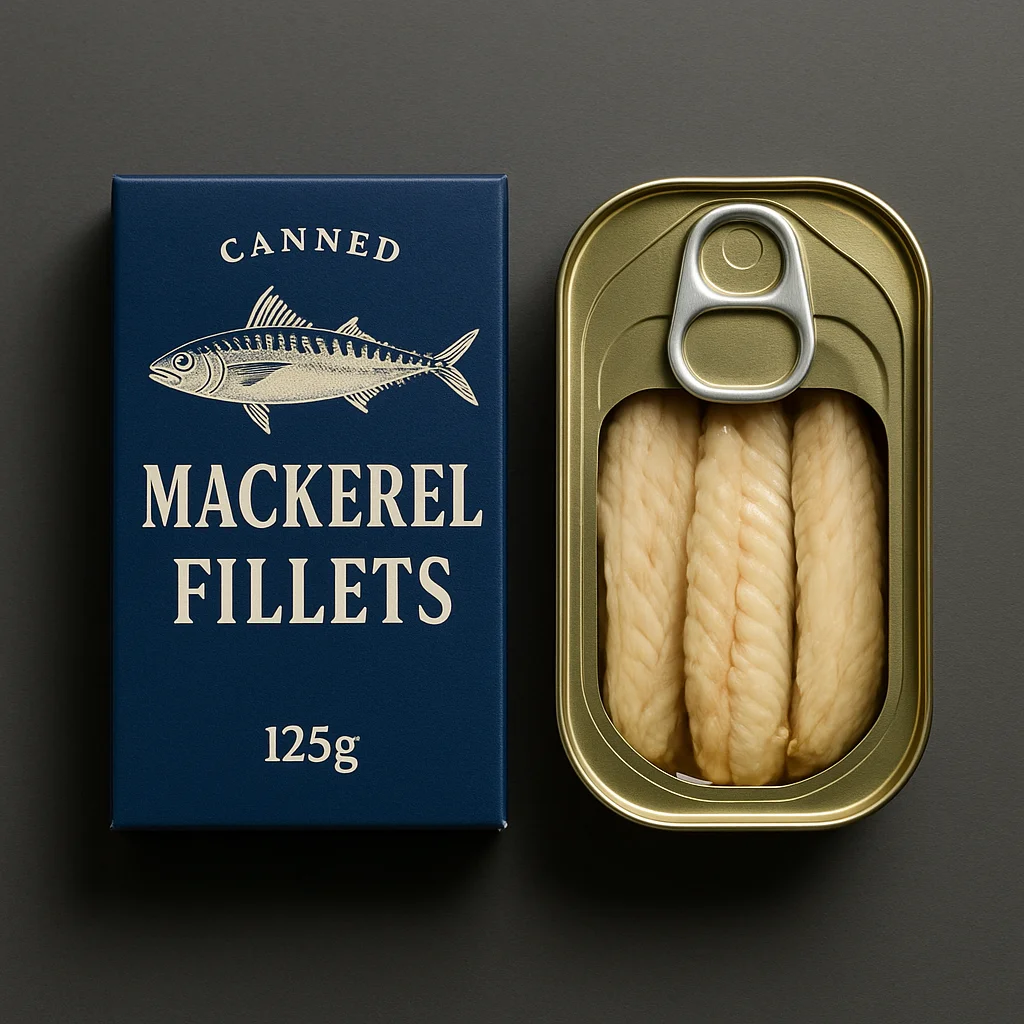
Canned Mackerel Fillets 125g
€1.32
👉 Explore our wholesale product catalog and take the first step toward smarter sourcing today.
Benefits of Contract Manufacturing
So why are startups and established companies relying on contract manufacturing today? The brief answer is, it simply makes business sense. But let's dissect it into what truly counts in actual operations.
Cost Efficiency & Reduced Capital Investment
One of the largest motivations for businesses to go contract manufacturing is expense. Establishing your own manufacturing plants can suck up money quickly, particularly once you factor in labor expenses, training, and high-end manufacturing machinery. Through outsourcing, companies can essentially forgo all of those hefty initial costs and still have consistent production. The payoff? Tremendous cost savings and more dollars in the budget to grow.
Access to Expertise & Advanced Technology
Most contract manufacturers aren't mere "extra hands." They're industry experts. They contribute technical expertise, industry accreditations, and access to sophisticated manufacturing technologies that one company might not be able to develop on its own. Evidently, this know-how tends to be the difference between a middling product and a high-quality product which can compete internationally.
Scalability & Faster Time to Market
Market demand is never constant. It fluctuates. With contract manufacturing, a company can ramp up production in no time without needing to retool its own manufacturing facilities. If one of your products heats up, you don’t need to rush out to hire new staff or equipment. The maker can just produce more, which means faster time to market and can catch up with customer orders while it’s hot.
Focus on Core Competencies (R&D, Marketing)
Consider it. Do you actually want your in-house staff wasting the day tracking down suppliers or watching production lines? No. By hiring a contract manufacturer to do the heavy lifting, companies allow time for research, new product development, branding, and marketing. Essentially, it allows businesses to do what they do best while someone else will make the products happen.
Global Reach & Supply Chain Flexibility
Another significant benefit is access. Most contract manufacturers have established bases in many countries. This means more convenient supply chain management, faster raw material sourcing, and even lower production cost in some regions. For a company that wants to go global, this kind of flexibility is unbeatable.
Types of Contract Manufacturing Services
Contract manufacturing is not a monolithic strategy. There are numerous ways businesses can organize their arrangements, and each has its advantages and disadvantages. The decision truly comes down to what the hiring firm seeks to accomplish—whether that is cost reduction, quicker turnaround, or access to special skills. Let us detail the primary types of contract manufacturing services.
1. OEM (Original Equipment Manufacturer)
An original equipment manufacturer, or OEM, produces components or finished products that another company will eventually resell under its own name. A car manufacturer, for instance, may not produce all of the components itself. Rather, it contracts with a contract manufacturer to create sheet metal parts or heavy machinery components. The major distinction here is that the OEM isn't developing the brand narrative—it's taking care of the technical know-how of the manufacturing process. The majority of companies utilize this arrangement to conserve funds and not have to establish their own manufacturing plants.
2. ODM (Original Design Manufacturer)
An ODM takes it a step further. Rather than merely manufacturing items, it also offers up product designs. Companies can purchase pre-made designs or ask them to be altered according to their idea. Consider it as "on-demand product creation." It is typical in consumer electronics, skincare, and household products. One would think that it's particularly appealing for startups without robust R&D staff but want to bring high quality products to market fast. The contract manufacturer does all the creative and technical heavy lifting, which accelerates time to market.
3. Private Label & White Label Production
Private label production refers to a situation where a business retails another person's manufactured product but sells it using their own brand. A food business, for instance, may utilize private label production services to put snacks on the market without investing in production equipment or facilities. White label manufacturing is slightly the same but typically entails generic products sold to several brands simultaneously, such as bottled water or plain skincare products. Both are bungee jumps for companies that need to add product lines without starting anew.
4. Toll Manufacturing
With toll manufacturing, the contracting company provides the raw materials while the contract manufacturer produces the goods. This is suitable for sectors where raw materials are costly or sensitive, such as pharmaceuticals or chemicals. The contracting company has direct control over the source while outsourcing the heavy lifting. In a way, this kind of balance allows them to take possession of strategic inputs while remaining with the lower labor costs and with access to specialized services.
5. Joint Ventures / Strategic Alliances
There are certain instances where one firm cannot handle an entire production process. To accomplish this task, companies enter joint ventures or strategic partnerships. In such a partnership, two or more firms share resources, production assets, or even a state-of-the-art plant in order to achieve the intended task. It's a means of sharing skills, diversifying risks, and maximizing efficiency. Large companies tend to favor this model when entering new products in unknown markets, as it offers both local insight and established supply chain infrastructure.
Risks of Contract Manufacturing Services
The benefits of contract manufacturing are hard to ignore. But, like most things in business, there’s another side to it. Outsourcing production can open doors, but it can also bring challenges if the partnership isn’t managed carefully. Here are some of the risks companies usually face.
Quality Control & Consistency Issues
The company essentially gives control of the production lines to a contract manufacturer. This means entrusting that third party to meet quality expectations every time. Because it doesn't have direct oversight, the manufactured products sometimes miss the mark. A batch may be fine, but another feels all "off." For the food, pharmaceutical, and electronics businesses, even tiny changes can cause harm to products and ultimately harm the customer's sense of trust.
IP Risks
Another huge concern is intellectual property protection. Each time designs, formulas, or technical drawings are shared with a third party manufacturer, leakage has a decent chance of occurring. Properly addressing intellectual property risks in the business agreement can avoid trade secrets and product designs from leaking into the wrong direction. Apparently, it falls into one of the most common worries that companies have when they start looking for other places to manufacture their products.
Supply Chain Disruptions & Dependency
While it may seem attractive to rely upon only one contract manufacturing partner at a first glance, it creates dependency. The hiring company feels the pinch immediately when the contract manufacturing partner faces political issues, labor shortages, or raw material supply problems. Recent global supply chain disruptions showed just how fragile things can get. Having backup options or diversifying contract manufacturers handles in reducing the risks.
Hidden Costs & Contractual Pitfalls
On paper, a common common sense solution for saving money would be outsourced manufacturing. On the other hand, hidden material costs or poorly defined responsibilities can cut into savings in practice. The lack of a detailed business agreement may create several fees or disposes that a company is not aware of. For this reason, companies are cautioned to look at their contracts and down to the fine print before proceeding with their outsourcing venture.
Ethical & Compliance Concerns
All contract manufacturing firms don't work with the same ethical or regulatory requirements. They may compromise on labor standards, environmental standards, or inspection checks. For those companies selling to international markets, this can become a compliance nightmare. Apart from fines or legal liabilities, it also hurts a brand's reputation. That's why due diligence (actually verifying the way and where things are being made) is not optional.
Contract Manufacturing vs. In-House Production
The primary distinction between in-house manufacturing and contract manufacturing is control and price. When a business constructs its own factory, it absorbs the whole shebang—labor expense, raw materials, heavy equipment, and business operations. That translates into absolute control over production lines, quality standards, and timelines. But it also translates into greater expense and the ongoing necessity to keep manufacturing tools in working order, employ skilled workers, and deal with regulatory compliance independently.
Contract manufacturing reverses that paradigm. Rather than shouldering the burden of in-plant manufacturing, a firm contracts with a contract manufacturer to do the job for them. The result typically is less cost, quicker access to next-generation manufacturing technology, and specialized expertise that most firms can't quite come up with internally. The give-back? Less control. When it outsources production, the acquiring company must count on the contract manufacturing partner to oversee quality control, supply problems, and delivery schedules.
Contract Manufacturing vs. Dropshipping
Dropshipping has absolutely no manufacturing whatsoever. Rather, a company creates an online store, adds products from a supplier to the store, and when an order is received, the supplier does the storing, packaging, and shipping. The seller never even lays hands on the product. It's really a low-hurdle entry into e-commerce, but at the cost of limited control over quality, speed of shipping, or even inventory levels.
Contract manufacturing, however, is all about building something from scratch. An organization enters into an agreement with a contract manufacturer to design, manufacture, and even package products. The company hires owns the product idea and brand name, while the contract manufacturer provides the technical expertise, equipment, and production lines. It's a whole different level of investment than merely reselling products already made.
So which one is superior? That is dependent on the intention. If you simply want to begin selling fast, dropshipping is the way to go. But if you are looking for a lasting brand where you have total control over product quality and design, contract manufacturing provides that platform.
Contract Manufacturing vs. OEM
Contract manufacturing and OEM (Original Equipment Manufacturer/Manufacturing) tend to blur together, but they're not the same thing—and knowing why can spare you expensive mistakes.
OEMs are typically firms that design, manufacture, and ship finished, ready-to-sell products. Consider an auto maker or a computer manufacturer. They possess the design, dictate the spec, and can sell under their own brand or produce for others under private label or white-label arrangements. When you purchase an OEM, you're basically getting a complete system—hardware, software, and all the rest.
Contract manufacturing is less rigid. You own the product design, specifications, and branding. You leave the production aspect to a contract manufacturer, who can assemble the complete product or only a component of it. They work under your direction, use your materials (or source them), and concentrate on providing what you want—on your terms.
Short version:
- OEM = complete control by manufacturer
- Contract Manufacturing = total control by you
If you're launching your own brand or prefer something customized, contract manufacturing allows you more input and flexibility. If you need speed with less customizing, OEMs can provide a quick track—just realize you'll have less control over the production.
How to Find Contract Manufacturers
If you’re looking for a trustworthy contract manufacturer, Torg makes it easy to connect with vetted suppliers across food, supplements, skincare, and more. No more cold outreach or wasted hours—just a smart way to source.
1. Sign Up (It’s Free)
Head to usetorg.com and create your account. It’s quick, simple, and doesn’t cost a thing.
2. Access the Supplier Directory
After signing up, go to your Dashboard and click on Supplier Directory. This is where you’ll find thousands of manufacturers across different industries.
3. Browse Manually
In the directory, just type “contract manufacturers” into the search bar. You’ll instantly get a list of verified suppliers to choose from. Filter by location, product type, or service based on your needs.
Torg cuts through the clutter and gets you in front of manufacturers who are ready to work—no back-and-forth, no blind emails.
How to Choose the Right Contract Manufacturer?
Choosing the right contract manufacturer can make or break your product. You’re not just hiring company to run a few machines—you’re trusting them with your supply chain management, high-quality products, and business reputation. So the bar needs to be high.
Start by narrowing your search to contract manufacturers who know your industry. If you’re in the skincare business, a facility that makes heavy machinery won’t cut it. Look for manufacturers who have experience with your type of manufacturing process and product category.
Ask direct questions:
- Do they follow strict quality control procedures?
- Can they prove regulatory compliance?
- Do they protect your intellectual property—designs, formulas, and trade secrets?
- How do they manage manufacturing technology, production lines, and scale?
- What is their data tracking and reporting set-up?
You need transparency. Transparent cost breakdowns. Real answers—not smoke and mirrors. A good contract manufacturer will provide specialized services, operate according to your specifications, and have the equipment to grow with you. Don't accept less.
5 Best Contract Manufacturing Companies
Seeking reliable, seasoned contract manufacturers for production? Check out five top players in the manufacturing sector with expertise in specialized contract manufacturing of food, supplements, and wellness products.
1. Symbio-Lab (Poland)
Symbio-Lab specializes in food supplements. Consider gummies, effervescent tablets, and liquid-filled capsules. They have a state-of-the-art operation that adheres strictly to EU regulations, so product quality and compliance are not an afterthought. Excellent choice if you require flexibility in formats and bespoke formulations.
2. Erbacher Food Intelligence GmbH & Co. KG (Germany)
Well-known for extrusion technology, Erbacher is a favorite among private label cereals, protein snacks, and textured vegetable proteins. With their decades of experience, they're perfect for brands seeking to create specialty, plant-based food lines with a long shelf life.
3. Maustaja (Finland)
Maustaja is among the Nordics' biggest third-party food manufacturers. They produce sauces, condiments, and preserves such as ketchup and jam. If you are private labeling condiments or doing food innovation in Europe, they have the size and the infrastructure.
4. Novalabs (Austria)
Novalabs provides turnkey manufacturing of dietary supplements—capsule filling to powder blending. They have an expertise in health and wellness items such as protein blends, immune support, and body building, with a high emphasis on quality assurance and bespoke development.
5. Brefapharm GmbH (Germany)
Brefapharm is a fruit gum specialist. They've expanded from an independent venture to a valued partner for private label confectionery. No matter if you're crafting a bespoke recipe or taking advantage of one of their off-the-shelf formulas, they value collaboration, speed, and consistency. Excellent partner for startups and big brands needing small-batch or upscale candy production.
These five are just the beginning. Explore over 200,000 verified manufacturers across food, supplements, beauty, packaging, and more — all in one place. Sign up to get started.
Conclusion
Contract manufacturing is not a shortcut—it's a more intelligent way to build, grow, and compete. Done correctly, it enables your business to outsource manufacturing to a reliable contract manufacturer while maintaining focus on essential priorities such as product development, brand building, and customer acquisition.
From reducing labor expenses to gaining access to advanced manufacturing technology, the advantages of contract manufacturing extend far beyond the factory floor. But don't act impulsively. Vet your manufacturing partners, lock down quality control processes, and safeguard your intellectual property from day one. Whether you are introducing a new product line or outsourcing manufacturing at scale, this business model only succeeds when there's genuine alignment—on goals, timelines, and expectations. The correct contract manufacturing agreement doesn't simply serve your business operations—it drives long-term growth, minimizes risk, and keeps your supply chain lean, agile, and future-ready.
FAQs
1. What is contract manufacturing meaning?
Contract manufacturing simply refers to a business that engages the services of an outside contract manufacturer to create products under a contract basis. Rather than investing in its own factories or equipment, the business contracts the work out and receives finished goods that fit its specifications.
2. What is an example of a contract manufacturer?
One standard example is from the food and beverage sector. For example, a company that wishes to market protein bars or flavored beverages under its own brand name. Rather than constructing a factory from the ground up, it partners with a contract manufacturer who already has the machinery, ingredients, and expertise. The company deals with branding and marketing, while the manufacturer produces. This arrangement is actually how many best-selling snacks and drinks hit the shelves sooner and at lower costs.
3. How risky is contract manufacturing?
It’s not risk-free, to be honest. The main concerns usually involve quality control, intellectual property risks, and dependence on the supply chain. Apparently, if you’re tied to just one supplier, supply chain disruptions can hit hard. Still, with a solid business agreement and reliable partners, most of these risks can be managed.
4. What is OEM vs contract manufacturing?
An OEM produces products to a second company's specifications. Contract manufacturing is a more general term. It may encompass OEM, ODM or private label production. So, OEM is just part of the equation, while contract manufacturing encompasses more.