



Top 20 Coffee Producing Countries in the World (2025)
Explore the top coffee producing countries, global trade trends, sustainability practices, and what shapes the flavors and future of the coffee industry.
200+ buyers trust Torg for sourcing







Coffee is a connection between people, which is not always visible. Farmers invest years in making the perfect crop, exporters move the beans to different countries, and roasters make the beans into the flavors that we like.
When you take a closer look at it, the top producing countries of coffee are the ones that have a really big influence on the things that come with your cup. There are some areas that are known for strong flavors while others are more famous for having light and gentle flavor notes. Knowing the coffee industry overview and which countries produce the most coffee will help you understand how the weather, local traditions, and trade will determine the global supply.
Global Coffee Industry Overview
Coffee is more than a drink. Where it sits, it’s an economic engine that employs millions and keeps whole coffee growing regions in the global economy. Families, cooperatives, and big farms in over 70 coffee producing countries rely on the crop for their livelihoods. The International Coffee Organization estimates 170-180 million 60kg bags of coffee are produced every year. 60% of that is Arabica coffee, loved for its bright acidity and complex flavours and the rest is Robusta, with a stronger, more caffeinated cup.
The best coffee beans are grown in the “coffee belt”, a region along the equator where the temperatures are warm, the rainfall is consistent, and the soil is fertile. Central America, South America, West Africa, and South East Asia are the coffee growing countries with these perfect conditions, each with their own unique flavor profiles. From the floral Arabica beans of Ethiopia to the earthy, intense Robusta beans of Indonesia.
Yet the coffee business is not just about agriculture organization. It's a sequence that goes from coffee farms, village mills, and exporters to coffee manufacturing nations where beans are roasted, blended, and packaged. It's dominated by Brazil, the global coffee leader with huge farms, while Vietnam produces gigantic amounts of Robusta in Buôn Ma Thuột region.
No matter whether they are produced on small-scale hillside farms or in expansive mechanized fields, all beans go through thoughtful processing systems before they end up on roasters and ultimately your mug. All that activity keeps the globe's coffee culture and economy thriving.
Top 20 Coffee Producing Countries in 2025 (Ranked List)
Want to start a coffee brand? Consider sourcing from these leading coffee-producing countries:
1. Brazil – The World's Leading Coffee Producer
Brazil is still the largest coffee producing country worldwide by a large margin and the country that determines both the availability and the taste of coffee all over the world. The big plantations located in Minas Gerais, São Paulo, and Paraná manage to provide stable harvests every year. Since Arabica and Robusta can both grow in their climates, Brazil is keeping a very strong leverage on the prices, the quality trends, as well as the net direction of the market worldwide.
2. Vietnam – Robusta Powerhouse
Vietnam still accounts for half of the world's coffee supply (1.8 million metric tons per year) and is the major source of Robusta. Its beans are mostly used for making instant coffee and for heavy-flavored blends. The efficient farming practices that they have lead to high yields and as the demand moves upward, Vietnam keeps on advancing in quality, while at the same time, staying as a powerful exporter of commercial products in the foreign markets.
3. Colombia – High quality Arabica
Colombia is known all over the world, producing 774,000 metric tons of coffee beans. Colombia is popularly regarded for its high-quality Arabica which is grown in the mountains with volcanic soil and consistent rainfall. These are the perfect conditions that result in bright and vibrant flavors which are the most popular among coffee drinkers. Powerful branding, farmer commitment, and the local distinctiveness keep Colombia at the center of conversations about premium beans and dependable sourcing.
4. Indonesia
Indonesia makes a major contribution to global coffee supply with 654,000 metric tons of unroasted coffee, especially from the islands of Sumatra, Java, and Sulawesi. A variety of microclimates results in coffee beans with deep, earthy tones. Many farms rely on traditional methods, helping preserve signature styles that attract roasters seeking bold and distinctive beans across international markets.
5. Ethiopia
Often denominated as the coffee origin, Ethiopia has kept its position as the highest coffee producer in Africa. Recently, the figures of its yearly production were hovering around the half-million metric tons. The Ethiopian Arabica beans — especially the ones from Sidamo, Yirgacheffe, and Harrar areas — are characterized by the floral, fruity, and complex types of taste.
6. Uganda
As one of the main suppliers of coffee in Africa, Uganda plays a significant part in the continent's coffee supply and livelihood of many rural families. The country is well known for its fiery, robust, and heavy-type Robusta grown in the hot lowlands. In the colder and higher areas of the mountains, Arabica is also cultivated so a wider range of products are available. To meet international demand, Uganda is investing in quality to be able to stay in the competition of the global market.
7. India
India produces coffee in the natural veiled coffee estates that can only be located in the districts of Karnataka, Kerala, and Tamil Nadu. The growers raise Arabica along with Robusta, and they do it mostly together with the spice crops that gently impart aroma. This gives Indian coffee a totally unique personality. By continuous quality initiatives, India enhances its position in the world coffee trade.
8. Honduras
Honduras has been on the path of building a good reputation in coffee, mainly in Central America. The majority of farms produce Arabica with high-toned acidity and a fruity sweetness. The rugged lands help to develop flavor complexity. By cleaner ways and better infrastructural facilities, Honduras is turning into a major player in the different specialty markets and community-based coffee programs all over the country.
9. Peru
Peruvian coffee comes from the Andes mountain range where cooler temperatures and very fertile soil help to produce mild and bright flavors. The majority of coffee is controlled by smallholder farmers who typically focus on organic methods. The increasing demand by specialty roasters for Peruvian beans provides them with more publicity every year, thus making farm-based economies more stable and turning the youth positive towards the future.
10. Mexico
Mexico is still a reliable producer of Arabica, most notably in areas such as Chiapa and Veracruz. A lot of farmers are organized in cooperatives which are not only helpful in providing good prices but also in facilitating exports. The nation's coffee beans are very often characterized by mildness of flavor and smoothness of tone which are used mostly in the blending of coffees, although there is a rapid increase of them being single-origin offerings.
11. Ivory Coast
Ivorian coffee is mostly of the Robusta type and is widely popular in West Africa. Also, coffee is still the main export product which brings a lot of financial stability to the farming households. The production is mainly oriented to the strong and full-bodied beans which are the base for the commercial blends. By restructuring the industry, changes at the processing level will not only make the quality more consistent but also keep the income level stable and strengthen the country's position in international markets.
12. Tanzania
Tanzania cultivates both Arabica and Robusta. However, high-altitude areas such as Kilimanjaro are more famous for their quality. Farmers mostly use traditional methods and the picking is done by hands, and that's why the coffee produced has distinctive fruit-forward notes. Besides, coffee is a big source of income for the rural areas and the investments in the cooperatives are still very supportive of the smallholders as they gain access to the specialty buyers and more profitable international market.
13. China
China has expanded its coffee production very extensively over the last 10 years. The main focus is on the Yunnan province and Arabica is the dominant variety. The growing domestic coffee consumption coupled with government agricultural initiatives explains the trend. China being the leading tea exporter doesn't want to lose track, so the Chinese coffee quality is getting better and better, becoming more noticeable in global sourcing discussions and specialty roasting circles.
14. Cameroon
The majority of the coffee that comes out of Cameroon is of Robusta variety but there is some Arabica planted at higher elevations. Coffee production continues to be the primary source of income in rural areas which are home to thousands of families. The availability of better training and more infrastructure is expected to raise the quality of coffee beans and consequently bring back the industry to a level where Cameroon can maintain a stable position in global trade.
15. Lao PDR (Laos)
Laotian coffee is mostly grown as Robusta but there is some Arabica in the cold northern parts as well. Few of the farms are spread out over the land and they depend on shade-grown methods which are nature-friendly. With the continuing demand for traceable and unique origins, Laos is getting more environment-friendly coffee production to raise their coffee profile and export volume steadily.
16. Madagascar
Madagascar produces both Arabica and Robusta, typically in secluded tropical areas as coffee cultivation in regions is the means of living that keeps smallholders afloat. Despite the fact that the nation is battling with logistical problems, the unique microclimates are still viable and they unveil attractive flavor profiles. The rise of specialty demand for the country’s coffee might be the way to a production renewal and creation of more solid economic prospects for rural households.
17. Togo
Togo’s coffee sector is smaller compared to its neighbors, but it remains an important livelihood source locally. The country primarily offers Robusta with smooth, reliable characteristics used in commercial blends. Ongoing improvements in farming practices and processing could gradually enhance quality, giving Togo a stronger voice in global coffee trade.
18. Thailand
Thailand’s coffee scene has evolved from local consumption to export-ready quality. Northern highlands produce promising Arabica, while other regions focus on Robusta. Local specialty cafés have helped farmers adopt better processing techniques. As the domestic market grows more curious and skilled, Thailand’s international presence continues gaining momentum.
19. Venezuela
Venezuela once held a major role in global coffee but has seen significant decline recently. Still, its Arabica — often full of sweet and chocolate-like notes — maintains its heritage value. Improved stability and renewed support for growers could help the country rebuild, preserving knowledge passed down through generations of farmers.
20. Rwanda
Rwanda has been recognized for its top-notch, washed Arabica coffee which is cultivated in the rich, mountainous areas. Coffee continues to be the main source of the country's economy and a great tool for smallholder farmers to gain power and independence. The country's commitment to farmer education, rigorous sorting, and local processing facilities ensures that Rwanda can offer fresh, bright coffees that are still in demand in the global specialty markets.
How Is Coffee Produced?
Coffee’s journey from seed to cup is a series of steps that affect flavor, aroma, and quality. Every stage from planting to roasting contributes to the final cup. Here’s how it works:
1. Cultivation – Coffee trees are grown by farmers in the coffee belt. Arabica beans like high altitudes with cold, gentle temperatures, Robusta beans can handle warmer, lowland temperatures. The soil and climate decide how the beans taste.
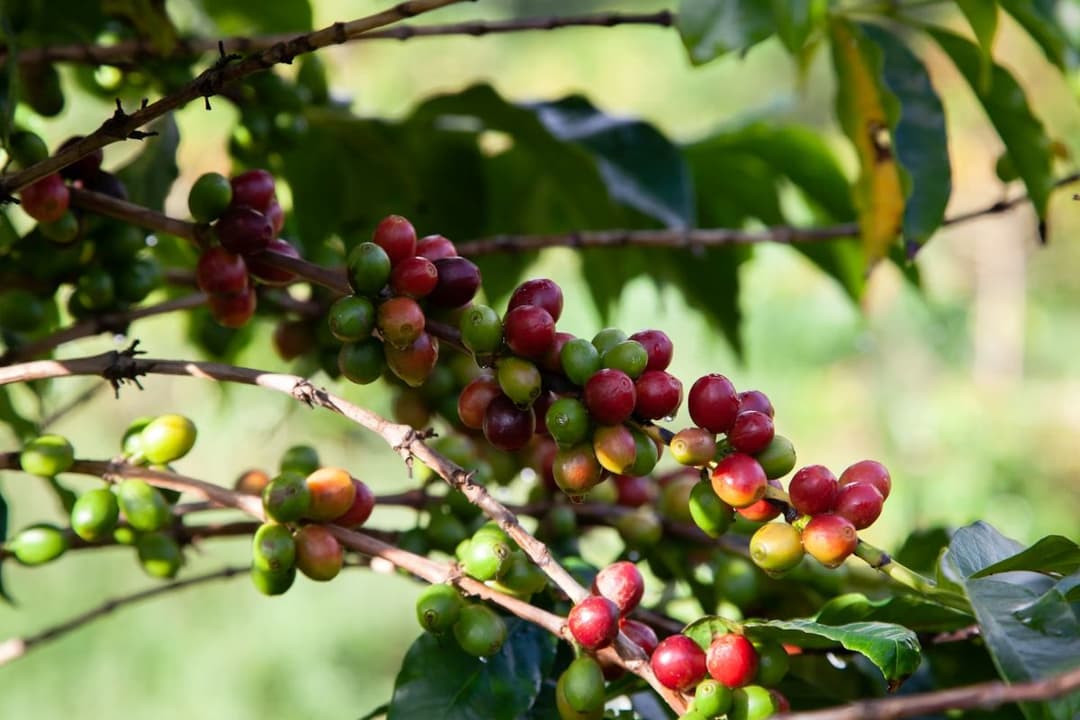
2. Harvesting – Cherries are harvested in full ripeness. Hand-picking is used on small scale farms where only the quality fruit is picked. Strip-picking or machines might be used for quicker picking on larger coffee estates.
3. Processing – Cherries are subjected to one of three primary processes after harvesting:
- Washed (wet) process – Gives a cleaner cup with vivid acidity.
- Natural (dry) process – Dries entire cherries for fruit-forward, full-bodied flavors.
- Honey process – Leaves a portion of pulp to contribute sweetness and special flavor.
- Drying and Milling – Beans are dried to proper moisture content, hulled for removal of layers, and graded according to quality.
4. Exporting – Green beans are packed and exported to coffee producing nations across the globe.
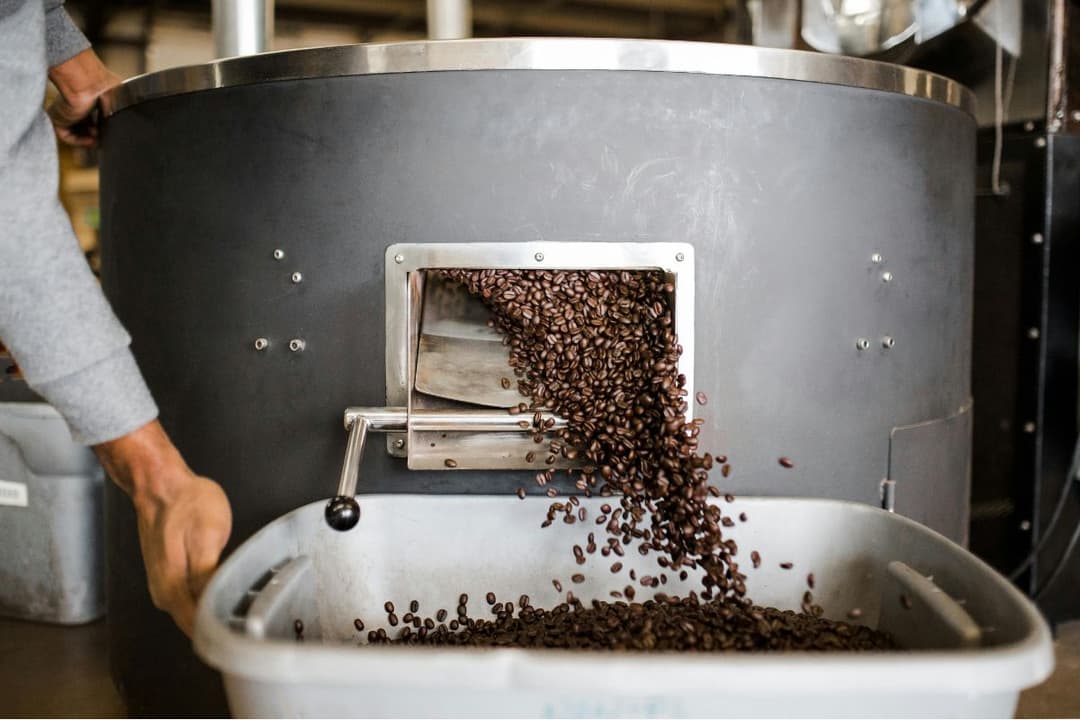
5. Roasting – The heat transforms green beans into freshly roasted coffee, releasing the flavors from wine such as acidity in high quality Arabica beans to the earthy depth of Robusta coffee beans.
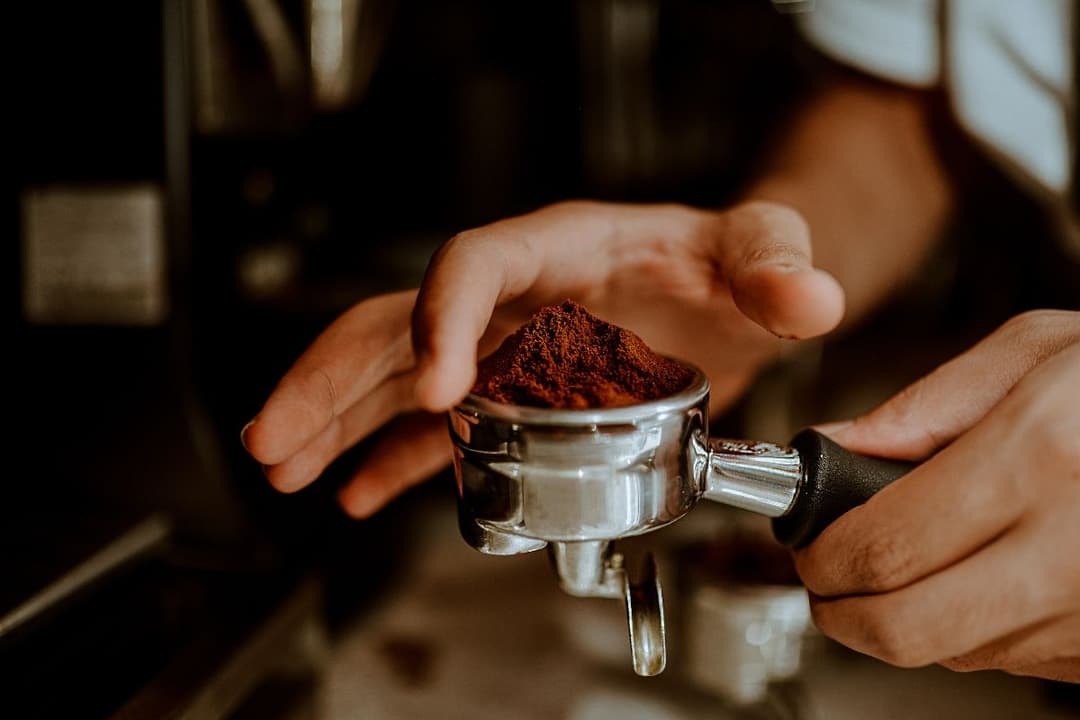
6. Brewing – The last step where all the labor is brought to life in a cup.
☕ From Brazil’s bold beans to Ethiopia’s floral brews, coffee is a global business. Torg connects suppliers and buyers to the world’s top coffee manufacturing countries. Sign up today to source directly from trusted major producers or showcase your beans to international buyers who value quality and traceability.
Coffee Production Statistics and Export Data
Coffee may seem like a daily staple, but behind each cup is a multibillion-dollar international trade. The International Coffee Organization (ICO) says global output totaled approximately 170 million 60-kg bags in 2024, but prices still fluctuate up and down based on growing conditions, demand at the market, and customer trends. A bountiful crop in one nation will lower prices, whereas drought elsewhere can drive them through the roof.
Then there are nations that are export-dependent such as Brazil, Vietnam, and Colombia and they provide more than 55% of the global coffee. Brazil produced about 66 million bags in 2023 alone, predominantly Arabica but with increasing proportions of Robusta. Vietnam is still the champion for Robusta at almost 30 million bags annually, much of which finds its way into instant coffee and espresso mixtures. Colombia, in turn, goes for quality, with its Arabica beans from high altitudes known for their bright acidity and smooth body.
At the same time, specialty coffee has carved out its own niche. Think Hawaii’s Kona coffee or Kenya’s high-grown Arabica which are rare coffees that can fetch three to four times the price of standard beans. Farmers may not produce huge volumes, but the payoff per bag makes it worthwhile.
Consumer behavior is also altering the statistics. Organic, fair trade, and sustainably produced bean demand continues to grow, pushing producers to conform. These days, it's not only about how much coffee a nation produces but also about the history, values, and attention that goes into every bean.
7 Best International Coffee Suppliers
From European boutique roasters to commercial suppliers with bulk orders for hotels and cafés, these coffee manufacturers are leading the coffee supply market in 2025. Each one has its own blend of premium beans, environmentally friendly sourcing, and customized services for coffee consumers and enterprises around the globe.
1. PUREGUSTO COFFEE SUPPLIES UK – United Kingdom
PureGusto Coffee in the UK has built a great reputation for fresh, award-winning coffee, and top-notch coffee equipment. They roast in-house for maximum freshness and deliver across the UK. From ground coffee and whole beans to espresso pods, tea, and café supplies, they have everything coffee shops, restaurants, and hotels need to keep customers happy. 👉 Contact Supplier
2. 80 STONE COFFEE ROASTERS – United Kingdom
80 Stone Coffee Roasters in the UK source their coffee beans sustainably and roast in small batches for maximum flavour. They supply wholesale and retail customers with signature blends, seasonal single origins, and barista workshops. Their subscription service keeps coffee lovers topped up with fresh, high-quality coffee at home or in the café. 👉 Contact Supplier
3. KOFEE UK – United Kingdom
Kofee is known for its expertly blended espresso and seasonal microlot coffees, all roasted to perfection. They supply cafes, hotels and coffee enthusiasts with beans to ground coffee to decadent hot chocolate. Their commitment to sustainability and barista education means customers get not only great coffee but the tools to serve it perfectly. 👉 Contact Supplier
4. BRASILIANA CAFFÈ – Italy
Within the country's coffee culture, Brasiliana Caffè blends only high-quality Arabica and Robusta beans. Every batch is carefully roasted to produce the real, authentic espresso flavour Italy is famous for. They supply cafes, restaurants and home brew enthusiasts looking for a rich, full-bodied cup based on traditional Italian roasting methods. 👉 Contact Supplier
5. SANTAS KOFFIE – Netherlands
Santas Koffie in Rotterdam supplies the hospitality sector with high-quality coffee and intelligent, environmentally friendly packaging. Blends are roasted to enhance strong flavors while remaining sustainable. They also provide professional coffee machines and accessories to become a one-stop-shop solution for cafés, hotels, and workplaces that wish to serve great coffee. 👉 Contact Supplier
6. UAB KAVOS BANKAS – Lithuania
Kavos Bankas imports beans from three continents, roasting them in-house to preserve their complete aroma and flavor. They sell a variety of products ranging from espresso blends and organic coffee to café and home brew equipment. They have built a reputation as a preferred coffee supplier in Lithuania and Europe. 👉 Contact Supplier
7. FRESHCOFFEE (ABBODY GMBH) – Germany
Freshcoffee combines technology and tradition, providing an innovative online configurator through which customers can create their ideal coffee. Roasting is done to order, meaning each cup is always fresh and full of flavor. From smooth Espresso Mild to organic Bio Espresso, they serve the individual coffee consumer as well as businesses seeking high-end coffee customized to their specific taste. 👉 Contact Supplier
Sustainable Coffee Production Best Practices
How coffee is grown today will determine if it will still be available in the future, thus the top coffee producing countries have made sustainable coffee production their first concern. As a result, hundreds of farmers in the coffee belt countries are progressively implementing new practices, not only to conserve nature but also to guarantee that they will continue to get bountiful harvests for many years to come.
Shade-Grown Farming and Agroforestry
Coffee is a good example of a plant that requires shade to grow. The introduction of trees alongside crops has been widely embraced by many of the major coffee producing countries. It is a win-win situation as it not only helps nature by attracting more animals and birds, stopping the washing away of soil, and contributing to the natural control of the temperature, but also creates a perfect environment for coffee to grow and mature which also means better yields. These agroforestry systems are very helpful to Arabica coffee producers as they are very sensitive to high temperatures.
Fair Farmer Compensation and Ethical Trade
One-third of the global coffee trade is the smallholder farmers, who are its main protagonists. Supply chains that are more open to the public as well as programs of fair compensation work like a safety net for a better and more comfortable living. That results for the income gap between countries that are coffee producers and countries that are consumers to shrink.
Resource Efficiency and Soil Protection
Measures to save water, the use of natural fertilizers, and a limited use of chemicals are the trends that are slowly becoming normalized. While climate change impacts harshly on large coffee producing countries, the ability to keep the soil in good condition will ensure not only steady yields but also better taste consistency over time. Proper land management is also directly linked to overall good coffee production statistics.
Growth of Specialty Coffee Producers
By seeking out distinctive tastes, consumers, in turn, motivate farmers to be more careful in the picking of their coffee beans, processing, and traceability of the sourcing. This transition is a great boost to specialty coffee producers who receive the most benefits from high-value markets, gaining not only a competitive advantage but also the means to drive local economies across the countries that produce coffee.
The Future of Coffee Production
The coffee market leaders of the future will need more than volume to compete. They will have to comply with new consumer expectations, face environmental challenges, and adjust their trading routes.
Climate Change Pressures
The best coffee growing countries grow Arabica, the most common coffee variety in the world. Unfortunately, it is highly vulnerable to temperature variations. As the climate keeps changing in an unpredictable way, farmers may need to relocate their crops to mountain areas or they might need to use several different varieties that are derived from the highest coffee producing countries such as Brazil, Colombia, and Ethiopia.
Expanding Production Regions
Some new or smaller coffee country producers are raising their production volume to satisfy the worldwide demand. This means that the ranking of the largest coffee producing countries might change later on. For instance, China and Thailand are not such a secret anymore due to their their high-altitude, tropical highland regions that offer ideal climates (mild temps, consistent rain) for quality Arabica beans.
Transparency and Technology
What roasters and consumers mainly look for is trustworthiness about origin, labor conditions, and environmental impact. Digital traceability systems are there to help track the beans throughout the global coffee trade. Besides, it also provides more accurate coffee export statistics which enable farmers and buyers to make the most appropriate decision.
Demand for Resilient Coffee Supply
With the new markets mostly in Asia, the demand is growing much faster than it used to be. The world will not be facing shortages of coffee if we can still count on the biggest producers of coffee — but the question of sustainability should always be there to remind people of the necessity to take care of future harvests.
Conclusion
Coffee in 2025 is a question of balance. Resisting change yet recalling tradition. Brazil is still out in front when it comes to volume, but nations like Ethiopia, Colombia, and Vietnam are crafting the flavour landscape in their unique ways. Ethiopia's beans add sharp, floral tones. Colombia provides smooth, balanced cups. Vietnam's robusta brings that bold, earthy kick.
What’s different now is how much variety is hitting the market. Specialty growers are experimenting with processing methods, and lesser-known coffee regions are stepping into the spotlight. Climate change is pushing farmers to adapt, which means we’re seeing new flavours, new blends, and fresh stories behind every bag.
These aren’t just “green” initiatives. They’re insurance. Through sustainable practices farmers strengthen their crops, defend their soil, and the global coffee supply chain. For the consumer of coffee it means the cup in your hand today has a better chance of being in your hand tomorrow and for many years to come.
FAQs
1. Where is coffee grown?
Coffee is grown in tropical regions along the coffee belt which are areas that are located near the equator. There are over 70 coffee belt countries, mainly in Latin America, Africa, and Asia, where the combination of altitude, rainfall, and temperature provide the ideal growing conditions for both Arabica and Robusta beans.
2. What country produces the most coffee?
As a result of its gigantic output, Brazil is still the largest coffee producing country and is the number one leader of coffee production statistics every year. When people ask which country produces the most coffee in the world, Brazil is always mentioned at the top spot.
3. Which countries are part of the coffee belt?
Many of the countries that produce coffee are located within this coffee zone or belt and such countries are Colombia, Vietnam, Ethiopia, Indonesia, Honduras, and Mexico. These regions represent the core of the biggest coffee producing countries worldwide.
4. What country has the best coffee beans?
The opinions are different, but quite a few people argue that the best coffee growing countries are Ethiopia, Colombia, and Kenya because of the rich and complex flavors. The specialty coffee lovers would be very happy to go through different origins as taste depends heavily on the climate, altitude, and processing.
5. What country drinks the most coffee?
Finland drinks the most coffee per capita, with Finns consuming around four cups a day on average. Their long-standing café culture, dark winters, and social traditions make Finland the world’s top coffee-drinking country year after year. This high consumption reflects both tradition and taste.
Request a Bulk Order Quote
Simple ordering, transparent pricing, delivered straight to your door