



Yogurt Market: Soaring Flavored and Drinkable Yogurt Sales
Explore the booming yogurt market covering size, segments, consumer trends, innovations and how to leverage the next wave of healthy convenience.
200+ buyers trust Torg for sourcing







The yogurt market is changing fast, with this change having a greater impact on sourcing decisions than perhaps those headlines about a "consumer trend" might have initially indicated. For retailers, buyers, distributors, and wholesalers, yogurt has become a practical entrance into the healthy convenience segment. A simple category before now stretches across drinkable formats to plant-based yogurt, high-protein SKUs, and lactose-free products. In other words, yogurt has become a very flexible product that can be positioned on multiple shelves and at several price points. In fact, the real question will be who can get profitable supply and move stock efficiently. This article breaks down the yogurt market from a trade and sourcing angle-clear, direct, and usable.
Snapshot of the Global Market and Trade Landscape
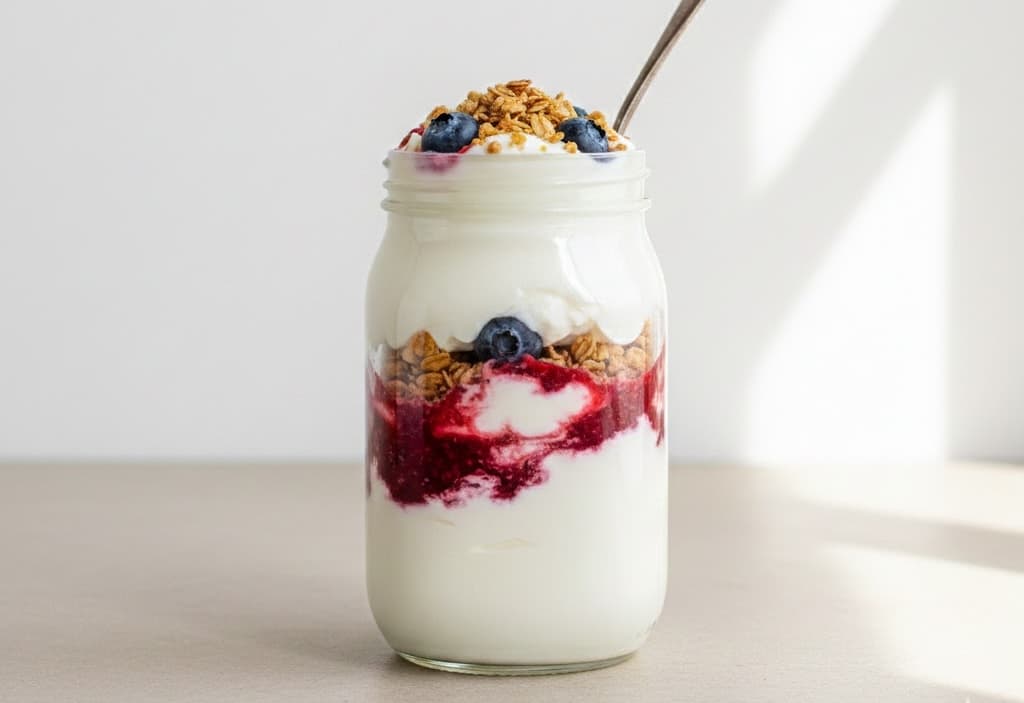
Yogurt continues to hold its place as a daily staple rather than a passing favorite. In 2025, the market stands at roughly USD 78.1 billion, then builds gradually toward about USD 110.8 billion by 2035, growing at a 3.6% annual pace.
Probiotic yogurt is also shifting from a niche add-on to a regular part of the dairy aisle. The segment is expected to move from about USD 33.9 billion in 2026 toward roughly USD 72.9 billion by 2036, growing at an 8% annual rate.
The story here is consistency. Yogurt fits breakfast routines, quick snacks, and light meals, which keeps demand steady. As formats evolve and preferences shift slightly, the category grows quietly, supported by habit, accessibility, and broad appeal across age groups and regions.
To buyers and retailers, that sort of growth means one thing: more demand, yes, but also more pressure on product differentiation, cost efficiency, and sourcing decisions. You can't just stock any yogurt and expect it to move. Shelf space now favors SKUs that offer a clear "why" with high protein, clean label, or convenience.
Market Segmentation
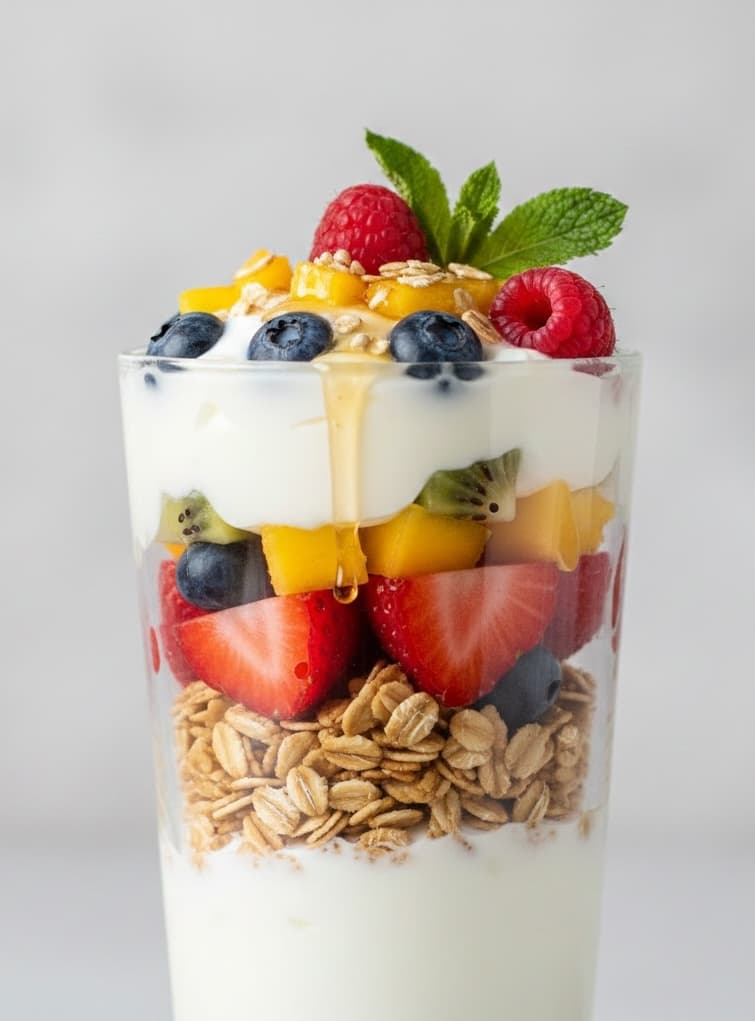
To plan your product lineup, you need to understand how the yogurt market is divided. It’s not one big category anymore. It’s a collection of smaller segments with different needs.
By type of product
- Spoonable yogurt
- Drinkable / yogurt shots
- Plant-based yogurts: almond, oat, coconut, soy
- Greek yogurt
- Flavored versus plain
By flavour / profile
Flavored yogurts hold a big chunk of sales in the global market, and strawberry still wins as a top flavor preference.
By consumer need / benefit claim
- High-protein
- Probiotics / gut health
- Clean-label, low sugar
- Botanical
- Lactose-free
Basically, yogurt has become a wellness product-not just dairy.
By distribution channel
- Supermarkets and convenience stores still dominate
- But online channels are growing fast, especially for premium and niche yogurt SKUs.
You'll want to strategically categorize the SKUs as a retailer or wholesaler. Instead of naming everything "yogurt," you'll position them as: high-protein drinkables, plant-based or lactose-free for diet-sensitive buyers; value-added flavoured yogurt for mass retail Apparently, yogurt is no longer a category; it's a full ecosystem.
Regional Insights (Biggest Country Producers, Importers, Exporters)
- On a regional scale, yogurt acts like a moving target. Markets don't grow at the same pace, and demand does not follow one single logic. Europe still holds the biggest slice, accounting for over 33.6% of the global yogurt market in the past years.
- Europe essentially wins on this count because of its strong dairy production base and deep penetration of spoonable and Greek-style yogurt. France, Germany, and the Netherlands still account for the key export hubs.
- Then there is the Asia Pacific, which is not only growing but accelerating; countries like China, Japan, India, and Southeast Asia drive the volume since yogurts align with a mindset of "snack + health". One report indicates that the Indian yogurt market is set to grow at around 9.8% CAGR onward, which is significantly higher compared to Europe.
- Consumption trends in the U.S. show Greek and functional yogurts gaining ground, with functional yogurt up 18% year-on-year and Greek varieties making up about 46% of U.S. yogurt sales by volume.
- As Europe leads in production, there's Asia that leads in momentum, while the U.S. tops in innovation.
For distributors in the Philippines or any part of Southeast Asia, be aware that:
- Cold-chain capacity
- Import rules for dairy versus plant-based yogurts
- Local producers are expanding faster than ever
Apparently, even a high-demand category needs proper logistics to flourish.
Supply Chain and Trade Insights
Sourcing yogurt in 2026 feels like walking a narrow line. Demand keeps climbing, but the supply chain is touchy, dairy and plant-based producers react quickly to cost changes, cold-chain issues, and regional trade disruptions.
- According to the OECD-FAO Agricultural Outlook, dairy isn’t getting easier to manage. Rising feed and energy costs are pushing prices up and making production rules tighter. Fresh dairy (the kind used for yogurt) needs more careful handling than processed dairy. It requires temperature-controlled transport and storage, which drives up operating costs for distributors and importers.
In other words, it is becoming increasingly expensive to keep yogurt cold.
- Cold-chain issues nowadays are not just a logistics risk but directly affect shelf life and spoilage rates. The guide points out that retailers and wholesalers are now asking suppliers about real-time temperature tracking and even QR code traceability. It’s simple: buyers want to avoid damaged stock and lost margins, although with a hi-tech ring to it.
- Another layer: cold chains aren't cheap anymore. Due to the uptick in global energy prices, refrigeration and reefer transport now represent one of the top drivers of cost increases for dairy shipments.
- Clearly, cold-chain demand isn't showing signs of stopping. The cold chain logistics market is continuously experiencing aggressive growth in categories such as yogurt drinks and probiotic yogurts. Yogurt drinks, in particular, need stable temperatures during transport from the plant to the retailer.
- Meanwhile, U.S. and EU markets are seeing a surge in direct-to-consumer yogurt subscriptions-a rather random sound, but it affects distributors anyway. When brands sell directly to the consumer, retailers see slower in-store rotation, which invariably means better forecasting. This is noted in the PCE Food & Agriculture Business, whereby supply chain planning today moves toward demand-based production.
- Yogurt made from plants adds another dimension. That means importing oat, almond, or coconut-based yogurt can run into multiple tariff classifications depending on the base ingredient.
In other words, a coconut-based yogurt does not get treated the same at customs as a dairy yogurt. Somehow, one SKU can pass faster and cost less in duties than another due to ingredient origin.
What Consumers Want: Behaviour, Drivers, & Channel Shifts
The yogurt category works because it moves. People want something quick, healthy, and flexible. And yogurt just happens to fit that job without extra steps.
Health & Wellness Drivers
Today, most consumers are looking for an actual benefit from yogurt rather than just vague promises. High protein, probiotics, gut health, low sugar, and clean-label claims are leading the purchase triggers for them. Glanbia Nutritionals' insights continue to reveal that demand for protein and cleaner labels keeps growing. MarketsandMarkets also records steady growth in protein-yogurt formats linked to fitness, recovery, and everyday nutrition. Buyers who stock functional SKUs usually gain better margins.
Format & Convenience Changes
People grab yogurt because it doesn't slow them down. Small bottles. Single-serve spoons. Multipacks that basically work anywhere like office fridge, gym bag, and even car cupholder. Drinkable yogurt is predicted to capture about 73.5% of product share in 2025. The easier it is to open and eat, the faster inventory moves across convenience channels.
Clean Label, Plant-Based & Sustainability
Plant-based yogurt has gone from "maybe" to a given. Shoppers expect to see oat, almond, or soy as defaults since these feel lighter and more responsible. Evidnt's U.S. Yogurt Trend Report shows clear growth in plant-based expansion, premium yogurt, and functional fermentation like kefir. Retailers stand to gain by insisting on recyclable packaging.
Channel & Consumer Demographic Shifts
Certain younger customers don't buy yogurt the way some older folks do. Family tubs are okay. Online, premium, high-protein, lactose-free, and low sugar yogurts today just performed better. Direct-to-consumer subscriptions and online grocery affect how buyers plan stock levels and rotations. Ignore these shifts, and you'll feel it on the shelf. Adapt your assortment and distribution strategy.
Opportunities and Future Outlook
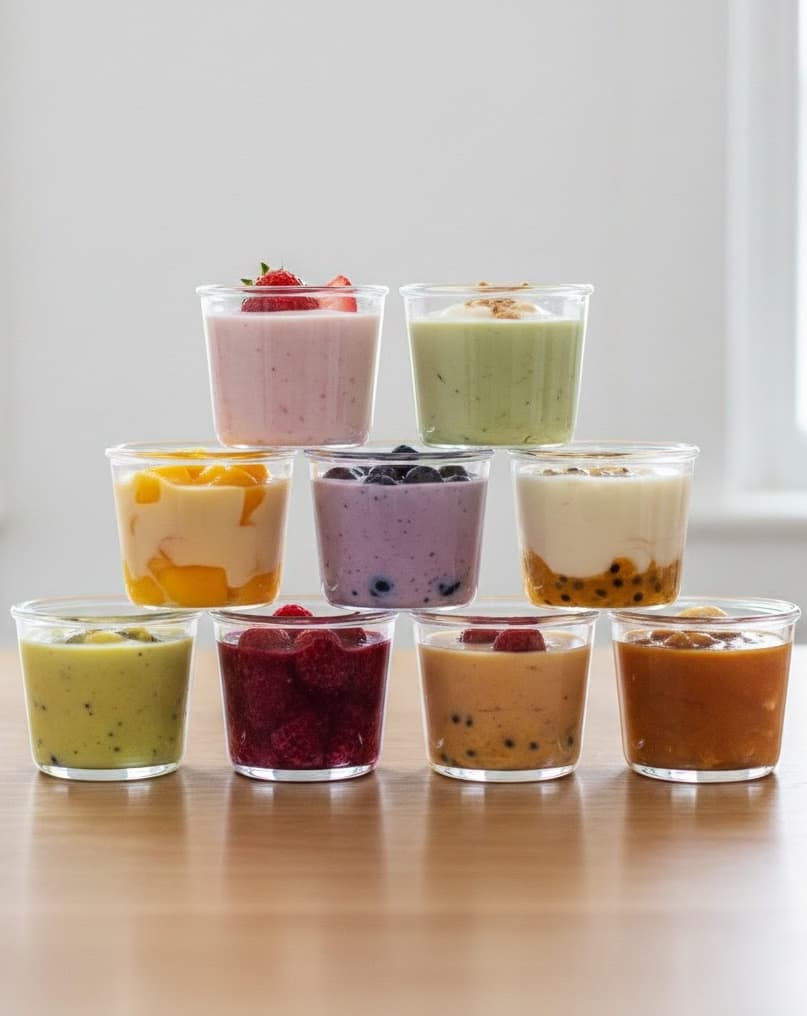
This category keeps changing. Nothing stays still for long. One season, a format takes off; the next, margins slide or suppliers shift direction. A sourcing strategy that worked two years ago might feel outdated now. Buyers have to adjust quicker, because the yogurt market rewards movement, not hesitation.
High-Protein & Functional Yogurt
High-protein yogurt isn't a niche idea anymore. It's considered fuel: protein, probiotics, gut support, muscle recovery. The idea is quite simple: products with quantifiable benefits sell more quickly. SKUs containing 20-30g of protein just move differently versus generic tubs because shoppers can somehow justify the price. For retailers, it means a premium tier without needing loud marketing. In short, functional yogurt gives margin protection.
Plant-Based Yogurt Alternatives
Plant-based yogurt solves real problems. Warm climate? Short on dairy supplies? Rising numbers of flexitarian shoppers? Plant-based checks all the boxes. Oat, almond, and coconut yogurts often come with cleaner ingredient lists—simple, straightforward. That makes them easier to explain and position. Instead of fighting for a crowded spot in the dairy aisle, retailers can place these SKUs in wellness sections, natural stores, or even push them through e-commerce where shoppers actively search for them. Less resistance, more reach.
Premium Formats & On-The-Go Convenience
Consumers aren't waiting for breakfast anymore. Yogurt turned portable. Smaller packs, yogurt drinks, mousse formats, fruit-mix cups-these behave like snacks. They fit in micro-markets, cafes, vending machines, and convenience stores without needing heavy promotions. You're selling speed, not yogurt. These SKUs turn quickly because people grab them without overthinking. Convenience basically equals sales velocity.
Emerging Market Growth
Demand is accelerating in the Asia-Pacific and Latin America. India's yogurt market is growing quite fast and thus, presents an attractive option for sourcing or early partnerships. In markets where yogurt penetration is rising, it is easy to test new flavors, textures, or local SKUs. Moving in first gives one better contracts, prices, and less competition.
Online Channels & Subscription-Ready SKUs
E-commerce changed inventory flow: consumers subscribe to their favorite yogurt like coffee or vitamins. That makes demand more predictable for wholesalers and reduces shelf pressure in stores. Direct-to-consumer formats also let retailers experiment with smaller minimums and flexible pricing. Somehow yogurt turned into a "lifestyle repeat purchase." Packaging just needs to ship well and store easily.
Top-Rated Yogurt Suppliers on Torg
1. Laiteries H. Triballat — France
Rians doesn't try to reinvent yogurt; they simply do it well. Five generations in dairy give them a feel for quality which you really can't fake. Their approach is simple: fresh milk, patient fermentation, and chilled delivery. No over-engineering involved. The result? A premium taste that wins repeat orders. Buyers like them because the products sell without needing dramatic marketing pushes. Basically, low effort, fast turnover.
2. Olympus Dairy Deutschland GmbH — Germany
Olympus works like a bridge between Mediterranean tradition and modern production. They handle everything from Greek yogurt to halloumi, feta, and nut-based items. The biggest advantage isn't variety. It's consistency. Smooth texture, predictable shelf life, stable flavor. Retailers appreciate products that don't surprise them. Somehow, Olympus manages to satisfy premium markets and price-sensitive channels at the same time. If you need Greek yogurt that performs, this supplier is reliable.
3. Boermarke — Netherlands
Boermarke specializes in plant-based dairy alternatives. They don’t overcomplicate things. Their yogurt, cheese, and even ice cream are available as private label or under their own brand. The flavours are familiar and easy to understand, so shoppers don’t second-guess the purchase. It feels like a simple switch, not a big lifestyle decision. That matters when you're introducing plant-based items to a market still warming up to alternatives. People choose Boermarke because onboarding doesn't turn into a long technical process. Sustainability without drama. Taste without confusion.
Conclusion
Yogurt keeps earning its place in everyday eating. It shows up in quick breakfasts, easy snacks, and lighter meals, which helps demand stay reliable. Growth is coming from variety rather than volume alone. Protein-forward lines, plant-based options, and improved textures widen appeal without changing habits. Retail still anchors sales, while online channels shape discovery and trial. As preferences spread across age groups and regions, yogurt feels less like a single item and more like a flexible food format. The category rewards suppliers who stay consistent, adapt to small shifts, and keep offerings clear and easy to choose.
Request a Bulk Order Quote
Simple ordering, transparent pricing, delivered straight to your door