



Matcha Market: From Japanese Tradition to Global Boom
Matcha’s global rise blends tradition, wellness, and innovation. Discover its origins, uses, supply challenges, and future opportunities in 2025.
200+ buyers trust Torg for sourcing







Matcha didn’t used to be everywhere. Today, you’ll see it on café menus from London to Manila. A latte here, an iced version there. What’s wild is how it leapt from quiet Japanese ceremonies into a global lifestyle trend almost overnight.
For buyers and suppliers, the question isn’t just why consumers love it. But why does it work as a business opportunity? Is it the flavor, the functional benefits, the visual appeal, or mix of each? Matcha has proven it can succeed both as a premium ingredient and a versatile product, making it a key focus for sourcing and supply strategy.
Where Matcha Began
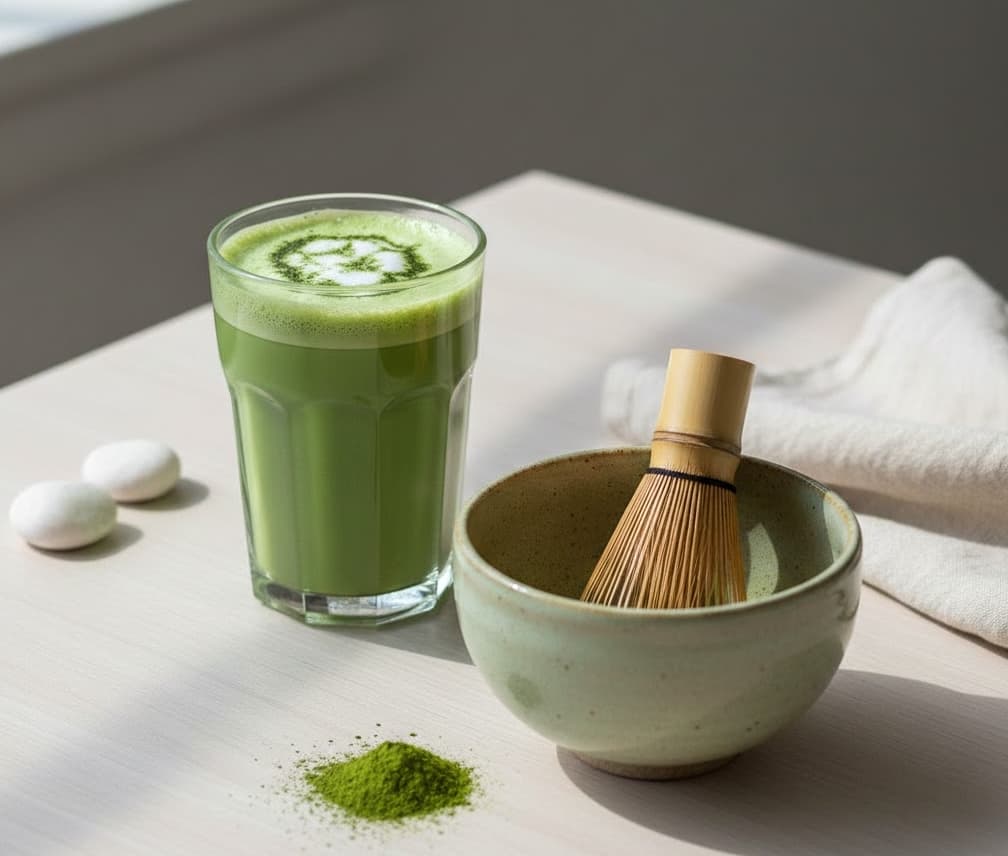
Matcha's origins do not begin in hip cafes or green lattes on TikTok. They trace much further back into the realm of Zen Buddhism. Japanese monks once turned to matcha before long hours of meditation. It wasn’t simply calming. It was practical. The combined L-theanine and caffeine produced a sort of tranquil alertness that coffee couldn't. Cross-legged for hours, half-closed eyes, half-dozy mind—it was just the thing to keep the attention keen. That's matcha. A natural focus drink before "focus drinks" was even a concept.
More intriguing, though, is the process of making matcha because just as important as drinking it was the actual doing. Slowing down, being conscious, and extremely intentional were involved in the process. Not just whisking powder into water but a mindfulness of being present. That same ritualistic spirit has somehow transferred to present wellness culture, where individuals seek mechanisms for slowing down, turning off, and being mindful of what they put in their bodies.
Japan then brought matcha into the limelight, transforming it from a temple ritual to a cultural icon. And to be sure, no one can blame them. Matcha carries with it a quiet sense of purity and discipline. With every sip, it feels like you’re borrowing a touch of that Japanese way of seeing balance and beauty.
Overview of the Matcha Market
Let's pull back now and take a look at the big picture. The matcha market has not expanded simply because presently it has almost shot off. Back in 2016, the global market was estimated at approximately $2.5 billion. By 2022, it has already exceeded $3.5 billion, and with estimates, it may exceed more than $6 billion by 2030, with an average annual growth rate of around 7–9%. Apparently, this is a consistent rise to qualify as a fad merely. The demand is increasing both in the high-end, ceremonial-quality category and in more mundane applications such as beverages and snacks.
Top Matcha Producing Countries
Japan remains the gem of the real matcha. But surprisingly, other areas are taking center stage. China ranks second largest, producing greater quantities, albeit lower-priced and sometimes variable quality-wise. Taiwan has begun to experiment with shaded cultivation methods. Even Kenya has started to plant shaded tea estates to emulate Japanese conditions. In some way or another, these new entrants are recharting the supply map, and that may make the market more competitive in the years ahead.
Matcha's Grade System
That's where it gets complicated: the grade system. Terms such as ceremonial, premium, and culinary sound formal, but they are unstandardized. They're used loosely by brands. So you might spend a lot on something that's "ceremonial" only to discover it's not much higher than cooking grade. For consumers, that brings about confusion and uneven pricing.
Common Uses for Matcha: Food, Drinks, Skincare
Matcha has various functions in various sectors of business, and thus its popularity in contemporary markets. Its functionality ranges from beverages through to cooked foods and even personal care.
Drinks: The Daily Staple
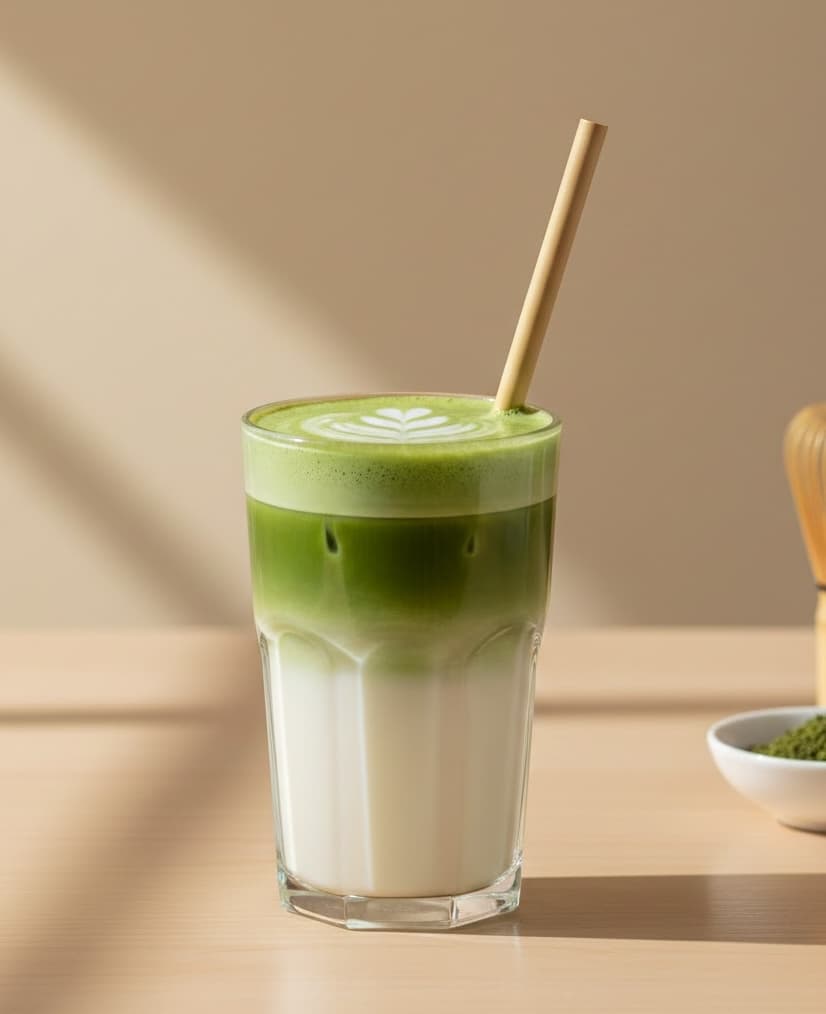
From coffee shops around the world, matcha is everywhere. Lattes, cold matcha on plant milk, bubbly matcha sodas, and cold brews command menus. Its appeal lies in the combination of energy and calmness—delivering sustained attention without the sharp jitters or sudden crashes that accompany coffee. It has therefore become a best-selling substitute for customers seeking functional beverages to maintain attention and wellness.
While, the value chain of matcha utilized for drinks is quite paramount. Good quality matcha has to be procured, ground, and packaged carefully in order to preserve taste and quality. Good logistics allow drink brands to grow and maintain consistent menus. When everything clicks, buyers move forward with launches or expansions without hesitation. Matcha suppliers enjoy steady, predictable demand and stronger commercial ties. Confidence on one side, reliability on the other. A smooth path benefits everyone.
Featured wholesale products


Matcha Culinary Grade Organic (Kyoto, Japan) 20kg
€525.00

Matcha Ceremonial Grade (China) 1kg
€100.00

Matcha Ceremonial Grade (Yame, Japan) 1kg
€200.00
Food: Color, Flavor, and Culinary Versatility
Matcha's vibrant green hue is the ultimate natural coloring agent. Cakes, macarons, doughnuts, ice cream, products look beautiful and, ah yes, Instagram-worthy.
Flavor is important too. Matcha contributes a multifaceted umami flavor: subtly sweet, earthy, slightly bitter, and subtly savory. That multifacetedness makes it applicable to both sweet and savory foods, ranging from chocolate bars to noodle soups. Chefs and product developers use matcha more and more for its multi-purpose function: it colors, tastes, and enhances dishes simultaneously.
This versatility comes with the demand for a supply chain that ensures flavor and color consistency batch after batch. Traceable high-quality matcha is needed by bulk buyers in order to preserve product integrity. A well-controlled chain enables manufacturers to innovate without risk of production delays or compromise on quality. For suppliers, this means stable contracts and access to reaching multiple market tiers, from packaged foods to upscale restaurants.
Skincare: Functional and Aesthetic Benefits
Matcha has graduated from food and beverages to personal care. Its antioxidants and chlorophyll content are being sold for possible skin benefits, such as detoxification and anti-inflammation. Science is playing catch-up, but the draw is obvious. Matcha is used in face masks, serums, and scrubs, providing customers with a natural, functional, and visually appealing skincare solution.
Freshness and potency take center stage here. The supply chain leans on smaller, carefully controlled lots. Skincare brands benefit as they can launch products with confidence, knowing quality won’t waver. Suppliers gain too: new markets beyond food and beverages, plus relationships with brands that value consistency, traceability, and premium standards. Everyone wins.
Why Matcha Supplies Are Running Out
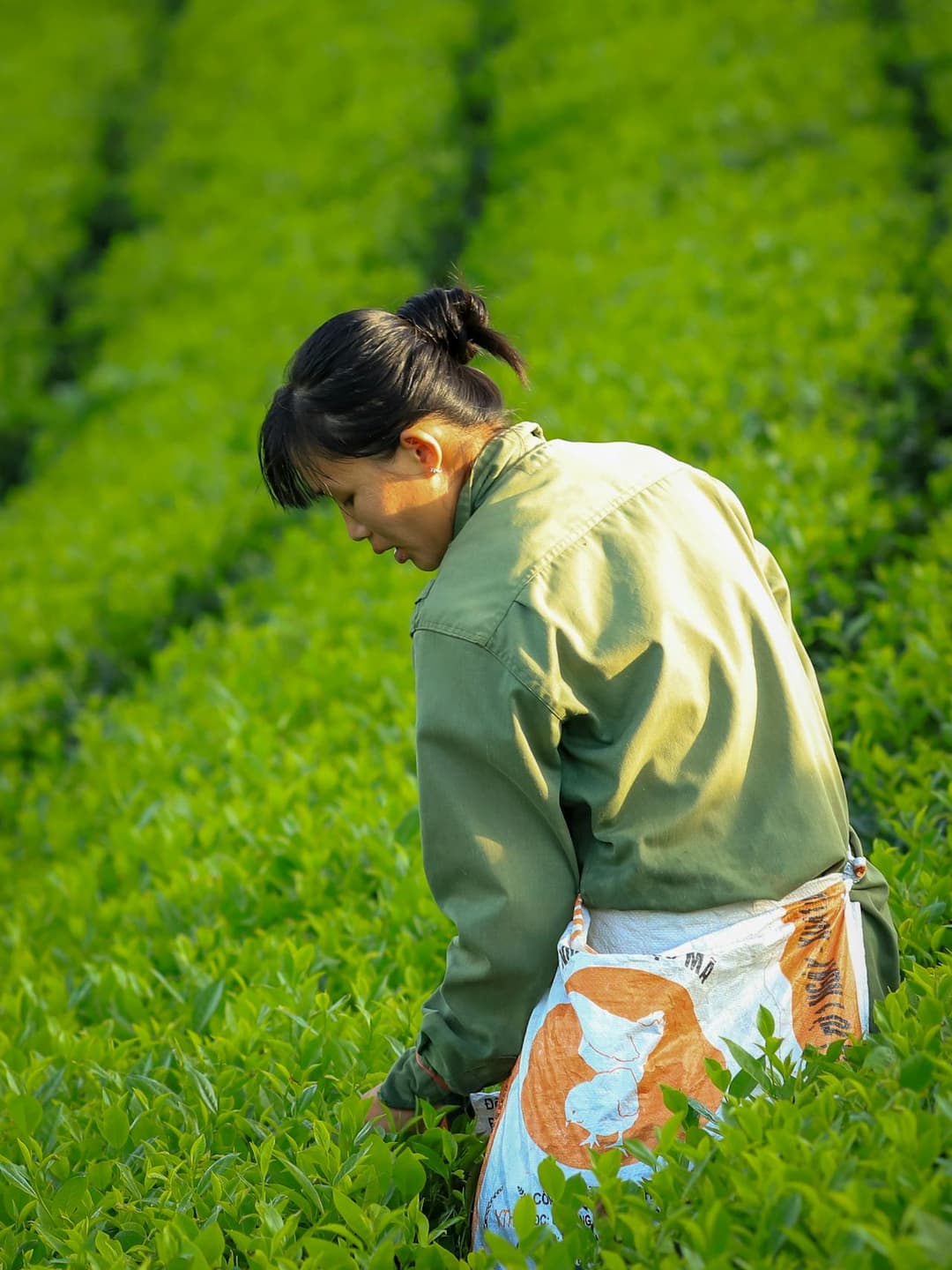
The world's matcha supply is strained. Surging demand and production issues are putting pressure that's difficult to overlook.
Climate Change and Decreasing Yields
Uji and Nishio—Japan’s matcha heartlands—are feeling the heat, literally. Climate change isn’t subtle here. Rising temperatures and unpredictable rainfall knocked 15% off 2024’s harvest compared to 2023. Delicate leaves suffered. Harvest schedules scrambled. Heatwaves and erratic rains made sure nothing went as planned.
Labor-Intensive Cultivation Processes
Matcha production is labor-intensive. Tea leaves are shaded for as much as 30 days prior to harvesting, a process that is hard to mechanize and labor-intensive. Increasing production to match increasing global demand is still a daunting task.
Market Saturation and Price Inflation
Demand has overwhelmed supply on a global level. Tencha auction prices, which is the source material used to make matcha, increased 170% from year to year to 8,235 yen per kilogram during May of 2025. As a result, ceremonial matcha now sells for almost $100 USD per 100 grams overseas, whereas only two years prior it sold for $60 USD.
Short supply of high-quality matcha has precipitated an increase in poor-quality substitutes. Certain products marketed as matcha are actually green tea leaves ground up without undergoing the traditional shading, devoid of the amino acid profile found in proper matcha. Such products can neither meet the anticipated flavor nor provide the desired health benefits, confusing buyers and making it difficult for companies to source high-quality matcha.
Strategic Adaptations by Industry Stakeholders
To overcome these challenges, retailers, cafés, and distributors are making a change. Others create direct relationships with farms, while others create diversification in sources by looking into places such as Hawaii and Kenya. Nevertheless, nothing today compares to the quality and authenticity of ceremonial-grade matcha produced from Uji.
Top-Rated Matcha Suppliers from Torg
1. SUMO MATCHA – Sweden
Sumo Matcha is a premier supplier of top-grade matcha imported directly from Japan. They specialize in bringing premium matcha to the masses without compromising on genuine flavor and quality. They have Organic Ceremonial Matcha, Barista Matcha, Culinary Matcha, and necessary tools for improvement and presentation to suit professional and home use.
2. MATCHAMAGIC – Germany
Matcha Magic provides high-quality organic matcha directly imported from Japan. They intend to promote energy and mental focus while providing real taste. Their products include gourmet matcha, ceremonial matcha, matcha for cooking and baking, matcha latte blends, capsules, and novel drinks, providing a diverse way of enjoying matcha.
3. YUGA MATCHA – Belgium
Yuga Matcha focuses on high-quality matcha products emphasizing flavor and health aspects. Their offerings include ceremonial grade and premium matcha catering to serious users and casual consumers, as well as starter kits and accessories to enhance the matcha experience. Each product highlights deep flavor and bright color, which represents the level of traditional Japanese matcha.
The Promising Future of Matcha
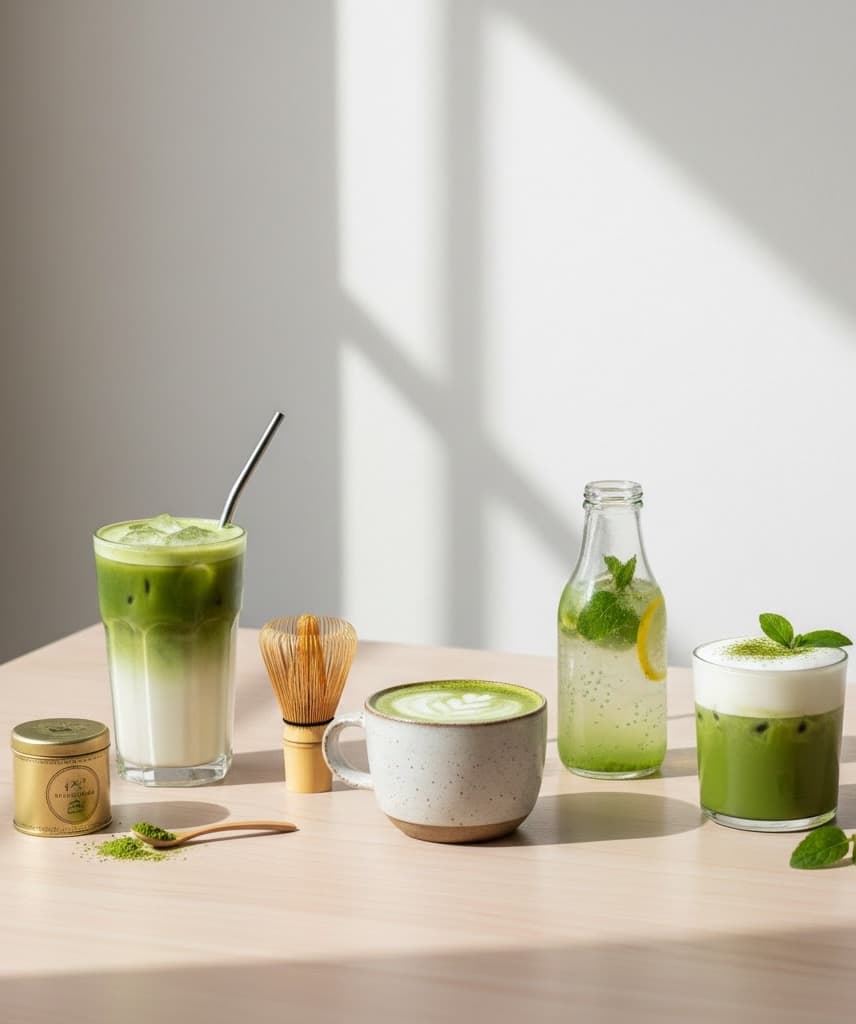
The matcha business faces challenges, no doubt about it. Yet somehow, the future looks vibrant. Bright, even. Despite the hurdles, growth is on the horizon, and opportunities keep multiplying.
Market Growth and Innovation
The international market for matcha is expanding rapidly. In 2025, it is likely to grow to about USD 4.17 billion, with forecasts to reach USD 6.35 billion by 2034—a CAGR of 11.1%. This is driven by increasing demand for health-oriented products and the adaptability of matcha across various markets.
Innovation is a major force behind it. Matcha is breaking out of classical tea. Ready-to-drink canisters, protein powders, and even alcoholic drinks infused with matcha are now on the market. These items penetrate into larger groups of consumers, from athletes to functional drink-sought consumers. Will this drive matcha to mainstream grocery stores? Signs point to it already.
Diversification of Cultivation Regions
Japan is still the benchmark for high-quality matcha, but it is being followed by others. Hawaii and Kenyan farms are testing the waters of shaded tea farming to replicate Japanese techniques. Small-scale production is also underway in certain parts of Europe. These trends may stabilize supply and cut dependence on Japanese production.
Focus on Sustainability
Sustainability is in the spotlight. Matcha lovers care about more than flavor—they care about origin. Japanese farms are planting trees alongside matcha, creating protective microclimates that guard against heat and drought. It’s smart farming. And buyers notice: eco-friendly practices make a product stand out. How it’s grown now matters just as much as how it tastes.
Strategic Opportunities for Retailers
For brands and retailers, forging strong connections with these networks is essential. Relationships matter more than transactions. Platforms such as Torg provide certified suppliers with guaranteed consistency and availability. Such partnerships enable brands to introduce new products with confidence, respond to consumer demand, and circumvent supply shortages or quality problems. In short, doing it smarter today can open greater doors in the future.
Conclusion
The global popularity of matcha is not only about taste. It combines history, culture, health, and aesthetics in a manner few foods or ingredients come close to. From Zen Japanese traditions to lifestyle today, matcha has adapted yet maintained its integrity. There are supply challenges, with high-quality matcha in restricted production, but demand keeps increasing. Its history is one of evolution—an old drink aligning with new tastes and technology. For retailers, food brands, and cafés, the message is clear: matcha is a powerful trend with endurance. Its convergence of tradition, functionality, and beauty means it's only just beginning.
Request a Bulk Order Quote
Simple ordering, transparent pricing, delivered straight to your door