



10 Trade Shows to Help Manufacturers Find Distributors
Discover the top trade shows to find distributors, connect globally, and grow your brand. A guide for food manufacturers and exporters.
200+ buyers trust Torg for sourcing







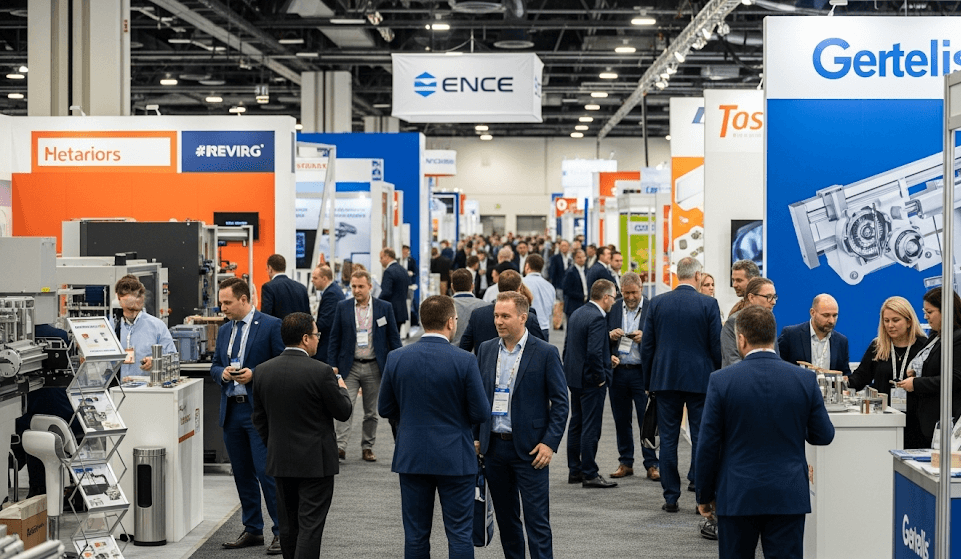
Breaking into new markets isn’t easy. But if you’re a food manufacturer serious about growing, there’s one place that can speed things up. FMCG trade shows, international food expos, and retail food trade shows designed to connect brands with real buyers, real distributors, and real opportunity.
These are B2B food exhibitions built for business. You’ll find everyone from global retailers to niche regional distributors walking the floor, scouting for what’s next in food and drink. It’s a rare moment where the gatekeepers come to you.
This post deconstructs the top 10 most valuable trade events where you can meet distributors, along with tips to prepare, pitch, and follow up. If your objective is to secure distributors for foods or access international food trade fairs, this is your roadmap.
What is a Trade Show?
A trade show is a large-scale business event where companies from a specific industry showcase their products, services, and innovations to potential buyers, partners, and distributors. Unlike consumer fairs, trade shows are typically B2B (business-to-business) events, attracting importers, exporters, manufacturers, wholesalers, and industry professionals.
In the FMCG and food manufacturing world, they are not a nicety. They are a necessity. One global food trade fairs can create leads that cannot be achieved by months of cold calling. Whether you're attempting to gain space on supermarket shelves or identify a trustworthy distribution company abroad, this is where you make your moves.
At food manufacturing expos, you'll be greeting importers, buyers, wholesalers, and private label scouts who are hunting for new suppliers in earnest. These are no window shoppers since they carry budgets, deadlines, and goals. If you're serious about expanding your presence, trade shows for food producers are where you sow the seeds.
Benefits of Trade Shows
Trade shows are not just events. They are a business strategy. For food and beverage companies, these are the only times where buyers, distributors, and suppliers are all in one place. If you want to grow, these are the times that take your brand to the next level.
Face-to-Face Networking
Face-to-face meetings impact differently. At B2B exhibitions, you're not merely another email. They catch sight of your face, hear your pitch, and recall your brand. Such face-to-face interactions enable you to establish relationships that result in quicker decisions, stronger trust, and long-term collaborations with serious food distributors and regional buyers.
Building Trust and Brand Visibility
Trust takes time but trade shows speed it up. Being there in person at wholesale food expos shows you are professional and committed. Distributors can see your packaging up close, taste your samples, and ask you questions in person, making your brand more believable than anything they’ve read in an email or brochure.
Opportunity to Showcase New Products
Rolling out something new? Retail food trade shows put you in front of category buyers seeking new SKUs. They need to know what's new. You receive feedback, leads, and press all under one roof. No better place to launch, test, or reposition your product in a live setting.
Market and Competitor Analysis
Want to know where your product stands? Walk the floor. Trade shows for food manufacturers offer a crash course in what other manufacturers are doing including pricing, packaging, positioning. You’ll spot category trends, see what’s working (or not), and find gaps your brand can fill. That’s market research without hiring an agency.
Securing Regional or Global Distribution Deals
That's why most brands appear. Food export trade events bring you face-to-face with vetted distributors from your target markets such as Southeast Asia, Europe, MENA, or beyond. Rather than pursuing leads, you're in the presence of decision-makers eager to discuss contracts. A single show can open up entire markets if you do it right.
Top Global Trade Shows for Manufacturers to Find Distributors
If you’re serious about finding food distributors or growing into new markets, these five international food expos should be on your radar. These business pipelines are packed with buyers who are ready to place orders, sign deals, and build lasting supplier relationships.
1. SIAL Paris (France)
This is where Europe’s food scene meets the world. With over 7,000 exhibitors and 300,000 visitors, SIAL Paris is perfect for FMCG brands eyeing European expansion. You’ll find food distributors, retailers, and private label buyers from France, Germany, and beyond, all actively scouting new products to take into their markets.
2. Anuga (Germany)
Anuga divides the world of food into distinct areas, whether fine foods, frozen, organic, or drinks so that you can focus on the right customers. Based in Cologne, it attracts retailers, wholesalers, and overseas distributors from Europe, Middle East, and Asia. It's designed for serious business, not merely sampling and superficial exposure.
3. Gulfood (Dubai, UAE)
Gulfood is the Middle East's largest food exhibition and one of the region's most business-fierce. Imagine distributors, importers, procurement heads of hotels, and state buyers all in one place. It's perfect for brands looking to break into the MENA region and expand across Gulf markets with dependable wholesale and retail relations.
4. FHC China – Food & Hospitality China (Shanghai)
China acts quickly and FHC Shanghai keeps you in the middle of it. This exhibition gets you in front of regional food distributors, HoReCa purchasers, and online marketplace players. Ideal for companies seeking to trial SKUs in East Asia or expand visibility in Tier 1 cities such as Shanghai, Beijing, and Shenzhen.
5. Foodex Japan (Tokyo)
If your product is up to high standards, Foodex Japan provides you with a serious opportunity. Japanese consumers value quality and long-term business relationships. This show is the key to establishing entrance into Japan's highly regulated retail food market, and it's where importers search for new premium, organic, and functional food products for the Asian market.
6. Thaifex – Anuga Asia (Bangkok, Thailand)
Thaifex brings Southeast Asia’s food and beverage ecosystem into one place. It’s ideal for manufacturers targeting ASEAN markets like Thailand, Vietnam, Indonesia, Malaysia. You’ll meet regional distributors, importers, and supermarket chains actively sourcing international food products. The event also covers halal, organic, and processed foods, making it highly versatile for exporters.
7. Summer & Winter Fancy Food Show (USA – New York & Las Vegas)
These American shows bring you in touch with national specialty distributors, gourmet and high-end grocers, and gourmet buyers. If your product is unique in flavor or in packaging, this is where it is taken up. The organic, artisanal, and international food categories receive the most interest. Good for establishing connections with coast-to-coast American distributors.
8. Expoalimentaria (Lima, Peru)
Peru’s Expoalimentaria is your inroad into South America’s food industry. Big buyers from Chile, Colombia, Ecuador, and Brazil attend. The focus? Processed foods, healthy snacks, and natural products. You’ll meet wholesale distributors and importers who specialize in both retail and foodservice, making it ideal for scalable growth in Spanish-speaking markets.
9. Saudi Food Show (Riyadh)
Saudi's retail and HORECA sectors are growing quickly. This exhibition brings major buyers from the region's leading supermarket chains, hotels, and airline caterers. It's an effective gateway to the GCC. If your brand is seeking Saudi distribution, appearing here puts you in front of local importers and serious B2B partners.
10. WorldFood Istanbul (Turkey)
WorldFood Istanbul is an event of strategic importance to access distributors in Turkey, Central Asia, and Eastern Europe. The exhibition attracts food wholesalers, private label purchasers, and retail chains searching for trustworthy suppliers. Turkey is also a logistics bridge between Europe and the Middle East, which makes it a tactical move to expand.
🚀 Skip the long hunt for reliable partners.
Instead of waiting for the next trade show, explore Torg’s verified network of buyers and distributors online. Torg makes it easy for suppliers to showcase products to global buyers and for buyers to source from vetted, trustworthy suppliers. Whether you’re growing exports or securing quality imports, Torg helps you save time and grow faster.
How to Prepare for a Trade Show as a Manufacturer
Food and beverage trade shows are where business gets done. Showing up is not good enough, showing up prepared is. From your booth preparation to sales collateral and meetings, all the details count. If you're serious about picking up distributors or deals, here's how to prepare like a brand that has its act together.
Set Goals
Entering blind is a time-waster. Be precise. Five warm leads, three signed MOUs, or one new distributor? Goals provide your team with direction, allow you to track ROI, and enable you to concentrate on the correct conversations as soon as the floor is abuzz with individuals.
Perfect Your Product Presentation
Distributors prefer products that are ready for the shelf. That is, clean, shiny packaging, precise labeling, and clear certifications such as organic or halal. Price positioning must be simple to comprehend. Imagine your booth as a shelf. Would your product attract someone's attention? If not, address that before you even send your samples.
Prepare Your Booth
Your booth does not have to be glitzy, but it should be thoughtful. Good lighting, clear signage, intelligent product placement and these are not niceties. Have samples readily available and branded materials in order. Make it look like you've practiced before. A clean, confident booth communicates volumes before you even open your mouth.
Build Distributor-Ready Materials
Have printed and digital sales sheets with product specs, MOQ, price tiers, shelf life, and certifications. Bring export documents in case you're sourcing globally. Most importantly, condense your pitch to 30 seconds, why is your product worth a distributor's shelf space? Be clear, confident, and simple.
Pre-Schedule Meetings
Don’t leave meetings to chance. Use the event’s matchmaking tool or LinkedIn to connect with food distributors early. Reach out to distributors, retail buyers, or category managers two weeks before the show. Set specific times. When everyone else is scrambling on the floor, you’ll be walking into pre-confirmed meetings with warm leads.
Train Your Team
Your staff should be aware of the brand, product information, and how to respond to difficult questions about logistics, price, or lead time. Practice difficult buyer objections beforehand. This is not a booth job because it's about creating connections that can grow your business. One untrained employee can blow a genuine opportunity.
What Distributors Look for at Trade Shows
Distributors come into trade shows with a single question on their minds: Will this product sell? They're not shopping, they're doing math. If you're a food manufacturer or brand looking to enter new markets, you have to know what they're measuring before they ever step foot in your booth.
Market Demand
Your product must appeal to actual consumer behavior in their market. Local flavor profiles, ingredient trends, dietary issues, these are all considerations. A success in your home market isn't necessarily going to translate internationally. Bring along samples that resonate with their market, and be prepared to tell them why your product meets a need they're monitoring.
Margins
If they like your product, low margins are a dealbreaker, however. Distributors will do a quick math of cost versus possible retail price. If your wholesale price doesn't allow them to make a profit after transport, taxes, and retailer adjustments, they'll decline. Have your pricing rationale prepared to walk them through.
Shelf-Readiness
They want products that look ready to hit retail tomorrow. In other words, barcodes, correct labeling, compliance with local regulations, and packaging that really stands out without looking cheap. If it requires additional work, so be it, before you're on the shelves-it's a pain, not a sale. The whole deal needs to feel done.
Logistics
You must be consistent. If you don't clearly define your MOQ, lead times are obtuse, or you're uncertain on export documentation, they'll walk. Be prepared to provide answers to inventory capacity, delivery schedule, temperature control, and batch tracking. Consistent logistics keep them confident that you're not simply scalable. You're stable.
Support
Marketing assistance is a home run. Will you assist them with POS displays, online advertising, or launch promotions? Can you provide temporary discounts or samples to drive velocity? Distributors are not sending boxes, they prefer brands that sell. Your assistance can tip the balance when they are selecting between comparable products.
Trade Show Follow-Up Strategies
The show isn't finished when the booth is packed up. The hard work begins afterward. Strategic and timely follow-throughs can make the difference between a lost opportunity and a signed distribution agreement. You'll need to follow up like a professional, not an amateur, if you intend serious traction with prospective buyers or distributors.
Collecting and Organizing Distributor Leads
Ditch the business card stack. Monitor every lead with notes: what they're interested in, where they operate, and what you promised. Utilize a lead retrieval tool, CRM, or even a Google Sheet. Just don't count on memory. Quick, organized follow-up puts you way ahead of competitors who go dark after the event.
Sending Personalized Follow-Up Emails or Offers
Avoid using the generic "nice to meet you" email. Start with something specific such as what you discussed, what product they found interesting, or a need you saw them express. Include your catalog, prices, and a willingness to send a sample product or catch up for a quick conversation. Make it simple for them to continue the conversation.
Scheduling Follow-Up Calls and Virtual Demos
Act quickly because distributors meet dozens of brands. Schedule a call or demo within a week while they remember you. Use the time to get logistics, MOQ, and exclusivity terms cleared. A live call also provides room to respond to questions and establish rapport. Don't wait for them to contact you, you make the first move.
Providing Onboarding Kits or Partnership Proposals
If they want it, don't require them to work for it. Send a plug-and-play onboarding kit: POS materials, sales decks, product photos, promo plans, whatever assists them in selling to retail buyers. The easier you make the transition, the sooner your product is on shelves. Distributors appreciate partners who anticipate and bring tools, not tasks.
Using CRM Tools to Manage Outreach
Even tiny brands require structure. Utilize a CRM such as HubSpot, Pipedrive, or Zoho to keep your distributor outreach organized. Follow contact history, create follow-up reminders, and label hot leads. It keeps you on top of your pipeline and does not allow deals to get lost in post-show mayhem.
Torg: The Virtual Trade Show for Food & Beverage Sourcing
Torg is a B2B sourcing platform, powered by AI, and designed for the food and beverage sector. It's like having your own 24/7 global trade show, without the flights and rental fees. It brings manufacturers together with active distributors, retailers, and buyers worldwide. Here's how to find distributors for food products on Torg:
Step 1: Access the Marketplace
Log in and click “Request Marketplace.” This opens real-time buyer requests. You’ll see exactly what food distributors are actively sourcing, from granola bars to frozen meals.
Step 2: Search Relevant Products
Type in the product you want to offer, be specific. You’ll get matches that align with buyer demand across formats, price ranges, and certifications.
Step 3: Express Interest
If a buyer request fits your product, click “Join Request.” This shows the buyer you’re available, serious, and ready to talk business.
Step 4: Use 'Find Buyers' Tool
Don’t want to wait? Use “Find Buyers” to search for distributor leads directly. Apply filters by country, product type, or category trends.
Step 5: Get Contact Details
Once you spot a fit, click to reveal buyer contact info. You can then message, negotiate, or schedule a follow-up, all inside Torg’s platform.
Conclusion
Attending trade shows for food and beverage isn't just good exposure. It's a fast track to new markets and serious distribution deals. But it doesn't all start with booking a booth. You must plan to walk in with a clear plan, sharp pitch, and strong follow-up game. Distributors don't attend to browse. They're problem-solvers looking for high-potential products and trying to make decisions.
Begin by determining which global expos fit your objectives. Create marketing materials that showcase your value. Get your team ready to confidently discuss price, MOQs, and logistics. And after the show is over, that is when the real work really starts so call them, send out samples, book calls, and close the loop.
The winning brands at trade shows are the ones who arrive prepared to sell, listen, and act quickly. That's what makes all the difference between having a handful of leads or a full pipeline of new distributor relationships.
FAQs
1. How do I know if a distributor at a trade show is legitimate?
Don't just go by a business card. Ask them who they distribute for now, which stores they service, and where they are located. Look for evidence that they're a registered company with a professional website, and an active LinkedIn profile. If something does not sit right with you, leave. Legit distributors won't be afraid to provide credentials or referrals.
2. What questions to ask potential distributors at a show?
Start with how many retailers they supply, what countries they cover, and what their ordering cycle looks like. What's the minimum order quantity, return policy, and process for introducing new SKUs to the network? Be specific. You're interviewing a potential business partner, not chatting with a pal.
3. How do I track ROI from attending trade shows?
Build a pre-event CRM list to label each lead you talk to. Post-event, monitor sample sends, follow-up calls, and conversion timelines. ROI is not about deals closed yesterday. It's about quality leads, future partnerships, and visibility in new geographies. Review the results every quarter, not only the week post-event.
4. Should small manufacturers attend international trade shows?
Yes, certainly, if you have the fundamentals in line: export documentation, pricing model, shelf-ready packaging. These shows are not just for giants. Most boutique food manufacturers get first-time buyers or distributors with expertise in specialty products. The correct expo can accelerate your brand's global presence.
5. Are trade shows still effective?
Yes, very much so. Even in the digital age, B2B food and beverage transactions frequently begin with face-to-face trust. A handshake is still important. Exhibitions provide buyers and sellers room to taste, pose tough questions, and determine if they're a good match. Web tools assist, but nothing is more effective than person-to-person product pitching.
Request a Bulk Order Quote
Simple ordering, transparent pricing, delivered straight to your door