



Non-Alcoholic Beverages in 2026: Beyond Sodas and Mocktails
Discover key growth drivers for the non-alcoholic beverage market. Also consumer demand shifts and sourcing opportunities shaping the 2026 beverage market.
200+ buyers trust Torg for sourcing







Non-alcoholic beverages aren’t a side category anymore. They’re becoming a portfolio driver. The range keeps expanding: functional waters, zero-proof spirits, RTD teas, enhanced hydration drinks, fermented options, and beverages positioned as “adult” without alcohol. For anyone managing sourcing or distribution, this shift matters. The category pulls volume from multiple directions—health, convenience, premiumisation—and new formats rotate faster than before. You’ll see different price points, smaller run SKUs, and shorter lead times. Basically, if you plan your assortment well, non-alcoholics can open new revenue without exploding your operational load. In this article, we break down the data, the behaviour shaping demand and the opportunities to move first.
Non-Alcoholic Beverages Market Landscape
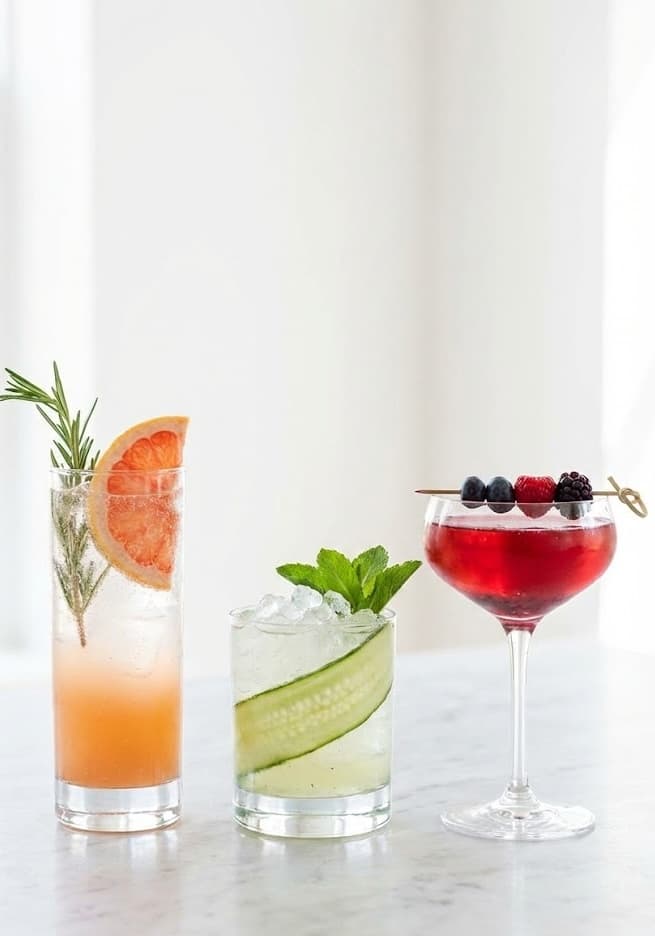
The category isn’t simply expanding because consumers are “drinking healthier.” What’s happening is much more structural. Non-alcoholic beverages are now treated like a core revenue engine, not an add-on to soda or juice lines.
The non-alcoholic beverage market commands scale, sitting between $1.2 trillion and $1.4 trillion in 2025, and it is expected to push past $1.5 trillion by 2026. Expansion is fueled by health-led choices, functional formulations, and natural ingredients, while RTD teas, plant-based drinks, and premium offerings continue to shape growth into the next decade.
Basically, buyers aren’t just selling drinks. They’re managing more occasions: hydration, wellness, routine consumption, indulgence, social settings.
Market Segmentation
Segmentation here isn’t academic. It shows where sell-through happens and where margins show up.
Product segmentation
- Carbonated soft drinks generate consistent volume. They’re predictable, so they anchor the pallet.
- Bottled water keeps growing because it fits every channel: retail, convenience, e-commerce, institutional.
- Functional beverages, RTD teas and enhanced waters are pulling category momentum. These allow manufacturers to add benefits like hydration minerals, gut-support ferments, low-caffeine energy.
Functional drinks don’t fight sodas for space; they get their own mini ecosystems on shelves.
Distribution segmentation
- Supermarkets and hypermarkets: multipacks move here. It’s volume territory.
- E-commerce: this is where trial SKUs, premium beverages, and new formats get tested. Smaller packs rotate quicker. Trial-size works because buyers don’t need to commit to a full case just to test demand.
Regional segmentation
Asia-Pacific led with roughly 33.5% of global non-alcoholic beverage sales in 2023.
APAC isn’t growing because of population alone. Convenience stores, hot weather, and impulse-buy culture create high rotation. Meanwhile:
- North America pushes premium and non-alcoholic “adult-style” drinks.
- Europe leans toward sustainable packaging and lower/no sugar.
- Emerging markets respond to hydration and value PET formats.
Regional Insights
Non-alcoholic beverage growth doesn’t follow one global pattern. Each region behaves like its own playbook, which affects what format to ship, what flavour to test, and how fast inventory rotates.
- Asia-Pacific is where velocity happens. The region accounted for roughly 33.5% of global non-alcoholic beverage revenue in 2023, and China anchors that scale. New SKUs often get tested here first because consumption frequency is high, convenience stores dominate, and smaller pack rotations move quickly.
- Europe shows a mindset shift. Instead of more sodas, Europe is leaning toward replacement beverages—drinks that take the role alcohol once played. A recent dataset shows younger consumers intentionally reducing alcohol for taste and health reasons, opening room for premium non-alcoholic “adult” formats.
- Spain confirms the behaviour in real numbers. In early 2025, RTD tea jumped +10% nationwide, and an even stronger +20% in Extremadura, driven by new flavours and mixed-channel distribution pushes. It proves something simple: when product and channel strategy align, trial formats convert.
- Middle East and Africa are scaling quickly. Euromonitor data cited by Drinktec indicates non-alcoholic beverage consumption could reach 236.5 billion litres by 2028 in MEA, up roughly 28%. Volumes are rising from a low base, which means pack price architecture really matters.
North America keeps leaning into functional and adult-style non-alcoholics. The same European survey trend is visible in the U.S. and Canada, where wellness and moderation are normal purchase drivers. For planning, anchor with core hydration, then test zero-alcohol cocktails and premium RTD teas in top doors first.
Supply Chain & Trade Highlights
PET resin and rPET market tightness is affecting beverage bottling costs.
- A global increase in rPET mandates (EU packaging rules + brand sustainability targets) caused demand to outpace supply. Competition for recycled plastic feedstock among beverage brands is increasing price volatility and lengthening procurement cycles.
- If your beverage SKU relies on rPET, you're no longer negotiating just price. You're negotiating availability.
India introduced new rules requiring digital QR traceability for packaged beverages.
- India tightened labeling standards for beverages sold domestically and imported, with the requirement for traceability by scannable code, in the next coming years. Some importers had not been prepared and missed the deadlines for first shipments.
- When traceability becomes mandatory, suppliers who can print at source get priority.
Refrigerated warehousing costs jumped double-digits in Southeast Asia.
- Logistics operators reported increased cold storage costs due to rising energy prices and land constraints.
- If you're handling kombucha, probiotic drinks or chilled RTD coffees, margin compression hits faster because your cost-to-hold rises.
Japan’s port automation upgrades are changing lead times.
- Tokyo and Osaka expanded automated container handling systems to reduce turnaround time and labor shortages.
- If you're moving beverages into Japan, expect faster clearance. If you're exporting, forecast shorter dwell time, not longer.
U.S. beverage concentrate imports from Mexico face tighter cross-border checks.
- Customs increased inspections on liquid concentrates after a fraud case involving misdeclared ingredients.
- Lead time unpredictability doesn’t always come from ocean freight. Sometimes, the bottleneck is customs scrutiny.
Europe’s new packaging tax pushes brands to lightweight their bottles.
- Several EU member states introduced packaging taxes tied to weight instead of per-item fees.
- Switching from glass to lightweight PET or slim cans is no longer a brand decision — it is now a duty-avoidance decision.
What’s Driving Buyer Demand?
Demand is changing because beverages are no longer bought for just taste or price. Buyers want drinks that fit a purpose like hydration, wellness, social moments, even identity. When a beverage matches a clear usage occasion, sell-through speeds up. The products that win aren’t the loudest; they’re the most useful.
Health & Functional Priorities
Wellness isn’t a trend anymore. It’s now part of a checklist. People go for drinks that have something to offer like hydration with electrolytes, gut support from fermented beverages, or reduced sugar. Also, labels get scanned, and ingredients get questioned. When a drink delivers functional benefits without being complicated, rotation improves. The clearer the benefit, the faster the reorder.
Adult-Style, Premium Non-Alcoholic Concepts
Premium non-alcoholics aren’t substitutes for alcohol. They’re an experience. Alcohol-free spirits, elevated mocktail RTDs and zero-proof beers show up at dinners and events where soda doesn’t fit. A recent study shows younger adults intentionally reducing alcohol consumption. Non-alcoholics let them participate socially without compromising lifestyle or image. Sophisticated formats create new revenue pockets.
Convenience, Pack Formats & E-Commerce
Formats determine velocity. Single-serve cans push impulse buying. Multipacks win in supermarkets. Trial-size and variety packs dominate online because people want to test flavours before committing to cases. E-commerce acts as a quiet testing lab—buyers watch what sells online, then scale into physical retail. Smart format planning reduces inventory risk and increases rotation.
Sustainability, Label Transparency & Clean Ingredients
People now truly care about what’s inside the bottle and how it got to them. Clean labels, fewer additives, recycled or rPET packaging, and transparent sourcing influence decisions. They don’t want mystery liquids. All they want is clarity. Brands that communicate origin and ingredient purpose authentically build repeat purchases. Transparency isn’t a marketing feature. It’s a trust accelerator.
Emerging Formats & Strategic Openings
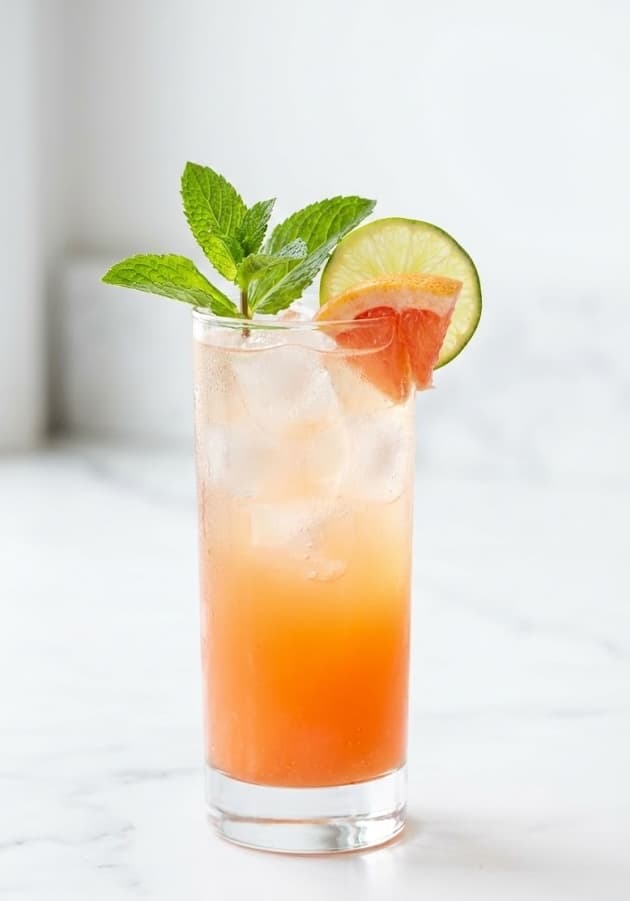
Non-alcoholic beverages are evolving faster than most categories. Innovation is not happening in labs; it’s happening in pack formats, sourcing strategy and channel execution. Here’s where movement is happening and where opportunity sits.
Premium Non-Alcoholic “Adult Beverages” Go Mainstream
Zero-proof beer, alcohol-free spirits and elevated mocktails are no longer treated like substitutes. They’re curated as premium SKUs. A growing number of consumers choose non-alcoholics for social occasions without compromising taste or identity. This pushes demand toward better flavour complexity and nicer packaging. It also justifies higher margins and smaller batch cycles.
Functional Hydration and RTD Wellness Drinks Accelerate
People aren’t picking these drinks for novelty. They choose electrolyte hydration, vitamin waters, adaptogen shots or fermented beverages because they link to specific outcomes. The benefit needs to be clear without explaining anything. When the function is obvious, the product naturally becomes part of someone’s daily habits. Also short ingredient lists help buyers evaluate SKUs quickly. Purpose fuels repeat purchase.
Limited Drops, Seasonal Flavours & Data-Driven Launches
Brands are using short-run SKUs to test flavours before scaling. There are seasonal variants, micro-batches, and even flavour drops tied to e-commerce. Digital analytics show what sells, then retail picks the winners. Instead of forecasting on assumptions, suppliers watch real buying behaviour. Data trims risk. Trial packs help distributors commit with confidence.
Packaging Innovation Becomes a Margin Lever
Smaller cans, slim bottles, and lightweight PET protect margin when shipping costs rise. rPET or recyclable cans also help brands win sustainability points. Some companies are shifting from heavy glass to lightweight formats to cut freight cost per pallet. Packaging used to be a design conversation. Now it is a profitability conversation.
Regional Supply Diversification Reduces Risk
Ingredient sourcing is changing. Buyers no longer rely on single-country supply for concentrates or additives. More brands are balancing suppliers across regions to manage freight volatility and lead times. Instead of waiting for perfect forecasts, they build flexibility. A supplier who can amend order size, pack format, or flavour quickly and efficiently tended to win the business.
Growth in Emerging Markets (LATAM, SEA, Africa)
Markets once dominated by basic drink mixes are shifting fast. RTD teas, flavored water and non-alcoholic adult beverages are gaining traction as consumers skip prep time and choose convenience. When spending power rises, the expectation becomes simple: ready to drink, no extra steps. Early movers here gain shelf access and long-term distribution advantages. It’s easier to win when the category is still forming demand and brand loyalty.
Top-Rated Non-Alcoholic Beverages Suppliers on Torg
ISH SPIRITS — Denmark
ISH develops non-alcoholic beverages built around flavour first. Instead of trying to “replace alcohol,” they create drinks with depth and aromatics so they stand on their own. Their zero-proof spirits, wines and cocktails consistently win taste awards. Perfect for premium placements where people expect sophistication, not just a non-alcoholic option.
SIP N SNAP — India
Sip N Snap produces ready-to-drink mocktails designed for instant enjoyment. Their range — from Litchi Rosee to Kiwi Blue Curacao — leans into playful colour and bold fruit notes. These formats work well in convenience retail and events where visual appeal helps drive impulse picks. Short prep, high flavour payoff.
ABARTA COCA-COLA BEVERAGES — USA
Abarta handles large-scale beverage distribution with the efficiency of an established Coca-Cola franchise partner. They specialize in non-alcoholic portfolios and have strong logistics coverage across multiple states. If you need dependable replenishment and consistent supply, they are built for volume. Their experience shows in how smoothly their beverages move across channels.
Conclusion
The non-alcoholic beverage space is going through a reset. Drinks are no longer classified as “soda or juice.” New formats keep appearing: functional hydration, tea-based coolers, non-alcoholic spirits, even wellness shots. What used to be a quiet shelf has turned into a category where flavour, purpose and packaging all influence demand. The opportunity is simple: people now expect drinks to match a moment. Post-workout hydration? Afternoon focus? A social night out without alcohol? Different beverages solve different needs. Understanding those occasions makes it easier to see which products will scale—and which will sit untouched on the pallet.
Request a Bulk Order Quote
Simple ordering, transparent pricing, delivered straight to your door