



Sustainable Olive Oil Production: From Grove to Table
Discover how sustainable olive oil production supports the environment, boosts community livelihoods, and improves product quality.
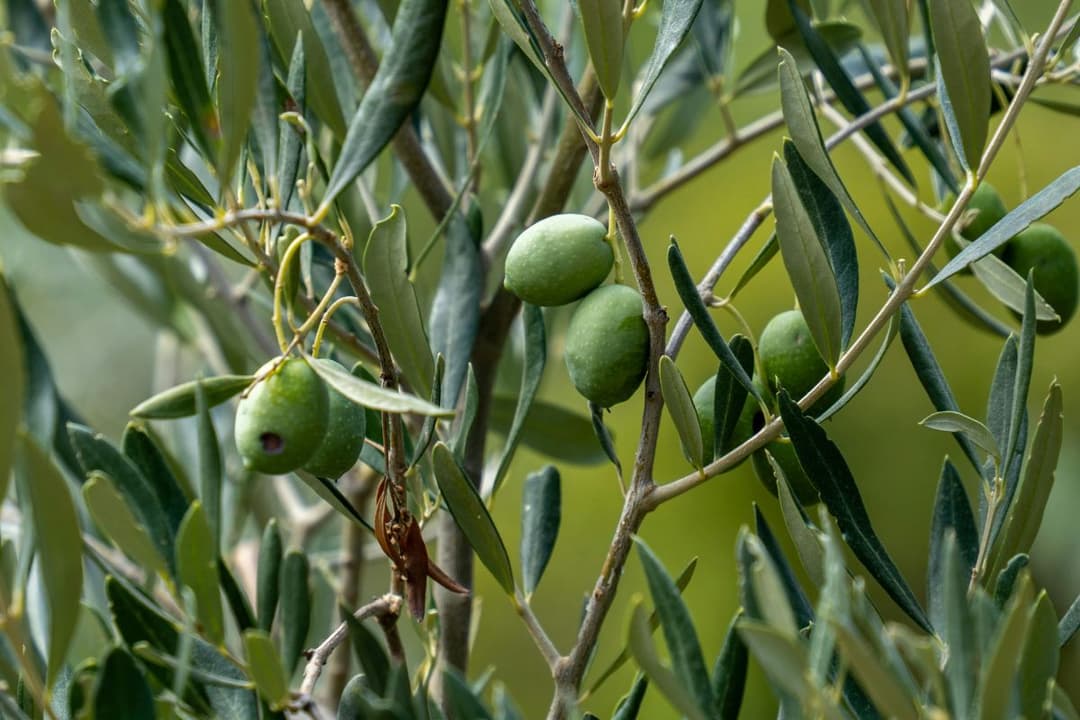
200+ buyers trust Torg for sourcing







For ages, olive oil has been the go-to source for people in cooking, trading, and passing down the culture. At present, most of the businesses are only concentrating on the production, bottling, and shipping of olive oil. A few are even asking, "How much water does a grove need?" or "What will happen to the waste from the mill?" These inquiries are driving the sector to scrutinize the environmental aspects of olive oil in agriculture, processing, and transport.
This piece is very important to producers, retailers, importers, and buyers who are willing to provide excellent quality while maintaining the land and workers. You’ll also learn how the different ways of producing olive oil such as sustainable farming, eco friendly olive oil choices, and ethical olive oil production enables companies to evolve in a responsible way.
What Is Sustainable Olive Oil Production?
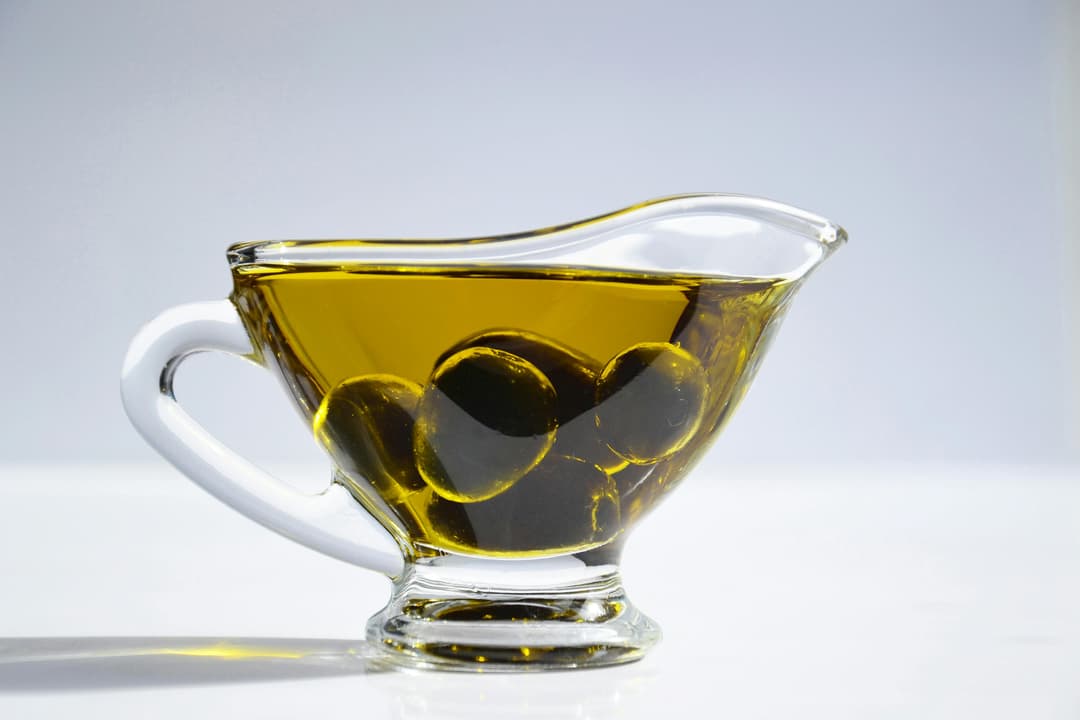
Sustainable olive oil production is basically one question: How to continue making olive oil in a way that doesn't exhaust the places that produce it? Farmers, mills, and buyers are the cherries on the cake which means they must not be taken for granted. They depend on olives year after year so if the land suffers, the industry suffers, too. That’s why people now look at olive oil not only for taste, but also for its impact.
It focuses on practical habits:
- Keeping soil alive, and letting insects and birds stay part of the grove.
- Using only the water that trees truly need.
- Cutting the carbon footprint of olive oil through smart transport, and cleaner energy.
- Respecting workers who prune, harvest, and handle every crate.
- Switching to sustainable packaging for olive oil so bottles and caps don’t pile up in landfills.
Some name it sustainable olive oil farming, while others refer to it as ethical olive oil production. In any case, it means saving rural jobs and keeping olive trees that are often older than the people who plant them. Sustainable olive oil is giving the industry a future worthy of an investor’s trust.
Environmental Challenges in Olive Oil Production
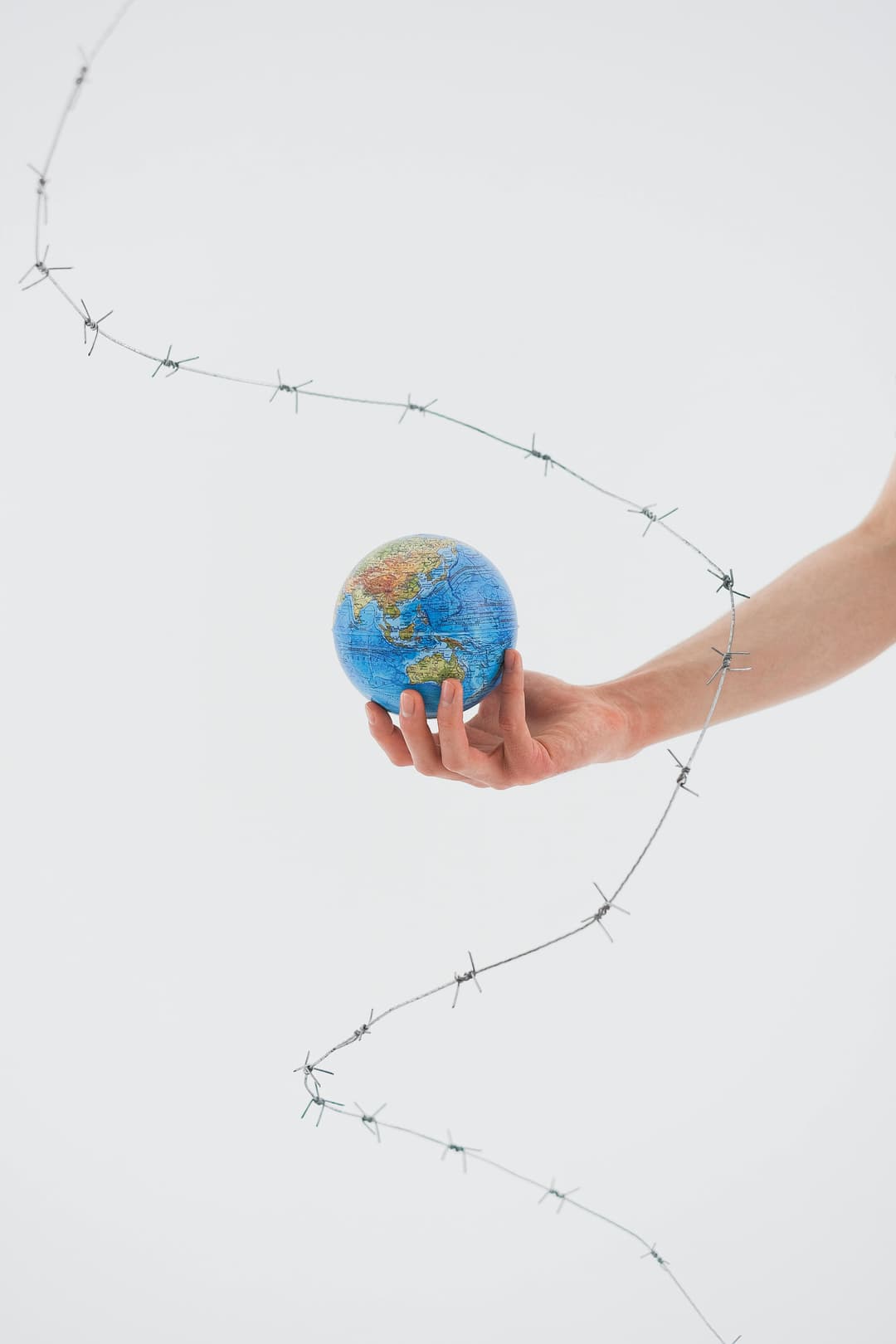
There is also some shade in the olive world, not everything is sunny. Even though trees endure heat quite well, nature is being pushed to its limits by the current demands. The production of eco-friendly olive oil is facing a series of challenging realities including less water, deteriorated soils, increased waste, and a climate that keeps giving unexpected changes to farmers and mills at the most inconvenient times.
Water Scarcity and Irrigation Pressures
Irrigation helps some groves to grow faster, but overpumping reduces rivers and dries wells that are shared by others. People say that they are going to save water, but rain is not always there. Farmers are always on the lookout for new tools and they also try to be smarter with the timing. Even the finest farms, if not properly planned, will have a hard time producing eco-friendly olive oil during dry periods.
Soil Erosion and Loss of Organic Matter
Wind, and slope both cause soil to slip away. Once the top layer leaves, trees lose natural support. Farmers want strong roots, not weakened ground. Groves remain fruitful by maintaining healthy soil and become more sustainable for olive oil production. That's why soil is not just dirt; it is what supports farms.
Chemical Inputs Affecting Ecosystems
Some growers spray to defend crops, but nature reacts quickly. Bees avoid treated flowers and nearby streams collect residue. As purchasers require such practices, safer farming methods are getting recognized. The production of ethical olive oil is essentially about lessening the damage, saving animals, and allowing nature to be self-sufficient in the forest of the olive trees.
Waste From Milling and Processing
Oil extraction leaves behind pulp, water, and pits. If tossed aside, these by-products turn into pollution, and bad odors. Mills now rethink waste as a resource. One can lower the carbon footprint of olive oil through energy generation, compost, or feed options that also give the processors a way to keep their costs down.
Climate Change Threats
Hot spells arrive sooner while winters feel shorter. This affects when trees will bloom and how olives mature. Even pests appear in places they never used to live. Global olive oil production is shifting, and farmers adapt each year, hoping the climate gives them enough stability to keep harvesting.
🫒 Sustainable olive oil production matters for long-term quality, fair sourcing, and environmental protection. Torg connects businesses with responsible suppliers ready to support these goals. 👉 Sign up on Torg today and start sourcing olive oil smarter.
Sustainable Farming Methods for Olive Groves
There is no blueprint for sustainable olive oil farming. Growers adjust based on weather, soil, and budgets. Some methods feel old-fashioned, others involve new olive oil technology. The goal stays steady: keep groves productive, protect nature, and support communities relying on olives as their livelihood.
Regenerative and Organic Olive Oil Production
Organic rules push farmers to avoid synthetic chemicals, and trust natural soil strength. Regenerative growers go further by rebuilding land that was tired, or worn down. They bring back compost, cover crops, and animals that help the trees. Sustainable olive oil farming begins with soil that can breathe, and feed itself.
Efficient Irrigation and Water Stewardship
Some seasons bring low rain, so growers count every drop. They test soil moisture, and track heat levels before turning on irrigation. Collecting rainwater helps lighten the load on shared supplies. These habits are becoming key for eco friendly olive oil in places where drought shows up often.
Biodiversity Protection
Healthy groves welcome insects, birds, and plants that work quietly in the background. Predators chase pests. Bees help flowers become fruit. Native flowers fill space between rows instead of chemicals. This mix strengthens olive oil sustainability, and gives the land a chance to heal while still producing fruit.
Low-Tillage and Soil Care
When you turn soil a lot it becomes very weak. Farmers realized that if they hardly disturb the soil, the roots will be firmer, and the nutrients will stay intact. Soils under low-tillage systems are healthier since they are supporting soil life, they're erosion-free, and less diesel or petrol is used. These important elements underground not only maintain the productivity of olive trees but also assist in their future development.
Carbon Sequestration in Groves
Olive trees pull carbon from the air and lock it into trunks, roots, and branches. They do this year after year. Protecting older trees, planting new ones, and caring for soil lets groves store even more carbon. This helps reduce emissions tied to global olive oil production, supporting climate goals, and stronger rural landscapes.
Sustainable Olive Milling and Processing
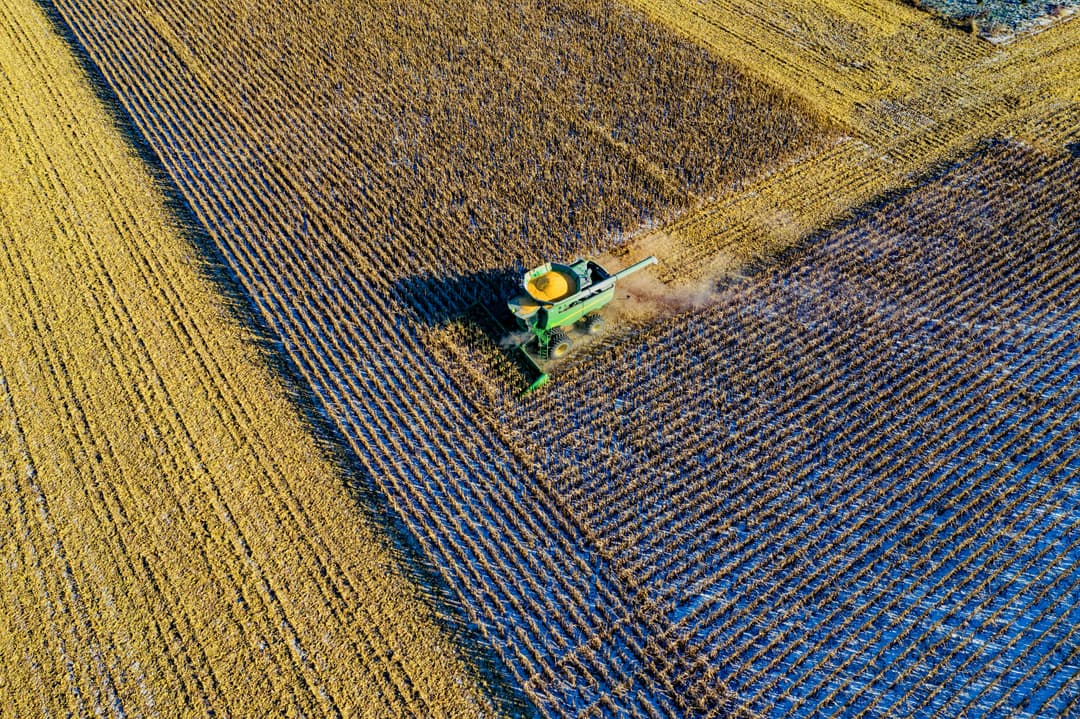
Once the harvest is done, the attention is turned inside the house. The mill is the place that determines how hygienic, eco-friendly, and energy-saving the end product will be. Green olive oil production is a very complex system that depends on these four factors: energy use, waste management, water systems, and traceability all cooperating without giving rise to new problems downstream.
Reducing Energy Consumption
Milling can demand heavy power. Producers now rethink where that power comes from:
- Solar-driven machinery
- Low-energy extraction equipment
- Biomass heat created from leftover pits
Cutting electricity lowers costs and helps shrink the carbon footprint of olive oil. Efficient systems keep the process running without draining resources.
Reusing and Recycling Olive Waste
Olive waste may look unusable, yet mills see value in every leftover. Pomace can enrich soil, pits can fuel heaters, and skins can support feed blends. These choices reduce disposal needs, protect nearby waterways, and strengthen ethical olive oil production. By treating waste as a resource, mills keep the cycle moving responsibly.
Water Recycling in Processing
Water plays a big role in separating oil from pulp. Modern facilities work to reuse what they can through filters, holding tanks, and closed loops. Clean water goes back into the system, not into rivers. This effort protects communities living around mills, and supports olive oil sustainability long term.
Improving Traceability With Technology
Tracking olives from the grove to the bottle helps confirm quality, and fair sourcing:
- QR codes
- Digital harvest logs
- Location tags for transport
Retailers appreciate the transparency. Consumers learn the story behind their eco-friendly olive oil. It reduces fraud, supports accountability, and improves buyer trust in every shipment.
Certifications for Sustainable Olive Oil
Olive oil certifications give proof, not promises. They show whether sustainable olive oil production truly respects land, workers, and traceability. Buyers want evidence before placing orders and these labels help everyone speak the same language when discussing responsibility, quality, and environmental performance across borders.
Organic Certification
Organic seals confirm olives grew without synthetic chemicals and farms protected soil life. These standards include detailed inspections. For buyers, the badge signals eco friendly olive oil practices they can trust.
Organic checks often include:
- Soil health requirements
- Prohibited pesticide lists
- Regular audits
Stores love this label because customers recognize it instantly and associate it with higher integrity.
PDO and PGI
PDO and PGI marks protect regional identity as olives come from a specific place and follow local traditions. That connection helps preserve culture and smart land care. Regulations vary, yet many include rules for farming, harvesting, and processing. These labels strengthen transparency and show that olive oil sustainability can be tied to heritage.
Fair Trade Certification
Fair Trade protects the people behind the product. It focuses on:
- Safe working conditions
- Fair wages
- Community improvements
This aligns with ethical olive oil production goals. Buyers increasingly support brands improving lives in farming regions. With Fair Trade, farmers get the power to bargain for better prices, which not only keeps their family groves alive but also helps in avoiding the unfair treatments of these farmers during the peak harvest seasons.
ISO 14001
This certification looks at the mill’s environmental management system. It asks for measurable improvements, not vague ideas. Mills review waste, energy, and risk, then plan smarter operations. ISO 14001 supports olive oil sustainability by turning good intentions into structured habits that regulators, retailers, and investors can verify clearly.
Carbon Footprint Labels
Some brands calculate the carbon footprint of olive oil for the processes involved such as growing, milling, packaging, and transport. They display the data so buyers see the real impact in numbers. And this invites accountability so then producers can then work toward lower emissions each season, proving progress instead of hiding behind general sustainability claims.
Ethical and Social Dimensions of Sustainable Olive Oil Production
Sustainability includes people. Olive trees may live centuries, but communities must survive too. Ethical olive oil production supports workers, protects regional identity, and invites equal opportunities. Buying responsibly sourced olive oil means supporting human well-being, not only environmental goals.
Fair Labor Practices
Harvest days usually stretch for a long time and are sometimes dangerous. That's why the workers should be paid reasonably, trained in safety, and given protection under the law. Those producers who care about their impact on the environment are now putting money into:
- Clear contracts
- On-site safety tools
- Housing support during harvest
These practices help build trust. A sustainable product loses meaning if people behind it struggle, or face unsafe working conditions.
Supporting Small-Scale Farmers
Centuries-old family groves risk disappearing as large farms expand. Ethical sourcing helps smaller growers reach more buyers and maintain local culture. Partnerships, fair trade deals, and cooperative models also give them stability. And this is how supporting regional knowledge keeps olive oil sustainability grounded in history and not controlled by volume alone.
Transparency and Anti-Fraud Measures
Fraud hurts everyone, especially honest producers. Clear traceability limits counterfeit blending and mislabeling. Tools like QR codes, shared harvest records, and secure transport checks build confidence. Retailers appreciate clean proof of olive oil origin. Consumers feel more comfortable choosing eco friendly olive oil when they can verify the story behind it.
Women’s Participation in the Olive Oil Sector
Women handle farm management, processing, quality control, and commerce in many producing areas. Equal pay, leadership roles, and training programs strengthen local business growth. Giving women more influence improves decision-making and product quality. Olive oil sustainability grows faster when every capable voice participates without barriers.
Sustainable Olive Oil Packaging
Some people solely focus on the contents of the bottle, however, the packaging also has a significant impact on the environment. The materials used have weight, cost, and a footprint. Environmentally friendly olive oil production considers not only the ease of the containers being transported across the borders but also their degradation and whether they can preserve the freshness without the need for additional waste.
- Reusable or returnable bottles for shorter supply chains
- Pouches that weigh less than traditional glass
- Aluminum containers that block light, and recycle well
- Recycled PET where local systems support recovery
Better packaging lowers emissions, and keeps eco friendly olive oil aligned with sustainability goals. Even small shifts — lighter caps, smarter labels, less plastic — help reduce long-term waste, and support responsible buying decisions.
Best Countries Producing Sustainable Olive Oil
Several places are committed to sustainability but vary in their ways to accomplish it. The climate, culture, and local regulations have an impact on the entire procedure of growing, processing, and trading olives. These top olive oil producing countries integrate eco-friendly practices into global production without compromising the quality of the oil or harming the communities that depend on the crop.
Spain
Spain leads in volume, yet aims higher than quantity alone. Andalusia and other regions test water-saving systems, restore old groves, and support renewable power in mills. Farming households always consider the environment of the land as they try various methods that will not only keep their soil healthy but also fertile. Producers from Spain are leading the way for sustainable olive oil production by showing that it is still possible to have high yields while being eco-friendly and good to the local workers.
Italy
Italy highlights origin, culture, and trust. Many groves are smaller, often family-owned, and run with a strong focus on traceability. Labels like PDO keep regional identity alive as producers embrace careful pruning, biodiversity, and limited inputs. Italy’s approach helps buyers choose ethical olive oil production rooted in traditions that protect communities and long-term land health.
Greece
Greek olive farming often stays close to nature. Older trees, simple tools, and minimal chemicals define many groves as villages rely on olives for both income and community life. Protecting bees, soil, and native species reinforces olive oil sustainability. Buyers appreciate that Greece supports small-scale growers who treat every tree with patience, and respect.
Portugal
Portugal explores new ideas rapidly, especially in modern orchards. Policymakers encourage efficient irrigation, low-impact equipment, and energy savings. Some groves adopt digital tools to track water use and soil response. Sustainable olive oil farming connects technology with tradition, helping Portuguese producers increase supply without worsening environmental challenges in dry months.
Tunisia
Tunisian farmers produce olives on rugged and arid terrains. A lot of groves are at the stage of minimal input, making the organic certification more attainable. The initiatives are geared towards elevating the standard of living of the rural population and empowering women in the agricultural sector. Tunisia is going green in the olive oil industry and is becoming a model of sustainable living in the drought-stricken areas.
Top 5 Sustainable Olive Oil Brands
Different companies take unique steps to make olive oil more responsible. Some specialize in flavor, others in farming practices. Retailers, importers, and chefs often choose brands that can deliver both quality, and proof that olives were grown with care. Here’s what these producers offer to the sustainable olive oil market.
Bodegas Mas Vida (Spain)
Bodegas Mas Vida crafts extra virgin olive oils from regional varieties like Arbequina, Picual, Argudell, and Manzanilla. Their focus is on clean farming, consistent taste, and smaller-batch production. Buyers get distinct Spanish profiles, suitable for gourmet shelves. They also provide wines which can help distributors expand product ranges from one reliable source.
Agrisana (Italy)
Agrisana offers Sicilian extra virgin olive oils pressed from locally grown olives. Traceability is built into every shipment. They provide guidance for partners—farm visits, production insights, and educational support. Stores looking for true Italian flavor can count on oils tied to real farms, not anonymous blends. Their packaging also works well for both retail and hospitality use.
EVO3 Olive Farms (Greece)
EVO3 Olive Farms supplies organic extra virgin olive oils with fruity, bold characteristics from Lesvos. Their lineup includes infused options which appeal to chefs and gift suppliers. They pay close attention to grove health, giving buyers a consistent point of difference: Greek olive oil made through sustainable olive oil farming that protects the island’s landscape.
Passeite (Portugal)
Passeite produces the most excellent and versatile extra virgin olive oils from small family-run groves, located in the region of Coimbra. Their range of products is perfect for daily cooking, tasting events, as well as for specialty retailers. They prioritize simple, honest flavours instead of heavy processing. Distributors can gain a stable Portuguese source with transparent production and approachable pricing for wider market segments.
Rivière d’Or (Tunisia)
Rivière d’Or produces Tunisian extra virgin olive oil with a long-established supply chain. Their range includes classic and flavored selections, plus gift-ready formats for retail promotions. They work with olives adapted to dry climates, offering strong yields and reliable year-round export availability. Buyers can also benefit from steady supply and authentic Tunisian flavor profiles.
Conclusion
Olive oil has gone through many changes over the years and is now at another point of change. The industry is headed through increasing costs, changing climates, and more demanding consumers. And those suppliers and producers who will invest in the future rather than wait will be the ones to keep their position on the market. They must consider the natural resistance of the groves for the future, more efficient milling plants, and cooperation where traceability is appreciated.
Buyers don't stop at flavor profiles. Now, they want to understand how the product arrived in the bottle. That gives sustainable olive oil producers a chance to lead, not just adapt. And that is how the future favors those who protect land and people while still delivering excellent oil. Progress may seem slow at first, but make no mistake, every informed step strengthens the global olive oil market for the next generations to come.
FAQs
What makes olive oil production sustainable?
Sustainable production of olive oil revolves around maintaining healthy farms over time. It involves the proper management of water, shielding the soil from erosion, and lessening the use of chemicals by areas. Besides that, mills make every effort to restrict their waste and consume cleaner energy. If laborers get fair treatment and the packages are free of unnecessary impacts, then the entire system becomes a source of support not only for nature but also for local communities.
Is organic olive oil always sustainable?
Organic olive oil production is a great way to help the planet as it does not use any kind of synthetic chemicals that are bad for the soil and animals. Even so, sustainability considers a lot more than just farming. It is about the distance that the product travels, how the waste is being handled at the mill, and if the workers are happy and healthy. A genuinely sustainable olive oil is one that combines organic farming methods with fair labor, good energy use, and eco-friendly packaging.
Which olive oil is the most eco-friendly?
The most eco friendly olive oil generally comes from farms that save water, maintain natural biodiversity, and limit the waste that goes to the mill. In most cases, local or regional products also cut down on the emissions caused by transport. A light or recycled packaging will also be of help. It is easier to believe that there is a thoughtful reduction of olive oil’s environmental impact when a company openly communicates its measures.
What is the carbon footprint of olive oil?
The carbon footprint of olive oil changes based on how it is grown, processed, packaged, and moved. Fuel-powered harvesting, long-distance shipping, and heavy bottles increase emissions. On the other hand, solar energy, water recycling, and reused olive waste can lower impact. When producers measure emissions, they can keep improving season after season.
Request a Bulk Order Quote
Simple ordering, transparent pricing, delivered straight to your door