



Sparkling Water Market 2026 Bubbles Toward $100B
Explore why sparkling water remains a powerhouse in 2026, covering market size, consumer trends, supply-chain insights, innovations, and top supplier picks.
200+ buyers trust Torg for sourcing







Still bubbling, still everywhere, sparkling water refuses to fade. From corner-store coolers to polished café counters, it’s holding its ground. Somehow, it cracked the code, part health, part taste, part habit. A fizz that fits right into how people live now, without trying too hard. For buyers, sellers, and distributors, that translates to one thing: demand is consistent, margins can maintain, and trends continue changing quickly enough to remain interesting. People aren’t just drinking it for refreshment anymore. Flavour. Wellness. Aesthetics. That’s what they’re after. But behind every pop of a can, there’s movement. Trade routes, data sheets, subtle nudges in how people sip and choose. In the pages ahead, we’ll peel it back, the numbers, the flow, and the quiet hands of suppliers sketching out what comes next.
The Sparkling Water Market Landscape
Sparkling water’s momentum comes from habit, not hype. It slips into daily life where soda once sat. The market is set to reach around US$ 50.6 billion by 2026 and climb past US$ 105.1 billion by 2033, growing at roughly 11% a year. That growth mirrors quieter choices: fewer sugars, fewer calories, and drinks that feel clean, familiar, and easy to live with.
Sparkling water’s rise comes from convenience and quiet improvements. It’s easier to find, easier to reorder, and easier to try something new. Subtle packaging changes, cleaner labels, and steady flavor refreshes also keep it relevant. Over time, those small wins shift it from an occasional choice into a familiar, repeat buy.
Market Segmentation
This is where the market splits, and each tier has a slightly different story to tell:
- By product type – Plain and flavoured sparkling water. Functional types (those with vitamins, minerals, or plant extracts added) have recently started to gain a larger market share.
- By packaging – Glass, aluminium, plastic, different shells, same story. There’s still variety, but it’s not just about looks anymore. Packaging has become a strategy of branding, transport, and identity, all packed in one layer.
- By distribution channel – Conventional retailing is still dominant, but Straits Research cites a significant rise in online D2C models and convenience formats. Hospitality and cafés represent important entry points for premium brands as well.
- By price segment – Apparently, there are three distinct strata: mass-market budget, mid-range, and the burgeoning premium or artisanal segment. Premium items are becoming symbols of status in certain parts of the world.
Regional Insights
- Europe is set to carry a sizable share of the market’s forward momentum. And consumption habits, retail maturity, and product positioning all play a role. Analysts point to how regional preferences, distribution strength, and evolving expectations continue to shape demand and guide where growth is likely to concentrate over the coming years.
- In contrast, the U.S. is propelling the majority of the development in North America, particularly with flavoured and zero-sugar formats. In Asia-Pacific, increasing incomes, urbanization, and wellness trends are driving steady growth, particularly in China, Japan, South Korea, and India, Fortune Business Insights reports.
- If you're in Southeast Asia or the Philippines, there could be great potential to import European premium lines. Perhaps, though, you also could create locally bottled versions that fit local tastes and price points.
Supply Chain and Trade Insights
Pull the curtain back for a second. The sparkling water supply chain is not as smooth as it looks. Demand’s booming, sure. But so are the bumps beneath it.
- First things first: raw materials. The price of such commodities as glass bottles, aluminum cans and carbonation systems has been on the rise. For instance, the worldwide bottles market (which naturally affects water packaging) is estimated at USD 125.7 billion in 2025. Glass bottles alone tell a story with about USD 44.9 billion in 2025, growing near 5.7% each year even through 2026 to 2035.
- If premium glass-bottled sparkling water is your game, expect those costs to start climbing. Margins will need tighter control or pricing strategies will have to adjust.
- Now, packaging forms. Aluminium cans are taking the spotlight at around USD 58.7 billion in 2025, and rising. Lighter loads, fewer cracks, cheaper freight are the factors why it's very tempting to go this path. But swapping glass for cans isn’t a simple flip. That just means new partners, new routes, maybe even new rules.
- Trade and logistics: shipping sparkling water, particularly from Europe, is more than filling containers. Lead times count. Land transportation, import tariff, customs, shelf-life (yes, bubbly water has one too). These delays or expenses can gradually cut into your margin. Products stuck in port aren't selling.
- Also, sustainability of packaging is a major trend. Recyclable glass, vegetable bottles, aluminium, all are on the target. The bottled water packaging industry is estimated at around USD 52.1 billion in 2025. Sustainability equals increased supply-chain complexity (and sometimes additional cost), but also possibly an added selling point to you as a distributor or retailer.
What's Actually Spurring Consumers to Purchase Sparkling Water
For consumers, it’s not thirst they’re chasing anymore. It’s the feel of it: the crisp hit, the clean image, that tiny indulgence that asks for no apology. Sparkling water just happens to deliver it.
Health & Wellness Mindset
More people are walking past the sugary stuff now. They want drinks that feel honest, light, clear, and not overdone. Something that tastes healthy without pretending. This quiet shift toward wellness is what’s keeping growth steady. For retailers, this isn't ordinary water any longer. It's a way of life in a bottle, with vitamins or electrolytes working quietly behind the scenes.
Flavour and Premium Edge
Unflavored sparkling water? Alright. But flavored ones such as citrus, berries, even floral essences are what are selling cases. Those flavored versions account for global sales today. People like what feels fresh. Limited runs keep that spark alive, make it feel exclusive. For wholesalers, those sleek cans and polished glass bottles? They’re not just containers. They’re margin makers.
Sustainability and Brand Storytelling
Consumers are concerned about where the water came from. The spring, the source, the packaging, it all counts. The Guardian observes how "terroir" and authenticity are remapping perception. Recyclable glass and transparent sourcing are at the forefront. Retailers partnering with open brands, both literally and figuratively, are trusted. Somehow, that narrative is more marketable than any glitzy marketing slogan ever has been.
Recent Developments and Innovations
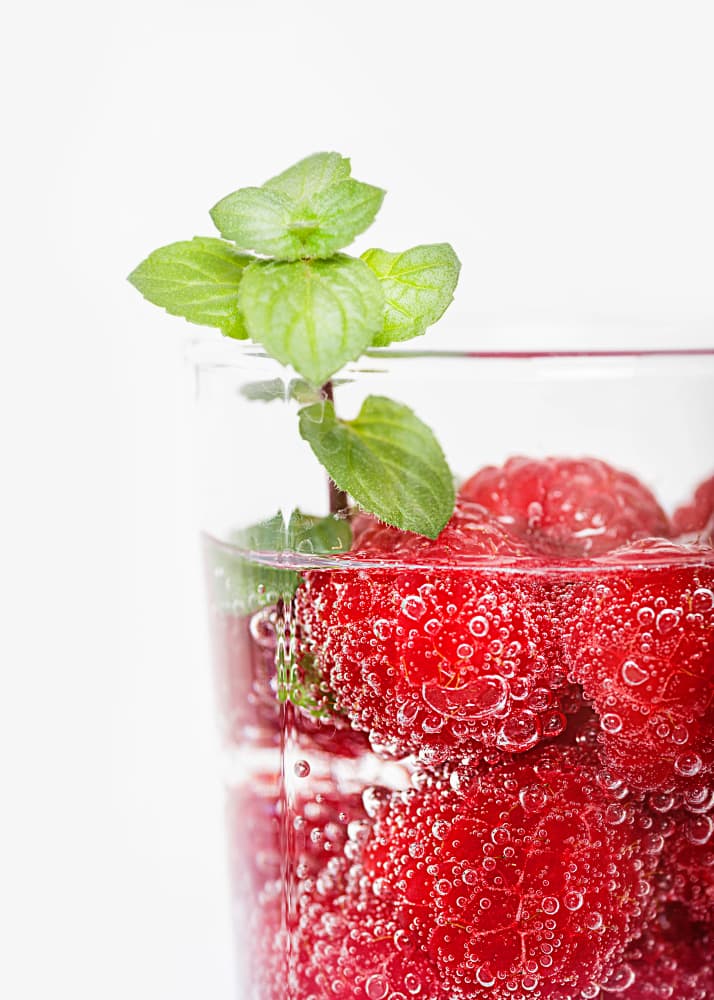
The sparkling water category keeps changing, quietly but fast. In this trade, standing still costs you. Trends shift, buyers pivot, supply lines bend. Let’s see what’s changing and what could redefine sourcing in 2026.
- Fresh flavors step outside the usual lane: Sparkling water shelves are picking up more tropical and layered profiles, like pineapple blends and coconut notes. These releases lean on familiarity with a twist, giving shoppers something new without sugar, calories, or complicated positioning.
- Appliances enter the conversation: At CES 2026, hydration moved closer to the kitchen counter. New concepts tied sparkling water dispensing to smart home systems, hinting at how carbonation, storage, and freshness could become part of everyday appliances.
- Hop-infused formats gain quiet traction: Sparkling waters infused with hops are carving out space among adults who want complexity without alcohol. The appeal sits between beer flavor cues and clean-label hydration, pushing the category beyond fruit-only thinking.
- Dry January keeps reshaping demand: Seasonal wellness moments continue to lift sparkling water visibility. During alcohol-free periods, brands position bubbles as a social stand-in, reinforcing sparkling water’s role in routines that stretch well beyond refreshment alone.
Whether you move boxes or build brands, the rule stays the same. Fresh ideas catch eyes; reliability keeps them coming back. Watch for low-sodium twists, subtle botanicals, compact trial packs, and packaging that speaks quality. In a market this fierce, small shifts can tip the balance.
Opportunities and Future Outlook
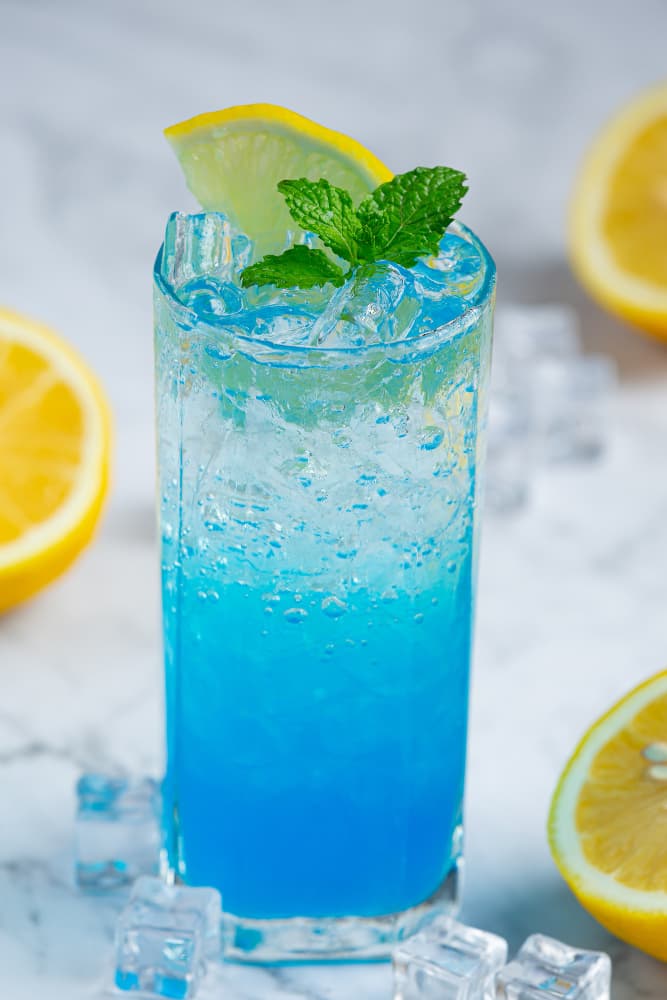
The sparkling water wave hasn’t slowed. Growth continues, but it’s taking a sharper turn. Smarter, faster, and more personal. That's where genuine potential resides.
1. Localised Flavours and Cultural Fit
Even with water, people reach for what feels known. In Southeast Asia, that means calamansi, lychee, pandan, those flavors that taste like home. Comfort wrapped in something cool and familiar. Basically, flavour localisation isn’t fancy marketing but just common sense. Simple tastes often do what flashy campaigns never can: connect.
2. On-the-Go and Functional Convenience
Hydration is smarter now. Consumers seek water that awakens, powers a workout, and will fit directly into a gym bag. Ready-to-drink cans are on the rise, particularly among 20- to 35-year-olds. They're opting for drinks that do it and that provide a function, not merely a taste. If it’s fizzy, energizing, and easy to grab, that’s where 2026 buyers and retailers will be.
3. Private-Label and Co-Manufacturing Growth
Private labels are writing margins quietly. According to Fortune Business Insights, supermarkets and hypermarkets lead the market, driven by their broad range of premium and private-label brands. Co-manufacturing equals flexibility and greater negotiating leverage for distributors. Retailers prefer having "their own" water. It's more control, less middlemen, and improved shelf space. Essentially, own the brand, own the margin tale.
4. Tech-Driven Supply Management
Automation and AI are creeping into beverage logistics. Intelligent routing, predictive re-stocking, all the under-the-hood things that prevent costs from bleeding. And that is how AI in delivery systems is able to save transport costs. It's not glamorous, but clearly, data-driven efficiency is what keeps the fizz consistent in 2026.
5. Circular Packaging and Carbon-Neutral Ambitions
Sustainability is no longer a checkbox. Refill systems, home carbonation kits, even recycled glass are becoming mainstream options. According to Statista, consumers prefer to buy eco-packaged beverages. Essentially, being "green" has become competitive. And seriously, when your packaging has a cleaner story, the shelf appeal just feels different.
Top Sparkling Water Suppliers on Torg
1. ARDEY-QUELLE GMBH & CO. KG – Germany
From Witten, Ardey Quelle has been filling bottles with mineral-rich water for nearly a century. Sustainability isn’t a slogan for them but practice. Local sourcing, fully recyclable packaging, less waste. Their lineup spans sparkling and still waters, fruit spritzers, and sugar-free options built for today’s tastes. Essentially, they mix tradition with environmental consciousness, and it appears that's what retailers most want today.
2. MANGIATORELLA S.P.A. – Italy
Mangiatorella is an Italian heritage water brand, drawing from pure Sicilian springs. Their sparkling water contains that refreshing, mineral equilibrium folks adore with food. Available in glass or PET bottles, it's ideal for home and horeca channels. In some way, their delicate mineral profile continues to win taste panels, demonstrating plain, great-tasting water remains a best-seller.
3. SYFO – USA
Syfo Beverages is a US favorite for clean-label sparkling waters. No added sugar. No added sodium. Just carbonated purified water with real flavors like Lemon-Lime or Peach-Pear. It fits anywhere, from wellness shelves to café coolers. In a sea of overhyped “functional” drinks, Syfo stands out by keeping it simple with refreshment without the noise.
Conclusion
So, what's the takeaway here? Sparkling water isn't a fleeting fad. Now, it's become a lifestyle product poised somewhere between health, indulgence, and routine. The market's congested, yes, but not oversaturated. There's still space for savvy positioning, local flavors, and wiser sourcing. For consumers and distributors alike, the actual challenge now isn't demand but staying relevant as margins shrink and consumers demand more transparency than ever. The brands that last will blend honesty, imagination, and trust. In 2026, even water tells a story and people are still listening.
Request a Bulk Order Quote
Simple ordering, transparent pricing, delivered straight to your door