



Plant-Based Milk Market Grows as Oat Milk Rises in 2026
Discover the 2026 plant-based milk market: key varieties, supply chain insights, consumer trends, and growth opportunities for buyers and suppliers.
200+ buyers trust Torg for sourcing







The plant-based milk market has expanded very quickly. It started being a niche corner of the shelf to an industry force within the global food and beverage space. For consumers and producers, the question is: what's really worth paying attention to? What ingredients stand up? How do you manage demand without getting supply chain headaches? Some things, such as oat milk at coffeehouses, just exploded, while protein-based options are creeping up on us. This piece goes into the origins, current market developments, and the supply chain of taking plant-based milk from farm to shelf. Essentially, it's a playbook for anyone wanting to play smart in this category.
Current Situation of the Plant-Based Milk Market
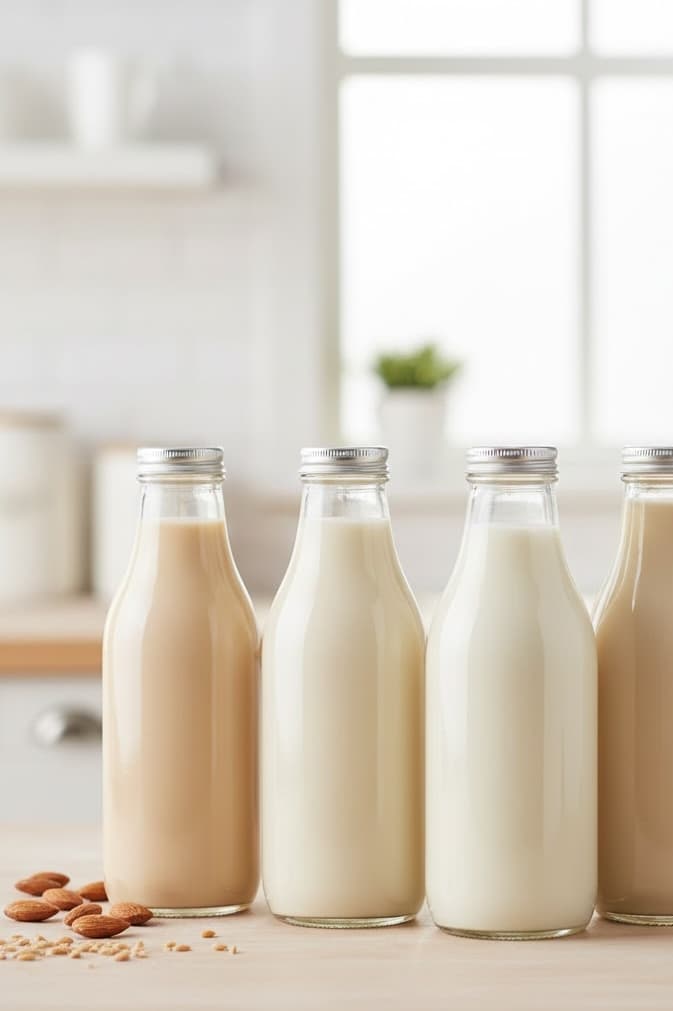
The plant-based milk market is literally (yes, figuratively) on fire. The last decade has seen growth pretty impressive. In 2025, the plant-based milk market stood at around USD 21.35 billion and is expected to exceed USD 21 billion by 2026. Looking ahead, projections point to roughly USD 35.22 billion by 2032, supported by a CAGR of 7.4% as adoption continues to widen. That's no pocket change. What's behind it all, though? Consumer behavior, innovation, and, apparently, sustainability push.
Among all varieties, there’s another stand out aside from almond milk. Oat milk demand is set to climb at a strong pace, with the market projected to reach about USD 2.6 billion by 2026. This expansion reflects an expected CAGR of 11.5%, keeping oat milk among the faster-growing plant-based categories.
Regional Insights
Consumer preferences aren't as they once were. In Germany, for example, approximately 75% of those who consume non-dairy milk now prefer oat milk as their favorite. In other parts of Europe, oat, soy, and almond remain the leading choices, though countries can differ. What is surprising is how profound the change has been—around 54% of consumers in Europe now prefer plant-based milk to dairy. It's no longer a fad but an outright market shift.
In 2025, plant-based milk sales in Asia Pacific reached about USD 10.7 billion and are projected to climb toward roughly USD 20 billion by 2033, reflecting sustained regional adoption. Almond milk continues to dominate the segment, but oat milk is developing at the quickest pace, particularly in the Japanese and South Korean markets, where culture within the café influences demand. Together, China, Japan, and South Korea have about three-quarters of regional consumption, whereas Southeast Asia's import demand is increasing at around 9–11% per annum. While more expensive than dairy milk and subject to mixed regulations, local manufacture and premium imports are growing rapidly which is a sure indicator of a mature, opportunity-laden market.
Market Segmentation
The market is spread geographically—North America, Europe, Asia Pacific, Latin America, and Middle East & Africa. Products are different too: some sweetened, some unsweetened; flavors are different; some even come with added fortification. And who is purchasing? Retail chains, foodservice operators, and industrial buyers are among the mix. So, it seems that understanding the type, region, and use aids suppliers and buyers in planning better.
Regulatory Environment
Plant milks don't operate free-for-all. Labeling, fortification, and import/export are regulated, depending on the market. Suppliers have to stay in line, otherwise it's a nightmare coping with delays or refused shipments. Buyers need to know what is certified or what meets local requirements.
The Plant-Based Milk Supply Chain
The expansion of the plant-based milk supply chain is quite fast, yet somehow, it's complicated. Sourcing almonds, oats, or similar ingredients can be really difficult given the climate, price swings of 10–20% annually, and availability being factors. The processing facilities need to scale up without sacrificing quality, which is not always easy. Packaging, particularly green packaging, and refrigerated shipping contribute another level. Suppliers and buyers truly must coordinate, balance out the costs, and remain compliant. Essentially, collaboration is what keeps this chain going.
Trade and Production
In trade, China's imports of soybeans rose 13% from September 2025—a significant contributor as soy supports many plant-based milks. At the same time, the EU–Indonesia free trade agreement signed in October 2025 eliminated various agri-food tariffs, suggesting an even more open setting for future plant-based trade. On other fronts, Statista data on Philippine imports of milk and milk products in 2024–2025 further emphasizes increasing demand in Asia, where plant-based alternatives more often fall within those categories.
Key Plant-Based Milk Varieties
There isn't just one "plant milk" in town. Today, there’s a bunch of options, and each has their very own purpose, depending on what you’re making or selling. Curious which one fits your product line? Let’s go through the main players.
- Almond Milk: The original. The one and only. Light, slightly nutty, and low-calorie. Great for coffee, smoothies, cereals, etc. Almonds are readily available, supplier-wise, but weather conditions can be an issue. Maintaining a constant supply might be a challenge, but this type is always worth the shot.
- Soy Milk: Before everything else, soy milk was there first. It's very high in protein, relatively versatile, and often fortified. It's already been here for decades and remains strong in retail and foodservice.
- Oat Milk: The barista and coffee junkies' favorite. Smooth, creamy, and ideal for lattes. The popularity indicates texture does matter. Eco-friendly too, which is what the buyers and end-consumers love to see.
- Rice Milk: This one is mild and hypoallergenic. Primarily mixed with water, so thinner in consistency. Very ideal for allergy-friendly products or fortified formulas.
- Coconut Milk: This one is something strong, tropical, and rich in flavor. Mostly used in cooking or baking. Sometimes, suppliers mix it to make it more useful in beverages.
- Pea Milk: This one kinda has neutral flavor, with high protein, and slowly gaining traction. Health-oriented customers are noticing this, and suppliers appreciate the stable ingredient supply.
Every milk has its own benefits, its own use. Milk buyers must pair the correct type with their menu or product. Meanwhile, suppliers must be up to the trends, sourcing challenges, and what customers truly want as it is the secret to being ahead of the game.
Featured wholesale products

Coconut Milk 400ml
€1.02
Consumer Trends Shaping B2B Demand
Despite the B2B topic, what consumers desire somehow dictates orders and product planning. Purchasers must monitor trends intently since end-user preferences dictate bulk demand, menus, and formulations.
Organic and Clean-Label Products
Individuals are actually giving more importance to labels these days. Clean-label and organic plant milks with less additives are selling faster. To buyers, that translates into buying from suppliers that can prove quality and transparency. "Traceability is very important," say many suppliers, because customers want to know where ingredients come from.
Functional Beverages
Vitamins, minerals, protein, probiotics, these are no longer add-ons. Plant-based fortified milk products are on the upswing, especially in cafes and health-oriented retail. Bulk purchasers need to choose which nutrients will be attractive to their customer base and to which suppliers consistency can be assured.
Flavor Innovations
Vanilla and chocolate? Of course, but the consumer is curious. Matcha, turmeric, oat-caramel, and other unique flavors are making buyers curious. Suppliers who provide distinctive, stable flavor blends are differentiating. Some products are even "functional" and "flavored," which is essentially a two-for-one in B2B planning.
Torg's Top Pick Plant-Based Milk Suppliers
1. ALINOR SPA – Italy
Alinor specializes in premium plant-based drinks using organic ingredients. Rice milk, soy beverages, oat drinks, almond beverages—they've got the fundamentals covered and then some. Health and sustainability aren't just convenient words here; they're the way products are created. Shoppers in need of variety and reliable quality will find Alinor's product pretty sound.
2. DELICA THAI CO., LTD. – Thailand
Delica Thai isn't only about Thai snacks—they also export plant-based drinks with real flavors. From tropical fruits to smooth drinks, their products export a flavor of Thailand to the rest of the world. Suppliers such as this are handy in case you need something unique, tasty, and traceable.
3. PACIFIC FOOD PRODUCTS SDN. BHD. – USA
Pacific Foods specializes in plant-based milks, organic soups, and broths, made with such care from ethically sourced ingredients. They emphasize healthy meals and sustainability which then provides buyers with confidence in quality. Also, their creamy plant-based milks are both retail- and foodservice-compatible, which is a huge plus when it comes to orders at scale.
Market Opportunities and Growth Strategies
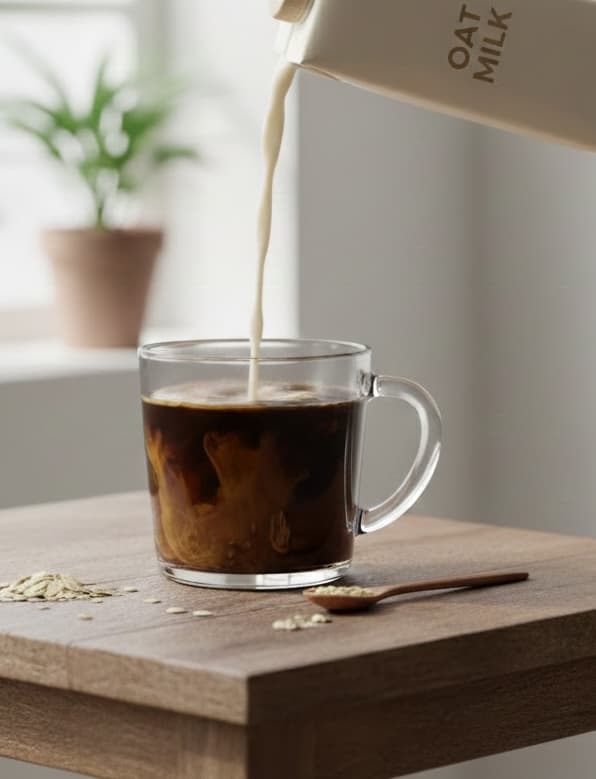
Plant milk is not slowing down. Buyers and suppliers are attempting to ride along with the wave since there is plenty of room to think outside the box. So now, where are the real opportunities?
Emerging Trends
Plant milks with the ones that have added protein, vitamins, or minerals, also called "enriched plant milks" are finally getting noticed in the market. Consumers are wanting more than flavor; they want goods with benefits. Organically-based options are being picked up on as people become more conscious of pesticides and chemical fertilizers. Functional drinks, such as probiotic or high-protein ones, are gaining popularity too. In the end, value-added makes it sell.
B2B Partnerships
Collaborations cannot merely be packaged as a "big idea" because it can very quickly revolutionize markets. Co-development of flavors or formulations can ignite product innovation. Opening new channels of distribution widens reach. And certainly, collaborating strategically can reinforce your brand credibility.
Private Label and Bulk Supply
Suppliers can utilize private labeling, manufacturing products under a customer's label. Foodservice and manufacturer bulk supply opportunities are also available. It will be a win-win when you have scale capability and the proper quality control.
Innovation-Driven Differentiation
In such a busy marketplace, it is actually that difficult to be different. But it is still possible, nonetheless. So experiment with strange flavors, make use of green or handy packaging, or include fortifications for more health benefits. Some of these methods will not seem like much, but they can actually make a big difference in a busy marketplace. Never underestimate the power of strategic additions, no matter how tiny.
Conclusion
Opportunities for plant-based milk companies are increasing, and procurement must prioritize reliable delivery, quality control, and sustainability for suppliers. Staying updated on trends and consumer trends can help you make smart sourcing decisions. With the suppliers, differentiation is everything. That implies more distinct products, creative flavors, and solid partnerships can grow your market. Compliance with standards is also not negotiable. This manner, both parties gain by knowing the market, responding to changes, and anticipating. Suppliers need to find aligned buyers, and buyers need to search for aligned suppliers. Aligning strategy with market forces today in some way can secure opportunities for tomorrow.
Request a Bulk Order Quote
Simple ordering, transparent pricing, delivered straight to your door