



What’s Cracking in the Nuts Market in 2026
Explore 2026 nuts market trends, growth insights, and trade opportunities. Learn what’s driving demand and how you can stay competitive globally.
200+ buyers trust Torg for sourcing







The nuts business today is solid but a little complicated. Prices go sideways with the weather, shipping routes are disrupted, and value increases nonetheless. Buyers and suppliers have no choice but to adapt as they focus more on traceability, stable supply, and value-added processing. The market, like other food markets out there, is undergoing a quiet development, supported by health-conscious consumers and more robust global trade networks. If you’re in buying, distribution, or wholesale, it’s a good time to watch the numbers and rethink your supplier base. This piece breaks down what’s the current state of the market, some growth trends, supply changes, and where the next opportunities might come from.
The Market Pulse: Where the Nut Industry Stands
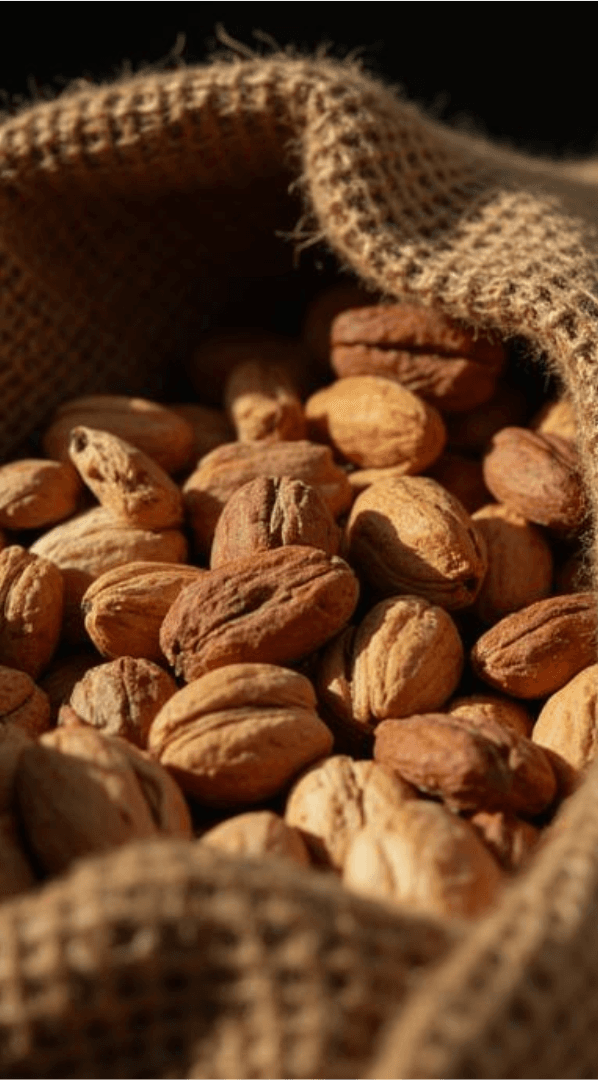
Nuts continue to earn a bigger role in everyday eating, and the numbers reflect that shift. The global nuts market stood at about USD 69.49 billion in 2025, moves toward roughly USD 73.17 billion in 2026, and is projected to reach close to USD 112.63 billion by 2034, growing at a 5.48% annual rate. This growth follows changing food choices. Nuts fit clean eating, snack replacement, and plant-forward diets, offering protein, vitamins, and natural fats without much explanation or preparation.
In some way, this change feels organic. As lifestyles evolve, "snackable" is an unconscious business buzzword. For wholesalers, that translates to smaller package sizes, private-label, and improved packaging count for more than ever.
A Closer Look at the Segments
Markets only become understandable when you begin to disassemble them. The nuts market, looked at through product types, channels of sale, and end-use applications, reveals a tiered structure that enables buyers and sellers alike to spot where their greatest prospects are.
- Product types: almonds, peanuts, cashews, walnuts, hazelnuts, pistachios, and other nuts. Almonds are the mainstay of global exports, cashews, and pistachios are gaining popularity because of their use in snack blends and confection.
- Distribution channels: supermarkets, hypermarkets, convenience stores, online hubs, and the foodservice routes all share the table. But here’s the twist: online retail isn’t the side act anymore. It’s stepped into the spotlight. Mid-sized exporters, indie brands, they’re not just testing it; they’re thriving in it.
- Applications: snack foods, bakery, confectionery, granola, nut milks, dairy alternatives, and general culinary use. You can observe how the humble nut is weaving itself in several categories seamlessly.
The surprise is the dominance the entire category of whole nuts continues to exert. Raw and roasted nuts had over 50% of total market value in the previous years. That’s a reminder that while processed or flavored products are growing, the base commodity still has the largest share.
Essentially, the industry's roots remain simple, shelled, cleaned, packed, and shipped. However, the profit usually rests in how suppliers add value to that simplicity: improved roasting, novel flavours, or traceable packaging.
Regional Insights: Who's Producing, Who's Buying
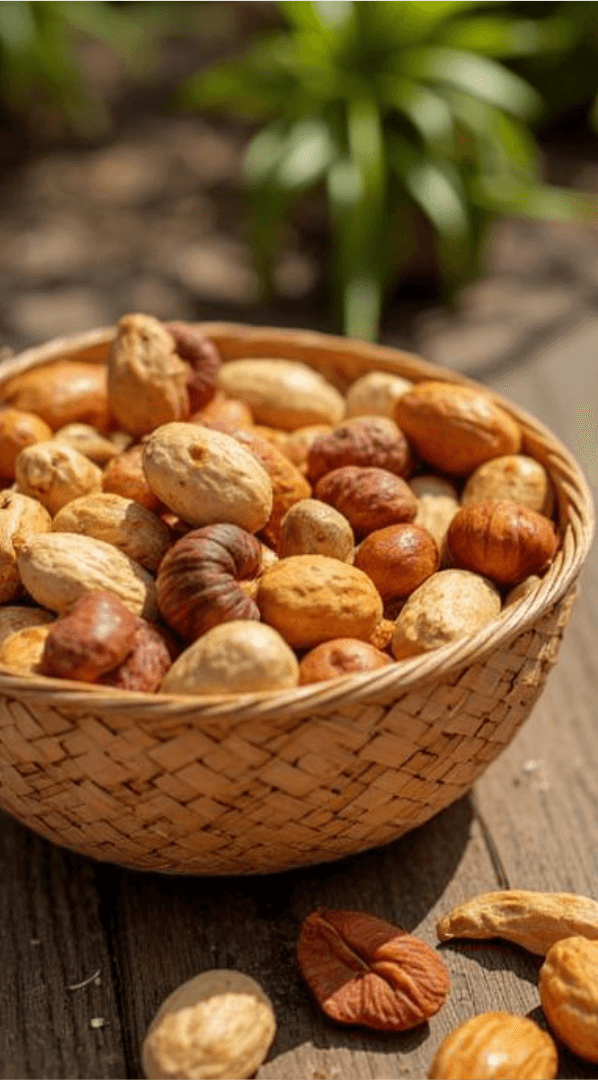
Regions set the pace of the nut trade — who produces, who purchases, who transports the cargo when weather or policy dictates. You can almost sense the global game of tug-of-war when you consider the statistics.
Europe
Europe, to cite one example, continues to be on solid ground in the market, holding around 34 % of global revenue in 2025. Purchasers there prefer traceable, certified, and sustainably produced nuts. Importers in Europe frequently request "farm-to-fork" paperwork prior to committing to new supply agreements. It’s not just about premium pricing but compliance to restrictive EU sustainability and due-diligence legislation. In some way or another, paperwork has evolved into being as important as flavour.
Asia-Pacific
Asia-Pacific, however, is the one everyone's waiting for. According to Future Market Insights, it leads the growth rate with increased incomes and growing middle-class diets. The cities' snack shelves nowadays boast almond milk, cashews roasted, and peanut-butter spreads unheard of even five years prior. Imports from Latin America and Africa still rise, particularly from Tanzania, Brazil, and Vietnam. The area's distribution networks are catching up quickly — although port congestion and container shortages continue to make things messy at times.
United States
The United States, especially California, continues to be the backbone of global almond supply. But with that power comes a cost. The cost being extended droughts, increasing water prices, and new environmental regulations. With these challenges, farmers are compelled to rethink production. A few growers are converting to less water-hungry crops or shifting acreage to the Pacific Northwest. Essentially, what was once a sure thing is now a balancing act.
Middle East and Central Asia
Then there is the Middle East and Central Asia, a network of exporters such as Iran and Turkey, both pistachio and hazelnut export powerhouses, and India and China, which are heavy traders in almonds, cashews, and peanuts. These nations don't merely drive prices; they essentially determine how much inventory reaches the global market every quarter. Their buying patterns ripple through Rotterdam, Dubai, and Singapore ports in days. Clearly, whoever controls stable yields and logistics calls the shots for the rest of the gang.
Gladly, geography still dominates the nuts market. You can mess with marketing or pricing, but if the harvest collapses or the port crawls, everyone is affected.
Trade and Supply Chain Insights
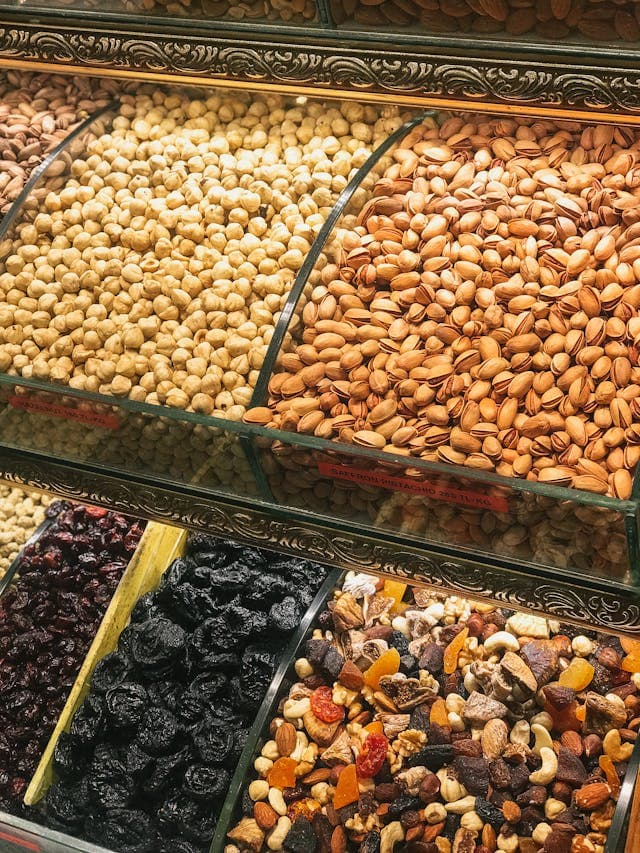
Today’s supply chains are volatile. One week freight rates stabilize; the next, they shoot up again.
- Logistics firms continue to grapple with volatile container prices and slower shipping cycles in Europe and Asia, Foodcom S.A. reports. Some distributors even pre-book cargo several months ahead just to secure space.
- Scarcity of water is a constant threat. California's almond farms, Turkey's hazelnut farms, and Iran's pistachio farms are all equally plagued by lacking irrigation and unpredictable rain. That deficiency filters down to pricing. Once a bad crop strikes, buyers abroad scramble to fulfill orders from secondary sources, driving costs across the board.
- What is remarkable is how the nuts industry has evolved its position in the global food supply chain. It's no longer a matter of selling raw kernels in bulk. According to The Business Research Company, increasingly nuts are entering plant-based dairy alternatives, functional snacks, protein bars, and bakery mixtures. That means processors are purchasing earlier, requiring tighter packaging specs and traceable origins to meet big-brand audits.
- Additionally, sustainability has become contractual now. European and Japanese importers now demand ESG documentation in addition to bills of lading. Some distributors, clearly, are now declining to trade with exporters who can't produce water-management or fair-trade compliance. That change produces a rift between modernised suppliers and still-informal ones.
So the next time you hear that the world nuts market will expand by about 5 % CAGR up to 2032, keep in mind what that actually translates to: behind the numbers are ships being redirected, farms shifting, and consumers learning how to manage risk in the moment.
Key Trends and Consumer Behaviour

Consumer demand never actually sits still. It moves, curves, and at times surprises all those in the supply chain. In 2026, that's just what's occurring in the nut business, trends are shifting quietly but inexorably, and the most intelligent purchasers and sellers are taking notice.
Health & Wellness Orientation
Individuals are consuming in a different manner now. Not necessarily less, merely more astutely. Nuts are a part of that change nearly naturally. They're rich, full of good fats, loaded with fiber, and brimming with protein, so they leave you feeling "clean" amidst all the processed foods.
Raw ingredients such as nuts are leading the pack in the next generation of functional snacks. You can notice it in how companies market them: unadorned packaging, genuine ingredients, no hype. Somehow, the draw is that they're actual food, nothing less, nothing more.
Plant-Based and Clean Label Demands
Consumers want food that feels natural, is traceable, and less artificial. That's where nuts easily fit in with milks, butters, spreads, and even meat alternatives all based on them.
For distributors, this is a wide-open road since the opportunity is not just in raw kernels but also in derivative forms such as nut pastes or ready-to-blend powder. Essentially, if you are only selling roasted nuts, you can be shortchanging yourself on what you can accomplish.
Premiumisation & Flavour Innovation
Here's the thing: people still snack for enjoyment. And in 2026, that enjoyment has gone high-end. Premiumisation is one of the most robust trends currently, customers are more than happy to pay extra for improved taste, clean sourcing, and distinctive flavour.
Chilli lime, truffle, honey sea salt, or cocoa dusted, for example. Single-serve packets are even upgrading. Private-label manufacturers and retailers are getting with the times quickly, incorporating origin stories and packaging design as part of the marketing package.
Convenience, Snacking Culture & E-commerce
Snacking isn't disappearing. If anything, it's dominating meals. "Snackification" is when individuals consume several small bites rather than large sit-down plates. Younger shoppers are leading that charge. They want easy, portable, ready-to-eat foods to buy online or grab on the way out the door.
That's why direct-to-consumer models, subscription boxes, and digital snack firms have proliferated. E-commerce expansion for nut foods is gaining traction ahead of traditional retail in most markets. It's a signal for buyers and wholesalers. Invest in light, resealable, shippable packaging. Convenience is no longer niche. It's now included in the demand.
Recent Developments and Opportunities in the Nuts Market
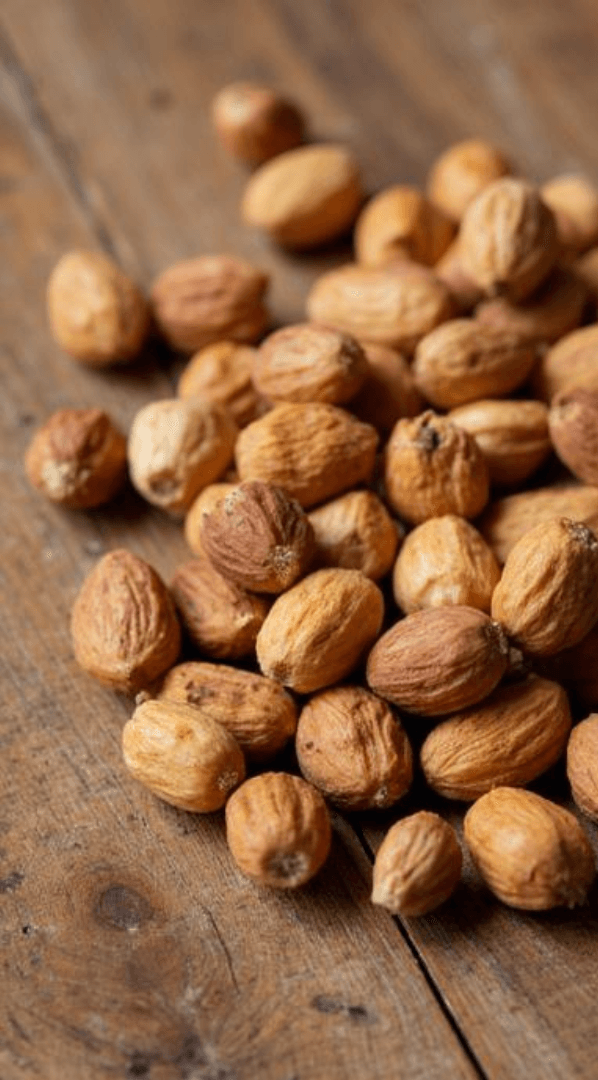
The nuts industry is busier than ever. Markets are in flux, and new concepts continue to pop up where least anticipated. Changes are some of them subtle, while others shake things up. Here's what's really going on across production, trade, and product innovation:
- Hazelnut supply is turning strategic. Softer pricing encouraged some Turkish producers to slow sales and hold inventory, while overseas interest stayed active. That combination hints at tighter availability ahead and more careful timing around contracts in 2026.
- Almond flows are moving at a measured pace. U.S. shipment data points to lighter forward buying, with customers spacing out commitments as they watch prices and stock levels rather than locking volumes early.
- Origin transparency reshapes macadamia sourcing. New labeling rules in Hawaii are pushing clearer origin claims, which may shift how premium macadamia products are positioned and where brands choose to source.
- Momentum is concentrating within a few varieties. Walnuts, pistachios, and almonds are drawing more consistent interest, which narrows focus for processors as other nuts see slower pickup and fewer expansion signals.
- Nuts are showing up beyond the snack aisle. Confectionery and premium food launches increasingly blend nuts into finished products, extending their role past raw or roasted formats into flavor-led, value-added categories.
Top Nuts Suppliers on Torg
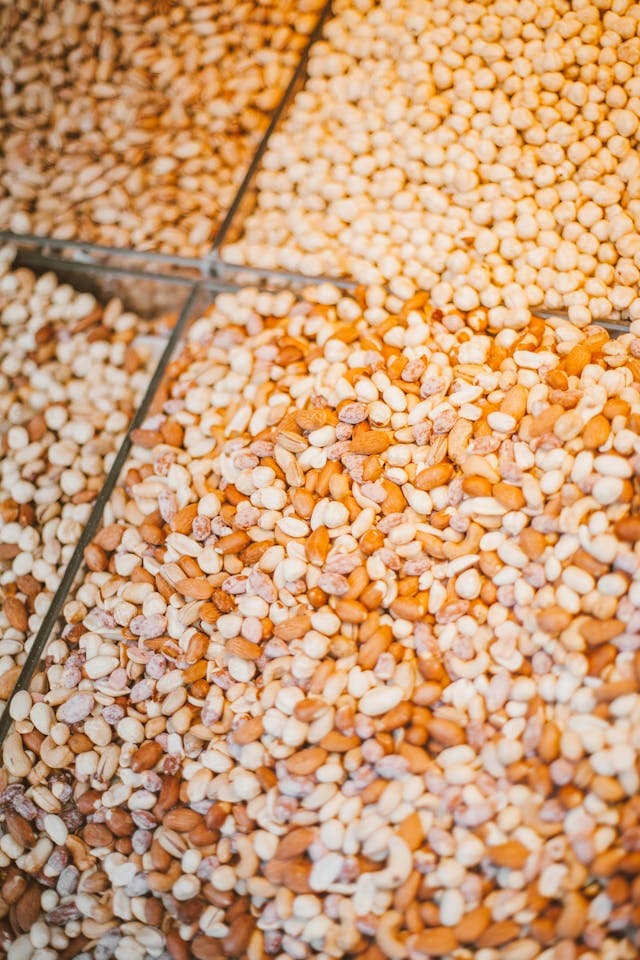
1. GREAT NUT SUPPLY COMPANY – USA
US-based Great Nuts Supply Company has established a solid reputation in the gourmet and premium nuts segment. They are versatile, dealing with large retailers as well as small private-label purchasers. Their products consist of traditional roasted nuts, nut combinations, flavoured blends, nut confections, and even gift mixes. Interesting is how they go about it: they make logistics easy with free shipping from the US and small-batch freshness.
2. THE SUN VALLEY – United Kingdom
Operating from the U.K., Sun Valley Limited produces nut and snack ranges built for consistency. The lineup covers roasted peanuts, premium almonds, crisps, and peanut butters. Attention to freshness supports longer shelf life, while flexible packaging and custom development help private labels and wholesale programs manage rotation and launch formats.
3. KUYUCU KURUYEMIŞ MESRUBAT VE GIDA SANAYI TICARET LIMITED ŞIRKETİ – Turkey
KUYUCU KURUYEMİŞ is more of an old-school aspect of the nut business, based on the craftsmanship of Turkey and the variety of product offerings. They are not merely a nut business, they are also a coffee, lokum (Turkish delight), chocolate, and spice business. They have shelled and unshelled nuts available in their product offering, great for bulk purchasers or specialty store sellers who need to source authentic Mediterranean products.
Conclusion
The nuts market is steady, practical, and quietly changing. Demand’s still solid — that part hasn’t changed. But the supply side needs a steadier hand. Health trends, plant-based eating, and traceability are changing the rhythm. Buyers and suppliers aren’t rushing anymore. They’re moving with intent. For most players, the real takeaway is clear: stay consistent, keep your supply lines transparent, and adapt when the market shifts. The opportunities are there for those who plan, adjust, and stay grounded through every turn.
Request a Bulk Order Quote
Simple ordering, transparent pricing, delivered straight to your door