



Juice Market: How Functional Blends Are Taking Over
Functional juice blends are reshaping the market. Discover growth trends, regional insights, supply chain shifts, and emerging opportunities driving demand in 2026.
200+ buyers trust Torg for sourcing







Many buyers, retailers, and distributors are noticing the quiet shift in the juice market. And it is no coincidence either. Functional blends are picking up speed because buyers want beverages to benefit them with energy, focus, gut support, and immunity. Rather than move pallets of plain fruit juice, today's sourcing teams are seeking out blends that carry a story or juices that have a purpose. There is so much potential in this space: the margins are better, consumers feel involved, and suppliers are tweaking formulations at rates never seen before. If you're deciding which SKUs deserve shelf space, functional blends might be your next strategic category. The data supports it, but more importantly, demand proves it.
Squeezing the Market: Size, Scope, and Supply Chain Pulse
Juices are moving forward at a measured pace, shaped by both demand and restraint. The market sits around USD 142.10 billion in 2025, edges up to USD 146.94 billion in 2026, and is projected to reach about USD 173.75 billion by 2031, growing at a 3.41% CAGR. What’s happening underneath matters. Shoppers lean toward premium, lightly processed juices, yet sugar taxes across more than 45 regions slow volume growth. Add pressure from weather-hit citrus and apple crops, and the category grows steadily, not freely.
Demand isn’t dropping off, though, especially now that consumers are paying more attention to what’s inside the bottle with shorter ingredient lists. In other words, clean-label wins shelf space.
How the Market Is Segmented
The juice market, from a distance, may look like one category, but once you actually start evaluating suppliers, freight, and margins, it breaks into clear segments. Generally, buyers classify the market based on three things: product composition, processing, and where the product will be sold.
- By product composition
This is where the difference in price normally manifests.
- 100% juice is the juice from fruit only with no fillers. Strong demand is still in premium retail.
- Juice drinks / blends: These are combinations of juice with water or other ingredients. Prices are lower, and here is where most functional additives are typically added.
To put it into perspective, the 100% juice market is projected to reach USD 50.49 million by 2030 (approximately 7.7% CAGR).
- By function
This is where growth is currently happening.
- Functional juices are the ones added with either adaptogens, probiotics, or additional nutrients.
- Standard juices are those that come as single-fruit or multi-fruit products.
The functional blends sit in a different conversation, where buyers are selling an outcome instead of a beverage, whether it be energy, focus, or gut balance.
- By handling and logistics requirements
This affects freight, storage, and lead time, especially for imports.
- Shelf-stable – easier to ship in bulk, longer shelf life, lower logistics risk.
- Refrigerated/cold-pressed – shorter lead times required, higher handling cost, closer supplier relationship needed
- By sales channel
This determines packaging and MOQ.
- Retail – Supermarkets and convenience stores
- Horeca – hotels, foodservice, cafés
- Online grocery or D2C
In the end, it's the category you're in that dictates everything downstream: freight temperature, minimum order volume, warehousing, retail rotation speed-even how your sales team positions the product.
Regional Insights
Growth is uneven across regions: some countries are moving faster, others have strong positions. If you source or distribute globally, being able to pin down specific country details really helps in contrast to vague regional talk.
Europe — Germany & Spain take the stage
- In Europe, countries such as Germany and Spain are leading juice producers. In the previous years alone, juice production value hit about €3.08 billion in Germany and about €3.05 billion in Spain.
- Spain, moreover, isn't just producing but importing more citrus and tropical juices, as Spanish imports increased to 143,900 tonnes in the past years, up by ~7.8% per year since 2019.
Now, if you're a wholesaler looking at Europe, Germany would be strong production-wise while Spain gives interesting import growth dynamics, especially for blends and tropical fruit juices.
Latin America & key exporters — Brazil, Argentina
- On the production and export side, Brazil still remains the global heavy-weight for orange juice. In a recent news report, Brazil’s exports of orange juice fell ~19.7% in a six-month period of 2024/25 while revenue rose about ~42.7% because of high prices.
- Also, in the global citrus production listing, Brazil holds ~16.5 million metric tons (MMT) for oranges.
- Another country to note is Argentina since it's now identified as a top exporter of fruit-juice concentrate, constituting about 23% of shipments in a given dataset.
The means exporting from Latin America means dealing with yields that are variable, freight/logistic risk that's high, and a big opportunity for sourcing.
Importers & trade flows — United States, China
- Data from the Observatory of Economic Complexity (OEC) shows that the leading importers for "fruit juice" included the United States (~USD 3.44 billion in imports) and China.
- Additionally, concentrate import data sees that the U.S. accounted for approximately 31% of global fruit juice concentrate imports in the June 2024 – May 2025 timeframe.
So, if you sell to retail chains in the U.S. or China, you face huge competition and logistical/import duty complexity but a very big buyer base.
Supply Chain & Trade
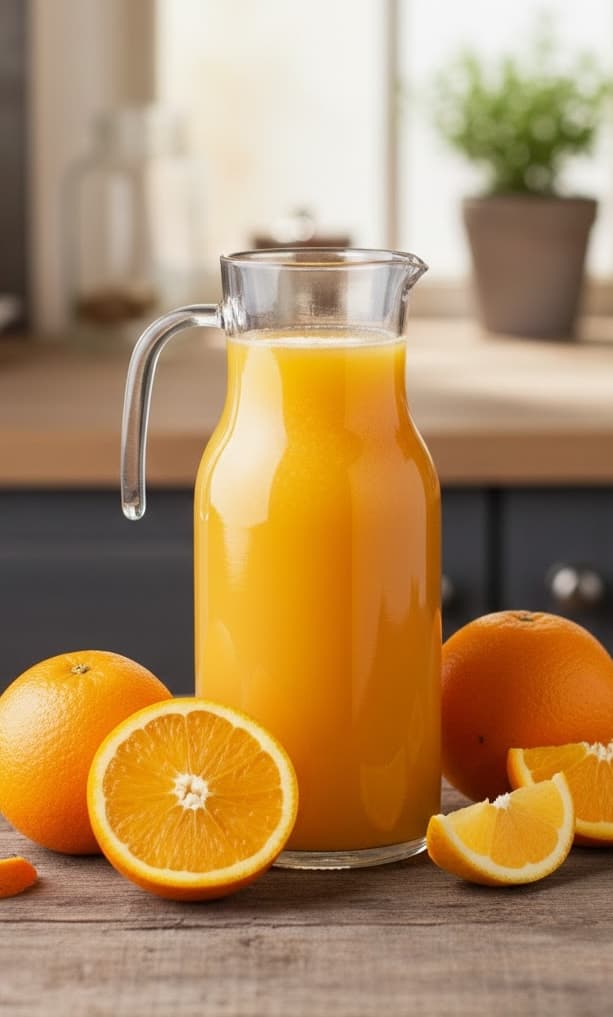
- Citrus harvest uncertainty is affecting raw ingredients. Weather-driven disruptions and delayed lemon harvests have tightened supply and kept prices firm, while short carry-over stocks mean processors face ongoing availability and pricing risk into 2026.
- Recently, nearly 48% of the trees in Brazil's citrus belt are infected with citrus greening disease (HLB), adding further downward pressure on yields and future supply.
- Canadian orange juice imports hit a 20-year low. With shipments dropping sharply, prices are climbing and buyers are scrambling for alternative sources or reformulating mixes to maintain supply continuity and cost balance.
- Asian markets are recalibrating production and trade flows. Grape juice volumes and imports in the Asia-Pacific region saw notable declines, and although a modest recovery is forecast through the decade, these swings highlight how regional supply and trade patterns can shift quickly.
- Global concentrate supply is expected to "rebalance" in 2025/26 as Brazil's production recovers, but volatility remains thanks to climate risk, disease, and uncertain demand.
- Trade policy and port regulation metrics that influence cost and route risk. In 2025, new tariffs, maritime service fees, and regulatory surcharges emerged, such as the United States Trade Representative maritime service fee on Chinese-operated vessels or the EU ETS surcharge on imported reefers. That means for juice imports, landing cost is not just container + freight; it also includes regulatory fees and could affect supply chains in 2026. For instance, spot rates still seem low, but carbon surcharges on reefer legs in EU inbound add €40-€80 per container.
Why Consumers Are Drinking Differently
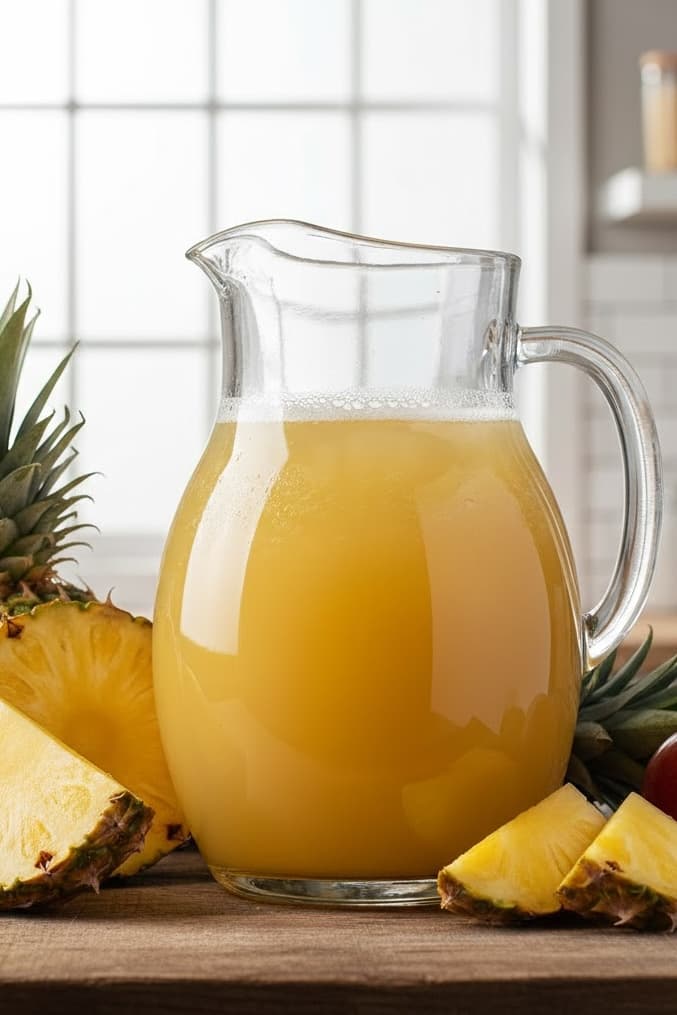
Today, more people reach for juices that do something, not just quench thirst. They want value, benefits, better ingredients, and convenience. Retailers feel that shift fast because slower SKUs get replaced by functional blends.
Health & Wellness Takes Front-Seat
People consider drinks as mini health routines: They want immune support, gut help, or energy. In other words, a juice with a purpose. For this reason, functional juices have grown because consumers expect much more than refreshment. Data Bridge Market Research notices strong demand for fortified blends. "Super-juice" formulas with antioxidants plus adaptogens are also gaining traction, according to FoodNavigator. Somehow, function now drives the buying conversation.
Clean Label, Minimal Processing, & Ingredient Transparency
People check labels now. Shorter ingredients are perceived as safer, while NFC juices are growing very fast, from USD 6.49 billion in 2025 to an expected value of USD 10.96 billion by 2034. If a product looks over-processed, buyers move on. Generally, retailers prefer suppliers that can provide sourcing and lesser processing of their products. In these times, clean-label has become part of the purchasing filter.
Flavour Exploration, Premiumisation, & Occasions
Taste is still what draws. But now, consumers go for unusual blends like botanical, vegetable, and even exotic fruits. That's why retailers lean into SKUs that feel elevated, as premium juice earns better margins. If the flavor can tell a story, the shelves will move faster. It's flavor + purpose, not one or the other.
Channel Shift & Convenience Demand
Buying patterns shifted with the surge of online grocery, chilled delivery, and ready-to-go formats. Packaging innovation and grab-and-go single serves are shaping demand. Consumers don't want to think. They mostly want fast options. For distributors, this means flexible MOQs, refrigerated vs. shelf-stable planning, and smart logistics. Convenience, it would seem, is now part of the product.
Strategic Opportunities Ahead
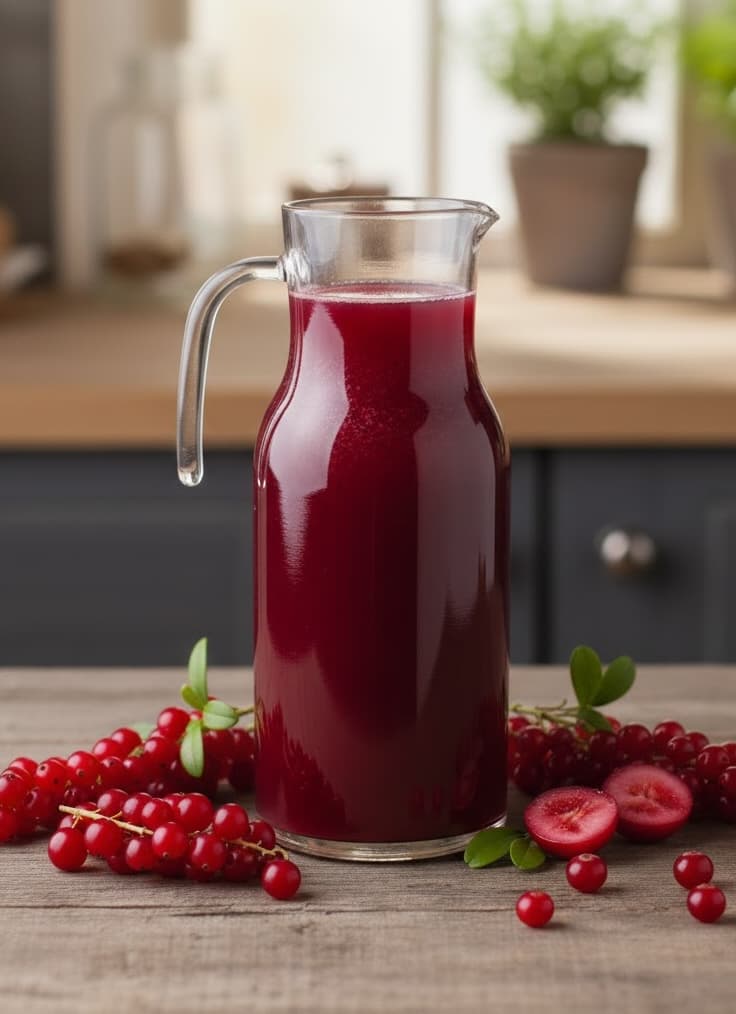
The juice category isn’t slowing down. It’s just shifting. Buyers, retailers and distributors can treat this as a moment to reposition. Basically, where demand moves, margins follow.
Premium + Functional = Higher Margins
People pay more for juices that do something—focus, gut balance, immunity. Functional blends naturally sit at a higher price tier, and retailers can justify premium shelf space. Actually, these SKUs rotate faster because shoppers feel they’re getting more value per bottle. Fewer plain juices. More benefit-forward labels. That’s where the margin hides.
Growth in Emerging Markets
Rising markets are moving faster than mature ones. Asia-Pacific, especially the Philippines, India and China, keeps posting strong growth. 6Wresearch even points to double-digit expansion in the Philippines. When a market buys more juice every quarter, distributors benefit from volume plus diversity of formats. Basically, if you're not playing in APAC yet, you’re missing active demand.
Ingredient Innovation = Differentiation
Adaptogens, probiotics, botanical extracts, et cetera. These ingredients once seen only in supplements are now common in juice. And these let suppliers create niche SKUs like “focus blends” or “immunity shots.” Somehow, adding one smart ingredient can change a product tier and push the price higher. Innovation doesn’t always mean reinventing the drink. Sometimes, it's just about upgrading the formula.
Packaging + Channel Innovation
Convenience shapes buying. Single-serve chilled bottles, subscription packs and online grocery listings are driving new demand patterns. Retailers appreciate formats that reduce waste and increase trial. Lightweight packaging also lowers freight. And when a SKU appears online and in-store, rotation improves on both sides. Basically, packaging isn’t just packaging but also a sales strategy.
Sustainability + Storytelling Win Trust
Consumers will always want transparency. They ask about sourcing, farming and packaging, sometimes even before taste. A supplier that can show where the fruit came from, how it’s processed, and who benefits along the chain earns loyalty. Evidently, sustainability helps justify price premiums too. Retailers don’t just sell juice anymore. They sell proof and trust.
Torg’s Top Picks of Juice Suppliers
1. RIHA WESERGOLD GETRÄNKE GMBH & CO. KG — Germany
riha WeserGold produces beverages that lean on quality, clean taste and solid consistency. They handle everything from direct juices to teas and spritzers, which makes sourcing easier because you can test multiple formats under one manufacturer. They care about sustainability in packaging and production. Basically, if you need a reliable European partner with range, they’re a strong option.
2. LEMONCONCENTRATE — Spain
Lemonconcentrate supplies a large mix of juice concentrates and NFC juices, from lemon and pomegranate to grapefruit and clementine. They also handle fruit purees, oils, powders and custom blends, which is useful if you need tailored ingredients for functional SKUs. They ship globally and work with different volumes. Actually, they’re ideal for buyers looking for flexibility and variety.
3. SUCORRICO CITRUS INDUSTRIAL E AGRÍCOLA LTDA. — Brazil
Sucorrico focuses on high-quality frozen concentrated orange juice and citrus derivatives from mature Brazilian oranges. They offer orange essence, cold-pressed oils, pulp pellets and D-limonene—handy if you source both beverage and value-added ingredients. Supply feels stable because they control fruit sourcing. Somehow, when you need Brazil’s orange powerhouse without the middle layers, they’re the direct route.
Conclusion
The juice market will always be a staple category. Always growing. Always changing. And now, buyers and distributors aren’t choosing based on flavors alone. They’re filtering products through margin potential, function, logistics, and shelf rotation. Functional blends, clean-labels, and flexible packaging formats are steering this shift, especially in fast-growing markets across Asia. If a supplier proves transparency and can deliver consistent lead times, they win. Basically, the opportunity goes to those who move quickly and source smarter. Juice used to be a commodity. Now, it acts like a value product with a story. If you align your assortment with these shifts, you won't just follow the market, you might even lead it.
Request a Bulk Order Quote
Simple ordering, transparent pricing, delivered straight to your door