



How to Get Kosher Certification: A Step-by-Step Guide
Learn how to get Kosher certification for products or restaurants. Understand requirements, cost, agencies, inspection, documents, challenges, and benefits.
200+ buyers trust Torg for sourcing







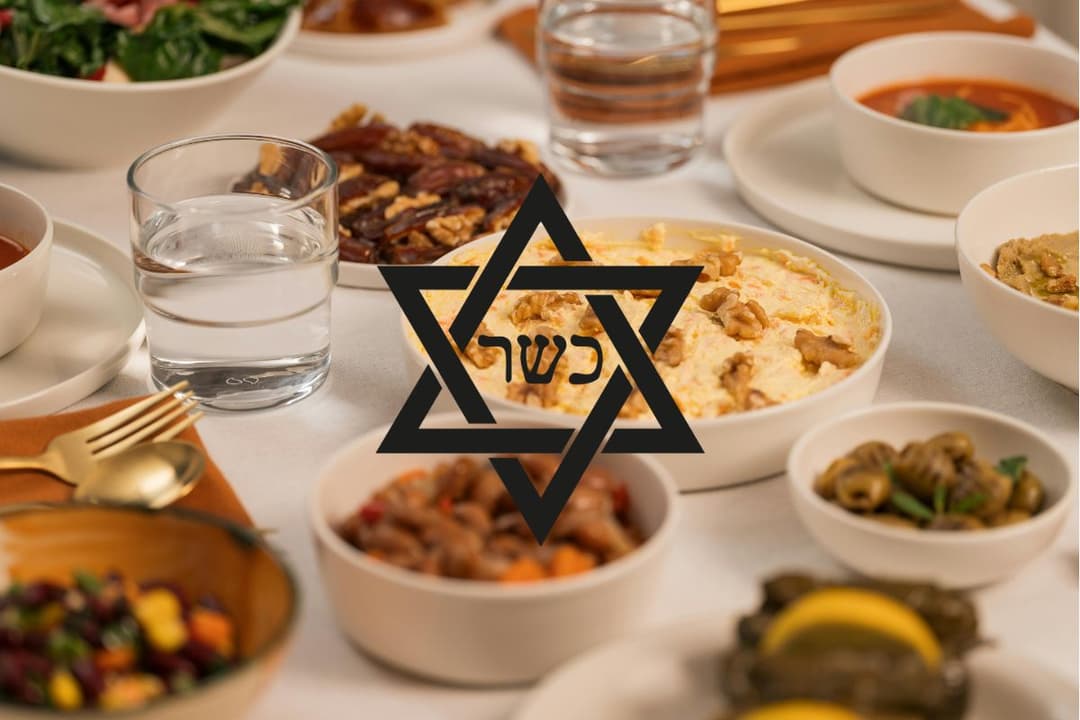
Kosher certification is now a business reality instead of a specialty requirement. A few years ago, even large manufacturers barely discussed it. Nowadays, small brands such as snack makers, roasting plants, and even ghost kitchens are seeking to apply because retailers and buyers tend to verify kosher certification requirements prior to adding a new supplier. The mark indicates that a product undergoes a managed process.
Export-market buyers also spot it. If you're going to ship to the US, UK, or Israel, at some point someone will ask, "Are you getting kosher certified? " and you'll need a response. The good news is that becoming kosher certified has a structure on its own. There are established kosher certification steps, kosher certification forms, kosher inspection procedure, and then compliance. This guide sees through how to obtain kosher certification, the cost, and how kosher certification agencies assess a facility.
What Does Kosher Mean?
Kosher means “fit” or “proper” in Hebrew and refers to food that follows Jewish dietary laws (kashrut). These laws define what foods are allowed, how animals are slaughtered, and how meals are prepared and served.
Kosher food must come from permitted animals (like cows, sheep, and fish with fins and scales), be slaughtered humanely by a trained shochet, and never mix meat and dairy. In contrast, normal food follows general food-safety rules but not religious ones. It can include non-kosher ingredients like pork or shellfish, and it often mixes meat and dairy.
What Is Kosher Certification?
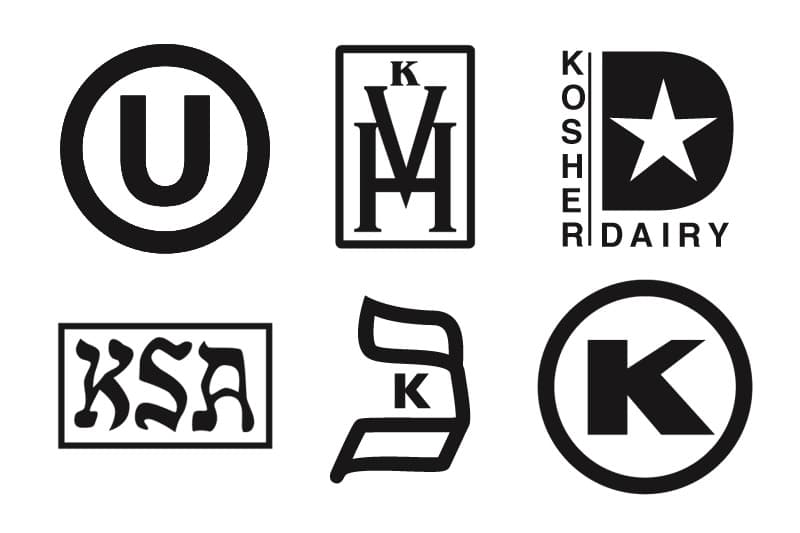
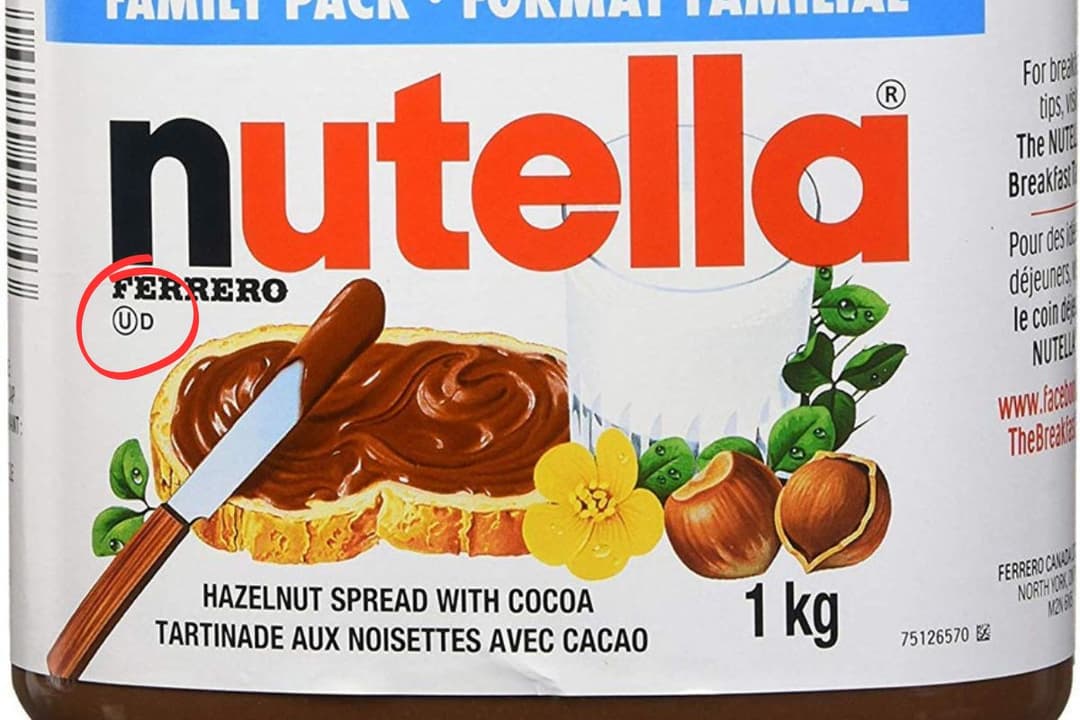
Kosher certification is a third-party confirmation that your product and facility follow kosher rules. An agency checks your ingredients, process, and handling. When everything meets the standard, you’re allowed to print the certification symbol like OU, OK Kosher, Star-K, or KOF-K on your packaging. And that tiny mark matters more than most people think.
Kosher certification is not opinion or gut-instinct based. There are kosher production rules based on Jewish dietary laws (referred to as kashrut). The guidelines are quite specific and highly technical and relate to three significant checkpoints:
- Ingredients — All raw materials need to be kosher. No exceptions.
- Process — Equipment needs to be washed and utilized in accordance with kosher certification standards and kosher production guidelines.
- Inspection — A rabbi or trained auditor visits the site to verify compliance. They don’t just sign papers; they actually walk through your facility.
In short, getting kosher certified proves that you’re doing things consistently and transparently. And yes, it applies to more than just food. Beverages, supplements, flavor houses, factory kitchens, even packaging materials can go through the kosher certification process.
Others believe kosher certification is just for religious markets. And that's not even a strict fact. Kosher certification is worldwide recognized in the food industry. It assists companies to reach retailers and distributors that need evidence of ingredient purity. When your product bears that symbol, importers and purchasers are aware that the manufacturing process has been tracked from beginning to end.
✡️ Showcase your kosher-certified products on Torg. Connect directly with verified global buyers, importers, and retailers seeking trusted kosher suppliers. 👉 Join Torg today to grow your business worldwide.
Importance of Kosher Certification in the Food Industry
Kosher certification may have its origins as a religious requirement, but in the food business, it acts as a passport to commerce. The market extends far beyond kosher-observing customers. Retail buyers, wholesalers, and even large food-service chains seek out kosher certified products because the mark makes their purchasing decision easy. Why? Because kosher labeling requirements compel brands to reveal specifically what's in the product and how it is processed. There's not any leeway for general ingredient origins. Everything must be recorded. Everything must be traceable.
The kosher certification advantages add up fast:
- It creates trust among consumers, even those who don't observe kosher dietary laws.
- It opens the door for export markets where kosher is needed in order to secure shelf space.
- It assures retailers that your compliance and traceability systems stand up.
It turns out that a surprisingly high percentage of non-Jewish consumers purchase kosher because they think the foods are cleaner, better tracked, or more transparent. Some even comment, "If it's kosher certified, I feel safer buying it." That alone can be a powerful benefit to a business.
Now, if your product isn't kosher certified, you might be automatically excluded from some buyers and distributors, particularly in countries like the U.S. and Europe, where kosher is a buying standard. That just makes kosher certification not just a label, but a leverage.
Types of Kosher Certification
Knowing the types of kosher certification guides you to select the appropriate way for your company. Each one suits a specific circumstance, ranging from single products to whole plants. Essentially, you are trying to couple your operation with the certification that matches the way you make and sell food.
1. Product Certification
Product Certification addresses a single product or SKU. The kosher certification company inspects ingredients, supplier history, and the end production process. If approved, the product can have a kosher label on it. This is best for packaged foods, beverages, supplements, or ingredient suppliers. It's straightforward and less complicated since only the product requires continuous kosher compliance and documentation.
2. Facility Certification
Facility Certification is for the entire factory, not one product. A kosher inspector or a rabbi inspects equipment, cleaning process, ingredient storage, and production process. This ensures that the entire facility adheres to kosher certification regulations. Actually beneficial if you have several product lines that run on the same equipment. Bit larger commitment, but makes future approvals easy.
3. Event or Catering Certification
This category involves short-term food preparation, such as weddings, private functions, or corporate functions. A rabbi oversees food handling at the location to guarantee kosher production regulations. All ingredients need to be screened. You can’t mix utensils. They have to be kept apart and supervised while the event is happening. It’s stricter, but it guarantees the food stays kosher.
4. Private Label Certification
Private Label Certification is for companies that don't have their own manufacturing. They find a third-party factory and collaborate. Paperwork, ingredient declarations, and manufacturing records need to be open and honest. The process of kosher certification checks both manufacturer and brand. It's beneficial for fast-growing businesses without a building. Somehow easier, but paperwork is important.
Who Needs Kosher Certification?

If a business handles anything edible or even something that touches food, it can apply for kosher certification. People are sometimes surprised by how broad it is. We’re not only talking about big factories. Kosher certification for business applies to small operations too. Restaurants, bakeries, spice and oil suppliers, beverage brands, supplement makers, and catering services can all go through the kosher certification process.
Think of it like this: if your product ends up in someone’s stomach, or on a store shelf labeled as food, you’re already a candidate.
Some examples are:
- Food manufacturing plants
- Beverage companies and supplement manufacturers
- Caterers handling corporate or private events
- Bakeries of any size
- Restaurants
- Ingredient suppliers
Do small businesses also qualify for kosher certification? Absolutely. A single-oven pastry shop or a small sauce maker working from a shared space can go through the same process. Kosher certification isn't reserved for international brands. It's for anyone willing to abide by the kosher certification rules and be transparent about their ingredients. Sometimes, going kosher even gives a small business the leverage that gets a distributor.
How to Get Kosher Certification
With obtaining kosher certification, you progress from determining your eligibility to the submission of documents, then a rabbi comes to inspect your plant. Thereafter, the agency determines whether or not you qualify. Easy peasy when done step by step.
1. Determine Eligibility for Kosher Certification
First off, start with what you’re using. Know every ingredient, and make sure your Kosher suppliers can show proof of where it came from. Next, take a hard look at your equipment. If it has handled non-kosher items, something has to change. Sometimes it’s a quick fix. Other times, it means revising the workflow. Sorting this out early prevents headaches later. In short, your facility needs to be set up in a way that can actually support kosher requirements.
2. Prepare Necessary Documentation
Acquire all the documentation that the kosher certification company needs. This typically involves ingredient statements, supplier information, production flow diagrams, SOPs, and packaging material. They might also require purchase records and product details. Keeping kosher certification documents organized accelerates approval. It is tedious work, but it demonstrates transparency. And apparently, paperwork is the path to smooth certification review.
3. Apply for Kosher Certification
Complete a kosher certification request to an established kosher organization. You’ll include your company profile, product list, ingredient information, and manufacturing details. After reviewing your documents, the agency shares the kosher certification cost. This part is mostly emails and forms. Once submitted, take a breath. The agency takes over initial evaluation before scheduling the inspection.
4. The Kosher Inspection Process
A trained kosher inspector or rabbi comes to your plant. They inspect ingredients, storage facilities, equipment procedures, and paperwork. They see how your staff prevents cross-contamination and ensure labeling concurs with approved recipes. It's similar to a food safety inspection, but with more stringent kosher certification guidelines. So don't worry. They're not judging your business, just simply verifying kosher guidelines.
5. Certification Decision
If all conforms to kosher certification standards, an official Kosher Certificate is issued by the agency. This allows you to place the kosher symbol on the packaging. The certificate specifies the accepted products and the duration of kosher certificate validity, typically one year. Obtaining kosher certification at this stage is rewarding since all the inspection and paperwork finally bear fruit.
6. Ongoing Compliance
Certification doesn't stop once it's approved. In order to maintain your kosher status, have ongoing kosher compliance. You'll require annual renewal, give notice to the agency in case of ingredient change, and periodically get audited. Somehow, it just becomes part of everyday business. Provided you give notice when changing things and keep records, renewals become seamless. Essentially, consistency maintains your certification intact.
Kosher Certification Requirements

The guidelines may seem rigorous at the beginning, but kosher certification is much simpler once you learn the fundamentals. They're actually quite simple - they're about honesty with ingredients and isolating certain stages apart and clean.
Ingredient Sourcing Guidelines
Each ingredient has to be checked separately. Even basic ones like emulsifiers or oil may have non-kosher derivatives. A kosher certifying agency goes through supplier documents, certificates, and ingredient specifications. Essentially, if you cannot know where an ingredient comes from, it's an issue. Some companies discover that alcohol is used in a flavor extract from a non-kosher source. Apparently, an ingredient list matters more than we imagine. Kosher food certification begins with ingredient integrity.
Equipment Usage and Cleaning
Equipment can require kosherization, which is an intense deep cleaning that is overseen by a rabbi. It's standard if equipment has come into contact with non-kosher items, or if dairy and meat were on the same line. The rabbi ensures that cleaning temperatures are being checked and that there's nothing non-kosher left behind. It sounds dramatic, but companies quickly learn it's doable.
Cross-Contamination Prevention
Meat and dairy can’t touch under kosher law. That means separate utensils, separate equipment, and even separate storage areas if it’s kosher certification for restaurants. Think of it as different tools, different stations. Once ingredients mix in a way they shouldn’t, the product loses its kosher status. No exceptions. Training employees is a big help. Proper labeling avoids accidents. It keeps everything in order and clearly saves a great amount of stress.
Labeling and Documentation Rules
Once approved, the product label should have displayed the kosher symbol that is officially assigned by the certifier. You cannot alter the symbol without authorization. Businesses must also have up-to-date production records and ingredient files, as agencies verify them when auditing. These kosher labeling specifications ensure protection for both the business and the certifier. Documentation becomes your evidence that each batch remains in compliance, not only the first one.
How Much Does Kosher Certification Cost?
The honest answer: cost varies. The numbers diverge a lot depending on region, operation size, and product complexity. If you’re wondering, “how much does kosher certification cost?”—here are typical estimates and what to expect, actually.
Factors Affecting Kosher Certification Cost
- Size of facility (small kitchen vs large factory)
- Number of ingredients and complexity
- Number of SKUs needing approval
- Region / travel and local fees
- Inspection and supervisory frequency
Estimated Cost by Region
- USA small restaurant / business: $1,500–$8,000 USD per year
- USA medium-sized manufacturer: typically $5,000–$15,000 USD per year for several North-American facilities.
- Australia & other foreign locations: initial inspection costs may begin at around AUD $500, with annual plant registration costs of AUD $500–$8,000.
- Extremely large or extremely complicated facilities (several plants, shared machinery, non-dedicated lines) may exceed $25,000 USD per year.
What to Expect & Plan For
When you make your kosher certification application, the agency will price you after going over your list of products and plants. They factor in travel, size, complexity of ingredients, number of visits. Some agencies have flat-fee pricing; others separate out travel or number of inspections.
Also: you may have to allocate funds for modifications (equipment cleaning, ingredient replacement) if your plant isn't already designed for kosher suitability.
How Long Does It Take to Get Kosher Certified?
So, how long does it take to get kosher certification? The timeline depends on how organized your documentation is. Some businesses finish fast, others get stuck sorting paperwork. If everything is clean (ingredients, supplier certificates, production flow), the certification moves quickly. But if you’re still digging through emails looking for COAs or specs, you’ll feel the delays instantly.
- For simple setups, getting kosher certified usually takes 2 to 6 weeks.
- For bigger or more complex facilities, it will take 3 to 6 months.
A few things influence the pace:
- Ingredient documentation approval duration
- When the rabbi is able to schedule the kosher audit
- Amount of SKUs and how complex the formulas are
Ingredient verification is usually where things slow down. Kosher agencies need proof for every ingredient, and most of the waiting happens on the supplier side. Somehow, once documentation is complete, everything else moves faster.
Top Kosher Certification Agencies Worldwide
Various kosher certification agencies are strongest in different areas. Some are international giants, others more regional and adaptable. Essentially, it is a matter of your area, price range, and complexity of your manufacturing. If you are exporting or working with retailers, the certifier's reputation is very important. Certain symbols are heavier in international markets.
OU (Orthodox Union)
OU is one of the most recognized kosher agencies in the world. Their symbol appears on millions of kosher certified products across grocery shelves. They’re known for structured processes and strong rabbinic oversight. If you’re targeting export markets, OU gives instant credibility. Somewhat stricter, yes, but buyers notice the OU mark and trust it without hesitation.
OK Kosher
OK Kosher closely collaborates with big factory plants and private-label endeavors. They are usually technically proficient and detail-conscious, particularly when handling complex ingredient sourcing. Companies prefer them because communication is quick and concise. Their kosher audit process emphasizes production flow and documentation. In case your equipment setup is for multiple SKUs or shared equipment, OK Kosher is a reliable option.
Star-K
Star-K is well-liked among factories that process private label merchandise. They're famous for being flexible, particularly during the kosher inspection process. Most firms admire how Star-K defines kosher certification requirements in a clear manner. They also assist facilities that are converting from traditional to kosher-conforming production. In essence, they're friendly, professional, and supportive to first-time applicants who need consultation rather than coercion.
KOF-K
Food technology businesses, ingredient suppliers, and manufacturers of complicated formulas prefer KOF-K. They're technical documentation and ingredient confirmation are very good. If you deal in emulsifiers, extracts, or additives, they appreciate the science of the sourcing. Somehow, they make the paperwork aspect less painful. Businesses requiring more in-depth formulation review tend to prefer KOF-K.
Badatz (Israel)
Badatz is greatly respected within Israel and the Middle East. Their certification is strict and prestigious. Companies selling to kosher consumers in Israel, and particularly Jerusalem, will select Badatz. Their standards of inspection and kosher adherence are strict, but the confidence that they have brought to that marketplace is unparalleled. Apparently, consumers actively seek the Badatz stamp on imported products.
Local / Regional Certifiers
Regional kosher certification bodies are usually cheaper and quicker to deal with. They're an option if you require kosher certification in UK, kosher certification in India, or kosher certification in USA with fewer travel charges. They can come by more regularly and accommodate renewals more easily. Essentially, if cost is an issue or your operation is smaller in size, regional certifiers are convenient.
Benefits of Kosher Certification for Businesses
Kosher certification benefits are not all about the label. Essentially, it assists your business in entering larger markets, creating trust with customers, and demonstrating ingredient clarity. In some way, it turns into a competitive advantage.
Expanding into International Markets
Kosher certification is good for exporters since most importers and distributors directly demand kosher certified merchandise prior to validating shipments. Certification makes customs clearances quicker and foreign retailers trust the documents. It guarantees your ingredients and techniques meet kosher certification requirements. When a product has a familiar kosher certification symbol, international consumers understand trustworthiness. Apparently, that small mark opens up business possibilities.
Building Trust with Jewish and Non-Jewish Consumers
Consumers think the kosher symbol is a promise that the product has undergone strict ingredient review. It insinuates transparency and consistency. Even individuals who do not practice kosher laws buy these products because they believe in the process. Essentially, kosher certification develops brand loyalty. Somehow, a small mark on packaging says to consumers: "We care about how our food is made." Trust ensues.
Compliance with Export/Import Regulations
Certain nations, export partners, and grocery stores place a premium on or even demand kosher certified producers. Kosher certification assists businesses in fulfilling documentation for customs and food audits. Rather than responding to a sea of questions, your certificate serves as evidence of compliance. In fact, this streamlines exporting and makes it smoother. It's simpler to expand when your documents already meet government and buyer requirements.
Enhanced Brand Reputation
Certification kosher gives your company a credible appearance. Private label buyers, food companies, and retail chains prefer to work with approved suppliers because they know they control the process of production. The process of certification kosher enforces quality inspections, documentation, and uniformity. Essentially, your brand is more reliable. When the certification logo is on the package, customers perceive the product differently, positively.
Kosher Certification in Different Regions
Now, what are the requirements for kosher certification? It can appear a bit varied depending on the location of your company. Some locations have more certifiers, whereas others use a combination of international and regional agencies.
USA
The United States demands lots of kosher certified products. Distributors and retailers prefer recognized kosher symbols from agencies such as OU, OK Kosher, Star-K, or KOF-K on the brands. Essentially, it makes your product more accessible to be placed on shelves with kosher certification in the USA. Private label buyers and importers usually request certificates ahead of time. Nationwide distribution is facilitated by kosher certification if you desire that.
UK
UK kosher certification is done by international agencies as well as local community-based rabbinical authorities. Local certifiers are preferred by some firms to save on inspection travel expenses. The UK market is stable for kosher certified goods, particularly in the food service and retail segments. If you already export to the European continent, obtaining UK certification enhances trust and makes paperwork slightly easier.
India
India's kosher certification is expanding rapidly. Indian companies are shipping spices, oils, extracts, and vegan products, items that buyers in foreign countries frequently ask to have kosher certified. It's not uncommon for manufacturers to seek certification because it is the key to winning export contracts with the US, Israel, and Europe. Essentially, kosher is the key to unlocking international trade and building product credibility.
Kosher Certification Challenges
Certain aspects of kosher certification seem easy, and others tend to get complicated somehow. Companies typically know that it is not the production process that holds them back, it's the paperwork and openness about ingredients.
Ingredient Sourcing Issues
Not all suppliers have documentation, and that is an issue when you go through the process of kosher certification. You may assume an ingredient is acceptable, only to find out about secret additives. Essentially, ingredients need to be traceable and documented. Any delay in paperwork by a supplier holds up your entire application. Sometimes it is not what you make, it is showing where every ingredient originated.
Mixed-Use Facilities
Mixed facilities that deal with dairy and meat require total separation to ensure kosher certification. Separate utensils, separate production lines, and minute cleaning procedures are demanded. In fact, it's more of a discipline than difficulty. If overlapping processes take place, the product is deemed not kosher effective immediately. Somehow, once workflows are set, the routine is consistent and easier for the team.
Understanding Rabbinic Requirements
Rabbinic guidelines and kosher terms can seem strange at first. Though, throughout the kosher inspection process, the rabbi teaches why and how certain things need to be performed. It can be overwhelming for some, but it makes sense after a while. Once a company learns why they need to be kosher compliant, becoming one is simpler. Communication eliminates confusion very quickly.
Documentation and Recordkeeping
Expect forms. Ingredient lists, supplier certificates, batch records, all have to be revised. Kosher certification agencies need forms because openness assures compliance. It's not about monitoring the company, merely making each batch consistent. Being thorough with records makes audits and renewals easier. Apparently, good documentation simplifies the annual kosher renewal process.
How to Maintain Kosher Certification
Certification is one thing. Sustaining it is another. Kosher compliance goes on every day in production, labeling, and documentation. In essence, be consistent and clearly communicate changes.
Regular Audits and Renewals
Expect regular check-ins from your kosher certifier, some planned, some unexpected. They’re there to confirm that ingredients and processes are still kosher. Certification runs on a yearly cycle, so you renew it every 12 months by reviewing documents and product lists. Renewal isn’t about getting approved again; it’s about showing that you’re still following the standards. Getting organized somehow makes renewals simpler.
Reporting Product Changes
Thinking of switching an ingredient or supplier? Tell your kosher agency first. It’s faster to get approval early than fix a compliance issue after the fact. A bit of a pain, yes, but it maintains your certification. Even changing flavor houses or oil sources counts. Essentially, no surprises. Don't hide anything. Transparency keeps your kosher certificate in play and avoids re-certification.
Staff Training on Kosher Compliance
Make sure your staff knows the kosher rules. It only takes one mix-up to break compliance. New hires and temporary workers should be clear on keeping ingredients, tools, and equipment separate. In fact, regular training avoids errors more than ever audits might. If the team is aware of the "why," they stick with the process. Clearly, upkeep of kosher certification is less complicated if all staff members realize their function.
Conclusion
Kosher certification is work. You collect forms, respond to questions, and get inspected. At times it drags, particularly if suppliers dawdle sending ingredient information. But finally, the pieces fall into place. You know the drill. You appreciate why every step is important.
That kosher symbol doesn’t magically boost sales overnight. What it does is show buyers and retailers that your product follows clear rules, and that you’re willing to be transparent about ingredients and processes. People appreciate that. They trust brands that don’t hide anything.
If your aim is to penetrate more stores, sell to distributors, or reach foreign markets, certification kosher assists you. It's gradual progress. You do the work now, and the rewards accumulate over time.
FAQs
What’s the difference between Kosher and Halal certification?
Kosher certification is tied to Jewish dietary rules. Halal certification follows Islamic dietary guidelines. Rabbinic supervision and kosher certification rules apply for Kosher, including equipment rules. For Halal, proper slaughter and exclusion of particular ingredients. Essentially, the same structure, different religious laws and authorities.
Do vegan or vegetarian foods automatically qualify as kosher?
No. Vegan or vegetarian food doesn't necessarily equal kosher certification. Even without animal ingredients, equipment, cleaning practices, and ingredient sourcing also count. In fact, disguised additives or common equipment can destroy compliance. Kosher certifying organizations have to check on everything. Essentially, such labeling as "vegan" and "kosher" is wholly distinct.
Is kosher certification recognized internationally?
Yes. A kosher label carries more weight when it’s issued by a major agency. Symbols like OU, OK Kosher, Star-K, and KOF-K are recognized around the world. Importers rely on these symbols since they indicate rigorous monitoring and validated records. Kosher certified goods tend to navigate customs more easily. In some manner, that symbol opens doors in international trade.
How often must you renew kosher certification?
Kosher certification is renewed annually. The agency reviews your files and confirms that ingredients and products are still compliant. Some facilities may have periodic audits to ensure ongoing kosher compliance. Basically, renewal proves you’re following the same standards consistently. Good recordkeeping makes the yearly kosher renewal smoother and faster.
Can kosher certification be revoked?
Yes. A business can have its kosher certification withdrawn due to non-kosher operations, i.e., using unauthorized ingredients, not keeping records up-to-date, or ignoring audit procedures. Ingredient substitutions must be notified immediately. Honesty is essentially what retains the certification. If something appears off, the agency investigates it. Staying current with regulations protects the product and the brand.
Request a Bulk Order Quote
Simple ordering, transparent pricing, delivered straight to your door