



The Hot Sauce Market: What's Turning Up the Heat in 2026?
Discover what’s fueling the hot sauce market in 2026—global trends, rising suppliers, flavor innovations, and sourcing opportunities for buyers and retailers.
200+ buyers trust Torg for sourcing







Hot sauce is no longer a side category you plan around later. It’s showing up in production forecasts, portfolio reviews, and long-term strategies. Flavor profiles are widening, yes, but structure matters more now. Sourcing reliability, cost control, and speed to shelf are driving decisions. Regional demand is clearer, and competition is tighter. In 2026, success won’t come from chasing extremes. It will come from doing the fundamentals well, scaling efficiently, managing risk, and knowing which flavors earn repeat orders. For industry players, that’s where the real heat sits.
Global Hot Sauce Market Overview
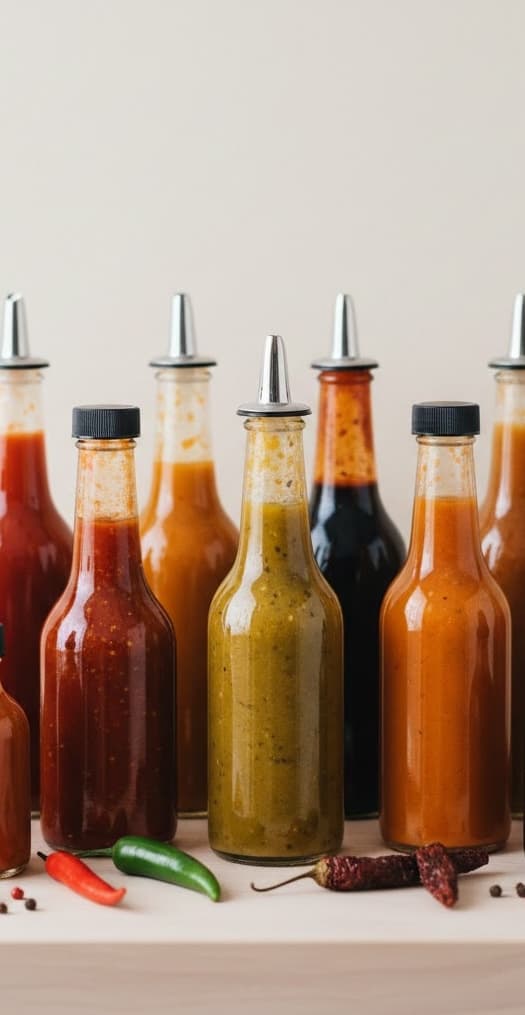
The hot sauce market has expanded well beyond being niche. Specialists forecast its value to keep growing steadily through 2030 and later, driven by novel markets adopting fiery flavors and previous ones rediscovering tradition. In 2025, the global hot sauce market stands at about USD 5.27 billion. Its growth looks more stable rather than rushed, with the category on track to reach roughly USD 8.58 billion by 2035, expanding at close to 5% annually between 2026 to 2035.
Regional & Emerging Players
Hot sauce growth follows habit more than hype. North America remains the anchor, holding about 47–48% of global share in 2025, simply because hot sauce shows up on tables every day. Meanwhile, Asia-Pacific is picking up speed, where city living, mixed food cultures, and better access are steadily pulling volumes higher.
In Latin America and the Caribbean, demand stays firm because spicy food is already part of daily meals, while modern channels extend reach. The European market is moving at a steadier pace, with people's curiosity and willingness to experiment with new foods driving growth through to 2026.
In Southeast Asia, the Thai market was worth a significant USD 35.89 million in 2025 and is expected to carry on rising gradually up until 2034. Meanwhile, the US paints a bigger picture and is really taking shape, starting from around USD 1.45 billion in 2025 and trending towards USD 2 billion over the same period.
Flavor Innovation & Consumer Taste
Perhaps the most powerful observation for today’s consumers is that flavor innovation has become as crucial as heat itself. Consumers crave smoky ferments, fruit crossovers, and novel textures beyond the generic “extra hot” description. Not long ago, Tabasco and Sriracha owned the shelf. Today, mango-habanero, pineapple-chili, and even miso-chili bottles are carving out space.
Also, recent market studies show that red sauces still set the baseline, simply because they’re familiar and widely used. At the same time, green sauces are finding new fans, helped by fresher profiles. As tastes broaden, straightforward chili blends are giving way to layered, specialty flavors that invite repeat use.
Structural Trends: Co-Packing, Private Labels & Traceability
What’s changing isn’t always visible on the bottle. Many hot sauce brands are simplifying how they operate by using co-packing to speed up launches and keep production flexible. Alongside that, private label hot sauce suppliers are gaining ground, allowing stores to build flavor-led identities without managing full-scale manufacturing themselves.
Also, traceability is no longer something brands can sprinkle on later. People nowadays pause, read, and look closer. When origins are clear and sourcing feels fair, trust builds. When details are vague, doubt creeps in. More often now, that sense of assurance guides the choice just as strongly as heat level or flavor.
Popular Hot Sauces in the Market
Hot sauces have all shapes and tales, but some are well-known due to their history, taste, and global reach. While some have been existing for over a century, others are capitalizing on today's global food trends. Let's list the ones still making waves today:
Sriracha
Sriracha’s rise followed use, not marketing. Once cooks found a sauce that worked across dishes, it stayed within reach. The balance of heat, sweetness, and bite made it easy to rely on, even when supply tightened. Years later, that familiar squeeze bottle still earns its place, moving effortlessly from one plate to the next.
Featured wholesale products

Sriracha Chili Sauce 200g
€1.14
Cholula
Cholula stays recognizable by keeping things restrained. The pepper blend leans on piquín and árbol, which adds warmth without taking over. That balance explains its staying power. It works across meals, shows up casually at the table, and fits just as easily into quick breakfasts as it does full plates.
Tabasco
Since 1868 Tabasco has originated from one location—Avery Island, Louisiana. Plain ingredients, no nonsense: red peppers, vinegar, salt. Yet, time does the magic. Oak barrels transform the mix into a sharp, tangy kick that almost everyone recognizes. It's added to everything from breakfast eggs to Bloody Marys, showing that sometimes old-school is better than hot stuff. Longevity is its greatest asset.
Gochujang
Gochujang builds flavor over time rather than hitting all at once. Fermentation gives it depth, while chili adds a steady warmth. Originally tied to South Korean home cooking, it now crosses borders easily. You’ll find it enriching sauces, marinades, and unexpected dishes where complexity matters more than sharp heat.
Harissa
Harissa grew out of everyday cooking. In North Africa, it’s made from ingredients people know by heart, blended slowly into something deep and warming. It works its way into grains, sauces, and marinades without ceremony. That quiet versatility is what carried it outward, finding a place in kitchens far from where it started.
Peri-Peri
Peri-peri rides on the fire of the African bird’s eye chili. Zesty, sharp, and a little wild, it first thrived in African and Portuguese kitchens. Grilled fish, chicken, vegetables—it clings to all of them. Later, global restaurant chains carried it further, turning a regional sauce into an international name. Peri-peri is no longer exclusive to chicken shops today. It is bottled and available on grocery store shelves across the globe.
Craft and Small-Batch Sauces
Craft sauces are the newcomers to the scene, founded on distinctive peppers, regional products, and innovative narrative. They're not mass-produced, but small-batch in finite runs, possibly matched to a particular harvest. They're purchased for prestige as much as flavor. With highly visible packaging and distinctive blends, they've made hot sauce collectible, almost like wine.
More Than Just a Condiment
A hot sauce is now more than just a condiment with its so many uses. Below are just a few examples of some:
Hot Sauce in Daily Preparations
These days, hot sauce sits in kitchens the way salt and oil do—always within reach. A dash over rice, a splash in pasta, a swirl through soup. Restaurants don’t skip it either. From corner pizza joints to Michelin-starred dining rooms, the bottle is never too far from the plate.
Hot Sauce in Packaged Foods
The heat isn’t hiding in bottles anymore. It’s everywhere. Grocery aisles now carry chili-laced snacks, frozen meals, marinades, even ready-to-eat bowls. For time-pressed shoppers, it’s spice made easy, no extra step required. What was once a condiment is now a flavor category of its own.
Non-Food Uses of Chili
This is where it gets really interesting. Capsaicin—the same thing that gives chilies their burning effect—is employed outside the kitchen. It's in health supplements, pain ointments, and even green pest repellents. Skincare companies even slip chili extracts into lip plumpers and beauty products. So, in some way or another, an ingredient in a sauce now gets to influence health and beauty as well.
Why It Matters for Suppliers and Buyers
For buyers, this transformation is clearly not only about food, but new verticals. They can diversify into agriculture, cosmetics, or pharma with chili products. Suppliers, however, should be on the lookout for these cross-industry expansions. Buying from versatile suppliers translates to opening up more than just sauces. It's about accessing a diversified, expanding chili economy.
🔎 Looking to explore this growing network? Discover vetted chili and hot sauce suppliers directly on Torg.
Request a Bulk Order Quote
Simple ordering, transparent pricing, delivered straight to your door
Who's Driving Hot Sauce Supply
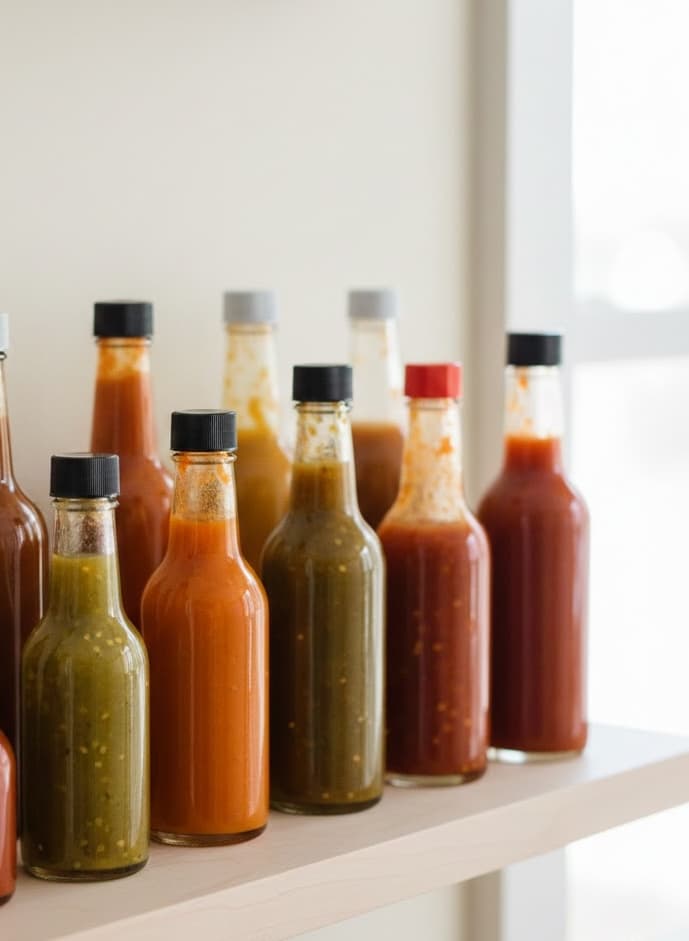
There is a complete chain of suppliers and manufacturers behind each bottle of hot sauce you find in a store, ensuring demand is satisfied. Some are giant international brands with decades of distribution muscle. Others are regional exporters preserving traditions and scaling up nonetheless. Both are important, and buyers want to know what each is capable of delivering.
Here's what's driving the supply side presently:
- Established global brands – These companies already have warehouses, logistics teams, and established shelf space. They make scaling and consistency look effortless, but sometimes they lack the authenticity that newer markets crave.
- Regional exporters – Consider manufacturers in Mexico, Thailand, or North Africa. They may not always be manufacturing at the same industrial volume, but their sauces have cultural significance and distinctive flavor narratives that speak to consumers seeking something more than "mass-market chili."
- Certifications that count – Organic, halal, kosher, and fair-trade aren't labels anymore. They're door-openers to broader groups of consumers. Purchasers understand that sauces with these seals can access multiple market segments simultaneously.
- Balancing scale with authenticity – Here things get complicated. A supplier could master the heritage aspect but fall down when challenged to triple their production. Conversely, a massive brand could produce a product at scale but find it difficult to demonstrate authenticity. Which do you think you would fall towards?
- Digital sourcing platforms – Platforms such as Torg are transforming the way deals are made. No more round-the-clock back-and-forth emails; buyers can get together with pre-vetted suppliers in one location, compare terms, and eliminate delays. For smaller suppliers, this equals visibility they would not otherwise receive, and for buyers, it's essentially a quicker, more secure means of establishing relationships.
Top Hot Sauce Suppliers from Torg
1. GLADSTONE SAUCE – Canada
Gladstone Sauce takes a focused, hands-on approach to heat. Made in Canada, their range stays natural, clean, and free from shortcuts. Chipotle, honey-forward blends, and classic styles also sit side by side. The result is straightforward flavor with intention, offered in both single bottles and curated sets meant to be shared.
2. SALSA TAMAZULA S.A. DE C.V. – Mexico
When one mentions true Mexican hot sauce, Salsa Tamazula comes to mind immediately. They are the producers of Valentina, a brand name with an international clientele. Their sauces, from traditional Tamazula sauce to several sizes of Valentina, are made using locally available ingredients. Purchasers are aware these sauces truly deliver Mexico's gastronomic heritage to shelves.
3. SEMPIO FOODS COMPANY – South Korea
Sempio has positioned itself as a global ambassador of Korean cuisine. With a portfolio that includes gochujang sauces, kimchi kits, and ready-to-eat meals, the company aligns traditional flavors with international consumer demand for convenience. Its ability to adapt heritage products for modern markets has established Sempio as a key driver in the global expansion of Korean food culture.
Future Directions in Hot Sauce
The future of hot sauce is broad open, and in all honesty, the coming years may be hotter than the previous ten. One thing that's fascinating is the way the market isn't merely holding on to tried formulas—it's reinventing itself in some manner that feels new and, in a peculiar way, inevitable.
- New Flavors – Pineapple-habanero, mango-ghost pepper, and even smoky fermented blends are trending. Low-sodium ones are too, because health-conscious customers don’t want to sacrifice flavor when reducing salt. It's essentially evidence that heat can be considerate as well.
- Crossovers – Hot sauce isn’t just in bottles anymore. Look for snacks sprinkled with chili, vegan meal kits with heat, and even spicy craft beers or cocktails. Why settle for tacos when you can heat up your Friday night cocktail?
- Smarter Farming – Climate disruption is disrupting chili crops, so vertical farming and alternative growing areas are filling in. This transition isn't experimental anymore—it's turning into a genuine solution for dependable supply chains.
- Sustainability – Green packaging and regenerative agriculture are no longer "nice to have." Customers and consumers expect them now. Apparently, sustainability has gone from niche to mainstream, and providers who don't pay attention to it risk losing traction.
- Collectibility – Limited runs, offbeat packaging, or celebrity endorsements are making hot sauce something that people actually do collect. Consider this—when was the last time a condiment was used as a conversation piece?
- Resilient Sourcing – To prevent shortages and counterfeiting, customers are spreading out where they buy chilies and sauces. Traceability systems are becoming obligatory, not discretionary.
For buyers and suppliers, these aren't transitory trends. They're tactics for remaining competitive in a marketplace that, in some way, just keeps generating new ways to raise the temperature.
Conclusion
Heat is not the story here. Not entirely. Bottled fire has always carried tradition, memory, and the weight of culture. What makes 2026 different is how hunger has changed—consumers are restless, adventurous, eager to explore borders through flavor. Producers respond by pushing boundaries, crafting sauces that are at once familiar and startling. The challenge? Balance. Shoppers demand authenticity, but also scale. Brands must stay inventive without burning out. And through it all, one truth refuses to fade: the world wants more heat. Those able to deliver it will not just sell condiments—they’ll ride one of the most dynamic and lucrative waves in today’s food industry.