



Honey Market: 2026 Sees Shift Toward Organic & Raw
Explore how the global honey market is evolving with new trends, ethical sourcing, and diverse suppliers shaping the future of natural sweeteners worldwide.
200+ buyers trust Torg for sourcing







Honey always had this understated charm. It's sweet, golden, and somehow timeless. But times have changed. What was once simply another kitchen staple now finds itself, clearly, a key contributor to the international food and wellness economy. People these days are abandoning refined sugar and wanting something real and pure which is what honey is. Brands are getting on the bandwagon too, trying new combinations, packaging, and flavors. Essentially, honey's in its time. From small local producers to international distributors, everyone's on board. And understandably so because few things seem as natural, consistent, and flexible as honey does presently.
The Golden Shift in the Modern Food Markets
The honey industry has evolved big time. What previously felt rural or small-scale is today a billion-dollar system operating globally. The figures say it all. In 2025, the global honey market stood at roughly USD 10.22 billion and is projected to rise to about USD 10.69 billion in 2026. Steady demand supports a 4.62% CAGR, pushing the market toward an estimated USD 16.05 billion by 2035. That's not so bad for something that begins with flowers and a few bees. The transformation was driven by demand for traceable and natural sweeteners that have placed honey in the spotlight.
Regional and Country Hubs for Honey
Production is dispersed far and wide. China remains the leader of the pack, producing almost 500,000 tons of honey per year, which accounts for about 25% of global supply. Turkey, Argentina, and India come close behind, with approximately 15–20% in total. Europe, especially Spain and Germany, is biased towards consumption rather than production, with tremendous imports directly from Asia and South America. And then there is New Zealand and Australia that are small in terms of quantity but enormous in terms of value, primarily due to premium-grade Manuka honey that may range between $80 to $150 or more per 250 g jar.
On the other hand, African countries started picking pace in the international honey market, notably Ethiopia and Tanzania, which are softly positioning themselves as upstart producers. Ethiopia was the largest producer on the continent at 84,591 tonnes, followed by Tanzania with approximately 31,613 tonnes. Their floral variety endows them with unique flavor profiles which international customers are starting to notice. Exporters in search of quality without the high price tag find these prices irresistible. Each region puts its own story of flavor on canvas—weather, flowers, and local customs mixing into honey that never quite tastes the same thing twice.
Market Segmentation
The honey market these days is highly segmented. There's raw honey, organic honey, monofloral honey, and industrial honey that goes into high-scale food production. Raw and organic types draw customers who seek purity and health benefits, whereas processed honey serves the high-scale industries of bakery, confectionery, and beverages.
And then there's the premium segment—the type that can be found at specialty stores or sold under private labels. These brands emphasize origin stories, levels of purity, and regional authenticity. Prices can get completely out of hand. Simple blended honey may run $2–3 per pound, but specialty floral honeys such as Sidr or Acacia can run a minimum of $30 per pound. The segmentation is successful because it allows producers to engage with multiple audiences. Those concerned with health, those concerned with luxury, and those who simply require a sweetener that is cheap and consistent.
From Hive to Market: Supply Chain Overview
Behind every glossy jar sitting on a store shelf, there’s an entire world quietly working. It begins with the beekeepers, with millions of them scattered across continents. From their hives, the chain winds its way through collectors, processors, exporters, and finally, the hands of retailers. With each transition, cost and value are added. Processing cost alone in Europe can fetch 20–25% of the retail price. Factor in transport and packaging, and the end margin can reach as high as 40%.
Traceability is now a huge issue. Purchasers, particularly in North America and Europe, demand evidence where the honey originated, how it was filtered, and whether or not it's authentic. The need for visibility has led to increased use of digital means. Blockchain methods are being experimentally tested to trace honey from hive to jar. It may sound futuristic, but it seems to be emerging as a norm for export-ready honey suppliers.
Still, it’s not all sweet in the honey world. Climate shifts stir chaos, bees disappear in alarming numbers, and new trade rules get stricter every minute. The result of all this is a sourcing landscape that feels more fragile by the season. For instance, a poor season in Argentina or Indian droughts will result in world price increases within months. The global average honey price has ranged from $2.20 to $3.10 per kilogram in recent years as a result of these supply fluctuations.
Trade and Production
The world honey industry is exhibiting robust and dynamic growth patterns. The Manuka honey industry alone is valued at about USD 890 million in 2025 and is expected to reach roughly USD 1.45 billion by 2030. This growth reflects a projected CAGR of 10.2% as demand for premium honey continues rising.
Organic honey pulled ahead in 2024, with dollar sales rising 8.1% and volume up 9.1%, outpacing conventional honey. That momentum carried into 2025 and is expected to remain on a consistent upward path into 2026. India still has its Minimum Export Price (MEP) policy for honey in place until at least December 2025, favoring local producers as global supplies tighten. Organic honey supply is still limited despite fresh harvests, and prices are maintained high.
Simultaneously, Ukraine's production has dropped with war-related interruptions and poor weather, driving prices for varietal honey higher. Brazilian exports are expanding rapidly, calling for improved authentication and traceability procedures to fight fraud.
From an innovation perspective, scientists have come up with a model that can identify adulteration of honey with 98.37% accuracy, and beekeepers are implementing TinyML and edge computing solutions to track hives in real time—temperature, pest presence, and bee activities even in far-flung places. All these changes together expose an industry finding middle ground between tradition, technology, expansion of trade, and increased quality control.
Popular Types of Honey Available in the Marketplace
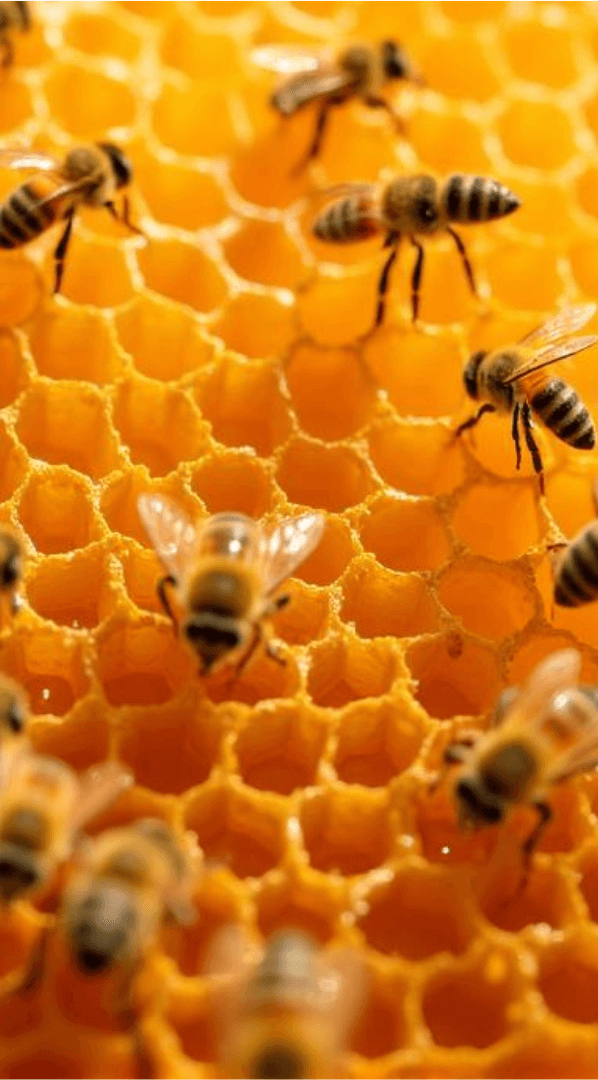
Some honey smells like wildflowers after rain. Others carry a hint of herbs. Each jar holds its own tone, texture, and mood. Golden, amber, dark as tea leaves. It’s less a sweetener, more a language of its own.
- Manuka Honey: Mostly born in New Zealand, this honey owes its power to methylglyoxal—MGO—the compound behind its famed antibacterial strength. People don’t only drizzle it on toast; they dab it, blend it, even treat it like medicine. A spoon for tea, a touch for skin. Expensive? Yes. Yet its charm refuses to vanish, season after season, like something time forgot to dull.
- Acacia Honey: Light as glass at dawn, Acacia honey almost forgets how to crystalize. It lingers smooth, slow, and golden, perfect for tea, salads, or that last drizzle over bread. Hungary and Romania lead the craft, their hives producing honey that whispers rather than shouts. It’s the refined choice, the quiet note for palates that shy away from boldness.
- Clover Honey: Clover honey doesn’t try too hard, it just fits. In tea, over pastries, in sauces, it blends in like it’s meant to be there. Found almost everywhere, it quietly owns its place on shelves worldwide, balancing affordability with that clean, gentle sweetness people keep coming back for.
- Buckwheat Honey: Buckwheat honey is denser, darker, and full of antioxidants. The flavor? Robust, nearly malty. People love it in BBQ sauces or specialty drinks. It's not for everyone, but once you have a taste for it, there's no looking back.
- Wildflower Honey: Each batch speaks its own language. Wildflower honey borrows taste from whatever the fields decide to offer that season. One jar might whisper floral, the next hum earthy. Affordable yet rich, it’s the kind bakeries and private labels reach for when they want depth without the luxury tag.
Torg’s Top-Rated Honey Suppliers
1. JIANGSU ANWEIZHEN FOOD CO., LTD. – China
This is a company old enough to be an expert at producing honey. Established in China, Jiangsu Anweizhen specializes in the production and export of high-grade honey to international standards. They have quite a roster up their sleeves—Miscellaneous Honey, Rapeseed Honey, Longan Honey, and a few others. All of them are produced with health and fitness in mind, which is most likely the reason that their products continue to appear in foreign markets.
2. SIRIN BAL GIDA SANAYI VE TIC. A.Ş. – Turkey
With the brand name Harniva, this Turkish company ships honey that's, well, classy and pure. They have honeycomb, classic honey types, and healthy food mixes in between that's delicious too. You can just tell they pride themselves on using the best local sources, everything just feels genuine and lovingly made.
3. INDIGENOUS HONEY – India
Indigenous Honey draws from India's forests to make organic, unprocessed honey. Each jar is an echo of the wild flora of its homeland, Tulsi, Ajwain, Litchi, and even spice-infused ones. They put a lot of emphasis on purity and testing to make sure what they deliver to you comes as close to nature as you can get. Their process just feels authentic, no shortcuts, no fillers, just pure honey.
Request a Bulk Order Quote
Simple ordering, transparent pricing, delivered straight to your door
Key Trends and Opportunities in the Honey Market
Today, everyone cares more about what goes into their honey jars, where they are sourced from, and how they are made. It is no longer being sweet. Quality and trust matter more now.
1. Raw & Unprocessed Honey Is High in Demand
Raw honey is getting its moment these days. You'll see it everywhere—shelves, health blogs, smoothies. All people want the type that is left unchanged, pure. Raw honey keeps its fire—the enzymes, the minerals, the things that make it alive. The pasteurized ones are smooth, yes, but a little dulled around the edges. Across Europe, shelves are starting to tell a story as people want the raw kind, the unfiltered truth, and brands are racing to meet that craving.
2. Sustainability & Ethical Sourcing Matter More Than Ever
Now, this section's the fun part. Consumers don't simply inquire, "Is it pure?" Consumers inquired, "Where did it originate?" Hive health, beekeeping ethics, and ethical sourcing are now in the spotlight. Sustainability has somehow become a marketing angle—nearly a badge of honor. Brands that take transparency about their process, that care about bees and the world, are obviously the ones gaining long-term trust.
3. Organic & Specialty Honeys Thrive
There's also this new trend with specialty and organic honeys. Manuka, Lavender, Acacia—these sound high-end right off the bat. And then infused varieties: ginger, lemon, cinnamon. Folks want variety, and when it feels regional or crafted, the better. It's no longer a product; it's a little bit of culture in a jar. Niche is basically becoming mainstream, and that's a win for brands that play.
4. Bulk & Private Labeling Are Redefining the Rules
Private labeling? That's the next big step. Food manufacturers and retailers are partnering with suppliers to create their own honey lines—custom blends, bespoke packaging, and all that. It allows them to be in control of quality and brand image and save on costs. Some even go for buying bulk honey to cater to bakeries, hotels, or wellness brands. Apparently, private labeling is an open-door policy because it's flexible, scalable, and ideal for businesses who wish to differentiate without inventing the wheel.
Featured wholesale products

Honey Multifloral 500g
€2.64

Granola Honey Nuts 500g
€2.16


Organic bar with black sesame, almond and honey 6x34g 6x 34g
€1.43
Conclusion
The honey industry right now feels like it’s standing at this crossroads where old traditions meet new ideas. What started as a simple craft of beekeeping has somehow turned into a serious global trade. You’ve got buyers asking for traceability, retailers demanding sustainability, and consumers wanting that “real and raw” kind of sweetness.
Basically, honey isn’t just that jar in your kitchen anymore. It’s part of a much bigger picture of cleaner foods, mindful choices, and natural living. For suppliers, it’s a world of possibilities: private labels, premium exports, or even wellness-based products. And for everyone else? It’s a reminder that sometimes the simplest things—like honey—still hold the most value.