



Gummy Market 2026: How Gummies Dominate Snacks
Discover how gummies transformed the snack aisle, from market size and consumer behavior to regulatory considerations and supplier opportunities.

200+ buyers trust Torg for sourcing







Today, gummies aren’t just filling space. They’re claiming it. And the rise isn’t even a coincidence. This corner of confectionery has quietly become one of the most stable and lucrative. For both buyers and suppliers, that shift brings a new rhythm with fresh pricing models, changing ingredient demands, and evolving packaging approaches. Gummies move fast, margins are good, and consumer demand isn’t slowing down anytime soon. So if you’re in retail, distribution, or private label manufacturing this category deserves your full attention. Here, we’ll break down how it’s growing, what’s driving demand, and where the best sourcing and expansion opportunities actually are.
Industry Overview: Mapping the Gummy Boom
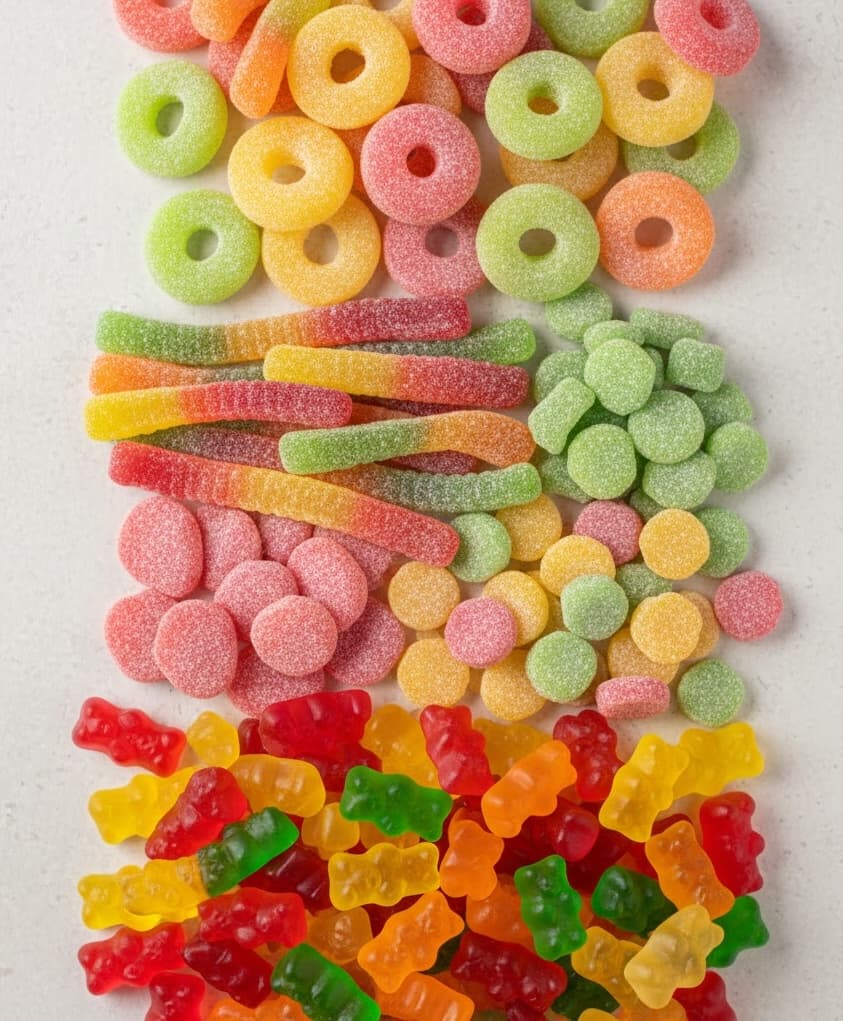
Gummy candies are moving beyond a niche treat and settling into a longer growth cycle. The market sat near USD 2.5 billion in 2025, then can edge up to roughly USD 2.7 billion in 2026 as new formats and launches keep shelves active. Over time, that steady pace compounds, putting the category on track to reach about USD 5.1 billion by 2035, supported by a 7.4% annual growth rate driven by broader use cases and consistent product innovation.
Segment Breakdown
- By form: Classical gummy confectionery vs. functional/fortified gummies (vitamins, botanicals, sugar-free). Functional forms are more quickly sold.
- By ingredient origin: Gelatin-based gummies stay on top, but plant systems (pectin, agar) are experiencing growth fueled by clean-label and vegan trends.
- By user/use: Children and family continue to be important for traditional gummies. But the adult market, particularly for wellness or functional gummies, is growing rapidly.
- By distribution channel: Old retail (supermarkets, convenience stores) carries volume. Online/disruptive channels (D2C, subscription packs) carry growth.
Region-by-Region Highlights
When you’re sourcing or distributing gummies, knowing where they’re made, traded, and consumed matters.
- North America: Evidently this region leads in production volume and market share. One survey indicates North America held about 41.2% of the combined jellies & gummies market in 2024 alone and can still hold that pace up to the present year.
- North America also leads the gummy supplement space in 2024, with the U.S. at the center. Its size, clear regulations, and mature supply systems make it a steady ground for trade. For suppliers and buyers alike, that typically means more streamlined operations and a more certain cost base.
- Asia-Pacific (APAC): The region is growing strongly. Urbanisation, middle-class growth, changing snack behaviour — all on the move. Analysts also suggest APAC will be the fastest growing region for jellies & gummies between 2026-2030. While exact production volume percentages are harder to pin, emerging markets like China, India, Southeast Asia altogether make up a large chunk of incremental volume. If you’re considering sourcing or distribution partnerships, APAC offers volume, cost leverage and growth potential, though risk (regulatory, logistics) is somewhat higher.
- Europe: Although perhaps not expanding as rapidly as APAC, Europe is of particular interest for premium, clean-label, plant-based products. One source indicates the Europe & Germany gummy supplements market is expected to expand and hit USD 8.12 billion by 2032 (CAGR ~12.5%). For higher-end formats for buyers and suppliers interested in these, this is a key area: vegan/plant-based gelling systems or specialist distribution within Europe.
Supply Chain & Trade Environment

In supply chain and trade, every kind of possibility can happen. Prices swing around, shipments get held up, and suppliers have to do a delicate dance to keep all their ingredients, packaging, and regulatory ducks in a row. Every tiny change of course seems to make a big difference for both buyers & suppliers when it comes to the bottom line.
Raw Material Trends
Gelatin is still the leading contender when it comes to gelling agents in gummies, but pectin & agar are creeping up fast. Changing consumer tastes and stable prices are nudging more manufacturers towards looking at plant-based systems and it's starting to look like a very smart move. The truth is, plant-derived gelling agents are looking to a 7.3% annual growth in the next few years by 2030. Global sugar supply has been uneven lately, pushing prices up and down. For brands using less sugar or none at all, the focus now is on steady ingredients and reliable packaging. It’s less about cost-cutting—more about keeping quality from slipping when markets turn.
Formulation & Manufacturing
Functional gummies with vitamins or herbs add an extra level of headaches. Nutrient stability, flavor balance, shelf life. It's a lot. But they're where the growth is happening. The functional gummy category was worth approximately US $25.74 billion in 2025 and is set to reach US $38 billion by 2030. Expect greater MOQs and marginally higher per-unit costs than regular gummies. It's the compromise for margin and positioning.
Packaging & Logistics
Gummies are difficult to transport in warm weather. They melt, they stick to packages, they warp. So good packaging is necessary. Store-ready packs take a lot of visual punch and hard sealing. Importers also need to double-check labeling such as nutrition facts, allergens, and origin. A misplaced word on a label can keep a shipment up for weeks. And because online sales continue to rise, distributors require packaging that withstands delivery vans and doorsteps as well.
Trade & Risk
Freight prices are unstable once more. One day it's okay, the next it's through the roof. Tariffs, fuel surcharges, ingredient inflation, they all go downhill. Your suppliers may pass those hikes along to you or lengthen lead times. That is why clever buyers now employ dual-sourcing arrangements and maintain tiny cushions for basics such as pectin or gelatin. And with regulations changing quickly, particularly concerning additives and labels, it is handy to know precisely which market your gummies are going into before anything is even produced.
What's New in 2026
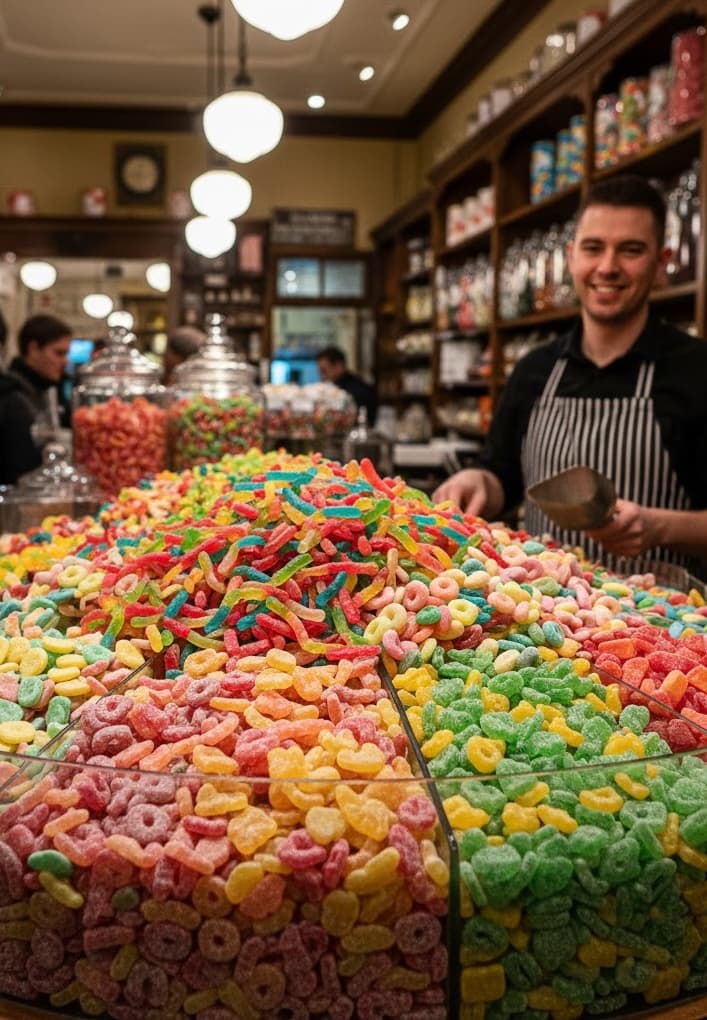
There are new developments we should report. These aren't far-off predictions, these are trends you should consider if you're purchasing, distributing or sourcing gummies.
- Functional ingredients are reshaping product lines. Collagen keeps expanding beyond supplements into gummies, with brands adding skin, hair, and joint benefits that appeal to wellness-minded buyers.
- Plant-based, clean-label, reduced-sugar formulations are no longer a niche. Most manufacturers are not only repositioning core gummy lines but also introducing new ones to address consumers' needs. Indeed, a report provides the "top-5 functional confectionery ingredients" among which gummies are listed.
- Online channels & subscription models continue to gain ground. Trends in snacks show that e-commerce is increasing at a higher rate than retail. For you as a supplier or distributor, that translates to packaging, fulfillment and inventory strategy having to change.
- More frequent novel flavour and texture launches. Suppliers are trying out region-specific flavours, upgraded packaging, limited editions. As a buyer or retailer, you should search for lines that provide novelty but also fit your shelf-space approach.
- Ingredient and manufacturing innovation: e.g., plant-based systems for gelling (to replace gelatin), heat-stable vitamins within gummies, dual-format packaging (subscription, grab-and-go) — these all impact sourcing.
Shifting Demand and Emerging Buying Patterns
Understanding what’s driving gummy demand helps buyers and suppliers plan smarter. Consumer habits are changing fast, and evidently, so are the rules of the snack trade.
Convenience and On-the-Go Snacking
Consumers crave snacks that are light to carry and accommodate hectic lifestyles. Gummies meet all of those criteria. It's convenient, clean, and fun to consume. They're ideal for checkout counters, office desks, vending machines or wherever spur of the moment decisions occur. For distributors, smaller pack sizes and resealable bags are ideal. In essence, placement generates impulse, and impulse generates volume.
Indulgence Meets Functionality
Gummies were once about flavor. Today, they're about benefits as well. Vitamin- and collagen-infused, and adaptogen-containing functional gummies are gaining interest. They provide adults with a reason to purchase candy once more, just for a purpose. For distributors, carrying heritage items alongside premium offerings keeps reach in play while elevating margins.
Clean Label and Health-Conscious Choices
Shoppers are paying attention: consumers read labels these days. Consumers demand pectin over gelatin, natural colors over synthetics, and reduced sugar in general. This is not a trend but rather a new normal. Apparently, plant-based gelling systems are expanding at around 7.3 % every year until 2030. Early adopters who supply adapt will secure contracts sooner.
Flavor Innovation and Novelty
Flavour sells, but freshness drives shelves around. New textures, regional twists, or seasonal releases keep shoppers interested. Retailers who rotate flavours quarterly tend to have better repeat purchase. Distributors need to align with factories that permit small-batch innovation since that is what keeps a product line from getting stale.
Online Purchasing and Subscription Growth
Internet sales of gummies, particularly functional ones, continue to rise. E-commerce platforms (such as monthly snack packs) facilitate easy replenishment. Therefore, packaging must withstand shipping, not only supermarket shelves. For wholesalers, reduced MOQ options and accommodating shipping schedules really help.
Expanding Beyond Kids
This is no kid's market anymore. Adults also snack, at workstations, in automobiles, after exercise. Gummies for wellness or energy easily fit into those habits. Pharmacies, airport kiosks, even fitness stores are now decent channels. For suppliers, that translates to rethinking format, flavor, and messaging. Less cartoon-y, more lifestyle-based.
Regulatory Considerations

Regulations may seem like fine print, yet to buyers and suppliers, they determine if your shipment goes through or gets stuck. Every market has rules, some simple, others sneaky. And in a way, those little label nuances may seal a deal or ruin it.
Ingredient & Labelling Regulations
Each ingredient has a tale to tell, and regulators demand the whole story. Gelatin, pectin, and other gelling ingredients usually need evidence of origin and sourcing. Sugar reduction or "sugar-free" claims can't be mere "marketing fluff", they must be lab-tested thresholds. And if gummies contain vitamins or collagen, in some countries they become classified as supplements rather than snacks. And allergen and GMO disclosures? Not up for discussion. Get one wrong, and customs can hold up your entire batch.
Packaging, Shelf-Life & Trade Compliance
Packaging is more than aesthetics. It's compliance. Material recyclability, accurate wording on labels, even the barcode type can be important. Functional gummies require shelf-life verification and micro-safety testing because nutrients do lose value over time. Big box stores now insist on complete traceability, all the way back to raw materials. And yes, Europe's EU Regulation 2025/40 will be mandating recyclable packaging for gummies by August 2026.
Retail & Distribution Channel Compliance
Retailers act as gatekeepers. The majority of them ask for HACCP, ISO, or local safety certification prior to listing a product. Distributors have to handle storing them carefully, gummies curl or adhere in heat and degrade quickly. And when doing business online or through delivery apps, other laws can apply. Local regulators see subscription boxes as recurring food sales, which means additional paperwork for anyone shipping across borders.
Torg's Top Gummy Suppliers
1. Sunflower Hemp Co – USA
Sunflower Hemp Co, headquartered in Pittsburg, Kansas, makes private-label and bulk gummies in accordance with strict GMP and FDA regulations. They practice third-party testing to verify potency, purity, and safety, which essentially keeps everything traceable and clean. Transparency is what differentiates them, literally you can go to the facility. Little company, but clearly, they punch way above their weight.
2. Gumlink Confectionery Company – Denmark
Gumlink is not a newcomer to this business. They've been making confectionery for well over a century. Reputed for private-label gummies, mints, and gum, they specialize in filled and functional formats that really sell to both mass and niche markets. Their innovative packaging and formulation adaptability make them a best option for buyers who desire European-grade quality without paying too much for branding.
3. Nantong Litai Jianlong Food Co., Ltd. – China
Based in Jiangsu, Nantong Litai Jianlong is one of China's veteran gummy and jelly manufacturers. They satisfy both traditional confectionery purchasers and new health-oriented snack lines. Their gummy line combines fun flavours with consistent export quality. Somehow, they've been able to reconcile taste, scalability, and cost effectiveness, making them an excellent option for importers looking for stable bulk supply.
Wrapping Up
At the end of the day, gummies have become more than a product. They're a sign of where the snack and supplement industry is going. Buyers and suppliers now work with quicker cycles, tighter regulations, and tighter margins. They're building stable supply chains and regional alliances that endure. If you can place your sourcing strategy on these trends like clean label, smart logistics, and trusted manufacturers, then you are no longer behind the market. You are in front of it. And that's where real growth happens.
Request a Bulk Order Quote
Simple ordering, transparent pricing, delivered straight to your door