



Granola Market Growth: The Healthy Snack Revolution
Discover what’s fueling the surge in the granola market—from the market overview and consumer trends to supply chain dynamics and opportunities.
200+ buyers trust Torg for sourcing







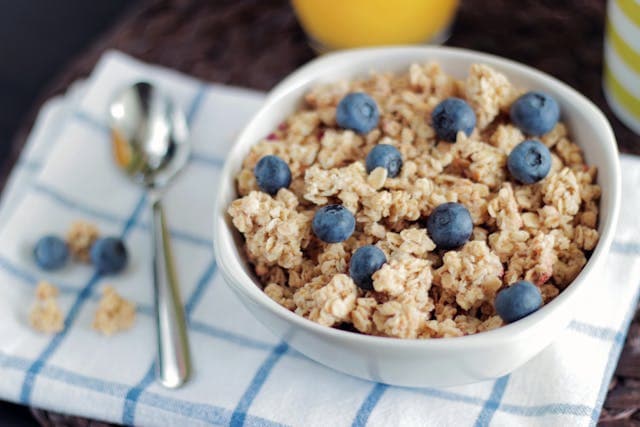
Granola has, somehow, become one of those quiet success stories in the food world. A few years back, it was mostly for gym-goers or the “clean eating” crowd. Now? You’ll see it in school snacks, vending machines, cafés, even travel kits. Buyers and retailers are starting to see that granola is not just a passing trend but already a steady shift in how people eat. So, what's fueling that demand actually? And where is the market going next? Let's break down the numbers, shifts in consumer behavior, and trade flows driving the granola market today.
The Granola Market Overview
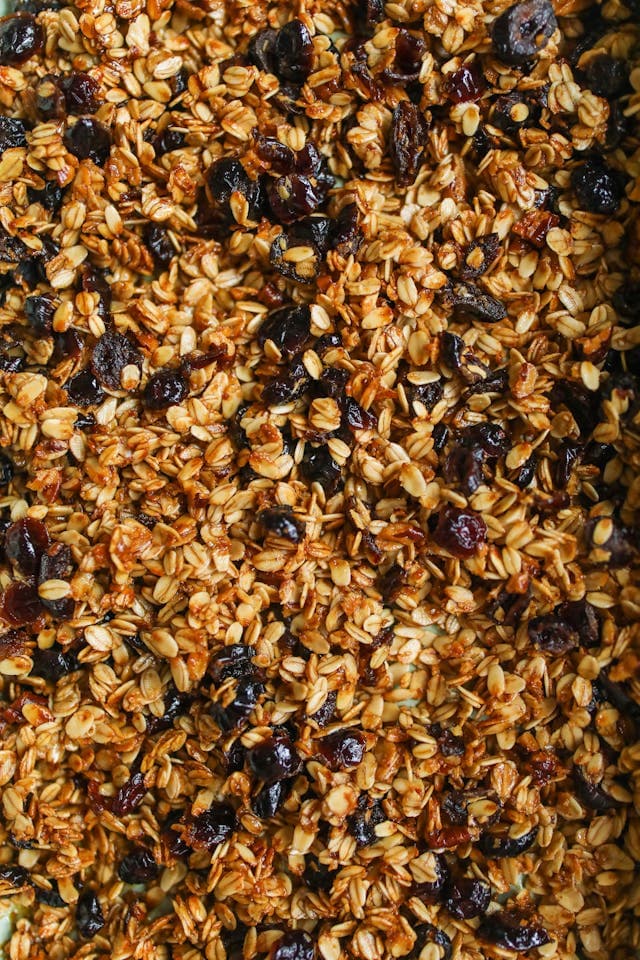
Granola continues to scale gradually, with global market value sitting near USD 4.4 billion in 2025 and expected to move into the USD 4.5 – 5 billion range in 2026. Over the longer term, steady demand and product variety are projected to lift the market toward USD 6 billion by 2034.
Looking closer at one slice of the category, low calorie granola stands at about USD 1.3 billion in 2025 and is projected to approach USD 2.2 billion by 2035. That shift reflects roughly 69% total growth, with demand rising at an estimated 5.4% CAGR across the period.
Whether loose granola, snack bars, or cereal mixes are the topic at hand, the trend seems the same. There are some analysts who are slightly more upbeat, some slightly more modest, but none who see decreases. The category clearly has space to expand. Retailers, manufacturers, and investors know that. It’s not overcrowded yet and that’s why so many are jumping in right now.
Market Segmentation
Now, this is where things get interesting. Granola isn't one box, it's several overlapping niches:
Product Type / Format
- Loose or bagged granola
- Granola Bars & Clusters
- Single Serve Snack Packs
Ingredients / Positioning
- Organic or All-Natural
- Gluten Free (or) Grain Free
- Low Sugar High Protein or Keto Friendly
Flavors / Add-ons
- Fruit
- Nuts
- Chocolate
- Spice
- Super food Blends
Distribution Channels
- Supermarkets
- Health food stores
- D2C Websites
- Convenience shops
Of the various categories that show up in these reports over and over again, three of the most notable ones are clean label organic, high protein, or functional, and snackable bar formats. It's these three that hold the keys to the fastest growing areas of the market, and where most buyers and suppliers are naturally focusing their attention.
Regional Insights
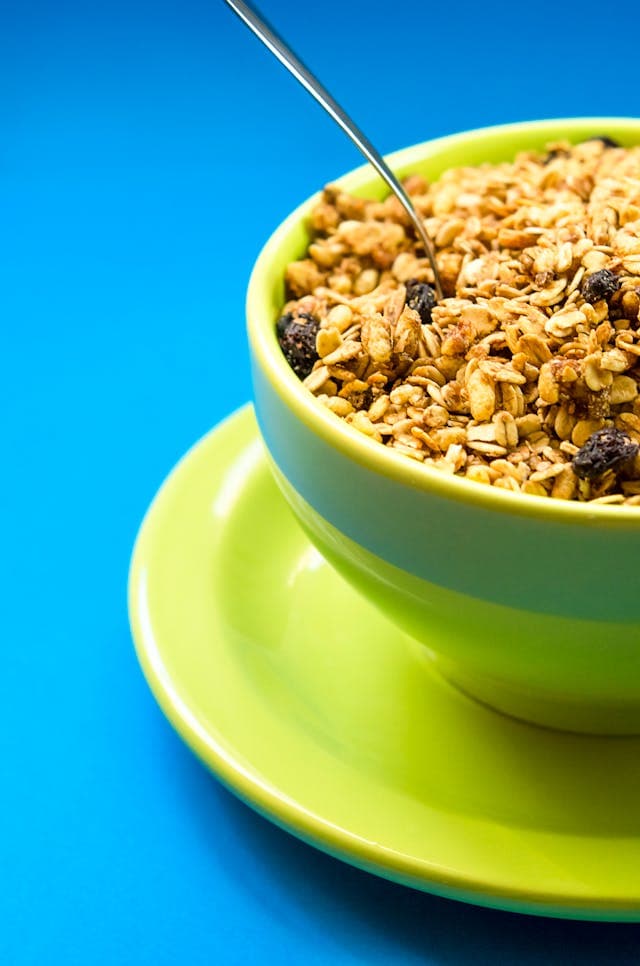
Who rules the regions? Which ones are on the up? And where is granola really produced and exchanged?
- North America remains in first position. Most predictions allot the U.S. and Canada a portion of 35–40 % or higher of worldwide revenues. Per-capita high consumption, market maturity, and health-snack culture enhance that dominance.
- But check this out: the United States is frequently listed among the biggest producers of granola (or granola-style cereal & snack mixes). Some "Top 10 granola producing countries" rankings place the U.S. at number one, with production in excess of 500,000 metric tons in 2025.
- Asia-Pacific is where the action is. It's usually predicted to record the highest growth rates (CAGR ~7% + in various studies). Within that area, China, India, Japan, and Australia are commonly referred to as lead markets.
- Demand in Europe is more stable. Organic, clean label, functional blends drive the base growth. Producers are some in Germany, France, Spain, and the UK. Because cereal / granola production is sometimes bound up with wider grain / cereal infrastructure, Europe is both a producer and consumer.
- Latin America and MEA (Middle East & Africa) are less advanced. Per capita consumption is lower. Distribution and infrastructure issues hold back growth. But they have potential for premium niche growth, particularly in cities and among health-conscious consumers.
Import / Export & Trade Flows
For margins and opportunity, you must look at cross-border flows.
- Granola trade data are less commonly recorded under a "granola" HS code. But price / transaction databases indicate that granola is traded across the world: e.g., Tridge aggregates over 4,400 transaction records among 63 export countries and 104 import countries.
- Since granola is shelf-stable (if packaged appropriately), it's possible to ship over long distances. But importers need to factor duties, labeling / allergen regulations, and freight cost which can eat into margins.
- Top export leaders for "cereal, rolled / flaked / ground" commodities (not precisely finished granola but related raw input side) are the European Union as a unit, Austria, France, Bulgaria, Hungary, and Canada.
- Effective granola producers in importing nations continue to depend on importing oats, nuts, dried fruits or semi-processed cereal products from these nations of exportation.
And so some are producers of finished granola (U.S., certain regions in Europe). And many others are net importers of either ingredients or finished goods. The U.S. could ship packaged granola or snack bars. Europe as well. While in the meantime, Asia-Pacific countries import both ingredients and finished blends and ramp up local production.
Supply Chain & Trade Insights
When you get into the trade & supply chain, the figures pull margins tight. Oats futures recently traded at around US $295 per bushel for some contracts. In bulk markets, oats prices range wildly: some reports indicate global food-grade oats range from US $100 to $450 per metric ton, depending upon quality, certification, and origin.
In production of granola bars, raw materials (oats, nuts, dried fruits, sweeteners) generally constitute more than 60 % of the cost base. If your quotes from your contract manufacturer are not transparent, you don't have visibility into which inputs are consuming your margin. In fact, contract manufacturers who share cost components get more trust.
In consumer packaged goods (CPG), distributors usually demand margins of 15–25 %. Retailers tack on their cut—30–50 % margin is standard. That "margin stack" squeezes what you, maker or buyer, can really retain.
Volume counts, too. The more you buy (tons versus small batch), the lower the price you get on ingredients and transport. But that means more risk if market demand changes.
What's Really Behind Granola's Boom?
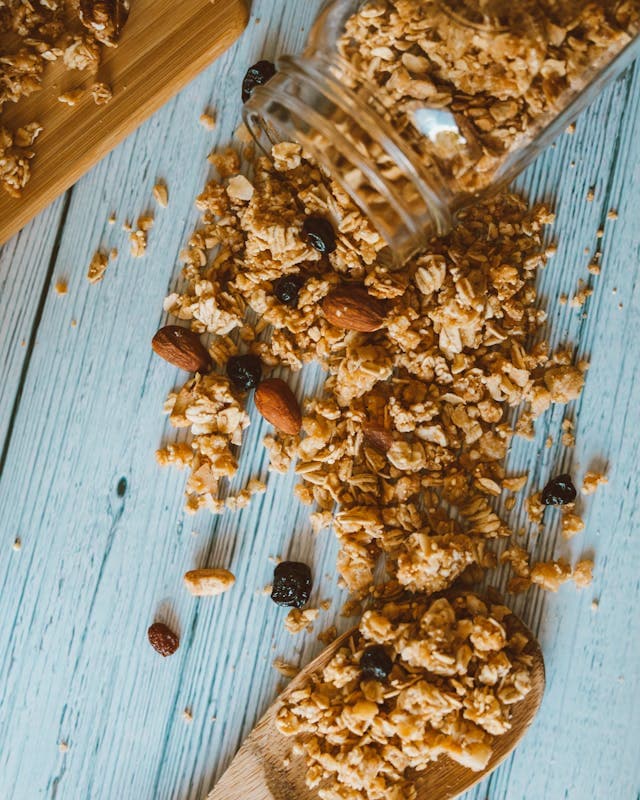
Knowing the way people perceive granola reveals where the demand's actually originating. It's no longer about oats or sugar content but identity, lifestyle, and daily routine that somehow sticks. The following is what's driving the transition.
Health Awareness & Nutritional Positioning
People now treat granola as this middle ground between eating clean and eating well. They want higher fiber, ancient grains, and lower sugar but still crave flavor. You’ll often see brands swapping refined sugar for things like dates or monk fruit. Functional extras like protein, probiotics, adaptogens are showing up more, too. And yes, low-fat or calorie-conscious granola is getting extra attention. (Fact.MR)
Clean Label, Transparency & Trust
Shoppers do actually read labels these days like, truly read them. If the ingredients appear artificial or too processed, they don't care. Phrases such as "non-GMO," "no added sugar," and "organic" do more than just sell, they trust. Consumers also crave traceability. Where are the oats from? How sustainable were the farms? Consumers are paying attention, and brands can no longer hide behind convoluted packaging.
Convenience and Snacking Habits
Life is quicker, schedules are crazier, and granola just works. It's convenient, easy, and doesn't need to be prepared. Single-serve packaging and resealable bags are selling fast because everyone grazes all day now, not only at breakfast. Essentially, granola has fallen into that "anytime food" bucket that was once reserved only for chips or chocolate.
Flavor Experimentation & Customization
Consumers are going wild. Sure, the old reliables like honey, nuts, and fruit are still ruling the roost. But there's an evident rise in global-inspired flavors like matcha, turmeric, or cacao nib. Even brands toy with savory directions like chili-chocolate, sea salt-coconut, oddly habit-forming pairings. Build-your-own mix kits are popular, too, particularly on the internet. For some reason, everyone craves one that feels custom.
Sustainability, Sourcing & Conscious Choices
Purchasing granola today says something about you. Ethical nut sourcing, regenerative agriculture, recyclable packaging, it all counts. Companies that practice what they preach gain loyalty quicker than companies that are just applying green labels. And clearly, carbon-neutral manufacture is a badge of honor. The new buyer isn't just tallying calories, they're tallying impact.
Recent Trends and Opportunities for Granola
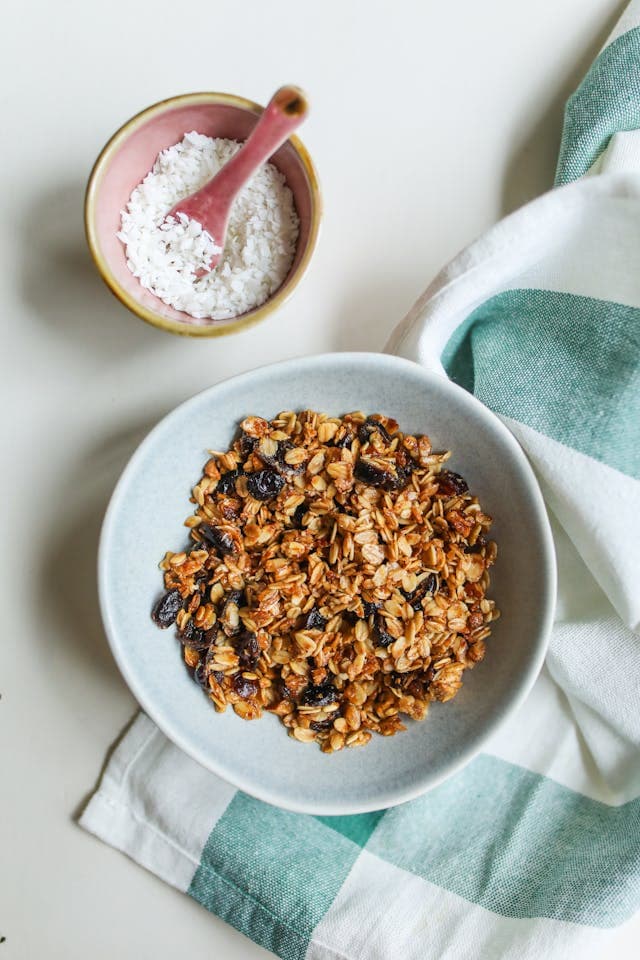
Here are recent innovations and structural developments creating openings:
- Sugar & Binding Innovation: Companies are developing enzyme-based sugar reduction, fiber substitutes, and even "welding" technology to hold ingredients together without sugar. Torr Foodtech, for instance, utilizes ultrasonic pressure to remove sugar binders in snack bars. Nestlé also revealed enzymatic techniques to reduce sugars ~30% in important ingredients.
- Hybrid & Format Experiments: Some companies are combining granola with plant-protein clumps or aggregating touches to replicate cereal crunch. New all-day granola snack forms—clusters, bites, mix-ins—were on display at Expo West 2025 by exhibitors for eating any time.
- D2C & Subscription Models: Companies increasingly look towards direct-to-consumer (D2C) sales. They have mix-and-match packs, monthly boxes, or build-your-own. This is providing higher margins and direct consumer insights. It's a means of avoiding traditional retail, in fact.
- Smarter Packaging & Traceability: Intelligent packaging is under the radar: QR codes, freshness indicators, maps of origin. There's even work on battery-free, interactive packaging that tracks spoilage in real time.
- Ingredient Diversification: Quinoa, spelt, millet, pulses, sea vegetables. Some R&D facilities are even looking at insect protein as a candidate for future "super granola" tests. The aim: new nutrition, new textures, increased brand differentiation.
- M&A & Private Label Moves: Big food companies are buying small, niche granola brands to grow healthy product lines. Retailers are pushing higher-quality store brands up-market, making co-manufacturers push for higher quality.
- Regulation & Labeling Tightening: Governments are cracking down: plain allergen declaration, front-of-pack "sugar" statements, fiber statements, statements on added vs natural sugars. These require reformulation, or brands will be non-compliant.
Top Granola Suppliers from Torg
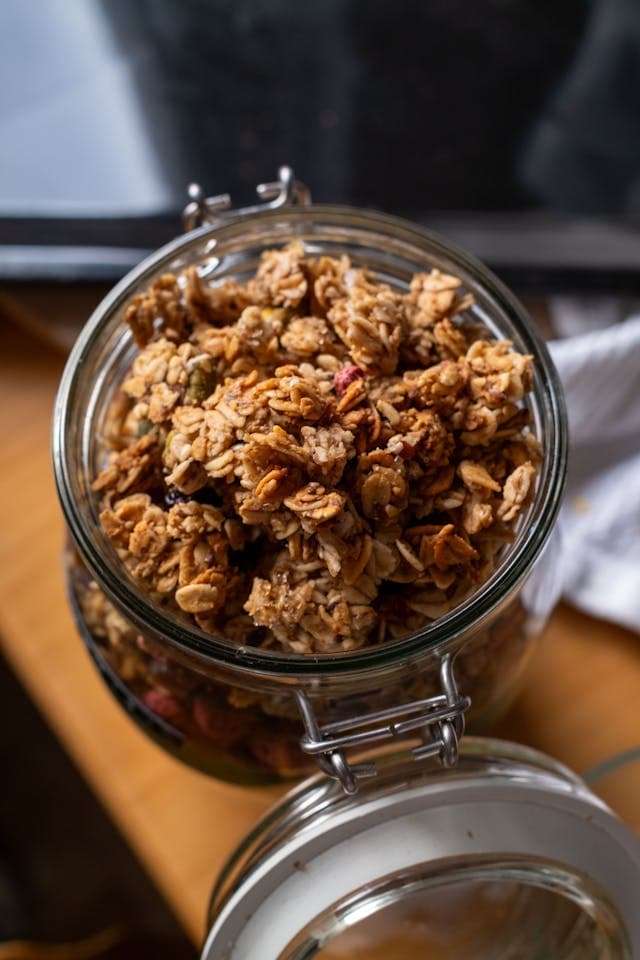
1. BOLA Granola – USA
BOLA Granola has this entire idea—produce some granola that truly tastes like it's home made, not in this huge factory. It's all done in small batches, so the texture is still crisp and the flavors are balanced. There are varieties like Original, Organic Gluten-Free, and Barely Sweet. Folks like that it's not full of sugar. Really, it's granola done right.
2. PRANA – Canada
PRANA is one of those companies that simply is a pleasure to shop with. Family-owned, B Corp certified, and all-plant-based, they're just as committed to the planet as they are to flavor. Their offerings range from organic granolas to nut butters and dried fruit. Somehow, all of their products are able to be both indulgent and clean simultaneously.
3. Barnhouse Naturprodukte GmbH – Germany
Barnhouse is a culmination of innovation and tradition. Since 1979, they've been baking organic granola years ahead of time. Their Krunchy breakfast cereals are a standout hit in Europe as they're light but so satisfying. And that's because they take quality so seriously, they maintain close relationships with local farmers which means that the quality is always consistent and the supply chain is short. It's old-school craftsmanship meets modern sustainability in a really beautiful way.
Final Thoughts
Granola isn't simply a breakfast fad because today, it's quietly becoming a staple for all-day consumption. The market's increasing at a reliable rate, and in some way, it's not demonstrating indications of decreasing anytime soon. Folks want convenient, healthy, and delicious, and granola simply happens to check off all three criteria. For consumers and store owners, that's an actual opportunity waiting in plain sight. Whether you're considering formulating your own blend, teaming with a co-manufacturer, or introducing a private label brand, the field is yours for the taking. The trick is locating suppliers who have the quality-price-shelf life balance dialed in. Because clearly, it's what brings them back time and again. And if you play your cards right, granola could be your next big winner.
Request a Bulk Order Quote
Simple ordering, transparent pricing, delivered straight to your door