



The Global Spice Industry: Trends that Heat Up in 2026
Explore how the global spice industry is evolving in 2026—from market size, segmentation and supply chain dynamics to consumer behaviours and innovations.
200+ buyers trust Torg for sourcing







The international spice trade is really on the move and you can just tell it. Buyers, suppliers, and distributors are watching as the market just keeps shaking things up with prices going up and down, supply routes changing, and consumer habits shifting all at once and showing no signs of slowing. The plain fact is that how people buy and get hold of spices in 2026 is a far cry from how it was just a few years back. Some spice makers are going big, building and expanding their operations; others are concentrating on making sure they're producing the best possible product. Everywhere there's motion. In this article, we will unpack what's actually taking place, what's pushing growth, where the demand is going, and how you can stake your claim prior to the market being even spicier.
Changing Tides of the Global Spice Market
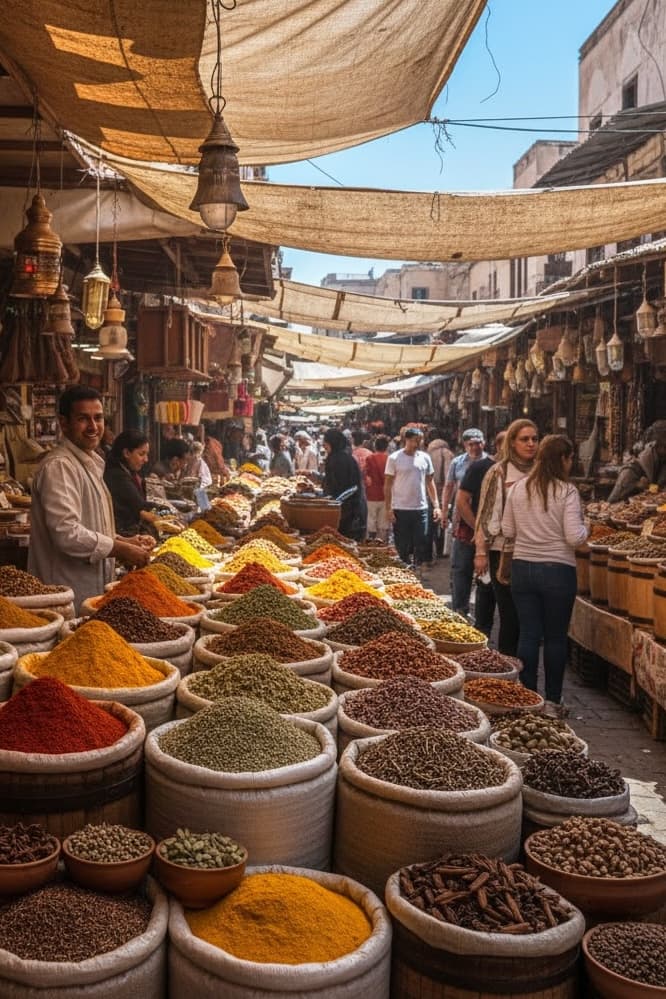
The spices and seasonings market held firm at USD 29.49 billion in 2025 and is on a steady path toward USD 50.85 billion by 2035, growing around 5.60% annually. Regular household use, expanding foodservice menus, and processed foods keep demand moving, while cleaner labels and simpler blends support long-term momentum without sharp swings.
So what does this do for the buyers, suppliers, and distributors who work with spices every day? Essentially, the pie's expanding. Raw commodities as well as value-added blended spices are experiencing demand across markets. The spice industry is still one of the few industries that manages to grow somehow in spite of economic fluctuations or freight mayhem.
Breaking Down the Market
If you're buying in or selling through, segmentation keeps you aware of where the heat is really happening. Let's break it down a bit:
- By form of product: Whole, powders, crushed, chopped, or blended. Even slight variation in form affects storage, logistics, and shelf space, as Technavio points out. The option depends on whether your customers need raw bulk or convenient-to-use packs.
- By nature: Organic versus conventional. Demand for sustainably sourced and organic spices is, obviously, not a trend to pass away. More and more retailers are banking on sustainable sourcing.
- By usage: Household cooking, foodservice, food processing, or pharmaceuticals. Technavio again quotes that industrial buyers are now a primary driver, particularly with health and wellness products utilizing spice extracts.
- By distribution channel: Direct B2B trade, e-commerce, and traditional retail. Renub Research mentions the increasing role of online sourcing platforms as an easy alternative for smaller buyers.
Regional Insights
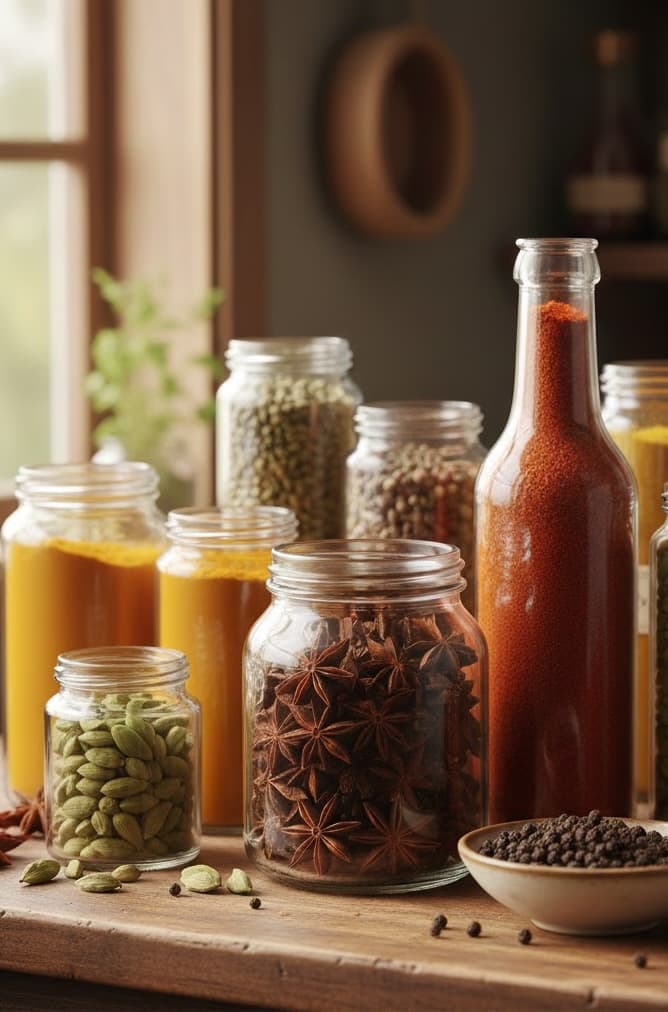
- Production: India still leads the way. It grows more than 75 types such as chilli, cumin, pepper, cardamom, turmeric, coriander, etc. JagranJosh places India in the list of the world's largest producers of spices, while Market Data Forecast mentions that Vietnam is still the largest exporter of black pepper.
- Imports: On the other hand, Tradeimex comes out and says that the United States of America imported approximately USD 466 million of spices in 2024–25, which is 11.5% of global imports. That speaks volumes about the magnitude of consumption and the multicultural eating culture there.
- Exports: Meanwhile, Spices India reported that India's spice exports reached USD 4.7 billion in FY 2024–25, indicating how high the demand for spices in the world continues to be.
The pattern of trade? Easy: subtropical and tropical nations export; rich countries import. But in between the logistics, rules, and freight are what essentially determine who comes out on top.
What's Happening Across the Supply Chain
- Freight through late 2025 sent mixed signals. Some routes eased, others tightened without warning. Congestion still pops up, so spice shipments between Asia, the U.S., and Europe require constant rerouting and flexible timing.
- Quality and traceability demands keep rising. Importing markets want clean paperwork, clear origins, and full records before cargo moves. Random checks happen more often now, which slows clearance when files are incomplete.
- India and mainland China continue to anchor global spice exports. At the same time, interest is shifting toward processed and packaged spices, which tend to pass inspections faster than raw formats.
- Regulatory oversight has grown heavier. More testing and stricter food safety rules are stretching lead times, especially when suppliers miss small compliance details that trigger holds.
- Producers in parts of Southeast Asia are tightening farm-to-port controls. Better handling, testing, and documentation are helping reduce rejections and open new trade lanes.
- Looking into 2026, trade growth appears steady. However, exporters face more pressure to deliver traceable, audit-ready shipments to stay competitive in priority markets.
Consumer Behavior and Key Trends Fuelling Growth
The buying habits of people don't remain static. They change with culture, lifestyle, and what's currently popular online. For spice business people, learning about these shifts is no longer a choice. It's what keeps you in the know and closer to what really matters to consumers.
Demand for authenticity and international flavours
Many shoppers today want flavors that feel real, not artificial. They’re chasing tastes that remind them of places: the smoky heat of Mexican chilies, the earthiness of Indian turmeric, the warmth of Moroccan cinnamon. Authenticity sells, in short. Home cooks are experimenting; restaurants are shifting menus. As Majestic Spice suggests, those brands that indicate a spice's authentic source (its soil, its narrative) tend to rise above a congested market.
Health, clean label & natural ingredients
Customers today are concerned with what goes into their spice bottles. They want products that register as pure with no fillers, no extra additives. Ginger, pepper, and turmeric are today common-place items, not specialty items. GlobeNewswire points out the way "natural flavour enhancers" are taking the place of artificial flavor enhancers. For wholesalers, carrying certified organic or clean-label products clearly generates more loyalty.
E-commerce, convenience formats and value addition
People just want convenience, and the world of spices is following fast on its heels. Spice kits, web retailers, and single-serving sachets make buying and preparing easy. It's really a matter of saving time without giving up quality. According to the Business Research Company, direct-to-consumer sales continue to increase, as smaller SKUs and subscription programs complement the lifestyle of the modern consumer so well.
Sustainable sourcing and origin transparency
Sustainability has gone from niche to mainstream. Customers expect traceability, wondering where the spice is cultivated, who grows it, and in what conditions as ethically produced and organic items are experiencing increased demand. Wholesalers who are truthful about their supply chain narrative will, in some way, gain trust and long-term business relationships.
Recent Developments and Innovations
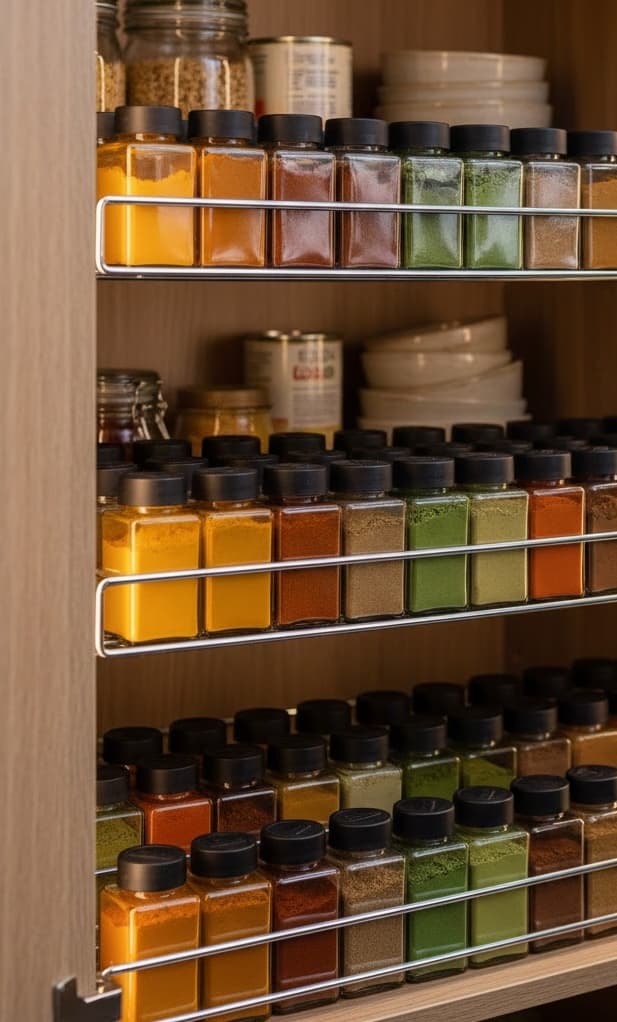
Spices aren’t handled the way they used to be. Farming methods, testing standards, even how they’re packed and shipped, all of it’s moving fast. The industry’s in a quiet transformation, and it’s starting to show.
- Crop updates (India's paprika scene): In the south of India, especially Andhra Pradesh and Telangana, capsicum and paprika crops are cutting higher this year. But the prices? They've fallen about 30-40% in 2025. The note that volume does not always equate to value. Excessive yield at times can lower prices, particularly when international demand slows.
- Paprika market trends: Brusco Food Group comments that India's paprika area has declined by some 30–35% in certain regions. Supply swings of this sort are already heightening prices 5–10% into Q4 2025. Essentially, what that means is buyers should think ahead, book contracts ahead of time, or diversify sources.
- Tightening quality and compliance: The UK Food Standards Agency has put more pressure on imported spices following contamination allegations against Indian exporters. Other nations are doing the same. This, apparently, implies double-checking testing procedures and supplier qualification. Non-compliance now carries the threat of severe trade delays or outright refusal.
- Emergence of functional and blended spices: Spices are breaking out of the flavour category, they're entering health and wellness categories now. Consider combinations of turmeric, black pepper, and ginger specific for immunity or digestion. Stellar Market Research highlights that functional blends and extracts for nutraceutical applications are turning into a viable business opportunity. In some way, the food-supplement divide is fading rapidly.
- Tech and process advancements: Processors and traders are investing more in logistics technology, cold storage, and low-temperature grind systems to keep essential oils and color. It makes sense because improved technology means improved margins. For wholesalers, it's wise to verify if suppliers indeed make use of upgraded systems; the difference is seen in aroma and consistency.
- Consumer safety and regulation: Food safety standards are now part of the conversation everywhere. HACCP, ISO, and origin traceability are now part of the essentials. Buyers who skip compliance risk losing entire shipments. Basically, if you’re sourcing globally, now’s the time to make documentation your best friend.
Opportunities and Future Outlook
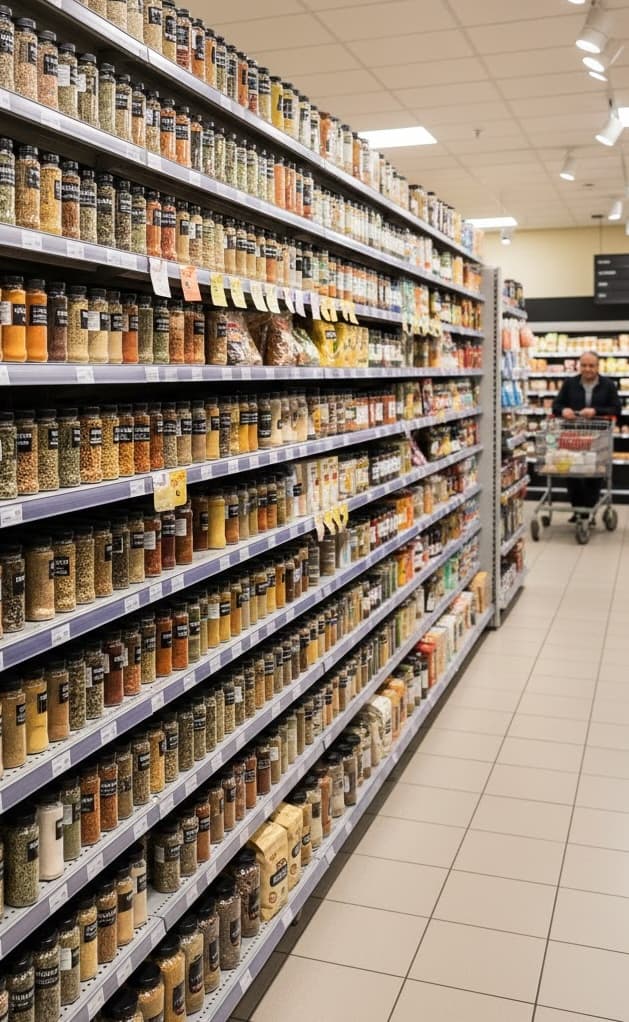
The spice trade continues to evolve, and purchasers can't quite afford to sit back. Certain markets are opening up, while others are closing in on quality. The best part is, there's still ample room to expand if you have an idea of where to search and how to go along with the trends rather than pursuing them.
Emerging markets growth
Spice use is rising fast across Asia-Pacific, Latin America, and Africa. Busy cities, growing food scenes, and local producers keep that demand alive. It’s everyday demand that’s driving the growth, not just export numbers. Consumers are cooking more, trying more. For wholesalers, entering these areas early on is a good idea. Establish connections now while the market's still being built, it'll be worth it once demand comes into full shape.
Premiumisation and specialty sourcing
Not everybody wants cheap spices anymore. Some people want better ones that are pure, traceable, and full of flavor. Consider single-origin pepper or good-quality paprika. They have a story to tell, and people notice it. Having both standard and premium lines provides distributors with flexibility. Quality feels authentic, and when it does, customers return without your having to persuade them twice.
Value-added spice solutions
Plain spices are still selling, of course, but custom blends and ready mixes are taking over. There are more consumers looking for convenience with kits, marinades, and fast rubs. Retailers that offer those alternatives can generate more value and maintain healthy margins. In essence, packaging and presentation are now just as important as the spice itself. That's where the brighter profits are.
Supply chain resilience and technology
Weather, transportation, and policies continue changing, and that takes a toll on prices. Those who are counting on one origin can be taken aback when crops flop. Having alternative suppliers, consistent logistics, and adequate traceability systems smoothens things out. In the long term, it simply saves headaches.
Torg’s Top-Rated Spices Suppliers
1. VALUE INGREDIENTS PRIVATE LIMITED – India
Value Ingredients, an India-based company, essentially does it all from scratch, literally. They have a fully integrated supply chain, from farms to final spice mixes. They specialize in steam-sterilized organic materials and clean processing. Their offerings comprise herbs, dehydrated vegetables, and ground spices. What makes them stand out is the way they balance sustainability with mass-market consistency.
2. SPICE SPICES – USA
Spice Lab is now a household name in American spice. They offer everything from Himalayan salt to specialty seasoning blends, all gluten-free and naturally made. People love the packaging most. It's considerate, gift-worthy, and nicely designed. In some way, they've succeeded in being high-end without being unnecessary, useful both for retailers and direct buyers alike.
3. CARLA'S FOODS LTD – United Kingdom
Carla's Foods Ltd specializes in herbs, spices, and marinades with a personal touch. Their mixes are created to keep up with actual kitchen behaviors, not factory fads. They have customized spice packets and mix solutions for foodservice and retail customers. Clearly, their strength comes from knowing taste trends and developing mixes that simply work across cuisines.
Conclusion
The spice industry doesn’t shout for attention. It just keeps moving, quietly shaping everyday trade and taste. In 2026, what really matters isn’t speed or scale, but how well you manage relationships, quality, and trust. Buyers who stay practical and understand their sources stand stronger when markets shift. Somehow, it’s become clear that the real value lies in steady hands, not loud claims. Every spice, from turmeric to pepper, carries work behind it with farmers, processors, and traders all doing their part. That’s what keeps this industry grounded. The future? It belongs to those who stay consistent, transparent, and genuinely care.
Request a Bulk Order Quote
Simple ordering, transparent pricing, delivered straight to your door