



Fruit Jams Market 2026: Clean Labels Drive Growth
Explore deep insights into the fruit jams market — size, trends, supply chain, fresh opportunities. Useful for buyers, retailers, wholesalers, distributors.
200+ buyers trust Torg for sourcing







On the surface, fruit jams appear plain. It's just something you slather on toast mindlessly. But behind that tiny jar is an entire industry in action. Spanish farmers, French processors, Indian packaging providers, and UK distributors are all tied together by trade, logistics, and timing. Every tweak in price, every shortage that hits with the season, every whim of the buyer, none of it happens in isolation. The ripple runs through the whole web. You feel it, whether you trade, sell, or move the goods. Want to stay sharp in this business? Then pay attention. Timing runs the show here. Knowing (really knowing) is what keeps you from falling behind.
The Global Fruit Jam Market Overview
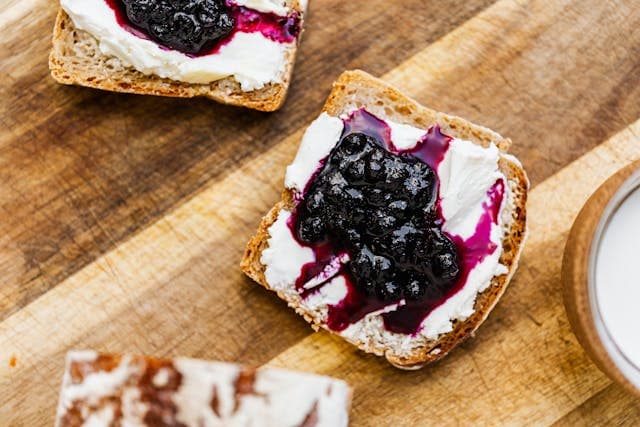
Fruit jams move more like a staple than a trend, tied to daily routines that rarely change overnight. That predictability shows in the numbers, with the market at USD 12.71 billion in 2025, stepping up to USD 13.28 billion in 2026, and heading toward USD 16.51 billion by 2031, reflecting a calm, steady 4.45% CAGR rather than dramatic growth.
Households keep buying, shoppers try new fruit pairings, and “less sugar” labels continue to catch the eye. At the same time, shoppers are paying closer attention to what goes into the jar, which makes plain information more convincing than bold promises. As a result, big brands focus on cleaner sourcing, practical packaging updates, and stable fruit supply networks to keep costs and margins in check. Smaller producers move differently. They tell stories online, sell direct, and build loyal followings one order at a time. So, is jam changing fast? Not really. Yet it keeps finding small ways to stay.
Here's what's behind these figures in simple terms:
- Specialty and high-end jams (organic, artisanal, low-sugar) are gaining entry into the market.
- Mass-market or traditional jams are increasing at a slowing rate driven by cost competition and health-conscious consumers.
- Growing urbanization and improved access to retail in Asia-Pacific and Latin America are driving emerging markets sales.
- Private label jams are becoming the powerhouses, especially within supermarket chains across Europe and North America.
- E-commerce platforms cut the middle link, loosening the grip of old-school distributors. What used to take years of retail deals now happens with a few digital clicks.
In short, the fruit jam market is moving away from foretold shelves to dynamic, quick-changing consumer trends. From exporters to small batch makers, all are adjusting to what new buyers truly desire: authenticity, flavor range, and healthier varieties.
Key Producing, Importing & Exporting Nations
The network of fruit jam supply is closely knit over continents. Production, export, and import trade appears to be something like this:
Production leaders:
- The European Union (especially Spain, France, and Italy) is still a powerhouse. These countries reconcile strong fruit farming with advanced processing facilities.
- Turkey and Poland have emerged as steady providers of berry-based jams and fruit purees.
Export hubs:
- Spain and France lead specialty jam and premium puree exporting, particularly strawberry, apricot, and mixed berries.
- Chile and Mexico have emerged as leading exporters to Asia and North America because they are cost-effective and have good climatic conditions.
Importers:
- Asian and Middle Eastern countries have a strong dependence on imported premium jam or concentrated fruit bases.
- Southeast Asian demand for imported mixed-fruit jams remains strong, notably among urban middle-class consumers.
Regional balances:
- Asia is responsible for approximately 13.6% of world jam sales by volume, and Latin America has approximately 12.2%.
- Europe is still the biggest consumer and exporter combined, in part due to its mature retail and foodservice markets.
Interestingly, numerous emerging markets are jumping directly into contemporary product lines, low-sugar spreads, squeeze pack-pouches, or all-fruit jams, bypassing the decades-long mass-market period Europe experienced.
Core Product Categories in Global Trade
Cross-border export of fruit jams is varied, yet some categories stand out consistently:
- Traditional fruit jams: One-fruit varieties such as strawberry, raspberry, or blueberry continue to form the majority of international trade.
- Preserves: These have larger pieces of fruit and are promoted as being "homemade style."
- Low-sugar or no added sugar spreads: Consumption has increased as consumers go in pursuit of healthier options without compromising flavor.
- Exotic mixes: Exotic, mixed fruit jams — pineapple-ginger, mango-passion fruit — are turning into bestsellers, particularly from Asia and South America.
- Concentrates and fruit purees: These are sold in bulk to feed industrial food producers that employ jam as a component in yogurts, pastries, or snack bars.
A majority of exports worldwide continue to travel in ready-to-retail jars or PET bottles, but there is increasing movement towards bulk shipments to be reprocessed. It is particularly common for B2B commerce between food giants and fruit processors.
Recent Events and Developments
Here's what's new in rattling the fruit jams business:
- Global Import and Trade Patterns Showing Price and Volume Shifts
Recent trade data shows most cross-border jam volumes still center on classic, non-citrus fruit spreads, which make up nearly 97% of imports worldwide. That concentration keeps average import prices firm, while citrus-based jams continue to play a more limited, specialist role in global trade.
- North America Market Growth Backed by Innovation and Natural Trends
In North America, jams and preserves are gaining value through trade-up rather than volume surges, with the market expected to rise from about USD 1.88 billion to USD 2.5 billion by 2033 as pricing, product mix, and shelf positioning shift upward over time.
- Asia-Pacific Citrus Jam Segment Strengthening with Regional Leadership
Updated Asia-Pacific citrus fruit jams and marmalades data shows robust consumption growth (production up about 5 % and reaching a record output), with China leading both production and consumption volumes, and continued rising use across neighboring markets like India and Indonesia, reinforcing regional expansion beyond Western spreads.
Supply Chain and Trade in the Fruit Jams Market
With fewer resources than it appears to be, the supply chain for fruit jams is more networked. A marginal variation in weather, cost of packaging, or shipping rate can swing global prices within weeks. Each jar in a store has already passed several checkpoints — farms, processors, packers, and exporters — prior to meeting a buyer.
From a trade perspective, the market operates both on speed and precision. Here's how it usually goes:
- Sourcing of fruits and harvest: Weather fluctuations influence yields, particularly berries. An unharvestable crop in Spain or Poland has the potential to drive prices up by 10–15%. Quick transportation to processors is crucial to avoid spoilage.
- Processing and concentration: Most manufacturers currently depend on pre-processed purees from fruits to reduce time and expenses. Electricity bills continue being a prime pressure point during this step.
- Packaging and labeling: Global packaging demand reached USD 295 million in 2024, and is projected to hit USD 432 million by 2032.
Trade volumes are robust. The combined jam, jelly, and puree market is forecast to reach 14 million tons by 2035, worth $32 billion. European blueberry retail prices are between €12 and €32 per kilo, whereas premium jarred jams between $4–$8 per 8 oz jar, subject to origin and fruit type.
Effective logistics, stable fruit supply, and consistent cold chains now distinguish competitive exporters from those incessantly pursuing stability.
What’s Driving the Growth of the Fruit Jams Market?
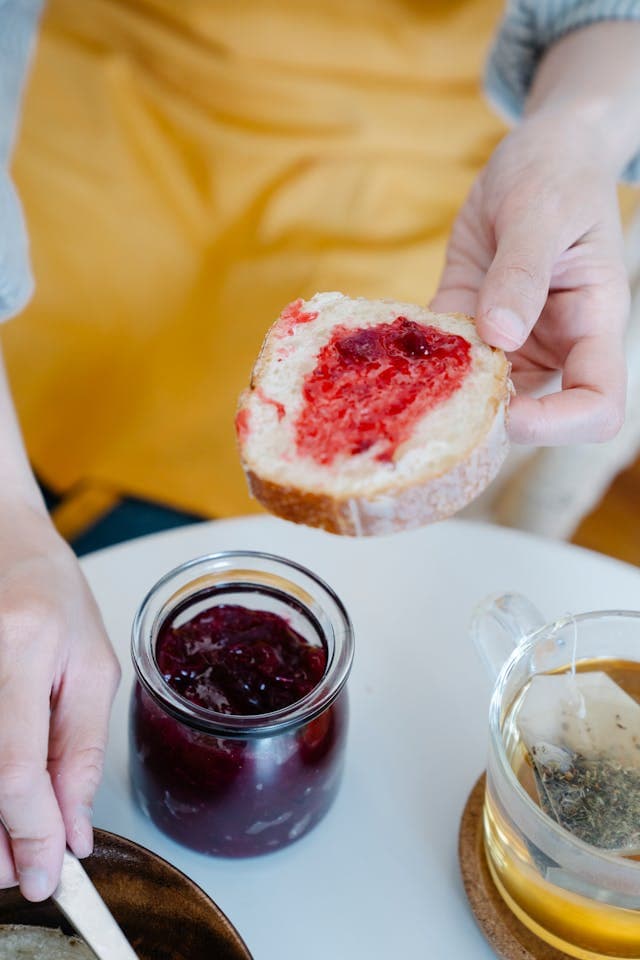
The shifts in the fruit jams market are shaped by changing tastes, smarter packaging, and sharper ways to get jars into hands faster. These aren't random, though. They’re calculated, market-driven, consumer-led. So what’s really fueling the appetite for jams right now?
1. Health, Less Sugar & Clean Labels
People have grown tired of guessing what’s inside the jar. They want clean, simple, and honest — ingredients they can actually pronounce. Less sugar. No additives. Nothing fake. Labels that say “no added sugar” or “100% fruit" are the ones disappearing first from shelves, especially across Europe and Asia, where clarity now sells faster than sweetness.
2. Flavor Innovation & Exotic Blends
Flavor fatigue exists. That's why mango-pineapple or passion fruit and blueberry-blackberry mashups become hits. Limited or locally created recipes also appeal to consumers who desire novelty on the breakfast plate. As Apicius quotes, "We eat with our eyes first!"
3. Functional or "Better-for-You" Ingredients
Health is no longer just a label but a demand. People want more from what they spread on toast. So, producers are slipping in chia seeds, fiber, even probiotics, turning jam into something closer to a wellness habit than a guilty treat. It’s an odd but clever mix, like indulgence with a purpose. And for both big brands and small-batch makers, this “better-for-you” wave is opening doors they didn’t know existed.
4. Packaging & Convenience Formats
Design and functionality count. Lightweight PET jars, squeeze-easy packaging, and reusable closures are money- and waste-saving. Single-serve packaging is fueling hospitality and travel channel growth. Retailers indicate that packaging frequently determines what product makes it into the cart, not always price.
5. E-commerce & Direct-to-Consumer Channels
Increasingly, consumers are purchasing fruit jams off the internet, from foodstore websites to sites operated directly by brands. Subscription-based models are emerging, allowing small producers access to global customers without intermediaries. For distributors, there are new opportunities but also increased competition on price and delivery terms.
Common Fruits Used in Fruit Jams
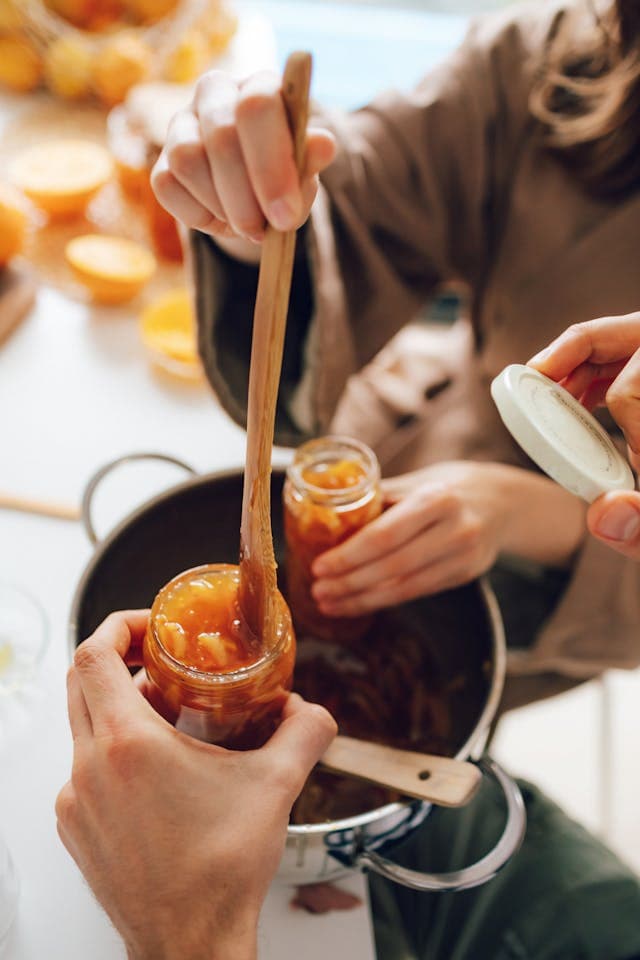
Various fruits have different stories to tell in the fruit jams industry — each one influences taste, texture, and price. Here's how the top varieties compare today:
Strawberry
And yet the world's number one best-seller flavour of jam. Its vivid colour, sweetness, and absolute popularity ensure it remains so. Strawberries bruise quickly and have only a brief harvesting period, however, making supply planning difficult for both processors and exporters.
Raspberry / Blackberry / Mixed Berries
Such berries are frequently mixed together to produce high-end and fragrant spreads. Their tangy character provides natural balance to sweetness, but they are costly to cultivate and process. Due to low production, most manufacturers have to use imported purees from Eastern Europe or South America or frozen berries to maintain the cost.
Blueberry
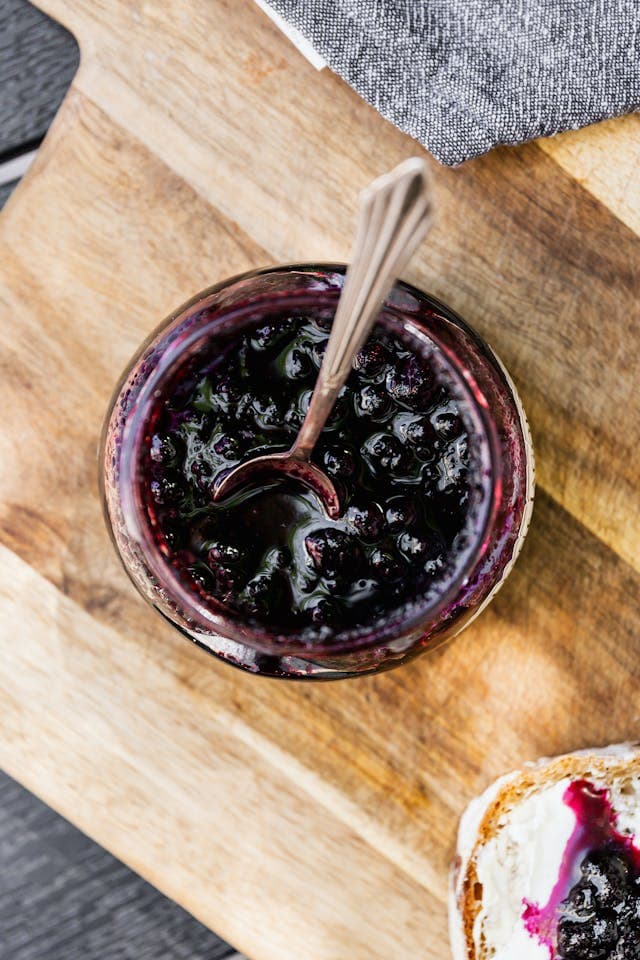
Blueberry jams are a "superfruit" and are well off thanks to the antioxidant label. The top producers are the U.S., Canada, Poland, and Chile. Blueberries are transport-friendly but must be cooked exactly — too much heat mushes them up and discolors their appearance. Premium brands typically feature wild blueberries for a more intense flavor.
Apricot / Peach / Plum
These stone fruits have a rich, mellow flavor and are great for breakfast jams or dessert fillings. They also pair well with berries or citrus to add depth. Their biggest issue though is short harvests. Fragile skins. Their beauty doesn’t wait around. With stone fruits, timing is everything.
Citrus (Orange, Lemon, Lime, Grapefruit)
Citrus fruits are the presiding marmalades and citrus jams. They contribute bite and flavor, complementing sweeter fruit types in combinations. Spain, Italy, and Mexico continue to be major sources. Peel or zest is used by manufacturers to add texture and further flavor, although well-controlled sugar content has to be avoided to avoid bitterness.
Mango / Pineapple / Tropical Fruits
What used to be “exotic” — mango, guava, pineapple — now sits comfortably on everyday shelves. In Asia-Pacific and Latin America, they’ve moved from the sidelines to the spotlight. Mango-passion fruit combinations, specifically, are witnessing rapid export growth. These fruits provide good color and fragrance but rely on good cold chain logistics to stay fresh.
Mixed Fruit / Multi-Fruit Blends
This segment assists manufacturers to balance on costs and develop innovative recipes. Mixing the humble with the premium — apples or pears with berries or mango — is quietly reshaping the price game. It keeps costs balanced, yet the taste stays exciting. More options for shoppers. Fatter margins for retailers. And for producers? Pure opportunity. These blends are a quiet kind of genius — flexible, familiar, and endlessly adaptable.
Opportunities and Ideas for Innovation
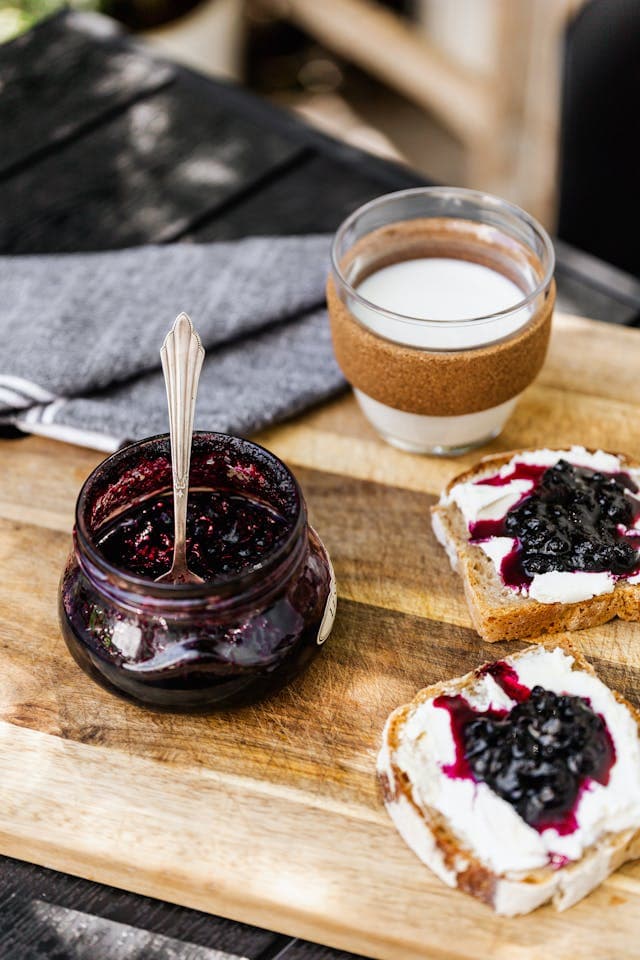
The market for fruit jams is changing quietly but surely. Emerging consumer tendencies, packaging types, and ingredient concepts are providing manufacturers ample ammunition. The following four directions are leading the way currently:
1. Micro-Batch and Artisanal Lines
Shoppers are placing more attention on where their food comes from. Fruit-based, small-batch, seasonal jams with higher fruit content are winning shelf space in the premium levels. Labels that indicate the orchard, the producer, or the locale create value. Consumers want to see the tale behind the jar.
2. Functional or Fortified Jams
Health-focused consumers expect more out of breakfast. Manufacturers are adding in probiotics, vitamin C, or chia for nutrition and texture. Others label these "active jams," constructed for wellness shoppers. They are more expensive to produce but tend to sell quicker in health shops and online stores emphasizing natural living.
3. Zero- or Low-Sugar & Fruit-Only Variants
Low-sugar spread demand continues to rise. Manufacturers now depend on natural fruit sugars or get stevia and monk fruit involved in keeping sweetness levels balanced. Jams that are made completely of fruit pulp, particularly mango or banana-based products, attract consumers staying away from refined sugar. Retailers notice consistent year-round growth in this segment.
4. Sustainable and Smart Packaging
Packaging options are becoming a market draw. Manufacturers are switching to glass jars with recycled lids, lightweight PET packaging, or compostable pouches. Some include QR codes to display sourcing information or recipes. Consumers like the transparency, and distributors prefer to sell these items across environmentally friendly retail chains.
The Top Fruit Jam Suppliers from Torg
1. MEMBRILLO EL QUIJOTE S.A. — Spain
El Quijote traces its roots to 1840 and operates from a 26,000 m² production site in Spain, turning out roughly 10,000 tons each year. The company blends traditional methods with modern processing to produce fruit jams, no-added-sugar confectionery, and handmade quince pastes for European retail markets.
2. BIOLO'KLOCK — France
Founded in France, Biolo'Klock specializes in organic, locally produced fruit products — from jams and purees to syrups, juices, and honeys. Zero-waste processing and sustainable farming are the foundation of its business model. Every jar is a nod to local farming and environmental stewardship. Its organic jams are becoming an environmental darling of natural food retailers and health-focused distributors in Europe.
3. NESIL GIDA IMALAT SAN. TIC. LTD. STI — Turkey
With more than 45 years of production, Nesil Gıda has perfected traditional jam production along with meeting the standards of today. Their product line includes rosehip, cranberry, hawthorn, and mixed fruit jams all produced from 100% natural products. They're famous for sending out consistently flavored, shelf-stable jams that both mass retail and gourmet markets can accommodate.
Wrapping Up
Fruit jams continue to earn their place through familiarity, steady demand, and wide use across meals and occasions. The market moves forward without sharp swings, supported by classic flavors, manageable pricing tiers, and formats that fit both everyday and premium shelves. Growth comes more from product mix and positioning than volume surges, which keeps planning realistic. As consumption habits settle into repeat patterns, fruit jams remain dependable rather than flashy. For those watching this category, the signals point to stability with room for refinement, where quality, sourcing choices, and quiet innovation can shape performance over time.
Request a Bulk Order Quote
Simple ordering, transparent pricing, delivered straight to your door