



Why Dried Fruits Are the Snack Trend of 2026
Explore the global dried fruits market — trends, forecasts, supply chain insights, and top suppliers for buyers, retailers, distributors, and wholesalers.
200+ buyers trust Torg for sourcing







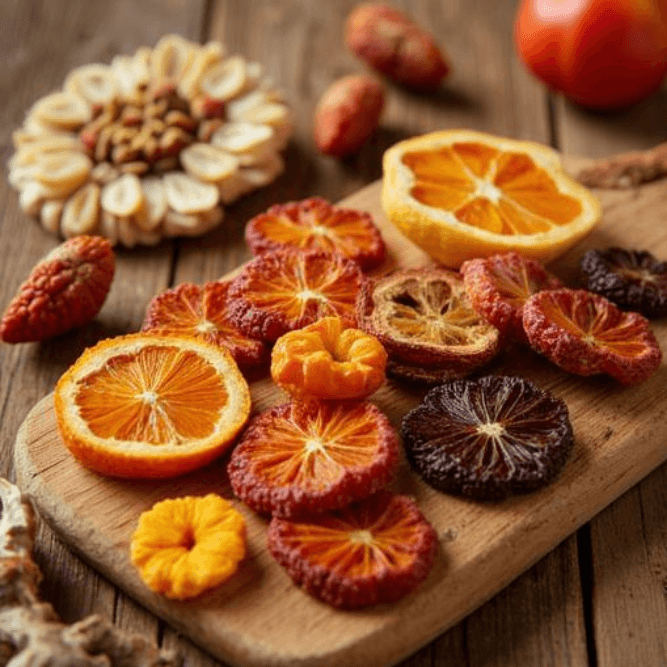
Walk through any trade fair and you’ll spot them — glossy dates, chewy apricots, ruby cranberries, and golden raisins lined up like jewels. Dried fruits have moved far beyond pantry staples. They've blown up into a billion-dollar global empire, bridging farms, processors, & distributors across continents. The health-conscious crowd wanting longer shelf life and all those natural snack enthusiasts keeps this market chugging along steadily. For the people buying & selling (importers, wholesalers, retailers, and buyers), it's a daily grind to stay ahead of the pack and know which regions are on the upswing, where prices are heading, and whose suppliers are really starting to make a name for themselves in this rapidly-expanding dried fruit business.
Dried Fruits Market Overview: Growth, Size, and Regional Insights
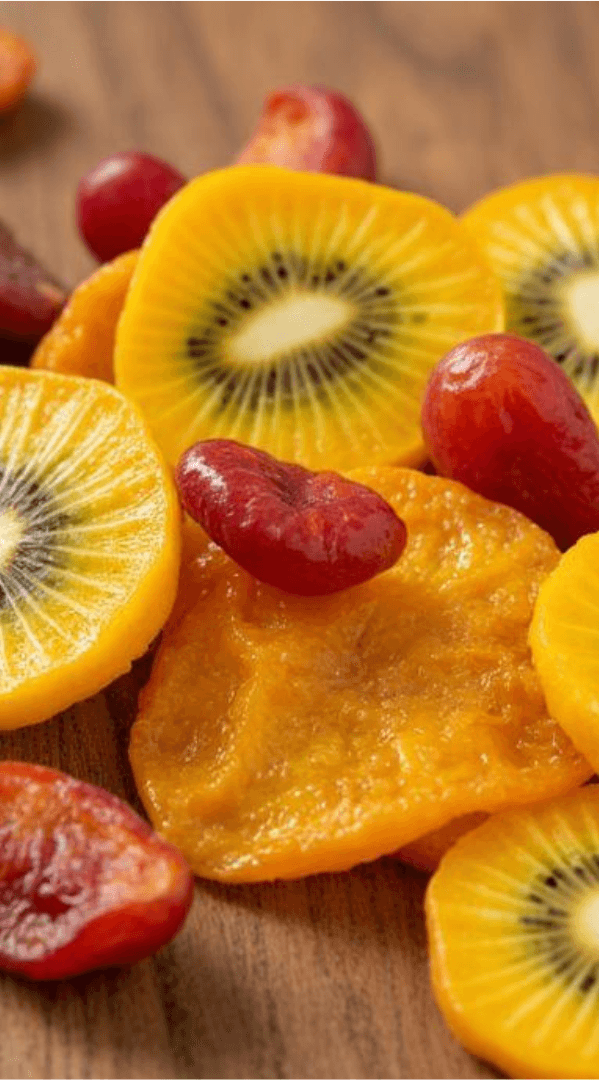
The dried fruit market isn't suddenly going crazy, but it's definitely growing in a pretty predictable way. Almost all the analysts are saying the same thing. The global dried fruits market was valued at USD 11.51 billion in 2025 and is projected to reach USD 18.57 billion by 2035, growing at a steady 4.90% CAGR over the forecast period.
What's driving this up? A combination of cleaner labels, improved drying technology, and that silent health turn everywhere. Consumers are snacking differently, grabbing dried mango instead of candy, or topping breakfast bowls with cranberries. Small things, subtle changes, but repeated by millions of shoppers.
Where the Demand Is Coming From
Some regions have more hunger than others. Let's begin with what's selling quickest.
- Functional and premium lines are triumphing. Organic raisins, no-sulfite apricots, freeze-dried berries, the sort of product shoppers enjoy prominently displaying on labels. Retailers are merchandising them to serve up to the wellness crowd, which benefits distributors with access to certified, traceable products with the improved terms.
- And then there's Asia-Pacific, the dynamo. China, India, and Southeast Asia are racing ahead, particularly in mid-range dried fruit snacks. Local players are emerging quicker than you can count them, and private-label exports are gaining ground. Margins are not even across the board, however, certifications and logistics expenses continue to determine who is most profitable.
At the same time, world trade flows appear stable but volatile. Volumes are good, but shipping lanes, currencies, and weather patterns make trade values yo-yo up and down. A single poor harvest in Turkey or a Thai port delay can rattle prices for months.
Pricing, Risks, and What Buyers Should Monitor
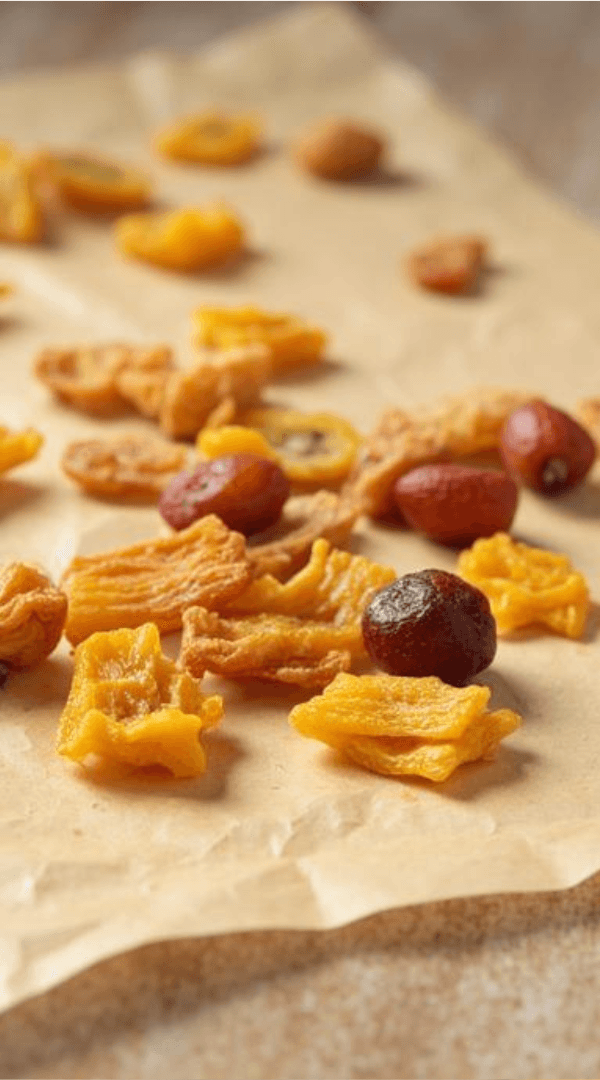
To be blunt: prices won't remain stagnant. Between 2025–2030, apricots, figs, and berries might see 10–25% price hikes in years of bad weather. Organic offerings might jump even higher, think a 20–40% premium to traditional grades when supplies are restricted.
Producer Price Index (PPI) for dehydrated & dried fruits and vegetables is already resting at the vicinity of 298 (index, base Dec 1982 = 100), indicating inflationary pressure in inputs and processing.
Energy & Logistics: The Big Wildcards
- Ocean freight and container rates continue to be unstable. Research indicates that a 10% increase in shipping price tends to lower the volume of exports by ~1.37% in agricultural products.
- Changes in port fees can most directly contribute to increased cost. For instance, a suggested port fee on ship operations would increase USD 15 to 40 per tonne on most agricultural shipments.
- In certain trade-situations, rises in shipping costs of 15–20% are predicted for agricultural exports under the new port fee scenarios.
- On the farm side, fuel, fertilizer, and energy contribute 40–50% of variable costs in developed nations. So any spike in oil or gas goes directly into farmers' cost structure.
So, imagine this: if container rates increase 15% and fuel increases 20%, FOB prices on a dried berry lot might go up by 5–10% additional on top of the base.
Regulatory & Non-Tariff Risk
- Adjusting MRL (Maximum Residue Limits) or more stringent fumigation regulations can cause re-testing and delays. A week's delay can cost thousands in demurrage or cold storage.
- Unforeseen lab procedures — e.g. new mycotoxin levels — may reject whole batches, causing rework or rejection.
- Smart buyers already factor in a 5–10% "inspection buffer" or extended lead times (2–4 weeks head start) in contracts so a shipment held up in port doesn't destroy margins.
Regional Snapshots
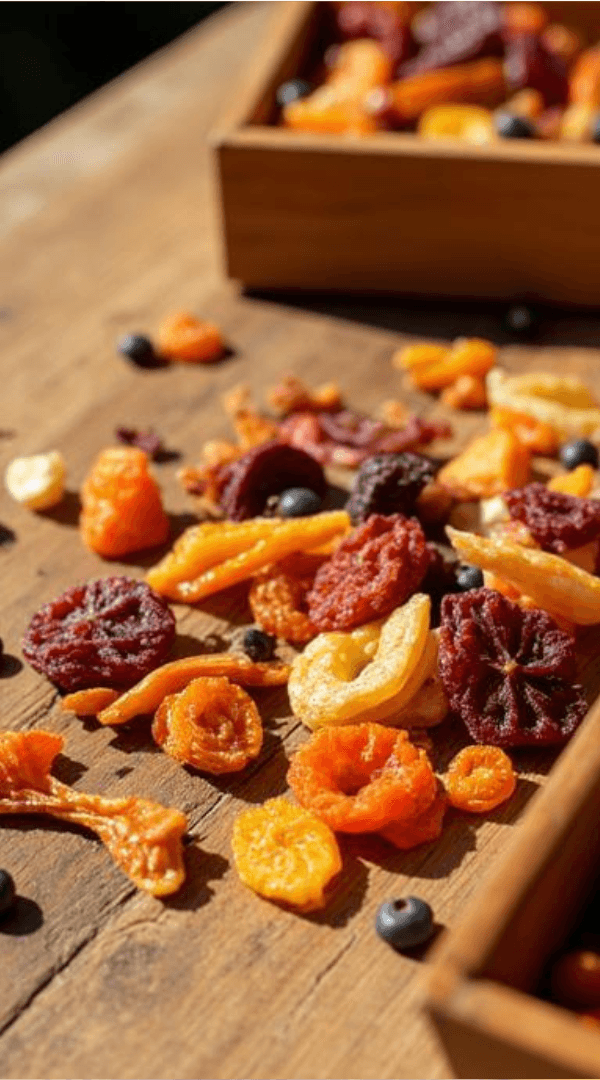
- Middle East & North Africa (MENA): Figs and dates keep MENA busy. Saudi Arabia and the UAE dominate both re-export and consumption. Logistics advantage positions them as an Asia-Africa link.
- Europe: The stronghold of premium dried fruits continues to be. Italy, Spain, and Turkey — traditional players but consistent. Western retailers pay a premium for certifications and traceability of origin, so dried fruits suppliers that satisfy EU standards remain in fashion.
- North America: The U.S. is an intriguing blend — large producer, larger importer. Prunes and raisins are home grown, but even so, specialty imports from Chile, Thailand, and Turkey help plug the gaps and people are willing to pay a bit more for the organic stuff and clean labels so retailers go along with it.
- Latin America: Chile's the big dog in this corner of the world, supplying the US & Europe with dried berries and apples when Northern suppliers are struggling to keep up.
- Asia-Pacific: Thailand & China are the dominant players when it comes to re-packaging & processing dried fruit. India, however, is the one to keep an eye on — increasing its capacity for mango, banana, and tamarind-based snacks. Low-cost, high-output, and quick to learn export compliance.
Who's Producing the Most
Rapid rundown of largest players:
- Turkey – A major exporter of apricots, figs, and raisins to Europe & the Middle East.
- United States – Prunes, raisins, and berries are highly prized for their quality and abundance of organic options.
- China – Dried apples and bulk processed blends; frequently re-exported under other names.
- Thailand – "Other dried fruits" suppliers and category leader; heavy in processed and packaged formats.
- Chile – Major southern supplier for apples and berries during northern off-seasons.
- Spain / Italy – Key EU suppliers; emphasis on raisins, figs, and traditional fruits.
- India – Emerging producer of dried mango, banana chips, and tropical fruits.
Product leadership movement by category — dates are MENA's, raisins are Turkey and Spain's, dried apples are China and Poland's, and the U.S. and Chile dominate on prunes and berries.
The Dried Fruit Supply Chain
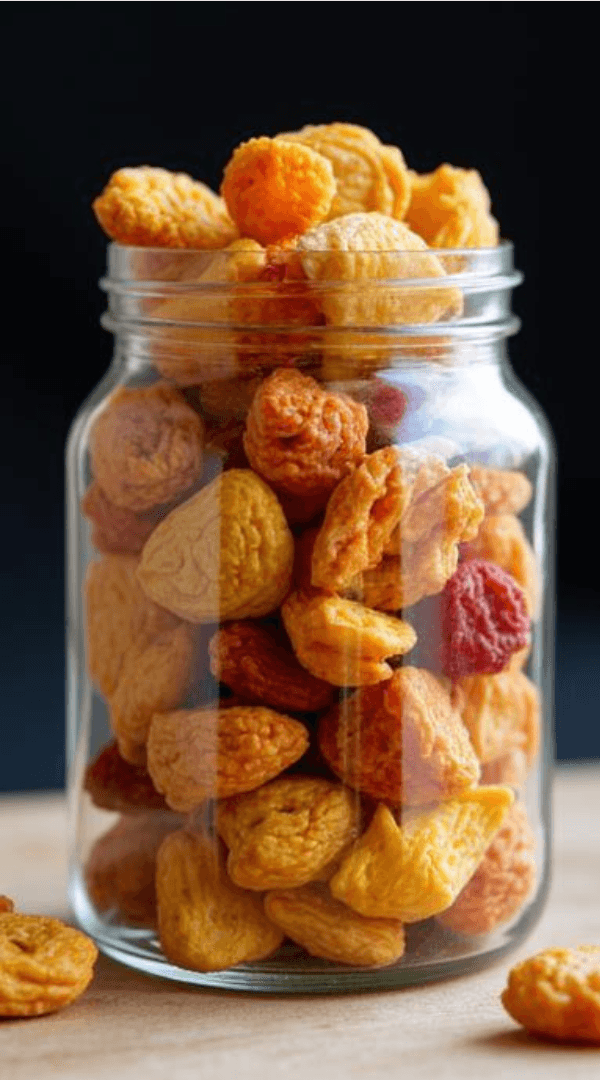
The trade in dried fruits doesn't simply transfer products. Its journey takes it through a maze - the labyrinth of trade. Growers, processors, inspectors, others who deal with shipping, and bureaucrats all manage to get their hands on the same shipment by the time it's finally on a shelf. A very steep climb just to get to that point. One tiny little link in the chain, and the profit margins vanish into thin air.
Trade Rules and Changing Policies
Tariffs do not remain static for too long. Countries apply safeguard duties to cover local fruit processors, while others eliminate tariffs altogether through trade agreements. Turkey and Chile, for instance, enjoy preferential terms under FTAs that reduce duties in Europe and Asia, an advantage in terms of pricing. Conversely, anti-dumping duties are occasionally applied against low-priced exporters in Asia, particularly in such products as dried mango and banana chips.
And then there is the regulatory compliance. Phytosanitary and residue regulations (MRLs) are always changing which means exporters have to either shell out for extra testing or fumigate the shipment at the last possible minute. A single small mistake (such as an interception of pests) equals days of delay and demurrage of thousands. Savvy exporters pre-test batches to avoid the hassles.
Pricing, Trade Volumes, and Export Shifts
The international worth of dried fruit imports between 2021 - 2026 is expected to inch its way up from USD 2.4 billion, to a fairly uneventful USD 2.6 billion over the next 5 years — steady as can be, and not exactly thrilling but it's consistent growth nonetheless.
Recent trade data shows a reshuffle at the top. Thailand remains the leading exporter, with dried fruit exports reaching about USD 296.9 million. China follows closely at roughly USD 253.3 million, while Spain records around USD 126.9 million. Together with exporters like the United States, Turkey, Chile, and Germany, these countries continue to account for more than half of global dried fruit exports, reinforcing how concentrated this trade remains despite steady demand growth.
In terms of production, the U.S. controls about 12% of total dried fruit production, followed by Turkey at 11%, and China dominates re-packing and processing.
Key Trends Influencing the Dried Fruits Market
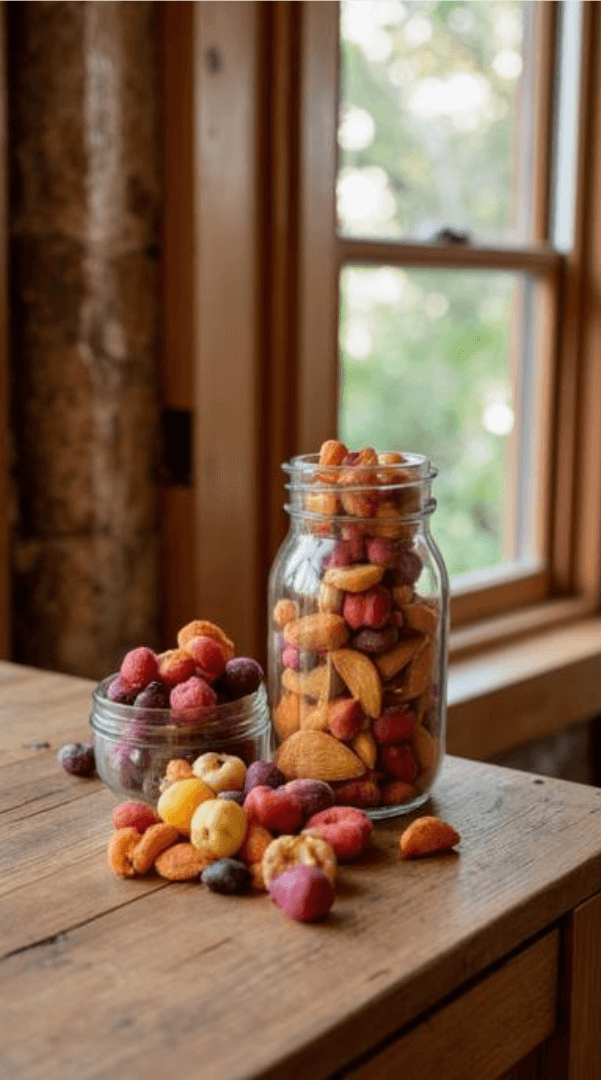
The dried fruit market may seem steady enough to the naked eye, but scratch beneath and you'll find it's in a state of constant change. For buyers and wholesalers, being on the ground floor of these changes can make all the difference between being market leaders and scrambling to keep up afterwards.
Health & Clean Label Momentum
These days, consumers have become extremely particular about what they place in their mouths. They're reading packaging labels, checking for hints, & even asking those kinds of questions one would typically think of as rudimentary, such as "what's really in this?" Clean-label dried fruit, without additives, sulfites, or artificial colorants, is causing a serious splash.
Goods with the "organic" or "non-GMO" labels are now commanding and getting a 20-40% price premium over the usual products. And in the factory, processors are experimenting with low-temperature dehydration and vacuum drying to keep the taste without needing to add chemical preservatives.
Value-Added and Functional Positioning
You no longer simply sell raisins. You sell function, convenience, and energy. Consider dried probiotic blueberries or fruit-nut mixes specifically for gym users. Value-added forms like these can increase profit margins by 15–30%. The markets for cereals and baked goods are demanding all manner of chopped, powdered, and crushed dried fruit by providing the ideal combination of convenience and storage life.
Sustainable and Transparent Supply Chains
Consumers increasingly demand proof, not claims. "Where did it come from?" is the question constantly resurfacing. Suppliers are answering with traceability solutions such as QR codes, blockchain records, and electronic batch records. Sustainability audits and fair-trade certifications are becoming EU buyers' deal-breakers, particularly in the premium market. Those unable to provide a clear origin story are losing shelf space quietly.
Climate Risk and Crop Volatility
Weather is the wild card that no one can completely control. One bout of drought in Turkey or frost in Chile has the potential to slash yields by 10–15%, driving prices up nearly overnight. Higher fuel and fertilizer prices only compound the problem. Risk hedging is now being done by distributors by expanding suppliers across hemispheres. That's like an effective insurance policy against climate-related shortages.
Packaging and Shelf-Life Innovation
The packaging scene has undergone a complete revolution. You can't help but be impressed by compostable wraps that keep dried fruits fresh. Resealable pouches and moisture-proof films are just as effective at keeping the good stuff good for longer and drastically cut down on food waste. And then there are the freight-friendly pack types: nitrogen-flushed packs that can extend shelf life by up to 30%.
In addition to all of that, increasingly consumers are calling for packaging that is not only recyclable but also biodegradable - let alone more and more so in markets in Europe where legislation is finally starting to close the door at rapid speed.
E-commerce and Direct-to-Consumer Growth
Here's the stealth disruptor, e-commerce. Increasingly, processors are creating their own websites or utilizing Amazon and Alibaba as platforms to sell directly to global customers. This hybrid model (B2B + D2C) provides them with two advantages: greater margins and immediate feedback loops. Brands are piloting new SKUs on the web before they get to distributors. It's lean, fast, and efficient.
What's Next for Dried Fruits?
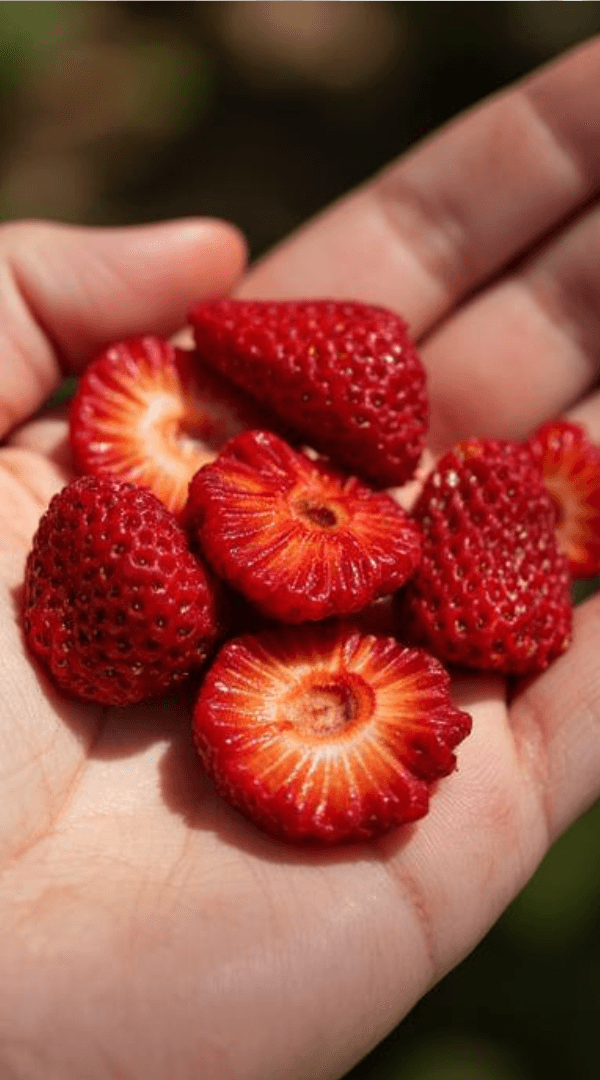
The future of the dried fruit industry won't only be supply and demand. It'll be the story of producers innovating, adapting, and speaking their truth. Here are some of the changes that will be likely to drive the direction of the market over the next few years.
Drying Technology & Process Innovation
Drying food out has gotten a whole lot smarter, and a lot quicker. Keep an eye out for more uses of vacuum drying, osmotic dehydration, & freeze-drying hybrids that do a better job of keeping the good stuff in, while also saving on energy costs. Some operations are even experimenting with microwaves to dry food, and it has the potential to cut processing time in half. The objective? Improved texture, color, and flavor without energy waste.
Ingredient Integration & Foodservice Tie-Ins
Dried fruits are creeping into all sorts of things. Into breakfast cereals, snack bars, sauces, even smoothies. The "invisible inclusion" phenomenon, whereby fruits are being milled into powders for nutritional enhancements, is spreading quietly. Places to eat and bakeries are getting in on the action too. They're using dried fruits to add a bit of extra punch to their food & keep it from going bad for so long. The people behind this kind of innovation are pretty low-key but its having a big impact on the food we eat.
Regionalization of Sourcing
Global customers are reconsidering distance. Shipping halfway across the globe no longer necessarily makes economic sense. Businesses now source nearer to consumption centers such as Southeast Asia for Asian customers, and Latin America for North America. Freight costs are lessened, lead times are made more stable, and tariff exposure is minimized. It's not isolation, merely more intelligent logistics.
Circular Economy & Waste Valorization
Fruit waste is no longer truly "waste." Peels, pits, and scraps are being upcycled into bioenergy, natural fiber, or animal feed. Now even mango peels are getting turned into compost that's fed into packaging that's biodegradable and can compost. Shutting loops so waste doesn't end up in landfilling and scoring brownie points with consumers who care about the planet is becoming more crucial than ever. In a resource-thirsty market, nothing should be wasted that's good.
Certification & Brand Premium Differentiation
Labels are the new currency. Organic, Fair Trade, and Rainforest Alliance seals don't just authenticate ethics, but they raise prices. Retailers are willing to pay more for guaranteed sourcing and openness about production. Brands with the ability to demonstrate regenerative practices or social impact tales typically enjoy 10–20% premium margins. Authenticity is what sells; paper claims aren't.
Torg's Top-Rated Suppliers of Dried Fruits
1. Ceres Gurme Gıda Sanayi ve Ticaret Limited Şirketi – Turkey
Ceres Gurme is one of the natural and healthy food names that Turkey trusts. The organization offers a wide range of top-quality dried fruits, gluten-free products, and high-quality spices from local farms. Their pursuit is easy; freshness, traceability, and constant quality that complies with the increasing demand for clean, healthy products across the globe.
2. Bedemco Incorporated – United States
Bedemco has earned its reputation on dependability and variety. Based in the U.S., they distribute and import USDA Organic, kosher, and vegan-certified dry fruits and nuts. From freeze-dried berries to plant-based protein ingredients, their range serves bakeries, manufacturers, and private labels seeking safe, high-standard, and traceable ingredient sourcing every time.
3. Yantai Lushun Foodstuff Co., Ltd. – China
Lushun Foods boasts over two decades of history, supplying bulk dry fruits, nuts, and vegetable powders to food businesses in Asia, Europe, and the U.S. The company blends indigenous knowledge and international standards, offering consistent quality and volume size options. Each product is carefully handled to preserve natural color, taste, and nutrient quality.
Conclusion
The trade of dried fruits is happening at a rapid pace. Consistent in quantity but erratic in trends. Expansion exists, but so do the challenges. Prices fluctuate, supply contracts, and logistics try the patience of all. Nevertheless, the choice is available for those who see the market early and develop intelligent partnerships. Be long-term: cleaner sourcing, traceable origin, tighter logistics. Whether you're a distributor in Dubai or a customer in Berlin, the secret is the same: adapt quickly and source carefully. This is not a fleeting fad because now it's a global movement towards smarter food and better trade. The question is, are you ready?
Request a Bulk Order Quote
Simple ordering, transparent pricing, delivered straight to your door