



Global Chips Market: What’s Happening in the Crunch Economy
See what’s driving the global chips market in 2026, and unlock fresh opportunities, flavor trends, and sourcing insights worth acting on now.
200+ buyers trust Torg for sourcing







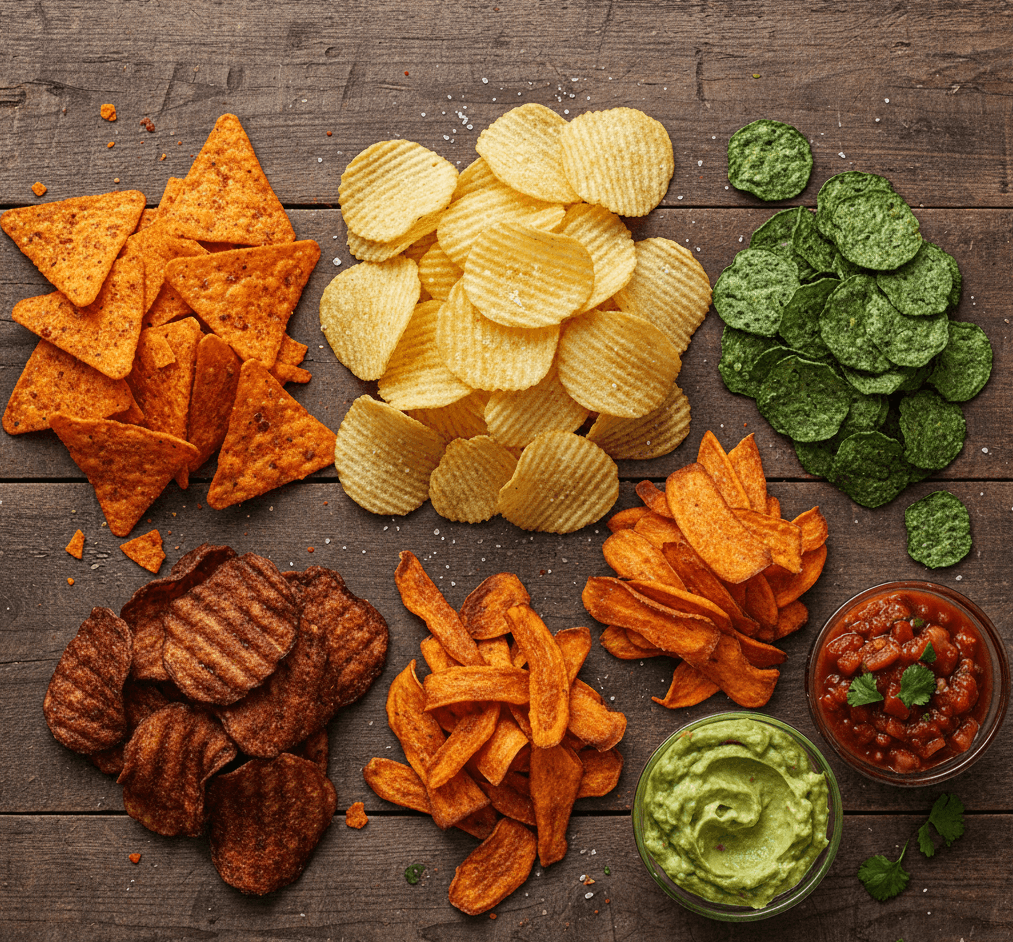
Chips move fast, and buyers feel it every day. The category shifts in small ways, then suddenly changes again, which makes you wonder, “What’s driving all this movement?” The answer isn’t one thing. Retailers, distributors, and wholesalers are responding to new flavors, rising input costs, and customers who switch preferences without warning. Some formats surge, others cool down, and trends that seemed quiet last year pick up speed now. This article walks you through the real signals shaping the global chips market in 2026, offering clear direction on volume, pricing, and sourcing opportunities in the evolving crunch economy.
A Market Defined by Appetite and Agility
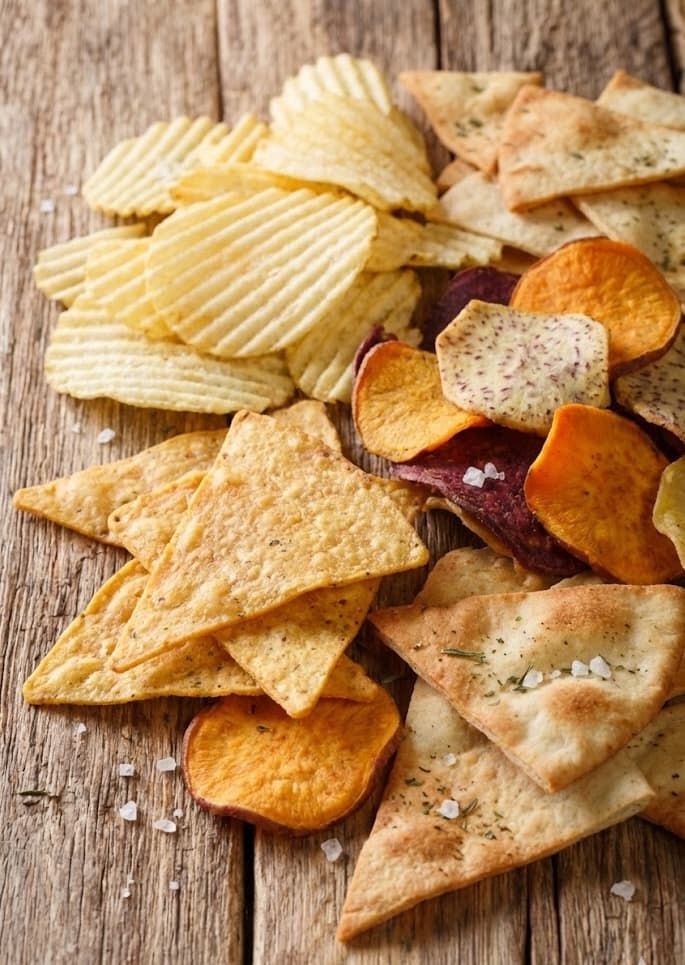
General category-wise, snack food keeps growing in quiet, familiar ways. In 2025, the global snack food market reached USD 265.95 billion, and it could step up to USD 283.24 billion in 2026, with projections pointing toward roughly USD 499.22 billion by 2035, moving at a 6.5% CAGR.
Zoom in a little, and potato chips tell their own story. The market sits at USD 56.23 billion in 2025, moves to USD 59.67 billion in 2026, and is on track to reach about USD 80.25 billion by 2031, growing at a 6.12% CAGR.
Chips travel well, flavors rotate fast, and formats keep changing because people snack out of habit, mood, and timing. “Classic” still sells, yet new twists pull attention just enough. That balance between comfort and novelty keeps demand rolling, year after year, without needing a hard push.
Additionally, the growth isn’t tied to one product anymore. Retail and wholesale buyers are seeing faster pull from flavored lines, baked formats, and chips made from legumes, seaweed, vegetables, cassava, and mushrooms. The category feels broader because it is.
Shoppers treat chips as a whole family of crunchy options, giving suppliers more ways to stand out. Add stronger snack adoption in emerging markets, consistent promotions, and convenience-led buying, and the next few years look steady for anyone sourcing in this space.
Market Segmentation
The chips category breaks into several layers, each moving at its own pace:
Potato chips
Still the heavyweight segment, carrying the largest volume share. Flavored variants, limited editions, and “locally inspired” seasonings continue to drive velocity in supermarkets.
Tortilla and corn chips
Tortilla chips are picking up speed in North America, Europe, and parts of Asia. They fit neatly with dips and quick meal add-ons, which quietly boosts basket sizes.
Vegetable and alternative-base chips
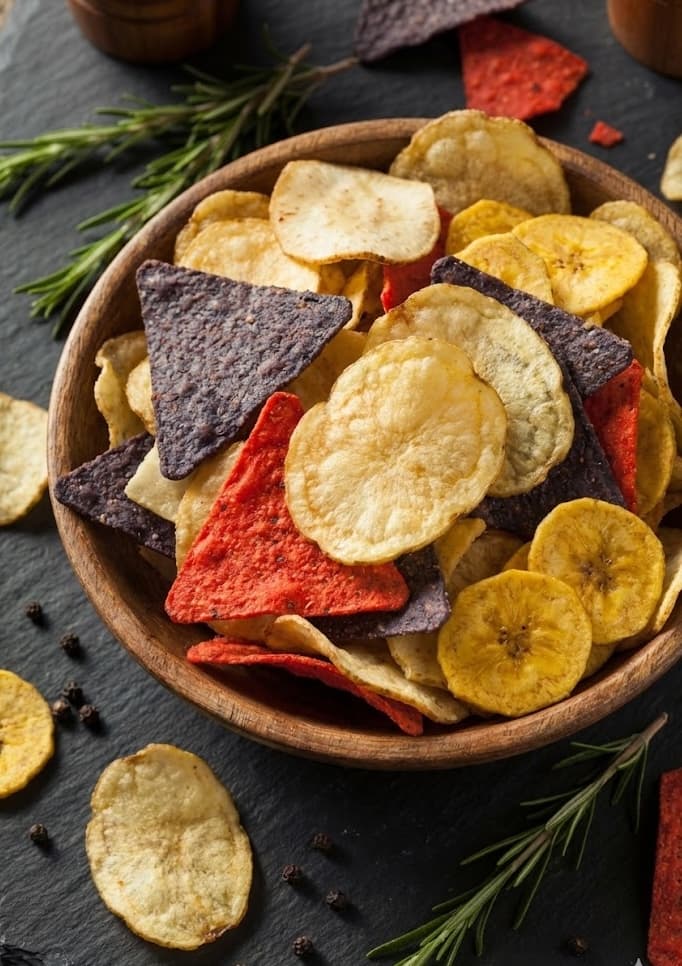
This segment shows the highest growth rate — driven by legume chips (lentil, chickpea), seaweed chips, taro chips, and beetroot chips. Many retailers use this segment to diversify their healthier snack portfolio.
Baked and air-fried chips
Often marketed as “better-for-you,” these formats appeal to younger and more label-conscious consumers. Growth continues but depends heavily on price competitiveness.
Private label chips
Shows from the recent year show accelerated private label chips expansion, particularly from European retailers and Asian hypermarkets. Wholesalers and distributors report more procurement requests for contract manufacturing rather than branded SKUs.
Featured wholesale products

Tortilla Chips Crispy Salted 200g
€0.90

Tortilla Chips Cheese 200g
€0.90

Tortilla Chips 60g
€0.43

Potato Chips Salted 150g
€0.84
Regional Insights
Biggest Producers
The United States leads through major potato- and tortilla-chip processors. China stands out with large potato-based snack manufacturing and increasing capacity for vegetable-chips. India is scaling fast, thanks to lower raw-material costs and strong domestic demand. Mexico fills a key role in corn and tortilla-chip production.
Biggest Exporters
The United States remains a top exporter. The European Union—especially Germany, the Netherlands, and the UK—also sends a lot of chips abroad. China and Thailand are growing exporters too, Mexico rounds out the list.
Biggest Importers
Japan and South Korea are pulling in large volumes. The Middle East (UAE, Saudi Arabia) has also become a strong market. Australia imports premium and niche formats. Western Europe often imports specialty chips—truffle, kettle-cooked, seaweed, taro are just some of them.
Premium and niche chips—like truffle-flavored, artisanal kettle-cooked, seaweed, taro, or corn-based variants—often cross borders to fill flavor “gaps” in retail assortments.
Global Chips Market Supply Chain Highlights
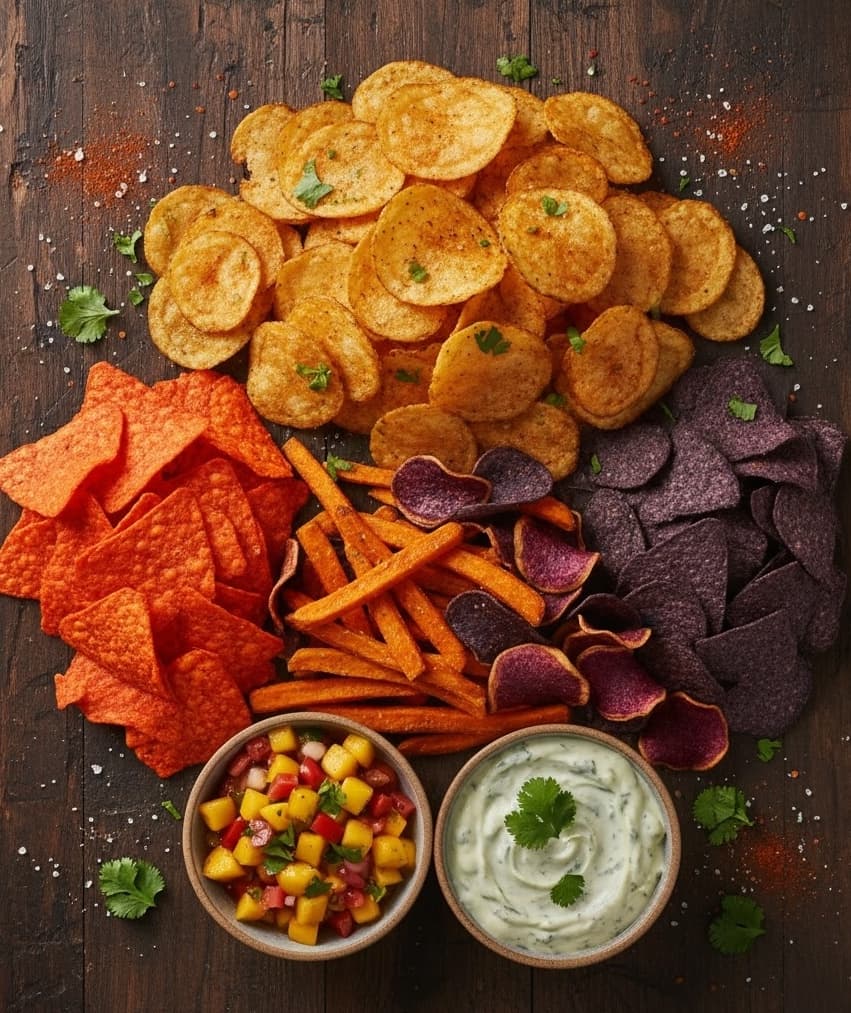
Flavor innovation changes factory schedules. New launches like Lay’s baked flavors for 2026 show how product refreshes ripple through production lines, packing shifts, and forecasting, since plants and suppliers adjust to keep new products moving quickly with minimal downtime.
- Portfolio cuts reshape supply focus. Moves by major players to streamline offerings, trimming about 20% of product lines, point to tighter SKU rationalization, leaner production runs, and more targeted logistics planning for core chips products in 2026.
- Regional growers matter more. Local potato production policies, like tariff changes and farming support programs in markets such as the Philippines, can ease raw material constraints and reduce import dependence, which affects cost and supply timing.
- Shelf demand swings with occasion shifts. Reports note shifts between chips and other formats like fries, suggesting that buyers and processors may rebalance inventory as chip demand changes with dining, home eating, and value patterns.
- Logistics gets more selective as volumes rise. Instead of expanding everywhere, chip suppliers concentrate inventory in key hubs, then push faster deliveries into supermarkets, convenience stores, and online channels, with North America and Asia-Pacific taking priority for route efficiency and cost control.
- Trade lanes reflect market concentration. North America and Asia-Pacific lead market share and growth, which shapes freight flows and import priorities for 2026, while smaller regions adapt sourcing patterns to balance cost, reliability, and demand.
What's Crunching the Demand for Chips?
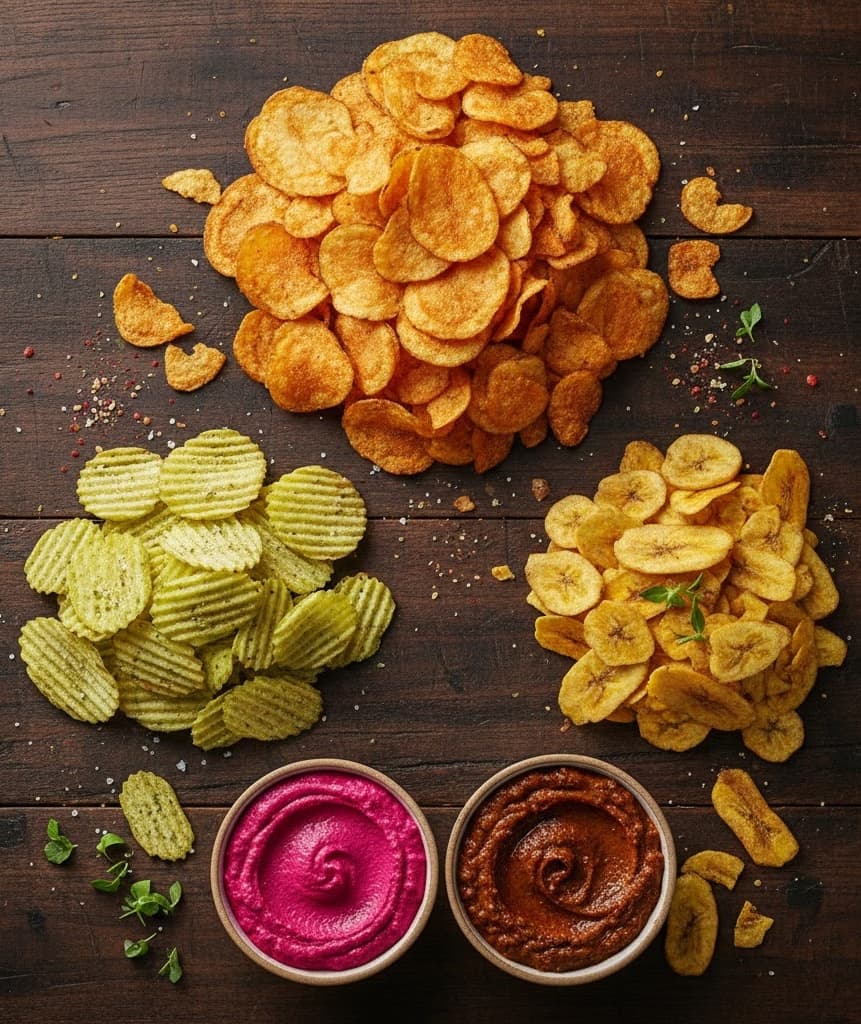
People buy chips for all kinds of reasons—speed, comfort, or a craving for something new. And these quick decisions add up. As habits shift from week to week, the category keeps moving, and buyers see that momentum in real time.
Convenience as a Core Purchase Trigger
People grab chips because they’re easy, quick, and familiar. No prep. No effort. They fit into workdays, long drives, quiet nights, and family hangouts. It feels natural to toss a bag into the cart, and that tiny decision adds up. Even bulk packs are getting more attention, partly because bigger households want value, and partly because snacks disappear fast.
Experimentation with Flavors
Flavors change the game. Some shoppers chase bold Asia-Pacific profiles—Sichuan pepper, salted egg, kimchi, Japanese barbecue—and you can see why. Others look for limited editions like truffle, herb blends, gourmet cheese, or anything that feels “new.” When people explore, suppliers follow. More R&D, more samples, and more chances for retailers to put something different on the shelf.
Health-Conscious Snacking Without Sacrificing Taste
Some shoppers want chips that feel lighter without losing flavor. They’re drawn to snacks made from ingredients they already trust. Lentil, chickpea, seaweed, sweet potato, and taro options match that kind of choice. So do baked styles and reduced-salt versions. Retailers place these in the mid-premium space, meeting customers who want crunch, flavor, and a little reassurance.
Younger Audiences Boosting Niche Segments
Gen Z brings energy to niche chip segments. They like textures that stand out, global flavors, and designs that make them pause. Their preferences nudge brands toward quicker rotations and short-run releases. They also pay attention to simple labels, clear sourcing, and whether a brand feels straightforward enough to trust.
Opportunities and Future Outlook
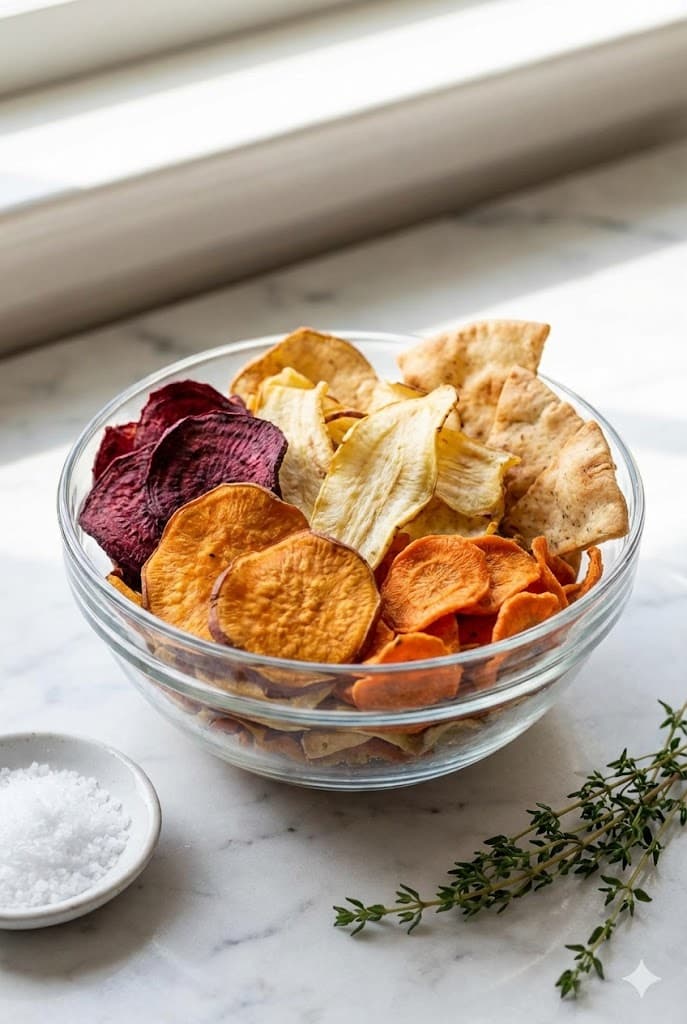
The market keeps opening new doors, sometimes slow, sometimes sudden. Buyers who pay attention early often get the cleaner shot at pricing, volume, and flavor variety. Others follow later and wonder why the shelf feels crowded. So, if the category keeps evolving like this, where should retailers and wholesalers place their next steps?
Premium Flavors and Small-Batch SKUs
Premium chips thrive because people enjoy richer seasoning, careful textures, and those short-run drops that feel a bit unexpected. Importers often look toward Japan, Thailand, and Mexico for ideas, then bring those flavors into wider retail. It works well. A single new profile can shift interest, spark trial, and keep the assortment feeling alive.
Private Label Growth
Private label keeps gaining ground, and retailers like the control it gives—pricing, margins, and flexibility. Growth is strongest in baked, vegetable, and more gourmet styles. Suppliers offering full solutions, like R&D, packaging, certificates, and logistics, often get the calls first. It’s a practical setup, and many chains prefer long-term partners over quick, one-off deals.
More Cross-Border Trade
Demand for variety sends buyers outside their usual regions. Southeast Asia, Eastern Europe, and Mexico offer strong pricing, solid capacity, and a wide flavor range. Some shipments move quietly, others spike quickly. Either way, cross-border sourcing gives retailers the freedom to react faster, fill gaps, and keep shoppers interested without reinventing the entire aisle.
Sustainable Production and Packaging
Retailers are pushing harder for proof—energy use, packaging reductions, and transparent reporting. Manufacturers who invest early tend to secure steadier contracts because buyers want clarity, not half-steps. Better frying systems, lighter materials, and cleaner disclosures help with compliance, exports, and long-term trust. Sustainability manufacturing isn’t a marketing line anymore; it affects who stays on the list.
High Demand for Niche Ingredients
Shoppers keep leaning toward chips made from seaweed, cassava, taro, lentils, chickpeas, and mushrooms. These bases offer simple variety and enough character to stand out, even without heavy promotion. Buyers use them to refresh assortments without heavy promotions. When done right, niche ingredients open small but reliable pockets of demand that grow season after season.
Top-Rated Chips Suppliers on Torg
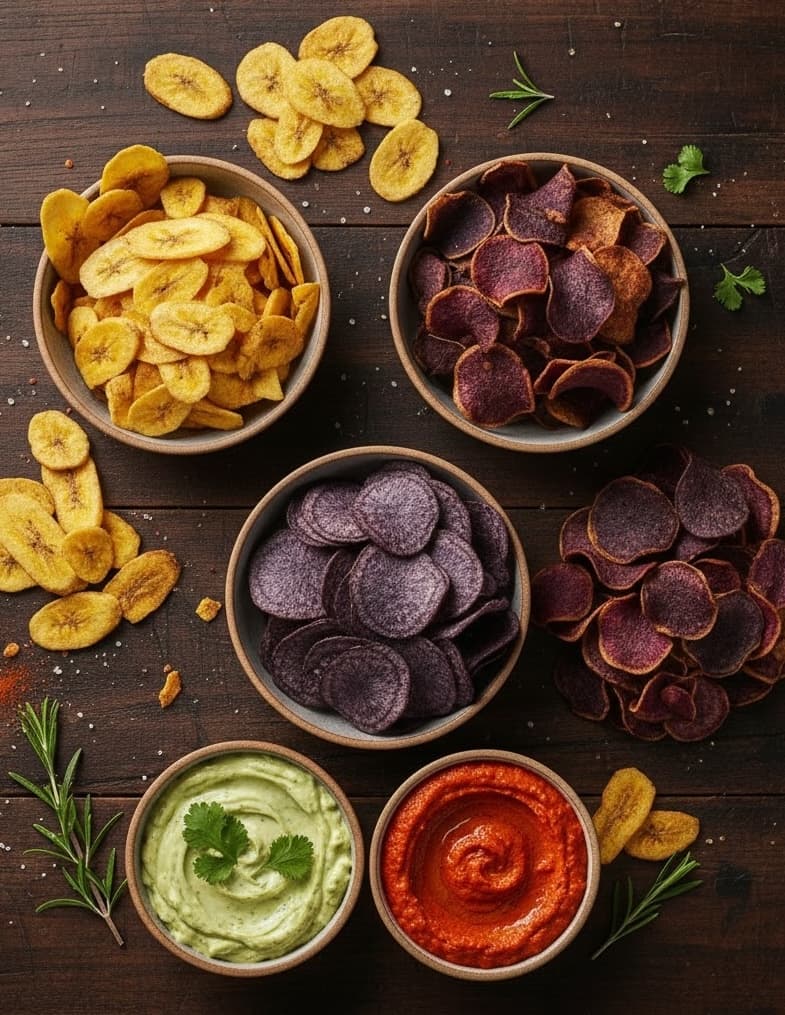
CHAZZ CHIPS — Lithuania
Chazz Chips leans into bold flavors, hand-cooked textures, and snacks built for buyers who want something different on the shelf. Their lineup covers potato chips, tortilla chips, and curated snack sets. Each product feels intentional, with seasoning profiles that shift from playful to sharp. It’s a brand built for retailers seeking character, variety, and a bit of edge.
UK TRADING PLACES LTD. — United Kingdom
UK Trading Places, known through Pop-Tastic, supplies a wide mix of snacks with simple, steady appeal. Microwave popcorn, tortilla chips, crisps, corn puffs, and everyday family snacks are just a few things on their catalog. The mix works well for stores that need reliable volume, clear pricing, and items that shoppers pick up easily.
HUMPTY DUMPTY SNACK FOODS, INC. — Canada
Humpty Dumpty Snack Foods, under Old Dutch, brings a steady lineup shaped by years in the snack aisle. They work with potato chips, pretzels, tortilla chips, and popcorn. The appeal comes from consistency and clean production. People know these flavors the moment they open the bag, and that familiarity keeps the products moving.
Final Crunch
The chips category moves at its own pace, and buyers tend to notice the shifts before anyone else. New flavors show up fast, familiar staples hold their ground, and supply conditions rise or dip as seasons change. The real edge comes from how people in the supply chain read these patterns and adjust their sourcing. Growth is there, but it favors those who stay alert, ask direct questions, and keep their assortment open to change. With the right supplier mix, the segment remains predictable, profitable, and a strong space for future expansion.
Request a Bulk Order Quote
Simple ordering, transparent pricing, delivered straight to your door