



Chia Seeds Market: From Smoothies to Skincare and Beyond
Learn why chia seeds became a global staple with its market growth, trade trends, key producers, and rising demand across food and wellness sectors.
200+ buyers trust Torg for sourcing







Chia seeds passed the "superfood hype" phase. Buyers, distributors, and wholesalers are actually experiencing real traction here. Some are asking themselves why they all of a sudden are important. They are important because they drive product lines, exports, and sourcing decisions in ways you may not expect. Apparently, numbers have a story to tell: who is producing what, which markets are red-hot, and where opportunities lie. If you're working with raw seeds, milled stuff, or value-added products, you need to know the marketplace. So how do you play it wisely? This article breaks it down, with background and tips for anyone in the business.
Chia Seeds Market Overview
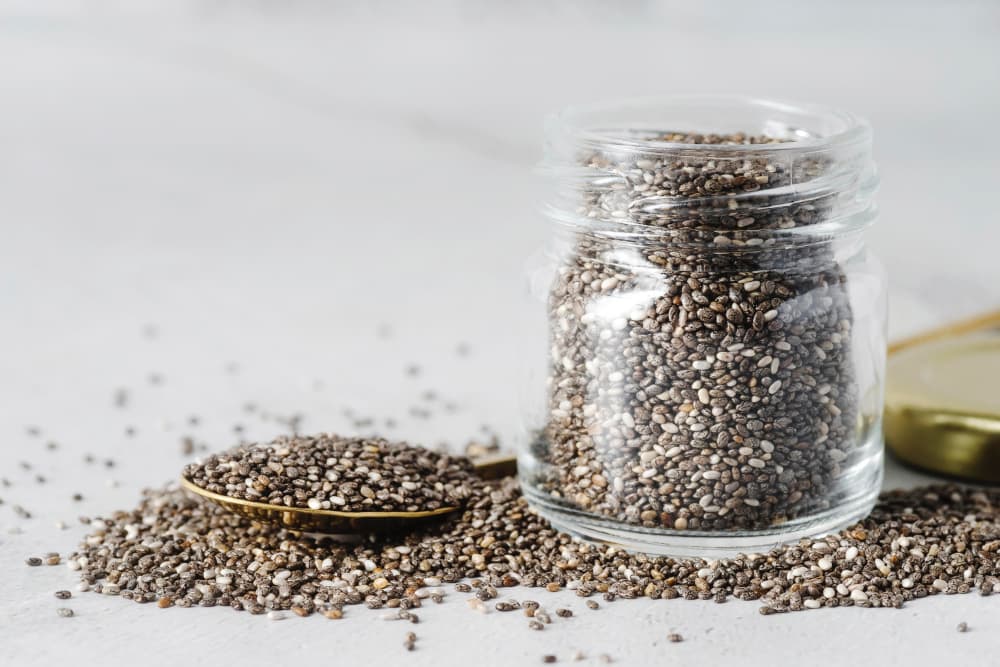
Chia seeds continue to gain ground as demand builds. Its market value stood at USD 1.17 billion in 2025, then expected to rise to about USD 1.33 billion in 2026, with projections pointing toward USD 3.85 billion by 2034, reflecting strong momentum and a sustained 14.14% CAGR over the period.
At the same time, the processed ingredient category, involving milled seeds and other preparations, is increasing even more rapidly with an estimated 28.6% CAGR to 2030. In essence, demand, volume, and margins are all trending in the same direction, and for whoever is trading or distributing chia, the direction is unmistakable.
Market Segmentation
Market segmentation can be viewed through several perspectives. Whole seed, milled or ground meal, pre-hydrated gel mixes, and chia oil are forms in which chia is marketed. Type and source count: organic vs. conventional types are both well-liked, however, organic is taking the lead over conventional in most markets. Specialty or functional varieties—sprouted, fortified, coated, or blended seeds—are for specialized requirements. And applications themselves run a wide gamut: from food and beverages to nutraceuticals, cosmetics, and indeed to animal feed.
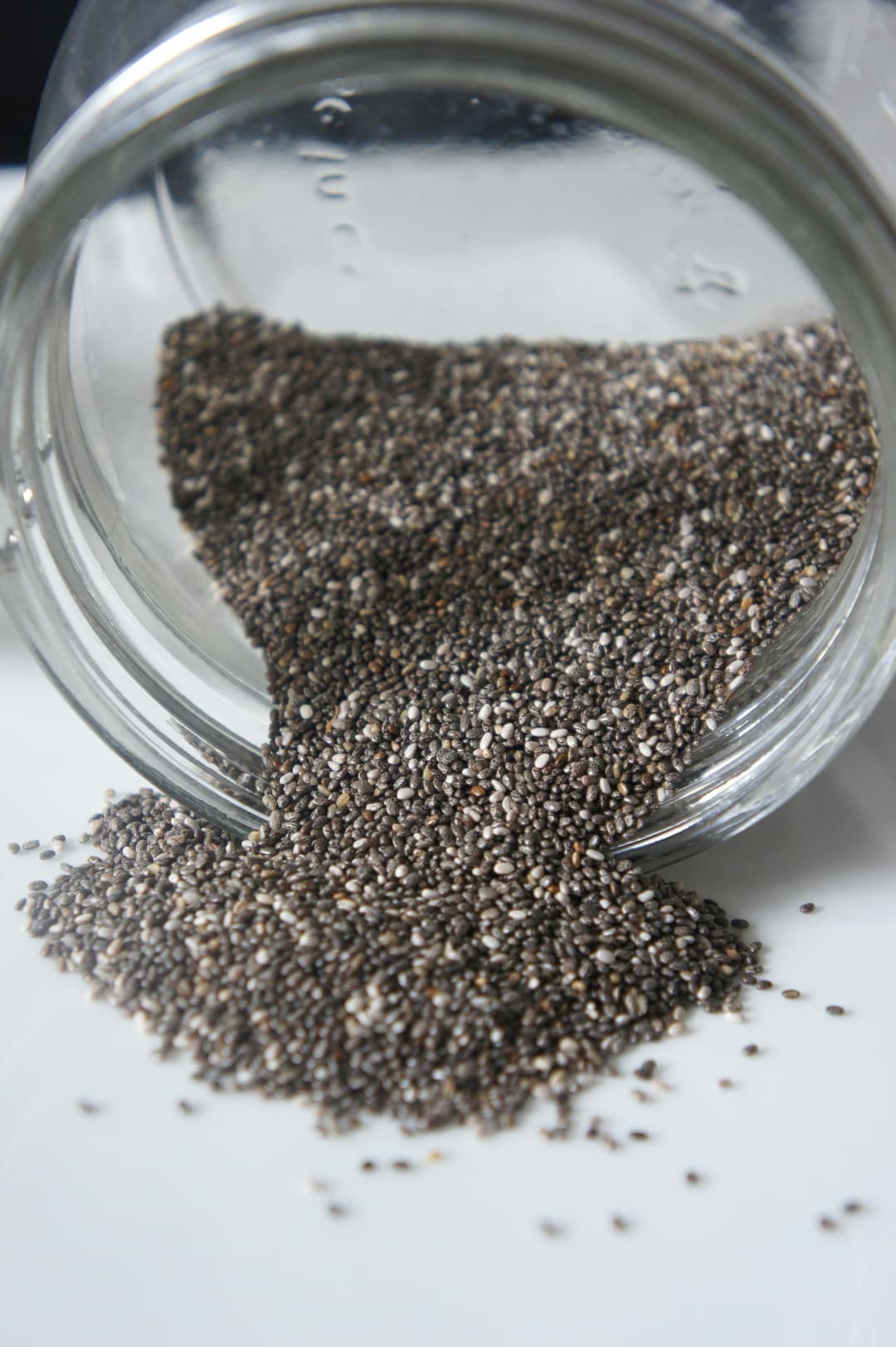
- Latin America still holds the crown for chia production, with Paraguay, Mexico, and Bolivia leading the fields. Paraguay’s chia seed shipments accelerated sharply over the season, with exports surpassing 63,000 tons between mid-2024 and early-2025. Momentum stayed strong, and full-season volumes were widely expected to approach 75,000 tons, marking one of the country’s strongest export years to date. Droughts tried to slow things down, but the country stayed steady.
- The situation changed, however. India, which was once a small fry, is now a leading exporter. In the six months from June 2024 to May 2025, India exported 1,281 lots, up 50% year-on-year, with half that volume purchased by Bangladesh, Bhutan, and the U.S. Somehow, India just entered the big league.
- Trade volumes are active. The U.S. remains the leading importer, exporting 20,000–25,000 tons a year, primarily into the health foods market. In Europe, nations such as Germany, Netherlands, and Italy import in big quantities, led by Germany. Essentially, trade routes are well developed, yet supply chains have their idiosyncrasies.
- Pricing has settled into a narrower band. In 2026, Paraguay chia seeds are trading at wholesale levels of roughly US$ 2.35–2.82 per kilogram, or about US$ 1.07–1.28 per pound, reflecting more stable market conditions compared with earlier swings driven by quality segmentation and limited supply.
- Trade isn't risk-free. Logistical setbacks like clogged ports can slow shipments. Fluctuating currencies can chip away at margins. Quality threats like mold or aflatoxin can hit in transit. And certifications such as organic or fair trade? Required, but time-consuming and expensive.
For anyone in the business of chia seeds—buyers, distributors, exporters—the ability to follow these turns and twists is essentially a must. Knowing where supply is originating, where demand is flowing, and what the price signals are is how you stay ahead and make good decisions.
Product Uses: What Are Chia Seeds Mainly Used For?
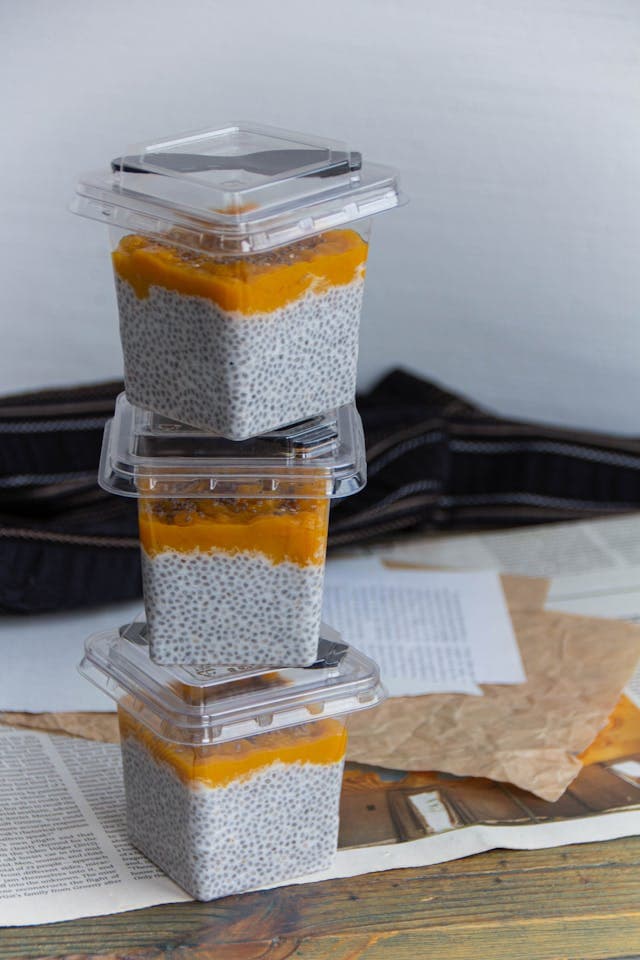
Chia seeds are, in all honesty, everywhere these days. It's crazy the way a small seed found its way into so many various industries. From food to cosmetics, even pet care—somehow or other, it just seems to fit.
Food & Bakery Applications
In the culinary world, chia seeds are a common presence. They're added to breads, cereals, energy bars, and snack mixes, providing texture and that extra bit of health people are seeking. It's a baker's friend because it's stable, easy to work with, and, quite frankly, just makes products sound healthier. And yes, the "superfood" label works for marketing purposes as well.
Natural Thickener & Texture Builder
Its gel-forming sorcery makes it stand out. It expands and becomes this natural binder when it comes into contact with water—fairly useful as a thickener in smoothies, yogurts, or puddings. Formulators incorporate it into products to establish structure without resorting to artificial gums. In the end, chia carries the load on its own.
Nutraceuticals & Supplements
Chia doesn’t stay in one shape for long. In supplements, it shows up as powder, oil, or capsule—different forms, same powerhouse seed. Small in size, big in what it delivers. Each version packs omega-3s, fiber, and antioxidants, earning it a steady spot in the “everyday wellness” lineup. Simple, functional, and quietly effective. Even some sports nutrition products utilize chia protein or oil.
Functional & Specialty Foods
This is where innovation enters. Chia is nowadays employed as a vegetarian source of omega in fortified or sprouted foods. It's showing up in dairy alternatives, breakfast drinks, and even meal-replacement formulas. The draw? It's vegan, convenient, and has that clean, few ingredients feel consumers now demand.
Skincare & Cosmetics
Hard to notice at first, but chia oil’s everywhere now—slipped into moisturizers, serums, even hair care. It’s loaded with antioxidants, rich in hydration, and quietly winning over formulators. Not just an ingredient, really—more like nutrition for your skin. Clean, calm, and quietly powerful.
Pet & Animal Nutrition
Even the pet food industry hasn't been left behind. Luxury pet brands now contain chia due to its nutritious fats and easily digestible fiber. It remains a niche market, but somehow it's gaining traction with high-end and organic feed producers.
What is Propelling Chia Demand
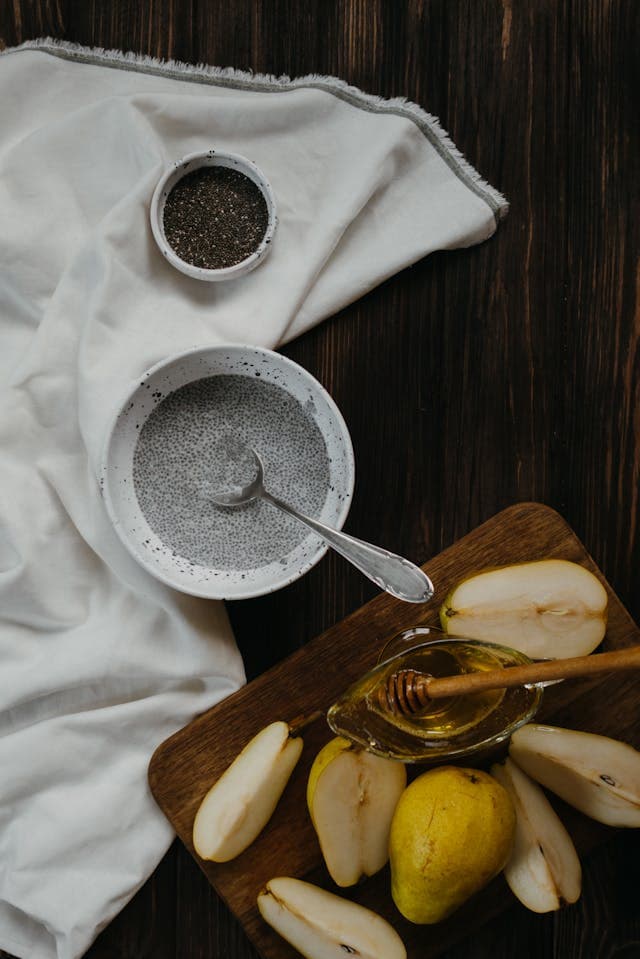
Today, chia isn’t slowing but kind of reinventing its momentum. Consumers are chasing real wellness, not marketing slogans, and bigger players are quietly stepping onto the field. The energy feels fresh, but not invincible. What’s behind the push, and where could the cracks start to show?
Health & Nutrition
Chia checks a lot of boxes: high fiber, plant protein, omega-3, antioxidants. Which is why in most markets you're seeing chia exploding onto everyday SKUs rather than just "health food" brands. People are changing their diets. They want "functional foods" (foods that do more than just fill you up). In the US and EU, for example, more mainstream food lines now feature chia, even cereal bars you might pick up at a gas station.
One trend to watch out for is the "fiber push." Gen Z and younger consumers are more and more interested in gut health. In fact, a recent UK survey revealed Gen Z is driving high-fiber food buying through purchases such as chia. For how long? Not sure. But in the meantime, it provides chia with tailwinds.
Product Innovation & Formulation
This is where the exciting stuff comes. Chia is now appearing in unexpected places:
- Drinks with chia gel (so you drink and experience texture)
- Hydration mixes / smoothie bases
- Chia in baked foods: crackers, breads, even cookies
- Frozen treats utilizing chia as thickener
- Blends: chia + flax, chia + other seeds
- Extracts or fiber isolates (for clean label enrichment)
These innovations connect raw seed and more-marginable value forms. But since everyone is experimenting, there's some noise. Some prototypes succeed; some fail. The successful ones are the ones easy to scale up and integrate into current lines.
Organic, Clean Label & Sustainability
Organic chia fetches a premium. But that premium involves scrutiny. Certification isn’t for the faint of heart. It’s paperwork, audits, inspections—an endless maze of traceability and proof. Many small producers simply can’t keep pace. For them, the cost of staying “official” outweighs the reward.
By 2026, though, the market’s appetite for transparency has only grown louder. Shoppers want receipts like where the seed grew, who touched it, whether the soil gave back more than it lost. So brands start telling stories: regenerative farms, fair trade, zero waste. It sounds noble, and often is. But the price of virtue adds up. Certification eats margins. For some, the organic label is the prize. For others, sticking with traditional methods is the smarter gamble.
Top-Rated Chia Seeds Suppliers from Torg
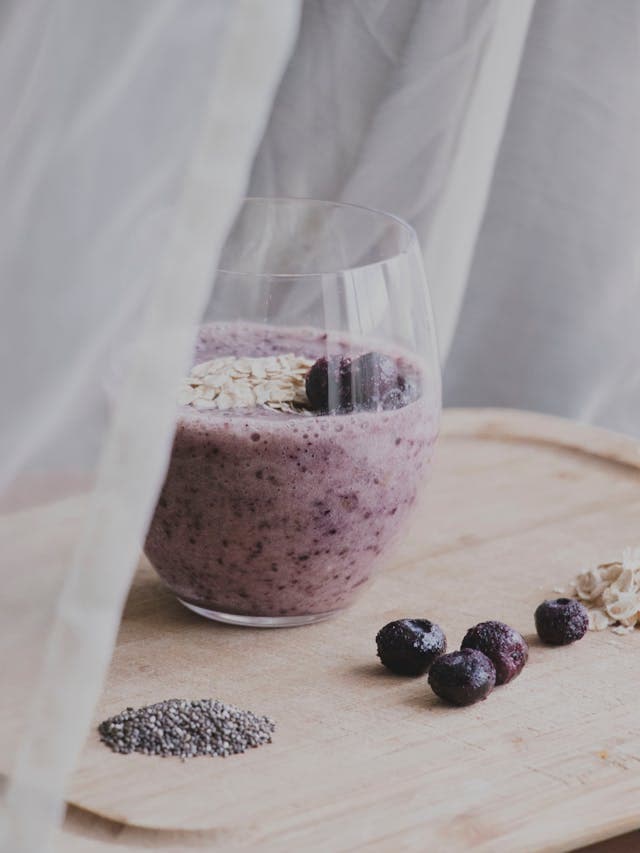
TCL ORGANIC S.A. – Paraguay
TCL Organic S.A. operates with a clear, disciplined approach from field to shipment. Based in Paraguay, the company pairs modern processing with tight traceability and sustainability controls. The result is organic chia produced at scale, delivered with consistency, and aligned with international expectations for quality, transparency, and dependable bulk supply.
2. KILARU NATURALS PVT. LTD. – India
Kilaru Naturals plays a central role in India’s superfoods supply, with deep involvement across chia, quinoa, amaranth, and flax. Backed by advanced local processing and majority share in key crops, the focus stays on organic, clean-label production, supported by recognized food safety and quality certifications throughout operations.
3. ENSE LTDA. – Bolivia
ENSE Organics approaches chia production with a steady, detail-driven mindset. Operating from Bolivia, the company supplies organic chia and quinoa while keeping sourcing transparent and farming practices responsible. This balance supports consistent quality, reliable volumes, and long-term land use, which aligns well with how global markets now evaluate agricultural suppliers.
Key Takeaways
The market for chia seeds is not just some passing trend anymore. Organic and value-added chia continue to nibble away at traditional share, and India, mysteriously, leads world exports now, overtaking traditional players such as Mexico and Paraguay. Yes, supply chains continue to be problematic. Certifications, tariffs, and logistics can still get you. But the plus side? Immense. There's room in unexplored areas, local processing, and new product concepts. For B2B players, the smart move is to spread their bets. Diversify, stay light on your feet, and listen closely to where demand shifts. The wave’s still building—ride it before it breaks.
Request a Bulk Order Quote
Simple ordering, transparent pricing, delivered straight to your door