



Caramel Market: The Rise of Premium, Clean-Label Caramels
Premium, clean-label caramel is rising. See what’s driving growth, the shift to natural ingredients, and how new innovations are shaping the future of caramel.
200+ buyers trust Torg for sourcing







The caramel market is a pretty interesting place for buyers and wholesalers. Demand is shifting from basic commodity caramel to premium clean-label caramel with, quite frankly, a story behind it. Brands want simpler formulas. They are choosing products with fewer additives, something clean enough to put on the label without hesitation. Retailers care about velocity; they need items that move off the shelf, not dead stock. And manufacturers? Caramel formats that fit bakery, snacks, beverages, and dairy. Now, cleaner ingredients are starting to influence purchasing decisions, so if you're managing sourcing, this matters. This guide walks through market direction, real opportunities, and what you should be paying attention to when choosing suppliers.
Market Landscape & Where It's Going

Caramel keeps finding new uses, which explains why the market moves forward without much noise. In 2025, it was valued at USD 3.47 billion, supported by steady demand from confectionery, bakery, and beverage makers, and a growing appetite for flavored and premium caramel. Innovation helps, too.
Caramel is no longer just sweet; it is salted, layered, or paired with coffee and dairy, which widens its appeal. Sales volumes reached about 1.28 million tons in 2025, showing how deeply it is embedded in everyday products. Using the same growth path, the caramel market is projected to reach roughly USD 3.63 billion in 2026, with volumes edging closer to 1.34 million tons, as manufacturers keep stretching familiar flavors into new formats.
Segmentation Breakdown
Sometimes it helps to simplify the chaos, so here's how the market is segmented:
- By Source
Natural ingredients are on demand in caramel. Buyers now favor clean-label claims: according to a report by Mordor Intelligence, ~68% of caramel ingredients in the past years were natural (not artificial or synthetic).
- By Form
Liquid and syrup versions still lead, mainly due to the fact that they're easy to incorporate into beverages, sauces, and bakery fillings. However, powdered caramel formats are growing fast-actually fast-because they reduce freight weight and simplify production.
- By Function / Application
Caramel shows up everywhere: coloring, flavoring, fillings/toppings, glaze coatings, inclusions.
- Colouring takes the biggest chunk of usage at ~45.7%.
- Confectionery is still a huge base market, but beverages, bakery, and dairy are increasingly gaining speed.
- By Region
Zooming out, North America now leads in total use and manufacturing of caramel ingredients, while Asia-Pacific is catching up fast since incomes are improving and Western desserts are spreading, along with the expansion of foodservice chains.
Numbers tell one story, and it is that caramel is moving beyond basic sweetness. Demand is shifting toward premium, clean-label caramel that retailers can confidently place in the better-for-you space, beverage launches, bakery innovation, and private-label development.
Regional Insights
Country-level notes you can act on:
- Brazil, producer/exporter: The anchor for raws/whites and ethanol. ISO Q3 outlook shows improved availability through mid-2025, with freight normalization helping exports. If hedging sugar-linked caramel inputs, Brazil's crush pace is your early signal.
- India, Policy-Sensitive Exporter/Importer: Govt export quotas flipped the price direction twice just recently. January permissions pushed prices down; later, rising local demand slowed shipments, supporting global prices. If your supplier base includes Indian refiners, build clause-based flexibility.
- EU-large consumer, beet player, and growing importer: USDA projects sugar imports of the EU at ~2.4 MMT in MY 2025/26 against lower domestic output. Caramel producers catering to customers in the EU should anticipate tighter local supply and more price-sensitive discussions on white-sugar bases.
- China & SEA - demand centers; import reliant: industry trackers indicate that China is sourcing from Brazil/Thailand, andSEA continues to pull raws / whites for beverages and confectionery. If you sell ready-to-use caramel syrups into ASEAN, keep a close eye on intra-Asia freight moves.
- United States: Large buyer with tariff noise. We see tariff uncertainty bleeding into the landed costs of various food inputs in 2025, with media and think-tank tracking of >50 tariff actions. In case you are quoting to U.S. buyers on organic clean-label caramel, remember the organic sugar tariff effect flagged by ISO.
Supply-Chain & Trade
- 2026 planning starts with inputs, not forecasts. Sugar, dairy, and corn syrup costs move out of sync across regions, so buyers focus more on contract structure and timing, while rising caramel demand in developing markets quietly adds pressure upstream.
- Stability beats rush decisions in 2026. Instead of chasing the fastest routes, producers balance output across multiple regions, with Asia-Pacific playing a bigger role in smoothing supply and limiting disruption when policies or logistics shift.
- Product upgrades ripple back through the supply chain. In North America, the move toward premium, clean-label, and plant-based caramel changes recipes and volumes, which in turn forces tighter coordination across ingredients, storage, and production planning.
- Compliance slows the flow. Stricter rules around ingredients and traceability increase paperwork and inspection time, which can stretch customs clearance for caramel inputs used in confectionery and bakery lines.
- Asia’s appetite redirects trade lanes. Strong urban demand for caramel-infused snacks and drinks supports higher export volumes from the U.S. and Europe, with knock-on effects for freight planning and cold-chain availability.
- Seasonality drives logistics decisions. As confectionery volumes rise, carriers plan capacity around peak sales windows, which keeps space tight through mid-2026 and rewards buyers who lock transport earlier rather than later.
Consumer Demand Patterns & Trend Drivers
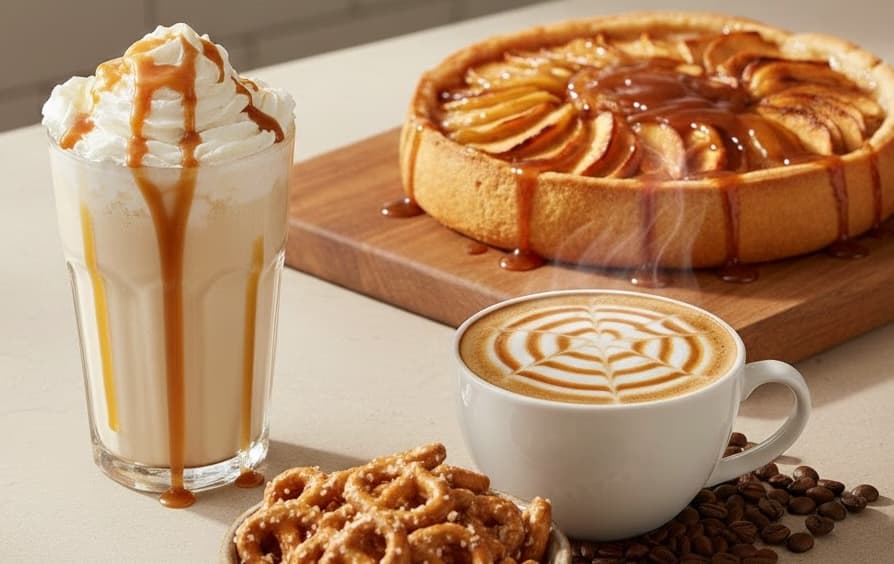
Demand is changing for caramel. Buyers recognize that people no longer simply want sweetness; they are looking for something that feels intentional-premium, clean-label caramel that adds value across categories.
Premiumisation & indulgence
Caramel buying is shifting from impulse to intention, with shoppers drawn to deeper flavors like salted, toasted, or plant-based sauces. When taste feels deliberate, price becomes secondary. Future Market Insights notes that these refined profiles encourage indulgent purchases, giving retailers and distributors room to lift margins while building loyalty through repeat demand.
Clean-label & transparency
Clean-label caramel keeps popping up in sourcing requests, as customers simply want simple ingredients they can recognize. According to Puratos, clean-label means no additives, natural colors, and natural flavors. And natural brown colorants replace traditional caramel color these days. Choose clean-label caramel—no ammonium, no sulphite—and you're already ahead of basic SKUs.
Health & Dietary Shifts
With lower sugar, dairy-free, vegan, and plant-based versions, brands are now reformulating caramel. Persistence Market Research notes growing demand for natural caramel that fits low-sugar, diabetic-friendly, and keto product ranges. It’s indulgence that doesn’t compromise. If you are a distributor, having sugar-reduced caramel sauces or vegan caramel fillings in your portfolio will keep your catalog relevant.
Multi-category applications & cross-channel growth
These days, caramel finds its way into beverages, bakery toppings, snack coatings, plant-based dairy, RTD drinks, and even savory glazes. Diversity is appreciated by consumers. According to Mordor Intelligence, beverages are the fastest-growing segment for caramel ingredients, reaching close to 10.5% CAGR by 2030. Serving several categories helps buyers spread risk and find new volume opportunities.
Opportunities & Future Outlook
Opportunities in caramel aren't vague. They're specific shifts buyers can use to win. Growth is leaning toward cleaner labels, premium formats, and smarter sourcing decisions that actually protect margin.
Premium over volume
Rather than chase cheap volume, buyers are moving to premium caramel formats. Clean-label caramel, gourmet fillings, and specialty textures let you charge more and justify the price. Consumers pay for "intentional indulgence." Basically, premium SKUs move faster and build loyalty. Volume might look big on paper, but premium brings real margin. Early adopters benefit the most.
New end-use channels
Caramel is everywhere — bakery, iced coffee, RTD drinks, snack coatings, plant-based dairy, even sauces. If you spread your supplier portfolio across categories, you reduce dependency on one channel. Retailers like having SKUs that move in multiple sections. Caramel works across these because it plays well with texture and flavor. Simple logic: more categories equate to more sales.
Region-diversified sourcing
Buyers now build region-diversified supply plans, rather than relying on a single source. Sugar volatility, shipping costs, or surprise tariffs can throw your landed cost off balance. You absorb the shock of all those things if you source caramel ingredients from multiple regions; it's basically risk insurance. Importers that plan ahead avoid frantic scrambling during price spikes or trade disruptions.
Clean-label caramel as a competitive edge
Clean label caramel is becoming a spec line, not a "nice to have." When a product has no ammonium, no sulphite, no artificial colours, buyers feel confident placing it on shelf. Transparency boosts trust. Consumers want ingredients they understand. If you offer clean-label caramel, you're not just selling sweetness, you're selling credibility.
Co-development & formulation support
Suppliers that help with recipe development win more projects. Sometimes a brand needs a unique viscosity or faster melt. Co-development solves those small problems that block launches. When a distributor connects a brand with technical support, it becomes a partner-not just a supplier. And that-somehow-leads to repeat orders and long-term contracts.
Torg's Top-Rated Caramel Suppliers
1. MRS TASTE – Brazil
Mrs. Taste focuses on sauces and syrups that feel indulgent without the guilt. They develop low- or zero-calorie products, making them valuable partners for retailers catering to health-conscious shoppers. The product line includes salad dressings, barbecue sauces, and flavored syrups. In essence, they make "better-for-you caramel-style options" that still taste good. Somehow, they make healthy feel exciting.
2. ALVIN CARAMEL COLOURS (INDIA) PVT. LTD. – India
Alvin Caramel Colours is known for caramel colour, liquid burnt sugar, and invert syrup. They've been supplying manufacturers for decades, which says something about reliability. Their strength is in consistency and safe colouring properties. If you need natural caramel colours or a clean-label direction, Alvin fits that requirement. They are liked by buyers for affordability and reliable lead times. Evidently solid.
3. METAROM BENELUX SA – Belgium
Metarom develops gourmet caramels, flavour solutions, and customized aromatic blends for brands that want something unique. They don't just sell caramel; they co-develop. If a formula requires a specific aroma, viscosity, or texture, it's adjusted. In short, great for R&D-driven buyers. Sustainability and clean-label caramels make Metarom very attractive in premium product lines.
Conclusion
The caramel market is evolving, and the early adapters win. Clean-label caramel, premium formats, and flexible sourcing are not trends; these are actual purchasing requirements today. Retailers, distributors, and wholesalers who understand this can position caramels as value drivers, not just another line item on the price sheet. Basically, the opportunity is right in front of us. Brands are searching for caramel that feels intentional with simple labels, better flavor, predictable supply. If you choose suppliers who support co-development, offer multiple formats, and can handle documentation, you stay ahead of the curve. The market isn't slowing down. It's evolving. And apparently, the smartest players are evolving with it.
Request a Bulk Order Quote
Simple ordering, transparent pricing, delivered straight to your door