



Global Butter Market Outlook: From Artisanal to Functional
Explore the evolving global butter market, from premium and artisanal trends to supply-chain shifts, new formats, and future growth opportunities.
200+ buyers trust Torg for sourcing







The global butter market is moving in directions that many buyers and distributors didn’t expect. Some days you’re seeing demand for classic blocks, then the next day cafés want artisanal cultured options or functional blends. It’s now a mix of tradition and new preferences. The industry is no longer driven by one type of customer, too. There are so many retailers, wholesalers, and food-service players in this sector and they're all shaping it together. So the question now is, where does the growth sit, and which products deserve your attention? This outlook walks you through the changes, the trends, and the suppliers worth knowing.
Size & Segments of the Butter Market
The butter market has been moving in a steady, almost predictable way. There's no sharp swings, no dramatic turns. Just a gradual rise that signals consistent demand. Mordor Intelligence places the market at USD 29.08 billion in 2025, with expectations rising to USD 30.27 billion in 2026 and USD 35.52 billion by 2030. The report also notes this tracks at around a 4.08% CAGR, showing a category that isn’t rushing ahead but isn’t slowing down either.
Another analysis from Maximize Market Research paints the picture with slightly wider strokes, projecting the market to move toward USD 60.73 billion by 2032 with a similar growth pace. Different calculations, same conclusion: the category isn’t fading; it’s maturing.
For buyers and wholesalers, this kind of growth often signals a market that rewards steady involvement rather than big risks. You don’t need to chase rapid swings; you just need to stay present, adjust your assortment when needed, and let the category work in your favor over time.
Market Segmentation
Butter has split into several clear segments, and each group carries its own demand pattern. Let’s break it down in practical terms, with direct sources linked for transparency.
By Product Type
- Un-cultured butter still leads in global revenues, but cultured butter is picking up speed because consumers enjoy sharper, richer flavour notes. You can see the data here:
By Source (Animal-Based vs Plant-Based)
- Animal-based butter holds most of the market — over 92% in the previous years — but plant-based butter alternatives are rising quickly, with a projected ~9.52% CAGR through 2030. This is where vegan, flexitarian and specialty retailers come into play.
By Salt Content
- Salted butter may hold 64.33% of the market, but the real momentum is with unsalted butter, growing at around 4.76% CAGR. Its appeal is shifting as more buyers want a “blank slate” product they can adapt to different recipes, menus and diets.
By Packaging / Distribution
- Blocks and cubes remain the workhorses of the category, but plastic boxes and newer packaging formats are gaining ground — especially in retail settings. Off-trade channels still carry most of the revenue (~77.82%), but food-service is quietly accelerating.
Regional Insights
- When you look at where butter demand and production are moving, the regions tell their own stories. Europe still holds a strong position, taking around 34.37% of global revenue in the last couple of years.
- But the fastest momentum isn’t coming from Europe. Asia-Pacific is on track for about 5.63% CAGR through 2030, driven by higher household spending, a fast-growing café scene and the steady pull of Western-style baking across major cities. You’ve probably noticed how bakeries and food chains in the region have been multiplying and butter demand tends to follow.
- Production-wise, Europe remains the heavyweight. No surprise there. The region has the dairy infrastructure, the long-standing tradition and the premium segment locked in. When you look at trade activity and how consumers are picking up new products, Asia-Pacific stands out as the region many buyers are watching closely. It’s clear why the interest is building. More variety, more food-service growth, and a wider appetite for premium or functional butter formats.
- Still, the flow of goods has its own hurdles as supply-chain disruptions continue to shape global movement. Limited dairy-fat availability, high freight costs, and policy shifts keep affecting trade routes. And yes, some of these moves feel abrupt. Russia sourcing butter from the UAE and Turkey, as reported by Reuters, is one example of how quickly supply can reroute when pricing and availability tighten.
Supply Chain Highlights & Trade Flows
- Entering 2026, milk output stays heavy, so butter availability stays comfortable while consumption grows slowly, and this imbalance fills cold stores, eases spot pricing, and pushes buyers and sellers to renegotiate longer contracts with more flexible volumes and timing options.
- After peaking last year, butter prices cooled, which helps retailers in the short term, yet squeezes processors and exporters, forcing sharper cost discipline, route reviews, and selective customer focus where margins still make sense under changing market conditions globally today.
- Europe’s butter exporters face tighter math in 2026, because higher energy costs, financing rates, and uneven currencies narrow margins, so suppliers shift attention to nearby markets, favor shorter routes, and avoid long-haul deals that no longer justify added risk exposure.
- Butter trade priorities change this year, since forecasts tilt toward cheese and powders, leading Western European exporters to scale back butter volumes, free up cold storage, adjust freight plans, and reserve capacity for faster-moving dairy categories during peak shipping windows.
- Milk availability remains the main lever, because flat farmgate prices and solid collections give processors room, yet decisions now depend on whether butterfat delivers better returns than diverting streams into cheese vats or milk powder plants under regional demand signals.
- Import demand in Asia-Pacific stays important, but buyers act carefully, comparing New Zealand, U.S., and European offers, watching transit times, currency moves, and price spreads before committing volumes for contracts extending through 2026 amid uncertain consumer demand and inventory positions.
What’s Driving Butter Demand Today?
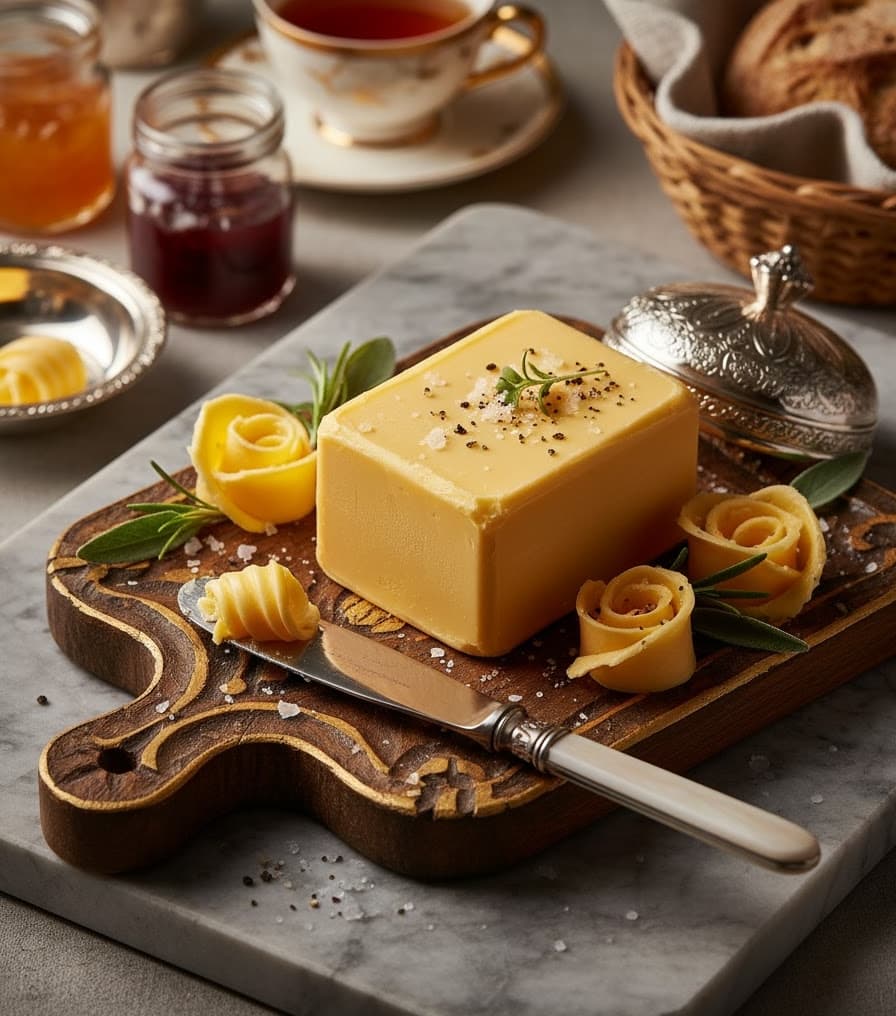
Butter demand keeps shifting, and the reasons aren’t always obvious at first glance. People buy for taste, convenience, health or even curiosity. When these habits change, wholesalers, and retailers feel it quickly. So it helps to look closely at what’s shaping the category right now and why certain formats gain traction faster than others.
Premiumisation & Artisanal Interest
Premium butter keeps pulling ahead because shoppers want something with more personality. They look for grass-fed stories, small-batch makers, richer flavours and cultured options that feel special. Some bakery buyers even say these products “lift the whole recipe.” If margins matter to you, this segment opens doors. Consumers are paying for character, not just fat content, and they don’t mind.
Health & Clean Label Influence
More buyers check labels now, and that’s changing what moves on shelves. Simple ingredients, minimal processing, and plant-based butter alternatives all carry more weight. Some people want dairy; others switch between both, depending on the day. Offering a mix helps you cover those shifts. Clean, clear, and familiar labels speak louder than claims, which is why these options keep winning space.
Growth in Home Baking & Foodservice Usage
Home baking never really slowed down, and cafés keep multiplying, so butter naturally stays in demand. Bakers want consistent performance; households want something reliable for everyday use. Foodservice operators also lean toward formats they can trust during peak hours. When retail dips, baking, or café orders often rise. It’s a cycle that keeps the category balanced and moving forward.
Functional and Value-Added Formats
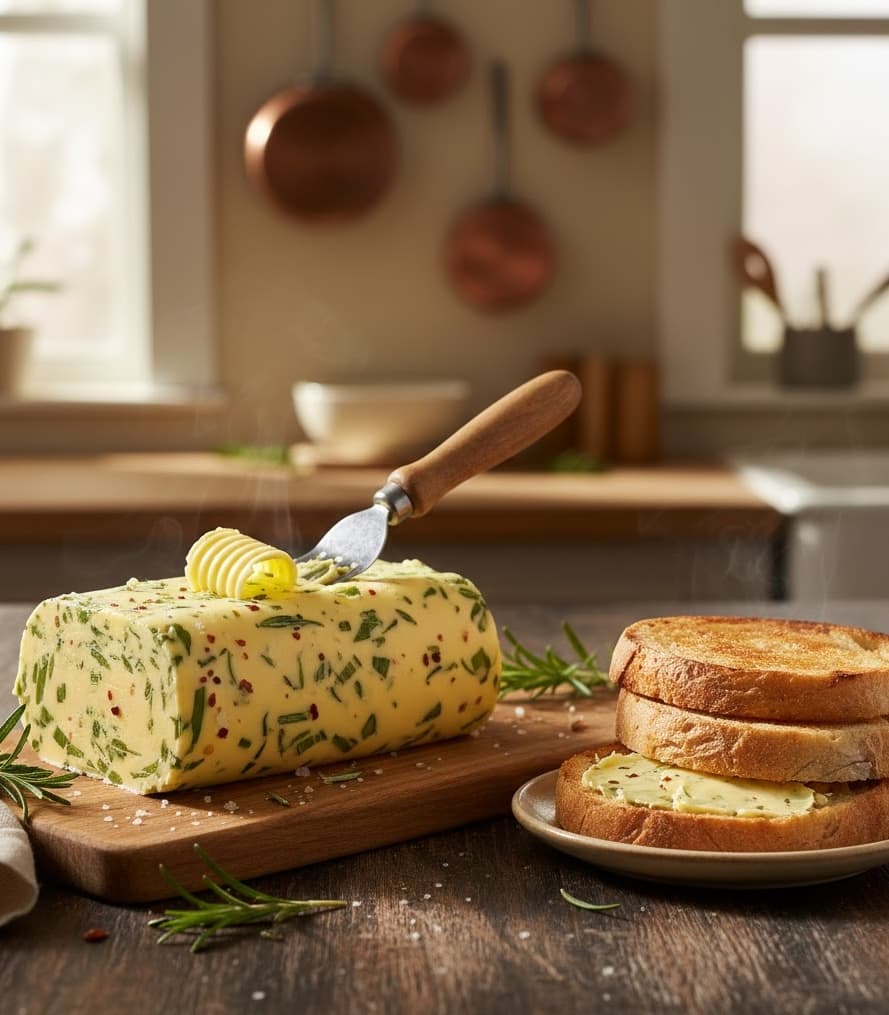
More butter varieties now carry specific benefits — added omega-3s, live cultures, infused herbs, flavoured blends, and dairy-free versions for special diets. These formats appeal to shoppers who want convenience with a twist. Some call them “little shortcuts” that elevate dishes. For distributors, these innovations create reasons for clients to test new SKUs and keep assortments fresh throughout the year.
New Moves, New Formats in Butter
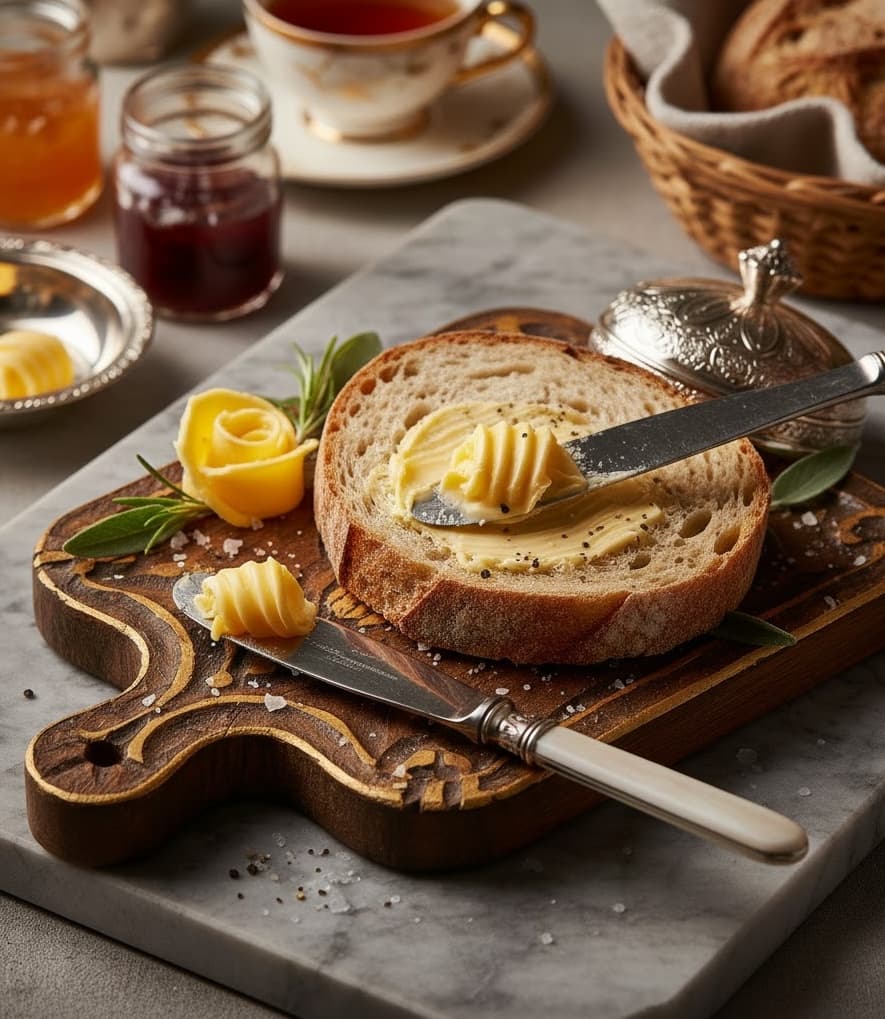
Butter’s landscape keeps shifting, and today’s global market brings its own set of changes. Some shifts slip in without much noise, while others are hard to miss. Either way, anyone involved in sourcing or distribution has to pay attention to the forces pushing demand forward and the pressures building on the supply side. Here’s what’s coming through the market right now.
Rising Lactose-Free Butter Options
More shoppers are picking butter that feels easier on the stomach, while still tasting familiar. Producers respond by fine-tuning processing, smoothing texture, and widening shelf presence. The shift is not about limits, but flexibility, which quietly pulls in new buyers across homes, cafés, and professional kitchens this year globally now.
New Leadership, New Focus
Fresh leadership often resets direction. New executives lean toward foodservice demand, tighter customer feedback, and quicker product decisions. That change shows up in smarter pack formats, cleaner logistics planning, and butter offerings shaped for restaurants, bakeries, and wholesalers coping with narrow margins and constant cost pressure across many global markets.
Butter in the Spotlight of Nutrition Guidelines
Nutrition guidance updates have shifted the tone around butter. Instead of warnings, conversations now focus on balance and portion awareness. Brands adjust labels, serving cues, and education, aiming to meet shoppers where they are, rather than pushing extreme claims that feel out of step today for everyday eating habits everywhere.
Export and Production Trends Evolve
Butter movement across borders looks more measured this year. Producers weigh returns carefully, choosing nearby buyers and stable demand. While output holds steady, trade routes shift toward predictability, shorter transit, and relationships that reduce surprises, instead of chasing distant volume with uncertain follow-through during changing regional supply cycles right now.
Where the Butter Market Is Headed: Opportunities & Outlook
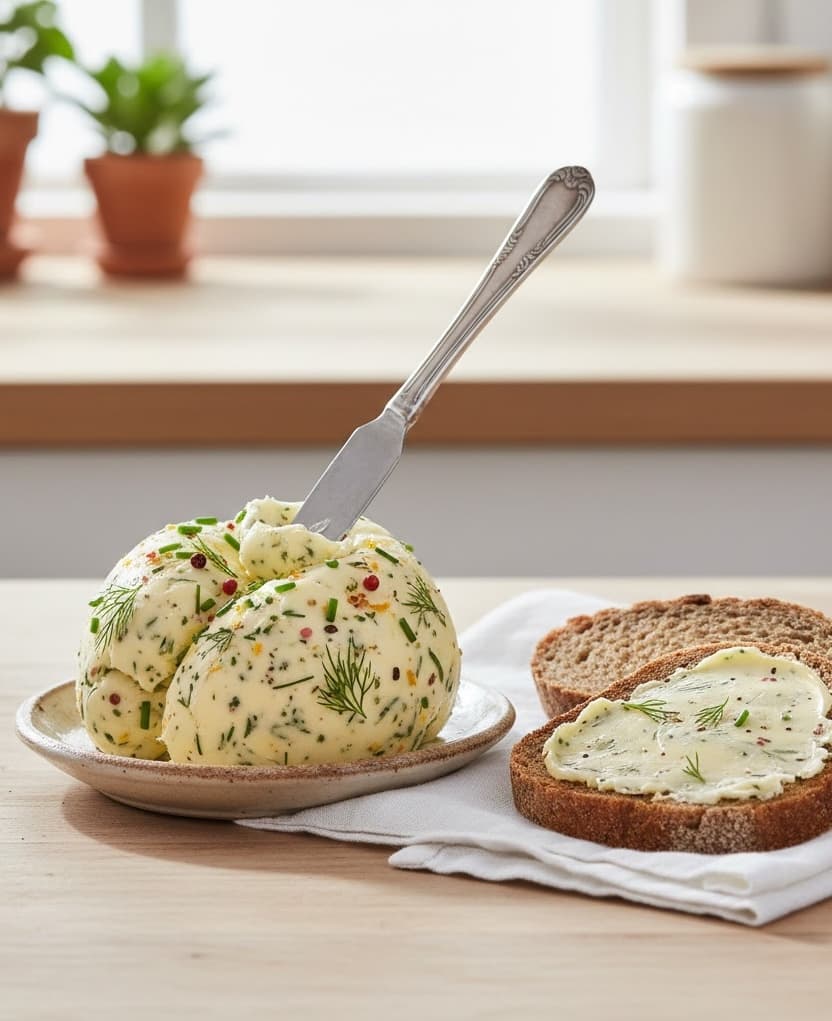
The butter market keeps moving, sometimes in steady waves and sometimes in quick turns. Certain trends cool off while new ones rise without warning. The real task is figuring out which shifts deserve attention now and which ones are likely to influence buying patterns later on.
Premium and Artisanal Expansion
Premium butter keeps finding loyal buyers, especially in cafés, bakeries, and shops that want richer stories behind their products. Grass-fed and origin-linked varieties make shoppers lean in because they feel more personal. These options can lift margins without forcing major changes to assortment size. They also help retailers build categories that feel curated instead of routine.
Plant-Based and Alternative Butters
Plant-based butter keeps gaining ground as more shoppers look for variety rather than strict rules. Some use dairy one day and a plant-based spread the next, which keeps both categories active. Improved recipes now hold up well in cooking and baking. Stocking both types lets distributors stay balanced when customer choices swing in either direction.
Emerging Markets Growth
Asia-Pacific continues to grow faster than most regions, helped by rising incomes and the spread of café chains and bakeries. Importers exploring new directions often test APAC first because the region welcomes premium and functional butter formats. It’s worth asking if expanding there or sourcing from APAC suppliers could help balance supply, cost, and long-term resilience.
Innovation in Formats and Flavours
Innovation keeps the category moving. Herb infusions, flavoured blends, functional mixes, and compact gourmet tubs all appeal to shoppers who want small upgrades without extra effort. These products give retailers something fresh to rotate in, especially during seasonal changes. Even one or two new SKUs can shift how a category feels on the shelf.
Food-Service and Industrial Growth
Food-service groups, bakeries and large processors still account for huge butter volumes. They need consistent performance and dependable supply more than novelty. This makes the segment valuable for wholesalers aiming for stable contracts. When retail sales fluctuate, these clients provide the kind of predictable movement that keeps inventory flowing and production schedules steady.
Risk-Management Through Smart Sourcing
Supply disruptions can surface quickly, whether from freight delays, energy costs, or shifting milk output. Diversifying suppliers helps soften the impact and gives you room to adjust when one region slows down. Think of it as keeping a few “open lanes” in your back pocket. The businesses that stay steady tend to plan before the pressure builds.
Torg’s Top Picks of Butter Suppliers
Tipperary Co-Operative Creamery Ltd – Ireland
Tipperary Co-op approaches dairy with the calm confidence of a producer that has been around for generations. They work across powders, cheeses, and specialty butters, offering steady quality and reliable output. Their commitment to sustainability and practical formulations makes them a strong partner for buyers who want dependable supply, clear standards, and products that perform well across multiple business segments.
Netherend Farm Ltd – United Kingdom
Netherend Farm focuses on practical, well-crafted butter made with local cream and steady traditional methods. The result is a clean, reliable flavour that customers recognise. Their range spans salted and unsalted portions, butter rolls, organic options, and ghee. They suit buyers who want dependable products, clear origins, and formats that work in both everyday retail and busy food-service settings.
👉 Contact Supplier
Laiterie Les Fayes – France
Laiterie Les Fayes works with nearby farms to keep its milk supply fresh and predictable, reflecting the region’s dairy roots. Their lineup includes UHT milk, multiple cream styles, white cheese, fresh cheese, and butter. Buyers value them for steady performance, a clear French identity, and products that adapt easily to retail shelves, restaurant kitchens, or wider production needs.
Final Thoughts
One thing that stands out in the butter market today is how personal the category has become. Buyers aren’t only comparing prices; they’re choosing textures, origins, and formats that fit very specific needs. It’s a little like watching a familiar ingredient find new identities in different corners of the industry. Some distributors follow the premium wave, others lean into functional blends, and a few work both lanes at once. What ties all of it together is the search for reliability in a market that changes in small, steady steps. When sourcing supports that search, the rest tends to fall into place.
Request a Bulk Order Quote
Simple ordering, transparent pricing, delivered straight to your door