



Breakfast Cereal Market: From Bowl to All-Day Snack
Explore the breakfast cereal industry’s market growth, consumer trends, supply chain insights, and innovation ideas for buyers and suppliers.
200+ buyers trust Torg for sourcing







Glance around the cereal section for a minute and you'll see it's different. The garish cartoon boxes? Fewer. The whole cereal business? Sure, it’s still there, but it doesn’t tell the same story anymore. The noise has toned down. Labels speak plainly, ingredients read cleaner, and new names keep showing up, each trying to claim a corner of the shelf. The cereal game is changing. Trendy behavior on diet, convenience, and lifestyle are pretty much re-writing the rulebook. For the retailers, distributors, and buyers, this is not a good time to get too comfortable. Every choice—from product placement to sourcing—really counts now. The next couple of years will determine who retains shelf space and who dies away. So what's going on under all of this? Let's unpack it.
The Global Breakfast Cereal Market Landscape
In 2025, the breakfast cereal market was valued at about USD 42.83 billion and is expected to edge up to USD 44.35 billion in 2026, reaching roughly USD 58.58 billion by 2034. This gradual rise reflects ongoing demand for convenient, ready-to-eat breakfast options.
No one's really sure how quickly the market's going to shift as consumer fads are no longer so easy to pin down. People nowadays are more finicky, ingredient costs go up and down, and little brands are shaking up territory that was once held by a few giants. The market is not "chaotic," yes, but it is most certainly unpredictable.
Latest Developments
The cereal category is in a reset phase. Health cues are getting louder, nostalgia still pulls weight, and shoppers are more open to trying unfamiliar brands. While big names feel pressure, smaller players move faster, setting the tone for where cereals are headed next:
- Health-forward repositioning. Kellogg's and General Mills, the old guard, are streamlining their act, ditching sugar, adding in more fiber and protein, and slapping on some fancy functional twists like probiotics & omega-3s. The point is cereal has to be more than just something to scoop into a bowl these days.
- Niche challengers gaining share. You’ve probably seen them online, brands such as Magic Spoon or Three Wishes. They sell lifestyles as much as cereal. Their no-sugar, high-protein message hits perfectly with young adults, gym-goers, and those chasing “clean eating.”
- You'll see a load of innovation in both flavour and format. You've got to think about the holiday specials now - the cereals that come out with all sorts of wacky dessert or pie flavours. There are the pumpkin, the cinnamon toast, and then the chocolate & marshmallow mixes. Those limited edition flavours really make the cereal aisle a fun place to shop.
- Mergers and acquisitions. Large amounts of money are in motion. When Ferrero said it would buy WK Kellogg's cereal operation for more than USD 3 billion, the stock rose 30%. Old-line operations, previously considered stagnant, are now sizzling assets once again.
- Declines in mature markets. Conversely, however, in the U.S., yearly cereal production revenue has been creeping lower, approximately –1.5% annually. Smoothing-out competition from smoothies, breakfast bars, and meal replacements is nibbling into the breakfast routine.
Standing still, obviously, is not an option. The firms that are succeeding today are those that try things out (some crash and burn, others succeed) but they all act quickly. The others? They stand to get stuck between the nostalgia of the past and the hopes of a generation to come that would like cereal to mean more than just a breakfast cereal.
Regional Trends and Insights
Cereal is not universal in its growth. It's local, cultural, and climate-specific. Let's examine it closer.
- North America. Still the giant, still fighting. Forecasts put it at growing by about USD 14.7 billion between 2025 and 2029 (about 7.4% CAGR). But there's a catch: younger buyers are avoiding the traditional bowl. They want quick eats, portable packs, or protein-rich alternatives. Older cereal boxes are not vanishing, but they're no longer breakfast's pet.
- Europe. Expansion here occurs at a slower pace. The emphasis is on niche cereals such as organic, gluten-free, whole grain-rich. Innovation is toward "better-for-you" over fancy flavor. Saturation in Western Europe compels brands to niche out.
- Asia-Pacific and emerging markets. That's where the action lies. Urban habits, busy breakfasts, and growing incomes are driving a rapid shift to convenience food. India, China, and Southeast Asia are growing well, especially where breakfast previously implied cooking. Convenience is gaining hearts, one by one pouch at a time.
- Latin America, the Middle East, and Africa. Even developing markets, but not without promise. Local grains, affordability, and familiarity are key here. Local brands that fit into local eating habits rather than replicating Western models have a better chance.
If you're a distributor or retailer operating across regions, you're already familiar with what sells in London won't necessarily sell in Lagos.
Supply Chain, Trade, and Production
- Raw material pricing & margins: The average price for corn is around $4.70 a bushel, but if we look at the futures market during harvest season, prices are more like $4.31 per bushel leaving farmers with very little room to work with when it comes to making a profit. On top of that, some cereal products have been going up by as much as 9.1% year on year in certain markets, and the main reasons for this are a lack of grain and sky-high logistics costs.
- Export volumes & trade forecasts: International cereal trade is gearing up for a boost in 2025/26 with a predicted 497.1 million tonnes of trade on the cards. Wheat exports are tracking strongly, and are expected to rise by around 9.5 million tonnes, while the US corn export figures were already eye-catching at 71.7 million tonnes for the 2024/25 season, with a further 4% rise on the horizon for 2025 and 2026 to reach a staggering 75.0 million tonnes.
- Trade shifts & tariffs: Something significant just arrived: from April 2025, the EU imposed a 25% tariff on US corn imports as a response to U.S. trade policy. That knocks US corn out of competitiveness in certain European markets. On top of that, China ended up diverting or delaying the arrival of around 600,000 tonnes of wheat imports (mostly from Australia) in the year 2025, because they just happened to have more than enough wheat sitting around in their local stores.
- Supply & yield: The EU bumped up its forecast for soft wheat production in 2025/26 to roughly 136.4 million tonnes, which is a good sign that grain supplies are going to be up this season. Concurrently, world cereal stocks (at end-2025 to early 2026) are forecast at ~900.2 million tonnes and the stocks-to-use ratio at around 30.6%.
- Corporate and capital shifts: WK Kellogg is committing USD 200 million in 2025 to upgrade supply chain activities to defend margins and enhance efficiency.
Popular Cereal Types in the Market
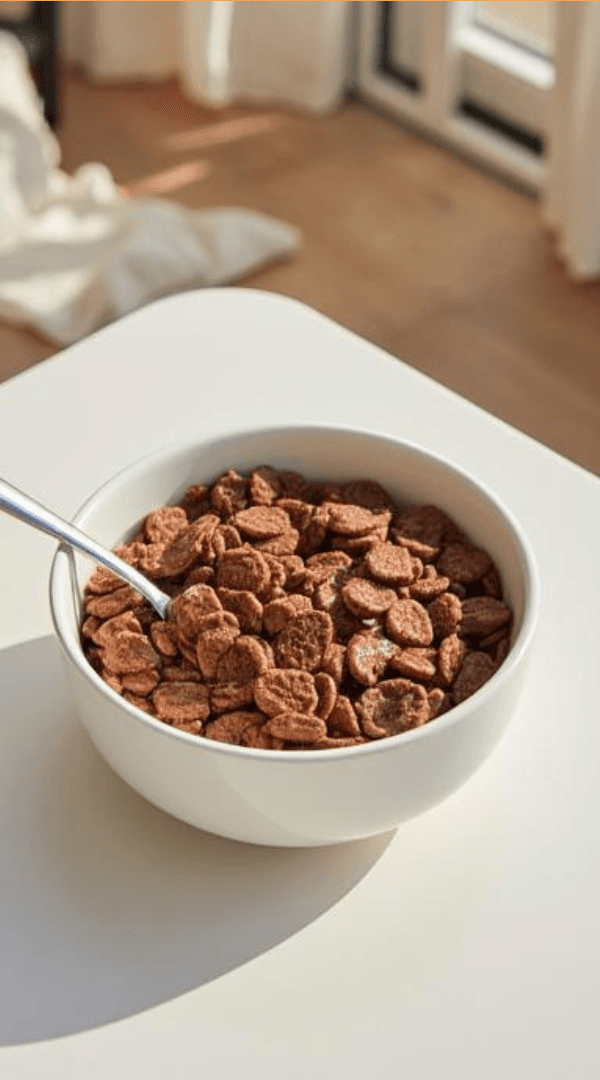
Breakfast cereal isn't consumed the same anymore. Some continue to sit down with a bowl; others take it handfuls at a time during a morning rush. The market's splitting apart with different groups, different habits, different tastes. Each niche has its own beat, and somehow, they all exist together in the same aisle.
Ready-to-Eat (RTE) Cereals
The oldies but goldies continue to dominate with flakes, puffs, and multigrain clusters. No cooking, simply pour and serve. They account for around 70–80% of cereal sales in mature markets. But consumers have changed. People actually read packaging now. Too sweet? Out they go. So, brands turn their attention to cleaner formulations like "high protein”, "whole grain", "naturally sweetened." The crunch remains, the guilt disappears.
Hot / Ready-to-Cook Cereals
This is where wellness intersects with warmth. Oats, millet, rice, or porridge blends, those are straightforward, filling, and somehow reassuring. The hot cereal category is stealthily gaining ground, even set to overtake RTE growth in the near future. Oats, specifically, are ubiquitous. From morning bowls to social media feeds. They're affordable, health-conscious-looking, and amazingly adaptable.
Muesli, Granola & Clusters
This section of the shelf is high-end. Nuts, seeds, fruits, and ancient grains, all ground together in blends that humans now munch on throughout the day. Margins are improved too as consumers see them as "real food." Granola, in particular, has moved from specialty to mainstream. It's breakfast, dessert, and snack, all in one crunchy blend.
Specialized / Functional Cereals
Here’s where cereal meets wellness. These aren’t just breakfasts anymore. They’re practically supplements. Think added protein, fiber, vitamins, probiotics, and even adaptogens. You’ll see keto, vegan, and plant-based versions fighting for space. Basically, people want cereal that does more than feed them. It’s about a function that affects energy, digestion, immunity, and mood. It’s breakfast with a purpose.
Snack-Cereal Hybrids
Not everyone sits down to breakfast anymore. Welcome to cereal bars, bite-sized packs, and resealable bags. The "anytime cereal" phenomenon exists, particularly among younger consumers. They graze throughout the day and demand food that goes with them. Companies are adapting to smaller packages, crisper textures, and dessert-like flavors. Cereal's new persona? Transportable, relaxed, and infinitely snackable.
Key Consumer Trends
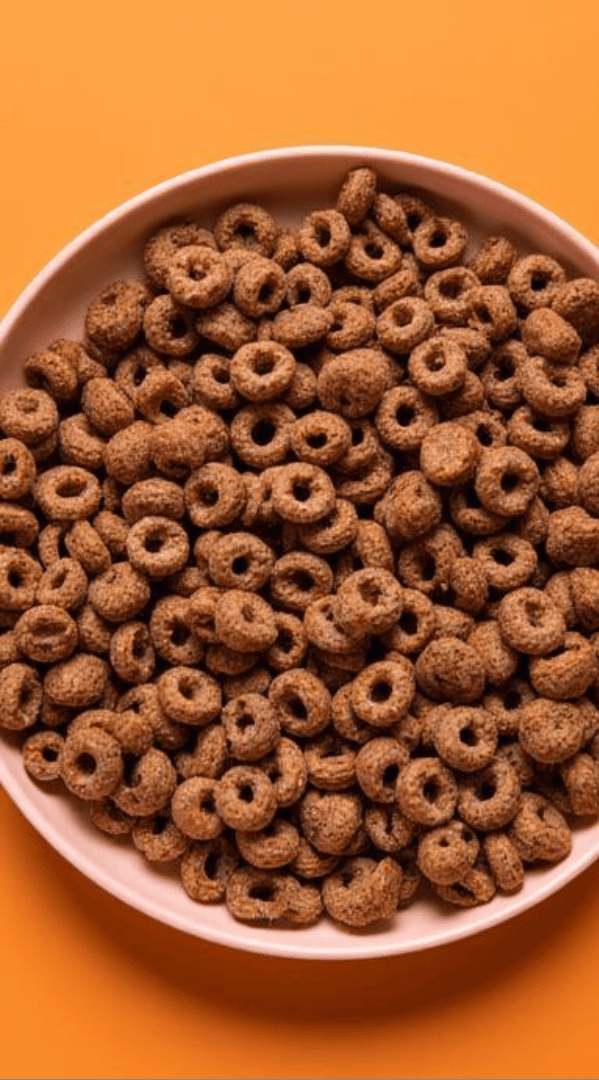
Breakfast has changed. Cereal isn’t gone. It’s just wearing a new face. Health, hurry, and a hint of nostalgia decide what stays on the shelf. What’s really shaping those choices today?
Health, Nutrition & Clean Labels
Labels speak louder now. Not the ads, not the colors, just the words. “Whole grain.” “High-protein.” Say those, and the deal’s half done. Add sugar or some strange additive, though, and the curtain drops. Simplicity wins. Clean labels, clear minds. Even probiotics and fiber are having their moment. People want breakfast that feels smart. Not overprocessed, just honest.
Snacking Behavior & Meal Flexibility
Morning no longer owns cereal. It’s drifted into desks, gym bags, and late-night cravings. Some toss it over yogurt, others crown their smoothie bowls with it. Dry, straight from the box, it’s now a snack with no schedule. Breakfast just became optional. This versatility allows more product form and serving options. Cereal somehow made a break from the kitchen and into lunchboxes, gyms, and office drawers.
Nostalgia & Premiumization
Nostalgia is still a sell. Timeless flavors and retro packaging evoke memories of childhood, but the customer today demands a cleaner, improved formula. One-time runs or retro collaborations keep things fresh. Somewhere between vintage and polished, that’s the trick. Nostalgia, but not dust. You want the past to whisper, not weigh. Old-fashioned, yes. Outdated, never.
Personalization & Micro-Targeting
Cereal now bends to lifestyle. Keto. Vegan. Gluten-free. Low-FODMAP. Pick your lane, it follows. Choice isn’t a perk anymore. That's the point. Brands are using micro-targeting to match health goals with product offerings. The closer they get to personal relevance, the stronger the loyalty. Consumers love feeling like a product was made “just for them.”
Digital & E-Commerce Channels
Increasing amounts of cereal are being purchased online today via D2C websites, subscriptions, and even influencer marketing. Reviews, TikTok taste tests, and "what I eat in a day" videos actually influence purchasing decisions. For retailers, digital is no longer optional. It's the primary platform where emerging cereal trends first erupt.
Value Sensitivity & Private Label Growth
With inflation and more constrained budgets, value is important again. Private label cereals are growing quickly, particularly when quality is on par with name brands. However, premium offerings still have their place when they offer cleaner ingredients or distinctive flavor. Shoppers aren't merely seeking inexpensive. They're looking for something worthy.
Future Outlook for the Breakfast Cereal Market
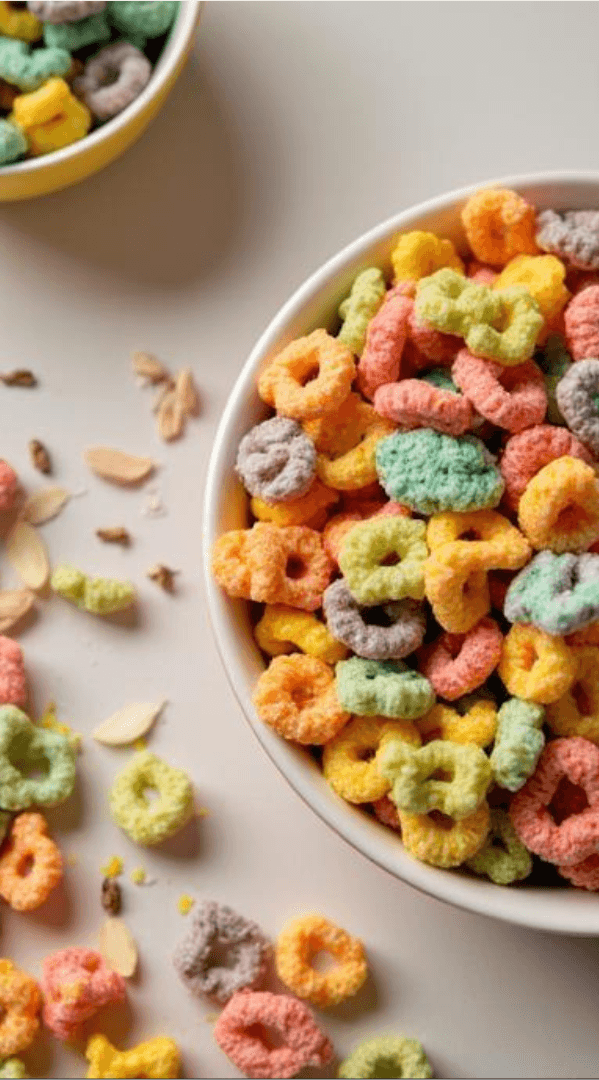
The way consumers shop, consume, and converse about cereal has changed, and that wave is becoming a tide. So what lies ahead? Let's unpack.
Increased Segmentation & Tiering
Basically, the cereal aisle is about to get more layered. We’ll see clearer lines between mass, mid-premium, and functional or boutique brands. The low end will keep chasing affordability, while high-end players focus on clean ingredients, creative flavors, and design that feels “crafted.” Each tier comes with its own playbook with different packaging, tone, and pricing logic. Somehow, cereal is starting to behave like skincare or coffee: one product, many lifestyles.
Pressure on Traditional Players
Legacy brands? They're in trouble. Smaller upstarts go faster, move quicker, and market more intelligently. Consider direct-to-consumer drops, real-time feedback loops, and ingredient transparency that genuinely feels authentic. And meanwhile, the legacy brands are still retrofitting. Transactions like Ferrero acquiring WK Kellogg for USD 3 billion are evidence of that change, large brands are purchasing agility rather than incubating it from the ground up. Those who do not adapt may simply disappear into nostalgia.
More Integration Throughout the Value Chain
The unsung heroes will be those that tighten their whole system right from their sourcing, manufacturing, packaging, supply chain. Businesses investing in end-to-end control can more easily manage price fluctuations, weather problems, and international shipping snafus. It's not sexy, but it's intelligent. Integration essentially equals predictability, and during a volatile market, that's greater than hype.
Convercence with Alternative Breakfast Options
To be honest, cereal is no longer the sole competitor on the breakfast plate. Smoothies, protein shakes, overnight oats, yogurt parfaits, even energy bars, they're all in the same convenience race. Some cereal companies already have this in sight. They're introducing mixes that serve as toppings or shakes, entering the "meal replacement" space. The astute brands will begin not thinking within the box, literally, and become lifestyle food companies instead.
Attention to Generational Behavior
Younger consumers (especially Gen Z) don’t have the same cereal nostalgia. Many skip breakfast altogether or grab something fresh and portable. They don’t care about the tiger on the box; they care about the story behind the brand. They want cleaner labels, less sugar, and packaging that looks good on a kitchen counter. If you’re not online or talking their language on TikTok, you’re invisible. Brands need to meet them where they scroll, not just where they shop.
Global Supply Risks and Climate Impact
Climate patterns are shifting, and grain supply chains feel the hit first. Droughts, floods, and crop losses have pushed cereal grain prices up in the past years, and that’s unlikely to calm soon. Add in sugar taxes and new labeling laws, and you’ve got more cost pressure on every box. Firms with diversified sourcing — firms that can switch between zones or recreate quick — will remain afloat. Those that don't? They'll be left sitting there watching their profits disappear.
Torg’s Top Breakfast Cereal Suppliers
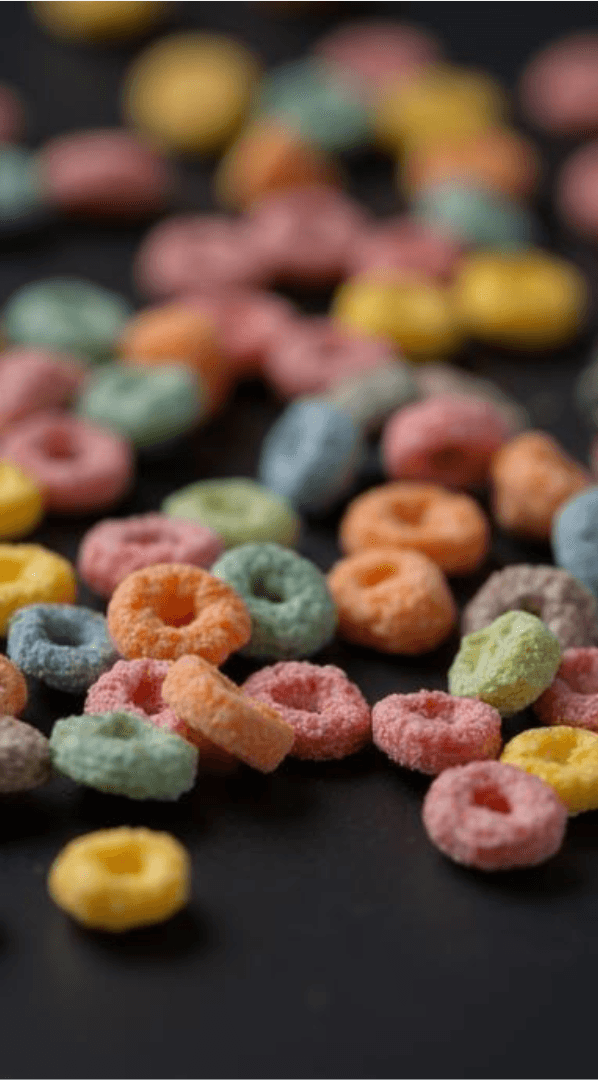
1. CIE 2AMERIKS / Plant-Based Protein / Private Label (Canada)
2 Ameriks is a low-key powerhouse. A Canadian company, they offer private label and custom manufacturing. Their product range ranges from gluten-free pasta to breakfast cereals produced with cleaner, smarter ingredients. They blend tech and nutrition in a way that simply makes sense—plant-based, protein-packed, and ready for international buyers.
2. JSC "Naujasis Nevėžis" (Lithuania)
Lithuania's Naujasis Nevėžis is one of the largest dry cereal makers in the Baltics. They've got that balance of fun and quality such as Chocolate Donuts, Bran Flakes, multi-grain bars, the whole shebang. For some reason, their cereals taste both retro and cutting edge. It's comfort food, but refined. Retailers rely on them for consistency and innovative flavor deployment.
3. SproutLife Foods Private Limited (India)
Famous for its Yoga Bars brand, SproutLife Foods is one of those Indian businesses changing the face of "healthy breakfast." Their mueslis, cereals, and protein snacks are clean, gluten-free, and constructed with real ingredients you can pronounce. They have an excellent balance of taste and nutrition. Essentially, wellness in everyday guise, without overthinking.
Conclusion
For breakfast cereal consumers and suppliers, they must now read the room differently. Health, convenience, and personalization are no longer side notes but the real main story. Essentially, the brands that move quickly to adapt win. Those that hold on to old practices? They'll lose shelf space before they know what's happening. Innovation, cleaner sourcing, and smarter packaging are now non-negotiable. And with online channels of sales dominating, information has been as precious as corn. The fact is, cereal is not dead. Say, it's just waking up to a new type of morning. The ones who pay attention will notice the actual opportunity arriving.
Request a Bulk Order Quote
Simple ordering, transparent pricing, delivered straight to your door