



Aloe Vera Market Growth: Clean Label Trends Driving Demand
Aloe vera demand is rising as clean-label, wellness and multi-category products grow. Explore market trends, regional shifts, and sourcing opportunities.
200+ buyers trust Torg for sourcing







As of today, brands lean on aloe vera for clean-label claims. Also shoppers recognise it instantly and manufacturers like how flexible it is across skincare, drinks, and wellness products. For buyers, distributors, and retailers, the question isn’t whether aloe is still popular but how fast it’s moving into mainstream categories and which formats to source. This article breaks down the market landscape, growth patterns, regional strengths, innovations, and the opportunities shaping what aloe vera could mean for your assortment in the next few years.
Global Aloe Vera Market Overview
Aloe vera extract is moving from a “nice to have” ingredient to a regular part of daily products. In 2025, the market stood at USD 2.51 billion. It can climb up to USD 2.74 billion in 2026, and it is expected to reach about USD 5.54 billion by 2034, growing at a 9.24% CAGR.
And what is driving that pace? Awareness spreads fast. People hear about digestive support, skin calming, and hydration, then try it for themselves. At the same time, shelves fill with cleaner labels, plant-forward skincare, and aloe-based drinks that feel familiar, not experimental. “Natural” carries weight now, and aloe fits that story without much explanation. As food, beauty, and wellness overlap more each year, aloe quietly becomes part of everyday routines.
Market Segmentation
Once you break the market into workable segments, you start seeing where the real opportunities sit.
By nature — conventional vs organic
Conventional aloe still holds the larger share—about 67% in 2024, according to Mordor. It’s cost-effective and easier to source. But the organic segment, growing near 7.8% CAGR, is gaining momentum as brands simplify ingredient decks and retailers raise their clean-label standards.
By product type
Aloe moves through the supply chain in different shapes. There are gels, liquids, powders, concentrates, capsules, and extracts. Liquids remain the dominant format, but gels are being pulled forward by personal-care categories, while powders and extracts appeal to beverage and nutraceutical brands looking for longer shelf life and easier freight planning.
By application
Skincare and personal-care products still absorb most of the global volume – 48%+ share in the previous years. But the faster action is in food and beverage, growing around 7.7% CAGR, where aloe adds functional appeal to drinks and digestive-health blends.
For sourcing teams, these segments don’t behave the same. A supplier focused on whole-leaf gel isn’t automatically suited for beverage-grade extract or powder. Certifications, solvent disclosures, purity levels, and processing steps vary, so aligning the right supplier to the right end-use becomes its own part of supply-chain planning.
Regional Insights
Asia-Pacific
APAC’s footprint keeps widening. Industry analysts see the region at about 39.37% of the market. That's a momentum pointing toward 7.79% CAGR through 2030. Supply is anchored by India, China, Thailand, and Indonesia. Although the uptake continues to build in South Korea, Japan, and Australia. The region scales well, though buyers still screen growers carefully to keep batches consistent.
North America
North America’s interest centers on aloe products that feel clean, simple and well-documented. Market reports say the region is heading toward USD 525.0 million by 2033. The growth often comes from beverages, supplements, and skincare lines that are built around transparent sourcing. Vendors who show clear farm-level and extraction proof usually move through approvals quicker.
Europe
European demand sits lower than APAC but remains steady and premium-oriented. Regulations shape what enters the market, so organic certification, solvent details, and traceability are frequently requested. Sustainability pushes the conversation further—lighter packaging, verified farms, and compliant documentation help suppliers stay in rotation with major retailers.
Latin America
Latin America plays both producer and end-market. Aloe fits well into personal care and after-sun ranges, especially in Mexico and Brazil. Growth comes in smaller steps, but enough to keep aloe products on shelf resets across major retailers. Warm climates and daily care routines keep usage steady.
Middle East & Africa
While still a smaller region, interest is widening. Aloe shows up in skincare, after-sun care, and wellness drinks, often influenced by tourism and climate. South Africa remains a meaningful producer. Gulf markets focus on premium imports and gradually adopt tighter guidelines on ingredient transparency.
Supply Chain & Trade Insights
- Inventory and price dynamics stayed soft into 2025, with aloe extract powder prices flat or easing in Europe and North America as stockpiles ran higher than usual and downstream demand held back buying. Importers took advantage of competitive offers while keeping fresh orders measured.
- Production costs held steady last year, and that carried into early 2026, since growers in India and other key regions saw good yields, which helped keep raw material costs from spiking even when downstream interest fluctuated.
- Downstream restocking patterns shift by season. Summer months saw buyers rebuild inventories ahead of promotions, especially for hydrating skincare and beverage blends that use aloe, which could cue uneven quarterly flows in 2026.
- Regional balance keeps shifting east to west. Asia-Pacific producers continue to anchor global aloe output, while buyers in Europe and North America pull more volume for hydrating and functional products, steadily redirecting export lanes and contract priorities.
- Variety is driving logistics complexity. With aloe extract showing up across drinks, foods, cosmetics, and wellness products, suppliers manage more formats and standards at once, which pushes transport, storage, and compliance planning to become more layered throughout 2026.
- Freight expenses remain sensitive. Because raw gel carries a lot of water weight, transport turns costly fast, pushing processors toward powders, and higher-solids extracts to lighten loads and reduce spoilage risk in transit.
- Certification demands are also rising. Organic and non-GMO farms report longer verification cycles, particularly when preparing shipments for markets that expect strict clean-label credentials.
- The industry’s pivot from whole-leaf gel to more processed formats comes with extra steps—drying, extraction, filtration—which add cost and coordination across suppliers.
Altogether, the signals point in one direction: teams managing aloe programs benefit from flexible sourcing formats, early contracting, and diversified logistics routes to stay ahead of shifting cost curves and compliance requirements.
Understanding Buyer Behavior & Key Trends
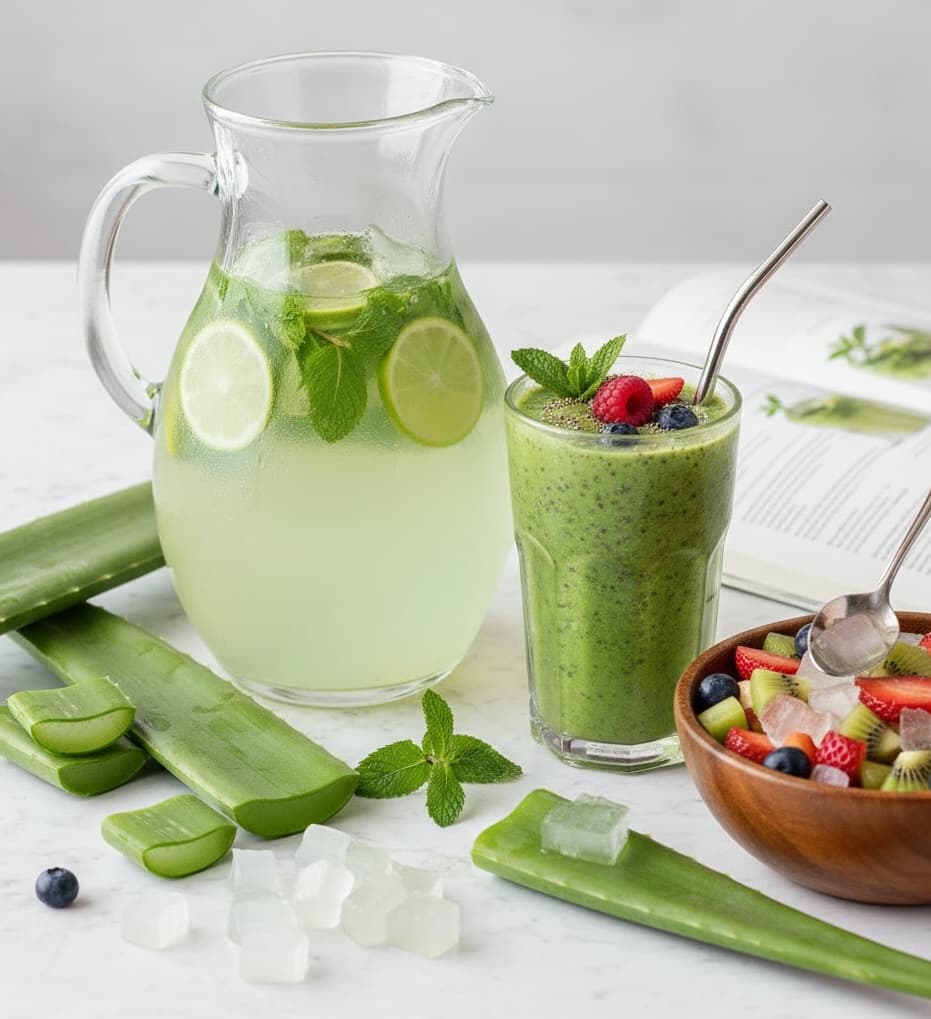
People are choosing aloe vera with more intention now. They look for products that feel clean, familiar and useful across different routines. It helps that aloe fits wellness, skincare, drinks, and supplements without needing heavy explanation.
Clean-Label & Plant-Based Credentials
People gravitate toward aloe when labels highlight plant-derived inputs, organic farming, or minimal additives. Brands building functional beverages or natural skincare rely on these claims for trust. Retailers look for suppliers offering steady documentation, consistent batches, and clear certificates so product teams don’t deal with reformulations or last-minute compliance issues during listing cycles.
Multi-Category Usage
Aloe vera moves easily between categories—gels, drinks, capsules, topicals and even pet formulations. This flexibility helps buyers simplify supplier lists. One partnership can cover several formats if specs are aligned. It’s practical for teams handling retail, DTC, foodservice, or wholesale programs because the ingredient behaves predictably once processing levels and purity requirements are set.
Premiumisation + Everyday Use
Demand forms two lanes: refined extracts for premium lines and blended gels for everyday items. Both stay relevant. Retail teams usually carry a split assortment, so margin targets and price ladders stay balanced. Aloe works well here because quality can scale up or down without losing its core appeal, giving planners room to test new SKUs safely.
Functional Ingredients in F&B
Aloe shows up more in drinks and functional blends as regulations open doors—for instance, certain aloe forms accepted as flavouring agents under U.S. FDA guidelines. Beverage formulators value aloe for gut-friendly positioning and easy flavour pairing. Distributors sourcing for F&B need tighter specs than cosmetic-grade supply, plus reliable concentrate or powder formats to avoid stability issues.
Sustainability & Ingredient Traceability
Climate sensitivity puts aloe farming under closer review. Producers using better irrigation, fair-farm contracts, or tracked harvest data gain interest from brands that want cleaner ingredient chains. Wholesalers prefer these suppliers because traceability reduces risk, improves compliance checks, and helps answer retailer questions quickly. It also supports long-term reliability when weather shifts create uneven seasonal output.
Opportunities & What Comes Next
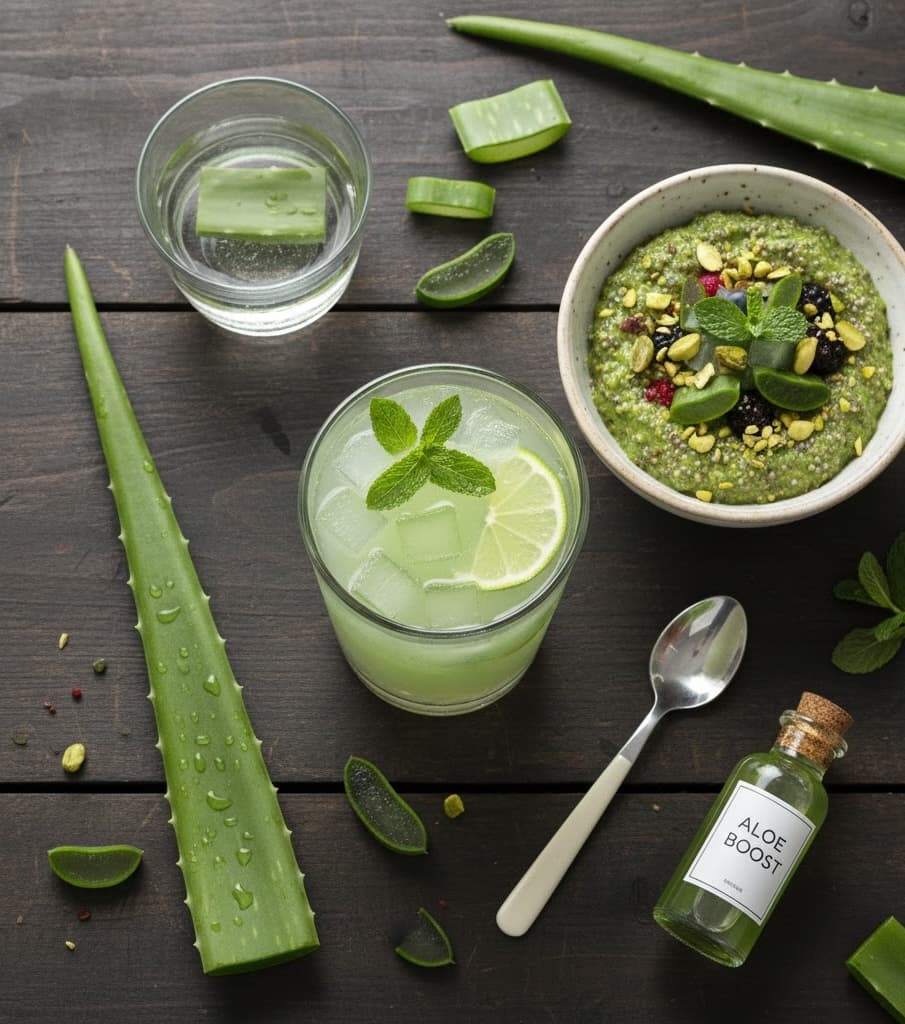
Aloe vera keeps opening new angles for growth, especially as cleaner ingredients move into daily routines. Buyers seeing early traction know the category can scale fast when sourcing and format planning stay flexible.
Strategic Entry Points
Emerging regions still offer wide open lanes for early movers. In Asia-Pacific, Latin America, and parts of Africa, aloe products blend easily into growing wellness habits. As retail networks build out, aloe drinks, gels, and topical formats land with less friction, giving distributors a chance to lock in visibility before competition becomes heavier.
Private-Label and Flex Formats
Retailers want aloe that can shift across categories—drinks, gels, blends, sachets. Flexible pack sizes and white-label options help teams fit aloe into store brands without long development cycles. Suppliers offering small pilot runs, co-formulation support, and stable specifications tend to secure repeating orders as retailers refresh seasonal or wellness-focused assortments.
Premiumisation of Aloe Uses
High-purity extracts, organic certifications, and cleaner processing methods help brands position aloe in premium lines. These upgrades often bring stronger margins and clearer consumer trust signals. Buyers collaborating with suppliers who document purity levels or offer verified farming practices can use those details to differentiate products in crowded wellness, skincare, or beverage segments.
Sustainability-Driven Sourcing
Water-efficient farms and regenerative cultivation push aloe toward stronger sustainability credentials. Buyers wanting transparent sourcing prefer suppliers who track field data, harvesting methods, and processing footprints. These details matter in markets where retailers evaluate environmental criteria during tenders. Better sustainability records also reduce compliance checks and strengthen long-term procurement stability.
Subscription & DTC Models
Aloe-rich drinks, gel sachets, and skincare bundles adapt well to subscription platforms. Consumers appreciate the habit-building convenience, while brands like predictable replenishment cycles. Distributors supporting DTC fulfillment—smaller packs, faster dispatch, stable concentrates—help suppliers hit repeat-purchase targets and test new aloe formats without committing to wide retail rollouts.
Cross-Category Diversification
Aloe’s versatility lets distributors cover several verticals at once: beverages, personal care, OTC wellness, sports nutrition, and even pet care. This spread reduces reliance on any single category. When suppliers maintain consistent specs across formats—gels, powders, concentrates—buyers can map aloe into multiple ranges and respond quickly when demand shifts within adjacent markets.
Torg's Top Picks of Aloe Vera Suppliers
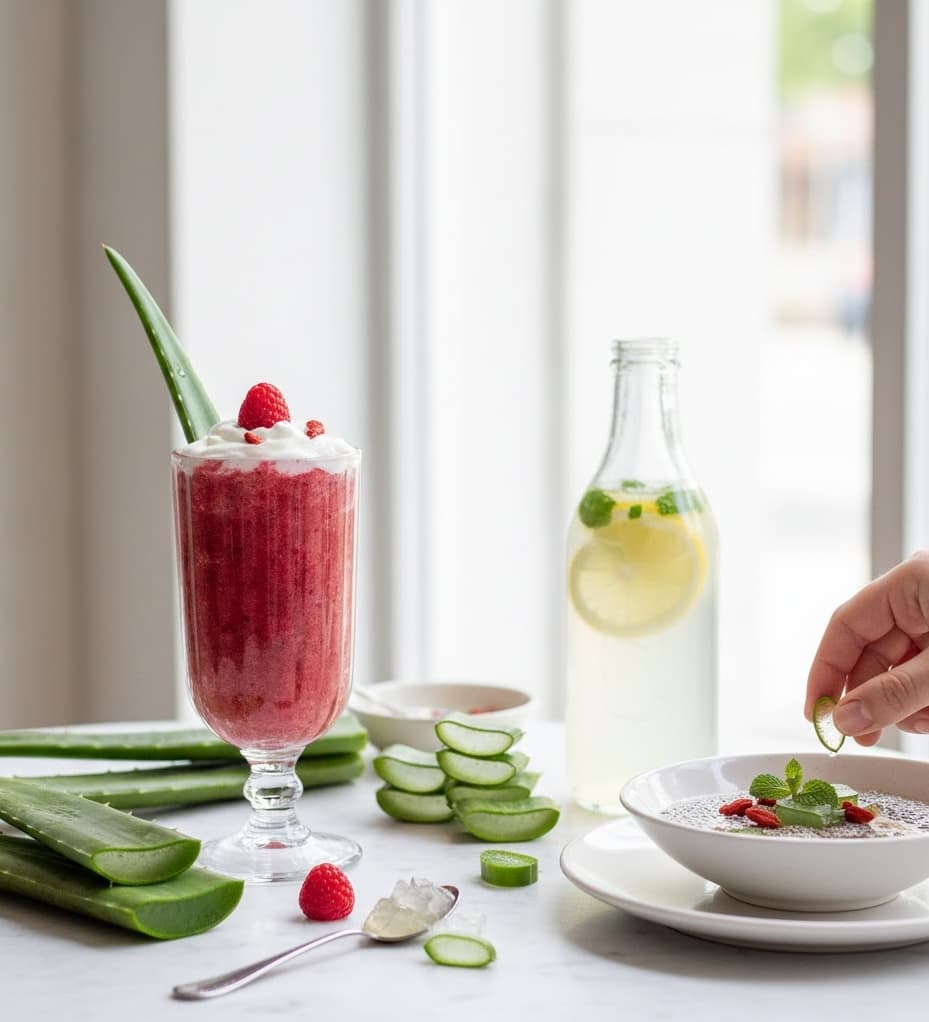
Mother Herbs Private Limited – India
Mother Herbs partners with growers across India and keeps aloe vera sourcing surprisingly straightforward. They supply gels, powders, and extracts with clear batch specs and steady output, which helps avoid last-minute reformulations. Their setup also supports private-label projects, giving buyers room to shape formats without running into long onboarding cycles or unclear documentation.
Aloevonderweid – Azienda Agricola Il Pucino – Italy
Aloevonderweid grows Aloe Arborescens and Aloe Vera in Sicily, keeping production close to the farm so quality doesn’t drift. They offer juices, gels, fresh leaves, and small-batch items made with minimal processing. Teams wanting European origin, tight traceability, and cleaner growing conditions tend to find their range easy to align with wellness lines or premium skincare builds.
Mosaico Verde – Spain
Mosaico Verde sources aloe vera alongside essential oils and plant-based ingredients from regional plantations, keeping traceability front and centre. Their certifications help brands meet cosmetic or supplement requirements without extra back-and-forth. With flexible order sizes and reliable purity levels, they suit buyers wanting stable sourcing, simple paperwork, and a supplier that doesn’t complicate routine replenishment.
Wrapping Up
The aloe vera market keeps widening, and its momentum feels steady enough for teams planning long-term portfolios. Clean-label habits, wellness routines, and multi-category demand give aloe a natural place in everything from drinks to skincare bases. What matters now is how you shape your sourcing play—whether that means locking in certified farms, building flexible format options, or pairing suppliers by region. The category isn’t flashy, but it moves with purpose, and buyers who prepare early tend to secure better consistency, better pricing and smoother replenishment cycles as aloe shifts deeper into mainstream shelves.
Request a Bulk Order Quote
Simple ordering, transparent pricing, delivered straight to your door