How are energy drinks manufactured?
Energy drink production starts by mixing water, sweeteners, caffeine, vitamins, minerals, and flavorings. The blend is carbonated (if necessary), pasteurized, packaged, and labeled. Commercial plants maintain uniform energy drink formula quality and regulatory compliance.
Who are the best suppliers for private label Energy Drink in Europe?
The best private label Energy Drink suppliers in Europe include TOPI IMPORT-EXPORT SRL, XL Energy Marketing Sp. z o.o. Zakład Produkcyjny w Mławie, Twizza (Pty) Ltd - Queenstown and Choconasa - Comércio de Representacoes. These Energy Drink companies are known for their premium Energy Drink, flexible private label services, and efficient production, meeting the growing demand for high-quality, customizable Energy Drink products.
What are the top Energy Drink trade shows?
Trade shows are essential for networking and discovering new trends in the energy drink market. Some notable ones include the Anuga Food Fair in Germany and the SIAL Paris Show in France. These events are excellent for connecting with energy drink suppliers and sourcing the latest innovations. They provide an invaluable platform for understanding market trends through direct engagement with industry leaders.
What are the top Energy Drink trends in 2025?
Current trends in the energy drink industry include a rise in organic and vegan options as well as premium products targeting niche markets. The ability to produce energy drinks in bulk for foodservice and retail sectors is also increasing. Suppliers are focusing on healthier ingredients and sustainable practices. These trends are appealing to b2b buyers looking for innovative products in the European and Mediterranean markets.
What are the top certificates for Energy Drink?
In the energy drink industry, certifications like GACC, FSSC 22000, IFS, and BRCGS are critical. These certifications ensure the product's safety, quality, and compliance with international standards. Energy drink manufacturers with these certifications are often more reputable and trusted by professional buyers. Ensuring your supplier holds these credentials can streamline your procurement process.
What are Energy Drink packaging options?
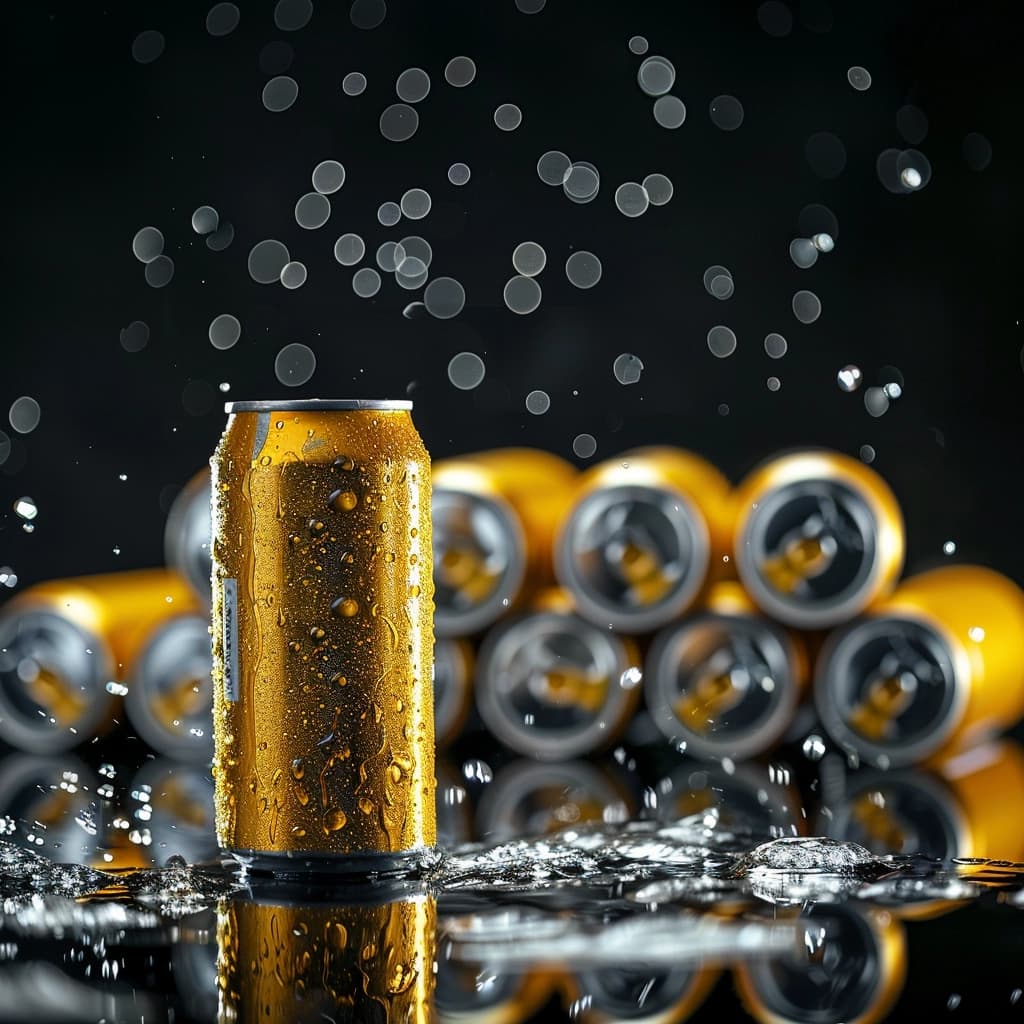
Packaging options for energy drinks vary widely, catering to different market needs. Common choices include cans, bottles, and tetra packs. Whether you're sourcing energy drinks for retail or wholesale, selecting the appropriate packaging is crucial. It reflects brand identity and meets functional needs, such as ease of storage and transport. Sustainable and innovative packaging options are trending among energy drink suppliers.
What are the top Energy Drink producing countries?
In the world of energy drinks, key markets include Germany, Italy, Spain, and Poland. These countries are known for their robust manufacturing capabilities and advanced production techniques. If you're searching for a b2b energy drink supplier, these nations are prime locations to consider. They offer a variety of certified producers that meet global standards.
Is an energy drink a soda?
Energy drinks are soft drinks—but not sodas. They include stimulants such as caffeine along with vitamins and possibly sugar substitutes. Their functional nature and composition distinguish them from regular soft drinks.
What are energy drinks ingredients?
Standard ingredients consist of caffeine, taurine, B-vitamins, guarana, sugars or sweeteners, flavorings, and possibly herbal extracts. Premium versions incorporate added vitamins, adaptogens, or zero-sugar profiles to address health-minded demand.
How much does it cost to manufacture an energy drink?
Costs of production vary greatly depending on ingredients, packaging, and quantity. Large-scale production by common energy drink providers may be $0.30–$0.70 per can. The best vitamin energy drink blends or specialty energy drink formulation company services will be more expensive.
What are Energy Drink minimum order quantities (MOQ)?
Minimum order quantities in the energy drink sector vary based on brand and label type. For branded products, MOQs typically range from 2,000 to 5,000 units. Private label products require higher MOQs, often between 200,000 and 300,000 units. Understanding these requirements is crucial for efficient sourcing and maintaining a seamless supply chain.
What is the strongest energy drink in the world?
Energy drinks containing 320–550 mg of caffeine per can, such as Bang, Reign, or SQLite's Shock Drink, are among the most potent. These high-caffeine energy drinks are produced by specialized energy drink producers and frequently marketed for performance or extreme consumption.