



20 Best White Label Products to Start Your Own Brand (2026)
Learn what white label products are, how to launch your own brand, and explore the best products to sell in 2026.

200+ buyers trust Torg for sourcing







Creating a brand doesn't necessarily require starting everything from zero. A lot of founders nowadays take existing products as a starting point and then they transform them into something that looks like their own, is relevant, and ready for the market. White label products are the answer to this. This business model is the silent driver of many online stores, beauty brands, SaaS platforms, and even the top brands.
This guide is to help entrepreneurs, ecommerce sellers, buyers, and product managers make sense of the situation before jumping in. You will learn the real meaning of white labeling, how it is different from private labeling, which products will be selling well in 2026, and how to find dependable partners. By the end, you should be able to determine whether this business model suits your goals and how to go about it with fewer mistakes.
What Are White Label Products?
White labeling is a business model where a generic product or service created by one company and rebranded by another to sell as their own, typically with custom packaging, logos, and labels. This allows businesses to sell products without investing in manufacturing process or research and development.
Think of it like this: one third party manufacturer might produce the same high-quality skincare cream for multiple brands, but each brand sells it in its own packaging, with its own logo, name, and story behind it. To the customer, it feels like a product created by that brand—when in reality, the core formula is the same.
White labeling allows businesses to launch and scale quickly without the hefty production costs. It’s especially popular in industries like beauty, health, tech accessories, supplements, and home goods—where getting a product to market fast can be the key to staying ahead of trends.
White labeling is also the foundation of private label products—those sold exclusively by one retailer, both online and in stores. Many well-known e-commerce brands use white labeling to offer curated, branded product lines that stand out from competitors.
Private Label vs. White Label
Private label products are designed to be the products of one brand only, usually with specific formulations, materials, or features. White label products operate from a common model. Several brands may sell the identical product but with different brand names, packaging, and positioning. Pretty straightforward concept. However, the decision can still determine almost everything like the price, the time of the launch, etc. So, it is definitely a wise decision to not rush and take a closer look.
White Label Products
White label works best when speed matters. You start with something proven, then stamp your own name on it. Branding, tone, and distribution do most of the work here because these products are already tested. Manufacturing processes are in place and compliance is usually already handled, so that means fewer surprises and faster launches. For new brands or teams asking, “Will this even sell?”, this model lowers the risk.
White label products also make sense when trends move fast. Miss the timing and the moment passes. With white label, you can move while the window is still open.
Key traits:
- Faster time to market
- Lower upfront investment
- Easier scaling across regions
- Limited product-level customization
Private Label Products
Private label is more about having control and responsibility. You are the one deciding the ingredients or materials of the product, its function, and the way it differentiates from others. A private label is perfect for companies that already have a solid connection with their customers and just need a certain product in their line.
The process is slow, the expenses are high, and the production is not simple as it requires more communication, testing, and adjustment. However, many would argue that the result is worth the effort. A private label product cannot be easily duplicated, and that is very important in products with many competitors.
Many established brands choose this path once they’ve validated demand. At that point, the question shifts from “Will it sell?” to “How do we protect it?”
Key traits:
- Exclusive formulas or designs
- Stronger differentiation
- Higher setup costs
- Longer development timeline
Difference between white label and private label
Aspect | White Label | Private Label |
|---|---|---|
Product exclusivity | Shared with other brands | Exclusive to one brand |
Customization level | Branding-focused | Product and branding |
Time to market | Fast | Slower |
Upfront cost | Lower | Higher |
Best for | New brands, testing ideas | Established brands, long-term plays |
20 Profitable White Label Products to Sell in 2026
Some categories consistently perform well because demand stays steady and branding does the heavy lifting. Below are proven examples of white label products to sell that align with current consumer habits.
1. Ready-to-Drink Beverages
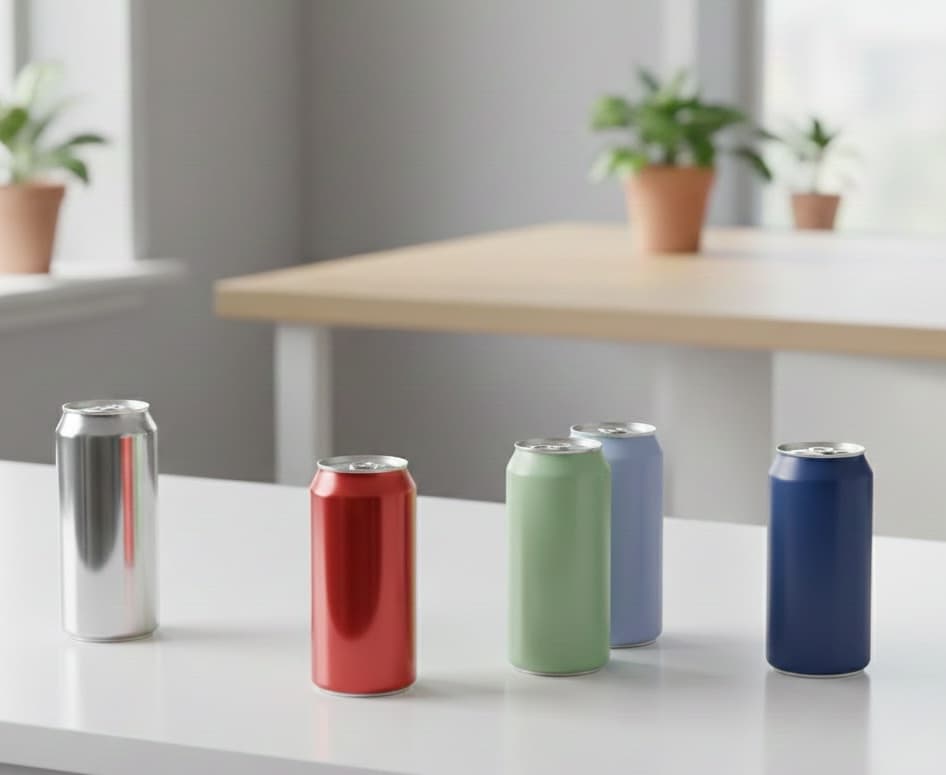
Ready-to-drink beverages succeed because convenience beats intention. Think of how Starbucks turned bottled cold brew into a daily habit, or how niche kombucha brands popped up in gyms and cafés. White label drinks let brands focus on flavor balance, clean labels, and shelf presence while riding routines people already have.
Why it works:
✅ The grab-and-go format fits fast-paced routines
✅ Clear functional benefits align well with current health and convenience trends.
✅ Clean, modern packaging helps the product stand out immediately on crowded shelves.
Want to launch your own brand? Skip the sourcing stress, get matched with reliable white label partners and start building your brand! Sign up for free today!
Request a Bulk Order Quote
Simple ordering, transparent pricing, delivered straight to your door
2. Organic Teas and Coffee

Tea and coffee live inside rituals. Brands like Trader Joe’s private blends or boutique roasters show how origin stories matter. White label organic teas or coffee work when brands spotlight sourcing, roast profiles, and calm design. Once taste clicks, customers stick, reorder, and rarely look back.
Why it works:
✅ Daily consumption habits encourage automatic reorders without heavy marketing.
✅ Strong branding creates emotional attachment that keeps customers loyal over time.
✅ Premium positioning allows brands to charge higher prices without resistance.
3. Natural Supplements
Supplements are one of the most profitable white label products in the UK. From daily multivitamins to trending nootropics and beauty-boosting collagen, while label supplements are in high demand across all age groups.
Supplements offer great profit margins and attract loyal customers who often buy on a subscription basis. Plus, wellness trends are constantly evolving, giving you room to adapt and grow your product line.
With white label supplement, you can skip the complex formulation and production process, and launch your own branded wellness line quickly—tailored to a specific lifestyle, audience, or benefit.
Why it works:
✅ High margins and scalable product options
✅ Strong demand in fitness, beauty, and lifestyle niches
✅ Easy to build customer trust with quality branding
✅ Great for subscription-based or bundled sales

4. CBD Products
CBD oils, gummies, and topicals are still popular in places where regulations are well-defined. White label CBD products, such as those offered by CanniLabs, allow brands to concentrate on the presentation of the lifestyle, serene design, and trust-building language. Buyers often ask questions first, then commit. When handled carefully, margins stay attractive, and storytelling carries much of the selling weight forward.
Why it works:
✅ High demand in wellness and natural health markets
✅ Strong margins, especially for premium and niche products
✅ Opportunities to target both human and pet wellness
✅ Great for building a lifestyle or wellness-focused brand
5. Protein Powders
Protein powders sit between lifestyle and utility. That’s how brands like MyProtein proved that branding can outweigh formulas. White label protein works when flavor, mixability, and digestion feel right. Once customers find “their” shake, they reorder automatically, often moving into subscriptions without needing discounts or reminders.
Why it works:
✅ Fitness-focused buyers tend to stick with products that fit their routines.
✅ Subscription models reduce friction by removing the need for repeat decisions.
✅ Clear benefit claims make purchasing decisions faster and more confident.
6. Skincare Creams and Serums
Across age groups, the sales of moisturizers, anti-aging creams, and serums are still very strong. White label skin care products, like those from Selfnamed, enable brands to concentrate on the packaging, brand story, and niche positioning rather than on the formulation. Consequently, it is now a lot faster to have a new product ready for sale, more transparent pricing, and the exploration of a new market is less overwhelming for first-time founders whether they are working online or offline.
Why it works:
✅ Skincare routines encourage frequent replenishment and predictable reorders.
✅ Branding plays a larger role than formulation in buyer decision-making.
✅ Product bundles naturally increase lifetime value per customer.
7. Makeup Essentials
Foundations, lip tints, and palettes continue to sell well when branding feels personal and visual. Brands like ColourPop showed how quick launches keep customers’ attention high. And that’s how white label beauty products benefit from short trend cycles and strong creator influence. With smart packaging and shade curation, brands can refresh collections often, stay relevant, and encourage impulse buys across platforms worldwide.
Why it works:
✅ Visual-first marketing performs well across social and ecommerce platforms.
✅ Seasonal releases keep collections feeling fresh without major reformulation.
✅ Social proof from creators strongly influences purchase behavior.
8. Hair Care Lines
From shampoos to masks, white label hair products keep growing as companies like Pravada continuously find ways to cater to specific hair types and routines. In this category, brands can move fast, ride trends, and speak directly to small communities. That flexibility helps new labels build trust, repeat orders, and steady revenue without complex development cycles today in many markets.
Why it works:
✅ Hair routines vary by type, which allows brands to target specific communities.
✅ Subscription replenishment fits well with predictable usage cycles.
✅ Trend-driven launches help brands stay visible without long development timelines.
9. Beard and Grooming Products
Oils, balms, and washes appeal to buyers who prefer simple routines and clear benefits. Beard and grooming products are easy to explain, easy to brand, and easy to bundle. Many customers treat them as essentials or gifts, which supports steady demand throughout the year for modern brands, online and offline.
Why it works:
✅ Consumable products drive consistent reorders.
✅ Differentiation comes from packaging, scent, and positioning.
✅ Grooming habits create strong brand attachment.
10. Eco-Friendly Household Cleaners
Eco-friendly household cleaners appeal to buyers trying to reduce waste without overthinking it. These products feel practical, not preachy. White label options, much like what brands such as CleanPak offers, allow simple formulas and quiet branding. Because cleaning never stops, repeat purchases come naturally, while values-driven messaging strengthens loyalty over months, not overnight results for many modern households.
Why it works:
✅ Cleaning products require frequent replacement, which drives repeat sales.
✅ Values-based messaging strengthens emotional connection with the brand.
✅ Growing environmental awareness continues to expand the buyer base.
11. Candles and Home Fragrance
Candles and home fragrances are very much dependent on the emotional side rather than the logical side. Scents have the power to bring back memories, relax the person, and create an atmosphere very quickly. White label options, such as those from Options Ltd, let brands play with themes, seasons, and visuals without complex production. People often shop with emotions first, then justify later, which supports gifting, repeats, and limited collections year-round.
Why it works:
✅ High gifting appeal increases purchases beyond personal use.
✅ Strong visual identity plays well across ecommerce and social channels.
✅ Seasonal scent changes create natural demand spikes throughout the year.
12. Baby Care Essentials
Gentle baby care essentials demand trust, patience, and clear communication. Parents read labels closely and share experiences freely. White label lotions and washes work when messaging feels calm and honest. Once trust forms, families stick around for years, recommend brands naturally, and rarely switch without a strong reason later on.
Why it works:
✅ Parents often stay loyal once they trust a product’s safety.
✅ Safety-focused decisions reduce price sensitivity over time.
✅ Word-of-mouth spreads quickly within parenting communities.
13. Pet Supplements and Treats
Pet supplements and treats sell because animals feel like family. Owners spend with heart first, budget second. There are companies like PetDine that offer white label options, making it easier for those who are interested in white labeling space to target age, size, or lifestyle needs. When pets respond well, customers reorder quickly, leave reviews, and stay loyal longer than expected over time for many households.
Why it works:
✅ Emotional attachment to pets drives spending decisions.
✅ Positive results encourage fast and consistent reorders.
✅ The pet care market continues to expand globally.
14. Phone Accessories
Phone accessories move fast and rarely need explanation. People replace chargers, cases, and cables often. Stores like AmazonBasics even already proved that reliability often beats flair. White label products succeed by following color trends and small design changes. And since prices stay accessible, buyers add them impulsively, bundle them easily, and return whenever devices change or break during everyday use cycles globally.
Why it works:
✅ A broad user base ensures constant demand across device types.
✅ Minimal explanation is needed to justify the purchase.
✅ Bundling accessories increases cart value without resistance.
15. Smart Home Gadgets
Smart home gadgets attract buyers wanting convenience without complexity. Entry-level devices, plugs, and cameras, like those from TP-Link, promise control, savings, or safety. White label options also let brands focus on usability and clean design. As adoption grows, customers expand setups slowly, adding compatible products over time, which supports repeat sales and ecosystem thinking across households worldwide today.
Why it works:
✅ Adoption continues to grow as devices become easier to use.
✅ Practical benefits like safety and convenience justify repeat purchases.
✅ Tech-forward branding signals modernity and reliability.
16. SaaS Tools
Many SaaS brands quietly grow by reselling tools built elsewhere, much like how Semrush offers robust white-label capabilities through its Agency Growth Kit and reporting tools. White label digital products let companies offer software under their own name, set pricing freely, and control customer relationships. Because delivery is instant and updates are shared, margins stay healthy while distribution scales without warehouses, delays, or inventory to manage.
Why it works:
✅ Recurring subscriptions create predictable and stable revenue.
✅ Digital delivery removes inventory and fulfillment costs.
✅ Distribution scales easily without geographic limitations.
17. Marketing Dashboards
Marketing dashboards sell clarity, which is why agencies often white label reporting tools similar to Google Data Studio. White label setups allow branded reports, consistent metrics, and long-term contracts. Once clients rely on the data, switching feels risky. That reliance supports retention, predictable billing, and steady value delivery without constant feature reinvention over time today.
Why it works:
✅ Businesses consistently pay for clearer performance insights.
✅ Branded dashboards feel custom, increasing perceived value.
✅ Client reliance on data reduces churn significantly.
18. Online Courses
Online courses remain attractive because knowledge ages slowly. White label frameworks let creators adapt lessons for different groups, languages, and skill levels, much like Coursera partners do. Updates are easy, hosting is cheap, and delivery never sleeps. When content stays relevant, sales continue quietly, long after launch buzz fades, week after week for many brands.
Why it works:
✅ Delivery costs remain low after initial creation.
✅ Knowledge-based branding positions sellers as authorities.
✅ Evergreen topics continue selling without frequent updates.
19. Fitness Apps
Fitness apps thrive on routine and small wins. White label versions focused on home workouts can mirror the Peloton mindset on a smaller scale which then help brands build focused communities around goals. Progress tracking keeps users engaged, while subscriptions can smoothen revenue. Over time, data reveals habits, improves programs, and strengthens loyalty with one workout, one tap, and one shared milestone at a time.
Why it works:
✅ Subscription pricing supports predictable monthly income.
✅ Community features increase engagement and retention.
✅ Usage data improves personalization and long-term loyalty.
20. Ecommerce Platforms
Ecommerce platforms solve a direct problem. White label ecommerce solutions allow fast launches without rebuilding systems, similar to Shopify’s partner tools. As stores grow, integrations deepen reliance. Switching becomes costly, quietly protecting long-term revenue and customer relationships.
Why it works:
✅ Sellers need reliable systems to operate online efficiently.
✅ Continuous updates deepen platform dependency over time.
✅ High switching costs discourage users from leaving.
Benefits of White Labeling for Businesses
White labeling products is a way businesses can speed up their operations, lower their initial costs, and try out new ideas without making a big commitment. It is a good fit for those teams who focus on getting results first, and then refining later. Here are the main advantages of white labeling products:
Faster Time to Market
Speed matters. With white label products, items are already developed, tested, and approved. And that cuts months off launch timelines. Brands can immediately react to trends, seasonal demand, or sudden gaps without waiting on long production cycles. When timing feels right, you can move, list, sell, and adjust quickly.
Lower Upfront Costs
Starting lean reduces pressure. There’s no necessary heavy spend on research, tooling, or manufacturing setup. White label models shift those costs to suppliers, which helps smaller teams manage cash flow. Here, you pay for inventory and branding, not experimentation. And that breathing room matters when sales take time to stabilize.
Focus on Branding
When the manufacturing of the product is taken care of in another place, people start to look more at the presentation and selling of the product. Departments may concentrate on improving the communication, visuals, and customer experience. Eventually, this emphasis leads to customer awareness, confidence, and loyalty, which are usually more valuable than the slight changes in the product that the customers seldom realize.
Steps to Create White Label Products
The process looks simple on paper, yet structure keeps things from falling apart. Each step builds clarity, reduces waste, and helps ideas turn into products people buy, keep, and talk about.
Identify a Market Gap
Every strong launch starts with listening. Scan reviews, forums, and daily complaints. Where do people pause, settle, or compromise? Those gaps matter. White label product development works best when you serve a narrow need clearly instead of chasing everyone at once. Also, smaller audiences respond faster and give cleaner feedback early.
Choose the Right Product
Product choice sets the ceiling. Look beyond trends and ask, “Can this sell next year?” Consider margins, supply stability, and customer habits because the right product fits your brand values and growth plans. If it feels forced, buyers instantly notice. In the end, alignment can save you time, money, and frustration later during scaling phases and launches.
Customize Branding
Branding is where "generic feel" disappears because visuals, copy, and packaging shape first impressions fast. So try to avoid looking borrowed or rushed. Even small choices can signal care. Strong branding helps white label lines feel intentional, familiar, and trustworthy. When customers recognize you instantly, price conversations soften and loyalty builds over time without the need to bombard your audience with promotions and marketing.
Test and Iterate
Start small and stay curious. Launch limited runs, watch behavior, and always ask important questions. What stalled? What sold out? And the feedback from this beats assumptions. Many successful white label brands refine quietly before scaling loudly because at the end of the day, iteration protects cash, sharpens positioning, and builds confidence step by step instead of betting everything on one roll alone.
How to Choose White Label Manufacturers?
Picking the right partner shapes everything that follows because quality, timing, and growth all depend on this choice. So slow down here, ask questions, and compare options. A solid manufacturer makes even the best white label products to sell easier to manage, scale, and protect over time.
Quality Standards
Quality should never be assumed. Never be too shy to ask for samples. Along with this, certifications, testing reports, and batch consistency should be given more importance than mere promises. A dependable supplier will not hesitate to be examined. As a result, when products are consistent every time, the number of returns decreases, reviews get better, and trust increases silently. This steadiness is what's backing up long-term sales rather than short bursts.
Communication
Good communication saves money and nerves. Clear timelines, quick replies, and honest updates prevent small issues from snowballing. If answers feel vague early on, be open-minded and expect some trouble later. Strong partners explain delays, flag risks, and stay reachable. That rhythm keeps launches on track and relationships healthy when pressure shows up.
Scalability
Think further than just your initial purchase. Is this supplier capable of expansion without losing quality or efficiency? Ask about their production capabilities, delivery times, and back-up plans. An ideal white label production company should be able to grow with you, rather than opposing you. Growth should be supported, not causing you extra pressure when the need for products goes up rapidly during peak seasons.
Logistics Support
Shipping delays kill momentum. Manufacturers offering white label products wholesale with logistics support simplify fulfillment. Warehousing, bulk shipping, and regional distribution reduce friction. This matters even more for white label technology solutions that depend on timing and uptime. Smooth logistics keep customers happy and operations predictable, which protects margins over time.
5 Best International White Label Manufacturers
Choosing a suitable international partner for white labeling can be a great help in terms of ease, speed, and reducing the risk factor. All the manufacturers listed below have solid track records, robust quality control measures, and versatile offerings. These companies are facilitators of brand's product launches in the markets of food & beverage, dietary supplements, and cosmetics. They also support brand expansion, regulatory adherence, and international presence.
1. SUNNY CRUNCH FOODS LTD. – Canada
Sunny Crunch Foods has 50 years of expertise in whole foods, granola, keto bars, and beverages. They prioritize ingredient quality and freshness while offering flexible white label solutions. Their support ensures your products hit the market quickly, safely, and consistently, combining nutrition, taste, and reliable service for modern brands everywhere.
2. BULKANNA – USA
Bulkanna specializes in white label CBD products, from capsules to skincare. Their facilities follow strict quality standards, while flexible formulations let brands stand out. By partnering with Bulkanna, businesses access reliable production, regulatory compliance, and customer-focused solutions that help scale CBD offerings with credibility and efficiency across markets.
3. COSMOWAY – Lithuania
With white label and private label cosmetic solutions, Cosmoway is a one-stop provider worldwide. Their research and development capabilities include facial, body, hair, oral, and even pet care products. Companies get the advantage of customized formulas, quality control of the highest standards, and full support from the initial idea to the final product packaging, so it becomes quite easy to introduce a high-end beauty line with reliable quality and customer confidence.
4. RAW CREATION – United Kingdom
Raw Creation is a company that works with fitness and wellness brands to develop supplements, powders, and capsules. They take care of everything from ingredient sourcing to packaging and provide both private and white label options. Being on time with the delivery, maintaining the quality of the product, and offering flexible co-packing services are some of the reasons why Raw Creation is perfect for businesses that are looking for reliability, ability to grow, and getting positive feedback from their customers globally.
5. GUTE KULTUREN GMBH – Germany
Gute Kulturen GmbH is primarily centered on fermented organic vegetables such as kimchi and sauerkraut. They cater to the requirements of both the white label and the private label customers by giving utmost importance to safety, quality, and taste. With their up-to-date plants and various product lines, brands can make a safe entry into the fermented foods market as they can rely on production and have scalable options for worldwide distribution.
Examples of Successful White Label Brands
Many companies used white labeling products, or similar strategies, to grow trust, scale quickly, and stay competitive. Some names you may recognize have used this model in surprising ways, turning simple products into recognitions people reach for again and again.
AmazonBasics
Amazon’s home‑brand essentials range shows how white label products can thrive with strong distribution and visibility. From cables to home goods, these items resonate because shoppers trust the Amazon name paired with reliable performance and clear pricing on a massive platform.
Trader Joe’s Private Label Range
Almost 80% of the products at Trader Joe's are produced by white label suppliers, which can be anything from snack items to drinks. The grocery chain uses this method to maintain a high quality standard and be able to offer new and different products that attract customers, not only for their usual buys but also for limited edition products.
Sephora Collection
Sephora's own line combines trendiness and quality by using white label partnerships to provide the necessary beauty products under one brand, which makes it easier for them to be at the same level with other white label beauty products that can be found in different stores around the world.
Dollar Shave Club
Dollar Shave Club initially sold white label razors with an emphasis on easy-to-use and low-priced razors. Their growth was largely attributed to a marketing stunt that was very successful in grabbing attention, demonstrating the power of using a white label product to boost your branding when you have a strong marketing campaign.
InnovaGoods
Using white label methods, InnovaGoods acts as an online wholesaler and a brand owner, offering a diverse range of products in different markets. Their expansion is a clear example of how white label models can fuel the development of extensive product portfolios and at the same time, ensure a consistent brand image across various categories.
Tips for Success in White Labeling
Starting a white label business can be a great way to establish your brand quickly, but success requires careful attention to a few key strategies. Here are the most important tips to help you thrive:
1. Choose a Niche with High Demand
The foundation of any successful white label business is selecting the right niche. Focus on high demand market and growth potential, such as skincare, health supplements, or eco-friendly products. Do thorough research using tools like Google Trends and Amazon Best Sellers to find trending products that align with your target audience.
2. Focus on Quality
Even though you’re not directly manufacturing the products, product quality is essential for building customer loyalty. Always request samples from potential suppliers to verify the product’s quality and ensure it meets your standards. A reliable supplier with a strong quality control system will help maintain consistency and reduce returns.
3. Build a Strong Brand Identity
In a competitive market, strong branding can lead you to brand differentiation. Develop a compelling brand name, logo, and packaging that appeal to your target customers. A unique brand identity, combined with attractive packaging, can help make your product stand out, even when selling the same product as other brands.
4. Select the Right Supplier
Choosing the right white label supplier is crucial. Research potential suppliers carefully and evaluate their reputation, certifications, and lead times. A reliable supplier with a solid track record in delivering high-quality products on time will be key to your business’s success. Ensure they offer customization options that fit your brand’s needs.
5. Focus on Marketing and Customer Engagement
While your supplier handles production, your primary responsibility is marketing and customer service. Invest in building a solid online presence with a user-friendly website and effective social media marketing. Engage with customers regularly and provide excellent customer support to foster loyalty and repeat sales.
Start Your Own Branded Products with Torg!
Ready to launch your own product line without the headaches of manufacturing? Torg makes it easy to turn your brand vision into reality. As a powerful platform that connects businesses with trusted white label and private label suppliers worldwide, Torg helps you skip the sourcing struggle and get straight to building your brand.
Whether you’re dreaming of selling skincare, coffee, supplements, or eco-friendly products, Torg gives you access to a wide range of pre-vetted suppliers offering customizable products. You can explore options, compare offers, and negotiate directly—all in one place.
👉 Ready to start your own brand? Sign up to Torg and find your ideal white label supplier today!