



20 Profitable Private Label Products to Sell in 2025
Discover 20 profitable private label products to sell in 2025, with tips on sourcing, branding, manufacturing, and launching your private label business.
200+ buyers trust Torg for sourcing





Private labeling keeps gaining traction because it feels like a "cheat code" towards building a real brand without doing it from scratch. You basically skip the part of creating a product from the ground up, you start with something that already exists, then put your own identity on it. You focus on branding, storytelling, and selling. A manufacturer handles the heavy lifting.
Think of it as a chance to build your own label even if you’re starting small. Amazon sellers do it. Boutique founders do it. Even creators on TikTok do it while working from a tiny apartment. And once people realize they can launch private label products without buying machines or learning chemistry, they usually ask: “What should I sell?”
This guide walks through 20 profitable private label products to sell in 2025, how to source them, and what makes them work in real life. Let's dive in.
What are Private Label Products?
Private label products are items made by another company, but sold under your brand name. The manufacturer takes care of production, machines, and formulas. Meanwhile, you handle what customers see which is the branding, packaging, messaging, pricing, and the overall customer experience. Basically, someone else does the heavy lifting. You shape the final identity.
When you think about it, private labeling products have been around for decades. Most shoppers don’t even realize they're buying private label products because the branding looks so intentional and polished. The product already exists. What changes is the label, the positioning, and the story behind it.
Look at a few familiar private label products examples:
- Trader Joe’s snack line
- Target’s Up&Up household essentials
- Costco’s Kirkland Signature everything
- Sephora Collection skincare and makeup
These brands are not mixing formulas in the back room. They don’t operate factories for every single SKU. They simply partner with manufacturers that offer private label production, personalize the packaging, and then sell the product as part of their brand. Somehow it's simple, yet powerful.
You can do the very same thing, even private label products for small business owners. The entry point is lower than most people think. Some suppliers even allow private label products with low MOQ, meaning you don’t have to order thousands of units upfront. Just test, learn, and improve.
Also, here’s something people often overlook: private labeling isn’t only about physical items. There are suppliers who provide free private label rights products, usually in digital form like E-books, templates, worksheets, or small info products. They can be rebranded and sold instantly. Then there are private label rights products for sale, which offer more customization and tend to look more premium. These are super popular among influencers, coaches, and creators who want products without spending months developing them.
🚀 Want higher margins and total brand control? 👉 Sign up now to find reliable private label partners and start your brand journey today.
20 Profitable Private Label Products to Sell in 2025
Instead of guessing what might sell, these categories are backed by current buyer behavior and actual search demand. Start with products customers are already searching for, and your private label launch becomes a lot easier to gain traction.
1. Plant-Based Snacks
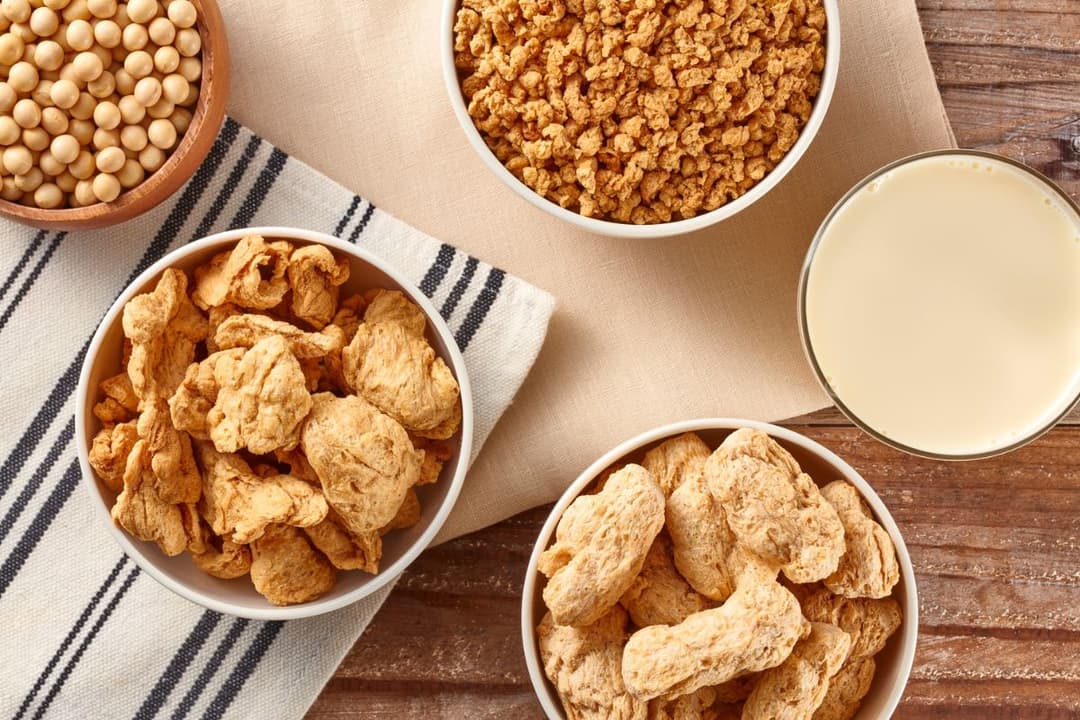
Plant-based snacks are winning because people want something healthier besides being tasty. Basically, veggie chips, nut bars, or lentil crisps are easy private label food items. You can start small since many suppliers offer private label products with low MOQ. It’s an easy private label product, and buyers love discovering new snacks that look clean, simple, and “better for you.”
Why it works:
✅ Healthy snacking is still rising
✅ Eye-catching packaging sells fast online
✅ Lightweight = low shipping costs
✅ Customers reorder because snacks get consumed quickly
2. Organic Supplements
Organic supplements remain one of the strongest private labeling products categories. Think collagen, immunity tablets, or vitamin blends. People search for wellness shortcuts, and supplements hit that need. Some brands even bundle multiple formulas together to increase cart value. So if you're looking for a profitable private label product, this category gives recurring sales because people restock weekly or monthly.
Why it works:
✅ Subscription potential is high with monthly reorders
✅ Small packaging boosts profit margins
✅ Strong trust factor if branding feels clean and transparent
✅ Huge search volume year-round
3. Keto & Low-Carb Foods
The keto crowd wants convenience. Low-carb mixes, sugar-free spreads, and keto cookies are lightweight and easy to ship. Actually, this category works well for selling private label products because buyers reorder. You can even tweak packaging to make it feel premium. Somehow, keto shoppers stay loyal once they find a favorite brand, which is great for retention.
Why it works:
✅ Highly loyal customers who stick to routines
✅ Strong online demand and niche communities
✅ Premium price points feel normal in this category
✅ Easy to brand with lifestyle-based messaging
4. Natural Beauty Product
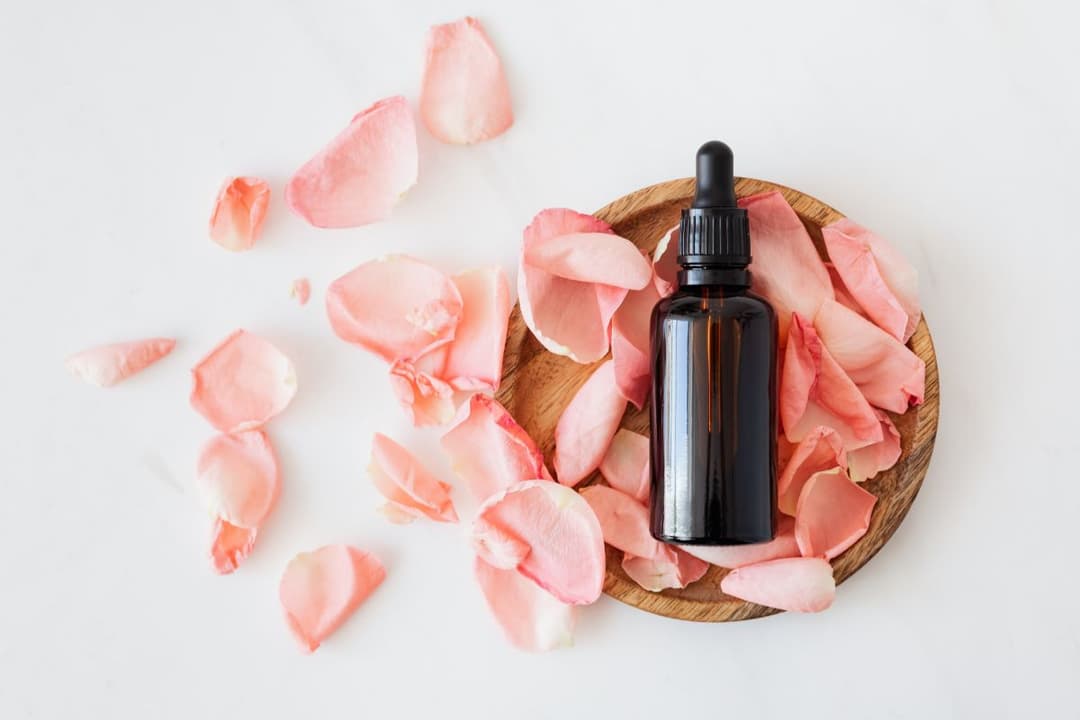
Clean formulas? People are obsessed with these. Natural skincare—cleansers, toners, and facial oils—sells well as private label beauty products because buyers want gentle and safe ingredients. Skincare fits naturally into content because people love sharing routines and “before-and-after” results. When the branding feels thoughtful, buyers connect quickly. You can create that premium look through packaging and messaging while manufacturers handle the actual formulation.
Why it works:
✅ Great storytelling potential on social media
✅ High visual appeal for content creation
✅ Significant impulse-buy behavior online
✅ Customers stay loyal once they trust a formula
5. Eco-Friendly Cleaning Products
Everything about eco-cleaning today is growing so fast. And that's because young families and sustainability-focused buyers love brands that “actually care.” These are solid private label products to sell, especially since packaging makes a big impression. Many factories now allow smaller orders, making it a private label products with low MOQ option. Plus, people reorder when they run out. Recurring revenue.
Why it works:
✅ Sustainability drives repeat purchases
✅ MOQs are getting smaller across many factories
✅ Packaging design heavily influences buying decisions
✅ A “safe for home” message resonates strongly
6. Personalized Protein Powders
Personalized protein powders let you shape the formula around a niche audience. Vegan, whey isolate, pea protein, flavored—anything. Some factories allow custom blends and scoop sizes. This makes it perfect for private labeling products because buyers enjoy choosing something that feels made for them. Basically, add good branding and a clean look, and the product becomes premium immediately online fast.
Why it works:
✅ Fitness is evergreen and predictable
✅ Custom flavors help brands stand out instantly
✅ High margins due to low production cost
✅ Repeat buying is common because protein runs out quickly
7. Health and Wellness Teas
Health and wellness teas sell quietly yet consistently. Detox blends, calming nighttime tea, digestion support—people buy them because they want small improvements in their routine. They’re lightweight and cost less to ship, which helps margins. When you label them as private label products, packaging design does a lot of the talking. Actually, storytelling matters here for better customer loyalty later.
Why it works:
✅ Extremely low shipping cost
✅ Packaging design does most of the selling
✅ Works well with storytelling and lifestyle branding
✅ High reorder rate from loyal tea drinkers
8. Natural Sweeteners
Natural sweeteners fit today’s preference for healthier choices without losing taste. Monk fruit, date sugar, or stevia powders are popular private label products to sell because people basically want sweetness minus the guilt. Somehow, this category keeps growing every month. Light packaging and small jars make shipping simple. Good branding plus clear benefits can push repeat orders very easily too.
Why it works:
✅ Massive demand from keto, paleo, and diabetic shoppers
✅ Lightweight for shipping and storage
✅ Clear “clean label” appeal
✅ Easy to private label with jars, pouches, or sticks
9. Sustainable Fashion
The appeal comes from simplicity. Recycled-fabric tees, tote bags, and hoodies fit into a low-maintenance, everyday wardrobe, making sustainability feel effortless instead of "trying too hard." Private labeling products here gives freedom to experiment with colors and prints. Actually, people pay more when a brand explains its choices. Keep the message simple and genuine, and customers stick around for a while.
Why it works:
✅ High margin potential if designed well
✅ Works with small-batch private label production
✅ Strong identity-building for new brands
✅ Fits rising eco-conscious shopping habits
10. Premium Coffee and Tea Blends

Premium coffee and tea blends give you space to build a story. Origin matters. Single-estate beans or rare tea leaves feel special, and somehow buyers taste the difference. It’s a strong category for private label products because people reorder their favorites. Basically, pair good packaging with small tasting notes, and your brand suddenly feels elevated to customers very quickly worldwide.
Why it works:
✅ Coffee and tea have built-in repeat purchase cycles
✅ Premium packaging increases perceived value
✅ Works well for gifting seasons
✅ Simple to produce at low MOQs with the right supplier
11. Fitness Equipment
Compact fitness equipment is always in demand. Resistance bands, ankle weights, or handheld massage balls are simple private label products to sell because people want quick workouts without bulky machines. They’re small, easy to ship, and don’t require complex instructions. Basically, fitness accessories fit into any lifestyle, making them ideal for private labeling products in the wellness space.
Why it works:
✅ Durable items with low return rates
✅ Strong fit for online marketplaces
✅ Ideal for bundles or workout sets
✅ Works for both beginners and advanced users
12. Aromatherapy Products
Aromatherapy products like diffusers or oil rollers sell because people want tiny upgrades to their daily routine. They need that one scent that can make the room feel different in one drop. They’re also lightweight, so shipping costs stay low. Actually, this category works well for private labeling products because packaging and fragrance story do most of the selling.
Why it works:
✅ Bundles naturally raise average order value
✅ Scents rotate seasonally, creating easy new launches
✅ Works across wellness, décor, and gifting niches
✅ Mood-based marketing boosts conversion quickly
13. Functional Beverages
Functional beverages are “drinks with a job.” Mushroom coffee, electrolyte mixes, or adaptogen blends promise some type of benefit: focus, calm, or energy. People try them out of curiosity, then they reorder if they feel the results. Evidently, this niche is growing fast, making it a strong option for profitable private label products with recurring sales potential.
Why it works:
✅ Long shelf life simplifies inventory planning
✅ Multiple benefit types increase cross-sells
✅ Wellness influencers promote them naturally
✅ Fits perfectly into subscription models
14. Pet Care Products
Pet owners spend like crazy, sometimes more on their pets than on themselves. Pet shampoos, paw balms, and calming chews are easy private label products with emotional buying behavior. Basically, if something promises comfort for a pet, owners don’t hesitate. The category creates reliable repeat purchases since pets need care products regularly.
Why it works:
✅ Demand stays strong all year
✅ Customer photos build fast social proof
✅ Bundles work well for this category
✅ Pet loyalty easily transfers to the brand
15. Reusable Kitchenware
Reusable kitchenware fits today’s mindset of less waste and more convenience. Think silicone bags, collapsible containers, or wrap alternatives. People want simple swaps that help them reduce plastic use. Private label products with low MOQ are common here, making it low-risk to test designs or colors. It’s practical and evidently always in demand.
Why it works:
✅ Appeals to both practical and eco-focused shoppers
✅ Designs update easily with color or pattern changes
✅ Category supports steady line expansion
✅ Word-of-mouth referrals are common
16. Organic Baby Products
Organic baby products appeal to parents who prefer simple ingredient lists over complicated labels. Gentle lotions, washes, and creams give a feeling of safety. Actually, people read baby product labels more than anything else in the bathroom. With private label products, reorders are common because once parents trust a formula, they stick with it for months on end each purchase.
Why it works:
✅ Parents rarely switch once trust is earned
✅ Higher price tolerance due to safety concerns
✅ Parenting communities naturally share recommendations
✅ Easy pathway to expand into related SKUs
17. Dietary Supplements
People like having simple solutions. Dietary supplements offer a convenient shortcut toward a goal—better focus, steady energy, or a calmer mood. These make strong private labeling products because customers notice effects and keep buying. Capsules or powders are lightweight and simple to ship. The category grows so fast since wellness became part of daily habits instead of something occasional for many users.
Why it works:
✅ Niche formulas reach multiple customer segments
✅ Strong margins compared to production cost
✅ Buyers often purchase multiple supplements at once
✅ Clean labels help build immediate trust
18. Essential Oils
Essential oils truly belong in routines because they feel like small, intimate rituals. Just a drop or two can shift the mood of a room. Actually, buyers already know how to use them, so there’s less explaining. Small bottles reduce risk, making them great private label products for testing different scents with minimal inventory from your first launch and beyond easily.
Why it works:
✅ Tiny SKUs enable low-risk product testing
✅ Sets and kits lift cart value
✅ Fits seamlessly into wellness content
✅ Strong scent preferences drive reorders
19. Yoga Mats
Yoga mats sell well because people want something that feels like their spot to move and breathe. A good mat becomes part of a routine, not just equipment. Actually, customization makes them strong private label products because you can pick colors, patterns, and thickness. Somehow, a mat becomes part of someone’s routine, not just another purchase as they keep using it every day.
Why it works:
✅ Custom designs help brands stand out
✅ Accessories create natural upsell opportunities
✅ Year-round fitness demand keeps sales steady
✅ Replacement cycles are predictable
20. Home Fragrance Products
Home fragrance products turn small spaces into something cozy. Candles, room sprays, and diffusers are easy private label products with low MOQ, so you can test scents without huge inventory. People buy them for gifts, but somehow they end up keeping them. Scent connects to memory, making customers return when they want that feeling again in their own space later.
Why it works:
✅ Endless scent variations keep the line fresh
✅ Strong gifting appeal boosts Q4 demand
✅ Small batch testing is easy and low-cost
✅ Scents create emotional loyalty and repeat sales
Benefits of Private Labeling
Private labeling gives you something most business models don't: the chance to build a brand without guessing how to make the product. The item already exists; what you’re shaping is the perception. You decide how it looks, how it feels, and how customers experience it. Instead of learning manufacturing, you focus on building demand.
Higher Profit Margins
Private label production allows you to buy at lower cost because you’re sourcing directly from the manufacturer, not through a middle layer. You can price the product based on value and not just cost. Basically, if customers love the brand, they won’t compare every price online. The margin becomes your cushion and your opportunity.
Complete Brand Control
Private labeling gives you total control over how the product shows up in the market. You're basically the decision-maker for the design, packaging, copy, and tone. No compromises. Actually, this matters more than people realize. Customers remember the brand they connect with, not the factory that made it. The product becomes yours the moment you define how it should feel.
Quick Market Adaptation
Because manufacturing is already set up, you skip the long development stage. Trends come fast — wellness, food, beauty, whatever spikes this month. Private label lets you test quickly, which is helpful when you don’t want to pour months into R&D. Basically, you move at the speed of demand instead of the speed of production.
Stronger Customer Loyalty
Loyalty happens when people choose your brand again. Private labeling gives you the freedom to create an experience through the packaging, the unboxing, the vibe. Customers don’t stay loyal because a product exists. They stay loyal because it feels like the right choice. Repeat orders come from trust, not just from availability.
Request a Bulk Order Quote
Simple ordering, transparent pricing, delivered straight to your door
Private Label Products Vs. White Label Products
Many people think private label and white label are the same. They aren’t. One gives you control while the other gives you convenience. Both involve working with manufacturers, but how much you can shape the product is very different. Basically, with private label products, you decide how the item should look, feel, and be presented. With white label products, you work with what’s already made.
Private Label Products (Full Customization + Brand Ownership)
Private label products are made specifically for your brand. You can adjust formulas, materials, packaging, and the overall look. You’re not just slapping a logo onto something. You’re shaping how the product should exist in the market. This works well if you want your brand to feel unique. Actually, private labeling products help you stand out and build loyalty since no one else sells that exact version.
White Label Products (Faster Launch + Lower Customization)
White label products are pre-made items that any brand can sell. You pick from what’s available, apply your logo, and start selling. It’s fast and low effort, but the customization is limited. You can’t change the formula or design much, which means other stores may sell the exact same thing. The trade-off? You get speed, but not exclusivity.
In short:
- With white label, you blend in.
- With private label, you stand out.
How to Private Label Products
You don’t need to reinvent anything. The product already exists. Your job is to shape the version that fits your audience which is the look, the promise, the feeling. Think of it as choosing something that’s already working, then making it yours. Here are some straightforward tips on how to private label products.
1. Market Research and Product Specification
Start with demand. Actually ask what people already reach for, not what you assume they want. Look at reviews, comments, and even repeat complaints. Those gaps show what to improve: with packaging, size, or formula. Basically, a profitable private label product solves something people already care about. The clearer the problem, the easier it becomes to sell without convincing anyone.
2. Finding a Private Label Manufacturer
Work with manufacturers who don’t force big orders from day one. Small runs let you test ideas without stress. Use simple searches like private labeling products manufacturers or private label products wholesale to find flexible suppliers. Ask simple things about lead time, packaging options, and certificates. A good partner is transparent and doesn’t avoid questions. As a matter of fact, responsiveness reveals more than any catalog.
3. Branding and Design
Branding decides whether people remember you or forget you. The packaging, tone, and colors? Those will be the emotional hook. People buy what they connect with, not just what they understand. Basically, your label is the “first handshake.” Also, keep it simple and clean and make it feel intentional. Strong branding turns regular private label products into something that looks premium without changing the product itself.
4. Quality Control and Testing
Once samples arrive, test everything. Feel the texture, smell it, taste it if it’s private label food, or try it on your skin if it’s skincare. Then compare suppliers because at the end of the day, quality isn’t something to assume. But also, testing saves you from returns and complaints later. Your name is on the label, and that alone makes quality your responsibility, not the manufacturer’s.
5. Launching a Private Label Business
A private label launch works best when you treat it like a test, not a grand opening. You don’t need a huge catalog. You just need one product that proves people will pay for your brand as momentum comes from movement.
6. Creating an Online Store
Select whatever platform that feels natural for you to use. Shopify is great if you just want to get online fast without wrestling with setup. Amazon gives access to traffic immediately, though competition exists. There's also Etsy or WooCommerce if your audience is more niche. Actually, the goal isn’t perfection. The goal is to have a place where someone can press “add to cart” without friction.
7. Adding Products Strategically
Instead of launching a dozen products, lead with one strong offer and let that product become your anchor. A focused lineup makes your brand easier to understand. Basically, prove demand first, then expand intentionally. Add more private label products only when customers start asking for variations or pairs, not because you feel pressure to fill the store.
8. Marketing and Sales Strategy
People scroll quickly. Show your product in real situations like someone opening it, using it, or reacting to it. Raw videos convert better than perfect ads. Use quick clips, simple captions, and genuine reactions. Actually, that authenticity helps when selling private label products because buyers want to see real results, not polished commercials that feel disconnected.
9. Distribution and Fulfillment
Start with the method that matches your stage. Shipping orders yourself keeps you close to the customer. Fulfillment centers save time when volume grows. Both approaches work if customers receive their orders on time. Keep packaging organized and the unboxing simple. Somehow, a smooth delivery feels like part of the product experience and sets expectations for the next purchase.
Legal Considerations for Private Label Products
Before selling private label products, make sure the legal side is covered. It keeps things smooth and prevents issues that could slow down growth.
Product Compliance and Regulations
Product compliance protects you before you even sell a single unit. When dealing with private label food, supplements, or anything that touches skin, regulations matter. Check labeling rules, ingredient restrictions, and required certificates. Basically, make sure the manufacturer provides documents, not vague promises. If something feels unclear, ask again. You want things verified so you don’t face major problems while in the process.
Intellectual Property Protection
Register your brand name early. And do your best to get to it before you spend money on packaging or ads. Trademarks help you avoid copycats and messy disputes. Also, secure your logo files, product names, and domain. Don’t skip this step because someone else can file first and that would be such a headache for your process. Basically, ownership gives leverage. Once protected, scaling feels easier because your brand is secured from copycats trying anything.
Product Liability Coverage
Product liability insurance protects you if something unexpected happens. Evidently, accidents occur even with high-quality private label products. Insurance might feel boring, but it keeps your business safe. It covers claims, returns, and legal issues. Basically, it’s a safety net. You worked hard to build your brand and that coverage ensures one mistake doesn’t wipe everything out for good.
Conclusion
Building a private label brand isn’t about having the “perfect” product. It’s about choosing something people already buy and improving the experience through the look, the message, and the feeling they get when they open it. Private labeling lets you skip the heavy parts like manufacturing and jump straight into building demand.
Start with one product. Actually test it. See how people react. The moment you find what clicks, scale it. You don’t need a massive catalog, though. Just something that sells consistently.
Somehow, when you stop overthinking and start moving, things become clearer. Private label products give you that flexibility. You’re not guessing. You’re building a brand around what already works, and that’s the smart way to grow.
FAQs
1. What is an example of a private label product?
A private label product is something made by a supplier but sold using a store’s branding. Costco’s Kirkland Signature and Trader Joe’s snacks are great private label products examples. They don’t own the factories. They just manage the brand. Basically, the product already exists but the branding is what makes it feel unique.
2. Is private labeling profitable?
Yes, private labeling can be very profitable because you control pricing and margins. You’re buying at a lower cost and selling at retail. Actually, when branding is strong, people pay for value, not ingredients. Profit comes from owning the label and shaping the customer experience around private label products, not from manufacturing.
3. How much does private labeling cost?
Simple products with private label products with low MOQ can start around $300–$800. If you want customized formulas, premium jars, or special packaging, costs can climb to $2,000–$10,000. Start lean, learn the market, then scale once you see actual demand.
4. Is Apple a private label brand?
No. Apple designs its own hardware and software and manages its production process tightly. That’s different from private labeling products, where the item already exists and you brand it. Private label lets you skip manufacturing; Apple controls everything from concept to packaging, so the comparison doesn’t really fit.
5. Is Zara a private label?
Yes, Zara operates as a private label brand because it designs clothing under its own name and sells it through its own stores. The brand may outsource manufacturing, but Zara controls the design, labeling, and final product. Basically, customers remember Zara, not the factory. That’s the core idea behind private label products.